

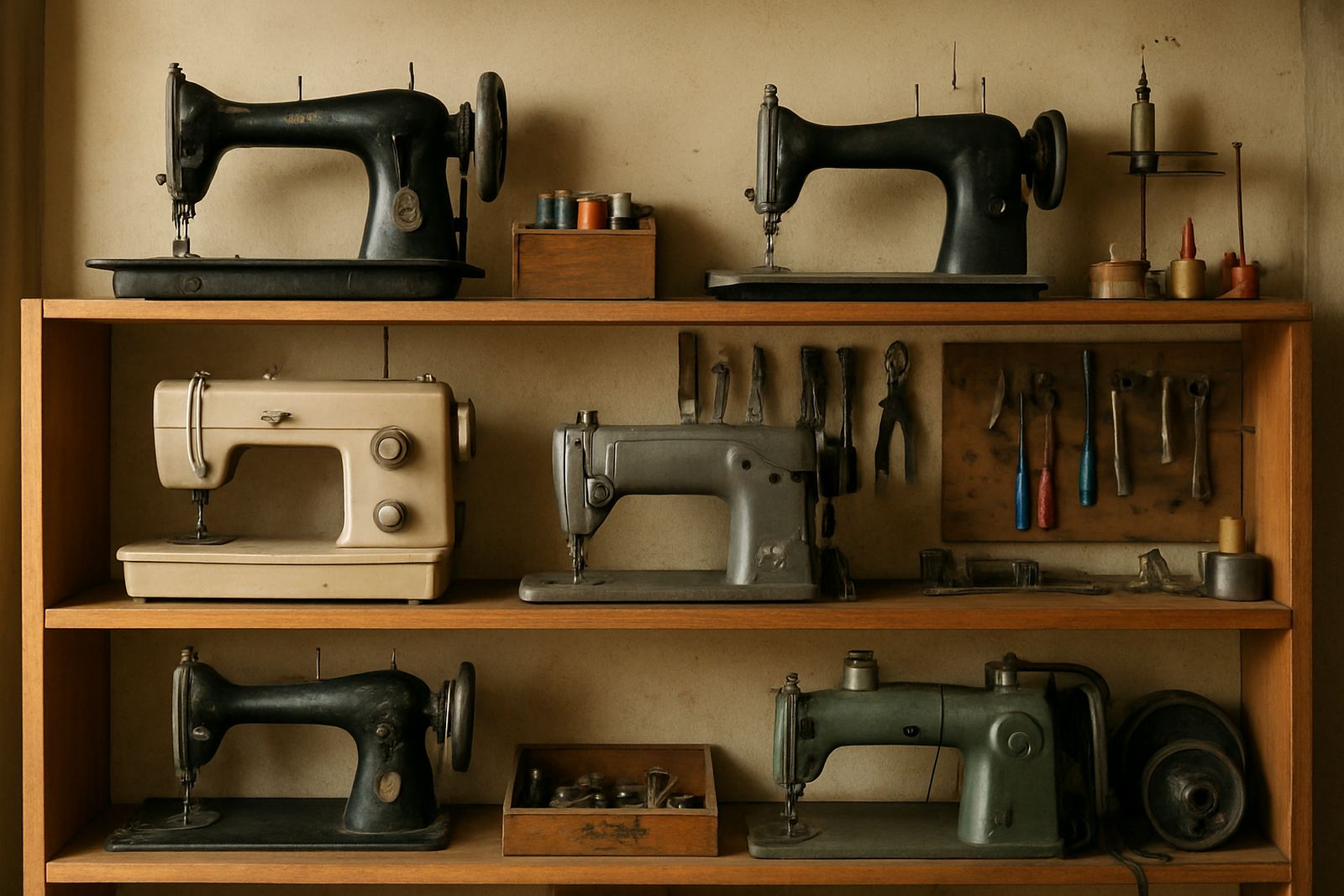


2006: A Johannesburg CBD start with a hands-on approach
Asia Sewing Machines opened its doors in 2006 with a clear purpose: to sell and support sewing equipment in a way that made sense for local users. From the start, the focus was on helping customers choose the right machine, get it installed properly, and keep it running in busy workrooms where every hour matters.
The first customers came from the Johannesburg CBD and nearby areas like Fordsburg and Mayfair, where small manufacturing spaces and tailoring shops need quick answers, not long delays. The business was built around practical service, with machine setup, basic repairs and spare parts support forming the core of the day to day work.
Founding principal Mandla Ndlovu set the tone early: know the equipment, know the work, and treat every machine as part of a client’s livelihood. That approach helped the team build trust with first-time buyers, experienced operators and family-run businesses alike.
2007 to 2010: Building workshop capability and service confidence
As demand grew, the business strengthened its workshop services and started handling more varied machines, from household units to heavier industrial models used in production lines and training rooms. These years were about learning the rhythm of local trade, with customers needing support during power interruptions, seasonal peaks and tight production schedules.
Workshop repairs became a major part of the business, along with routine servicing, timing adjustments and motor conversions. The team also began working more closely with schools and training centres that needed reliable equipment for classes, practicals and learner use.
- Routine servicing to reduce breakdowns and improve stitch quality
- Timing and tension adjustments for better day to day output
- Motor conversions for older machines that needed updated control
- Parts sourcing for models that were hard to match quickly
By the end of this period, Asia Sewing Machines had moved beyond simple sales and into proper support work. Customers knew they could bring in a machine, explain the fault and leave with clear guidance on repair, parts or replacement.
2011 to 2014: Adding embroidery and pressing solutions
During the next phase, the business expanded into computerised embroidery machines and fusing press equipment, responding to customers who needed more than standard sewing. Garment makers, branding shops and small factories were looking for better production tools, while tailors and schools wanted equipment that could handle different teaching and business needs.
This period also brought more work around embroidery setup and fusing press service. The team learned to balance technical installation with practical user support, making sure customers understood threading, hooping, heat control and maintenance. That made a real difference for people working in Gauteng’s changing conditions, where dust, load-shedding and long operating hours can affect machine life.
It was also a time when the business started to support more workroom planning. Customers wanted help arranging machines, pressing stations and workflow so staff could move more efficiently. A good layout can save a lot of time and reduce wear on equipment, especially in busy rooms that do piecework or school training.
2015 to 2018: Serving more suburbs and more kinds of customers
As word spread, the customer base widened beyond the CBD. More people from Germiston, Soweto, Alberton and Randburg began using the business for sales, servicing and repairs. The team also supported clients in Pretoria, where factories and training centres often need dependable servicing without having to send equipment far from site.
These years brought stronger field service work. Willem van Wyk joined the hands-on technical side, helping with on site repairs, setup work and machine checks at customer premises. That made it easier for factories and workrooms to stay productive when a machine could not be moved easily to the workshop.
- On site repairs for workrooms that could not stop production
- Machine installation for new purchases and room changes
- Operator training for staff learning new equipment
- Fusing press service for garment and finishing operations
By then, the business was known not only for selling machines, but for staying with customers after the sale. That is often where real trust is built, especially when a team is waiting on parts, a machine is down, or a deadline is close.
2019 to 2021: Adapting to pressure, power cuts and changing work patterns
Like many South African businesses, Asia Sewing Machines had to adapt to more frequent load-shedding, tighter budgets and changing customer needs. The focus shifted even more toward maintenance, better setup and efficient machine use, because a well serviced machine can make the difference between finishing a job on time or losing a contract.
Customer support became even more important during this period. The team spent more time explaining service schedules, correct threading, motor care and the best ways to keep machines steady during power interruptions. In some workshops, the right advice could prevent repeat faults and reduce unnecessary downtime. Small things matter, and a skipped maintenance check can cause bigger trouble later on.
Workshop Supervisor Yusuf Patel led repairs with a strong focus on fault finding and proper workmanship, while Anele Dlamini made parts sourcing and stock control more responsive. Together, that helped the business keep pace with customers who needed quick turnaround and practical answers.
2022 to today: A full support team for sales, spares and service
Today, Asia Sewing Machines serves Johannesburg CBD and surrounding areas with a full range of industrial and household sewing machine support. The business also continues to supply computerised embroidery machines, fusing presses, threads, haberdashery, attachments and spare parts, with a strong focus on getting the right item for the right job.
The team now includes Lerato Mokoena in sales, Naledi Khumalo in embroidery support and Farah Ismail in customer coordination, alongside the technical and parts staff who keep the workshop moving. Mandla Ndlovu remains the guiding force behind the business, with a clear eye on service quality and customer needs across Gauteng.
Current services include installation, routine servicing, workshop repairs, motor conversions, timing adjustments, embroidery setup, fusing press service, pressing station service, parts sourcing and operator training. The business continues to work with factories, tailors, schools and home sewers who want dependable support without fuss.
- Johannesburg CBD base for walk-in sales and workshop work
- Service coverage across Fordsburg, Mayfair, Soweto, Germiston and Pretoria
- Support for Alberton, Randburg and other Gauteng customers by arrangement
- Practical guidance for both new and experienced machine users
What has stayed the same since day one
Although the product range and customer base have grown, the business still works on the same principle it started with in 2006: give honest advice, supply suitable equipment and back it up with proper servicing. That means recommending what will work in a real workroom, not just what looks good on paper.
The history of Asia Sewing Machines is really the history of staying useful. From one machine to many, from simple repairs to embroidery setup and workroom planning, the business has kept its attention on the practical side of sewing. In a market where downtime costs money and wrong advice can cost more, that steady approach still matters.
For customers across Gauteng, the name now stands for local knowledge, hands-on support and a team that understands the pressure of production, training and daily sewing work.