



Factories that need steady output and fewer stoppages
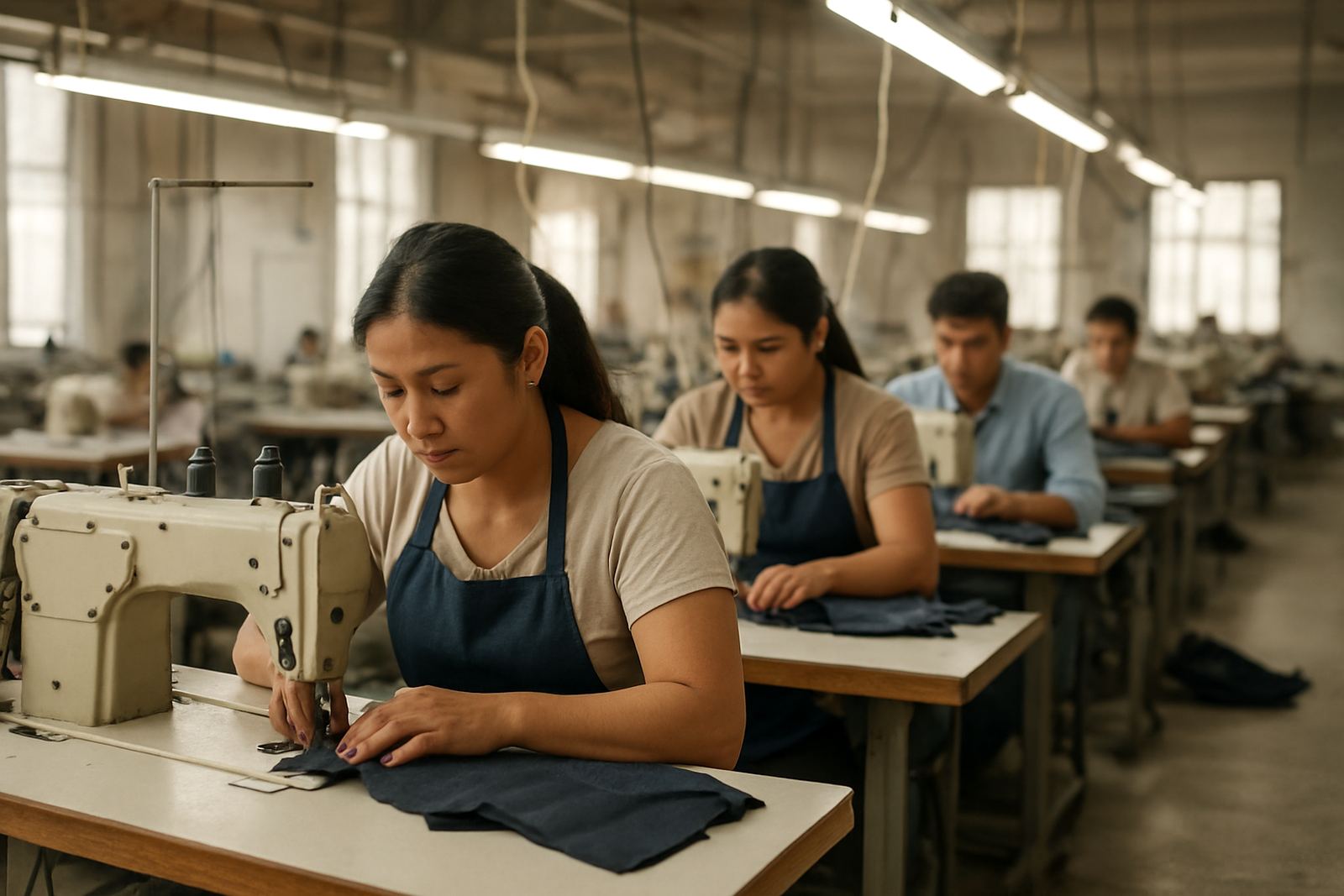
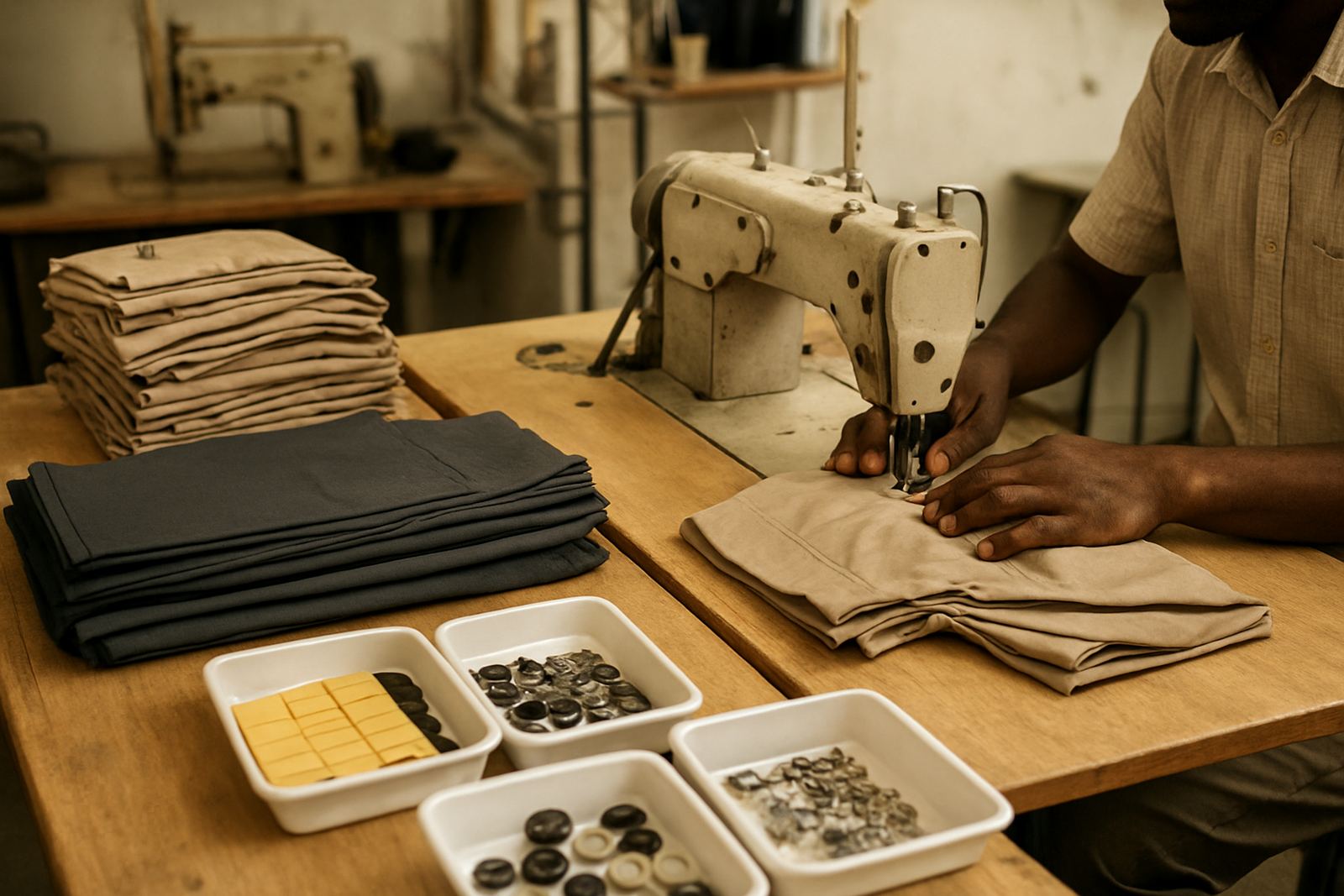
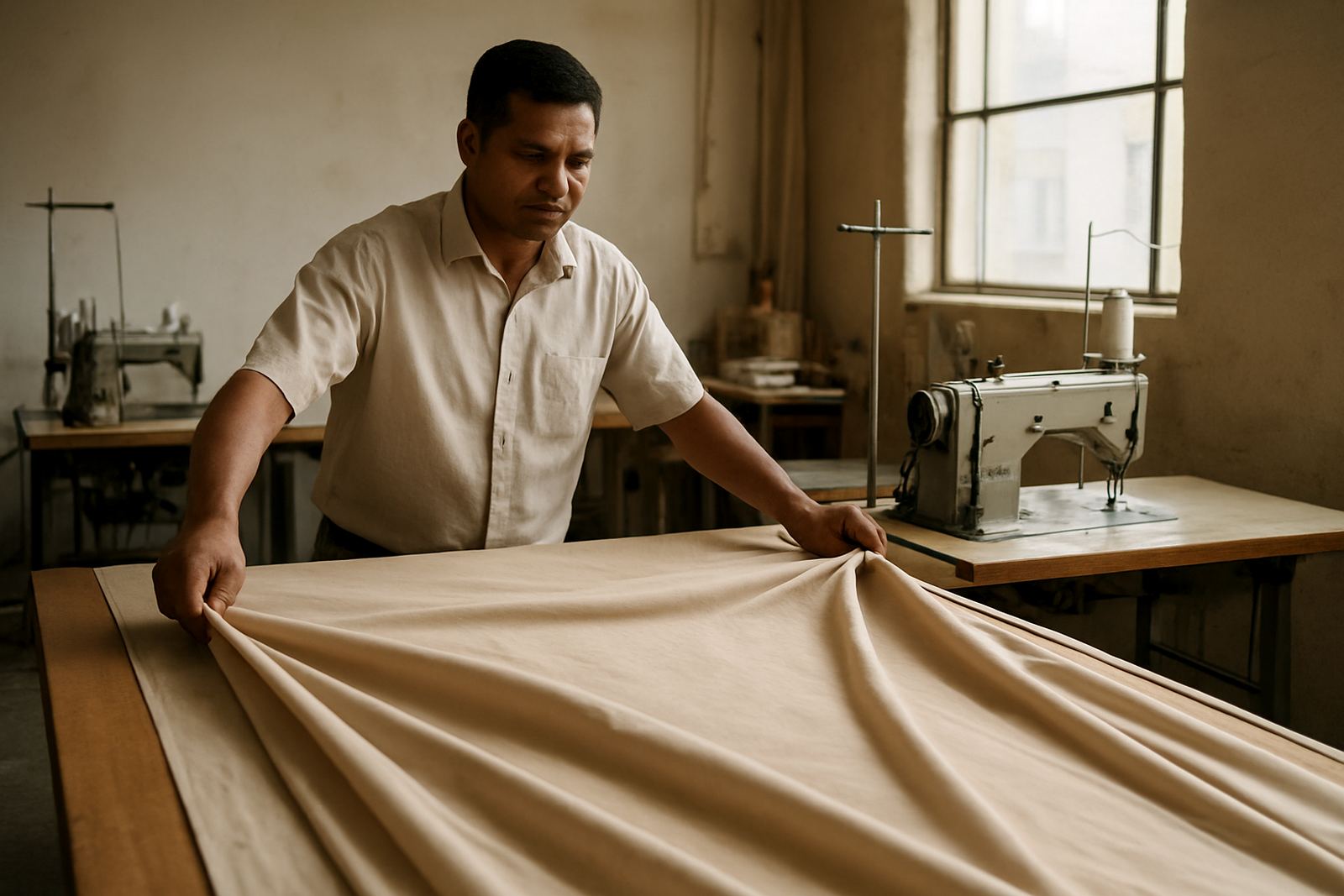
For cut-make-trim rooms, alteration shops and small factories, the first question is not what looks impressive, but what will keep pace all day. We help teams in Johannesburg CBD, Germiston, Soweto and Pretoria choose industrial sewing machines, motors, tables, needles, feet and threading accessories that suit the fabric, stitch type and daily volume. If the work includes denim, shirting, schoolwear or workwear, the machine setup has to match the material and the operator’s pace.
We also look at the room itself. Power points, machine spacing, ventilation and lighting all matter, especially where load-shedding means a backup plan is needed. A well planned workstation can cut thread breaks, reduce skipped stitches and make training easier for new operators.
- Single-needle and multi-needle workstations
- Overlock, cover and buttonhole applications
- Motor conversions and timing adjustments
- Routine servicing and workshop repairs
Tailors, alteration shops and made-to-measure work
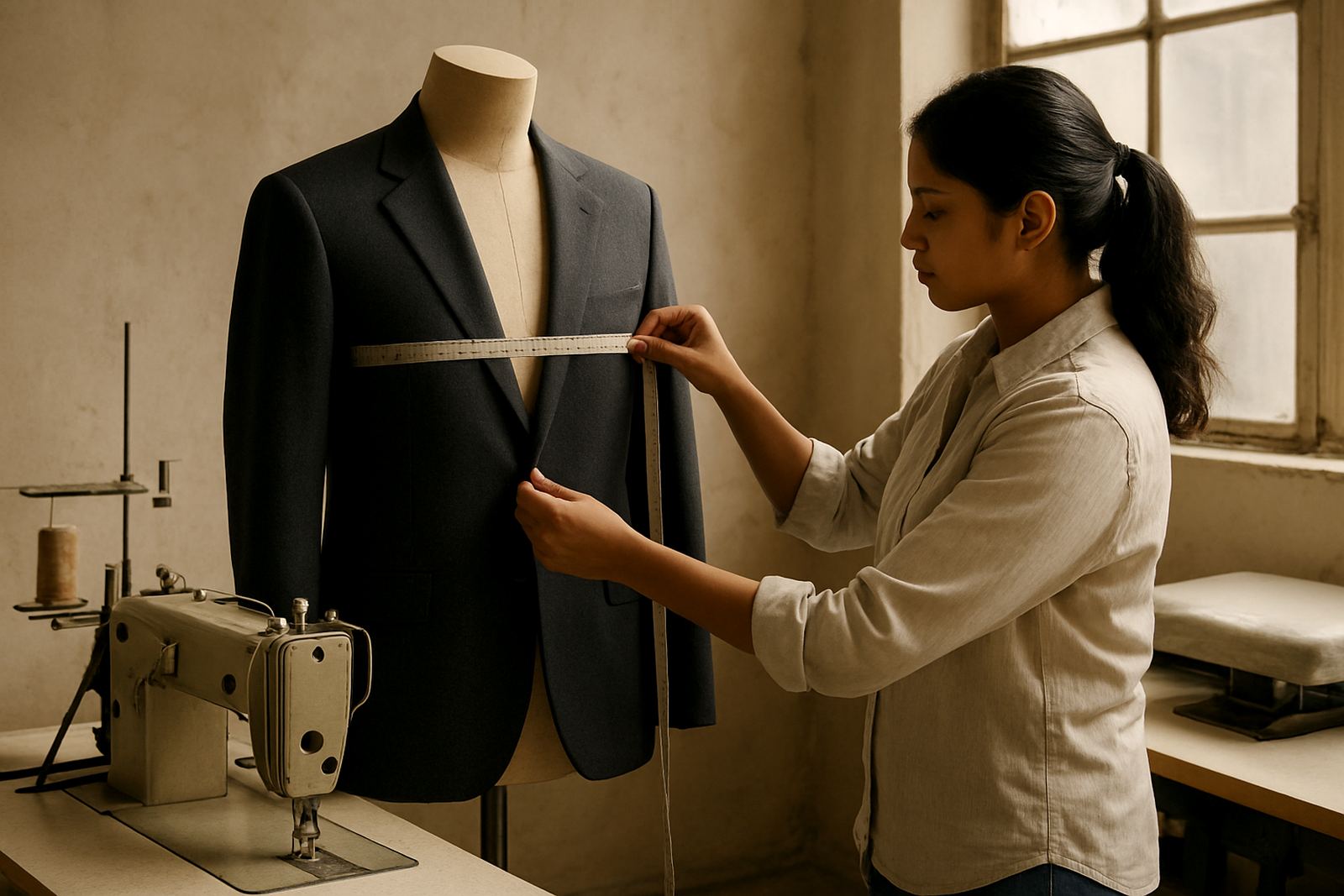
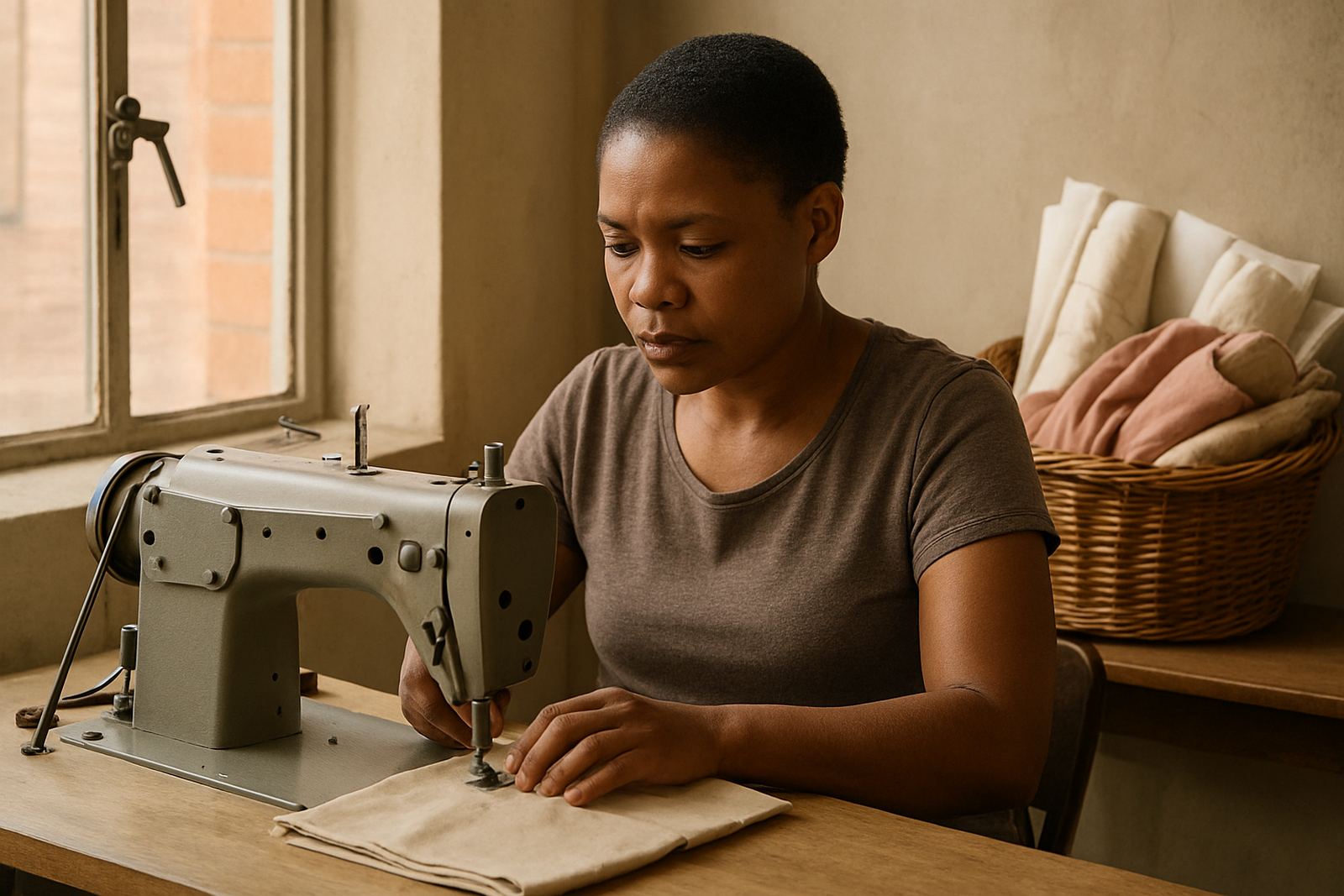
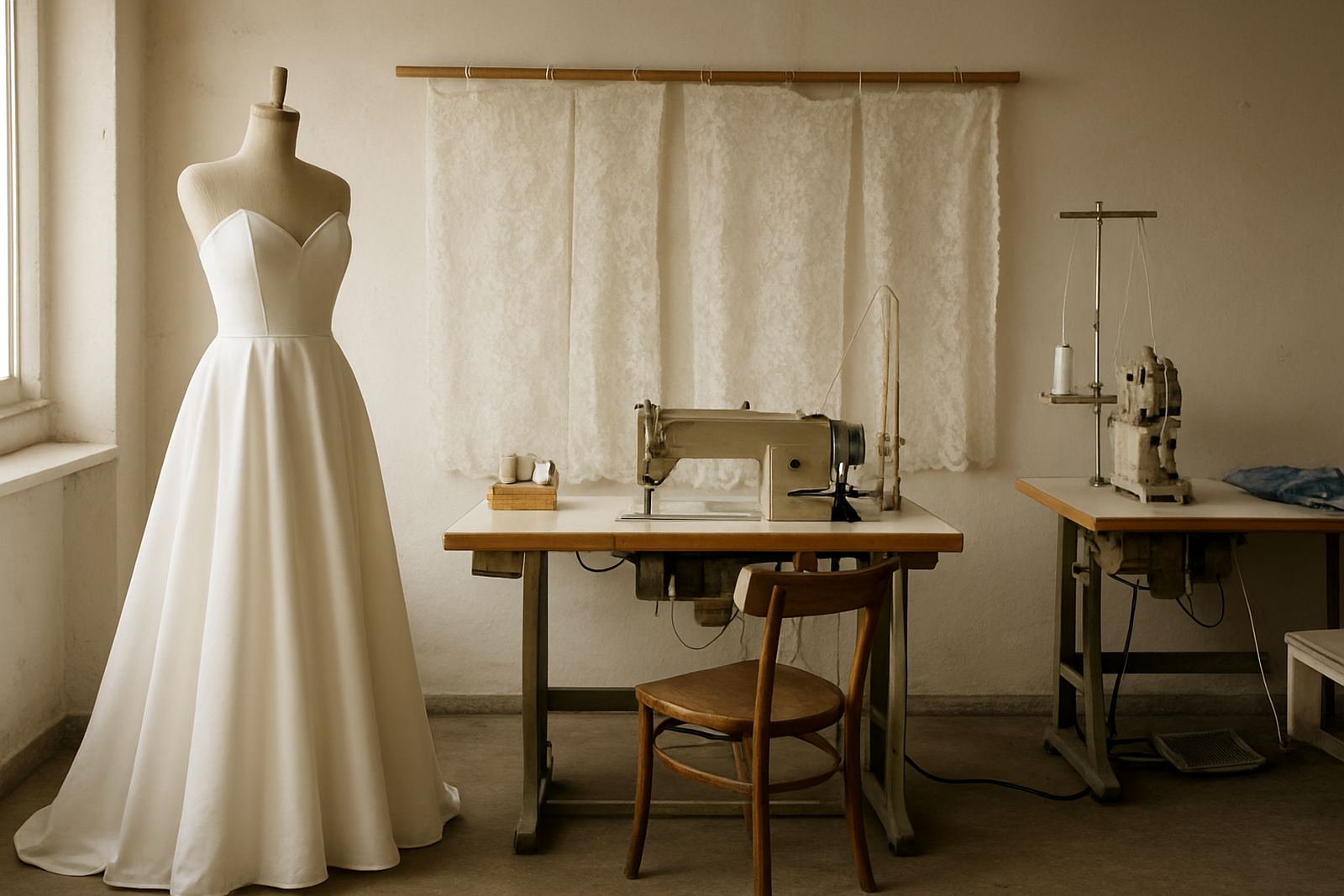
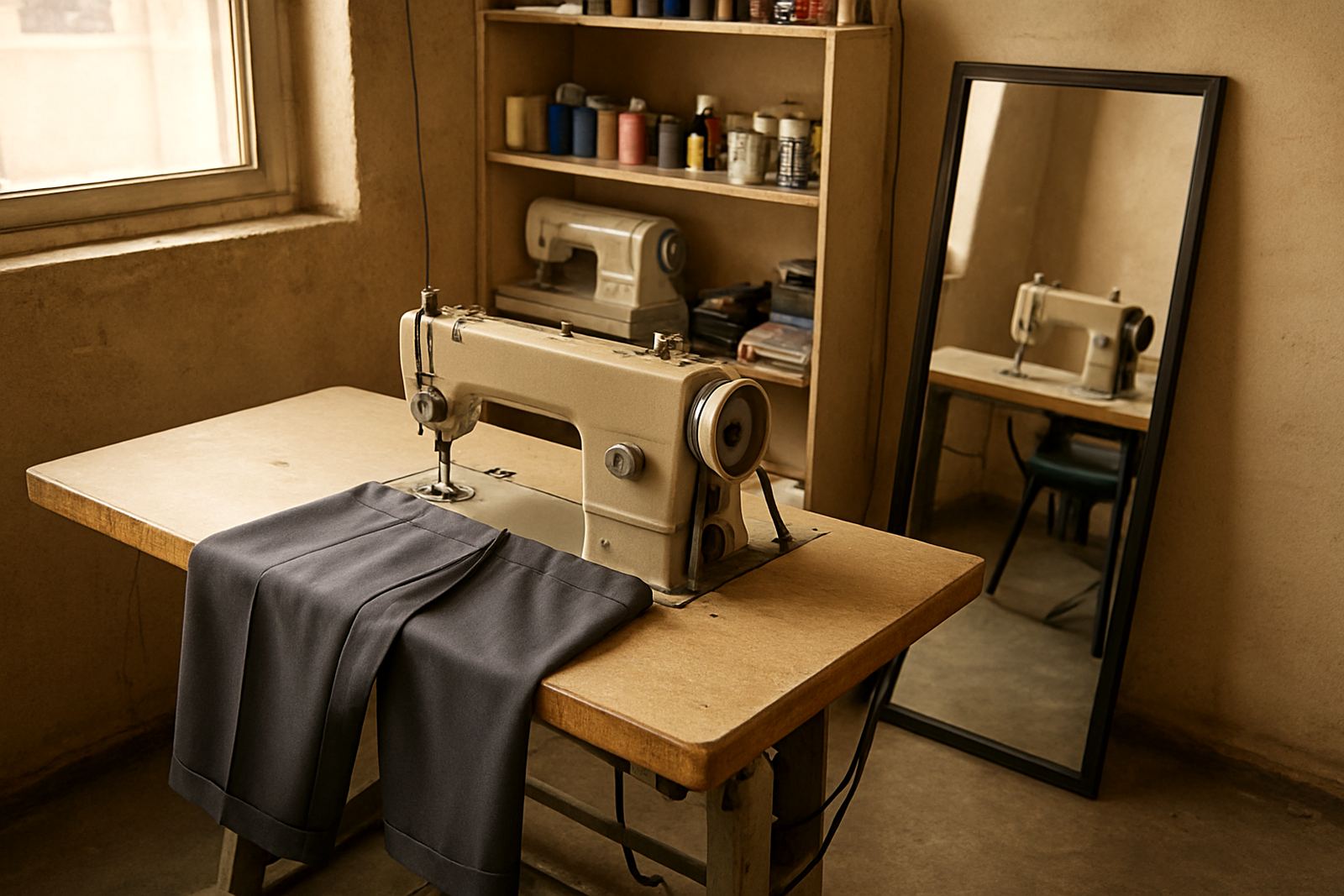
Tailors and alteration businesses usually need versatility more than volume. A good household or light industrial machine may be enough, but it must handle hems, zips, repairs and finishing without constant rework. In Fordsburg, Mayfair and Randburg we often see setups that need better speed control, stronger feed, or the right attachment for narrow seams and delicate fabrics.
We help you compare plain stitching, zigzag, stretch work and topstitching so the machine can handle everything from school uniforms to occasion wear. If the machine is already in place, we can service it, adjust timing and replace worn parts rather than pushing a full replacement when it is not needed.
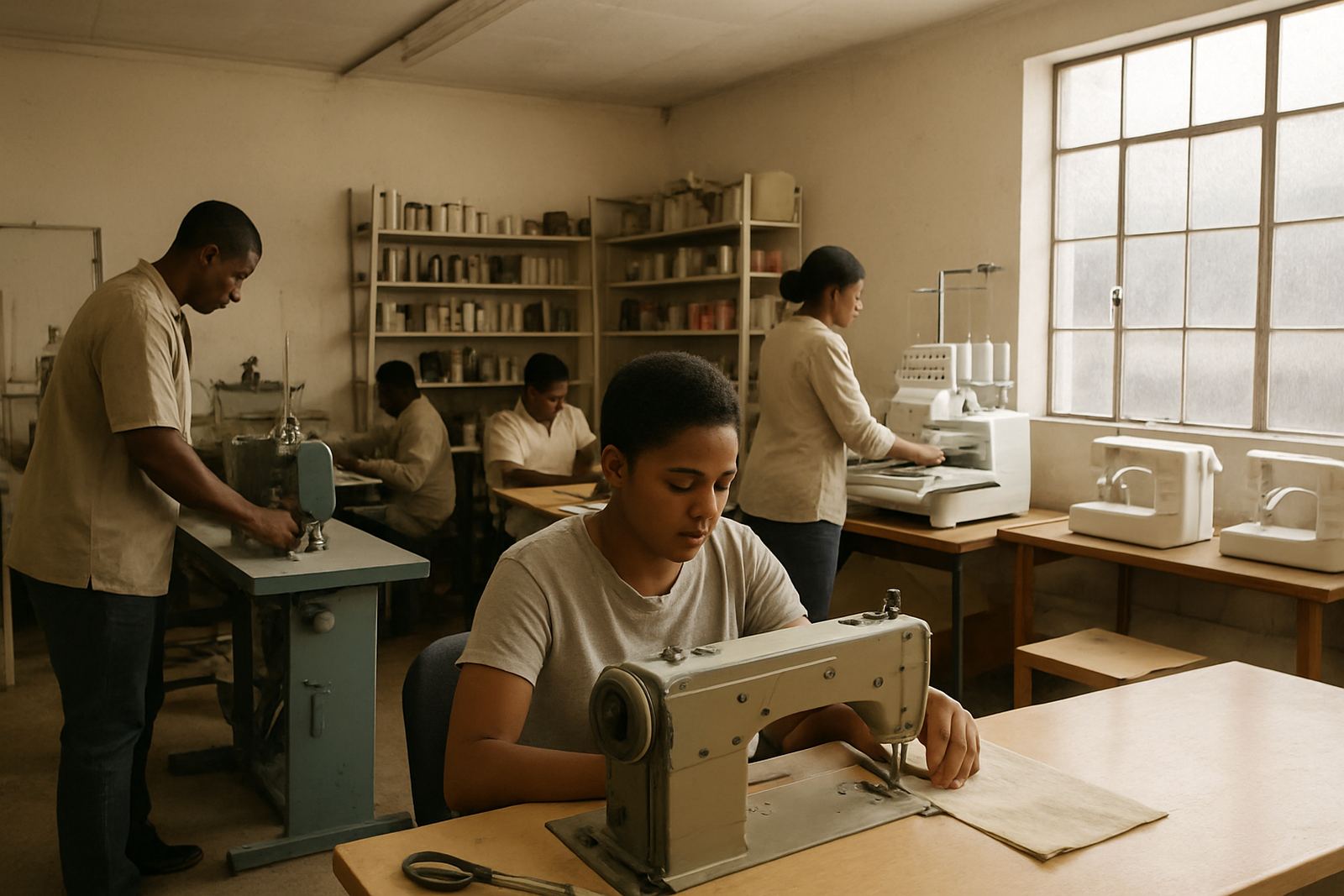
Schools, training rooms and skills centres
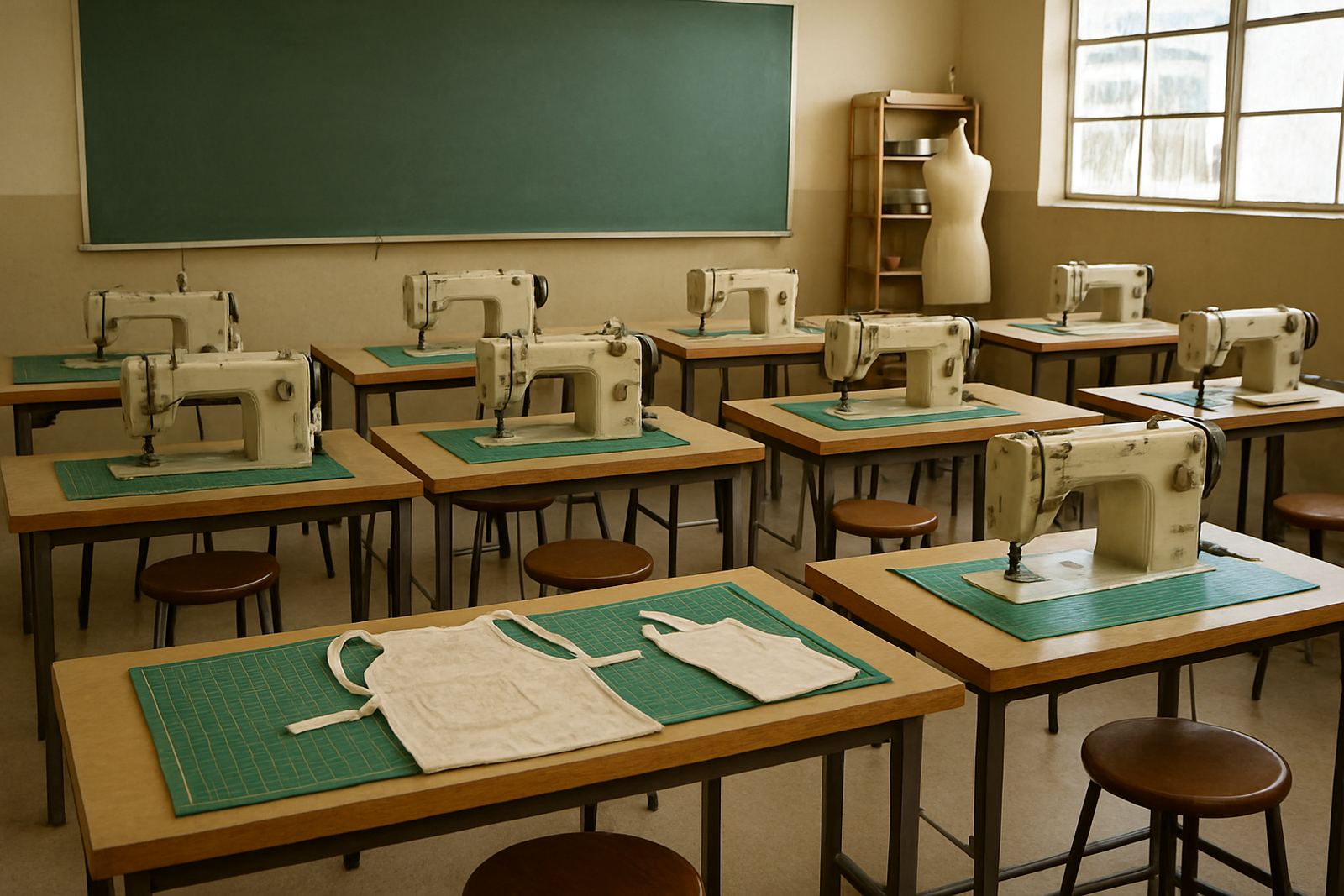
Schools and training centres need machines that are easy to learn on, safe to use and simple to maintain. The aim is to keep classes moving, even when learners are working at different speeds. We supply and set up machines for basic sewing, embroidery introduction and pressing work, with enough guidance for practical classroom use.
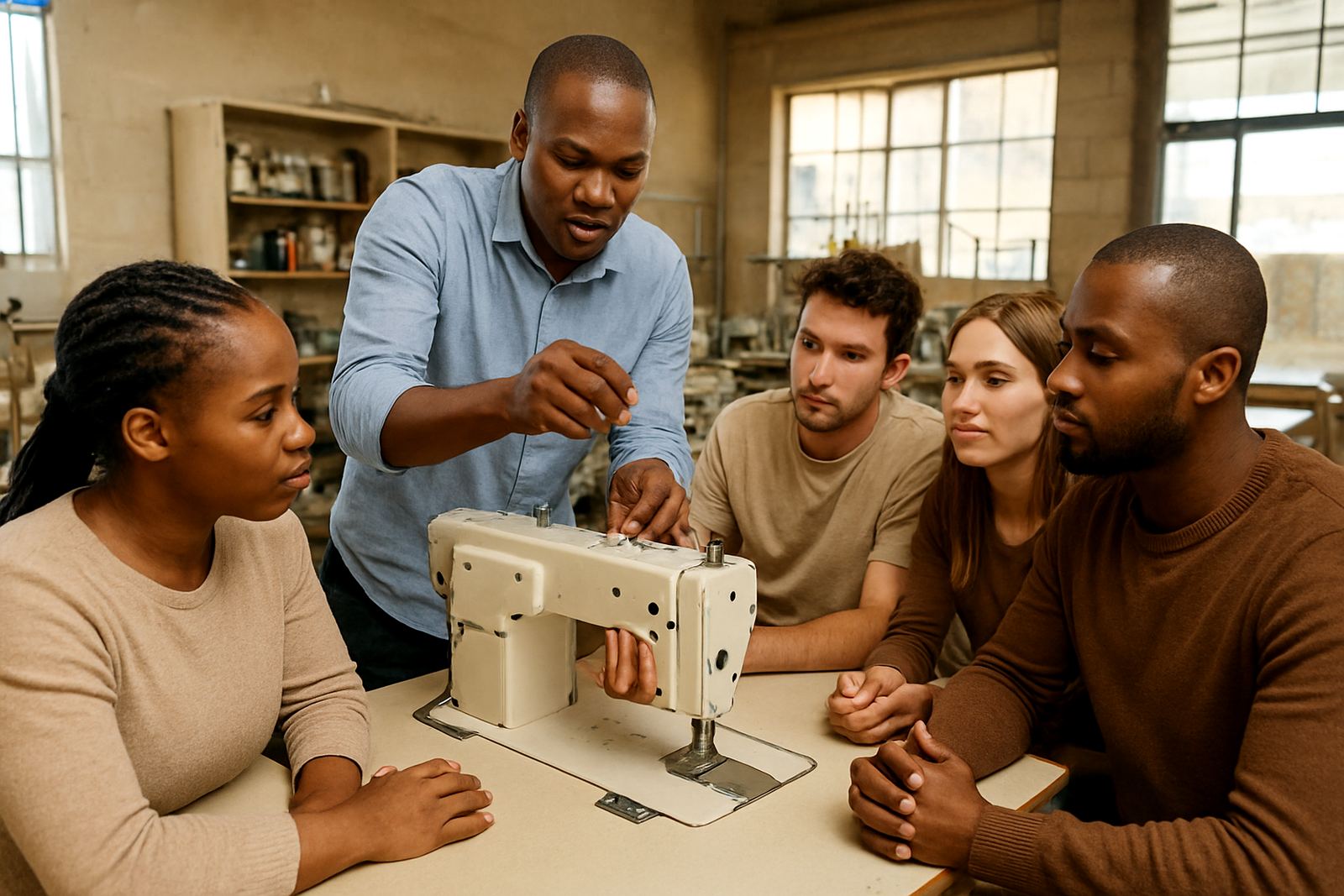
For these spaces, we usually consider noise levels, durability and the ability to source spare parts quickly. We can also train staff on daily checks, needle changes, thread handling and basic fault spotting, which helps reduce downtime and keeps the room running between term breaks.
- Starter machines for new learners
- Embroidery machines for skills development
- Fusing presses for garment finishing lessons
- Operator training and workroom planning
Home sewers who want better control and cleaner finishing
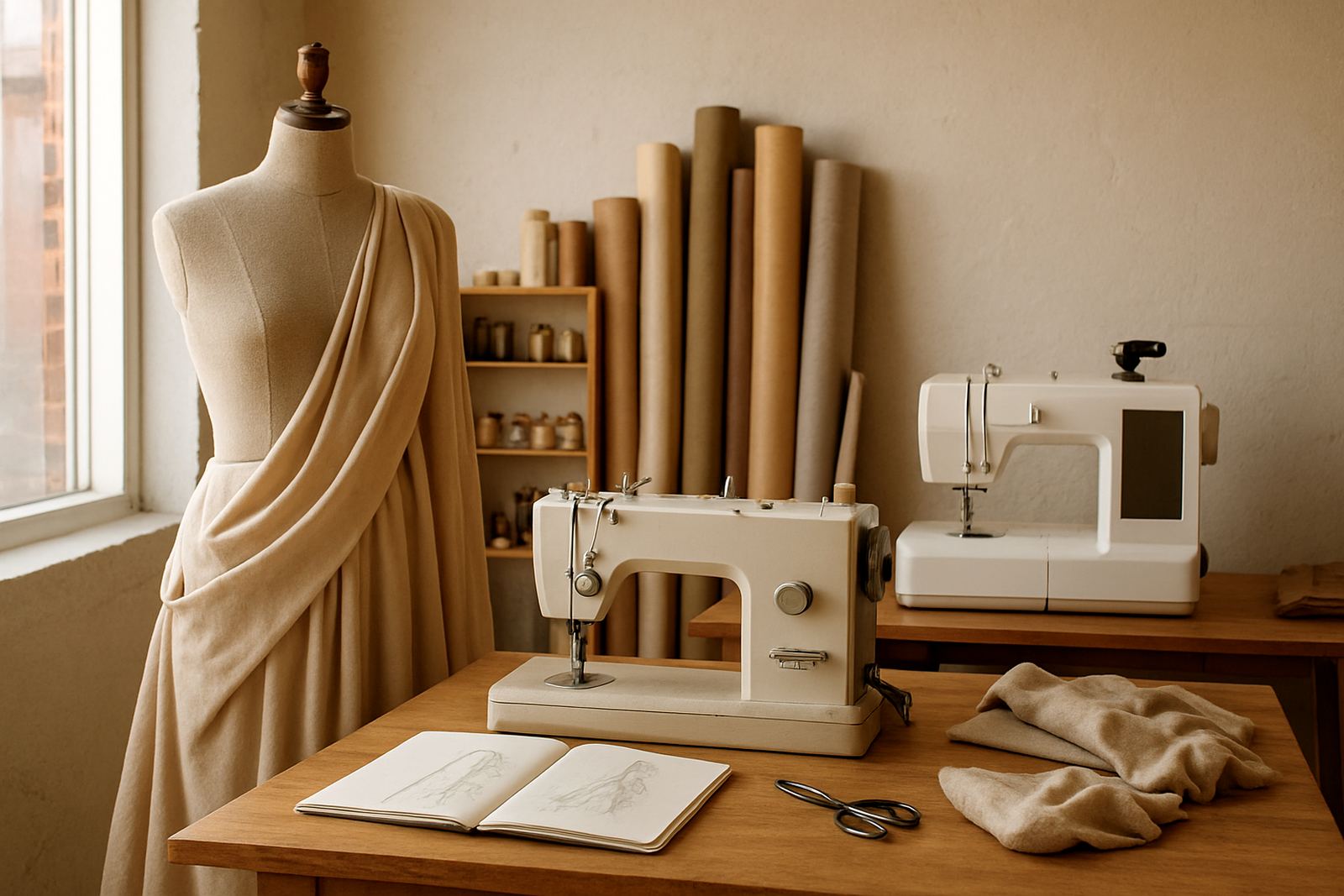
Home sewing can mean simple repairs, dressmaking, small side orders or regular hobby work. The right machine depends on the kind of fabric you use most often and how often you sew. Some homes only need a reliable household machine, while others need a machine that can handle heavier fabrics, more speed or neater finishing.
If your setup is in a flat, backyard room or spare bedroom, we keep practical issues in mind: storage, noise, space and power. We can also advise on attachments, threads, needles and basic servicing so you get better results without buying things you will not use.
Embroidery customers building a neat production flow
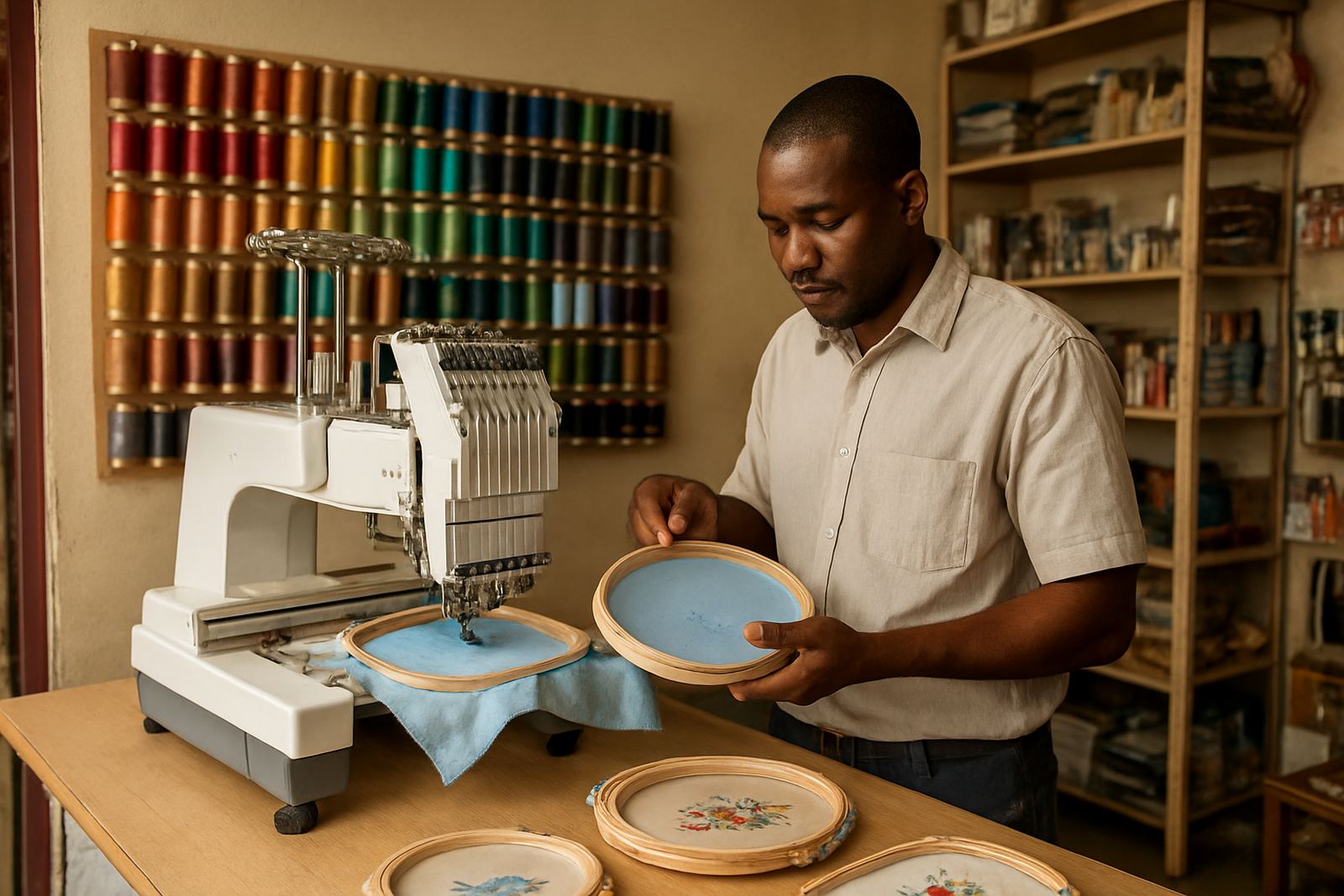
Embroidery work needs more than the machine itself. Hoop size, thread path, stabiliser choice and design placement all affect the final result. We help businesses and hobby users choose embroidery machines and setup support for caps, logos, uniforms and personalised items. Naledi Khumalo works with customers on practical setup choices so the machine is ready for actual orders, not just sample runs.
For embroidery rooms, consistency matters. We look at table space, thread storage, maintenance access and how easily the operator can switch between jobs. If the machine is already in use, we can assist with setup, servicing and parts sourcing to keep colour changes and stitch quality under control.
- Computerised embroidery machine setup
- Thread, bobbin and needle matching
- Stabiliser and hooping support
- On site repairs and workshop repairs
Fusing, pressing and finishing areas that speed up the last step
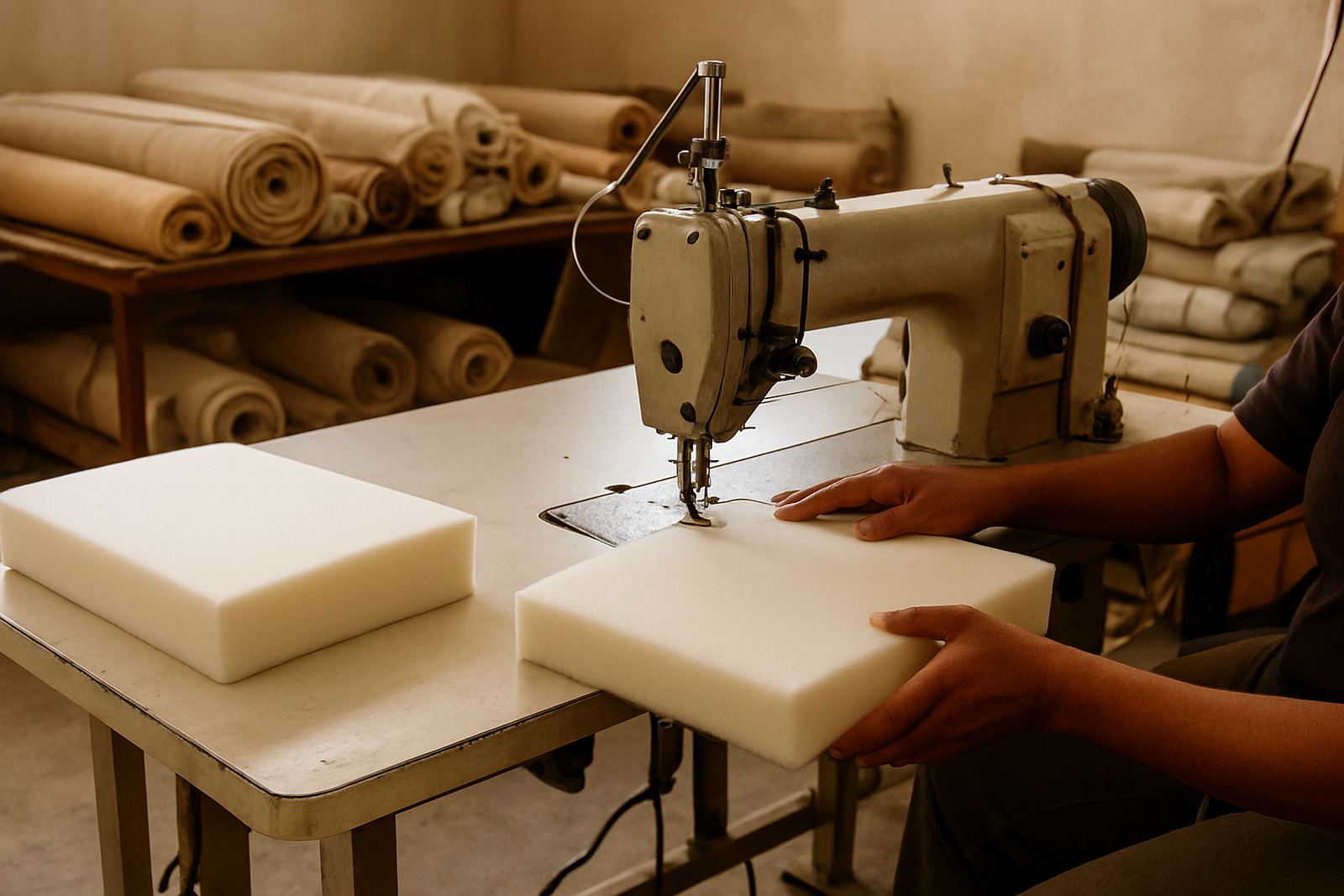
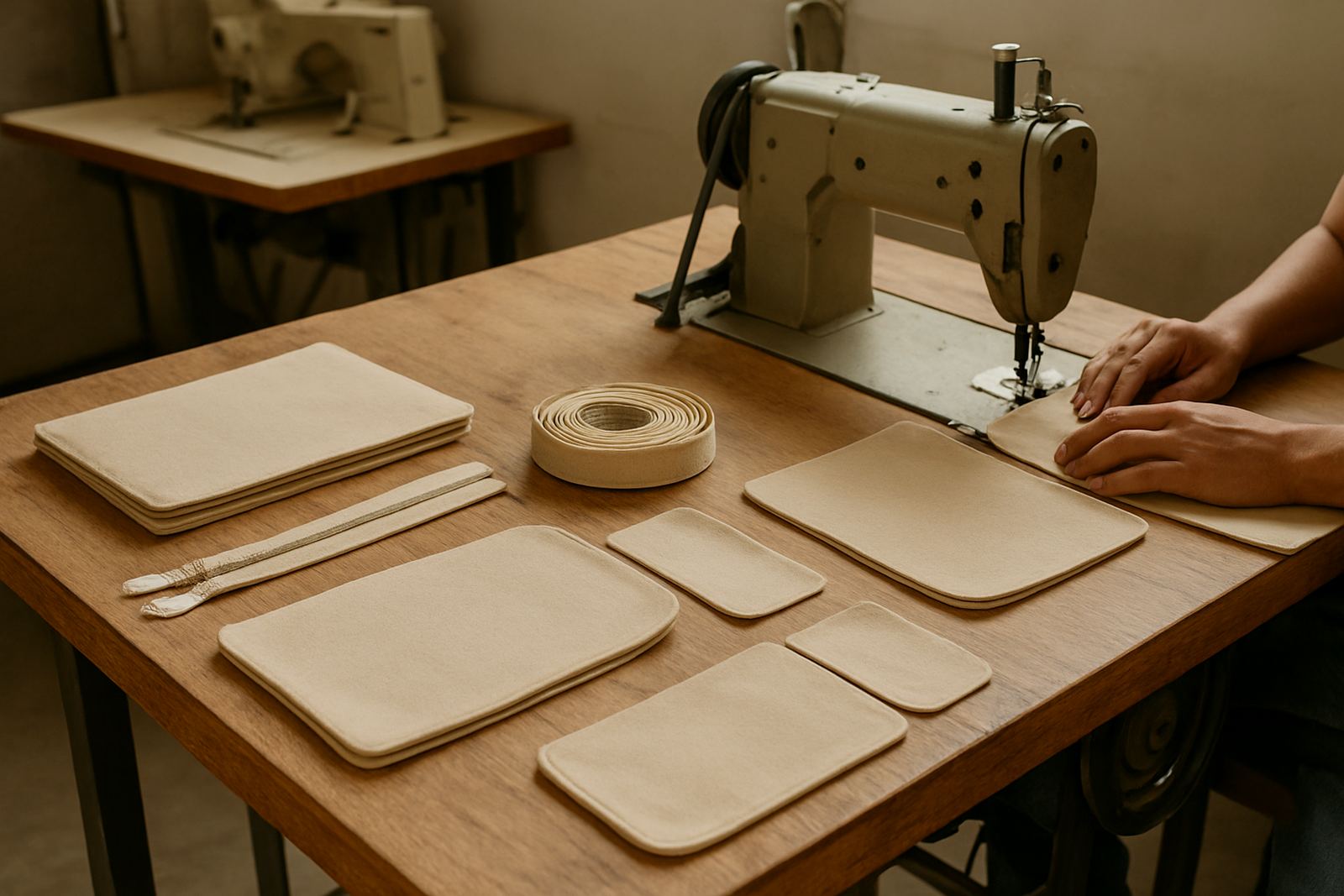
Pressing and fusing can make a big difference to the final garment, especially in schoolwear, uniforms and small clothing runs. A reliable fusing press or pressing station helps keep collars, cuffs, waistbands and labels consistent. We work with factories and tailors who need cleaner finishing and fewer rejected pieces.
In humid conditions, especially around parts of Gauteng that get damp or where steam work is constant, the press setup needs proper care. We service pressing equipment, check heat and pressure, and help plan the work area so operators can move safely and efficiently. If a press is running slow or heating unevenly, it can affect the whole day’s output.
How to choose the right combination for your workroom
The simplest way to choose is to start with your daily workload. What fabric do you use, how many items do you finish, and who will use the machine every day? A factory needs different support from a school, and a home sewer does not need the same setup as a production room in the CBD. That is why we focus on the full combination: machine, attachments, threads, spare parts and servicing support.
If you are not sure where to begin, our team can talk through your setup from the Johannesburg CBD base and help you narrow it down. Lerato Mokoena handles sales, Yusuf Patel oversees the workshop, Willem van Wyk does field service and Anele Dlamini keeps parts moving. From first enquiry to installation, we help you choose what fits the work and what can be maintained properly over time.