



How to choose the right machine for the work you do
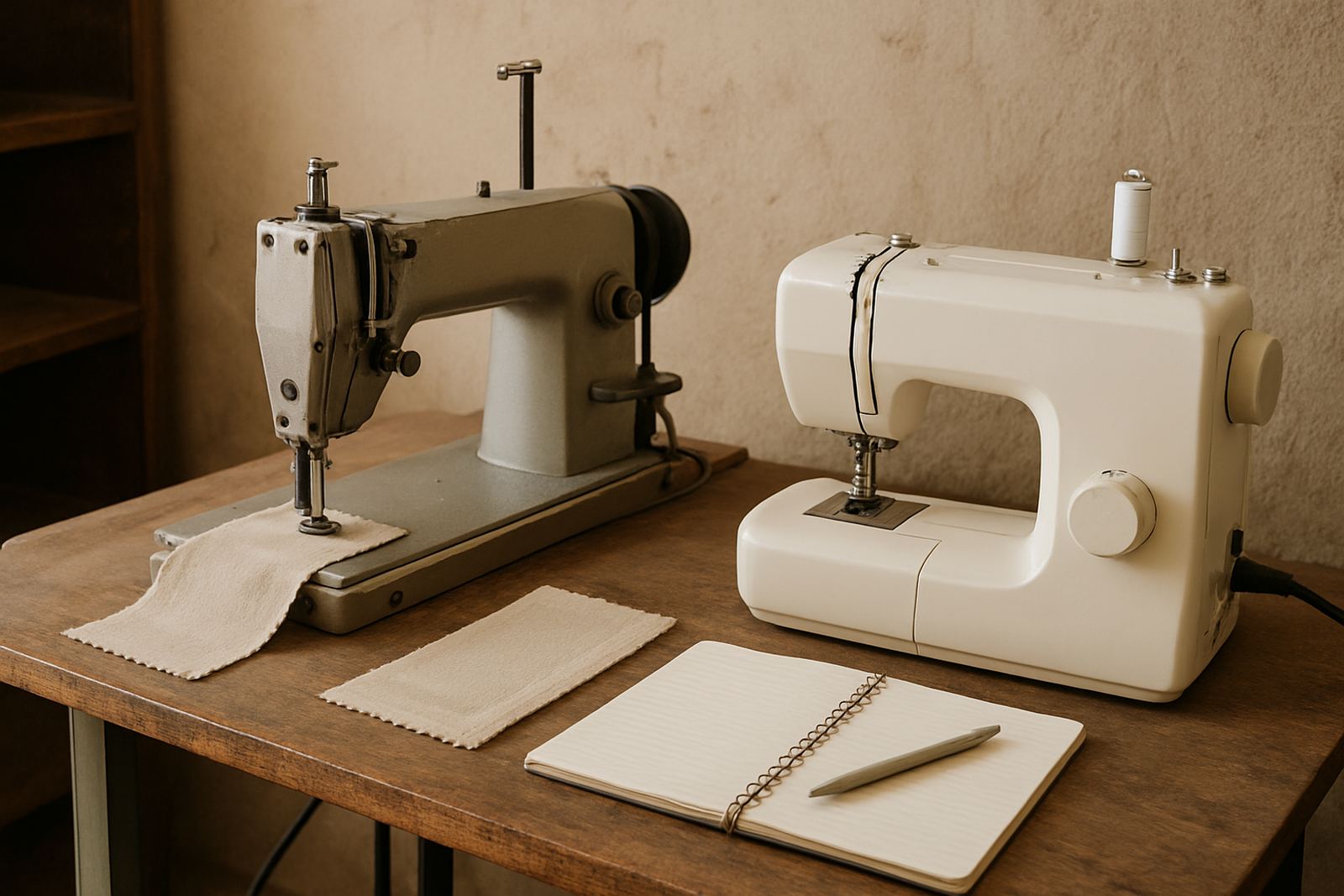
Not every sewing machine suits every job, and that matters when you are sewing uniforms, curtains, schoolwear or samples in a small workroom. A domestic machine can handle mending and light home use, while a heavier industrial machine is better for long runs, thicker seams and daily production. If you are working from Johannesburg CBD, Fordsburg, Mayfair or Soweto, think about your power supply too because load-shedding and voltage swings can affect how a motor performs.
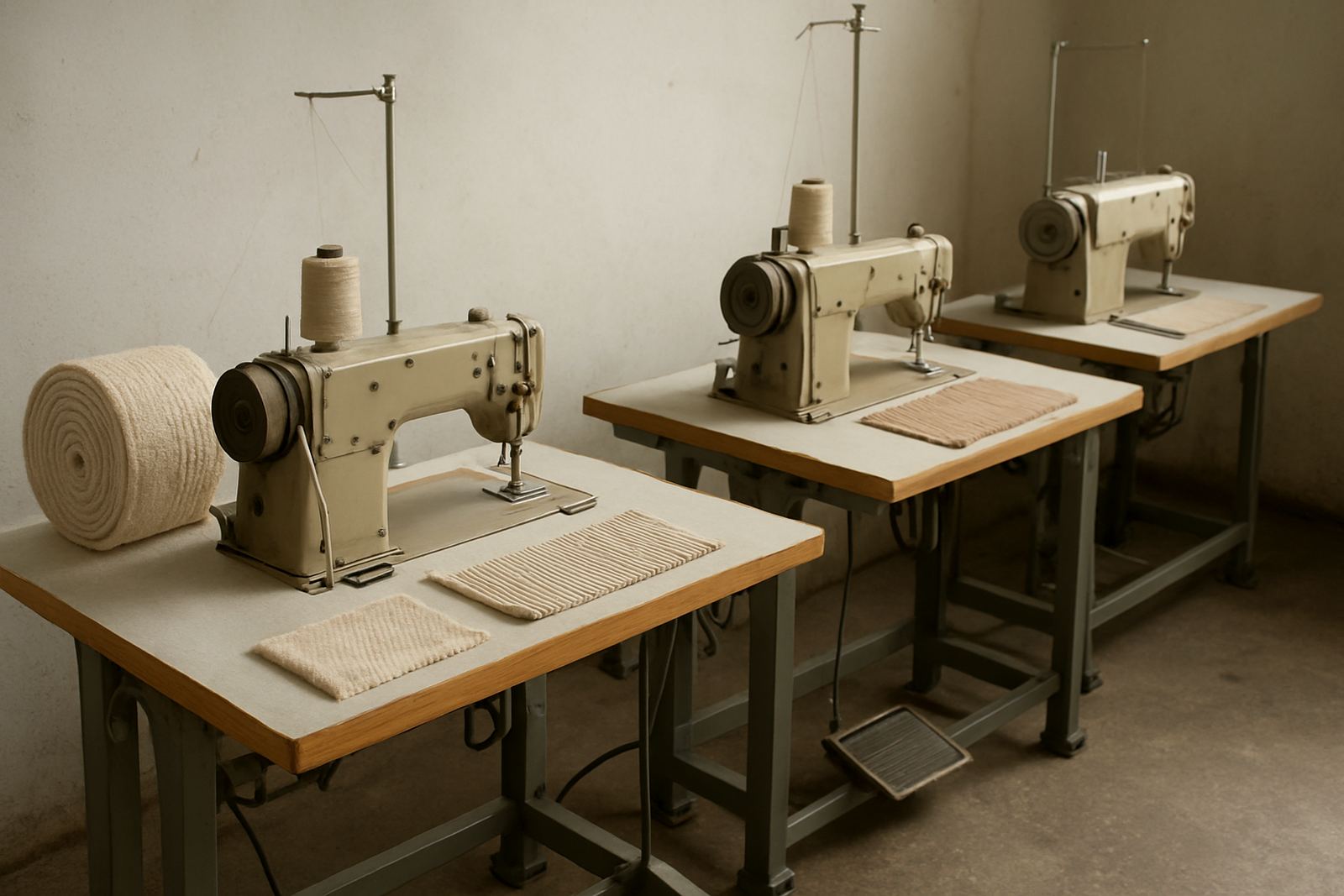
When you compare options, start with the fabric, stitch type and output you need. A tailor doing alterations has different needs from a factory finishing several dozen garments a day. If you are unsure, it helps to look at feed consistency, machine speed, needle system, and whether the table or stand will fit your work area.
- Light home use: basic straight stitching, simple repairs and occasional hemming
- Busy alteration shop: steady feeding, strong motor response and easy tension control
- Production work: higher speed, stronger frame and parts that are easy to source
What to check before setting up a new machine
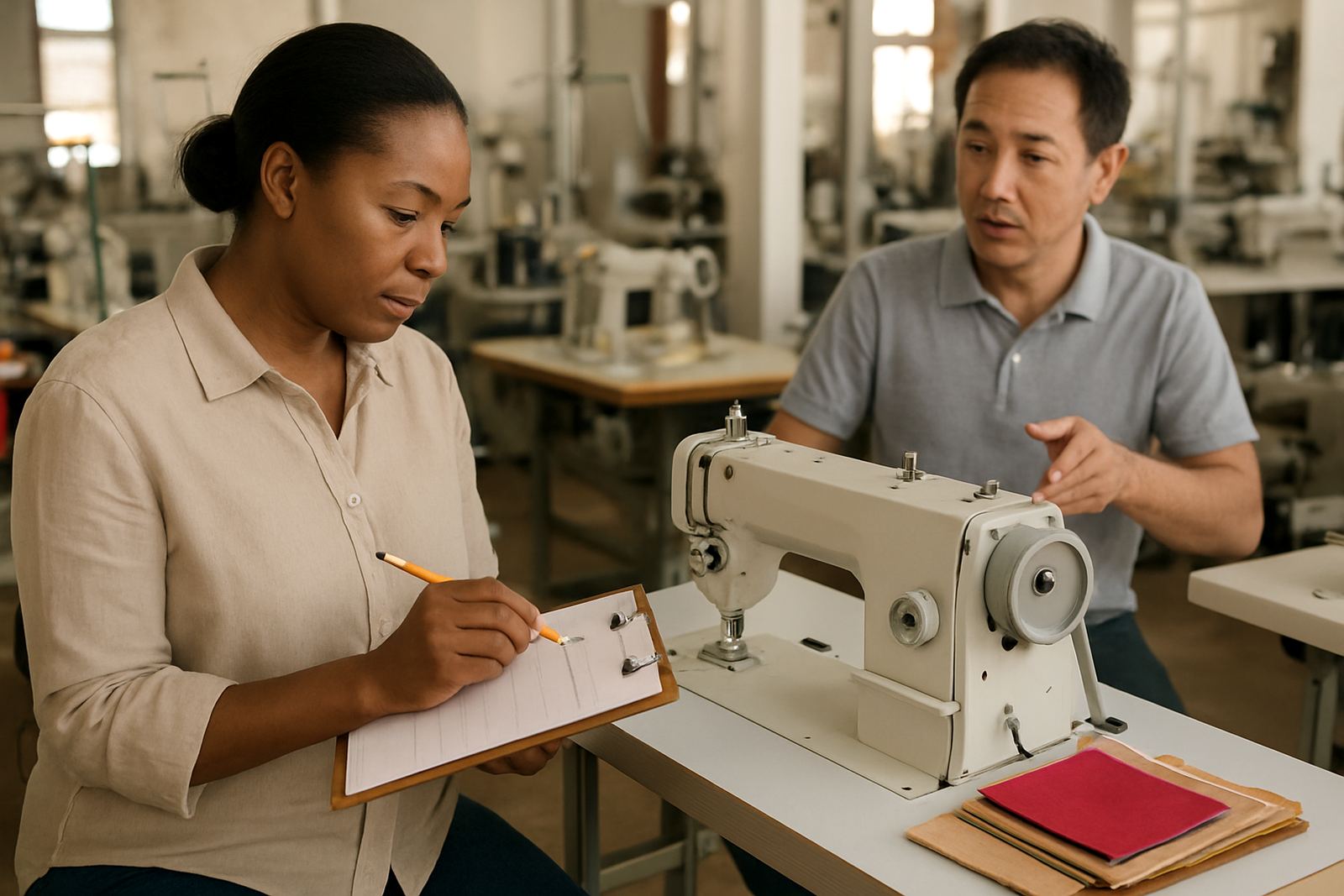
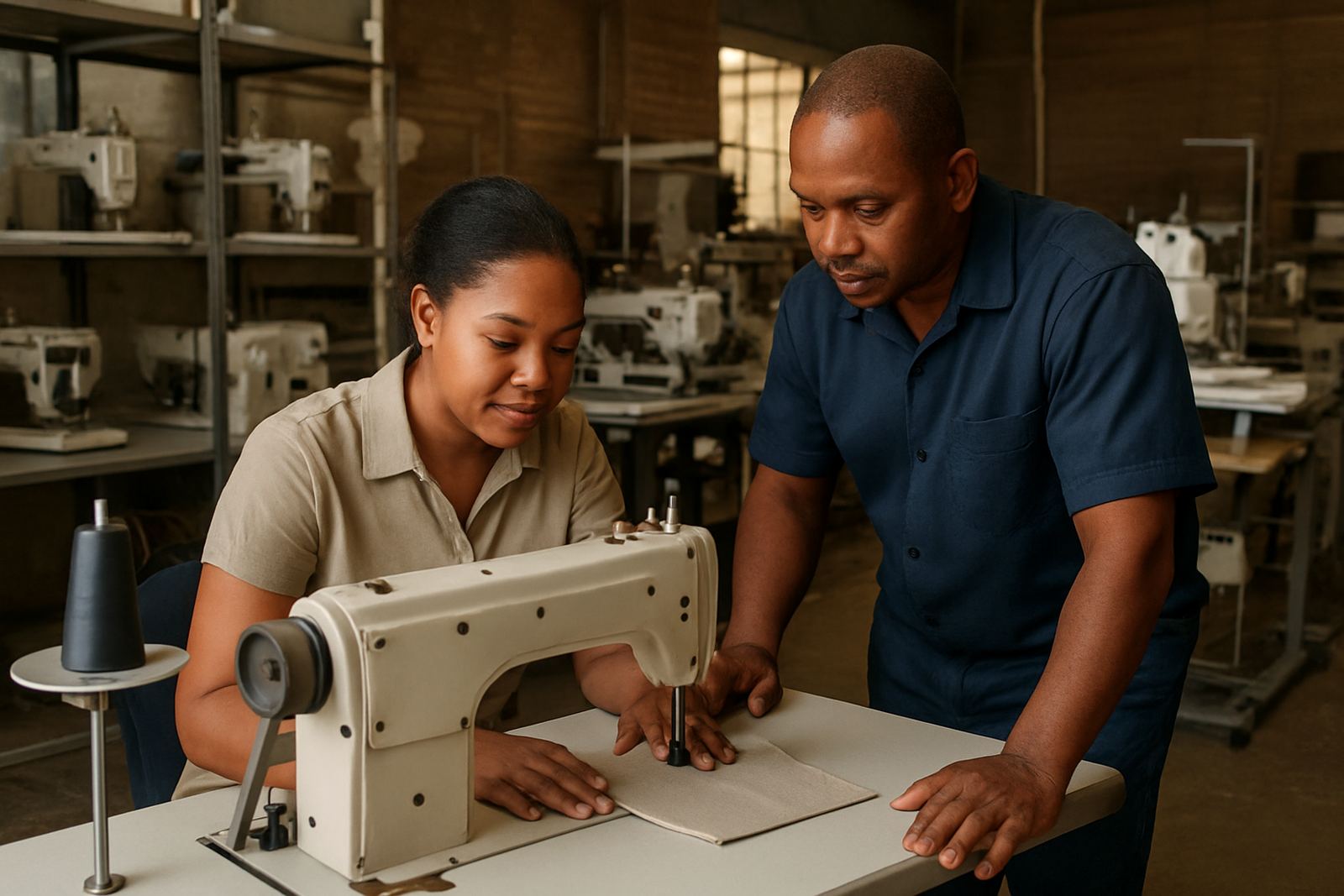
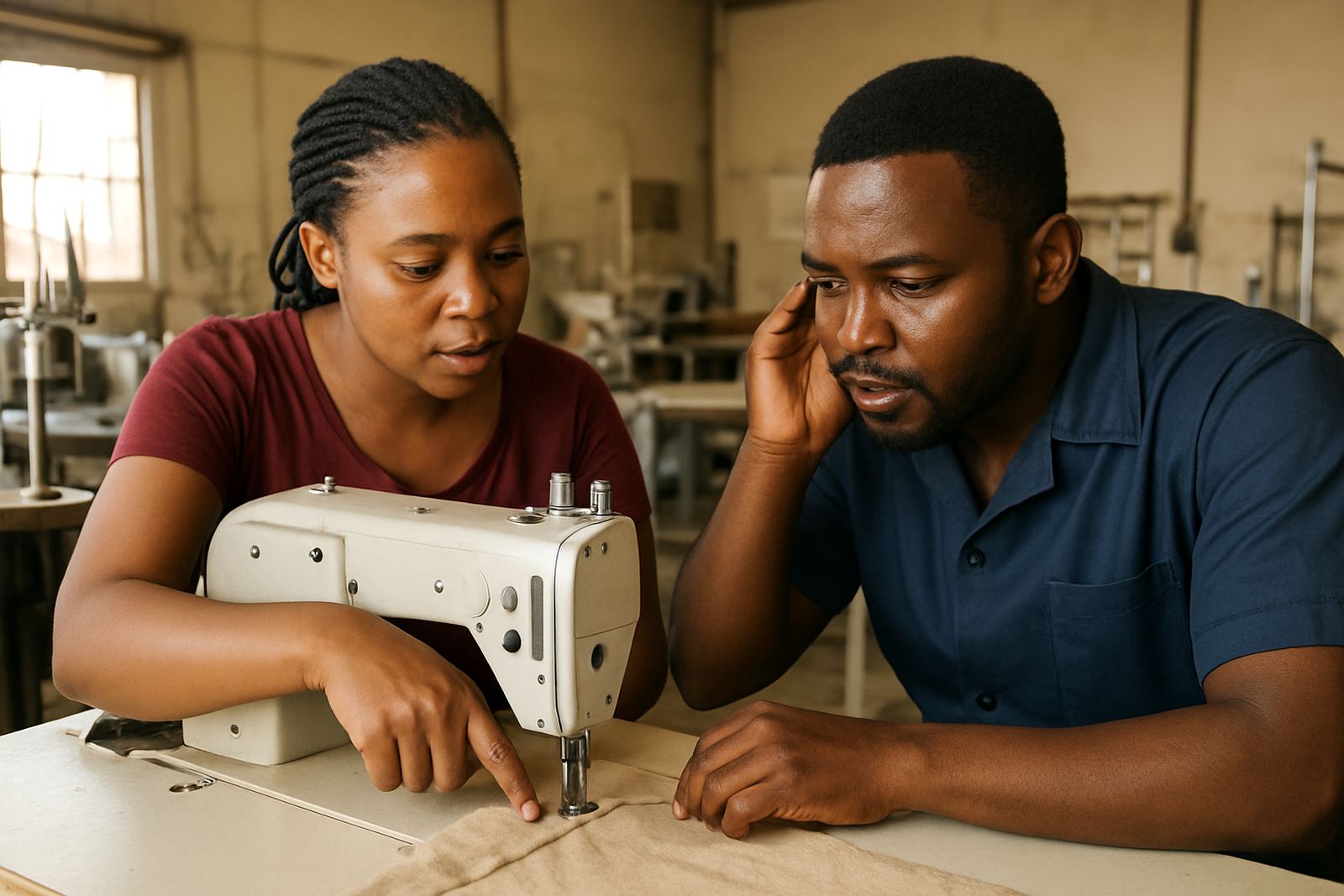
A proper setup can save a lot of trouble later. Before installation, make sure the table height suits the operator, the needle bar and thread path are set correctly, and the motor matches the job. In factory spaces around Germiston and Pretoria, workroom layout is important as well because poor spacing leads to tangled thread, awkward posture and slow workflow. We often see machines that could run well after a simple adjustment, but were never set up correctly in the first place.
Check the basics before first use: power point position, lighting, foot control movement, bobbin winding, oiling points and thread tension. If you are using embroidery equipment or a fusing press, the surface must be level and stable. Heat presses also need clear space around them, especially where staff are moving fabric rolls or boxes through the room.
- Table and chair height matched to the operator
- Correct needle size for the fabric weight
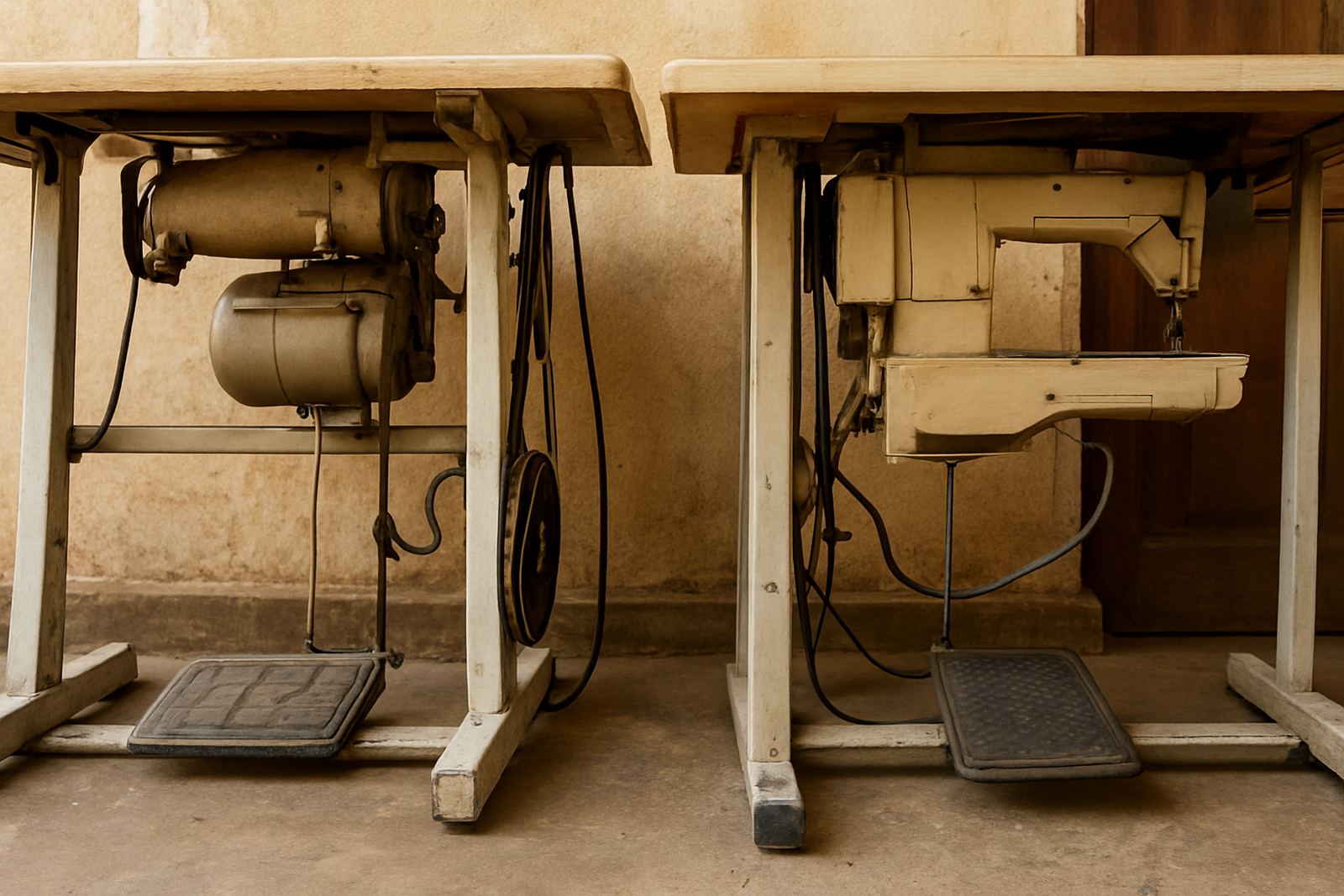
- Motor and belt alignment checked
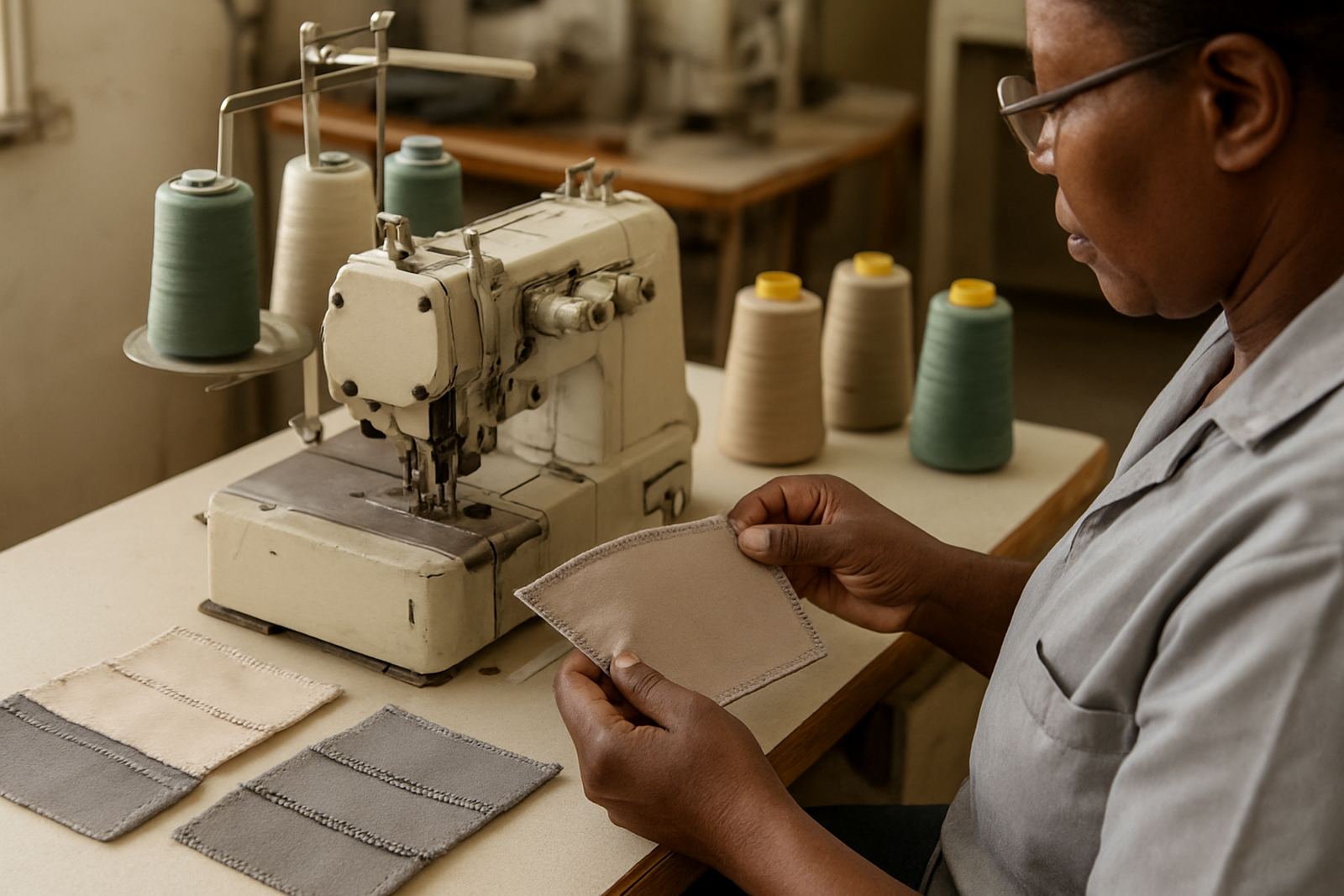
- Needle, thread and tension tested on scrap fabric first
Household and industrial machines are used differently
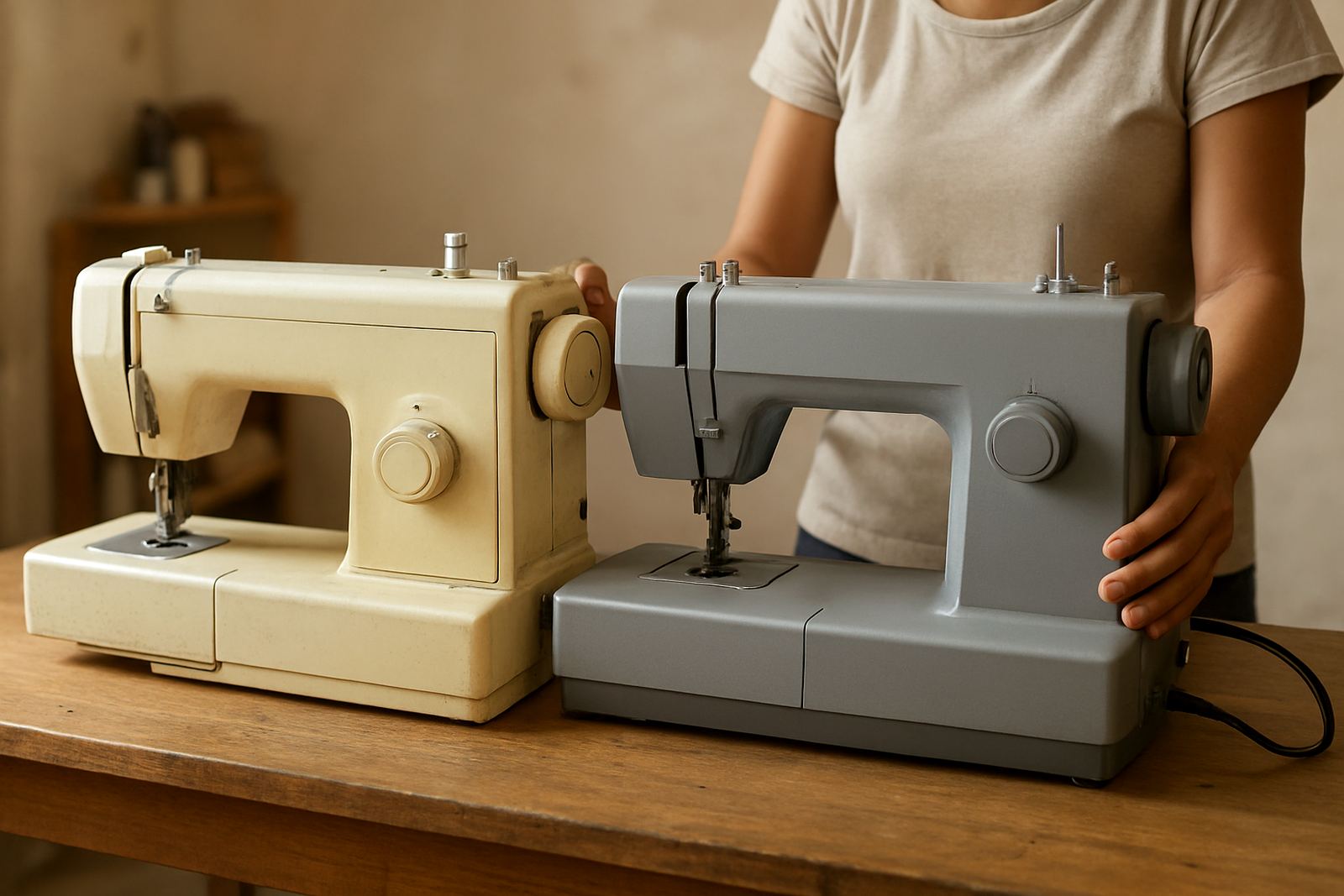
Many people ask whether a strong household machine can do industrial work. The short answer is no, not for long periods. Household machines are useful for smaller jobs, while industrial machines are built for repeated stitching, higher speed and better wear resistance. If you are sewing in a home studio in Alberton or Randburg, a household model may be enough for dressmaking and repairs. If you are handling constant orders, an industrial machine is the safer choice.
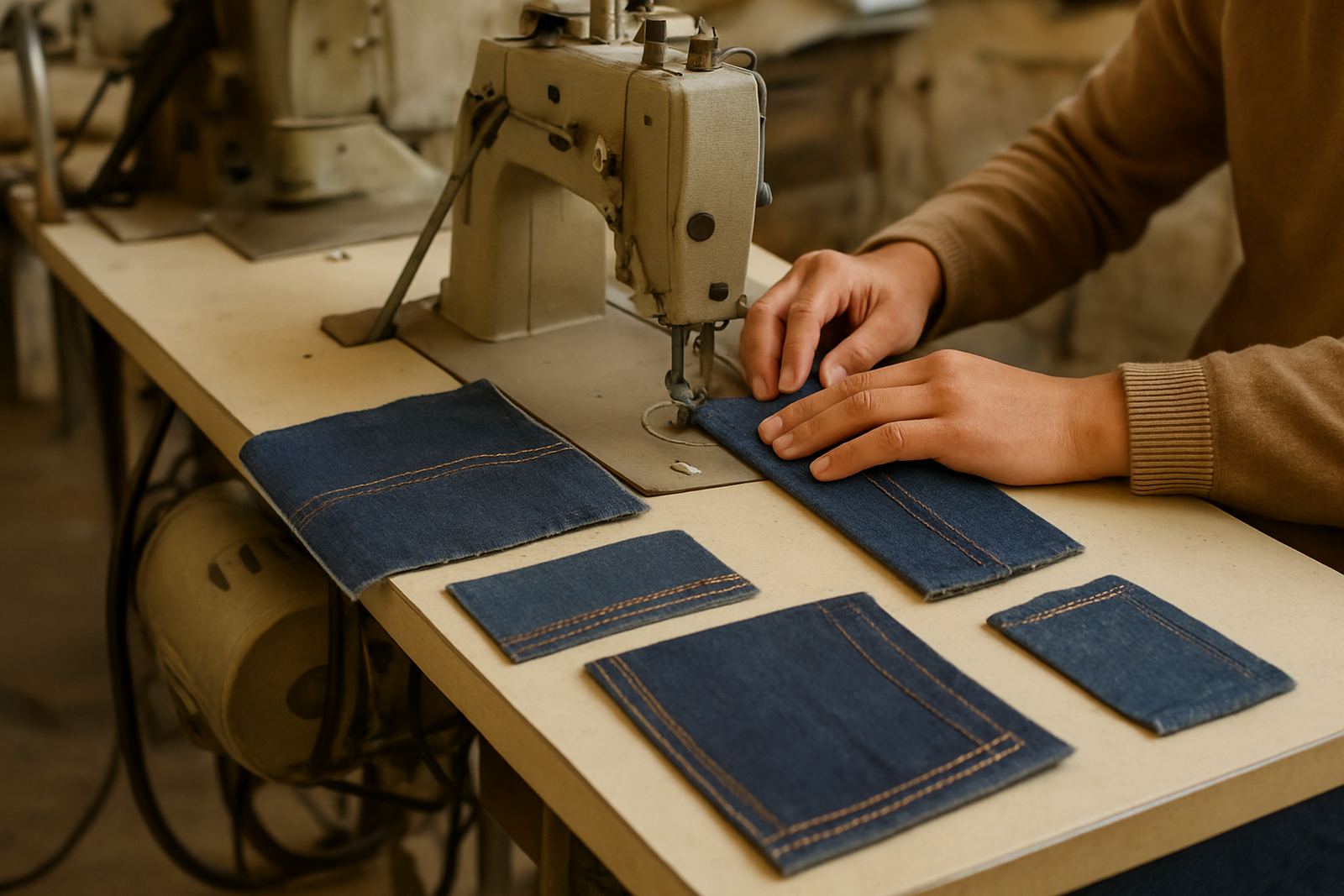
The right guide should also consider noise, space and maintenance. Industrial machines take more room and need regular servicing, but they usually give better control on heavy seams. Household machines are easier to move and store, though they may struggle with canvas, denim layers or frequent use. The wrong match often leads to skipped stitches, broken needles and a frustrated operator.
Embroidery and fusing: what buyers should know
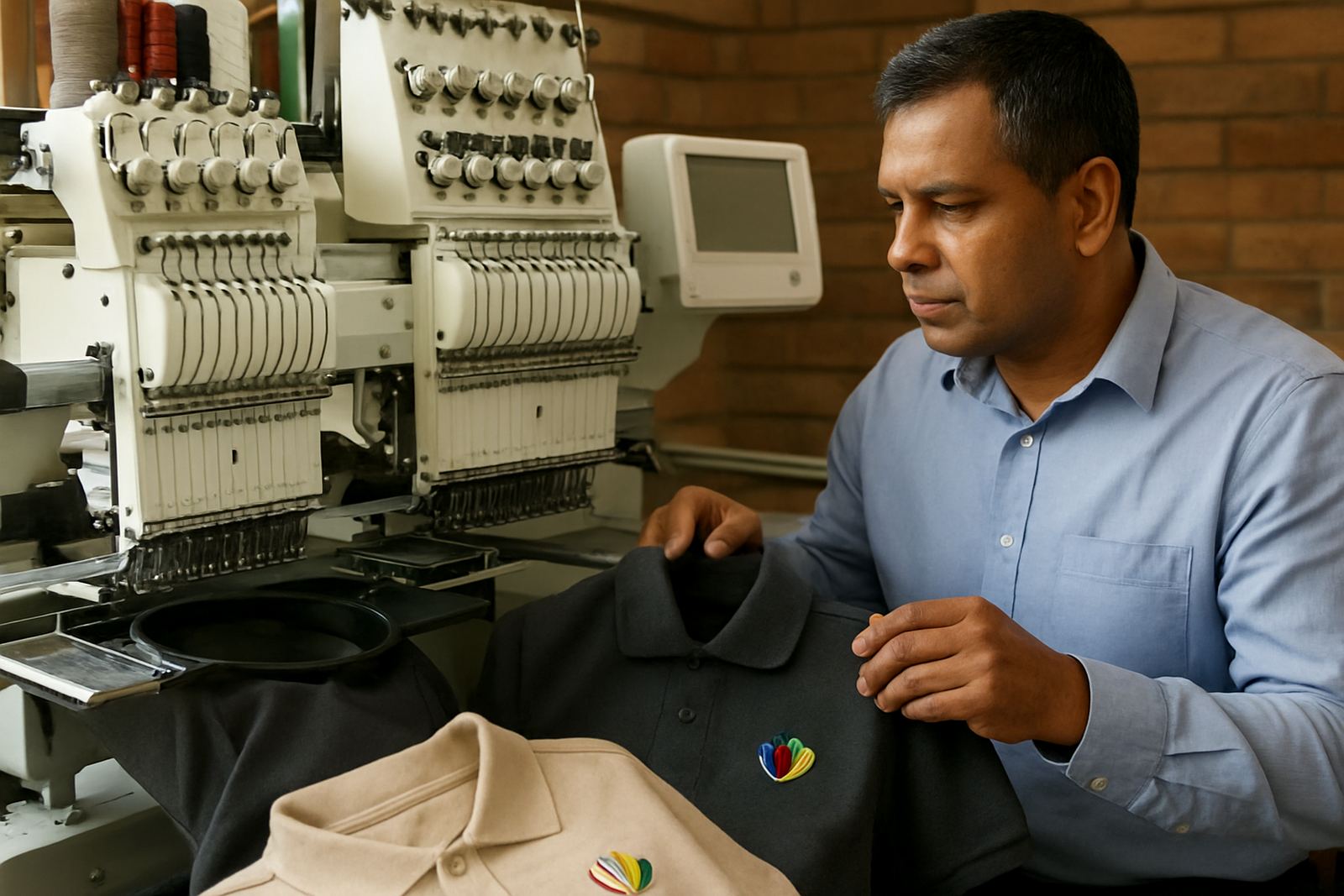
Computerised embroidery machines and fusing presses need more planning than a standard sewing machine. Embroidery work depends on hoop size, design memory, thread quality and stable power. If the machine is used in a school, training room or small production line, the operator should understand setup, threading and basic fault checks before starting. Even one loose thread path can waste a lot of fabric, and time.
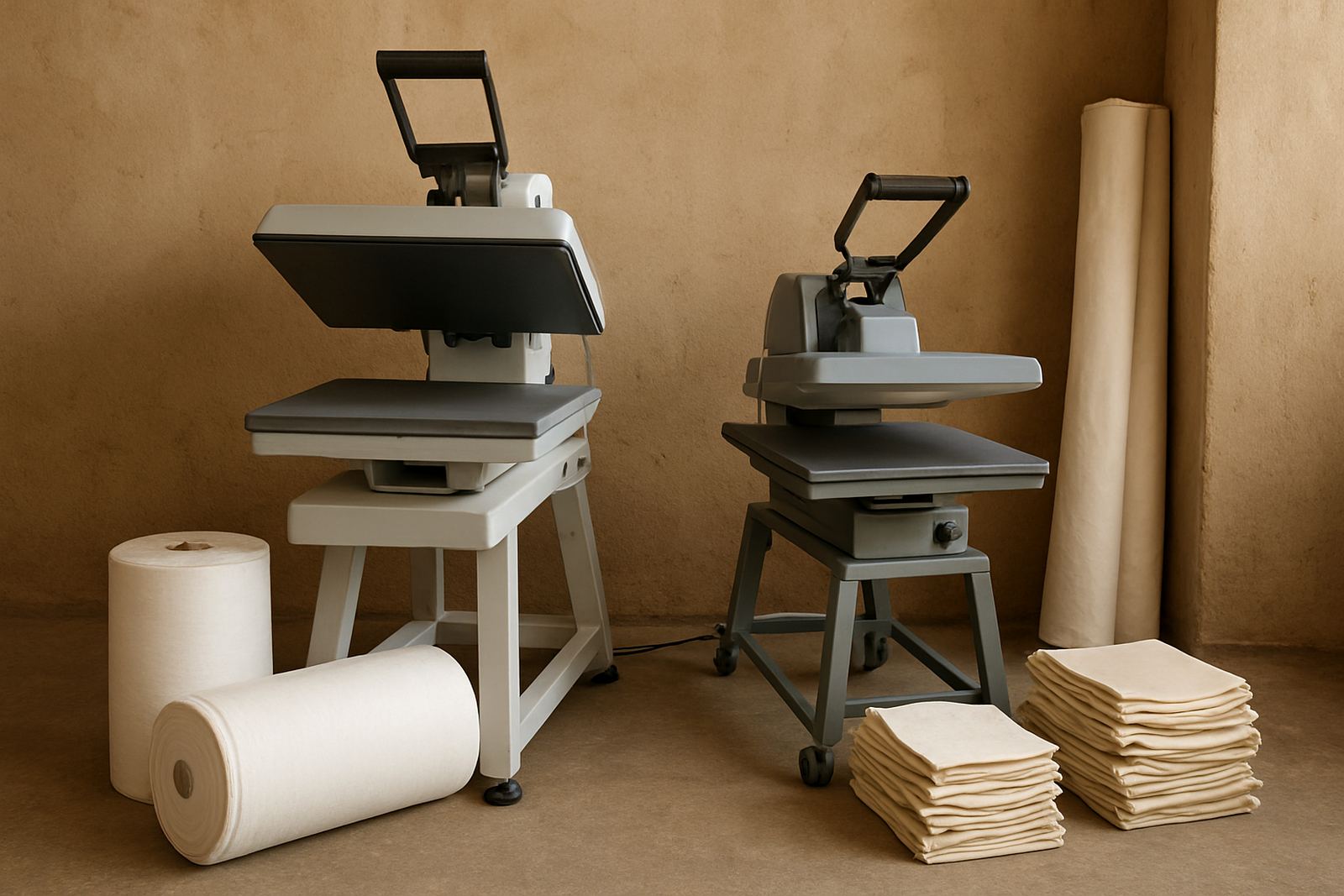
Fusing presses and pressing stations need temperature control, pressure consistency and clean surfaces. In Gauteng workrooms, dust and lint build up quickly, so press pads and worktops should be checked often. A good guide will help you decide whether you need a compact press for samples, or a heavier unit for daily finishing work.
- Check embroidery hoop sizes against the garments you actually make
- Confirm spare parts and consumables are easy to source locally
- Test heat distribution on a sample piece before full production
- Allow enough room for feeding, pressing and cooling fabric
Signs a machine needs service or repair
Some faults are obvious, while others creep in slowly. If a machine is making new noises, missing stitches, pulling thread badly or running hotter than usual, it needs attention. A machine that used to sew through several layers and now struggles with two may have timing, tension or motor issues. Do not keep pushing it, because a small fault can become a costly one fast.
It is also worth checking service history after power interruptions, moving the machine between sites, or a long period of storage. Machines in coastal humidity need extra care with rust, but even inland in Johannesburg dust and lint can cause trouble. If the same problem keeps returning after cleaning, it is usually time for workshop repairs or an on site visit.
Using guides to plan training, spares and future growth
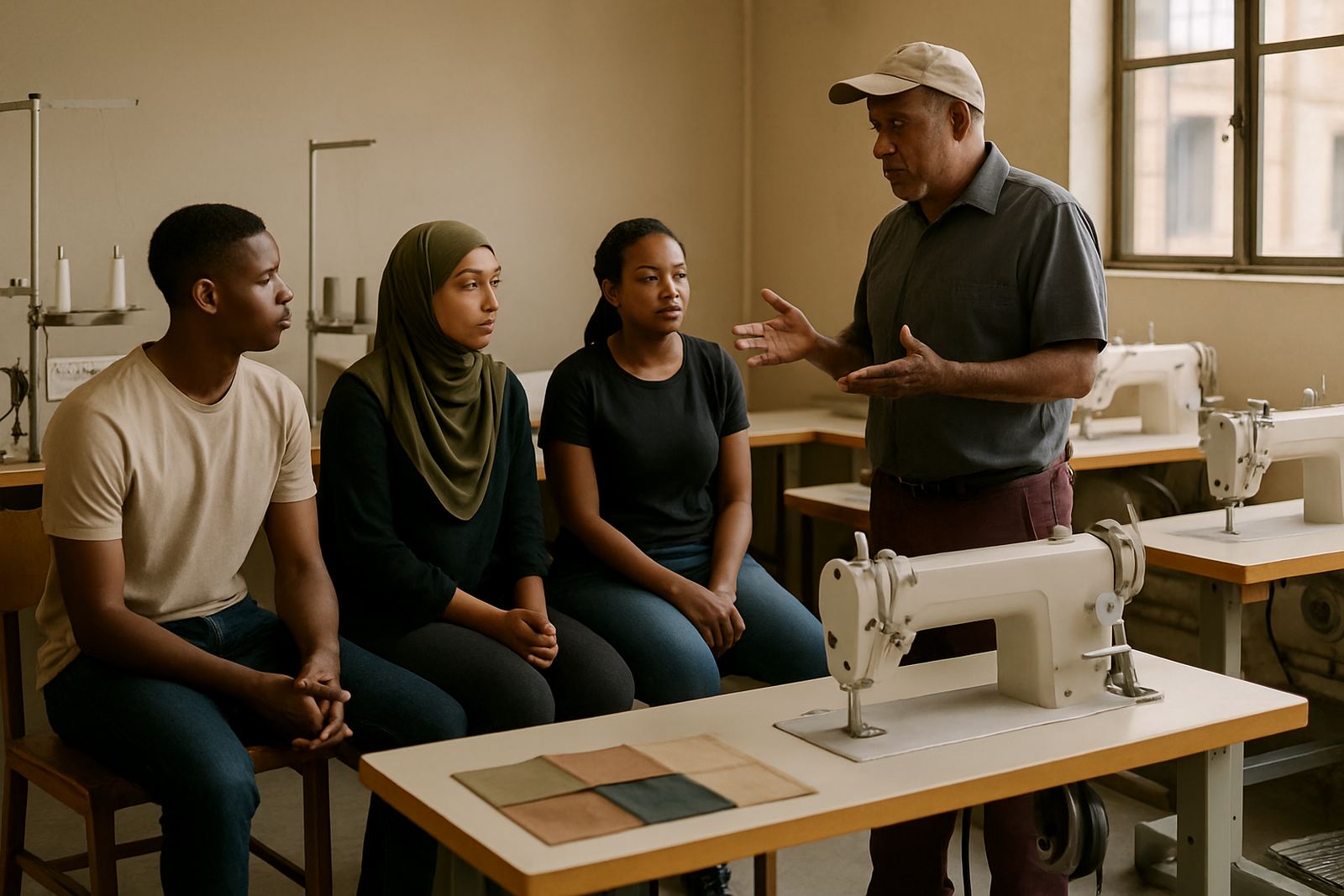
Good guides do more than explain the machine itself. They help you plan the parts, attachments and operator training you may need next. A school with a needlework room may need simple, repeatable instructions. A tailor in Mayfair may need faster set-up and easier thread changes. A factory in Germiston may need workroom planning, spare motors, or a clear servicing schedule for several machines at once.
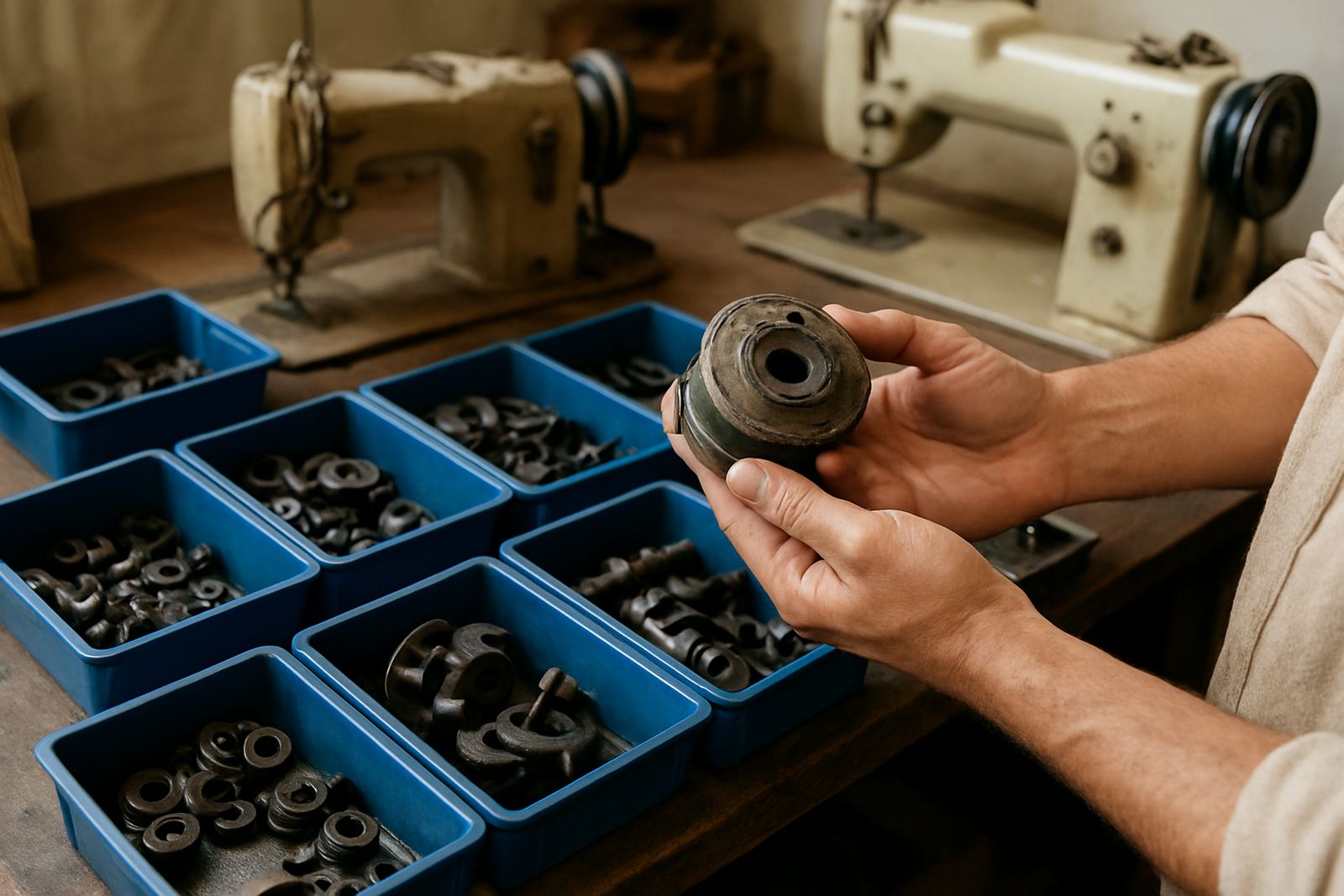
Use the guides to think ahead about wear items, attachments, spare needles, bobbins, oil and thread. If you are buying for a growing business, it is worth choosing equipment that can be maintained locally and supported with parts. That way you are not stuck waiting when production should be moving.
For practical advice on a specific machine or workroom setup, clients can reach us through the enquiry form on our contact page. We help customers across Johannesburg CBD and surrounding areas make a better match between the machine and the work.