



Choosing the right workroom setup for your space
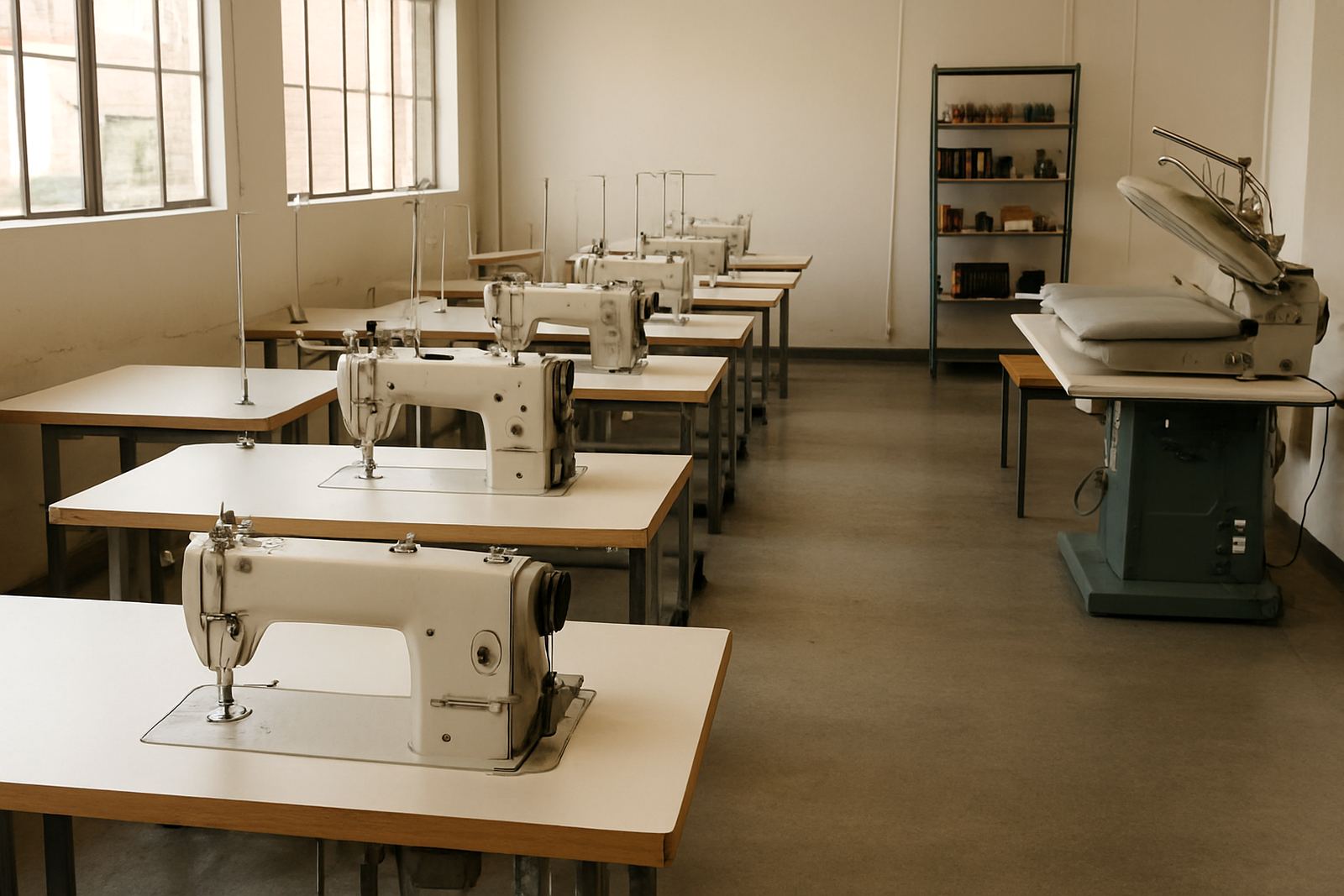
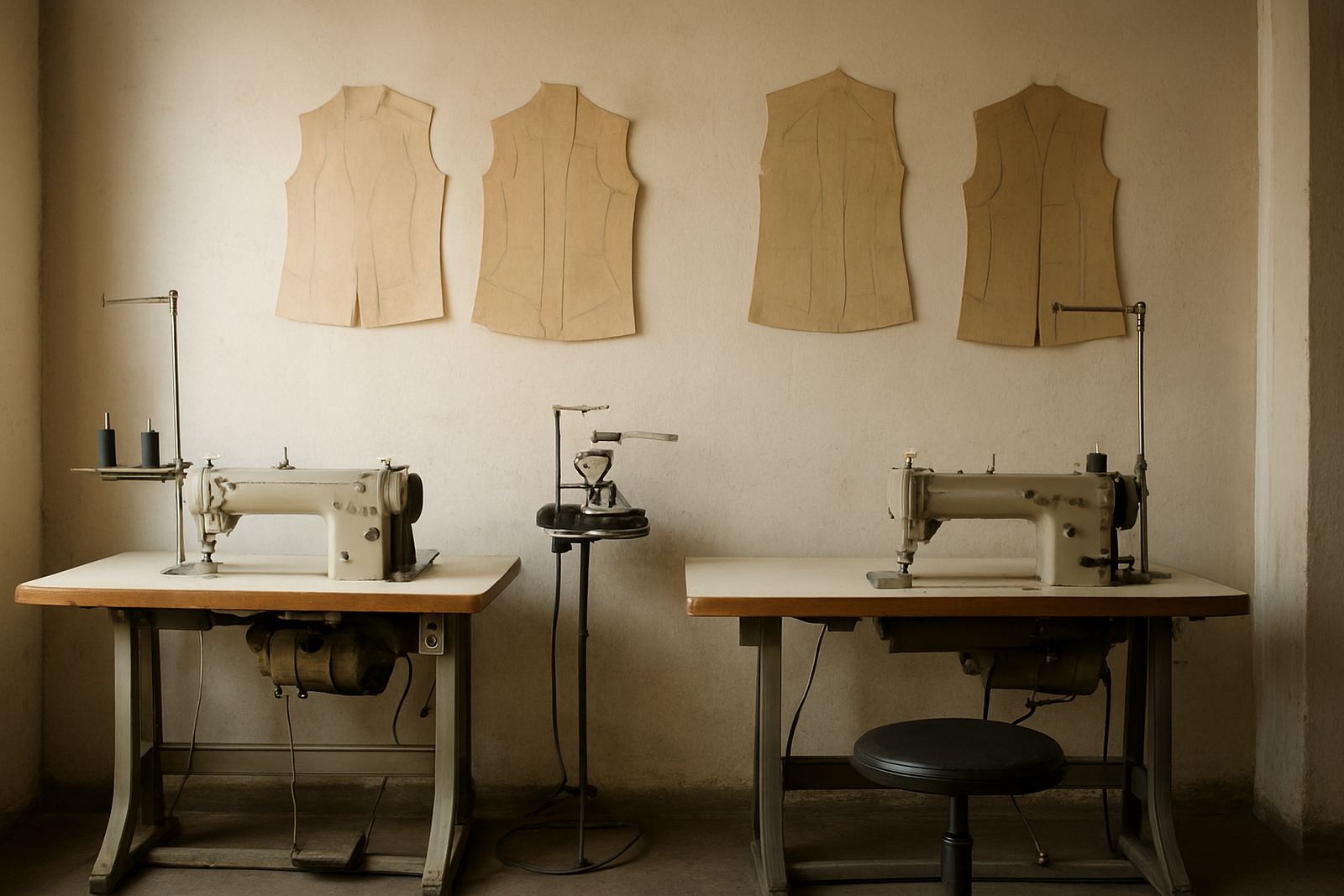
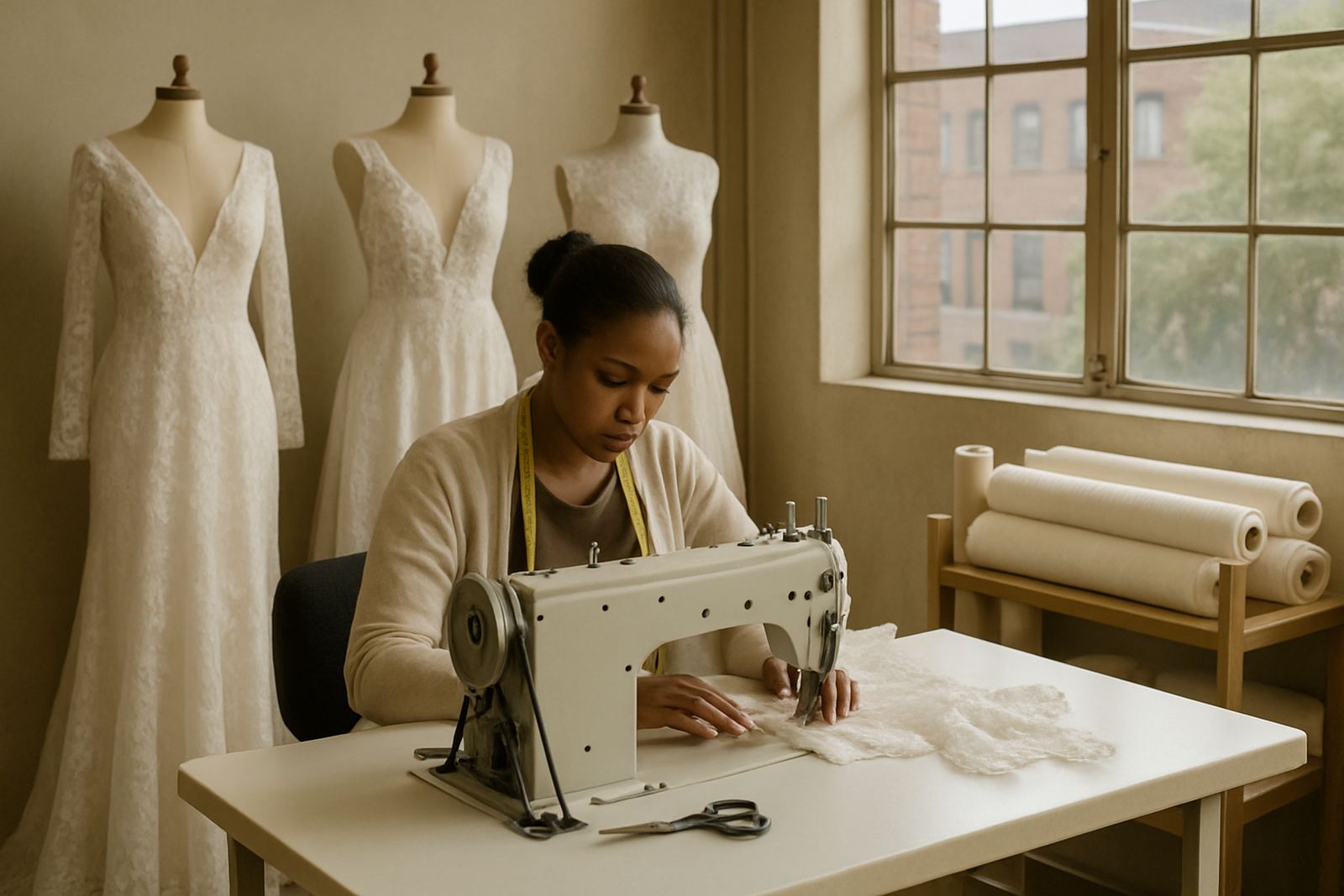
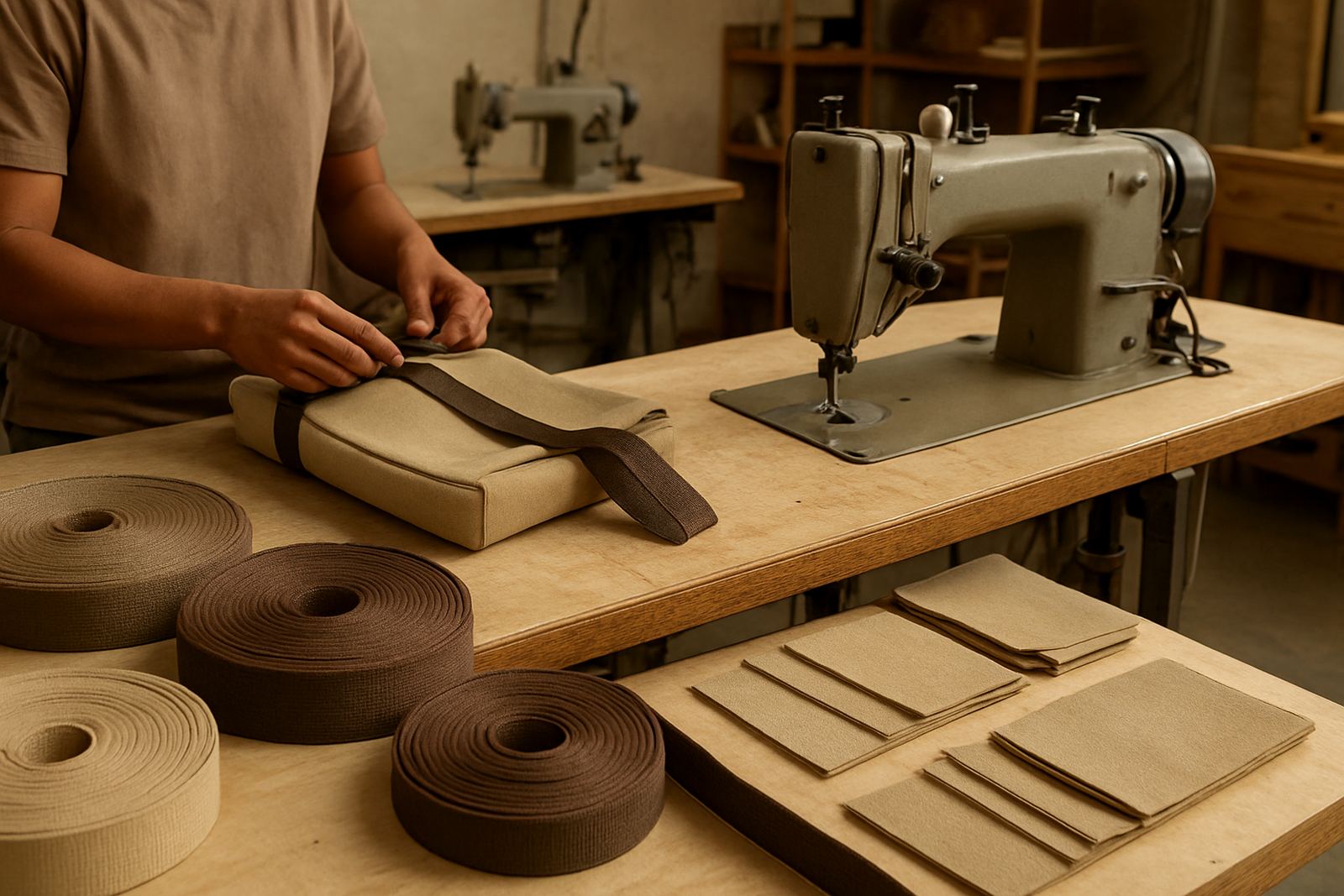
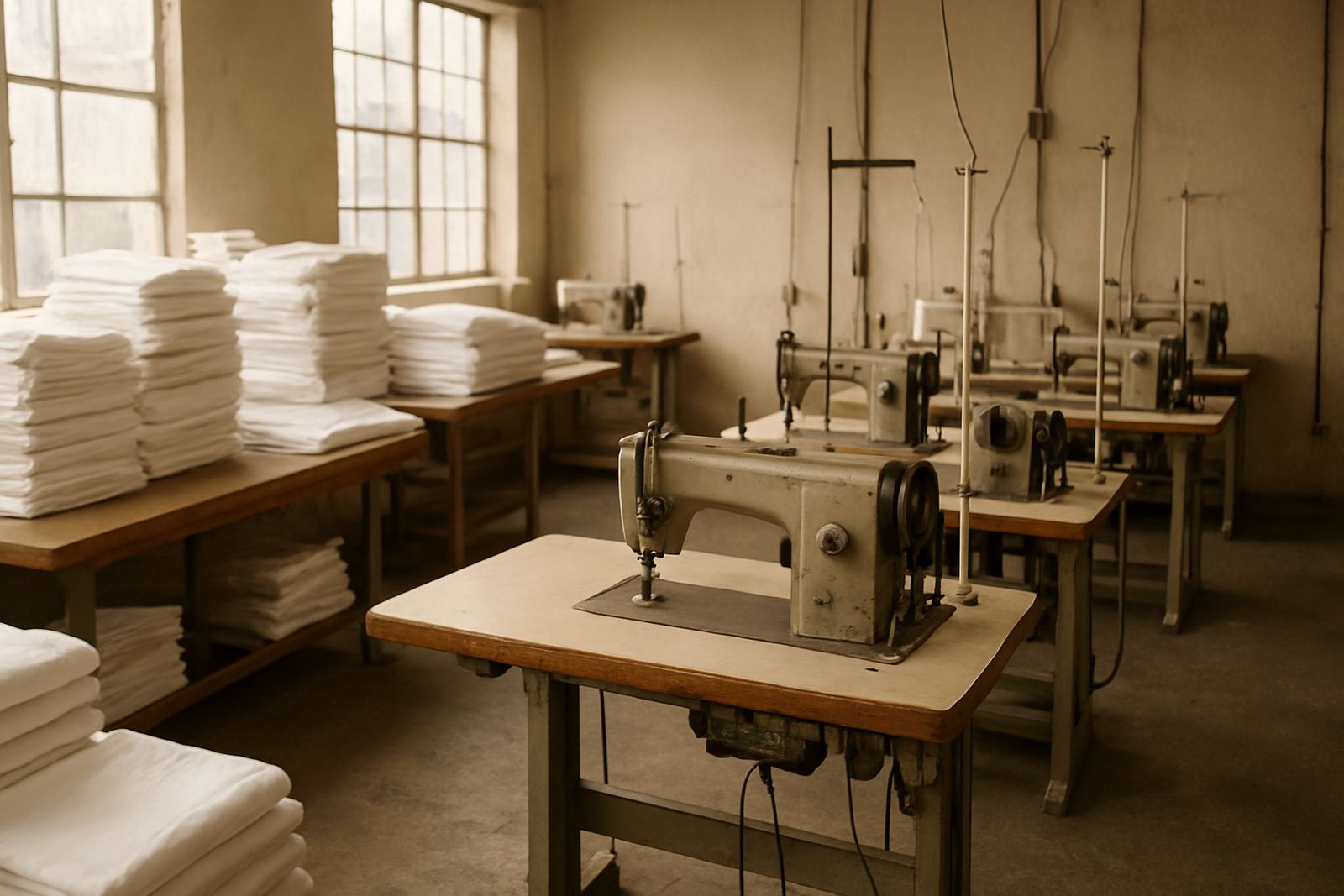
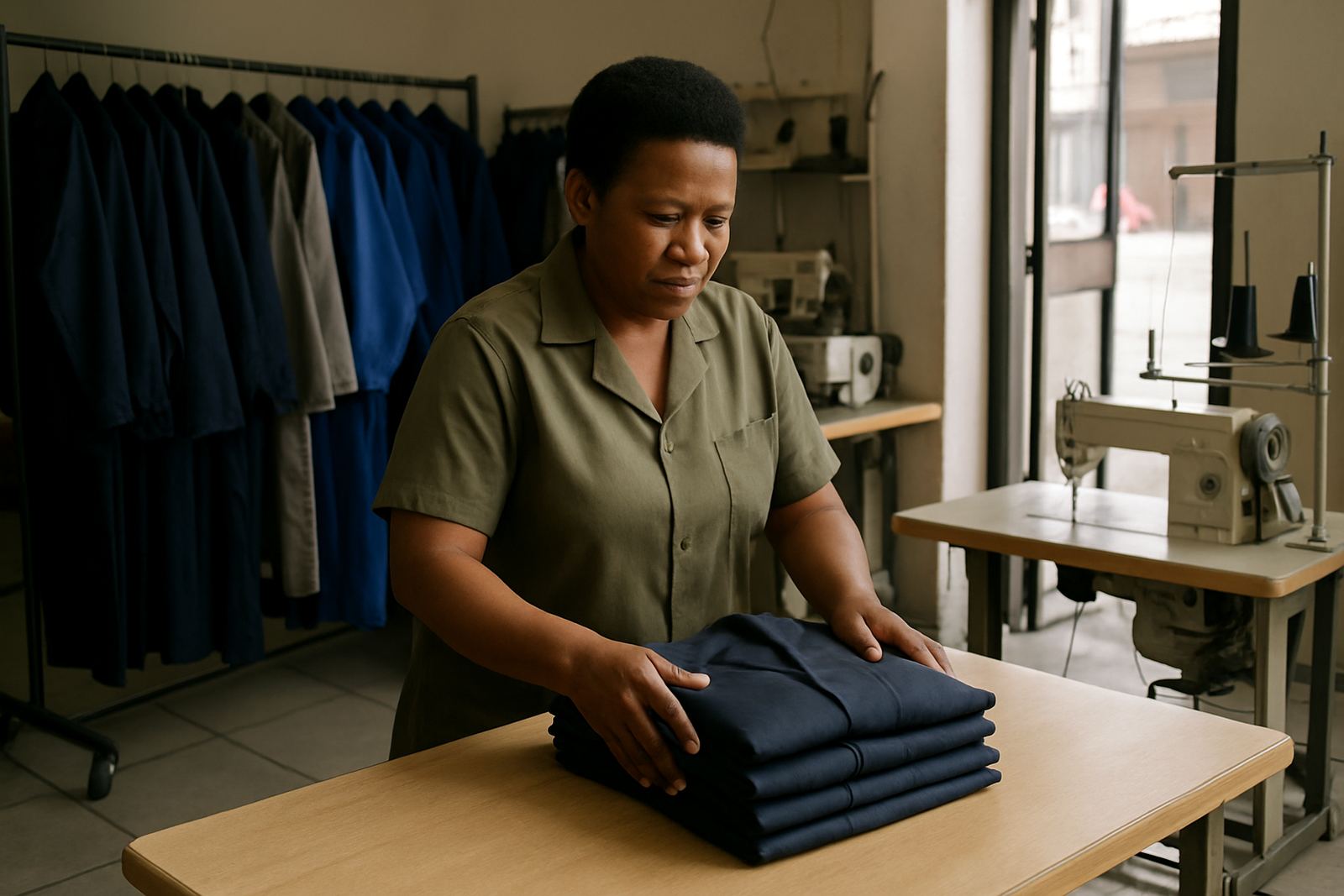
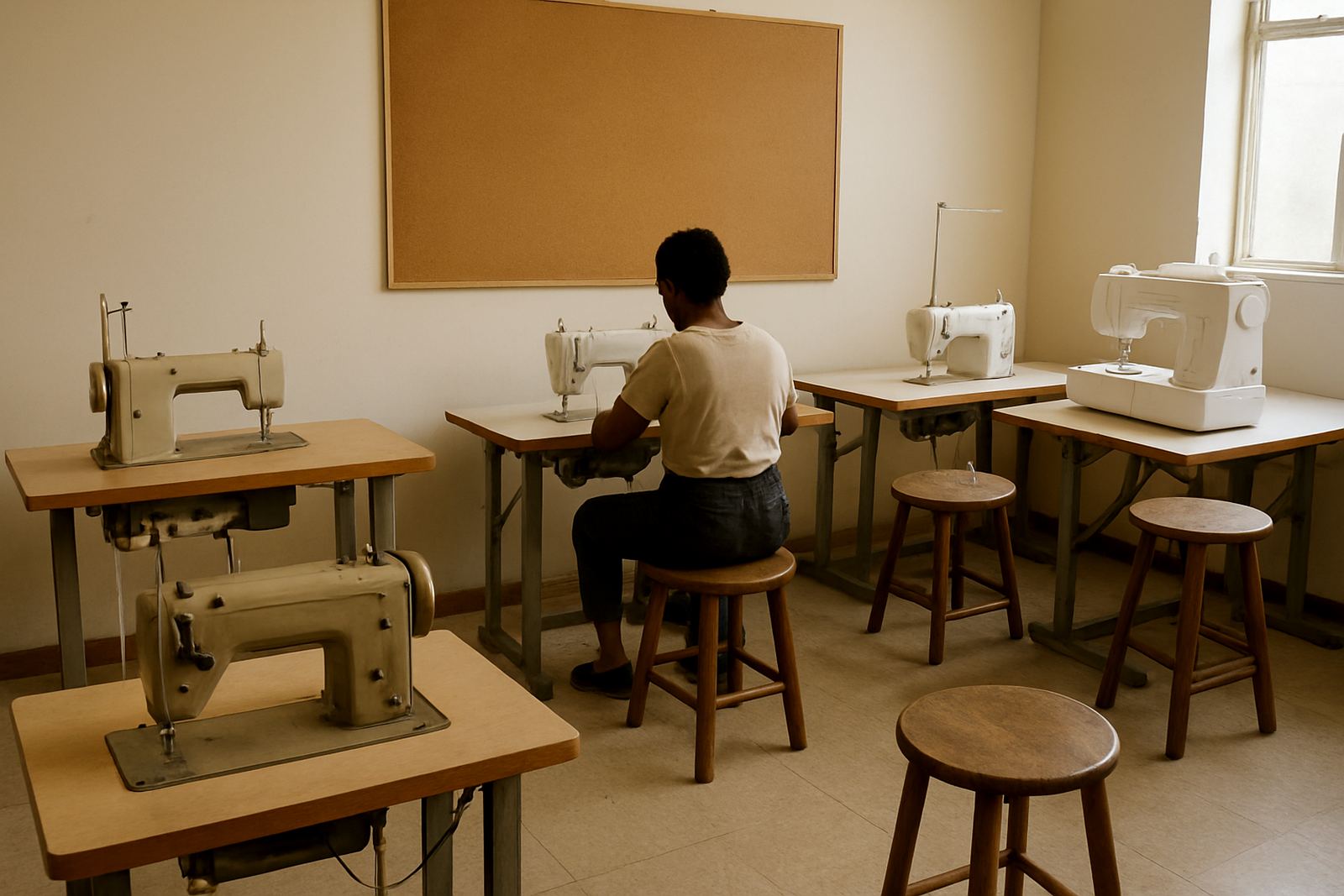
Every sewing room has different needs. A small tailor shop in Fordsburg may need a few industrial straight stitch machines, one overlocker and a pressing corner, while a school in Soweto may need several household machines, lockable storage and safer cable runs. We look at the room size, power points, lighting, ventilation and the type of work you do before we suggest a setup.
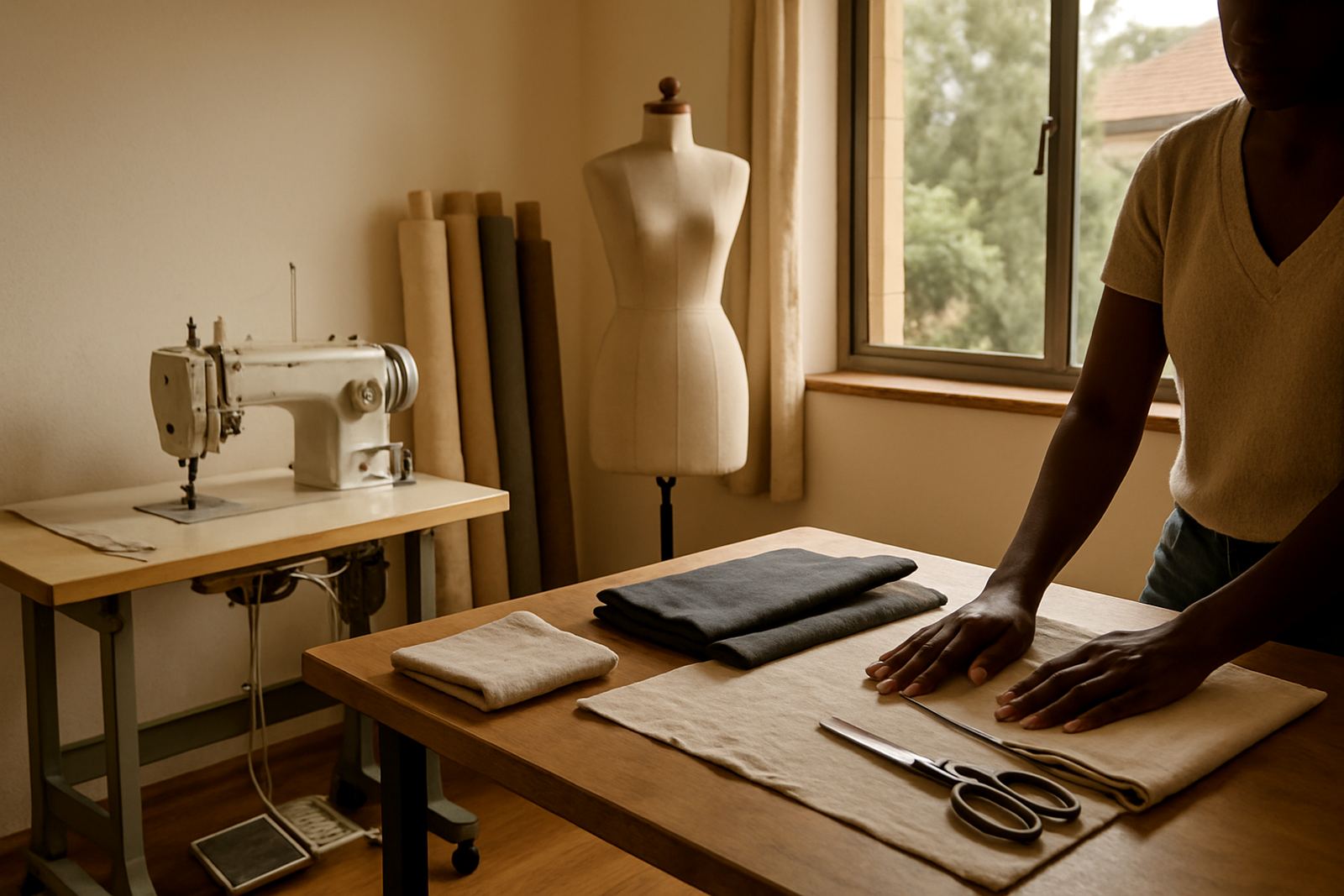
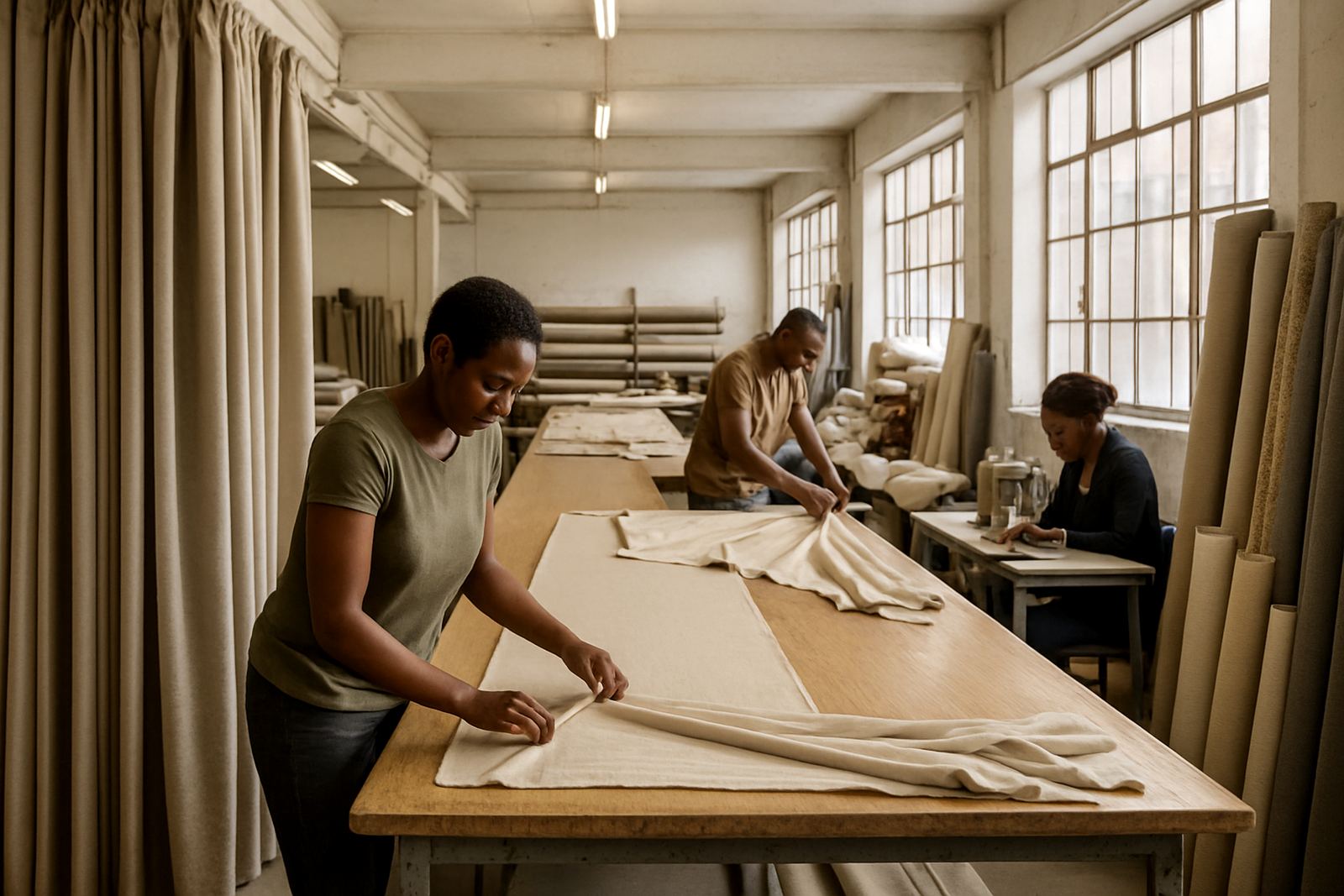
If you are opening a new room or rearranging an existing one, the best starting point is the workflow. Fabric should move in one direction, from cutting to sewing to pressing and final checking. That saves time and keeps the room clearer. We also consider load-shedding, because a setup that depends on weak plugs and long extension leads can cause delays and extra wear on motors.
What a complete workroom project can include
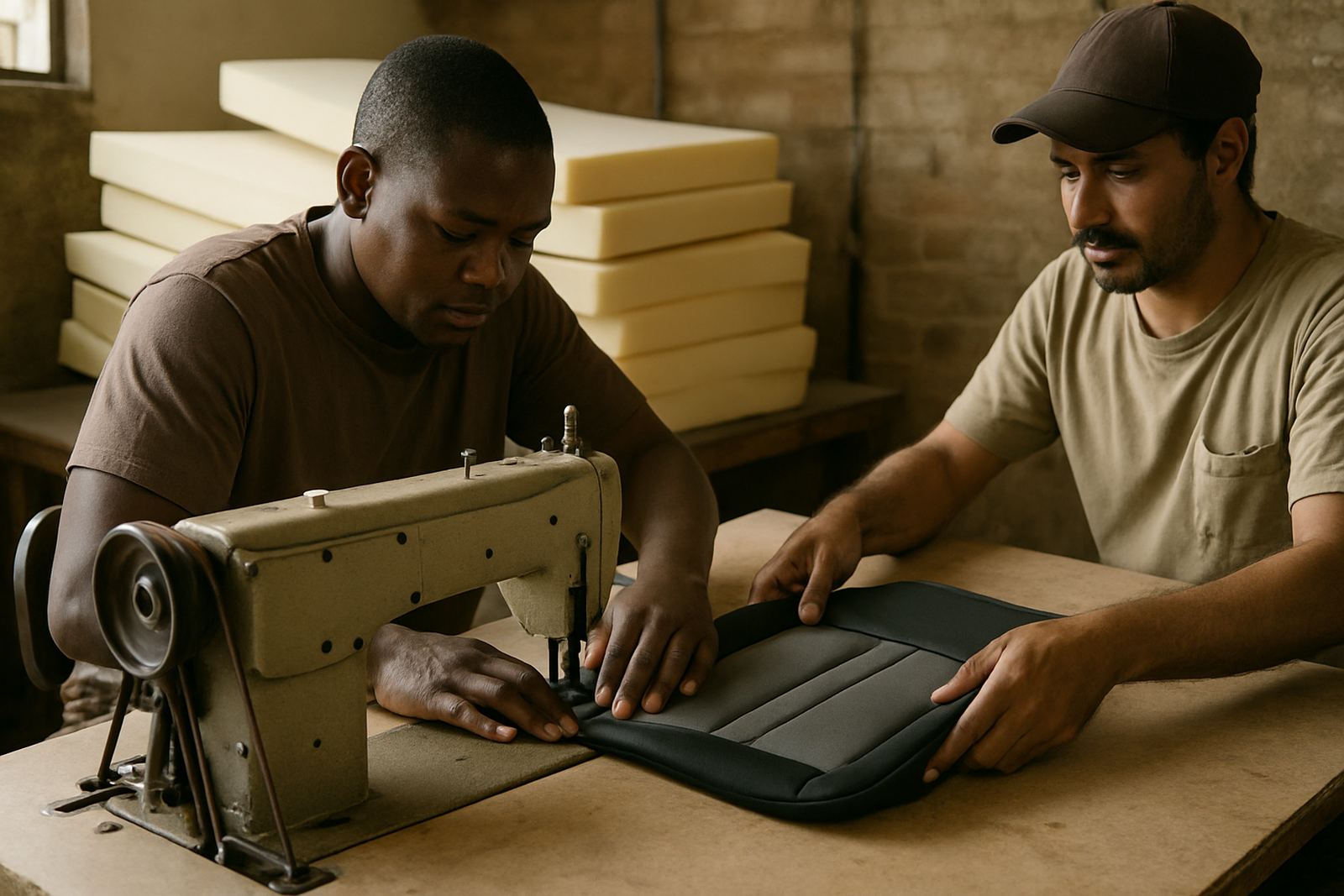
Some clients only need a few machines installed. Others need the full room planned from the floor up. We handle supply, positioning, wiring advice, testing and operator guidance, then we hand over the room once the machines are sewing properly. The aim is to reduce downtime and avoid the common problem of machines arriving before the room is ready.
- Industrial and household sewing machine supply
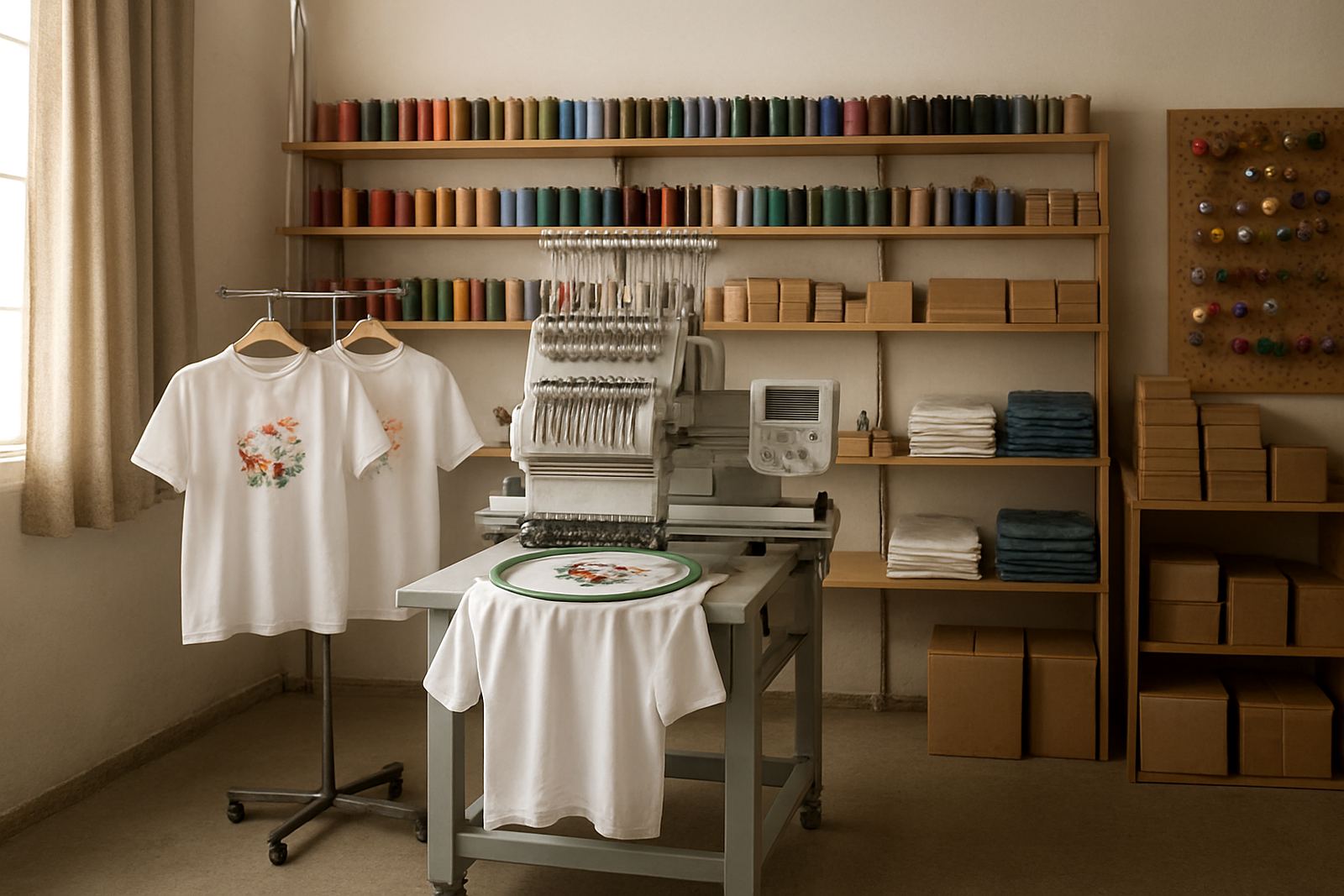
- Computerised embroidery machine setup
- Fusing press and pressing station placement
- Motor conversions and timing adjustments
- Thread, needles, attachments and basic haberdashery
- Operator training for daily use and cleaning
We can also source missing parts and match the right attachments to the work you do, whether that is alterations, uniforms, school wear or embroidery runs. On some projects we find the room only needs a few small changes, like better table spacing or a safer route for cables and foot pedals.
How we set up factory, school and home sewing rooms
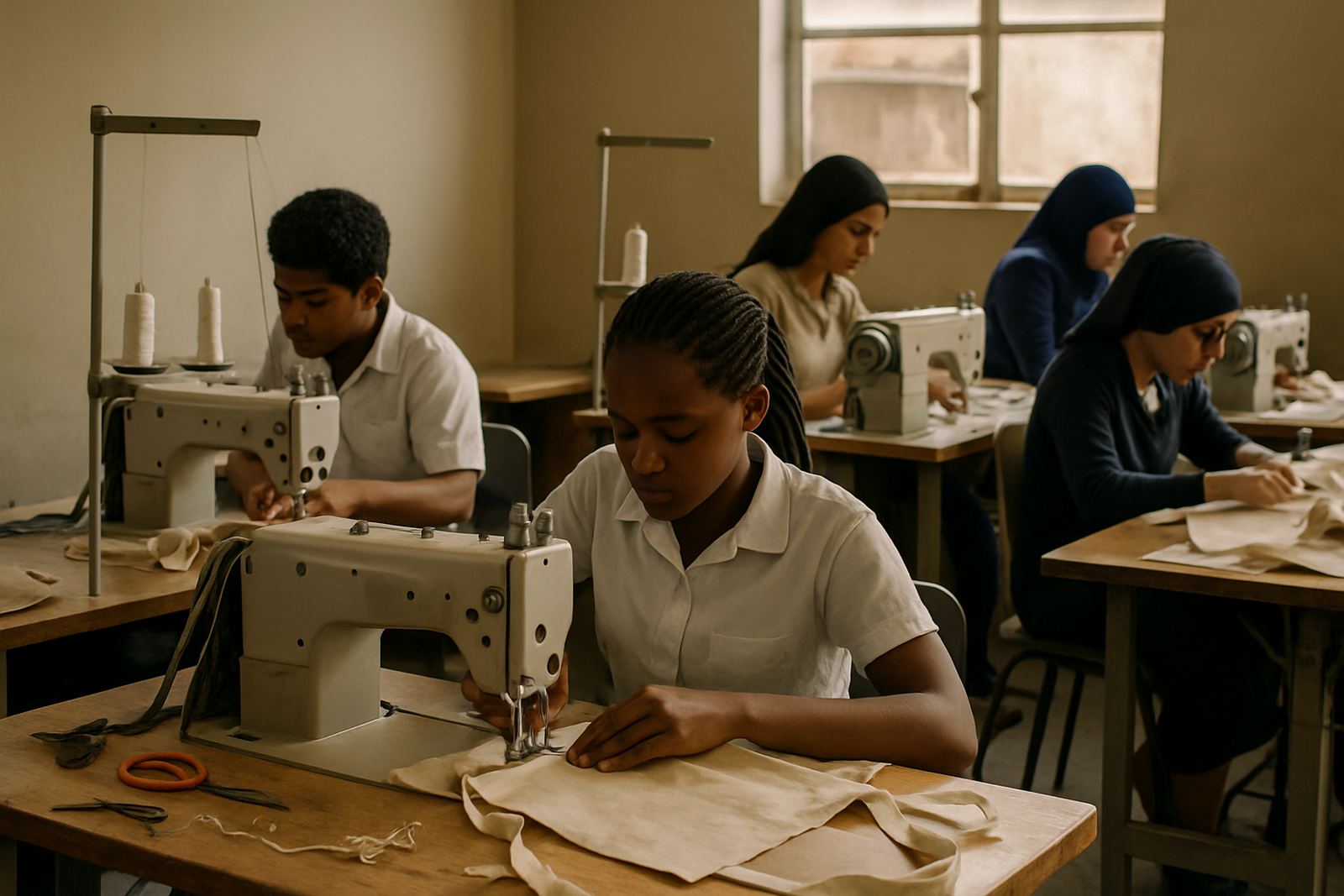
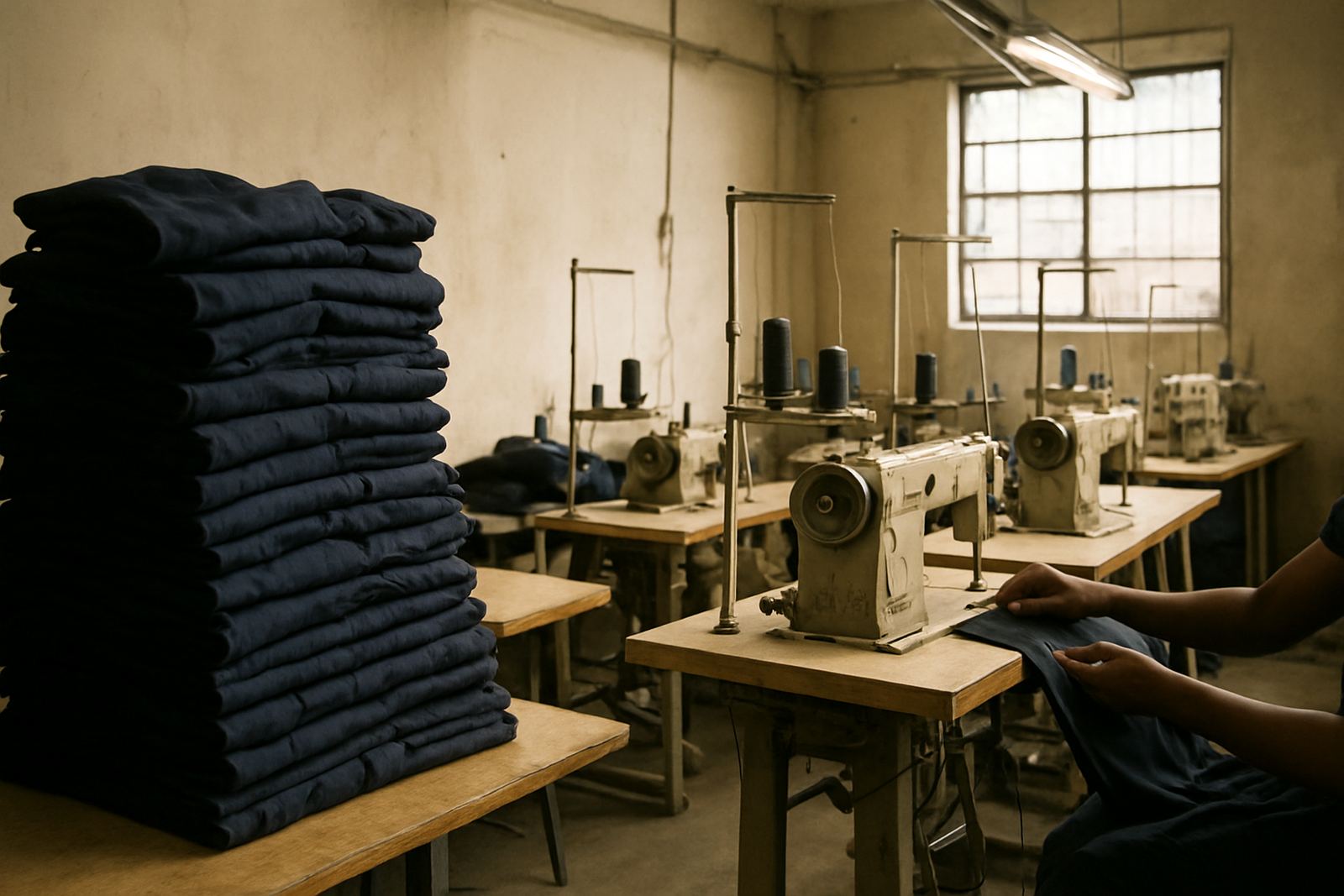
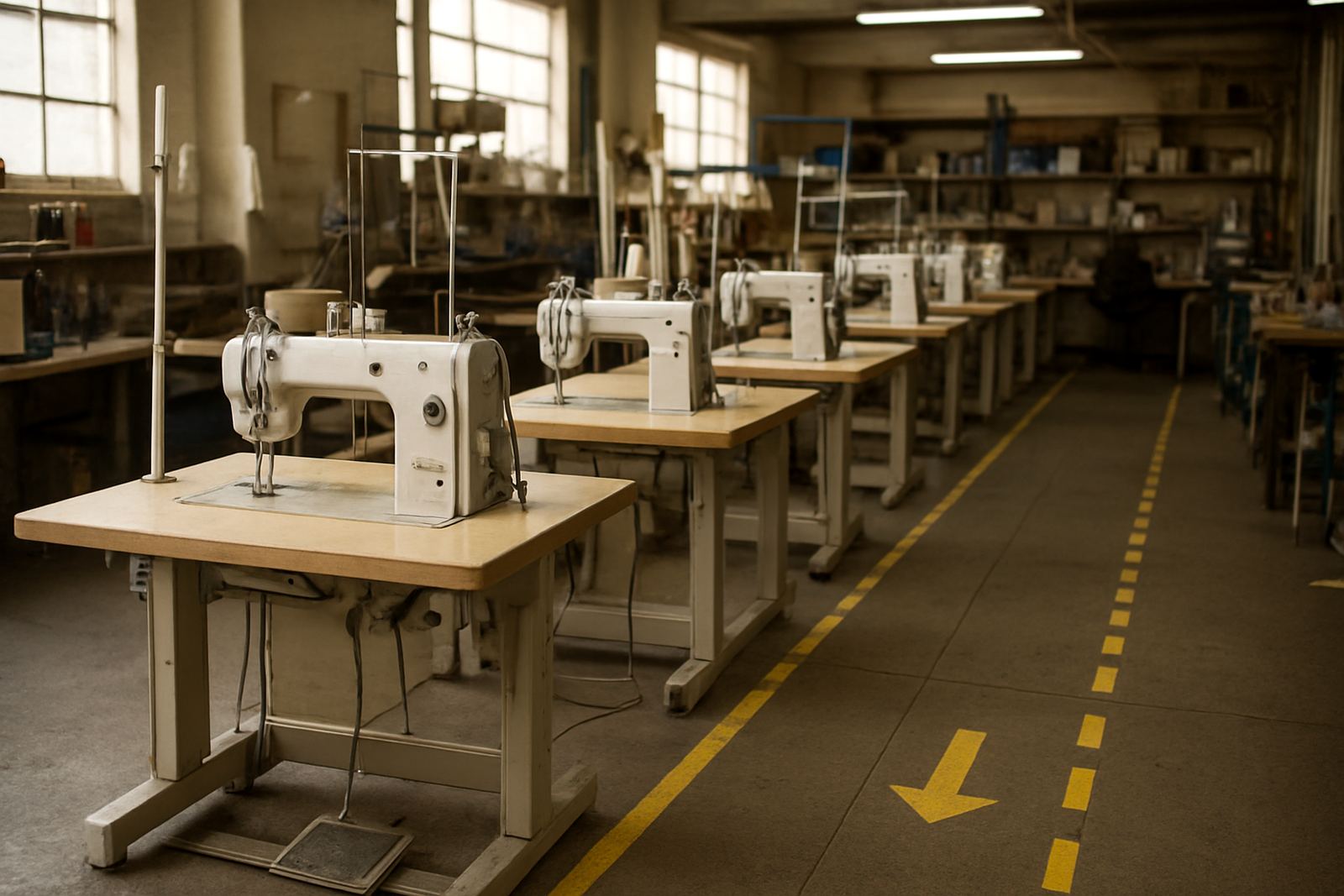
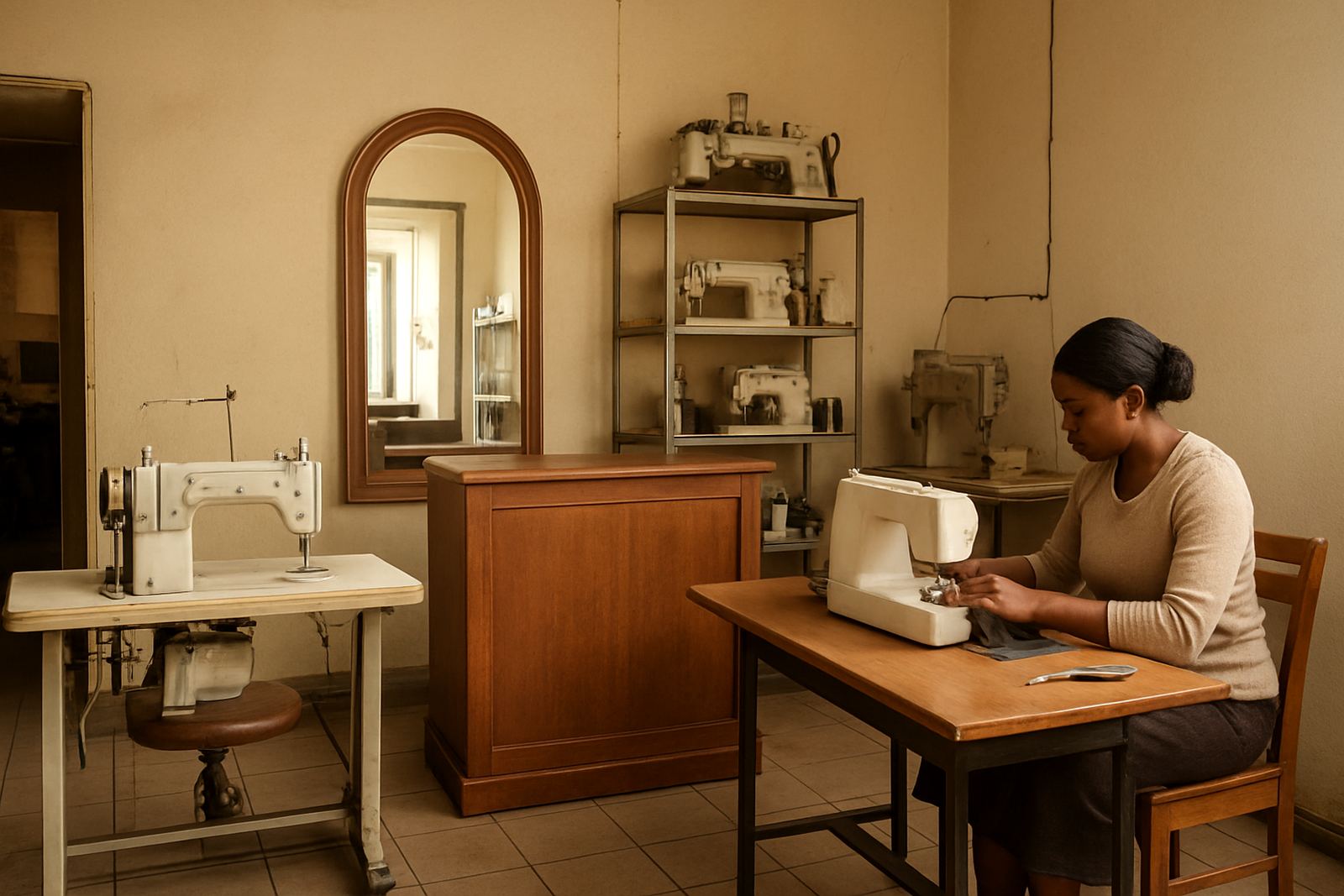
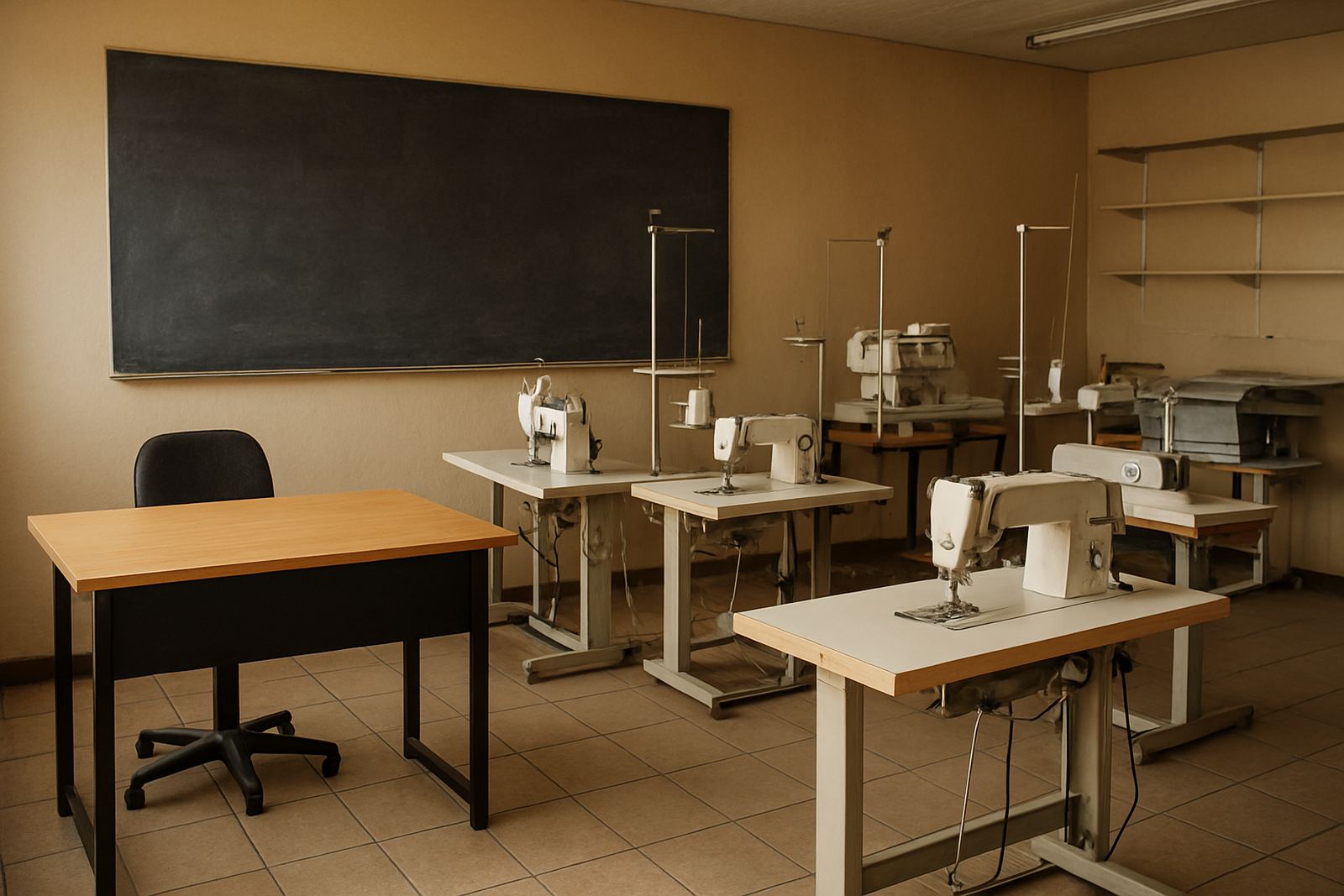
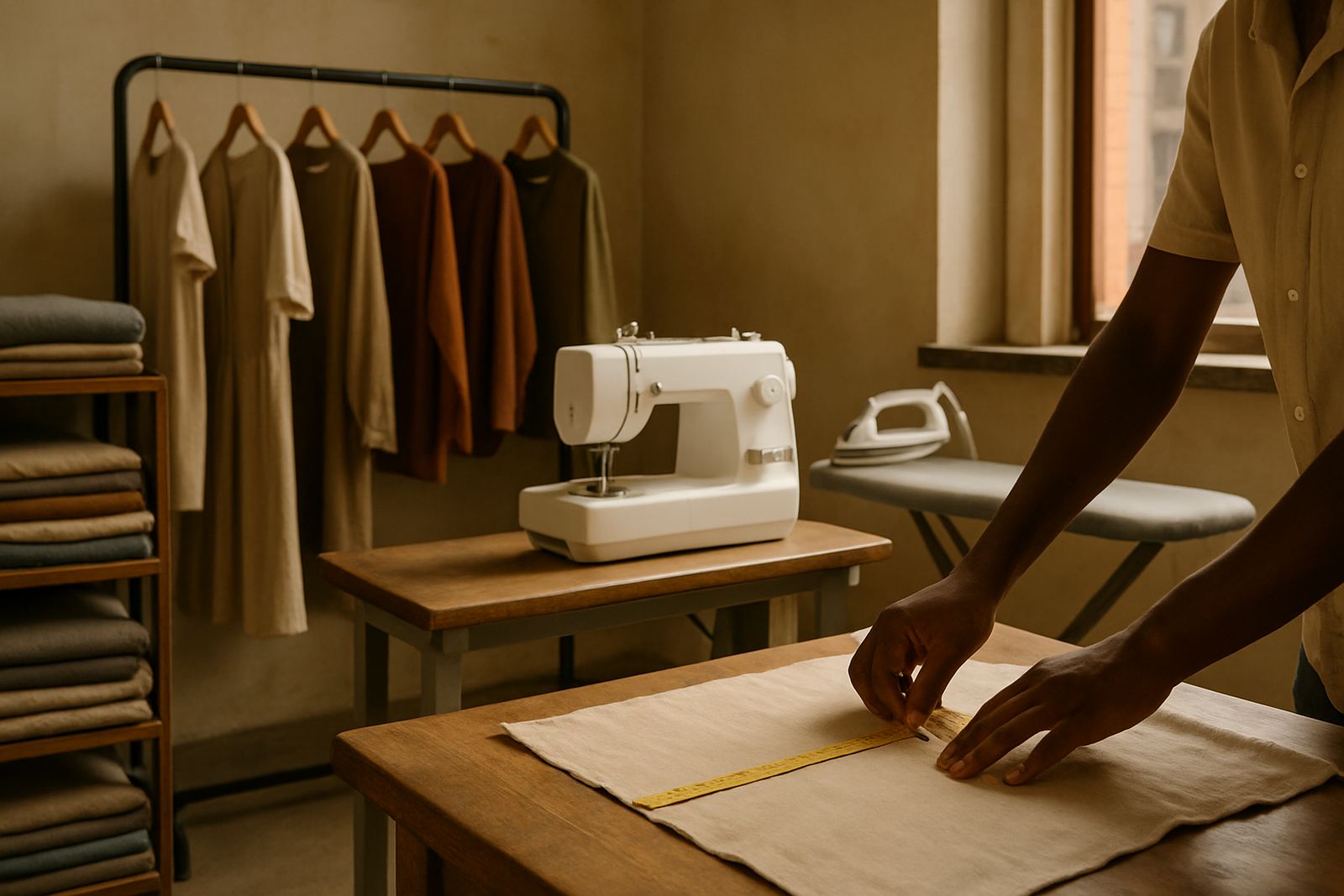
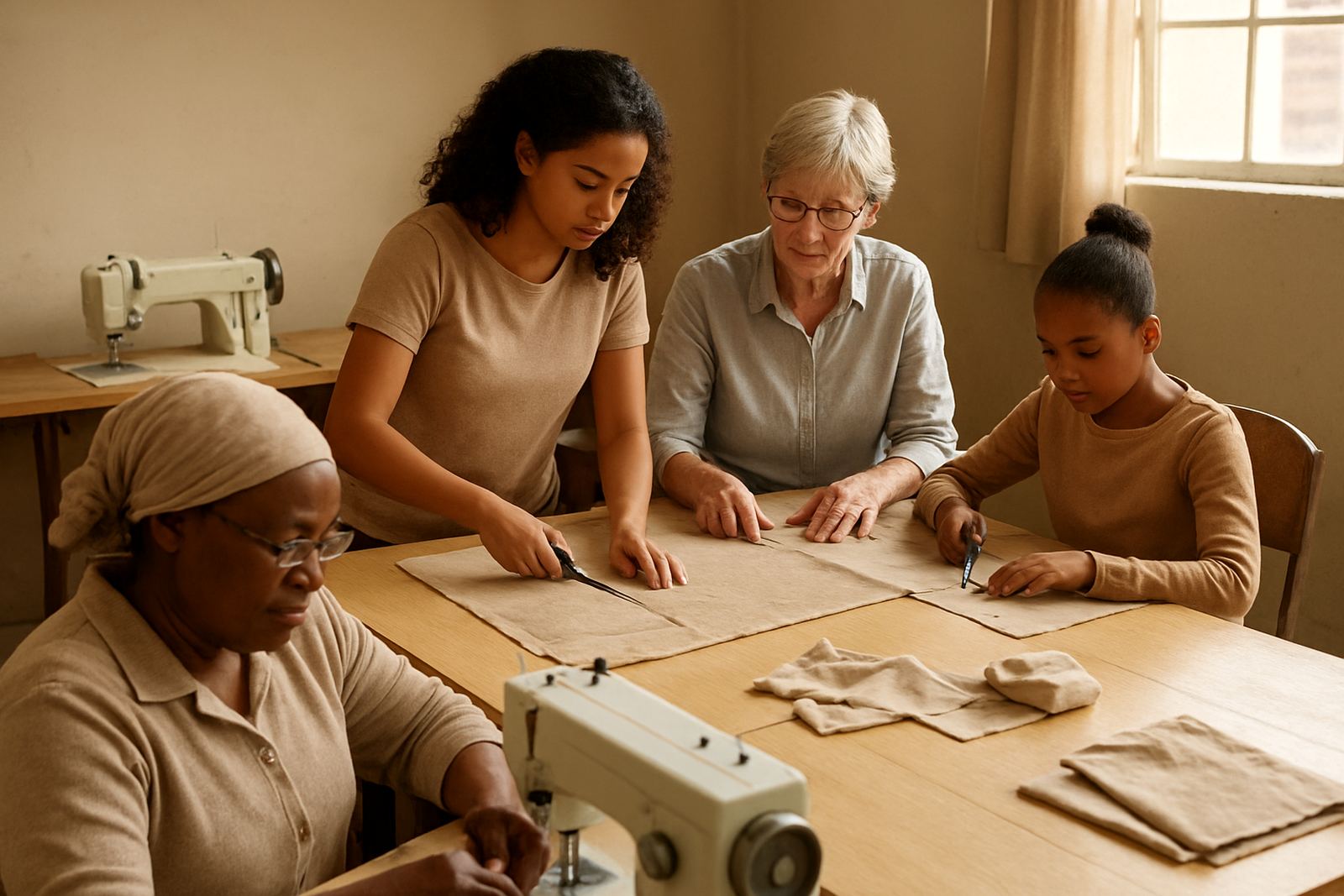
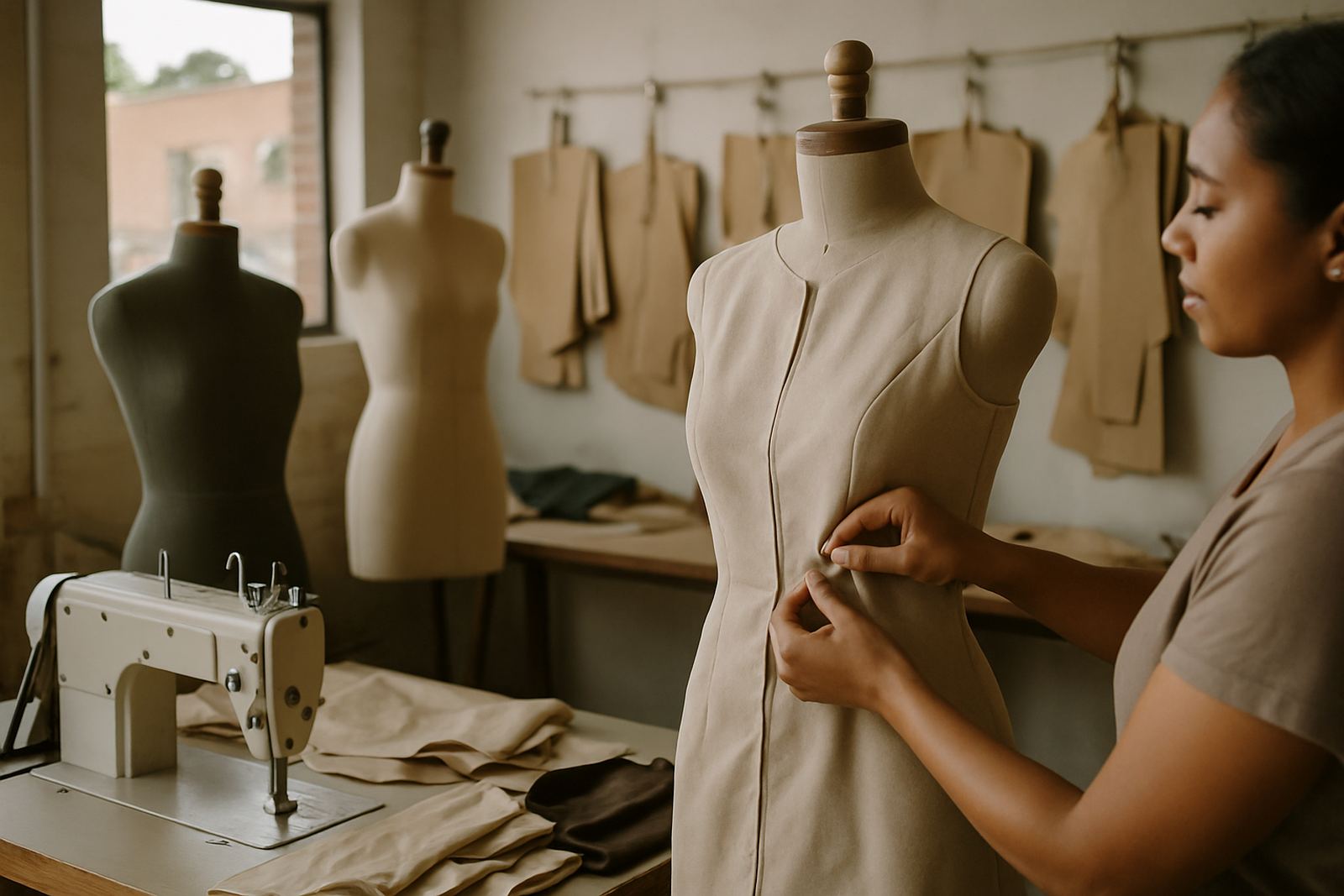
Factories usually need stronger workflow planning and better access around each machine. Schools often need tidy rows, clear supervision and simpler operation for learners. Home sewers may need a compact layout that still leaves room for cutting, ironing and storage. We keep the setup practical, with enough space for chairs, fabric movement and regular servicing.
In Johannesburg CBD and nearby areas like Mayfair, Alberton and Randburg, room sizes can vary a lot. Some jobs take place in older buildings with narrow passages and shared power boards, while others are in newer units with easier access. We work around the site conditions and the local municipal requirements where they affect equipment placement or electrical work. If the room is in a dusty or humid area, we also look at dust cover use and cleaning routines.
Testing, handover and first day support
Before we hand over a workroom, each machine is checked for stitch quality, thread tension, motor response and safe operation. Embroidery units are tested with the correct frames and basic design settings. Fusing presses and pressing stations are checked for heat consistency and even pressure. If a machine needs a final adjustment, we do it on site so the client starts with working equipment, not a problem list.
- Power on and basic safety check
- Needle, thread and tension test
- Speed control and operator familiarisation
- Pressing and finishing check
- Clean-up of the work area after installation
We also show staff how to switch off, clean and store the equipment at the end of the day. That matters in busy rooms where machines are used by different operators and the first hour of the morning can be hectic, especially after a power interruption or a rushed production start.
Servicing support after the setup is complete
A good workroom should stay easy to run after the first week. That means routine servicing, spare parts access and someone who can respond when a machine starts skipping stitches or a press is not heating evenly. Our Johannesburg CBD base supports clients across Gauteng, including Germiston, Pretoria, Soweto and Fordsburg, with workshop repairs and on site repairs where needed.
We can help with motor conversions, timing adjustments, embroidery setup and parts sourcing, so a newly arranged room does not sit idle waiting for one missing item. If a room grows later, we can add more stations or change the layout as the workload changes. That makes the original setup more useful over time, not just on installation day.
How to prepare before we visit your site
Before a workroom setup visit, it helps to clear the space and note what you want the room to do. Bring a list of the machines you already have, the fabrics you work with and the number of operators. If there are any power issues, damaged plugs or old tables, mention them early so we can plan the visit properly.
- Measure the room length and width
- Mark windows, doors and plug points
- List current machines and any missing items
- Identify cutting, sewing and pressing areas
- Tell us if the room must suit beginners or trained operators
Our team uses the enquiry form on the contact page to book workroom setup projects and follow up on site details. From there we can advise on the best order for supply, installation and handover, so the room is ready for steady use without unnecessary delays.