



How to choose the right advice for your sewing room
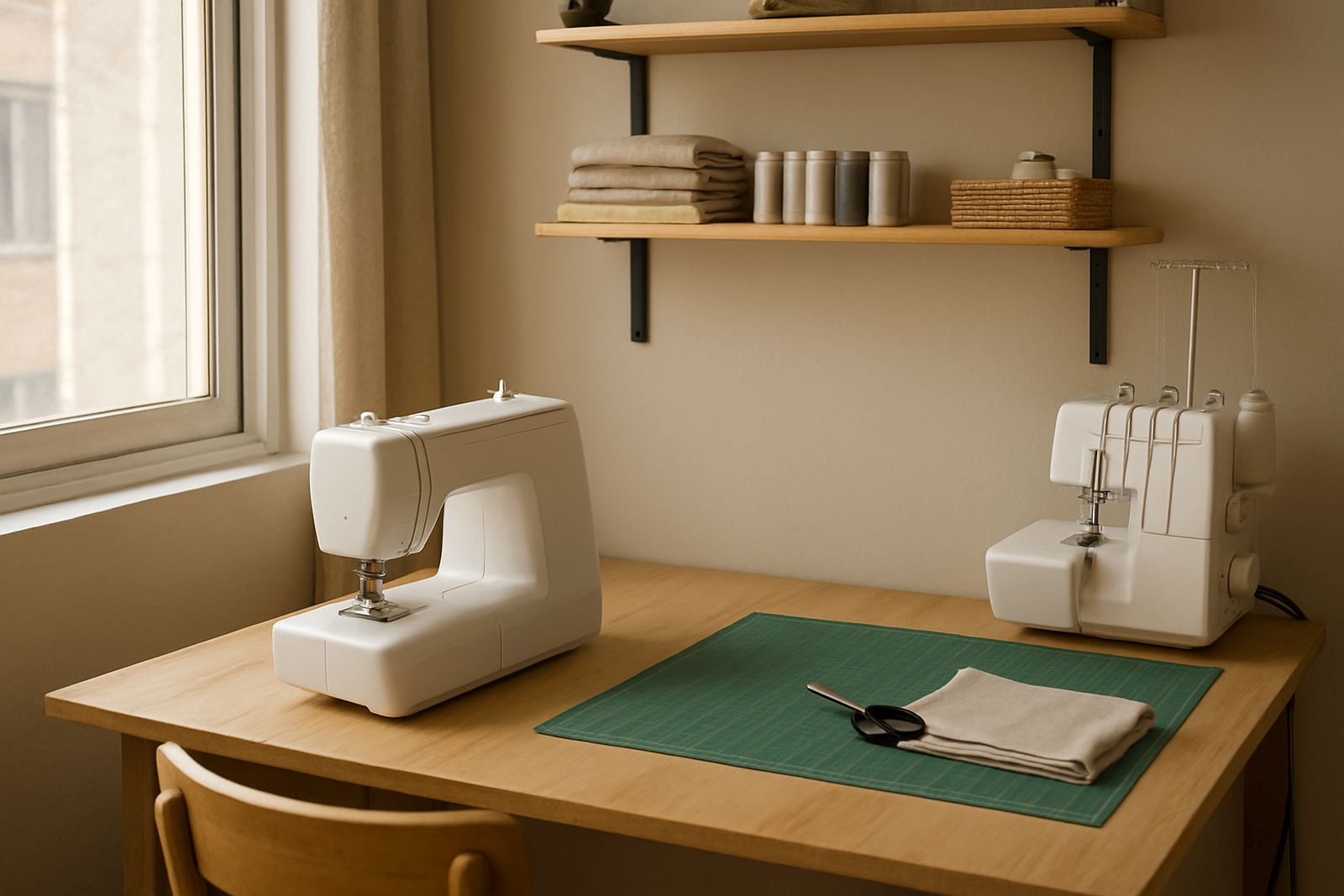
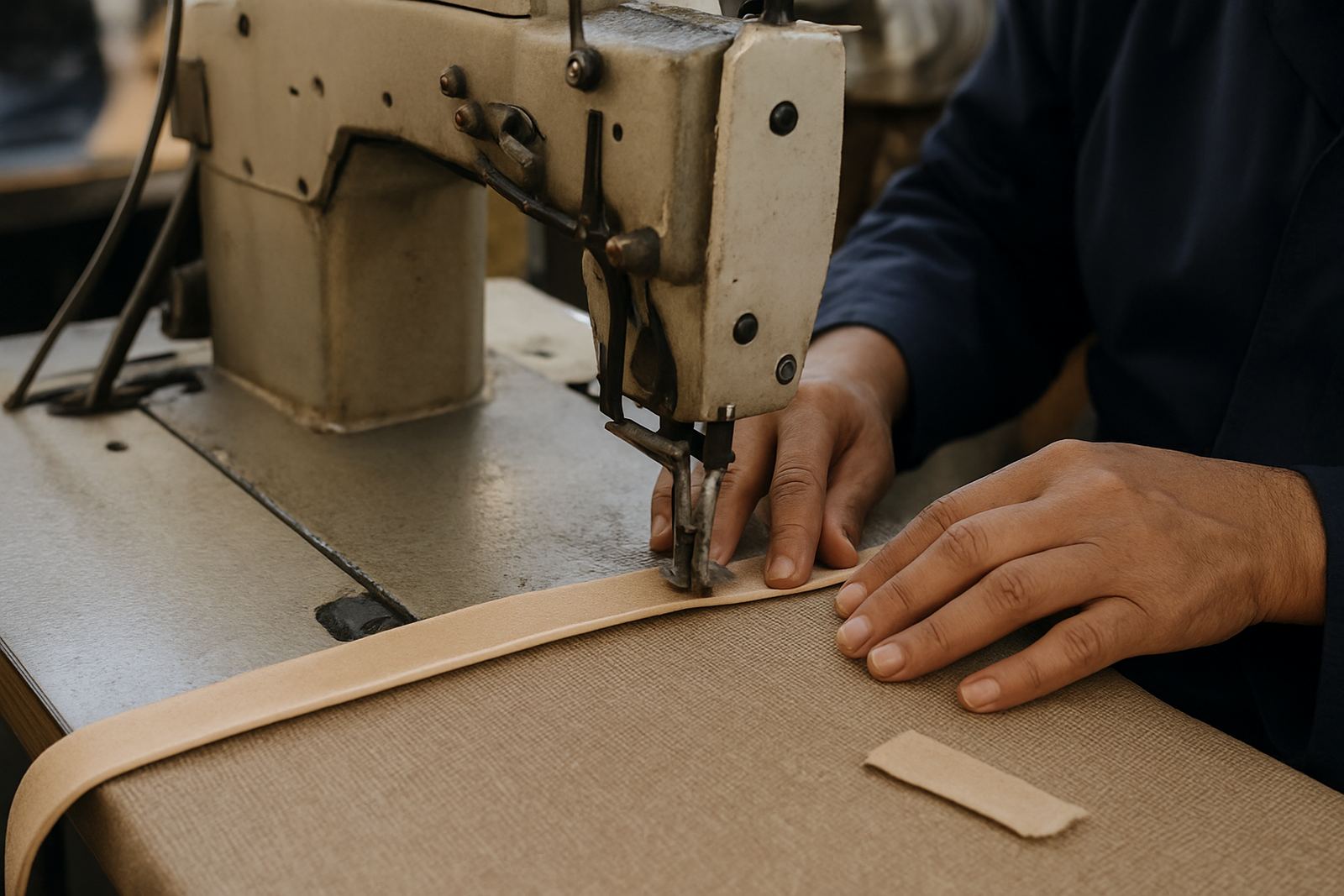
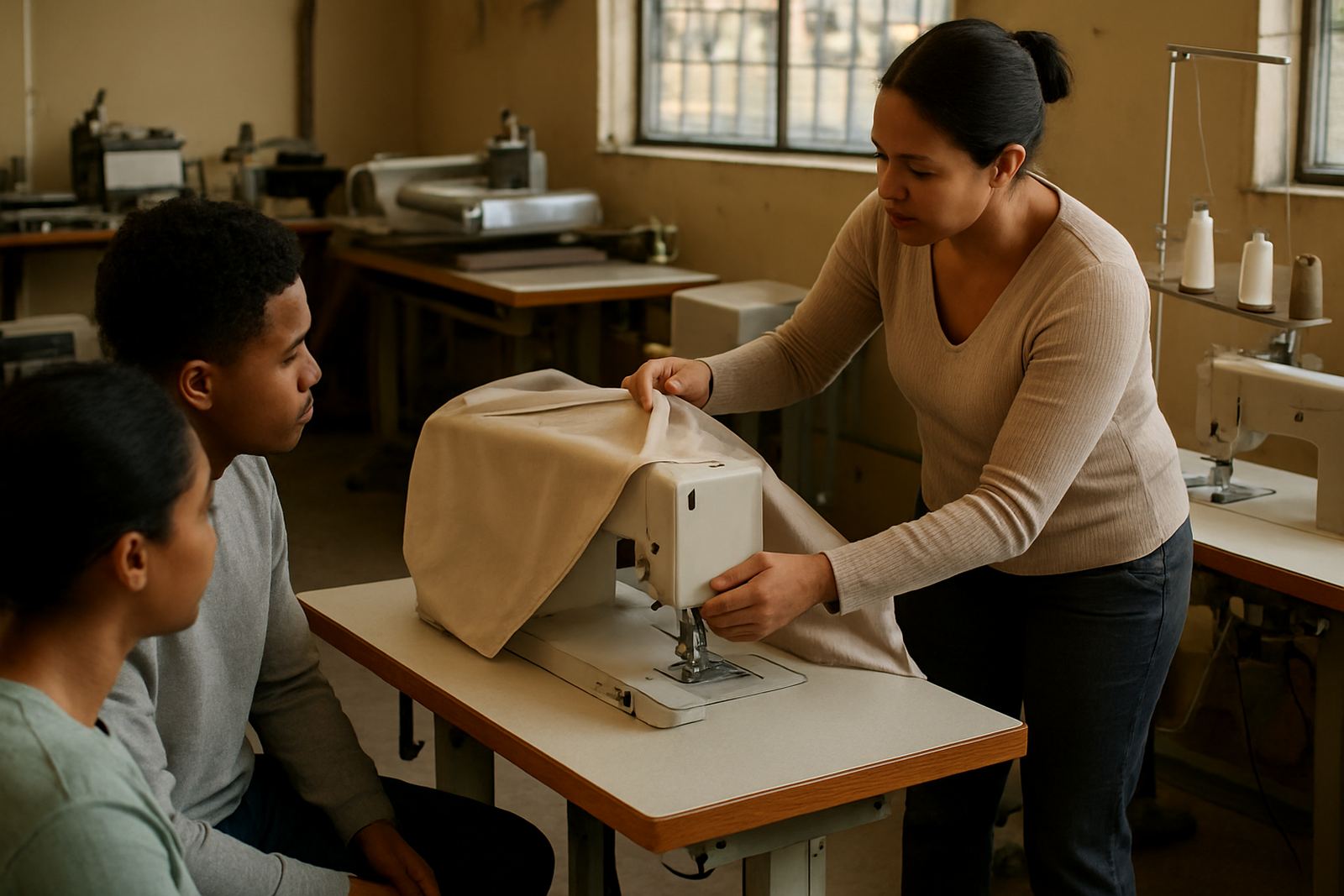
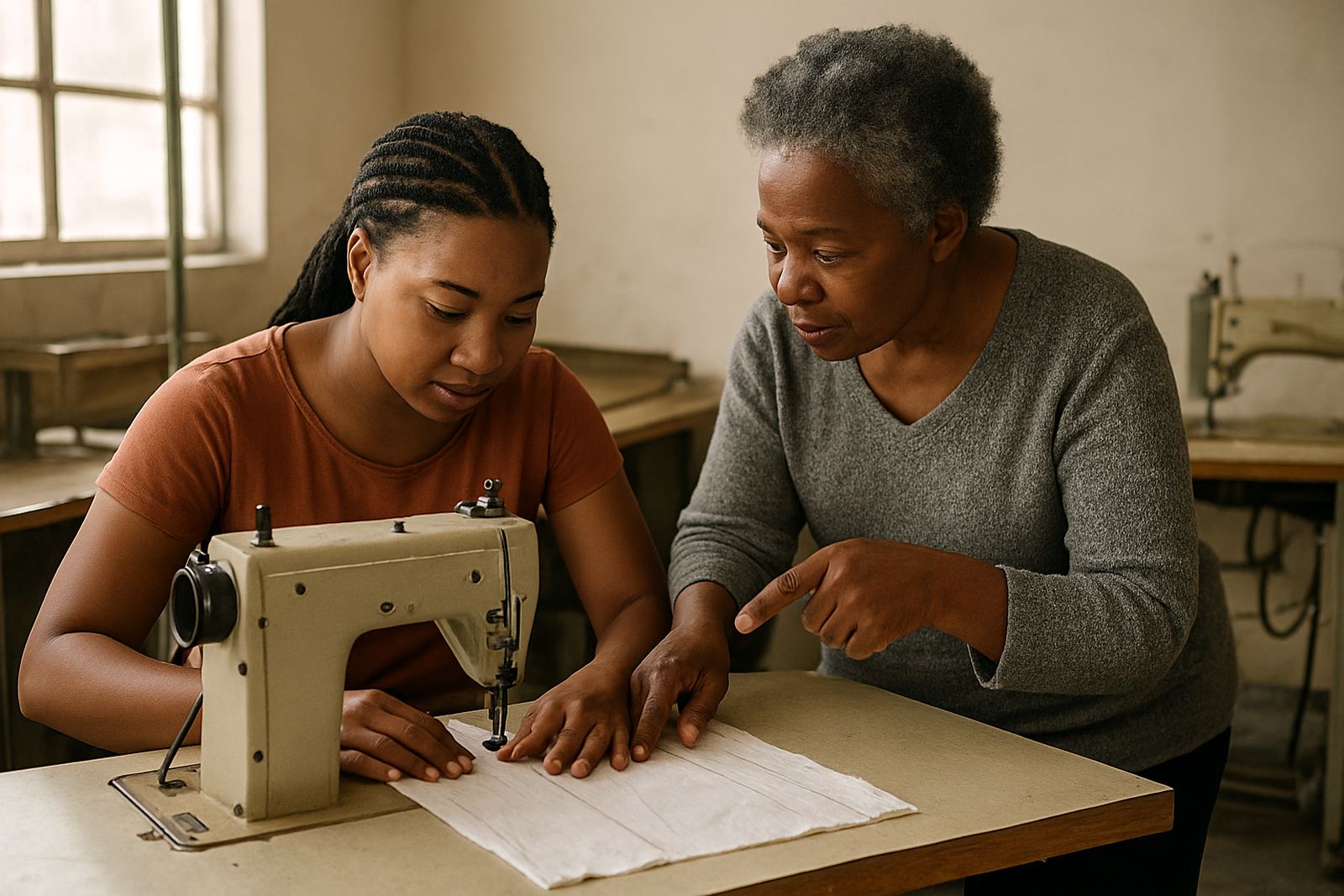
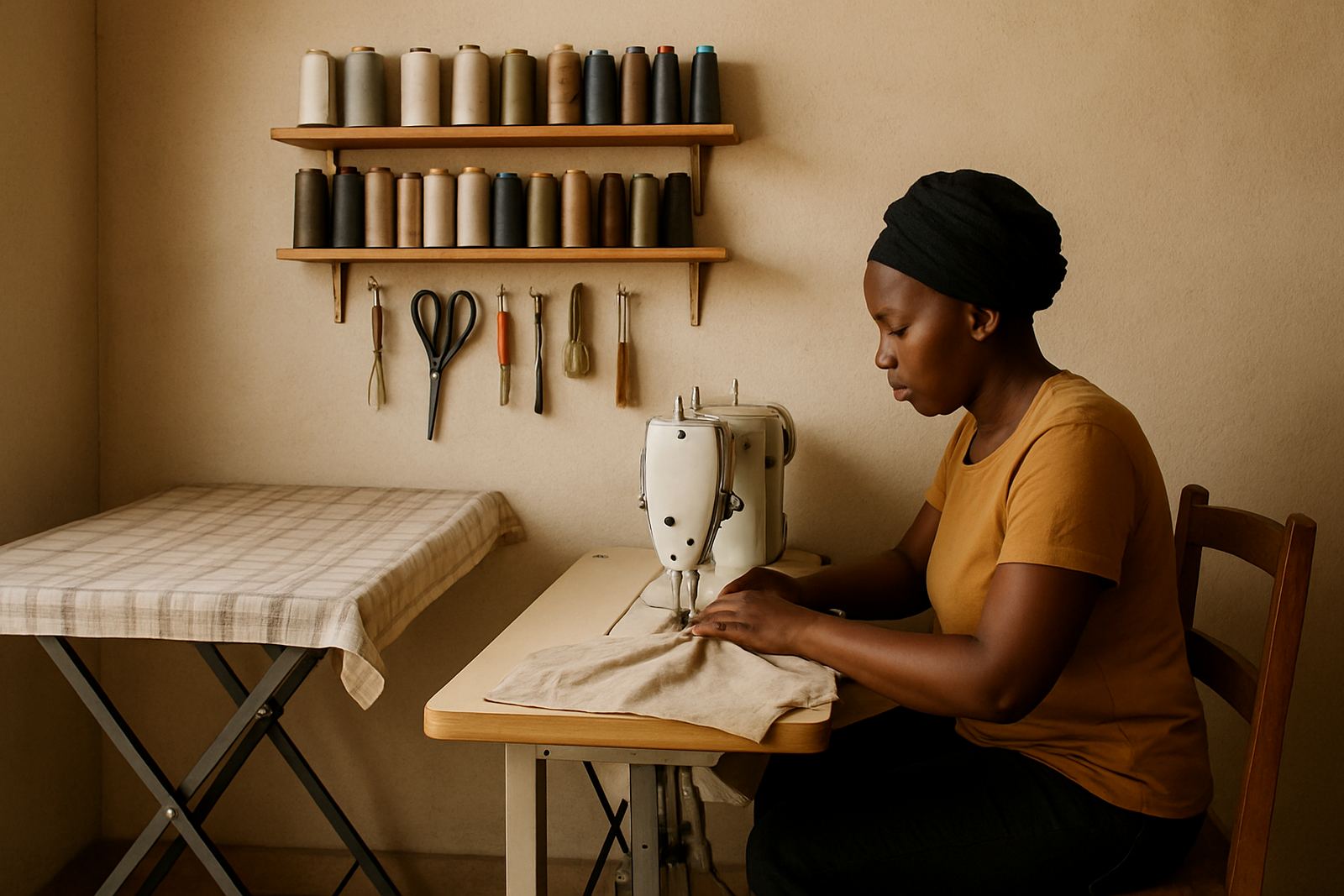
Not every sewing room works the same way. A home sewer in Randburg may need help choosing a quiet household machine for regular clothing repairs, while a school in Soweto may need durable machines that can handle heavy use and basic operator training. A factory in Germiston will usually look at output, service access and spare parts first. Our journal covers all of these situations so you can match the advice to your space, your volume and your budget.
When you are reading through articles, look for the setting first. Then check whether the topic is about buying, setting up, maintaining or troubleshooting. That saves time and helps you avoid the common mistake of following advice meant for a different type of workroom.
- Home use for alterations, repairs and hobby sewing
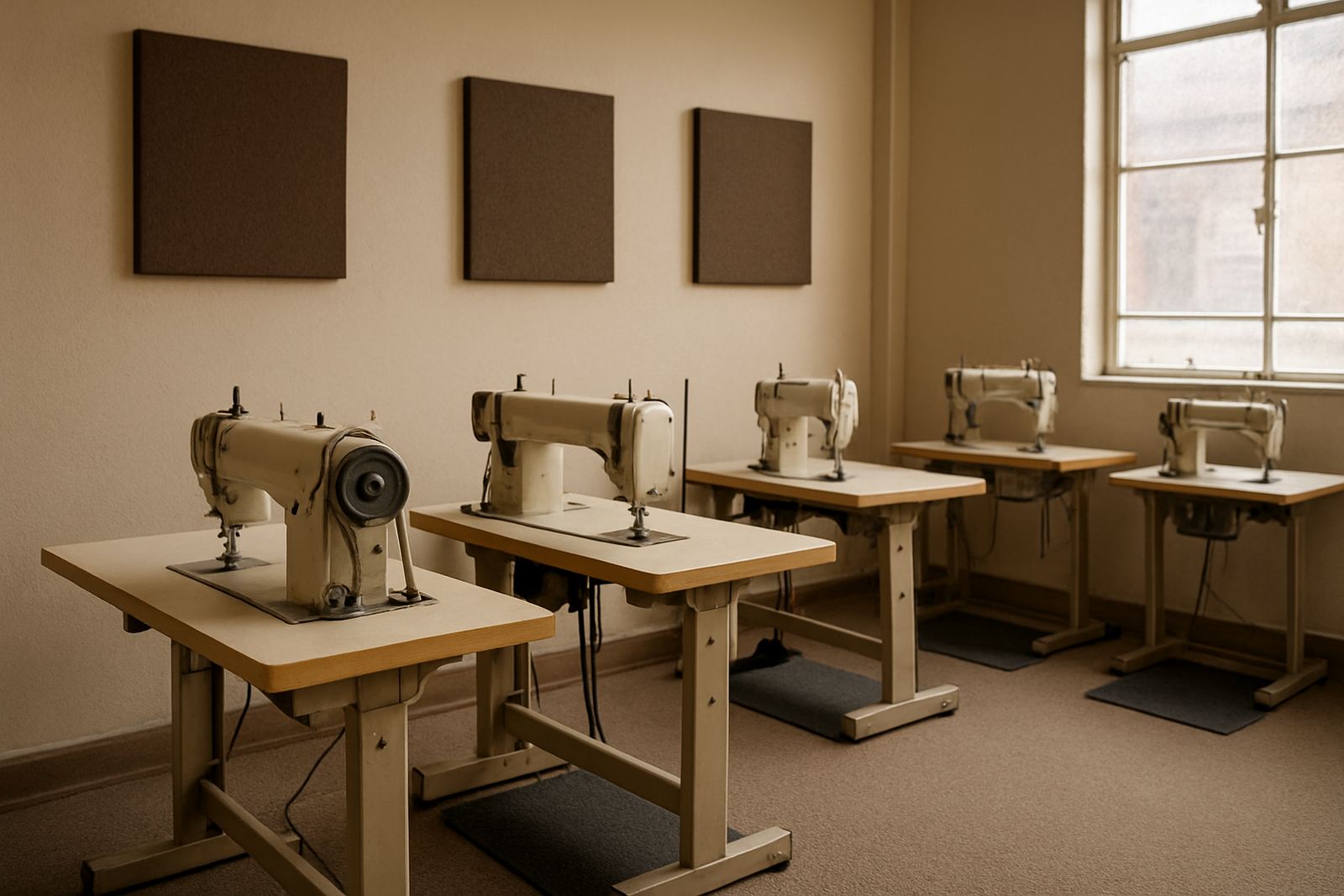
- School use for classes, practicals and shared equipment
- Factory use for production, timing and uptime
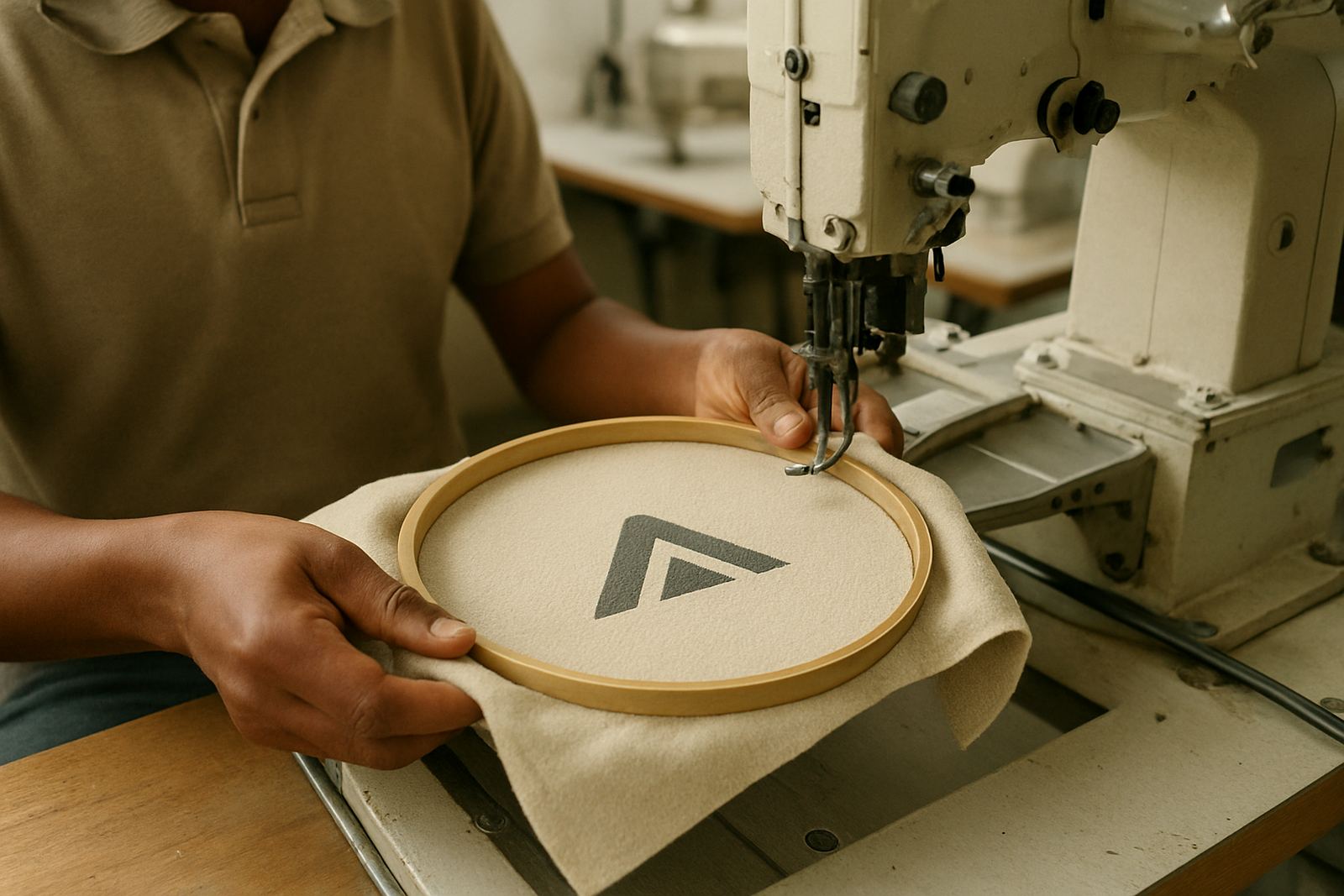
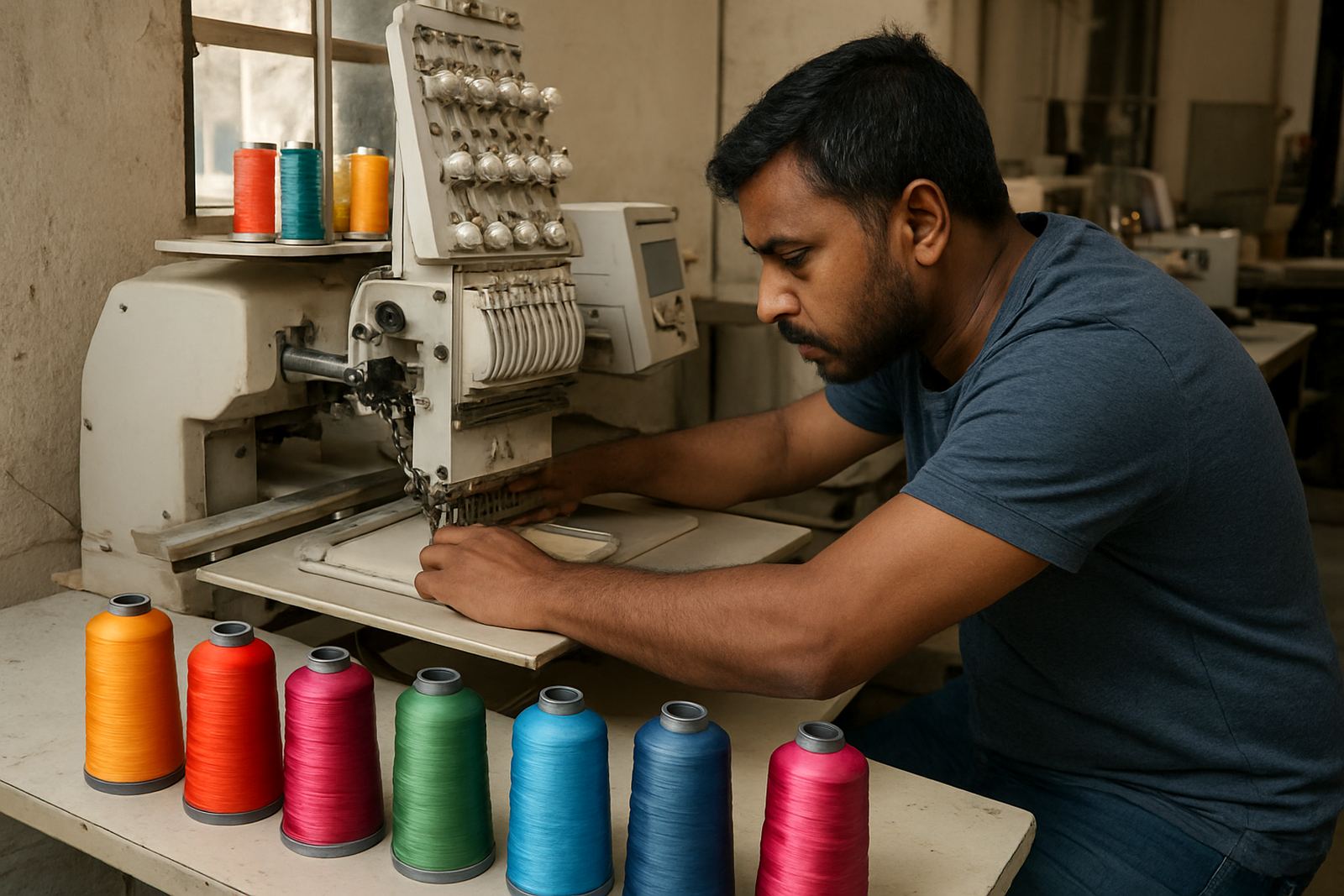
- Embroidery and fusing work that needs more setup and care
Machine care that keeps work moving
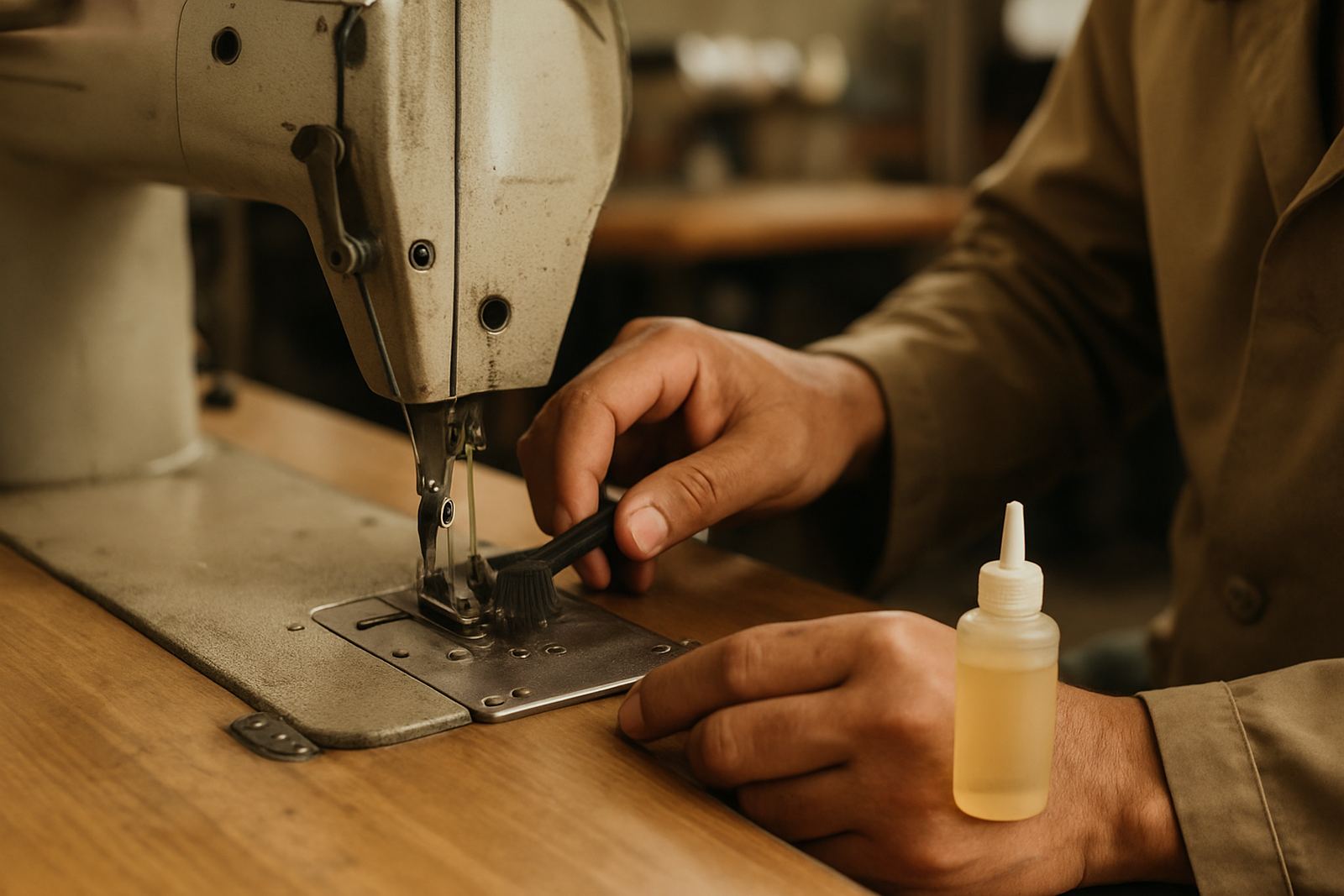
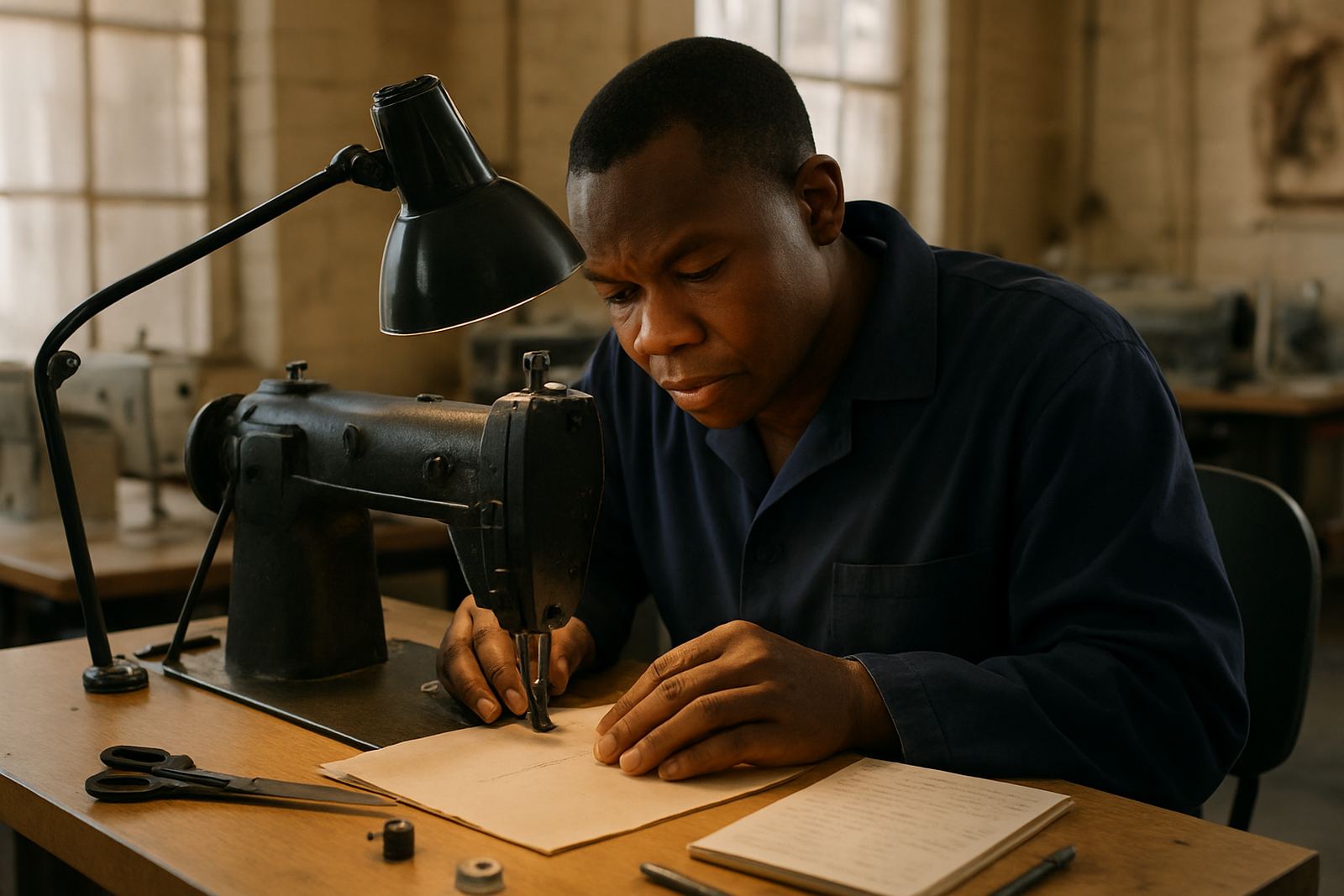
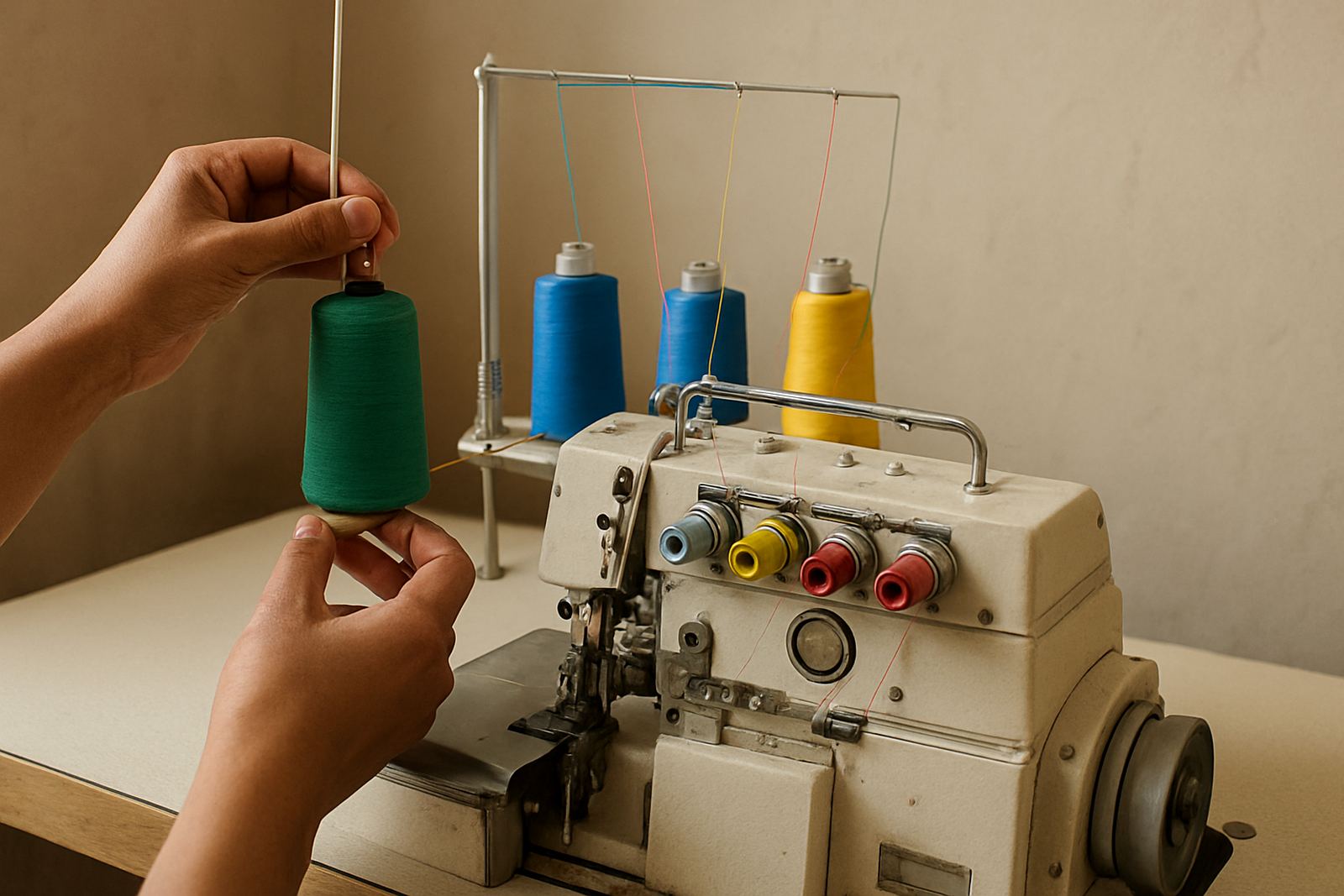
Good sewing output starts with regular care. Dust, lint and thread build-up cause skipped stitches, tension trouble and uneven feeding, especially in busy rooms where machines run most of the day. In Johannesburg CBD and the surrounding industrial areas, we see machines working in tight spaces with limited downtime, so routine cleaning matters just as much as repair.
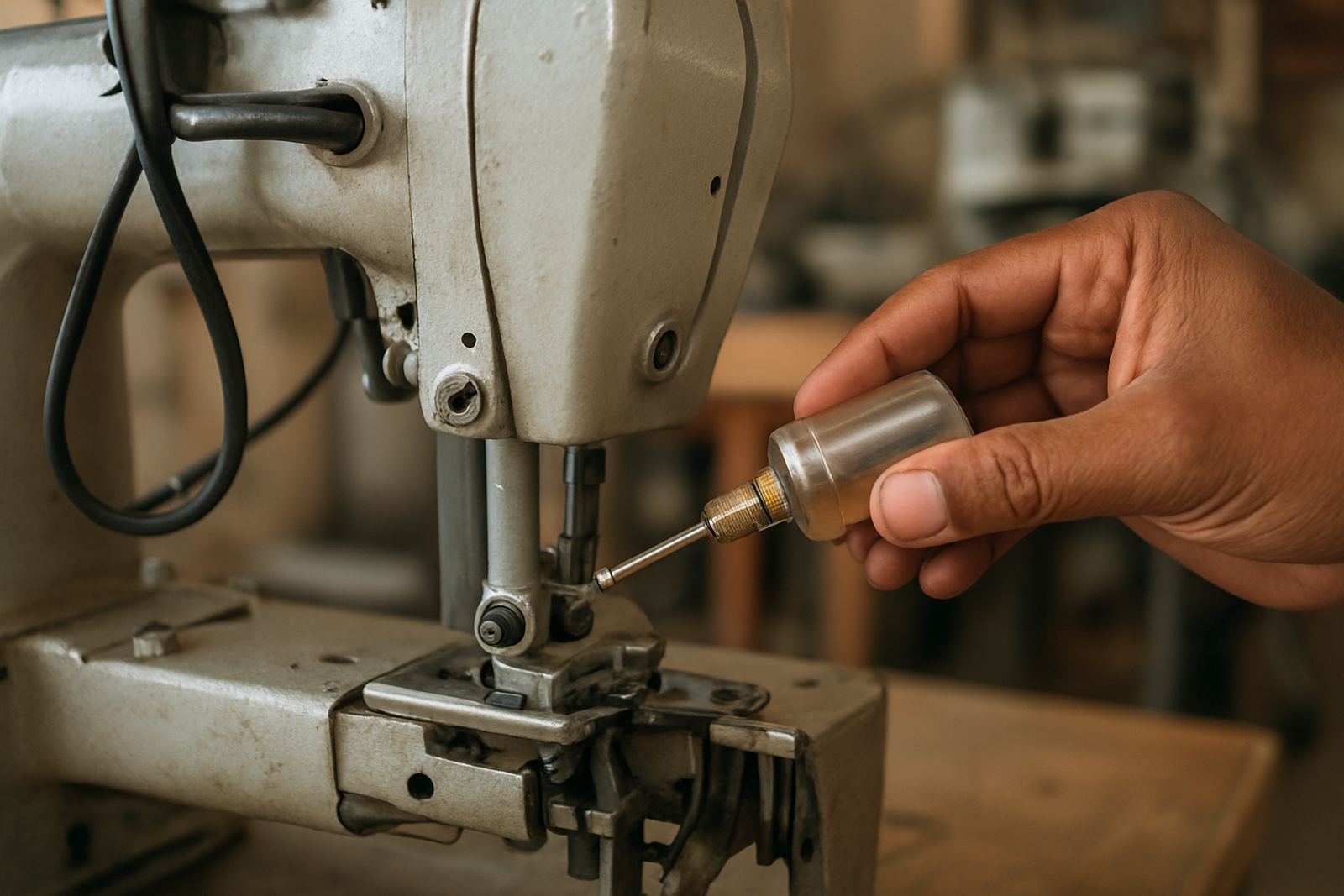
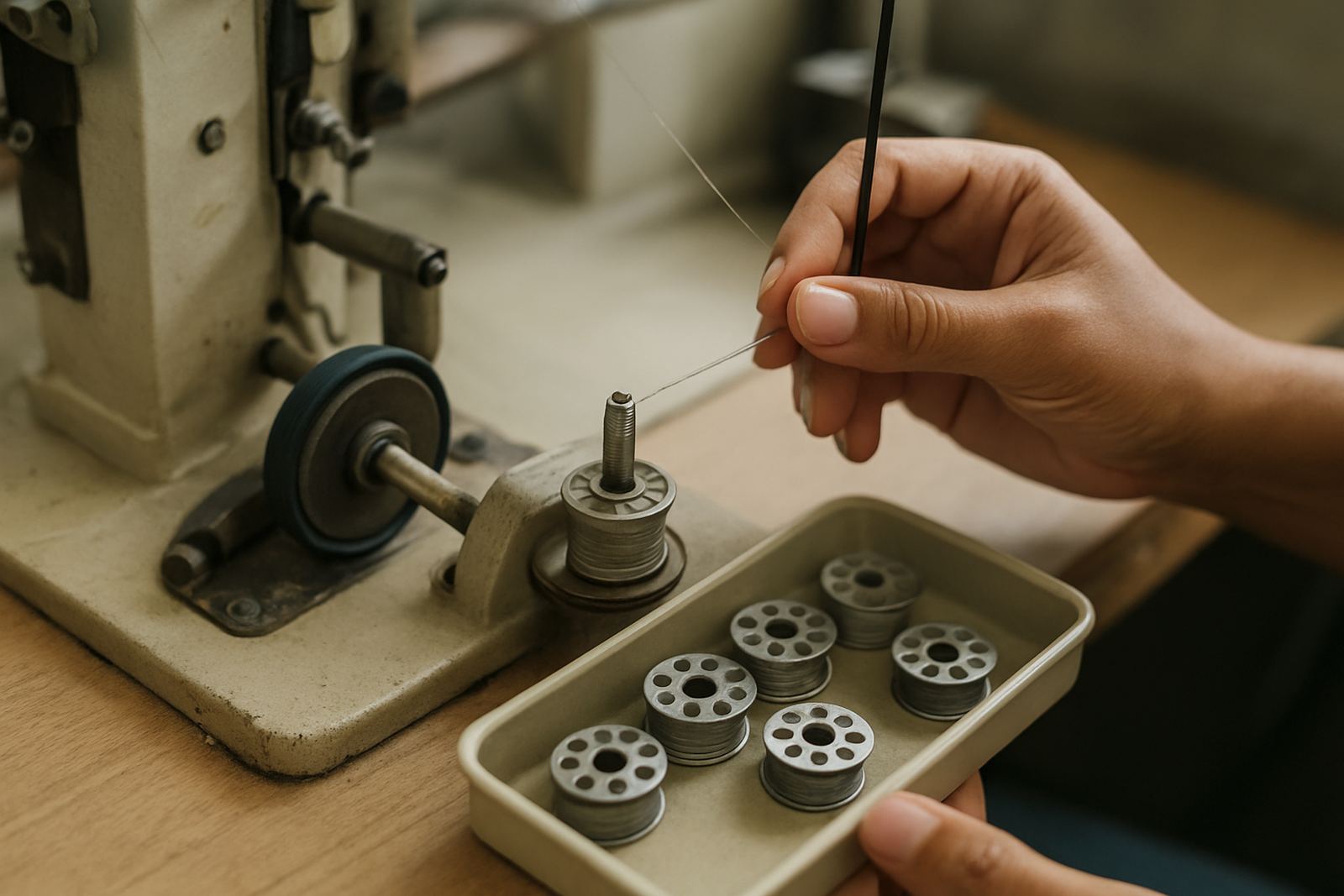
Our journal explains what to check before a fault becomes a stoppage. That includes oiling points where needed, needle changes, bobbin area cleaning, belt condition, motor noise and timing symptoms. For humid areas and coastal storage this matters even more, but even inland rooms can suffer from corrosion if machines are left unused for long periods.
- Daily cleaning for lint and thread ends
- Weekly checks on needles, belts and stitch quality
- Monthly servicing for high use machines
- Seasonal checks after shutdowns, holidays or stocktake periods
Setting up a room for better production flow
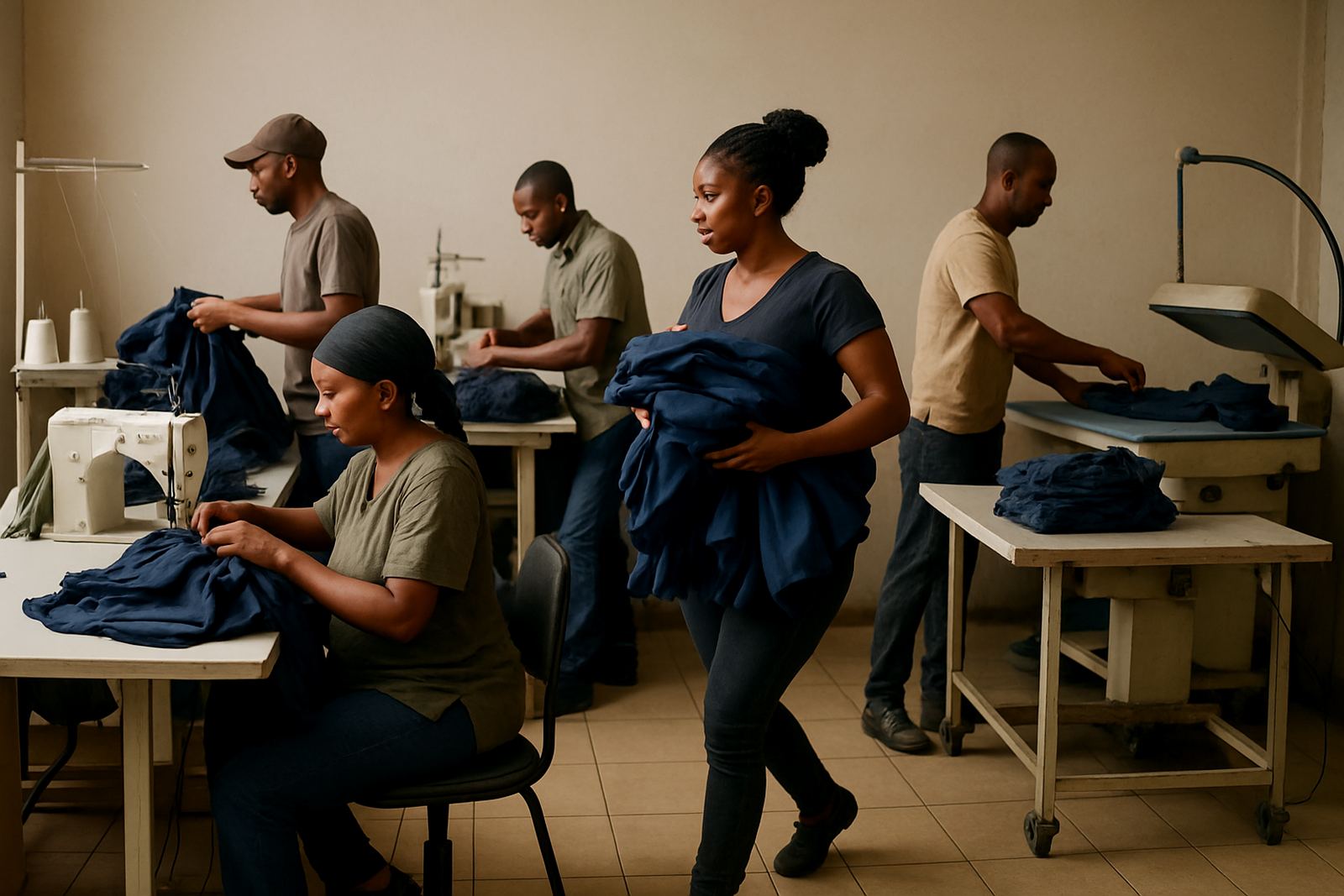
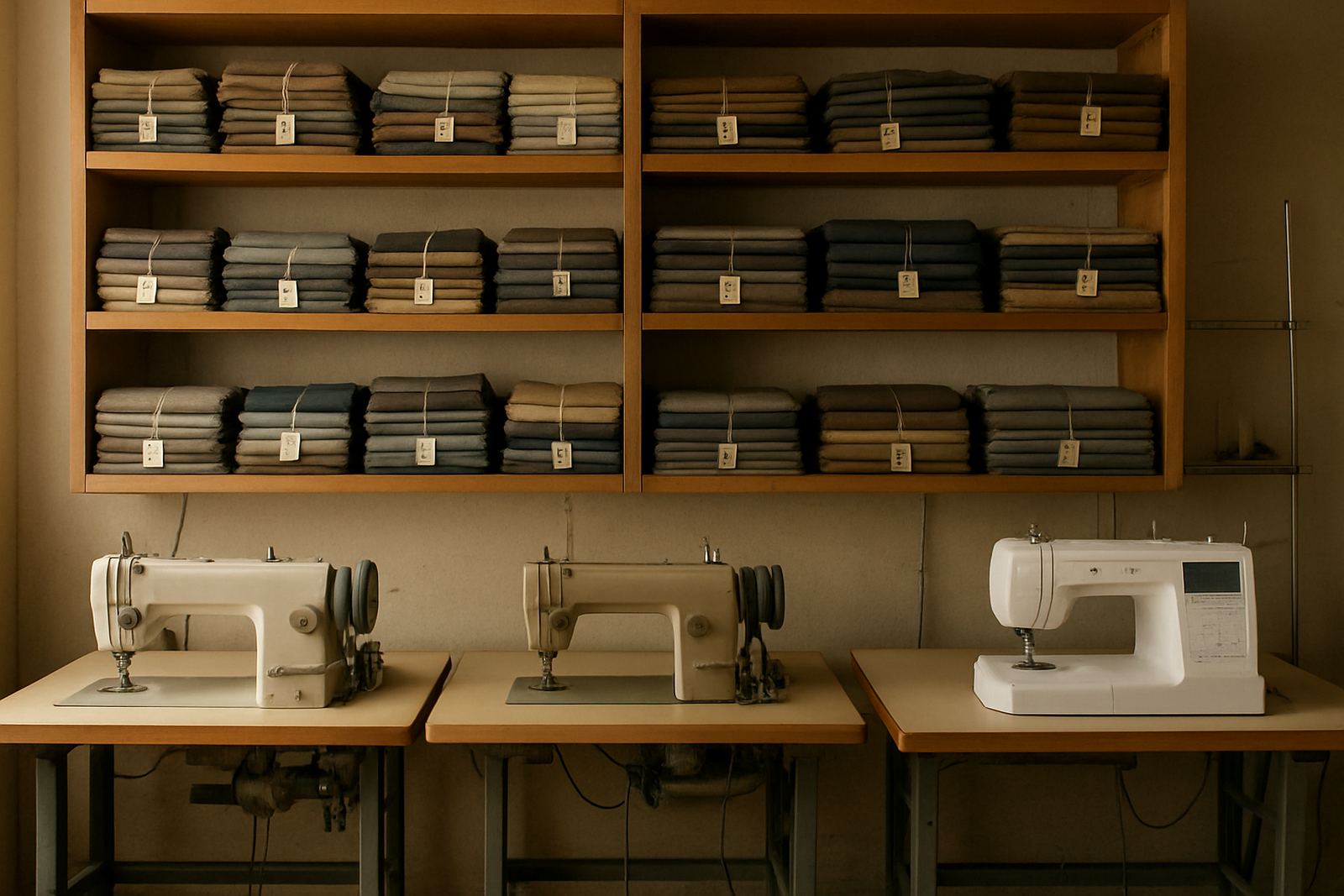
A sewing room works best when material, machines and finished work all move in one direction. If fabric keeps crossing paths with operators, cuts are delayed and mistakes increase. A better layout can reduce walking, improve safety and make supervision easier, especially where more than one person shares the same space.
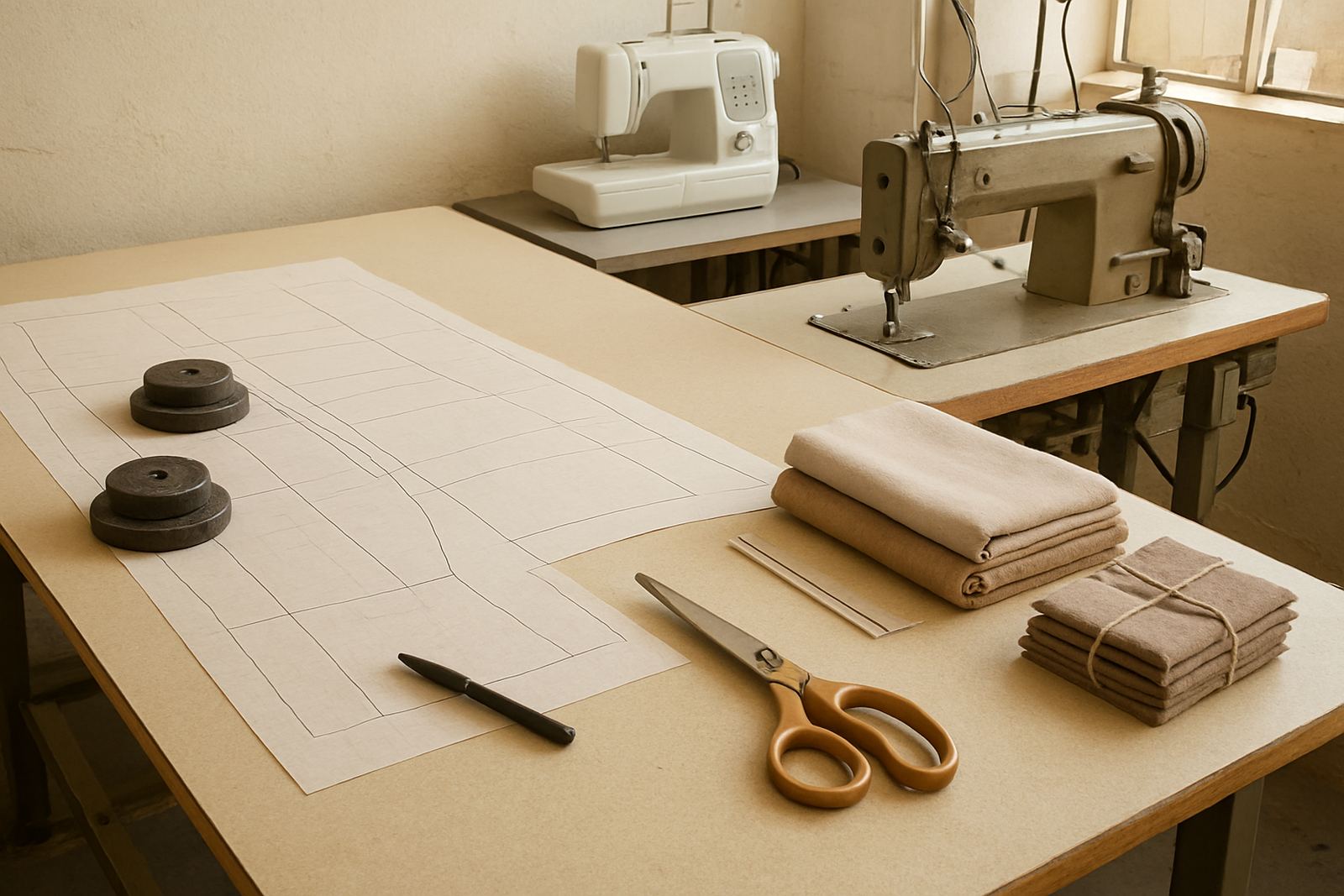
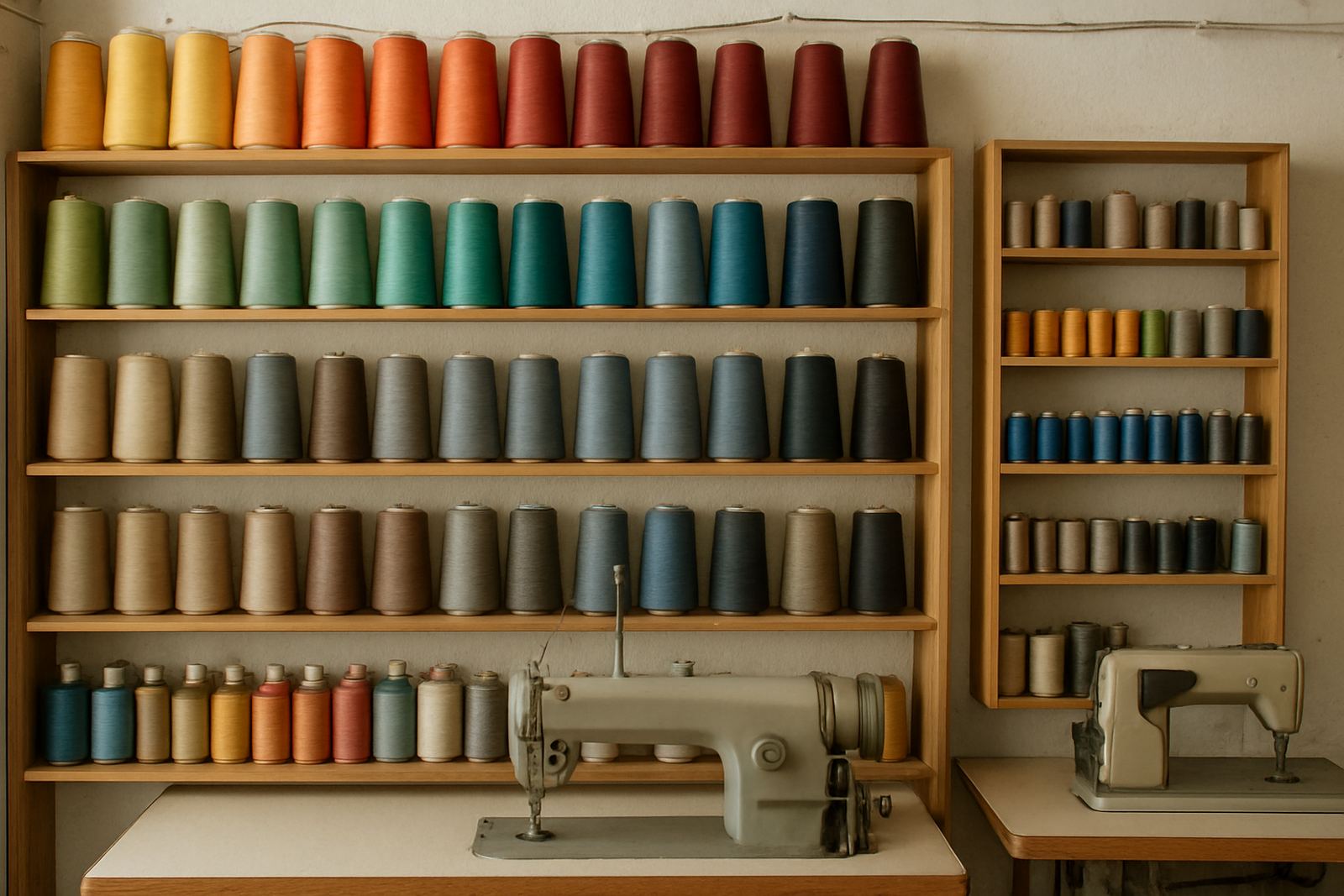
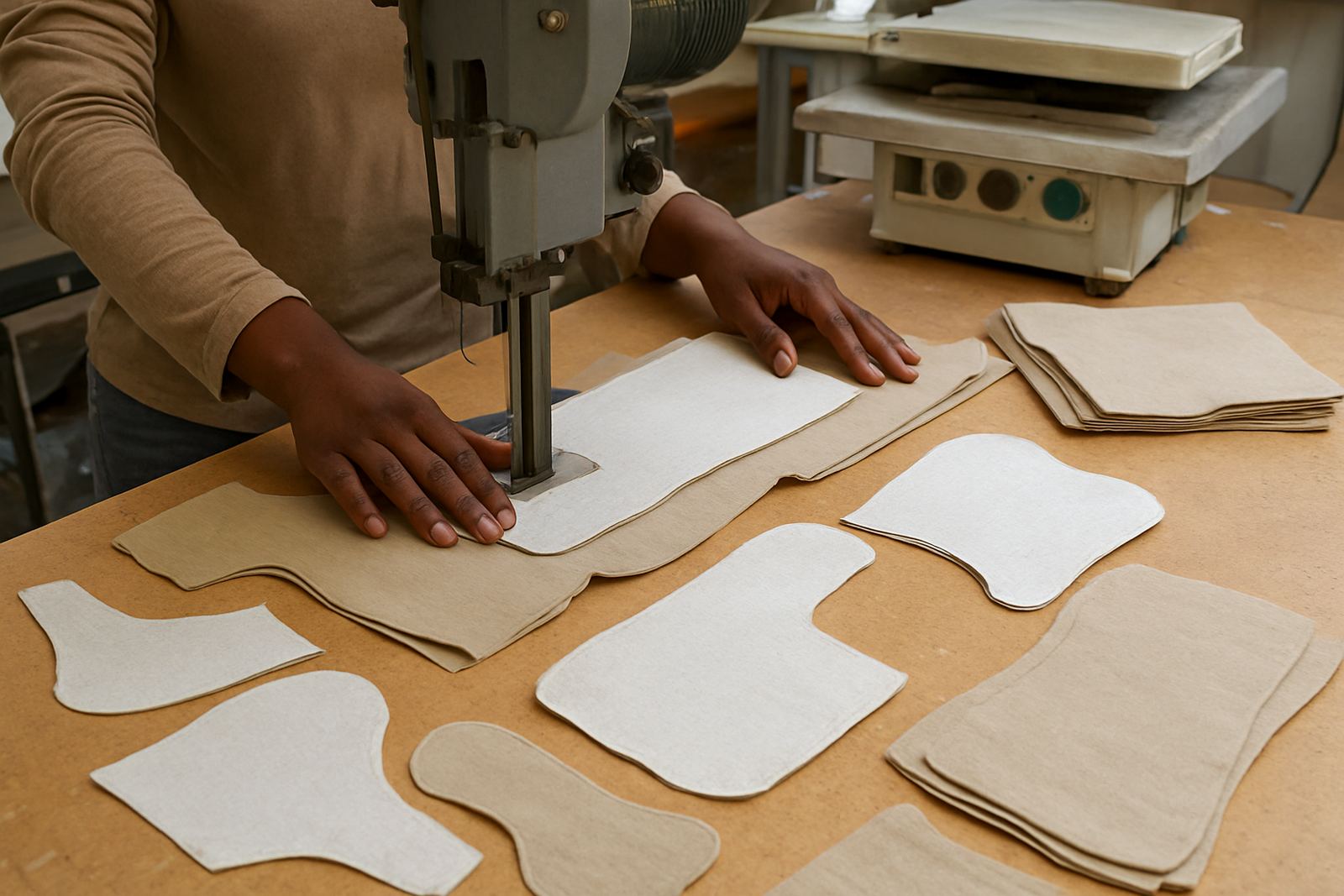
We cover practical questions like table spacing, machine placement, cutting areas, pressing stations and where to store thread and attachments. For schools and training rooms, the same ideas help with supervision and cleaner class changes. For factories, the aim is simple: keep operators at their stations and reduce handling between tasks.
- Keep cutting, sewing and pressing areas separate where possible
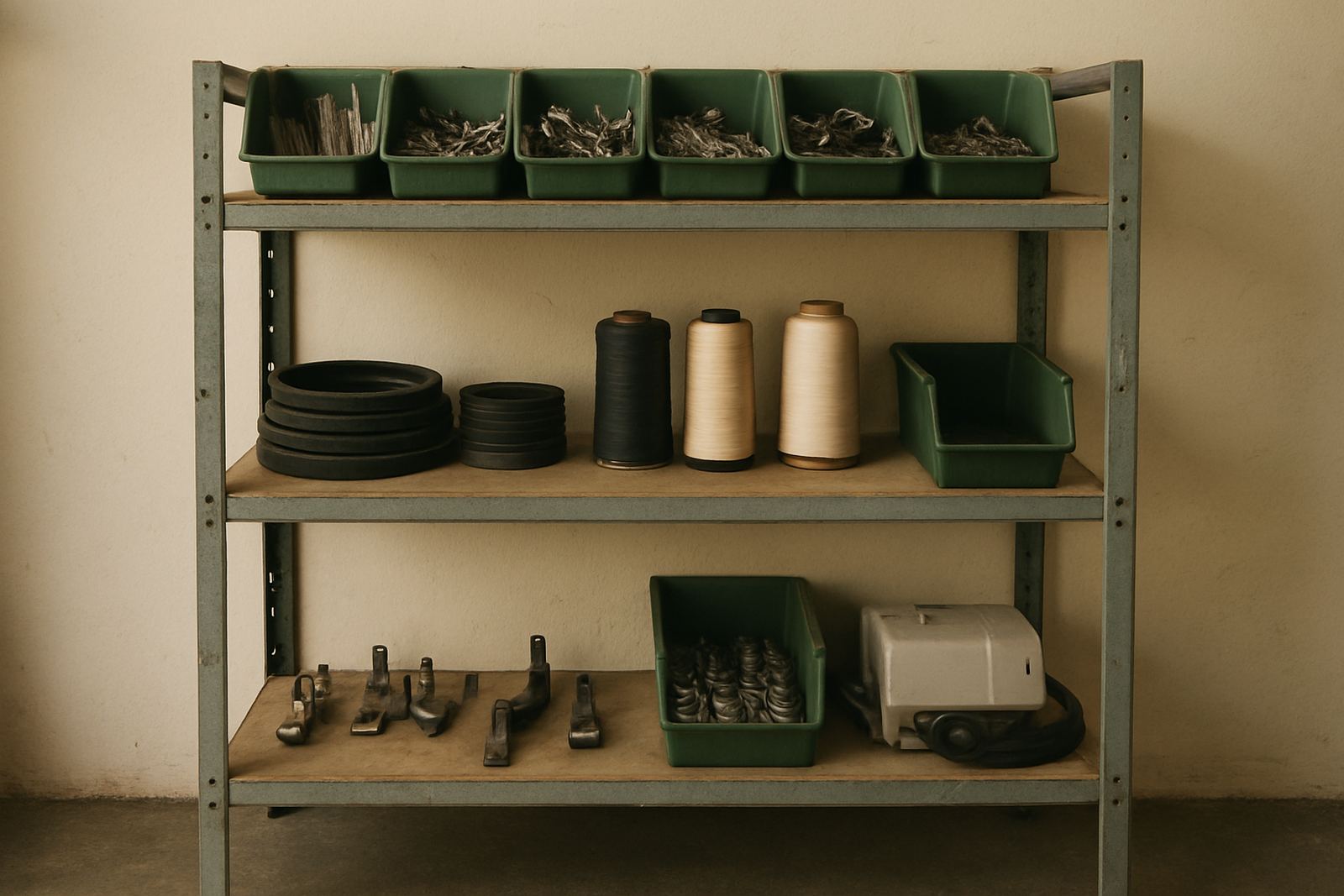
- Store common spares close to the workstations
- Leave clear access for servicing and cleaning
- Plan power points and extension use around load-shedding needs
Fabric handling, finishing and the small details that matter
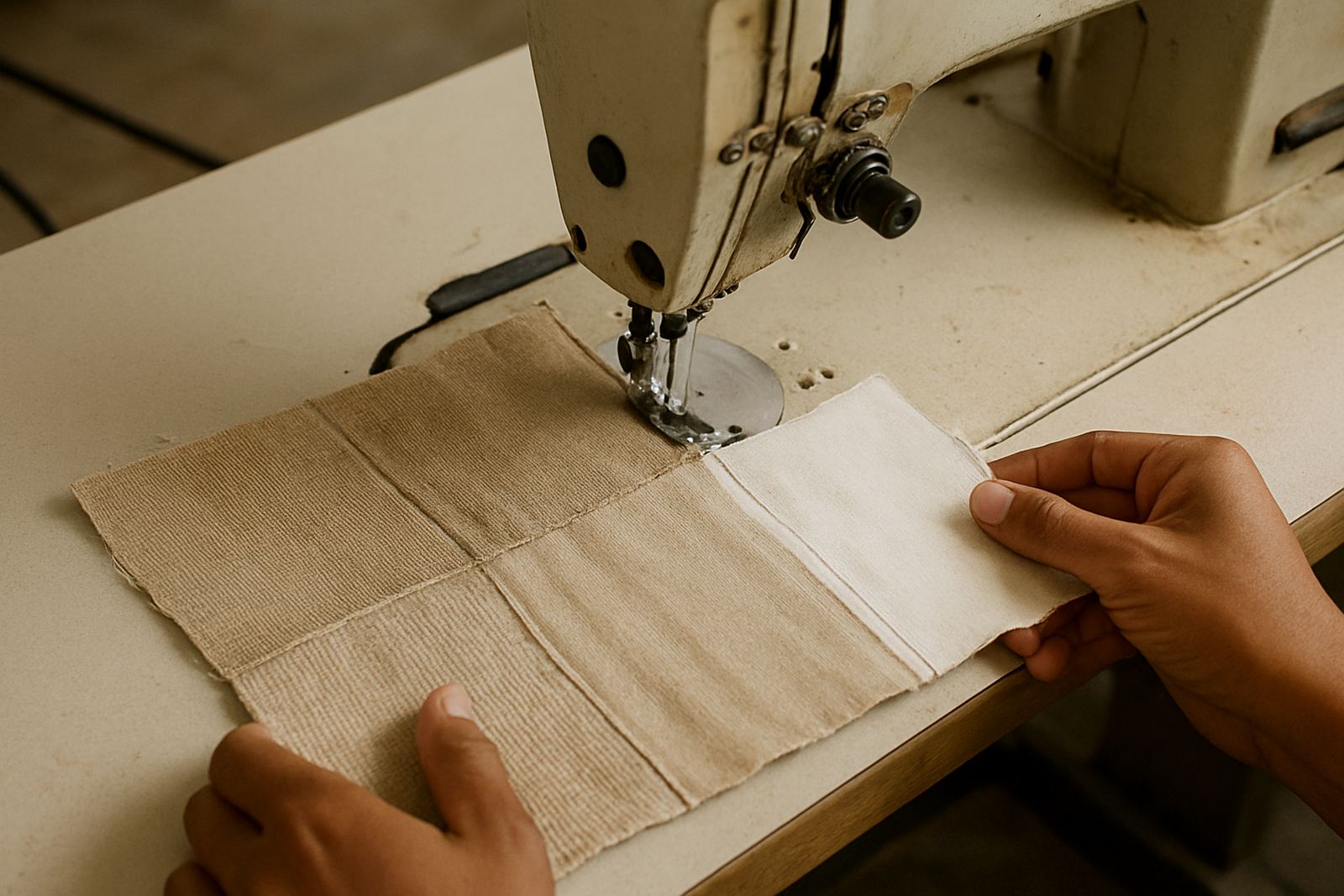
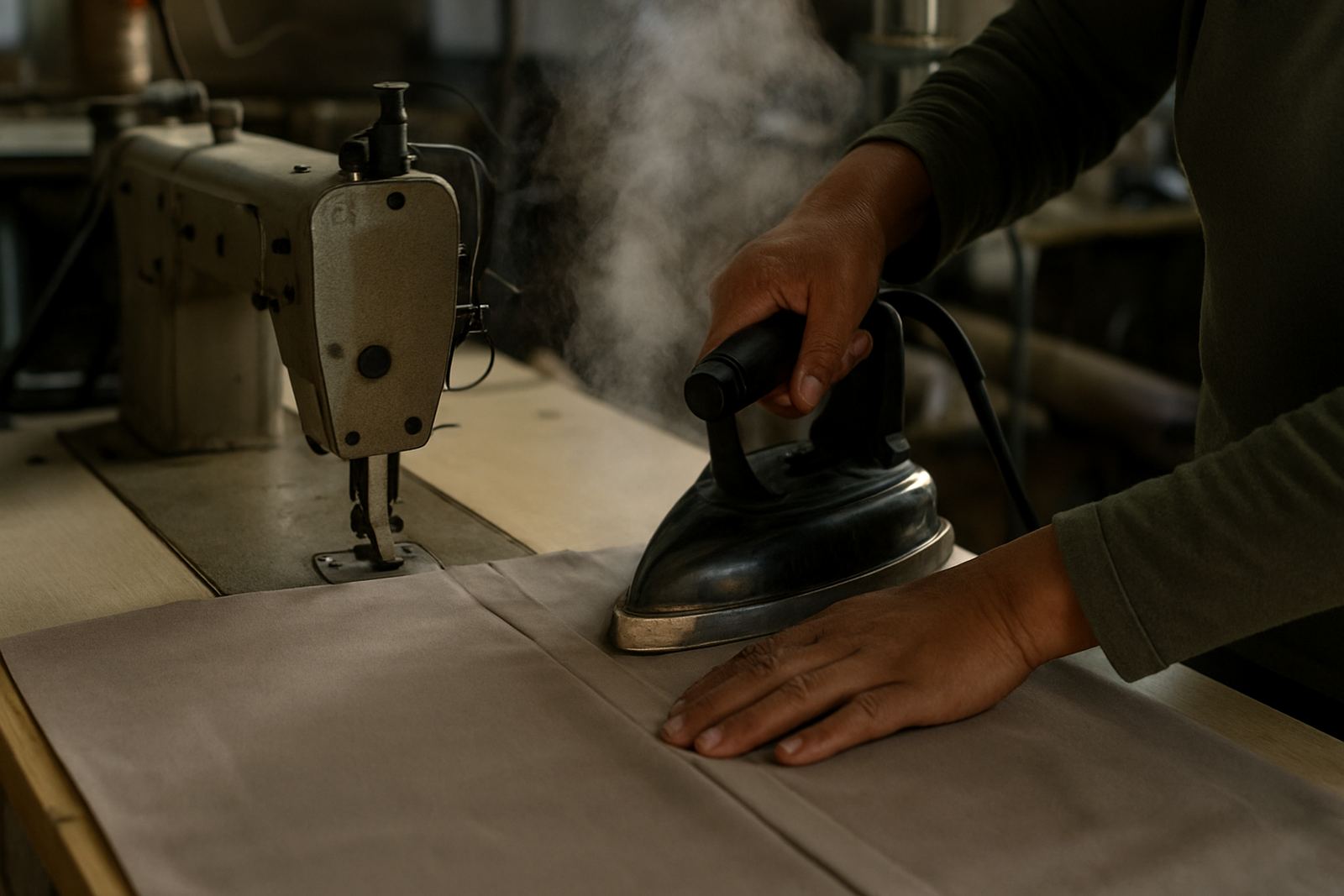
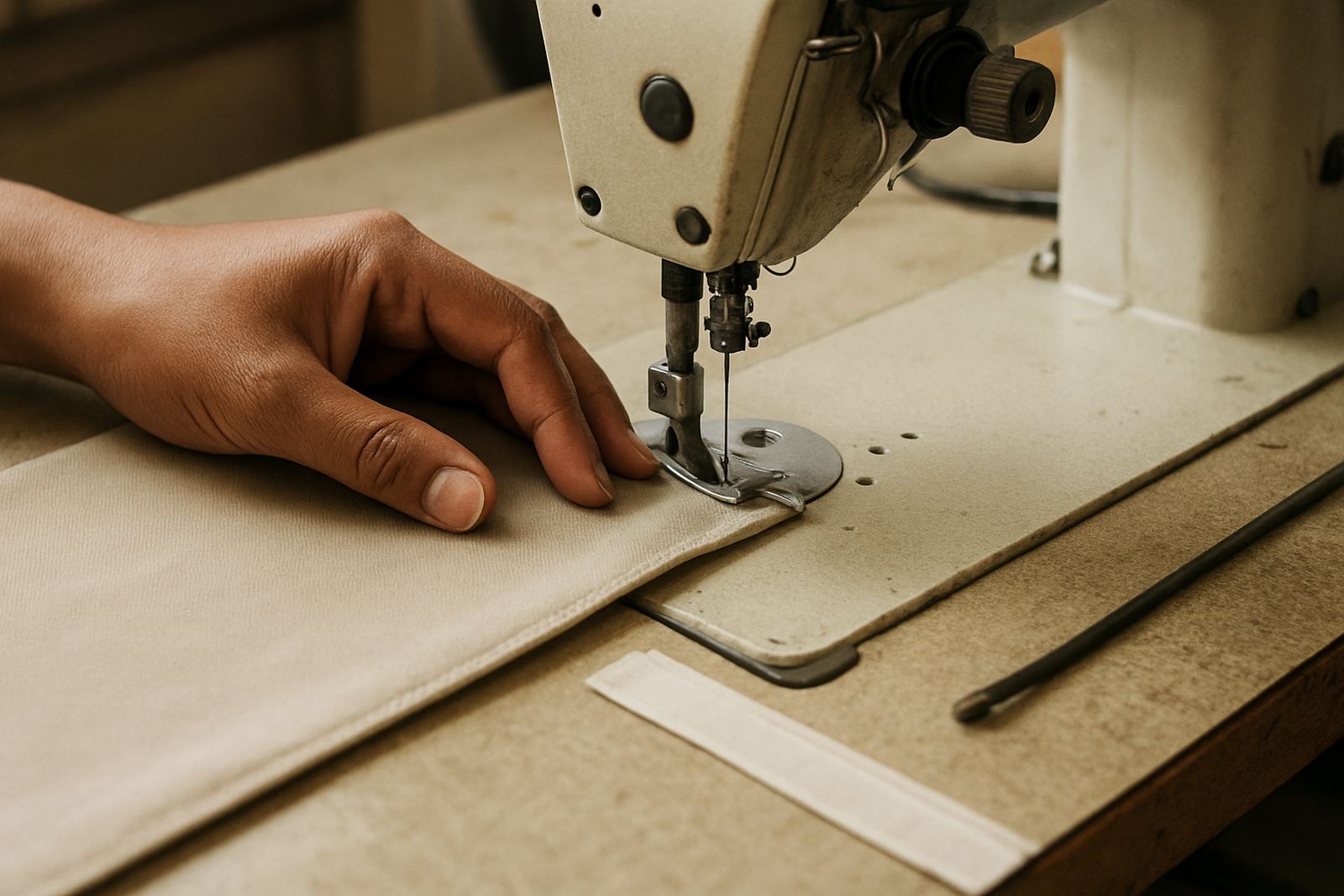
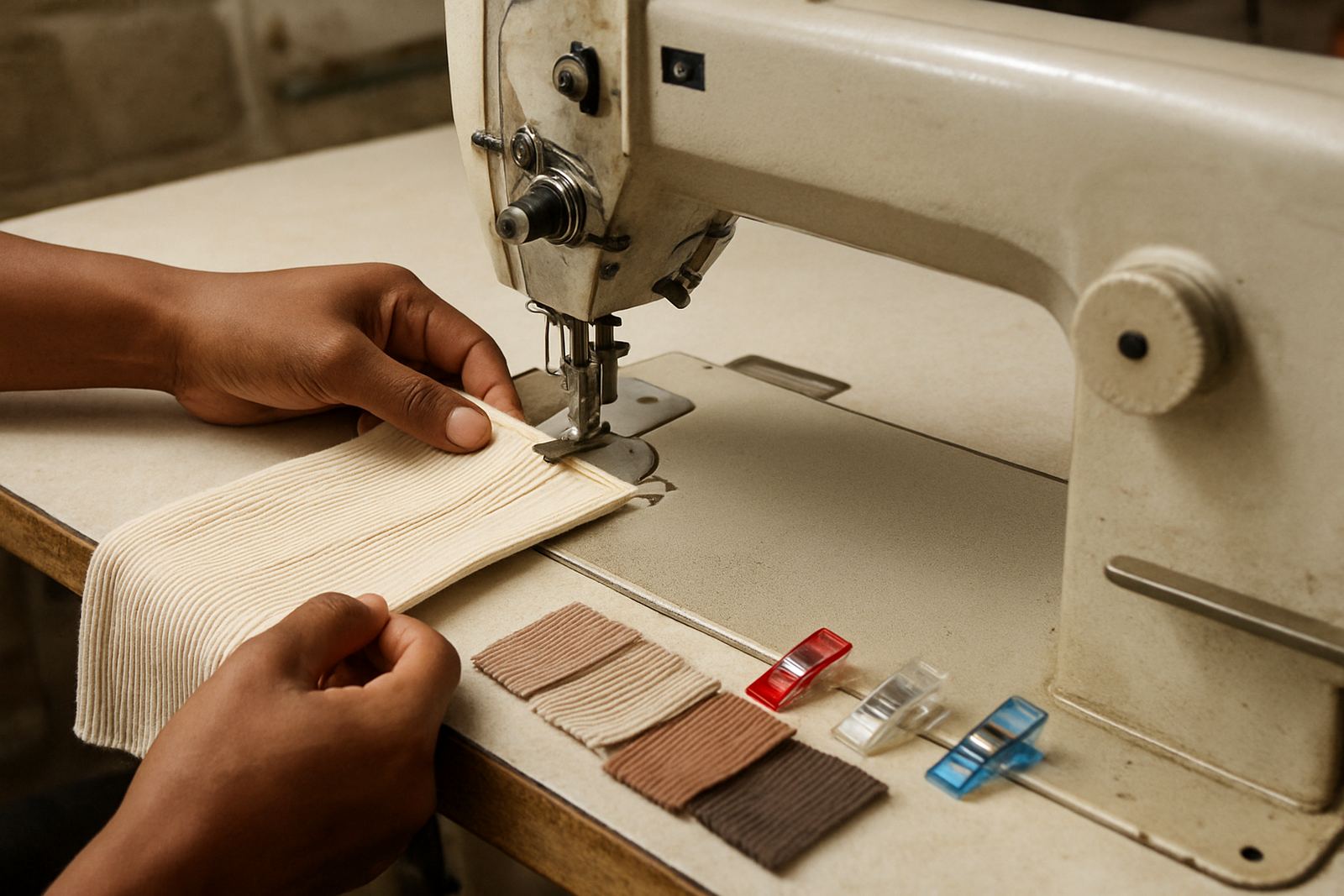
Fabric behaves differently depending on weave, weight and finish. Stretch fabrics need different feeding and needle choices from woven cotton, and some materials need careful pressing so they do not shine, shrink or distort. The journal looks at those small details because they often decide whether a garment or product leaves the room looking professional.
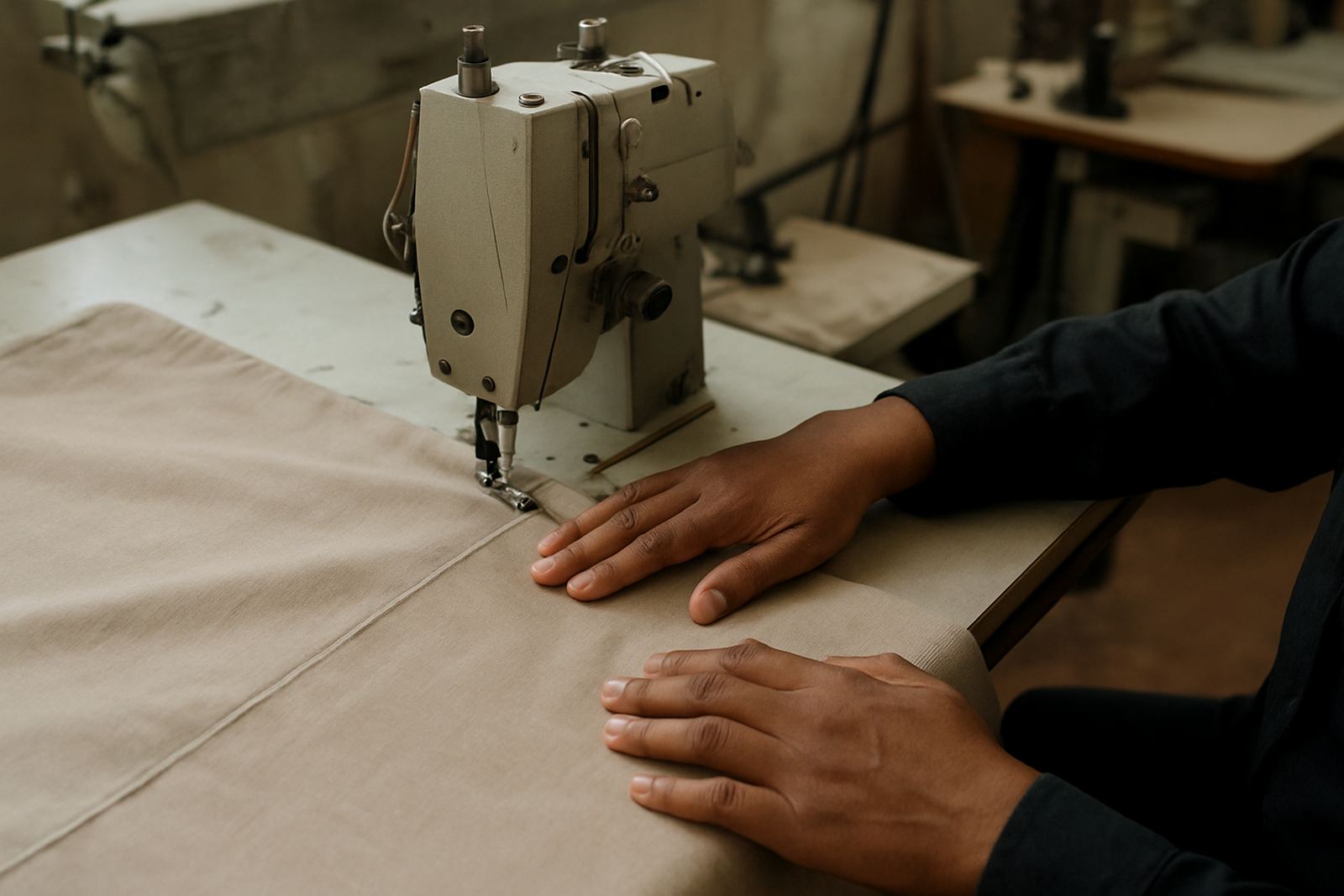
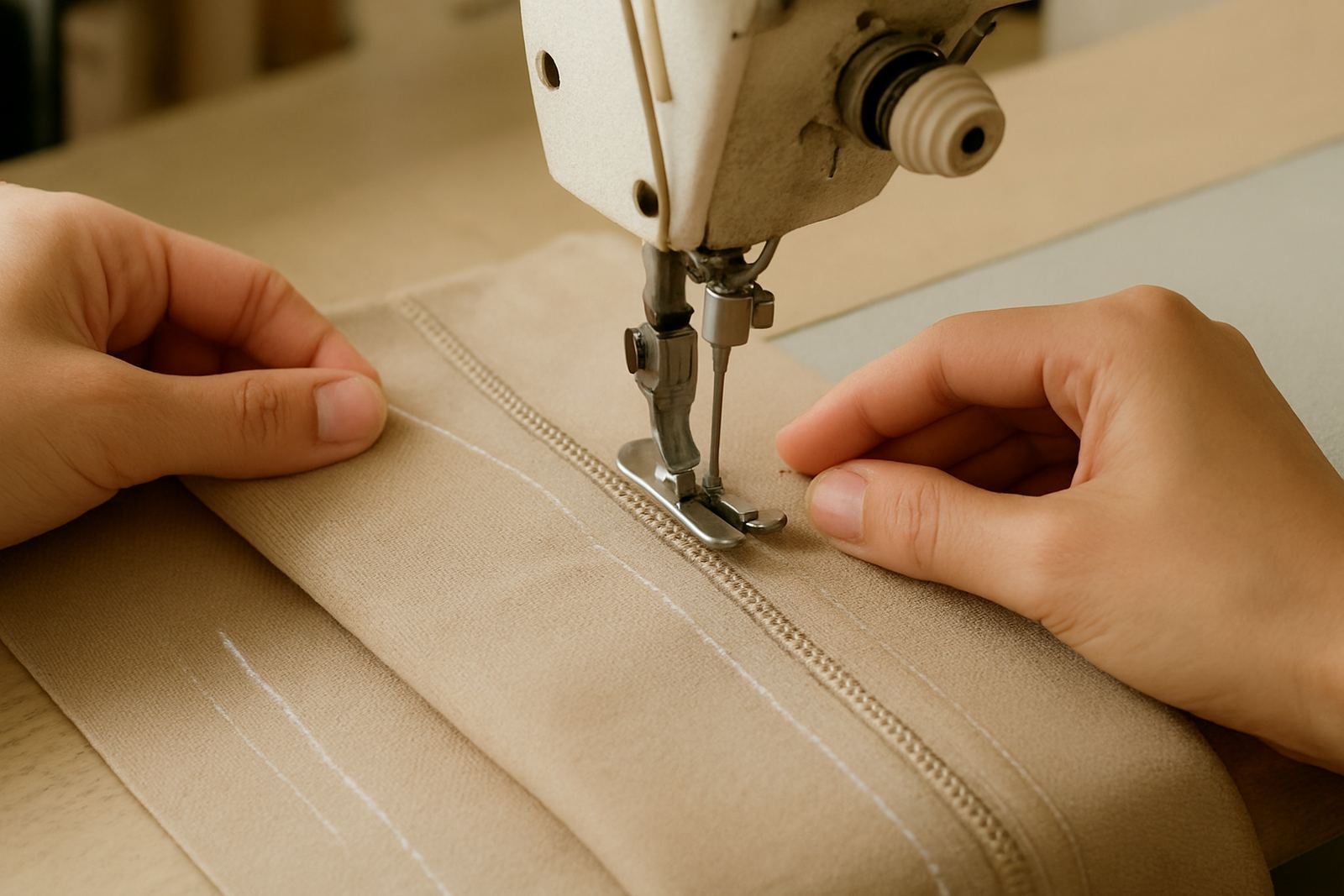
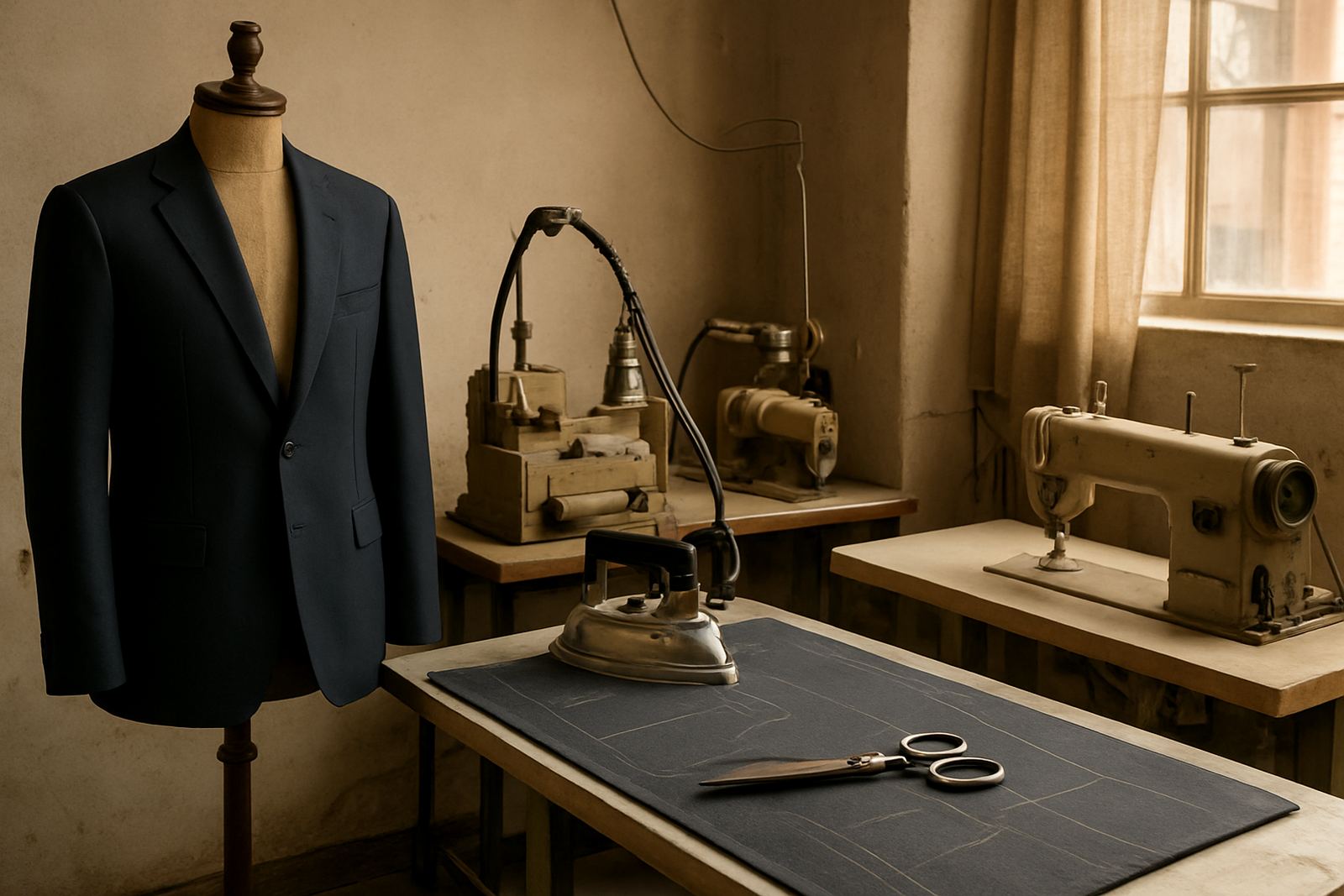
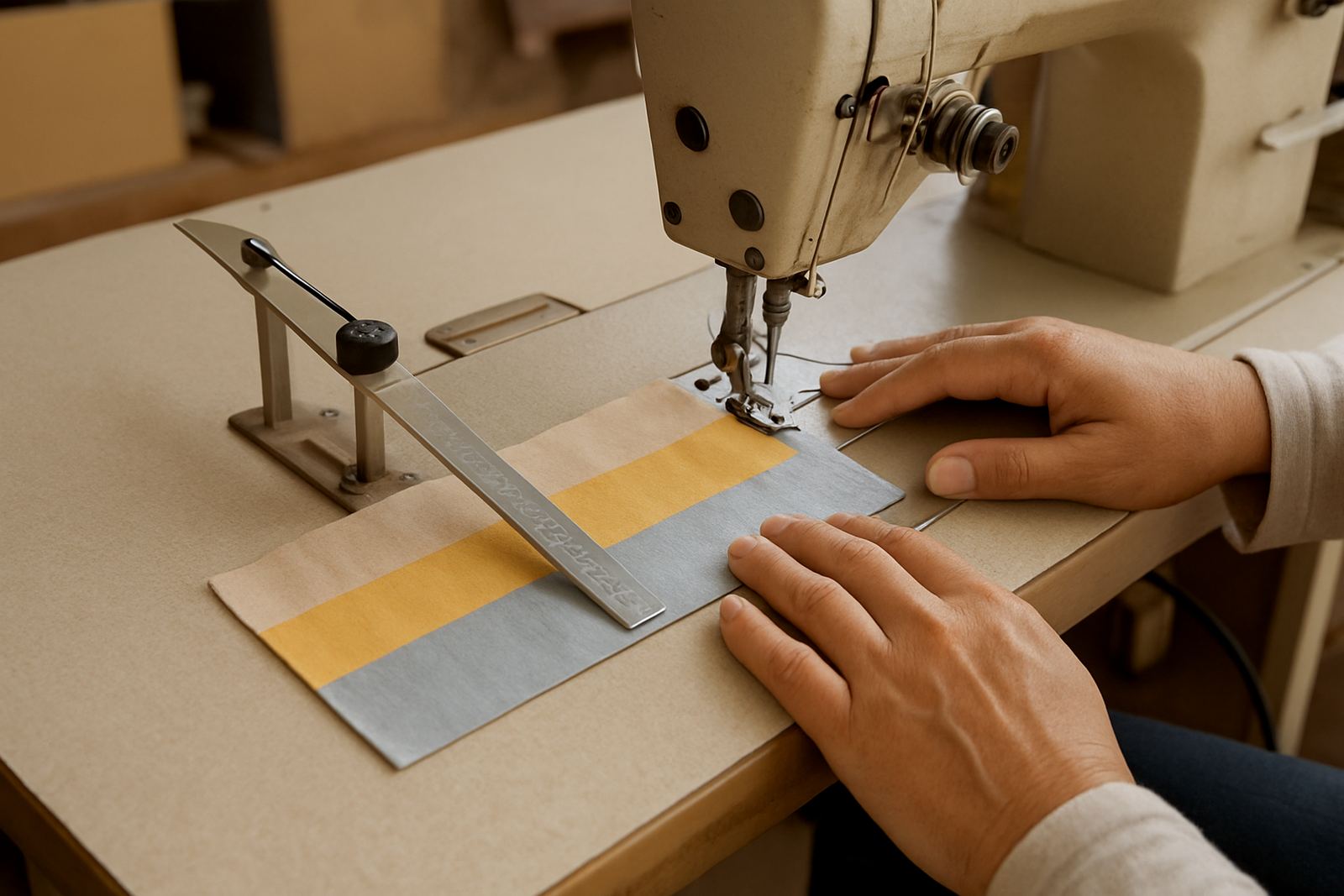
We also cover finishing work such as seam trimming, topstitching, hemming and pressing. These are the steps that give a clean result, whether you are making school uniforms, workwear or home items. If you work with embroidery or fusing, the same attention to heat, placement and fabric stability applies.
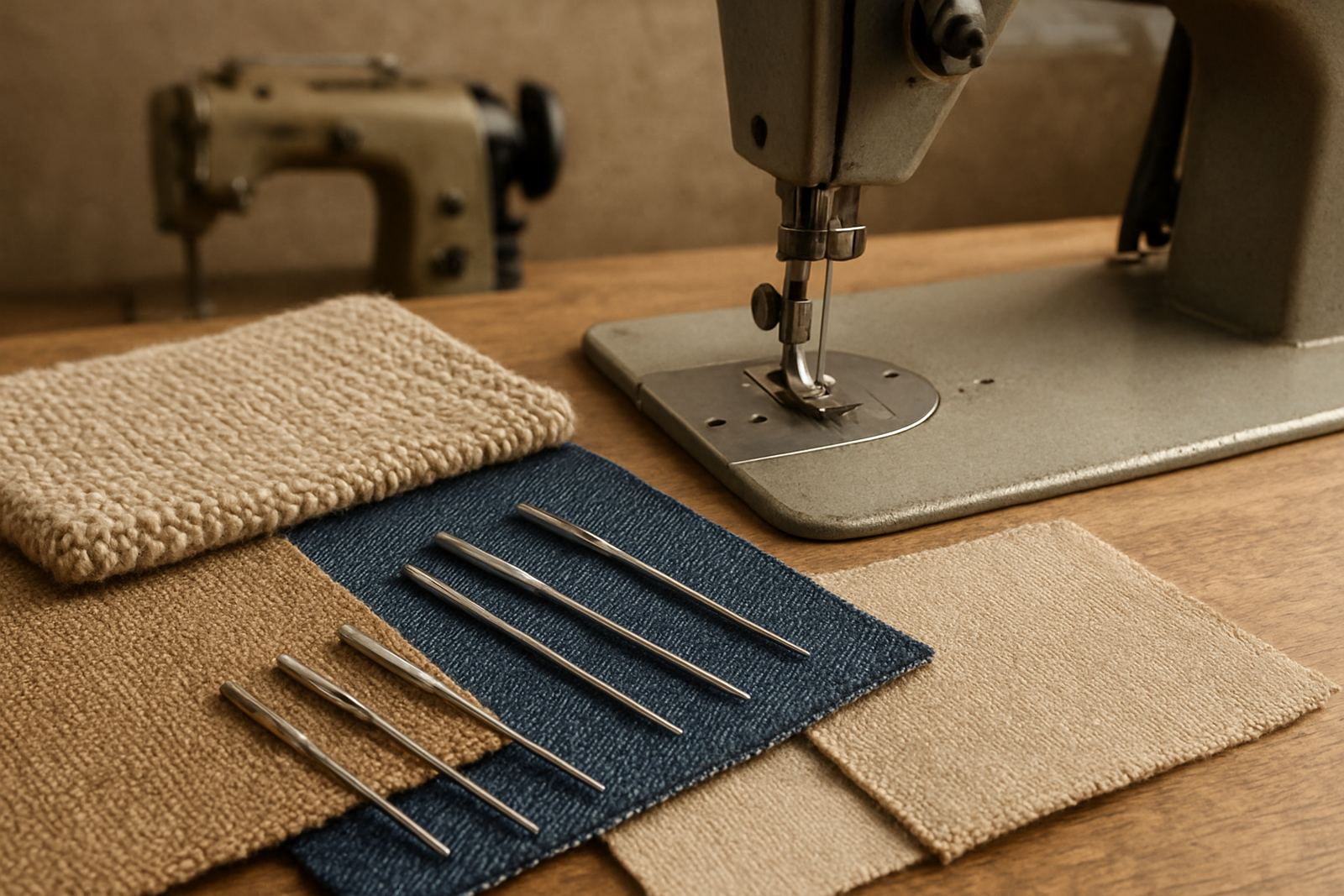
- Match needle and thread to the fabric type
- Test stitch quality before starting a full run
- Use the right heat and pressure for pressing jobs
- Check finished work for puckering, skipped stitches and loose ends
Buying decisions for new and used equipment
Buying a sewing machine or press is easier when you know what the room actually needs. A machine for occasional home repairs is not the same as one for daily production, and a basic setup may be better value than a large purchase with features you will not use. Our journal helps buyers compare practical points such as speed, control, service access, spare parts and operator comfort.
We also explain what to ask before committing to a machine. That includes whether the work is light or heavy, whether the team needs training, whether the space can take the footprint, and whether the machine can be supported locally for installation and repairs. Good buying decisions save money later, especially where downtime is costly.
Where to start if your room needs a reset
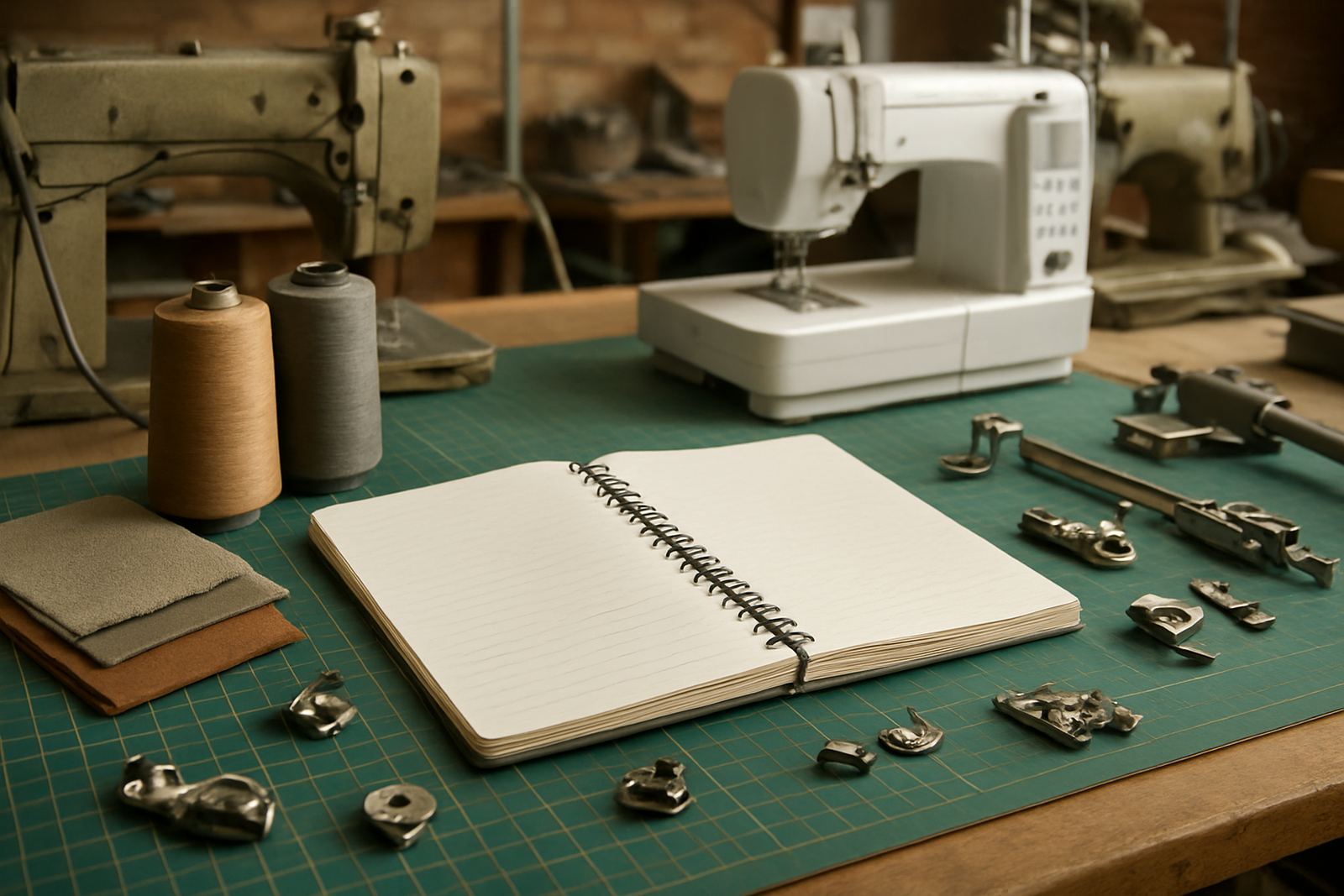
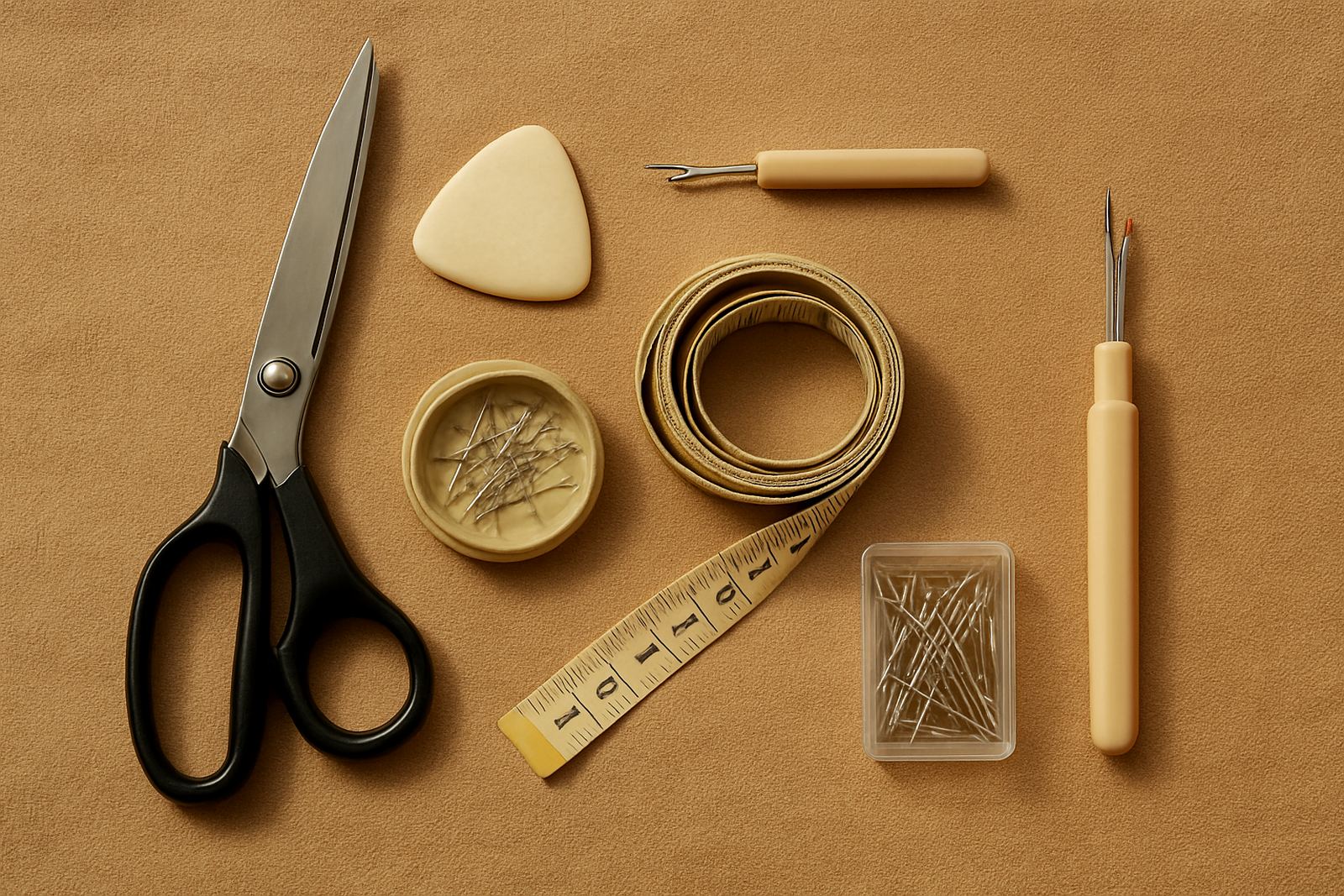
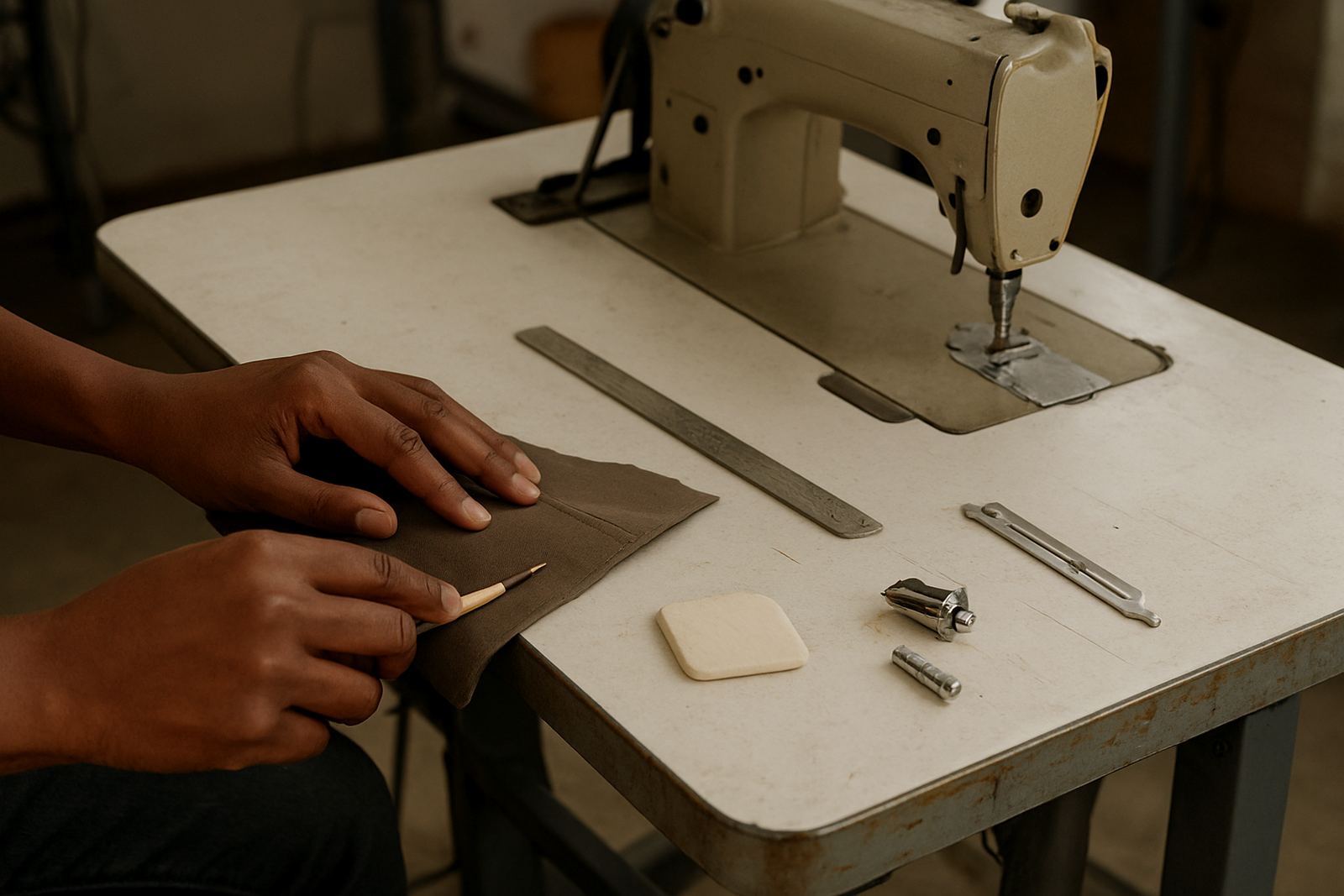
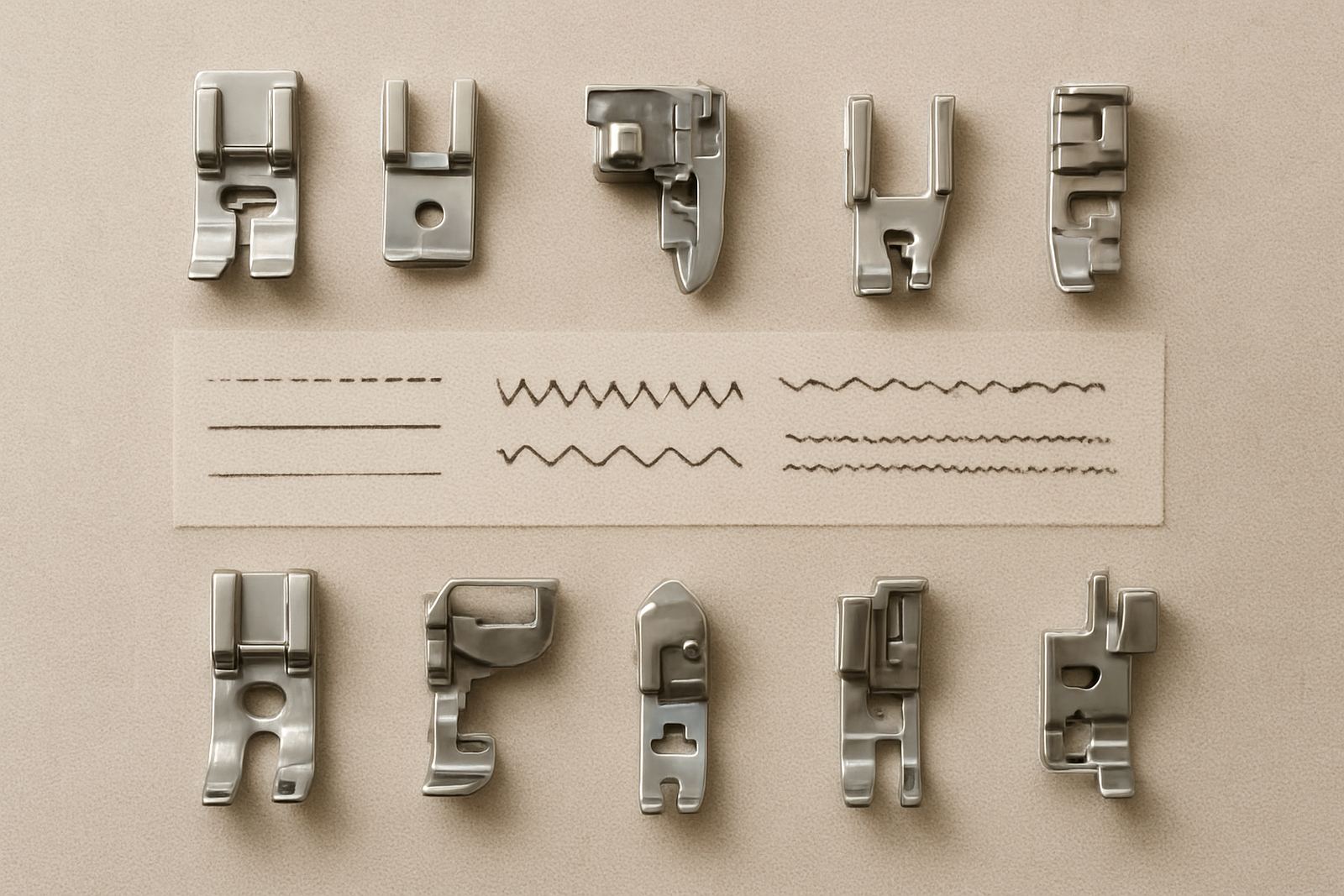
If your sewing room feels disorganised, start with the basics. Check the condition of the machines, count the useful attachments, look at the flow of work and make a list of the jobs that cause the most delays. From there you can decide whether you need routine servicing, workshop repairs, operator training or a better layout.
This journal is here to help you make those decisions with less guesswork. Whether you work in Johannesburg CBD, Fordsburg, Mayfair, Soweto, Germiston or Pretoria, the right information can make a small room more productive and a busy room much easier to manage.