Ways you can pay for orders and service jobs
At our Johannesburg CBD base, we accept the common payment methods used for sewing machine sales and workshop work. The right option depends on the size of the order, whether we are supplying parts only or doing an installation, and whether your job is urgent. For most buyers, an upfront payment or deposit is needed before we release machines, spares or completed repairs.
If you are arranging a machine for a factory in Germiston, a school in Soweto, or a home sewing setup in Pretoria, tell us what you need and we will quote the job clearly. That way there is no confusion on labour, parts, or transport if we are coming out for on site work.
- EFT for purchases, repairs and workshop jobs
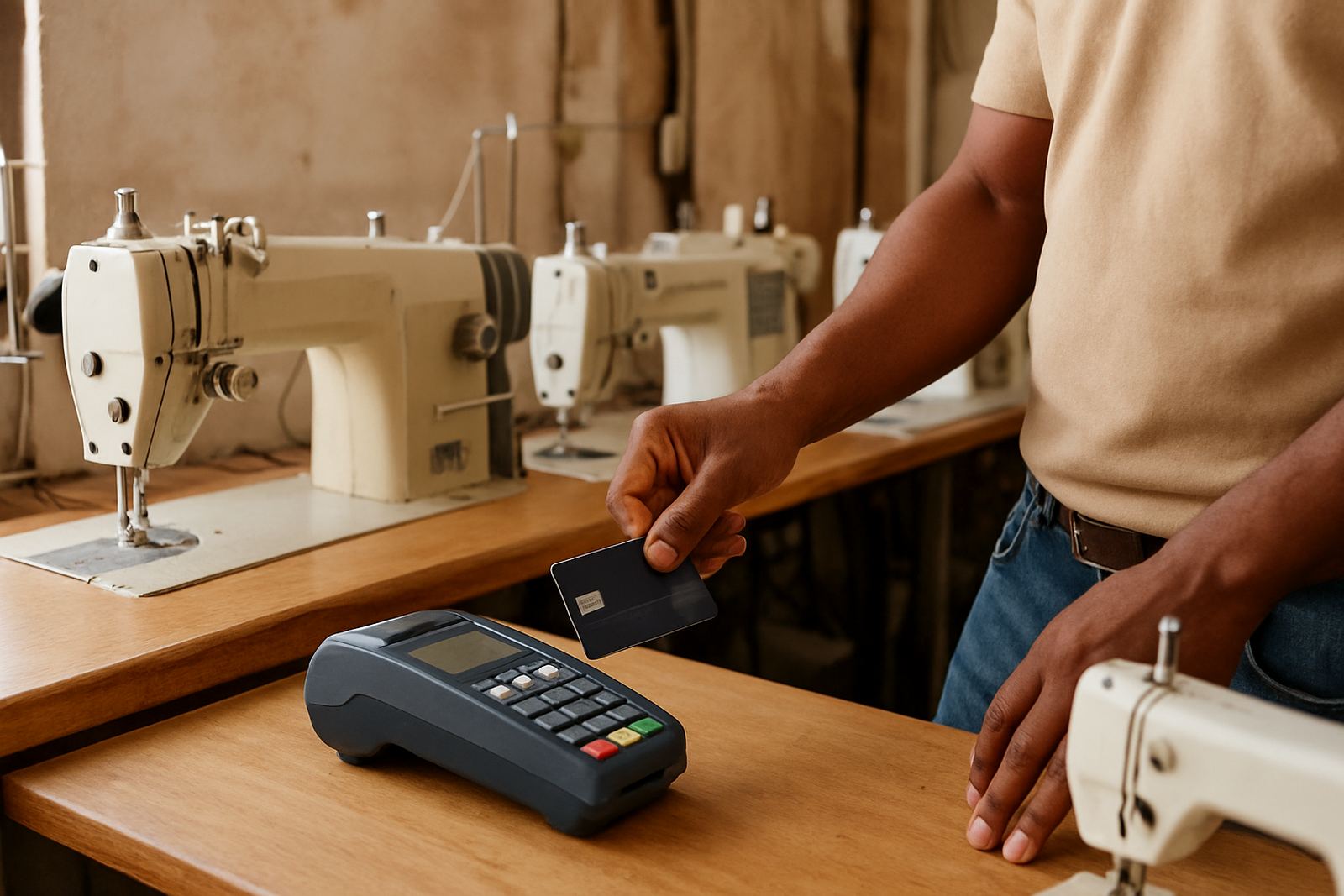
- Card payments for counter sales and approved collections
- Cash for smaller parts and haberdashery purchases
- Deposit payments for machines, embroidery units and special-order items
- Approved account terms for established business clients
How to pay for a machine purchase
When you buy an industrial machine, household machine, embroidery machine or fusing press, we first confirm the model, accessories and any setup work needed. If motor conversion, timing adjustment or operator training is included, those items will be listed separately so you can see what is covered.
For most machine purchases, payment is done before collection or delivery. If you are buying more than one unit for a workroom in Fordsburg or Mayfair, a deposit may secure stock while the balance is settled before dispatch. This helps us prepare the correct attachments, oil, needles, thread and any extra fittings your team will need.
- Ask for a written quote with the full item list
- Check whether the price includes installation or only supply
- Confirm if delivery, setup and commissioning are added separately
- Keep your proof of payment handy until the order is released
Paying for repairs, servicing and workshop work
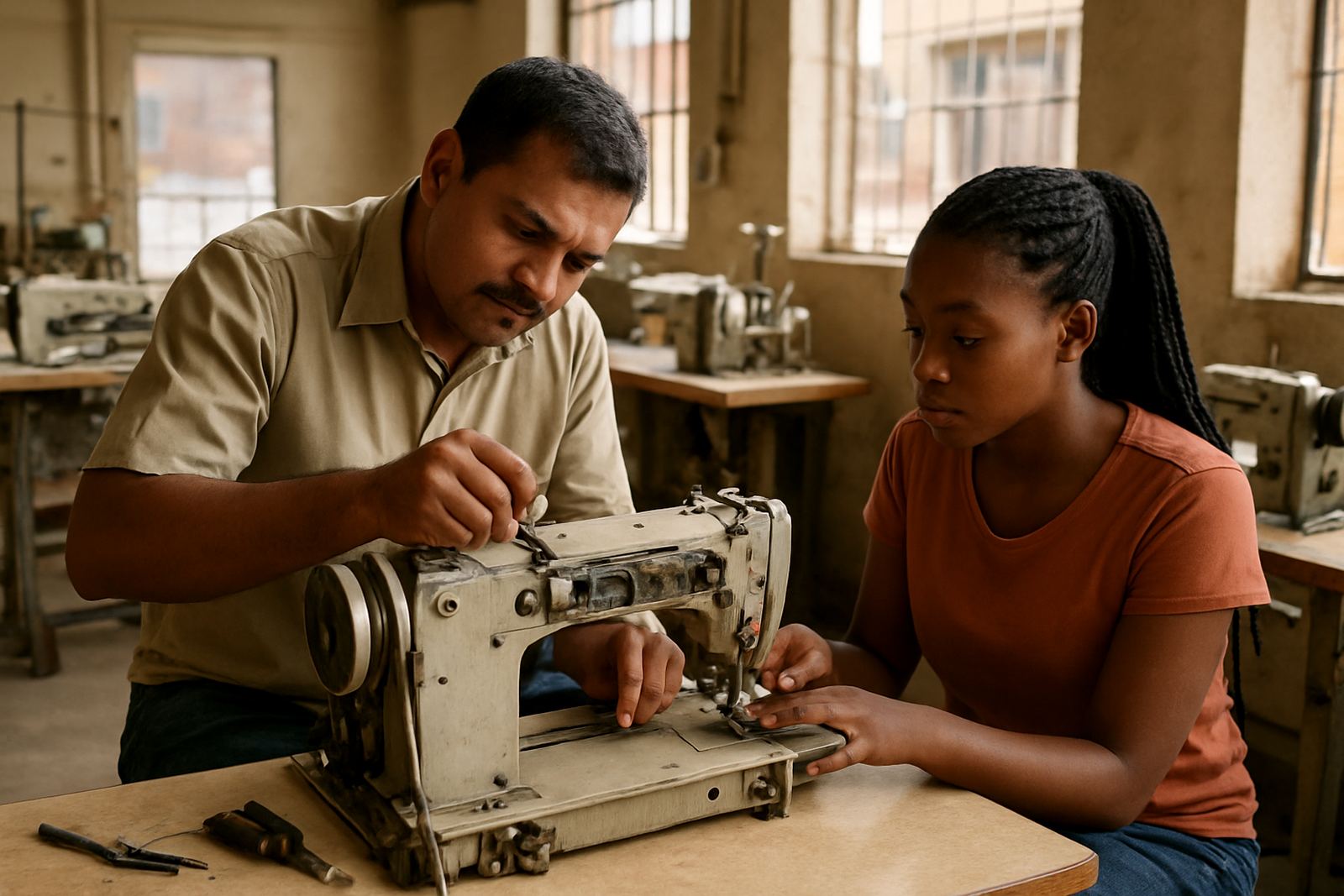
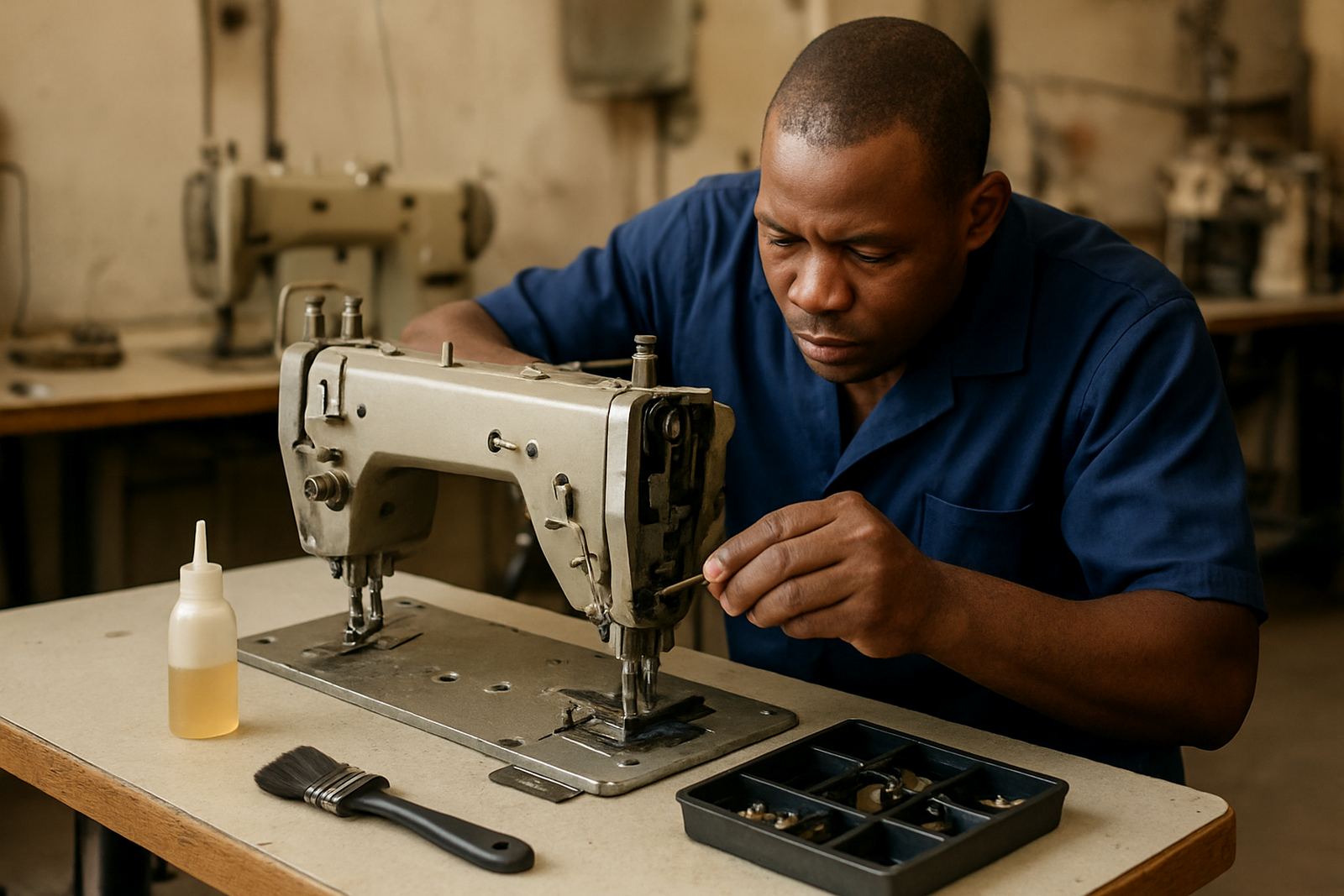
For service work, we usually confirm the inspection fee, labour estimate and likely parts cost before we proceed. If a machine comes in for workshop repairs from Randburg, Alberton or the CBD, we may need to open the machine first to see whether the problem is with the motor, tension, feed, timing or wiring. Once we have checked it, you will get the next step and the payment amount.
Routine servicing is often paid once the job is completed, while larger repairs may require a deposit for parts. If a machine is held because a special component must be sourced, we will explain what has to be paid before the item is ordered. That keeps the turnaround moving, especially when factories are trying to stay on schedule during load shedding and tight production windows.
- Inspection first, then approval before major repairs continue
- Deposit may be needed if parts must be sourced
- Final balance due before release of the machine
- Urgent same-day work can be arranged if the payment is cleared quickly
Using EFT, card or cash without delays
EFT is the most practical option for many clients because it gives a clear record and works well for larger jobs. Card payment is useful when you are collecting smaller orders or settling a balance in person. Cash is still accepted for parts counters and smaller haberdashery purchases, but for higher-value equipment EFT is usually easier and safer.
If you are paying by EFT, please make sure your reference matches the quote or invoice number. This helps our team locate your payment quickly and avoids hold ups at collection. If you are sending payment for more than one machine, list the item names or job numbers in the reference line so we can allocate it correctly.
- Use the invoice or quote number as your payment reference
- Send proof of payment as soon as the transfer is done
- Double-check the amount before releasing the transfer
- For mixed orders, separate the items clearly on the reference line
Account terms for schools, factories and repeat clients
Established clients such as schools, factories and regular workrooms may qualify for approved account arrangements. These are useful when you place repeat orders for needles, bobbins, thread, presser feet, folders, embroidery consumables or scheduled servicing. Approval depends on your trading history, the size of the order and the type of work required.
Where account terms are in place, payment dates and limits will be agreed in advance. If you are opening a new workroom in Pretoria or setting up a production line in Germiston, we can discuss whether it makes more sense to pay per job, per delivery, or on agreed monthly terms. Clear terms help keep records tidy and reduce confusion later on.
- Account terms are by approval only
- Monthly statements may apply to repeat buyers
- Large orders can be split into stages where needed
- Payment limits may be set for each client
What to do before collection or delivery
Before you collect a machine or receive a delivery, check that your payment has cleared and that the correct items are listed on the invoice. If a machine has been set up for embroidery, fusing or pressing work, ask whether the accessories and manuals are packed with it. This is especially important when you are collecting from busy areas like the Johannesburg CBD where transport timing matters.
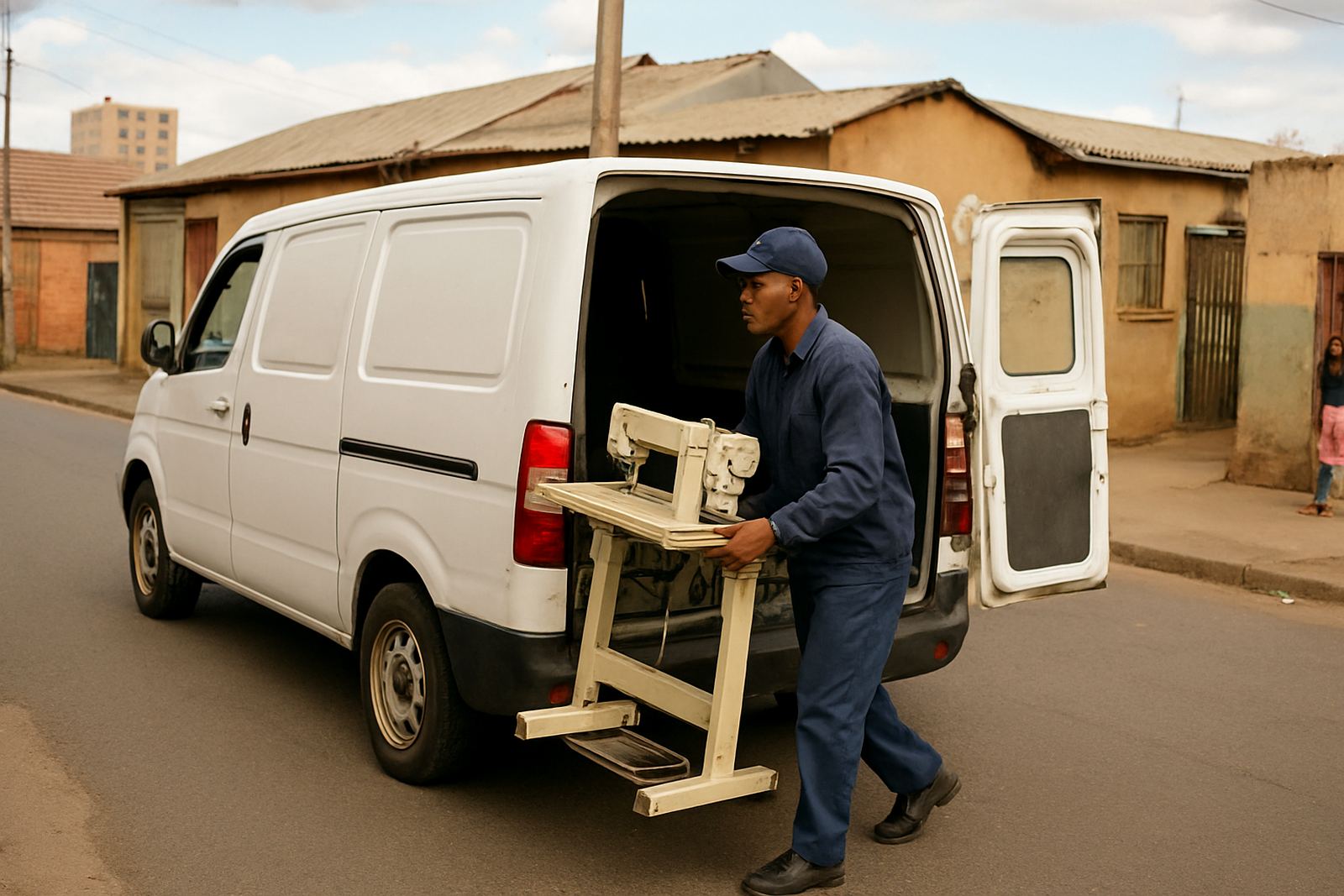
If your order includes installation at your premises, payment may need to be settled before the technician leaves the workshop or before the visit is confirmed. That allows us to plan field service routes properly and avoid delays for other clients across Gauteng. If anything on the invoice looks unclear, contact us through the enquiry form on our contact page and we will check it with you.