

What to send with your spares enquiry
The more detail you send, the quicker we can narrow down the correct part. Many sewing machines look similar from the outside, but a small difference in model, needle system or motor type can change the part you need. If the machine is older, please include clear photos of the whole unit and the area where the part sits.
We work with factories, tailors, schools and home sewers, so we know that some machines are used hard and repaired over time with mixed parts. That is why photos are often just as useful as a written description.
- Machine make and model, if visible
- Serial number or plate details
- A clear photo of the full machine
- Close up photo of the damaged, missing or worn part
- A note on what the machine is doing or not doing
- Whether it is a household, industrial, embroidery or pressing machine
How our parts team checks for the right match
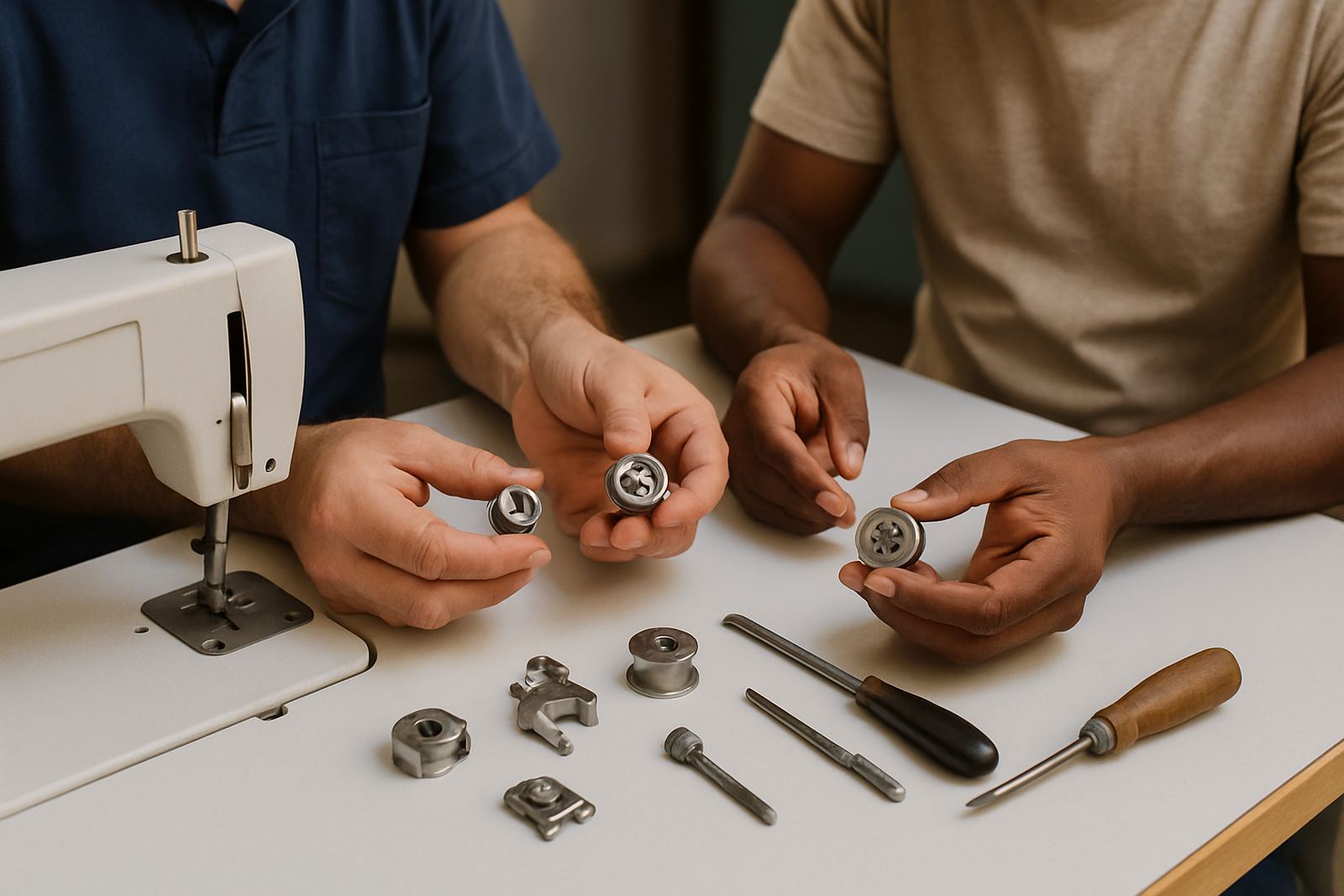
Once your enquiry comes in, our parts and stores team reviews the information and checks what can be supplied from stock or sourced through our supply channels. Some items are standard, such as needles, bobbins, belts, feed components and thread stands. Others need more careful checking, especially on older industrial machines, motor conversions and embroidery heads.
We look at size, fixing points, electrical rating and the way the part works with the rest of the machine. If a direct match is not available, we will let you know about a suitable alternative where possible. That can save time and help avoid a part that looks correct but does not fit properly.
- Standard wear parts for industrial and household machines
- Attachments and folders for specialised stitching work
- Embroidery machine consumables and fittings
- Fusing press and pressing station components
- Threads and haberdashery for everyday workshop use
Photos that help us identify the part faster
Good photos make a big difference, especially when a machine has no label or the plate has faded. Please place the part on a plain surface and take the photo in natural light if possible. If there is damage, show the broken side and the point where the part connects to the machine. A blurry image or a photo taken from too far away can delay the process.
If the issue is inside a cover, open it only if it is safe to do so. Do not force any panels, screws or shafts that are stuck. If the machine is still connected to power, switch it off first. For sewing rooms affected by load-shedding, it is worth noting whether the fault started after a power cut or surge, especially on computerised equipment.
- Use one close photo and one wider photo
- Include a ruler, tape measure or coin for scale
- Show the fitting holes, grooves or connectors
- Photograph any labels, codes or marks on the part
- Send photos from different angles if the item is small
If you do not know the model number
That is common, especially with older machines used in small workrooms, school sewing rooms or home setups. Send us the machine type and the nearest description you can give. For example, whether it is a straight stitch industrial machine, overlocker, coverstitch machine, zigzag household machine, embroidery unit or fusing press. If the machine was repaired before, please mention that too.
Sometimes a part has been replaced already and the new piece may differ from the original. In those cases we compare the mountings, size and function rather than relying only on the old label. That helps us avoid sending the wrong item and saves you a second visit or return trip.
Pickup, collection and service support across Gauteng
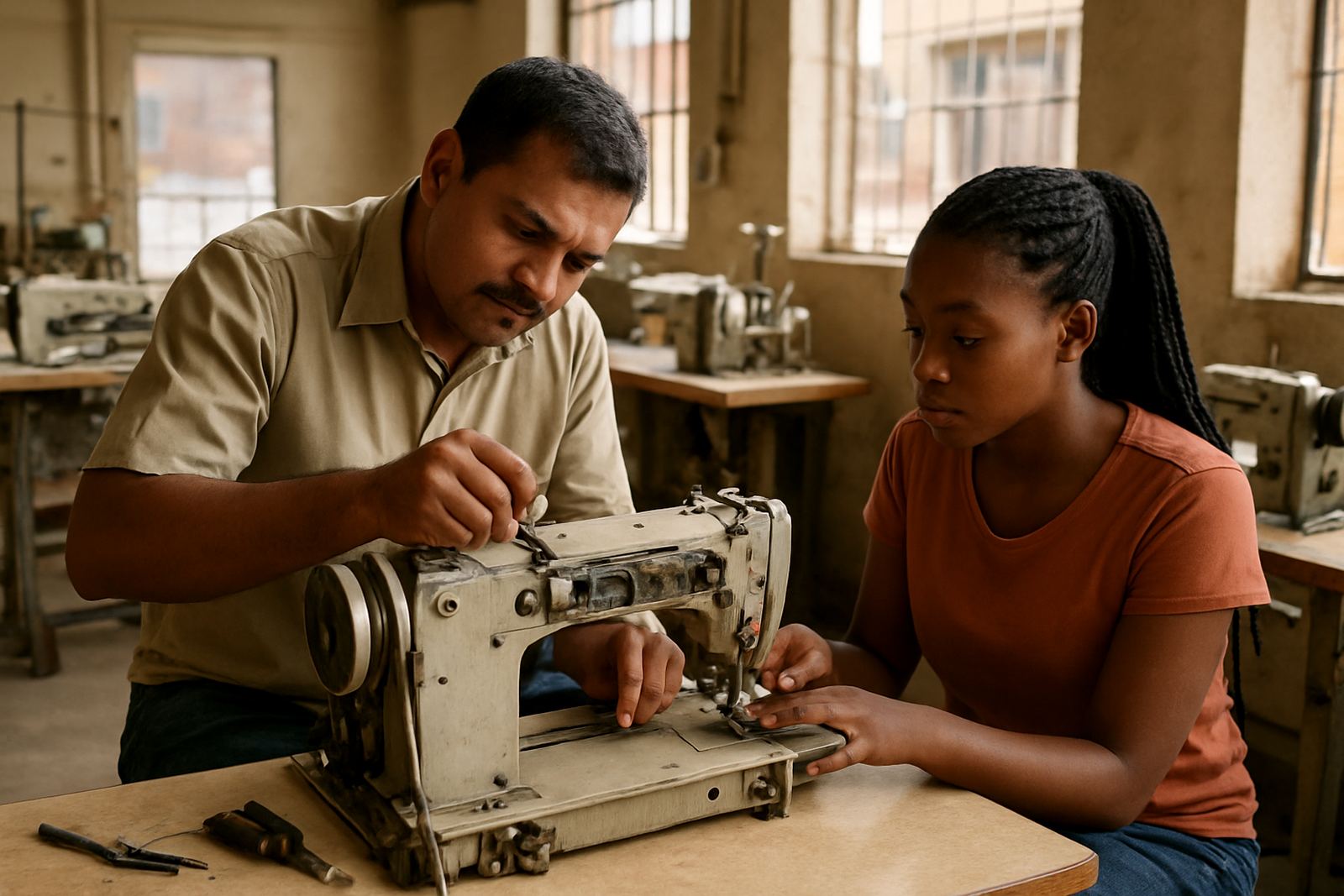
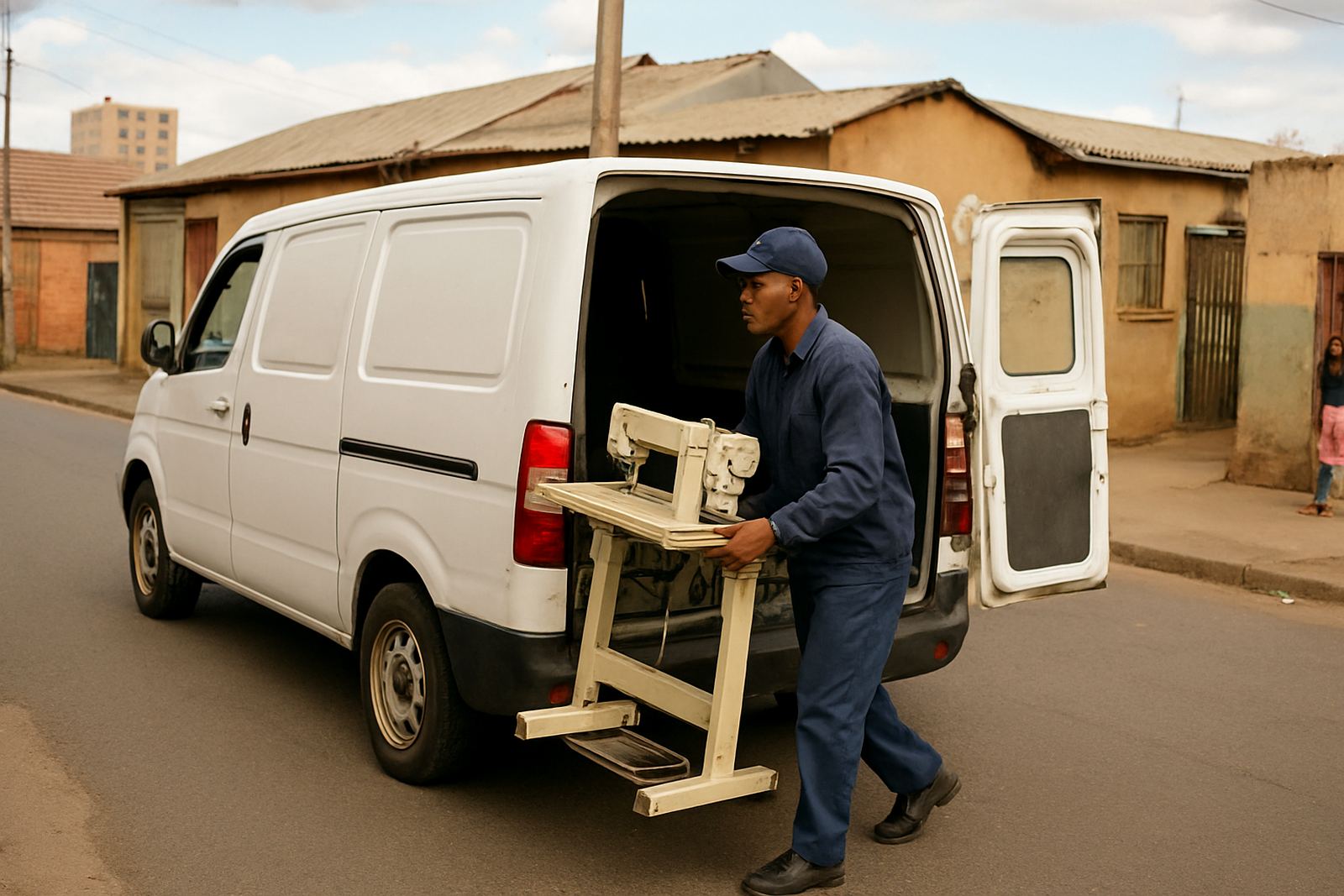
Clients visit us at our Johannesburg CBD base, and we also support surrounding areas including Fordsburg, Mayfair, Soweto, Germiston, Pretoria, Alberton and Randburg. If a spare needs to be fitted, tested or aligned, our team can advise whether it is best handled in the workshop or through an on site visit. This is especially helpful for larger machines, embroidery setups and pressing equipment that are not easy to move.
We also assist with installation, routine servicing, timing adjustments, motor conversions, operator training and workroom planning. That means the spares enquiry is not only about buying a part, but about making sure the machine runs correctly after the part is installed.
What happens after you send the enquiry
After we review your details, we will come back with the next step. That may be a part match, a request for one more photo, or advice on an alternative fitting if the original item is no longer available. If the machine needs more than one part, we can help group the items together so the repair is handled more efficiently.
For busy production rooms, this practical approach reduces downtime and keeps your sewing lines moving. It also helps with budgeting, since you can decide whether to replace a single worn part, service the machine or plan a wider repair while the unit is already open.
- Send details through the enquiry form on our contact page
- Wait for our team to review the model and photos
- Approve the part or alternative that suits your machine
- Arrange collection, fitting or service support where needed