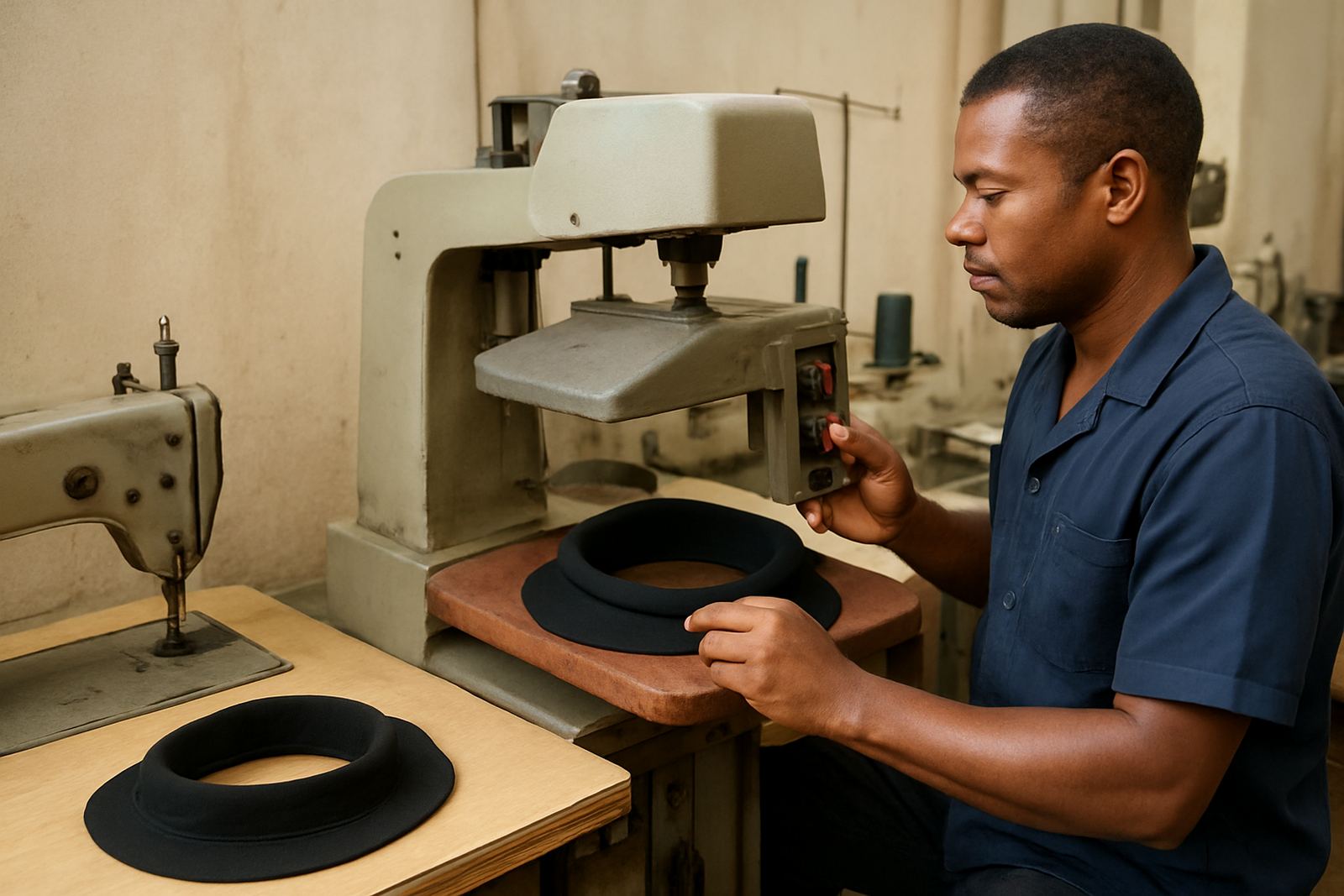
What our fusing press service covers
Our fusing press service focuses on the parts that affect bond quality most: heat, pressure, belt condition and machine timing. If a press is leaving weak adhesion, shiny marks, blistering, uneven edges or slow output, we inspect the full unit and correct the cause rather than only adjusting one setting. That saves time on repeat faults and keeps fabric waste down.
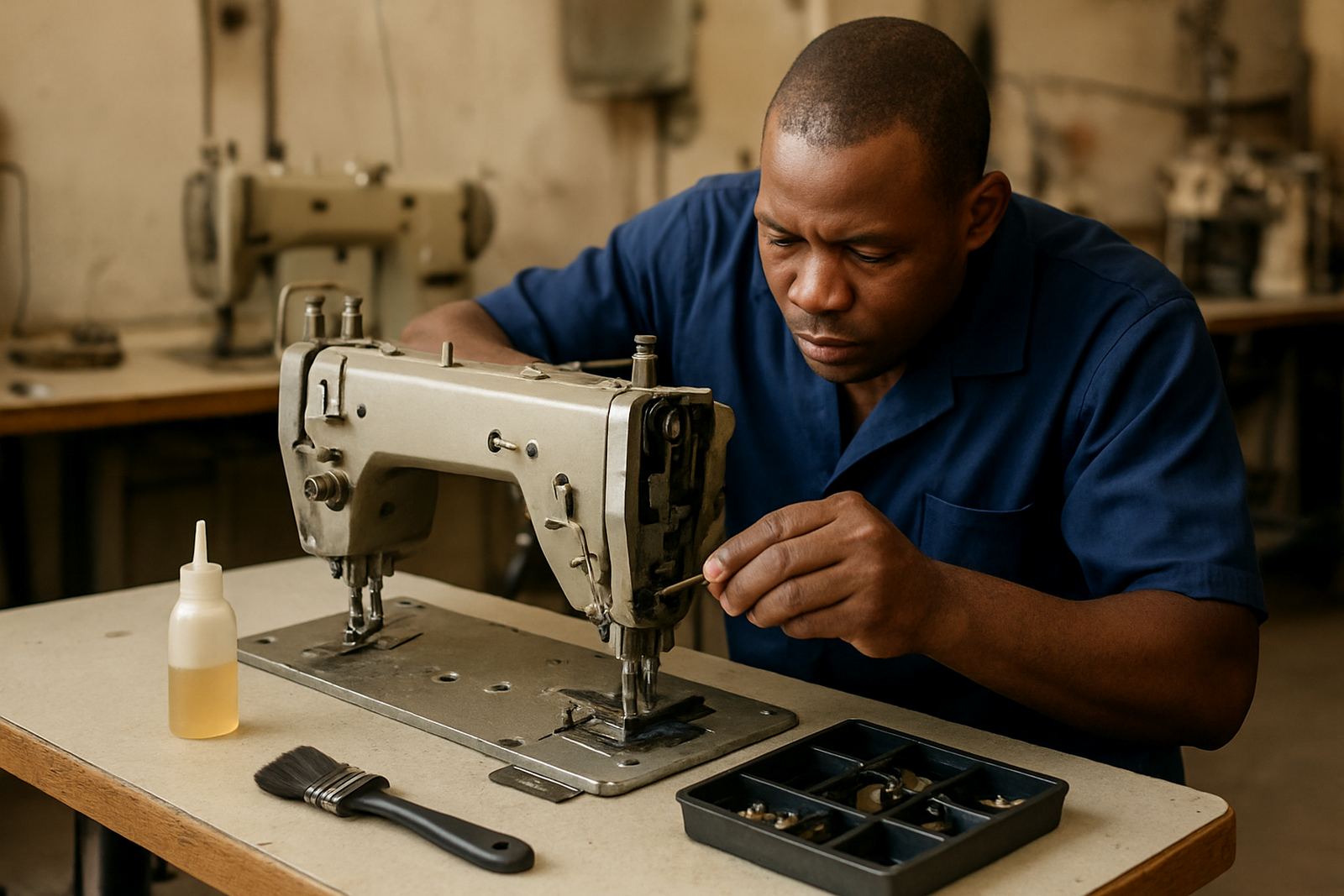
We work on single-station and continuous belt presses used for shirt fronts, school uniforms, trouser waistbands, handbags and general garment work. Typical service includes platen calibration, temperature verification, belt tracking checks, tension adjustment, thermostat testing, sensor inspection and cleaning of adhesive build-up from rollers and belts. We also check electrical connections, control switches and safety devices so the machine can run safely in busy workrooms.
- Top and bottom heat performance checks
- Pressure setting and evenness across the platen
- Belt alignment, wear and tracking
- Timer, sensor and control testing
- Cleaning of glue residue, dust and lint
- Safety checks on guards, switches and cabling
How we prepare a press for reliable bonding
Before we start any adjustment, we assess the press in the state it is working in at your premises or in our workshop. That gives a clear picture of what is happening under load, not just when the machine is switched on. We then test heating performance across the platen, confirm whether the temperature is holding steady and check whether the pressure is reaching the full width and length needed for clean fusing.
If the belt is slipping, wandering or showing glazed spots, we correct tracking, tension and guide wear. If the press is heating too slowly or overshooting target temperature, we test the control components and replace worn parts where needed. For workshops in humid areas such as Germiston or Pretoria during damp months, we also look out for condensation effects and insulation problems that can affect consistent bonding. Small faults on a fusing press often show up as larger garment defects, so we treat the whole system, not only the visible symptom.
- Temperature uniformity across the full working surface
- Pressure map checks on left, centre and right zones
- Belt condition and seam inspection
- Electrical load and heat-up performance test
- Cleaning of contact surfaces and feed path
Our service process from inspection to final test
Most jobs follow a clear process. We start with your fault report, then inspect the press and record the main wear points. After that, we carry out calibration and repairs, followed by a practical test on sample fabric or your own production material. This is important because a press can read correctly on a gauge and still give poor bonding if the belt tension, dwell time or pad pressure is off.
Where parts are needed, we source them through our parts counter and fit them once approved. Common replacements include heating elements, thermostats, relays, belts, rollers, switches and pressure pads. If your team uses the machine heavily, we can also set up a basic maintenance plan so cleaning and checks are done before faults start building up. Lerato Mokoena and Yusuf Patel coordinate the service side, while Willem van Wyk handles field work when an on-site visit is the best option.
- Initial fault assessment and service booking
- Strip-down, clean and inspect worn components
- Repair, calibration and component replacement
- Trial run with fabric or sample pieces
- Handover notes and maintenance advice
Turnaround times for workshop and on-site work
Simple servicing and calibration jobs are usually turned around quickly, especially when the press only needs cleaning, belt adjustment or temperature correction. More involved repairs take longer if a heating system, belt assembly or control section needs attention. We always aim to give a realistic timeline after inspection so your production planning stays accurate.
For Johannesburg CBD clients, workshop drop-offs are often the fastest option. For factories and schools in Fordsburg, Mayfair, Soweto, Alberton, Randburg and Germiston, on-site service can reduce downtime when the press is fixed in place or when moving it would interrupt work. Turnaround depends on part availability, the condition of the machine and whether the fault is mechanical, electrical or heat related. We do not promise overnight fixes when the machine needs proper testing, because a rushed job usually comes back with the same problem. If the issue is urgent, we will advise the quickest route to get you pressing again.
Pricing that matches the fault, not guesswork
We price fusing press service according to the actual work required. A routine inspection and calibration costs less than a repair that needs new heating parts, belt work or control replacement. That approach keeps costs fair and makes it easier for smaller tailoring shops and schools to budget for maintenance without surprises. If you need a quote, we assess the machine first and then give you a clear breakdown of labour, parts and any travel involved for site work.
For clients running multiple presses, we can group the service into one visit and plan the work so the most urgent unit is handled first. This can lower downtime and help you avoid repeated call-outs. We also advise when a repair is still sensible and when replacement parts or a full unit change may be the better option. The aim is simple: keep the machine productive without overspending on the wrong fix.
Recommended maintenance intervals for busy workrooms
Fusing presses work hard in South African production spaces, especially where dust, glue residue and long shifts are part of daily use. For general clothing production, we recommend a light check every month and a fuller service every three to six months, depending on hours of use. If the machine runs all day in a factory or school uniform operation, shorter intervals are better. Coastal humidity is not a concern for Johannesburg, but damp storage, power fluctuations and load-shedding can still affect heating stability and control wear.
A good maintenance routine should include daily wipe-downs, weekly belt and platen cleaning, and regular checks on temperature accuracy. If your operators notice slower bonding, uneven finish or unusual noises, book a service before the fault grows. Anele Dlamini helps with parts availability, while Farah Ismail coordinates customer updates so your job does not sit unattended. In many cases a small adjustment now avoids a bigger repair later, and that keeps the workroom moving. A well looked-after press gives steadier bonding and fewer rejected garments.
- Daily: clean adhesive residue and check belt path
- Weekly: inspect pressure setting and surface condition
- Monthly: verify temperature and safety controls
- Every 3 to 6 months: full service and calibration
Who uses our fusing press service
We service presses for tailors, factories, schools, uniform makers and home-based sewers who need dependable heat bonding. Some clients bring in small bench units for workshop repair, while others need larger belt presses checked on site because removing the machine would interrupt production. Our Johannesburg CBD base makes it practical to support surrounding areas quickly, including Pretoria, Germiston and the wider central Gauteng corridor.
Whether your team is fusing collars, facings, waistbands or specialty garment parts, the result should be even adhesion without scorching or lift. If the press is not holding temperature, the belt is drifting, or the pressure feels inconsistent, we can diagnose the fault and put the machine back into proper working order. Mandla Ndlovu oversees the business with a practical focus on getting the right machine support to the right customer, first time.
Key facts
| Service scope | Calibration, belt checks, heating performance testing, pressure adjustment, cleaning and repairs |
|---|---|
| Machine types | Single-station presses, continuous belt presses and pressing stations |
| Typical temperature range | Up to about 220°C depending on the unit and fabric process |
| Pressure checks | Evenness assessed across left, centre and right zones |
| Turnaround | Routine jobs often completed faster than major electrical or belt repairs, subject to parts |
| Areas covered | Johannesburg CBD, Fordsburg, Mayfair, Soweto, Germiston, Pretoria, Alberton and Randburg |