

What our machine installation service includes
Our installation service covers the full setup from unpacking to final test sewing. We handle the practical work that gets a machine ready for daily use, whether it is a single household unit or a row of industrial machines in a factory floor in Johannesburg, Germiston or Pretoria.
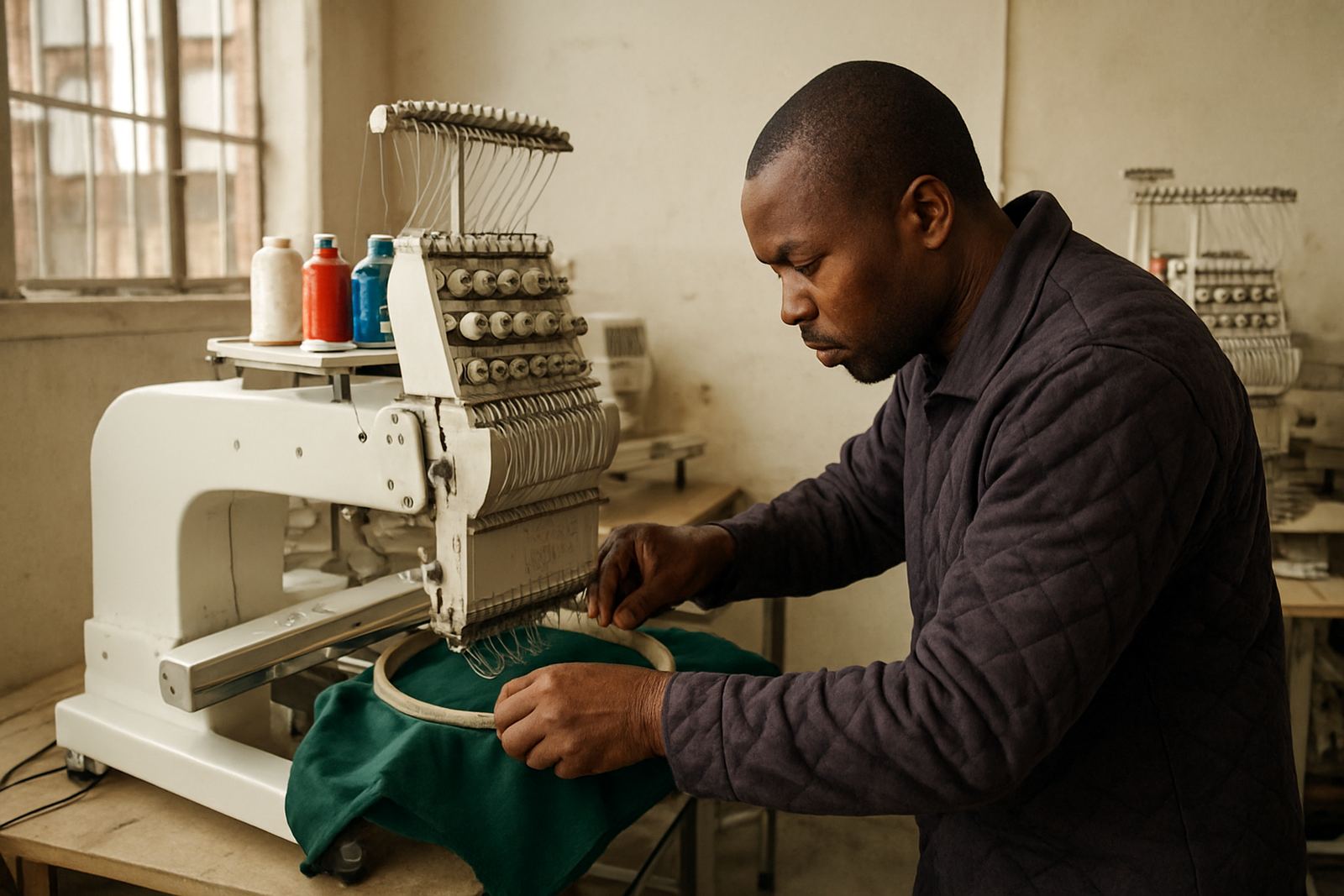
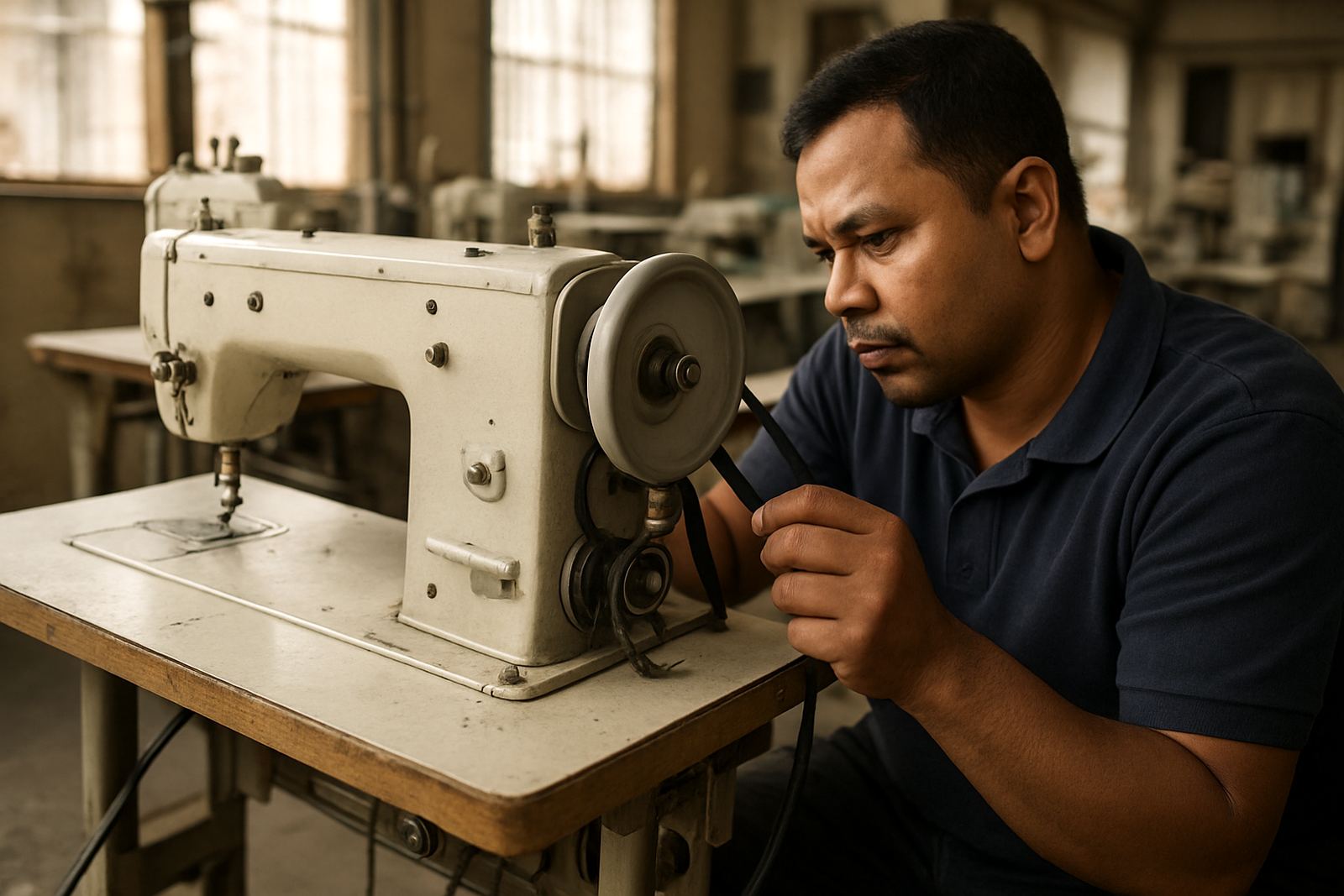
We pay attention to the basics that cause problems later if they are skipped, such as stand height, table levelling, motor direction, belt tension and correct threading path. For embroidery and specialised machines, we also check frame clearance, hoop travel and control settings before handover.
- Unpacking, assembly and placement
- Levelling of table, stand and head
- Threading and tension check
- Needle, bobbin and presser foot setup
- Basic test sew and stitch correction
- Operator handover and safety notes
How we prepare the machine before the first stitch
Every machine is checked against its intended use so the installation suits the job from day one. A heavy duty lockstitch machine used in a garment room needs a different setup from a domestic zigzag machine used for home sewing or school training.
We confirm the machine is matched to the correct power supply, table cut-out and drive system. Where needed, we fit a servo motor for lower power use and quieter running, which helps during load-shedding when your workshop switches between power sources or backup systems. We also make sure the needle size, thread path and feed settings suit the fabric you are using, from lightweight cotton to denim, canvas and school uniform fabric.
- Power and plug check for 220 V equipment
- Motor and pedal response test
- Needle system confirmation and fitting
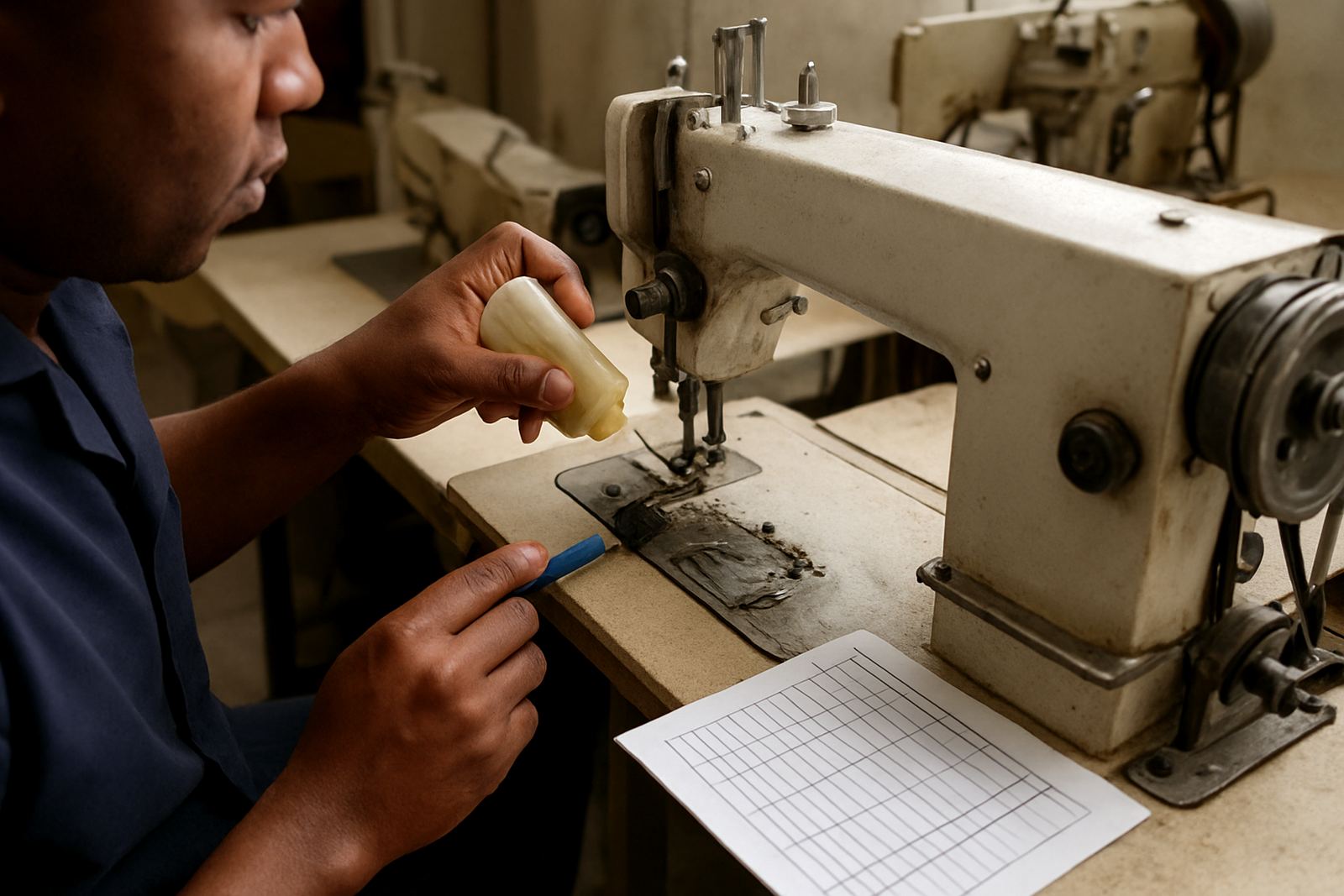
- Lubrication points checked on industrial heads
- Control panel set for the required function on computerised units
Our installation process step by step
Most installations follow the same practical sequence, although the exact order changes depending on machine type and site conditions. In a cramped Fordsburg shop, for example, we plan the placement first. In a larger Soweto workroom or factory, we may set up several machines in one visit and align them as a line.
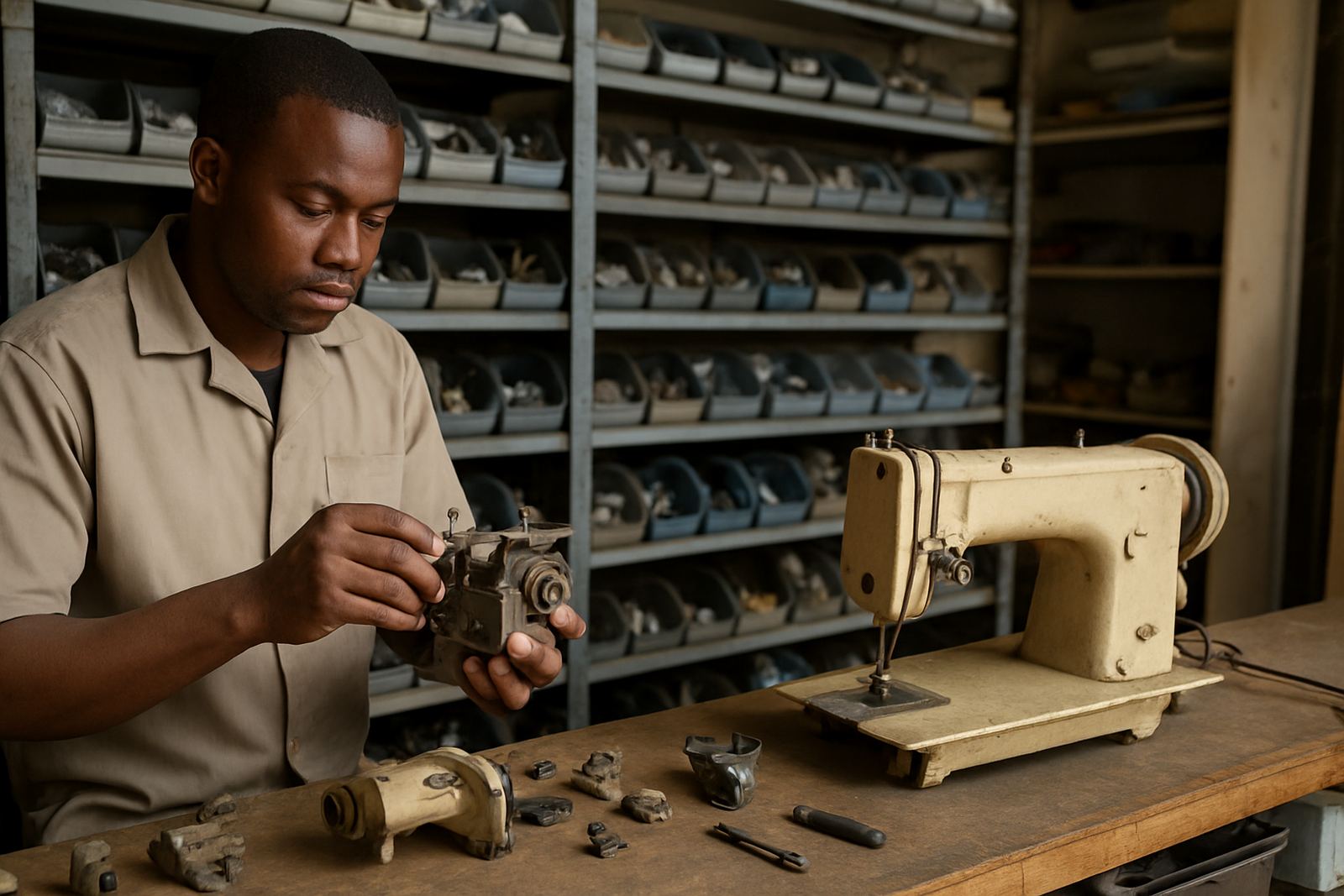
We keep the process simple and clear so you know what is happening at each stage. If we find a problem during setup, such as a bent needle bar, worn belt or uneven table surface, we tell you straight away and advise on the fix before going further.
- Site check and placement plan
- Assembly of stand, table, head and accessories
- Levelling and alignment
- Electrical and motor connection
- Threading, test sewing and adjustments
- Operator demonstration and sign-off
Turnaround times for Johannesburg and Gauteng
For single-machine installations in Johannesburg CBD and nearby areas, we usually aim to complete the job in one appointment once the machine and site are ready. Larger installs, embroidery units or multiple machines may need more time, especially where there is a full workroom layout or additional accessories to fit.
Turnaround depends on the machine type, access to the site, and whether extra parts are needed on the day. If you are fitting out a new room in Alberton, Randburg or Pretoria, we can plan the visit around delivery and your production start date. Where a machine needs a special bracket, motor conversion or extra service work, we will explain the revised timing before we proceed.
We work to practical deadlines because many customers need the machine ready for immediate sewing, training or order fulfilment. If the equipment is already on site and the power point is in place, setup is usually straightforward.
Pricing that depends on the machine and the site
Our pricing is based on the machine type, the number of units, travel distance, and whether the job includes extra adjustments or parts. A standard household installation is priced differently from a computerised embroidery machine or an industrial machine that needs timing adjustment or motor conversion during setup.
We prefer to quote after understanding the model, quantity and site conditions so there are no surprises. If the installation is in a busy CBD workshop, upstairs room or school sewing room, we factor in access and time on site. Spare parts and consumables are charged separately if they are needed.
For businesses with several machines, we can quote per unit or as a combined workroom setup package. That gives you a clearer view of costs before the first machine is opened.
Care after installation and service intervals
A good installation should hold its settings, but machines still need regular care. The first service interval depends on how hard the machine works and what kind of thread, fabric and production load it sees. A home sewer may only need a routine check once or twice a year, while a factory or school room may need attention every few months.
We recommend a quick follow-up after the first few weeks if the machine is running daily. That helps catch minor changes in tension, belt stretch or needle wear before they become a stoppage. In Gauteng, dust and fabric lint build up quickly, so regular cleaning matters even more in busy workrooms.
- Light home use: every 6 to 12 months
- School or training use: every 3 to 6 months
- Factory or high-volume use: every 1 to 3 months
- Embroidery and computerised units: regular checking of sensors, thread paths and drive components
If you want, we can also set up a service plan that includes installation, follow-up maintenance and operator training so the machine keeps sewing properly after handover.
Key facts
| Machine types | Industrial lockstitch, overlocker, coverstitch, household zigzag, embroidery units and fusing presses |
|---|---|
| Power | Standard 220 V supply, with motor and pedal check during setup |
| Common accessories | Needles, bobbins, feet, belts, tables, stands, thread stands and hoops |
| Typical setup time | About 45 minutes to 2 hours for a single machine, longer for embroidery or multiple units |
| Coverage | Johannesburg CBD, Fordsburg, Mayfair, Soweto, Germiston, Pretoria, Alberton and Randburg |
| Work included | Assembly, levelling, threading, test sewing, basic adjustment and handover |