

What a motor conversion covers
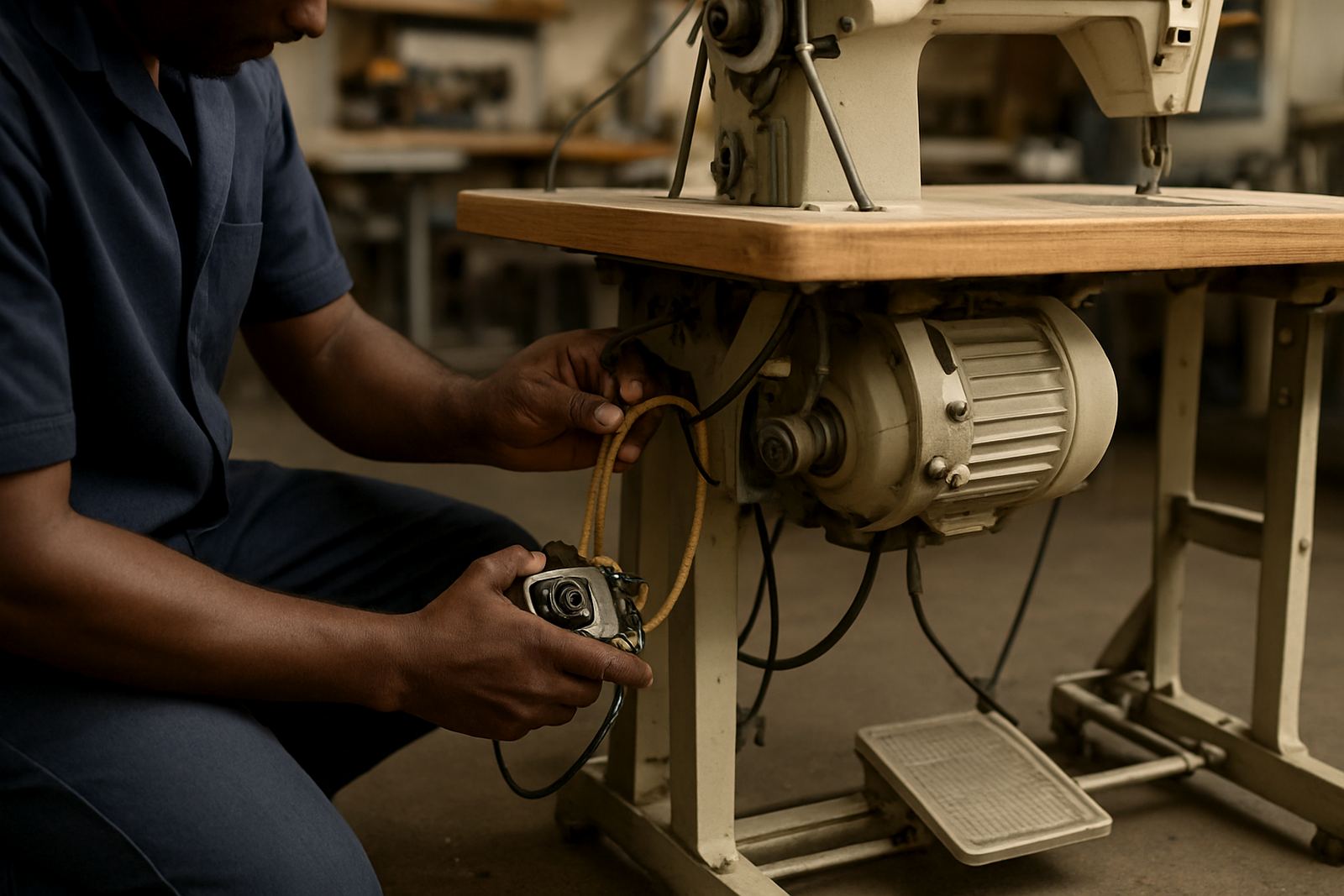
A motor conversion is more than swapping one unit for another. We assess how the machine is used, check the drive system, and fit a replacement motor that suits the job. That can mean better low-speed control for fine work, steadier pulling power for heavier fabrics, or a cleaner setup for a machine that has become noisy, weak or difficult to manage.
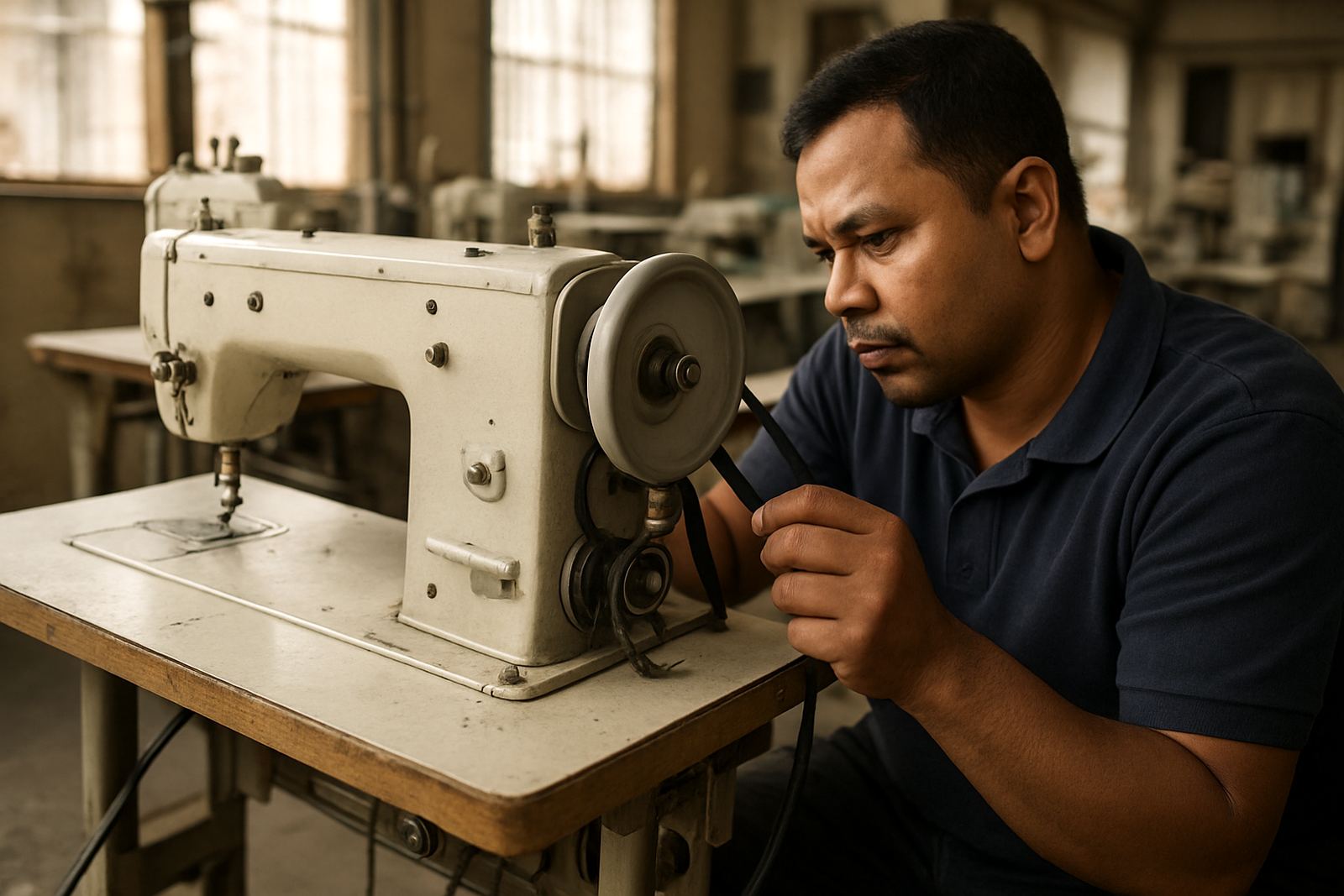
Our motor conversion work is done on industrial and household sewing machines, as well as selected embroidery and workroom machines where the existing drive is no longer reliable. We also look at pedal response, belt alignment, handwheel movement and mounting position so the new motor is not fighting the machine. On some machines a good conversion makes the biggest difference in the workshop, because the operator can slow down properly without stalling. This is especially useful for learners and busy production rooms where consistency matters.
- Replacement motor supply and fitment
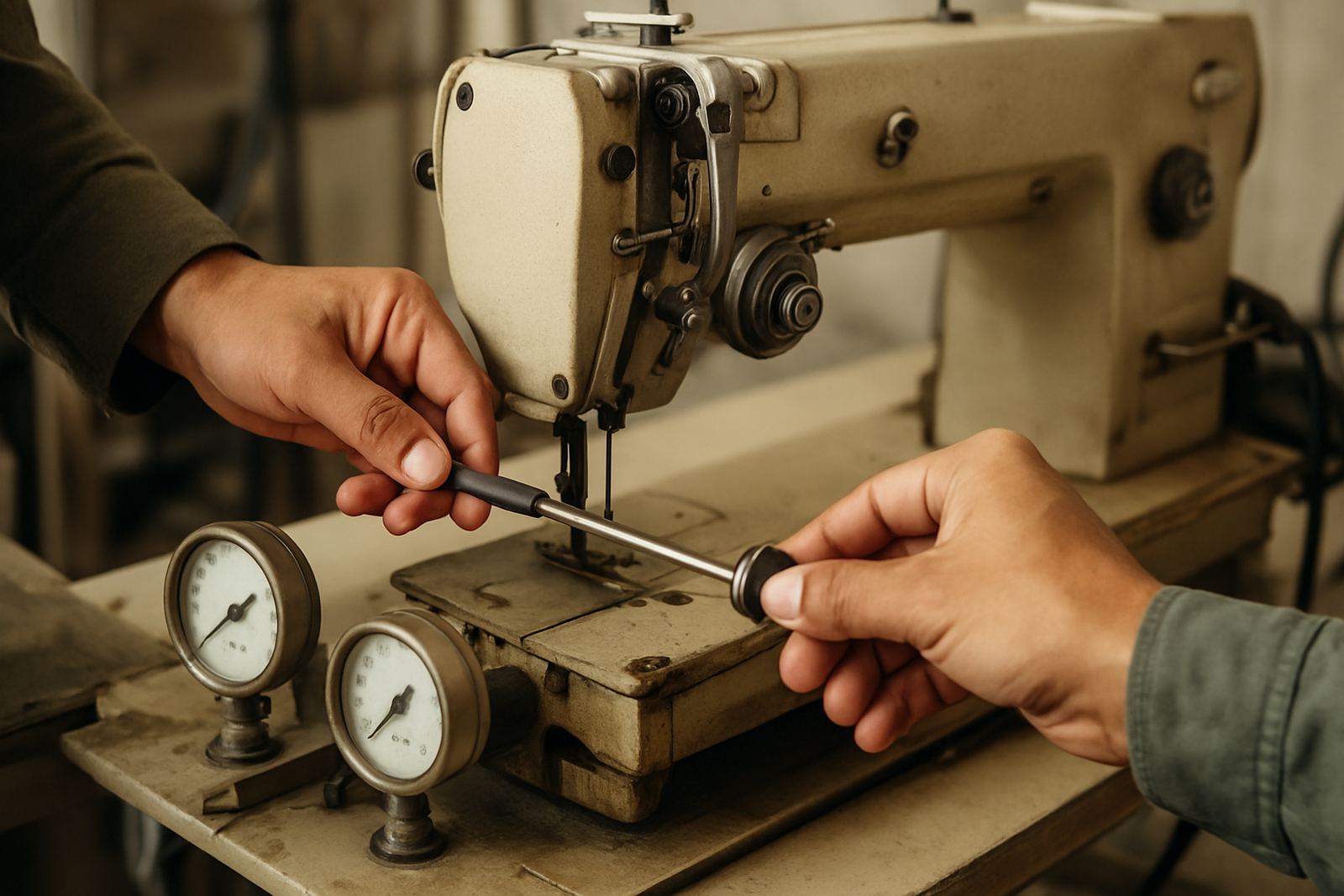
- Speed control adjustment for better handling
- Belt and pulley alignment
- Electrical connection and safe start-up check
- Basic test sewing after installation
Motor options for different machines and work rates
We match the motor to the machine and the sewing task. Light domestic machines, straight stitch industrial machines, overlockers and heavier production units do not all need the same power or control. In many cases the choice comes down to whether the operator needs more torque, finer slow-speed control or quieter running in a busy room.
For most conversions we look at motor output, speed range, mounting style and the condition of the existing belt system. Where needed, we can also advise on pulley size so the machine does not run too fast. That matters on machines used for embroidery prep, garment making and school training rooms, where controlled movement is more useful than raw speed. We also consider load-shedding recovery, because a motor that starts cleanly after power interruptions saves time and reduces strain on the machine.
- Output matched to the machine body and workload
- Speed control for beginners, learners and production use
- Quieter running for small rooms and shared spaces
- Improved low-speed control for accurate stitching
Our conversion process from assessment to handover
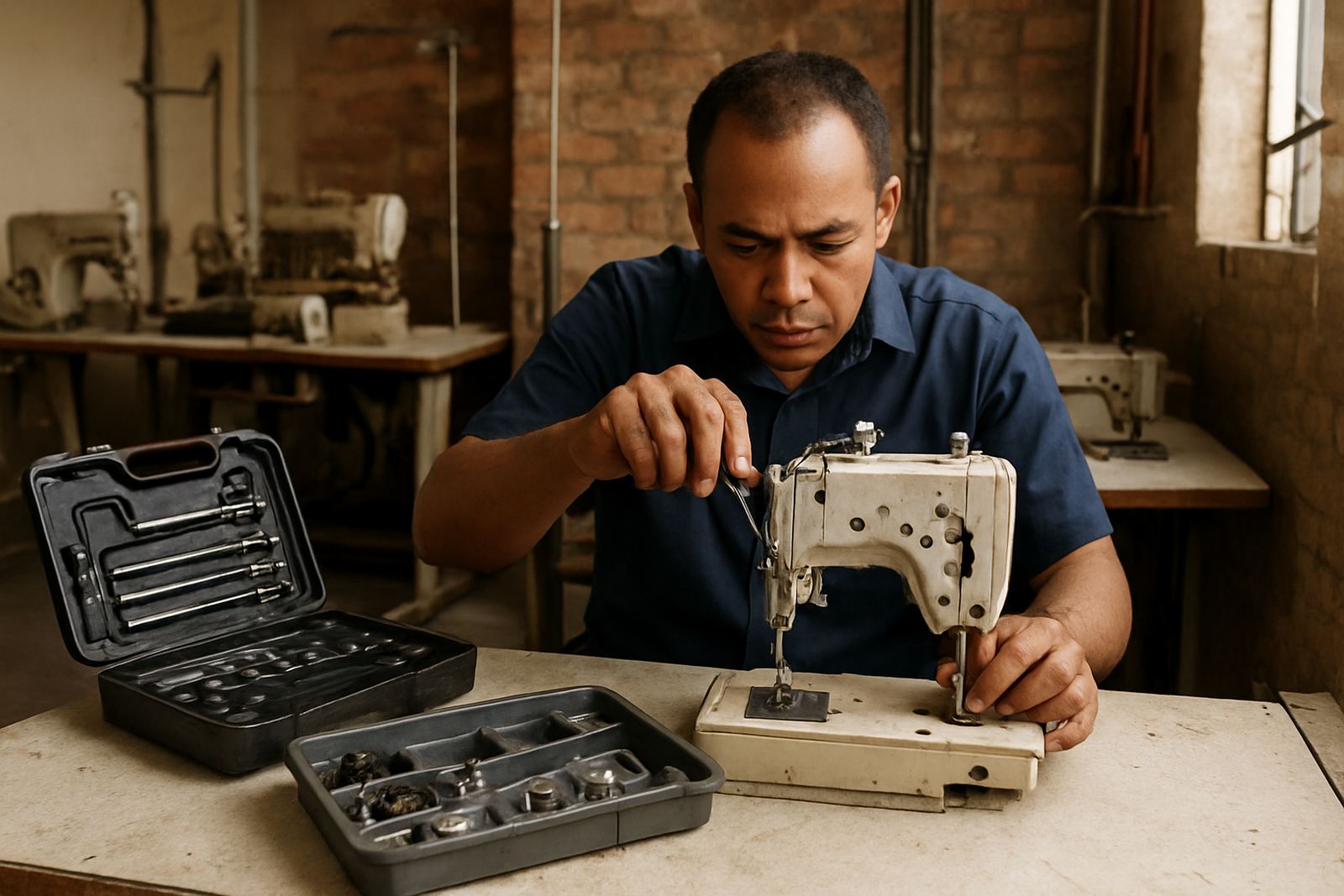
We keep the process straightforward. First, we inspect the machine and confirm whether the fault is with the motor, pedal, wiring or a mechanical issue that should be corrected before conversion. Then we recommend the right replacement and explain what will change in daily use. Once approved, we fit the motor, set the drive, and test the machine under normal sewing conditions.
Where a machine is coming in from Fordsburg, Mayfair, Soweto, Germiston or Pretoria, clients can bring it to our Johannesburg CBD base or arrange service support where suitable. If the machine needs work beyond the motor, we flag that before proceeding so there are no surprises. The aim is to return a machine that feels easier to control from the first seam.
- Initial assessment and fault check
- Motor recommendation based on use and machine type
- Fitment, wiring and speed adjustment
- Test run and operator guidance before handover
Typical turnaround times and workshop planning
Turnaround depends on the machine type, the parts required and whether other repairs are needed at the same time. Simple conversions on common domestic or industrial machines can often be handled quickly once the correct motor is in hand. More complex work, or machines needing additional wiring, belt changes or timing checks, can take longer.
For factories and schools, we plan around production schedules and class timetables where possible. If you need several machines converted together, we can sequence the work so your room is not left short of capacity. In busy seasons, especially when teams are catching up after power cuts or a spike in orders, we suggest booking ahead so the job can be slotted in properly. A small amount of preparation can save a lot of downtime later.
- Simple conversions may be completed same day or next working day
- Machines needing extra repairs take longer, depending on parts
- Bulk work can be scheduled in batches for workshops and schools
- We confirm timing after the initial inspection
Pricing approach for replacements and labour
Motor conversion pricing is based on the machine model, the motor specification, the condition of the wiring and whether extra parts are needed. We keep costs practical and explain the main items before work begins. If a machine only needs a motor change and basic setup, the cost is lower than a conversion that also needs belts, mounts, switches or electrical correction.
We do not quote blindly because the right fix depends on what is already fitted. A machine with a tired motor may also have worn pulleys or damaged foot control, and those issues can affect the final result. Our pricing approach is to separate the machine work, the motor supply and any extras so clients can see where the Rand goes. That is useful for schools, small businesses and home sewers who need a proper upgrade without overspending.
- Assessment first, then a clear quotation
- Parts and labour itemised where needed
- Options discussed for repair versus replacement
- No unnecessary changes added to the job
Keeping the new motor in good condition
Once the conversion is complete, a bit of routine care helps the machine stay reliable. Keep the motor area free of lint and thread offcuts, check that the belt is not slipping, and avoid running the machine hard if it begins to sound strained. On machines used every day, it is worth having the setup checked at regular intervals so small issues do not grow into larger faults.
For production rooms, we usually suggest a review every 6 to 12 months depending on use. In dusty spaces, workshops with high thread build-up or areas affected by moisture and temperature changes, checks may be needed sooner. Coastal humidity is not the main issue in Johannesburg, but many machines still suffer from poor storage, unstable power and heavy use. A simple service can catch worn bearings, loose connections and speed control problems before they stop work.
If the machine is used by trainees or different operators, a short refresher on foot control and stitch speed can also help protect the new motor. Good handling keeps the machine running smoothly and the stitches looking even.
Key facts
| Motor types fitted | Replacement motors for domestic and industrial sewing machines, selected to suit workload and control needs |
|---|---|
| Speed range | Set for slow control through to higher production speeds, depending on machine and pulley setup |
| Power fitment | Matched to machine size, fabric weight and operator requirement |
| Control method | Foot control and speed adjustment checked during installation |
| Voltage compatibility | Configured to suit local workshop power supply and safe operation |
| Service interval | Review recommended every 6 to 12 months, or sooner for heavy use |