

What routine servicing covers
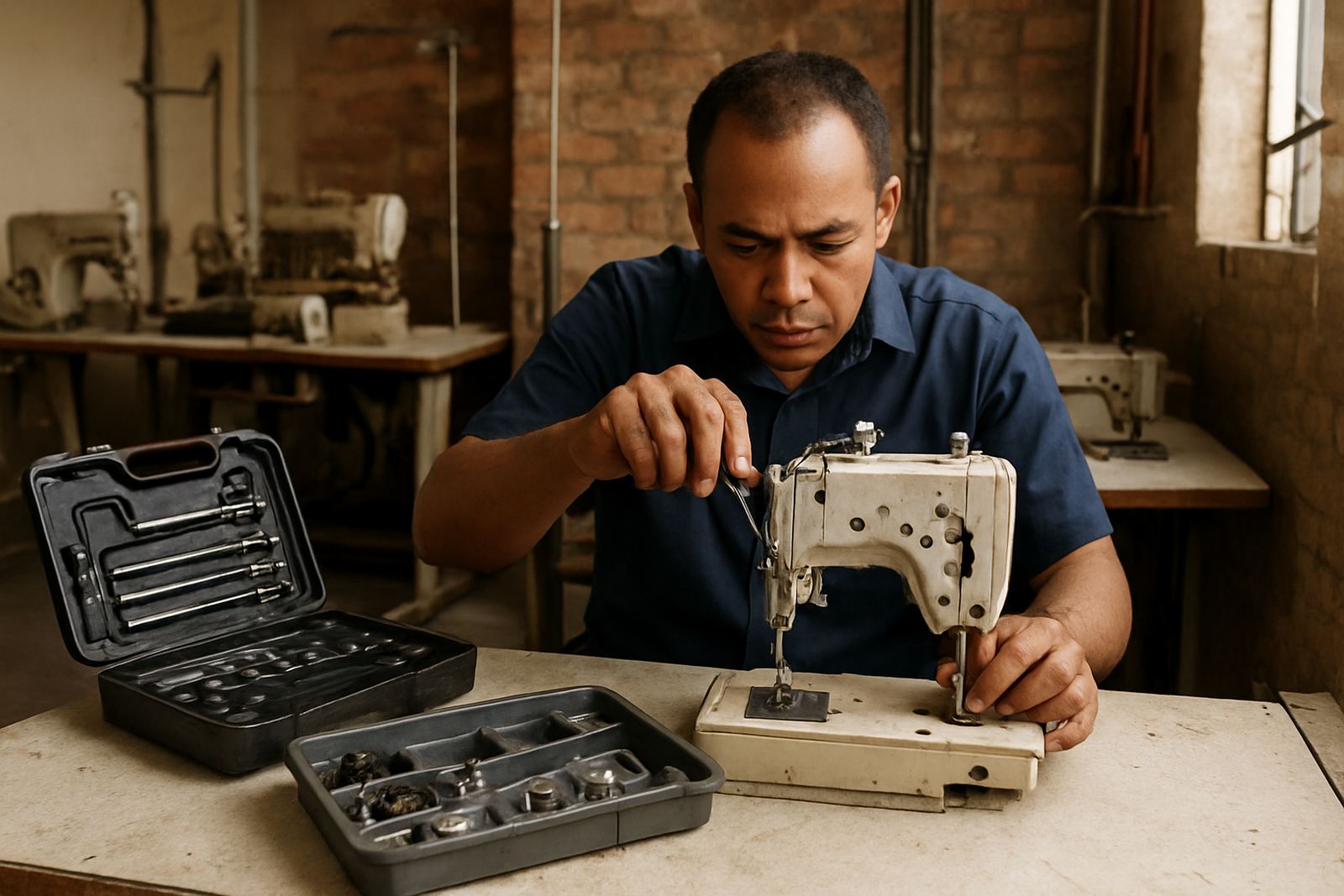
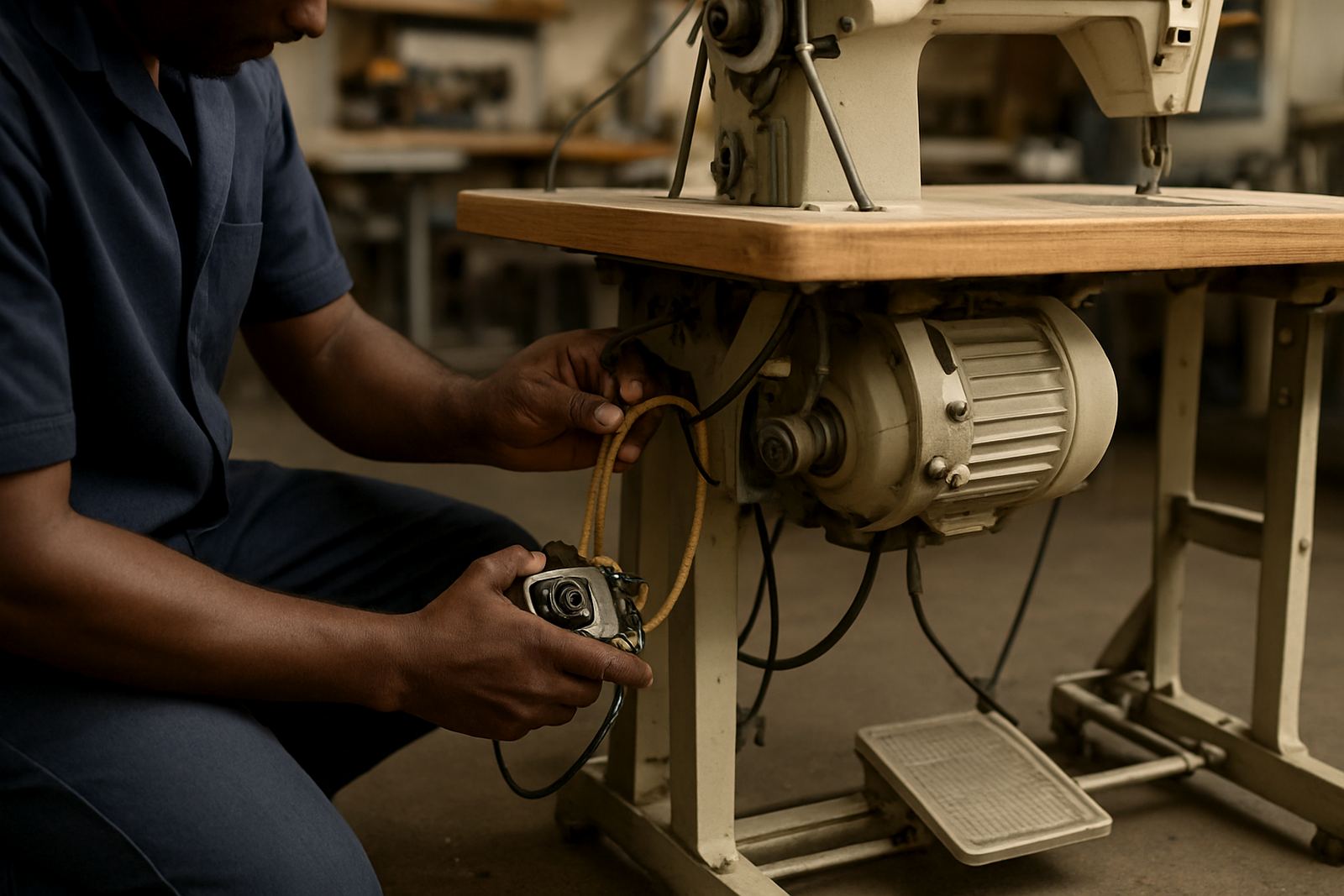
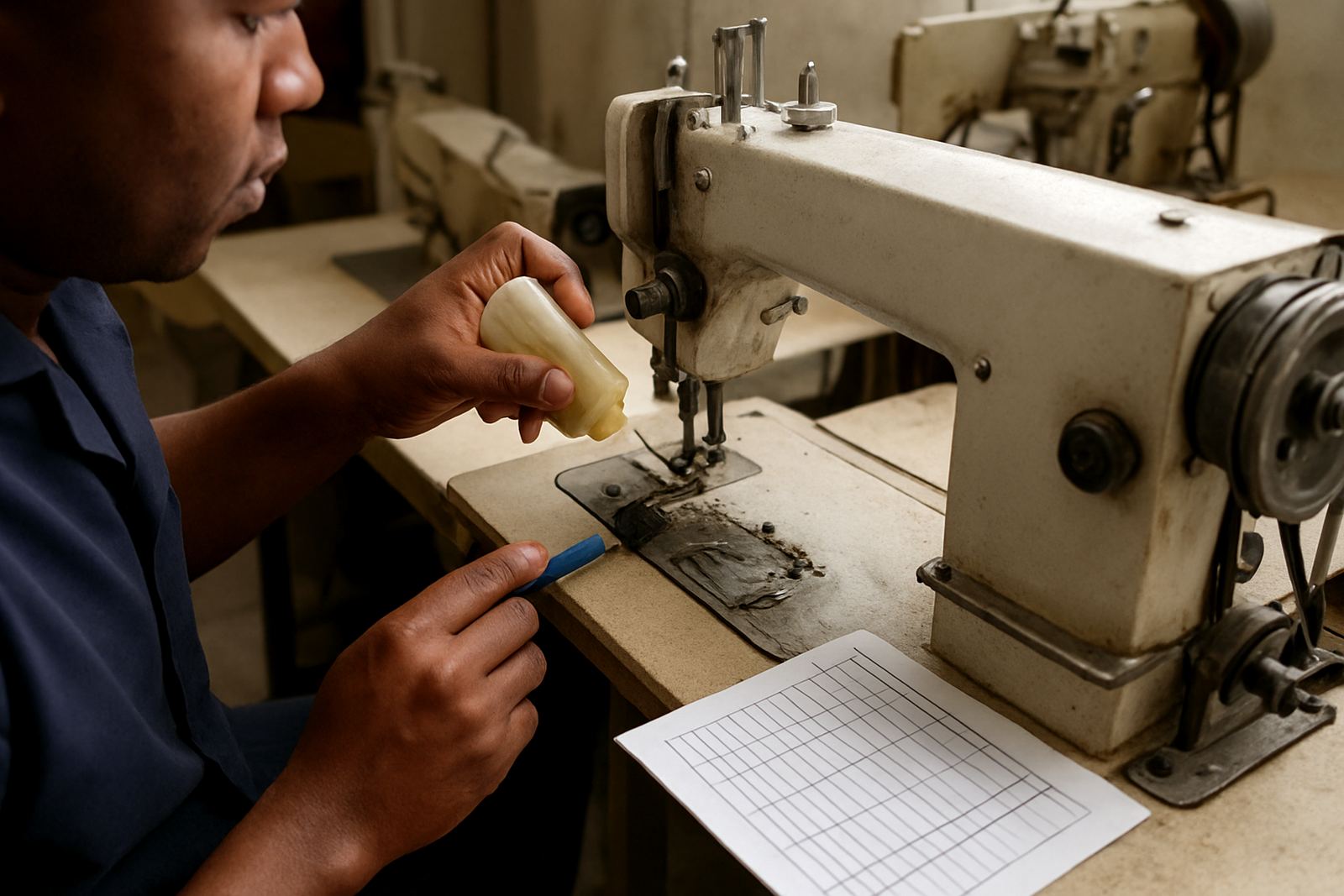
Routine servicing is the scheduled upkeep that keeps a sewing machine working as it should before small faults become expensive repairs. We strip down the areas that collect lint and dust, clean out old oil, check wear on common service parts and reset the machine to correct operating settings. On industrial machines we also check the motor drive, belt condition, needle bar movement, hook area and feed timing. On household machines we clean the top and underside assemblies, tension points, bobbin area and presser foot mechanism.
This service suits machines that are used daily, as well as units that stand for part of the week and then get pushed hard when orders come in. In Gauteng workshops, especially where there is lint, fabric dust and load-shedding related restarts, a machine can drift out of adjustment faster than many people expect. Routine servicing helps keep stitch length consistent, reduces skipped stitches and cuts down on heat build-up and vibration.
- Deep cleaning of lint, thread waste and oil residue
- Lubrication of moving parts where required
- Needle, tension and feed system checks
- Timing and hook area inspection
- Minor adjustments to restore smooth running
How we handle a service booking
We start by noting the machine type, age, model class and the problems you are seeing, then we arrange the service method that suits your operation. Some machines can be brought into our Johannesburg CBD base for workshop servicing. Others are better handled on site, especially where there are several machines in one room, a school workroom, or a factory line that cannot sit idle for long. If the machine shows signs of a bigger fault, we will say so before proceeding.
Our process is practical and clear. We inspect the machine first, confirm what cleaning, lubrication and adjustment it needs, then we carry out the service and test the machine under normal sewing conditions. Where needed we advise on parts that are near the end of service life, such as belts, needles, bobbins, tension springs, foot controls or worn feed dogs. We do not replace parts just because they look old. If a part is still performing properly, we leave it in place.
- Initial inspection and fault note
- Cleaning and lubrication
- Adjustment of timing, tension and feed action
- Test sewing on suitable fabric types
- Service report with any follow-up advice
Typical turnaround and workshop flow
Turnaround depends on the number of machines, the machine type and whether any worn parts must be sourced. A single household machine usually moves faster than a heavy industrial unit with a motor or timing issue. Simple routine servicing can often be completed within a short workshop window, while larger batches are scheduled in sequence so that no machine is rushed through the process. For schools and factories in Fordsburg, Mayfair, Soweto, Germiston and Pretoria, we try to plan collections and drop-offs around production or class times.
Where a machine only needs cleaning and adjustment, the job is straightforward. If we find a machine has been run dry, has broken needle damage in the hook area, or has been exposed to dust and moisture for long periods, the service takes longer. We would rather spend the extra time and return a machine that is properly set than hand it back with a temporary fix. In humid coastal conditions or in storage rooms that are not well sealed, servicing intervals may need to be shorter because rust and sticky oil build-up can appear faster than expected.
For multi-machine sites, we can service units in a planned sequence so that the workroom keeps some capacity while the rest is being checked.
What affects the price
Routine servicing is quoted according to the machine type, how much work it needs and whether it is serviced in the workshop or on site. A household machine with a simple clean and adjustment will cost less than an industrial machine that needs deeper stripping, timing correction or extra labour because of heavy dirt build-up. If a machine needs parts, those items are discussed separately so you know what is service labour and what is replacement stock.
We keep pricing transparent. You pay for the actual service required, not for unnecessary extras. If several machines are booked together, the overall cost can be easier to manage because the inspection and travel time is spread across the group. For factories, tailors and schools, this is often the best way to keep maintenance within budget while still keeping machines dependable. In many cases, a planned service is far cheaper than losing a machine during a busy run and paying for emergency repair later.
- Machine class and brand type not mentioned in the quote, only the actual labour required
- Workshop service or on site call-out
- Parts supplied separately if needed
- Batch bookings can reduce the average cost per machine
Recommended servicing intervals
How often a machine should be serviced depends on usage. A busy industrial machine in daily production should be checked more often than a household machine that sews a few garments a month. As a general guide, heavy users should plan servicing every 3 to 6 months. Moderate use can often stretch to 6 to 12 months, while occasional home use may only need a full service once a year if the machine is stored correctly and kept clean. If the machine starts making unusual noise, forming loose stitches or running hot, do not wait for the next scheduled service.
We also advise shorter intervals where the environment is dusty, where thread waste builds up quickly, or where the machine is used in a school or training room with many different operators. New operators often use more lint-producing thread and may not clean the machine after every session, so the service cycle can shorten. In workrooms that run during load-shedding windows, repeated stop-start use can also expose weak tension, poor oil flow or belt slippage sooner.
- Heavy industrial use: every 3 to 6 months
- Moderate workshop use: every 6 to 12 months
- Home use: once a year, or sooner if problems appear
- More frequent checks for dusty or humid environments
Keeping machines ready after the service
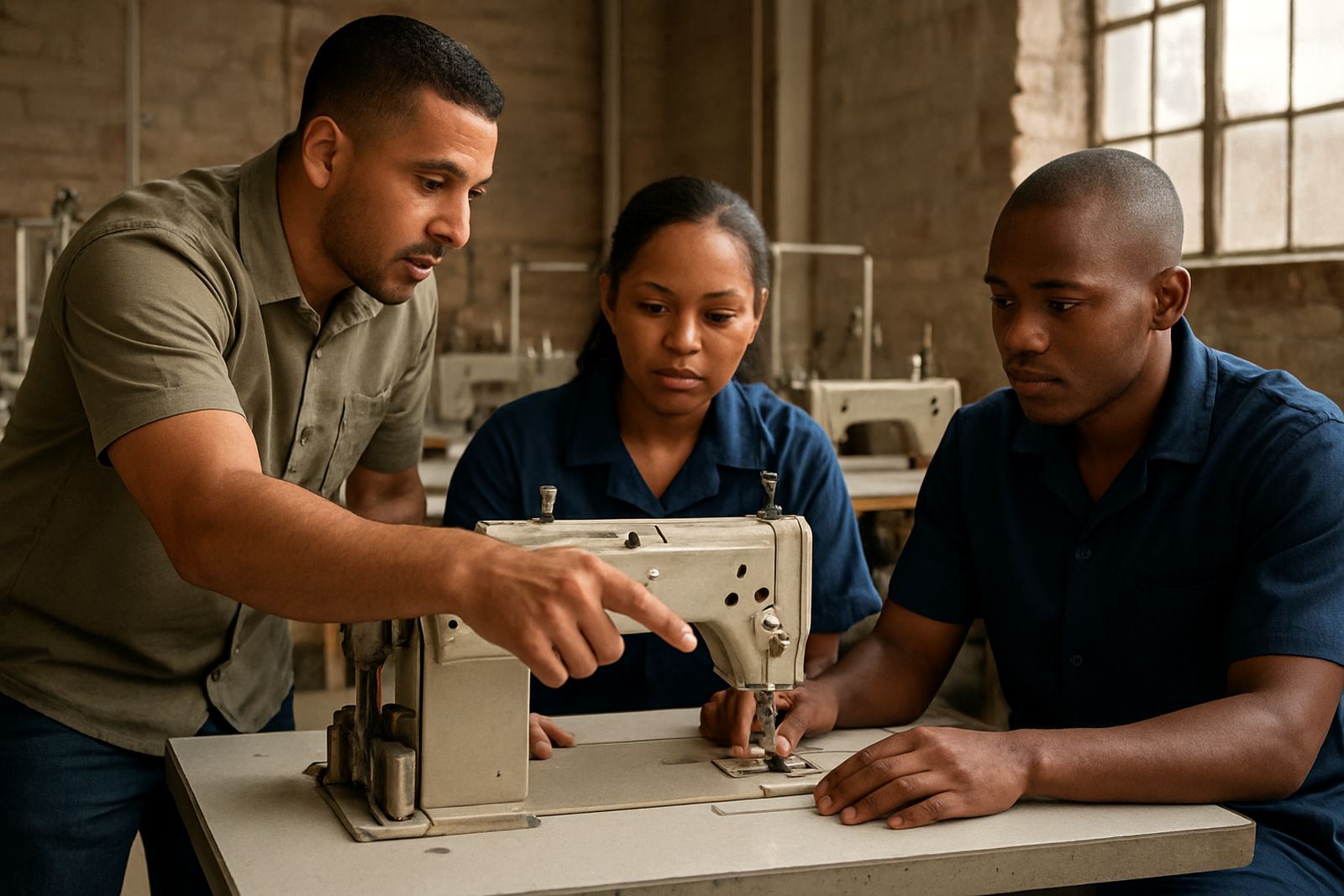
A proper service lasts longer when the machine is looked after between visits. We show operators how to keep the needle area clear, when to oil the correct points, how to use the right needle size and why forcing a machine through thick fabric without the correct setup causes trouble. For embroidery machines and fusing presses, we also check that the working surface is clean and that temperature or pressure settings are not drifting out of range. That matters because a machine that is technically serviced can still perform badly if the operator is using the wrong thread, needle or heat setting.
For regular clients across Johannesburg CBD, Alberton, Randburg and Pretoria, we can help plan a maintenance cycle that matches production, teaching schedules or home sewing patterns. The aim is simple: fewer breakdowns, steadier stitching and less money spent on avoidable repairs. If you want routine servicing for one machine or for a full room of equipment, use the enquiry form on our contact page and we will advise on the next available service slot.
Key facts
| Service type | Scheduled cleaning, lubrication and adjustment |
|---|---|
| Machine range | Industrial and household sewing machines, embroidery machines and fusing presses |
| Service locations | Johannesburg CBD, Fordsburg, Mayfair, Soweto, Germiston, Pretoria, Alberton and Randburg |
| Typical checks | Lint removal, oil points, tension, feed, timing, needle area and motor drive |
| Turnaround | Depends on machine condition and booking volume, with workshop and on site options |
| Maintenance interval | 3 to 12 months depending on use, environment and operator handling |