

What the Pretoria West classroom needed
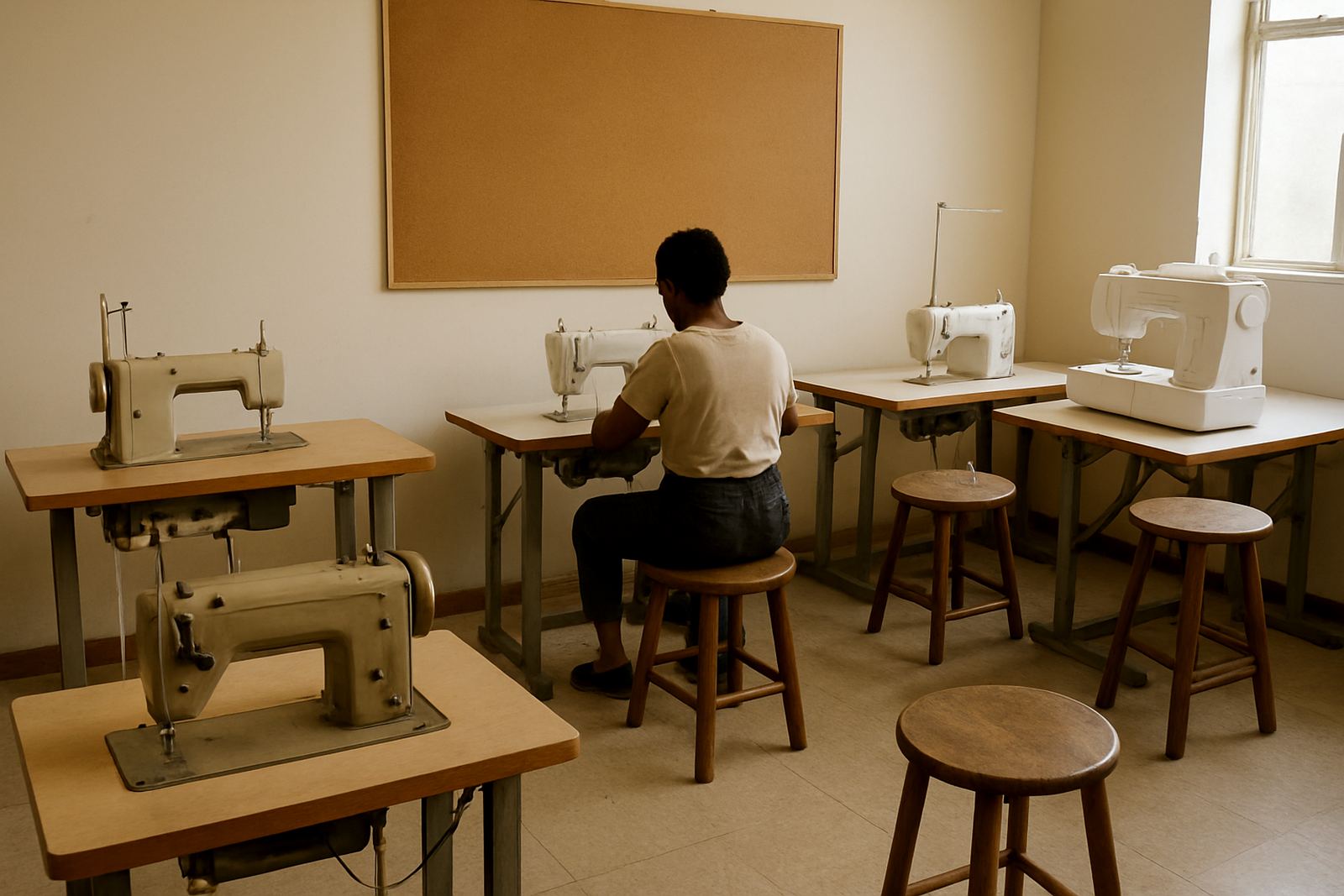
The client was a vocational training provider in Pretoria West working with young people and adult learners who needed real sewing practice, not just theory. The room had to support regular classes, quick machine handovers and instructor demonstrations without constant reworking of tables, leads or thread paths. It also had to suit a mixed group of first-time users and learners already working toward basic garment production.
The brief was practical from the start. The classroom needed sewing machines that were simple to use, easy to maintain and steady enough for daily training. It also needed enough space for the instructor to show stitches, threading and basic fault-finding in front of the class. Because the room would be used throughout the week, the client wanted equipment that could handle long sessions and not drift out of alignment after repeated use.
Site limits and classroom constraints
The room was in a busy part of Pretoria West where access, delivery timing and noise levels all had to be managed around the school timetable and nearby activity. Power supply was a key point as the area has load-shedding interruptions and the client needed a setup that would recover quickly after outages. The floor space was also tight, so the machines had to be arranged for movement between stations without crowding the instructor or blocking learner sightlines.
- Limited floor space for a full class and demo area
- Need for simple, repeatable machine settings for learners
- Power interruptions and restart checks after load-shedding
- Safe cable routing and clear walkways around each station
- Allowance for future machine additions as intake grows
We also looked at the room’s lighting, table heights and storage access. For a classroom like this, small details matter. If the thread stands are too far back or the pedals are awkwardly placed, the teacher spends the whole lesson correcting setup instead of teaching skills.
What we supplied and set up
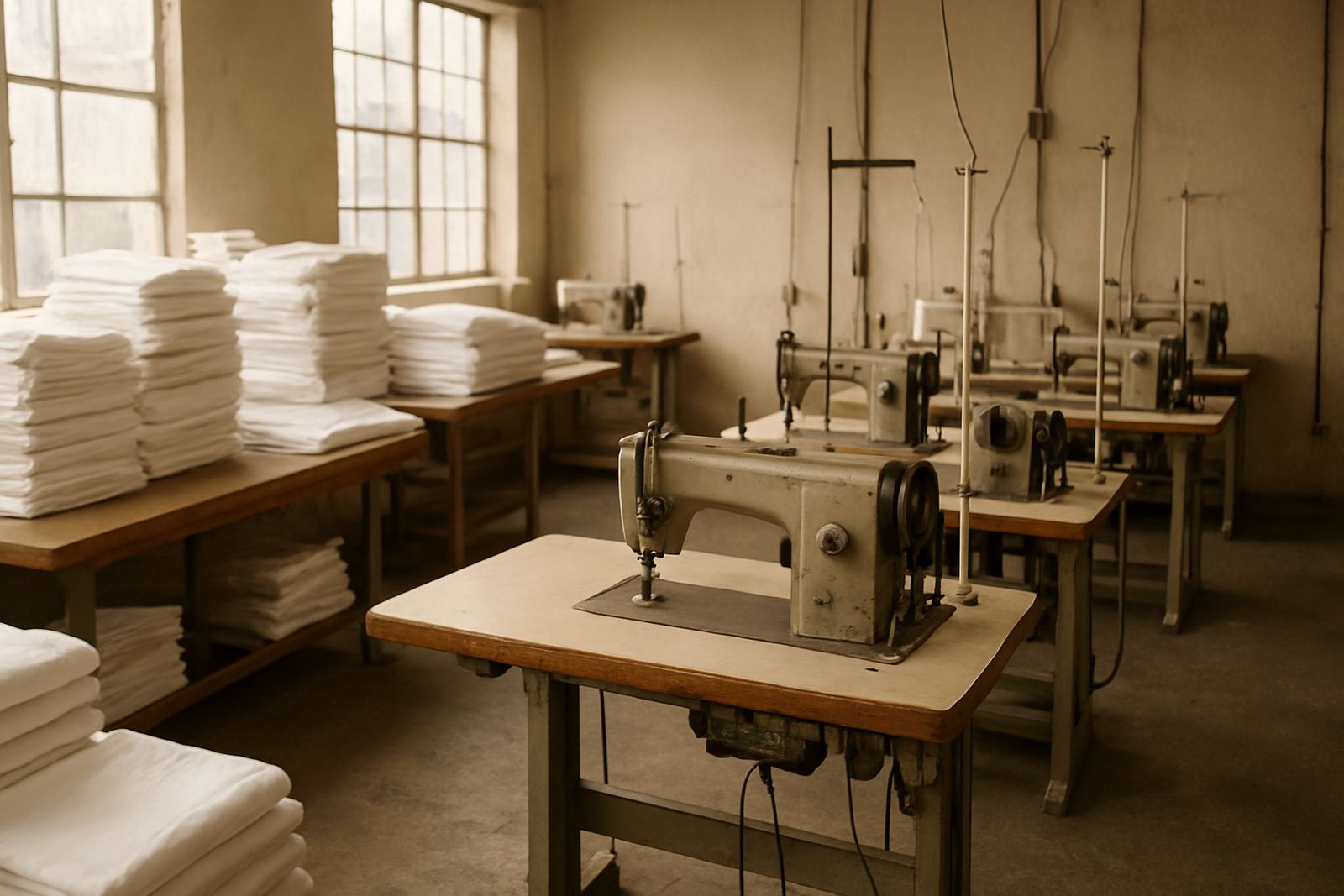
We supplied a classroom package built around learner sewing machines and a practical demonstration area. The machines were selected for straight stitching, easy tension adjustment and steady feed on light to medium fabrics used in training. We set each unit up on a stable work surface, checked motor response and made sure the stitch formation was even before handover. The room also received serviceable storage for thread, spare needles, bobbins, scissors and classroom consumables.
We installed the machines, checked the power points and set the stations so the trainer could move through the room without interrupting the learners. Where needed, we adjusted timing, foot pressure and belt drive setup so the machines ran smoothly under classroom use. We also planned the demo area so the instructor could show threading, bobbin winding and seam finishes from a central point. The overall result was a room that could move from explanation to practice without wasted time.
- Learner sewing machines for daily training use
- Practical demo station for instructor demonstrations
- Needles, bobbins, thread guides and basic attachments
- Cabinet and table layout suited to a classroom flow
- Initial setup, testing and operational handover
Timeline from delivery to handover
The project took three weeks from final confirmation to handover. In week one we reviewed the room plan, checked access and confirmed the training requirements by machine type and learner numbers. In week two we delivered the equipment, placed the stations and completed the setup work. In week three we returned for final adjustments, checked the machine performance after classroom loading and spent time with the instructors on daily use and care.
That short timeline suited the school calendar and kept disruption low. The client needed the room ready for a training intake, so the work had to be done in a clean sequence with no long gaps between delivery and commissioning. By the end of the third week, the classroom was fully operational and ready for regular lessons.
- Week 1: site review and equipment confirmation
- Week 2: delivery, placement and installation
- Week 3: final checks, adjustments and handover
Results after commissioning
After commissioning, the room performed the way a vocational space should. Learners could sit down, thread up and start work with little delay. The instructor had a clear view of the room and enough space to demonstrate stitches, seam control and basic machine care. Because the stations were set up with repeat use in mind, the staff did not need to keep moving equipment around between classes.
The school also gained a better way to manage day-to-day maintenance. Spare parts, consumables and servicing needs were identified early, which helped avoid downtime. In a training environment that matters a lot, because one faulty machine can delay an entire lesson. The setup also made it easier to deal with power interruptions and restart checks after outages, something every Gauteng training room has to plan for.
What we would repeat on the next training room
For another classroom like this, we would use the same practical approach. First, keep the layout simple and leave enough movement space around every station. Second, choose machines that are easy to teach on and easy to service locally. Third, make sure the instructor has a clear demo point with good sightlines, because that saves time during every lesson. We would also keep a small parts pack on site so common wear items are available when they are needed.
For a training provider in Pretoria West, the key is not fancy equipment, it is dependable equipment that suits learners and can be serviced without fuss. That is the standard we aim for on classrooms, factories and home sewing rooms across Johannesburg, Pretoria and the wider Gauteng area.
Key facts
| Project type | Vocational sewing classroom supply and setup |
|---|---|
| Town | Pretoria West |
| Client type | Training provider |
| Timeline | 3 weeks from confirmation to handover |
| Main equipment | Learner sewing machines and instructor demo station |
| Support included | Installation, setup, adjustments and handover training |