

What the Krugersdorp client needed
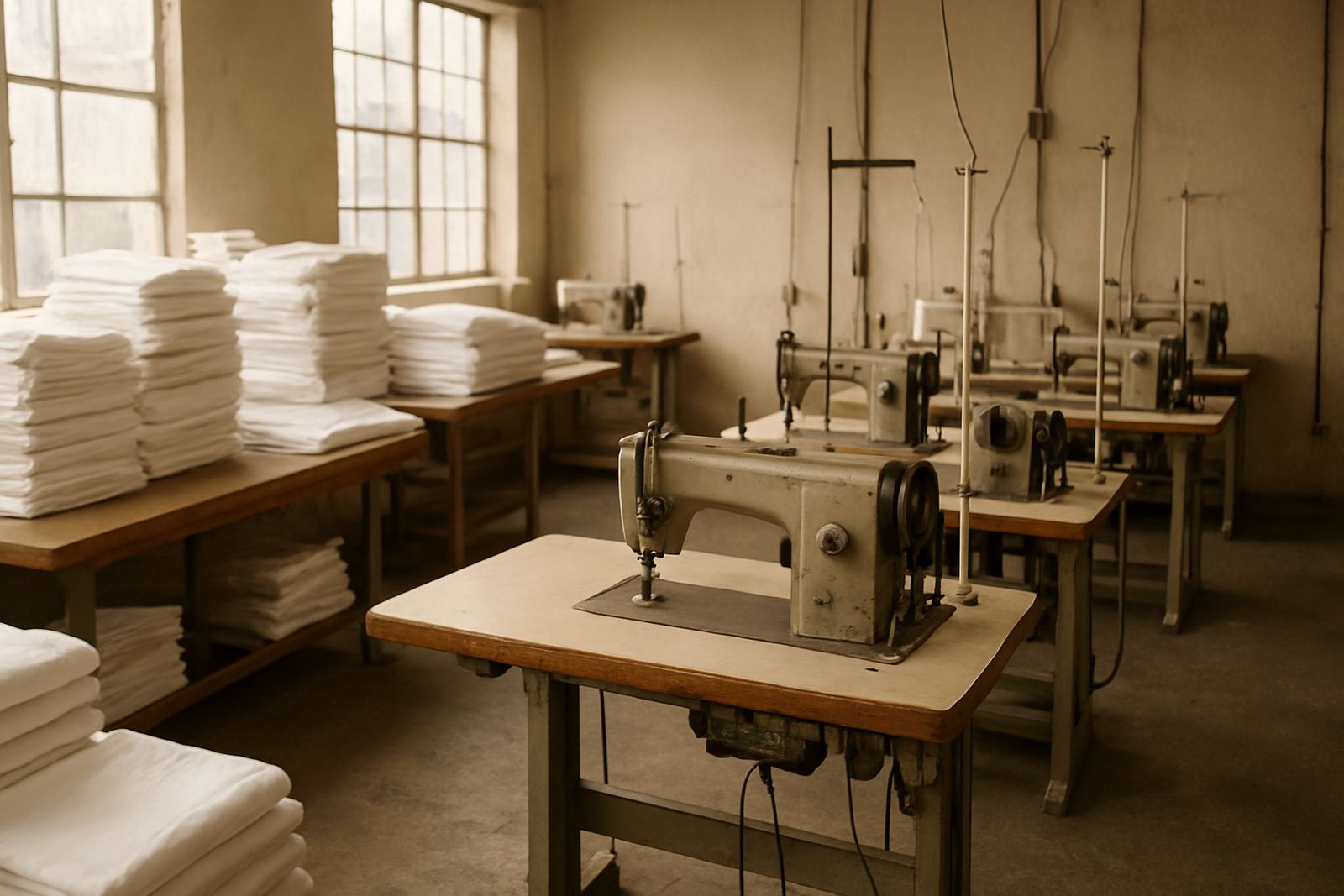
The client was a linen room in Krugersdorp serving regular batch work for local supply and in house finishing. Their team needed a practical layout for straight seaming, edging and bulk folding, with machines that could cope with long runs and still be simple enough for multiple operators to use across a shift.
The brief was straightforward: keep the work moving, reduce handling between stations and make sure the room could cope with load-shedding, uneven power and daily wear. The team also wanted better consistency on hems and edges, plus faster turnaround when larger batches came in. They had limited floor space so every table, stand and press position had to earn its keep.
- Work type: straight seaming, edging, bulk folding and finishing
- Location: Krugersdorp, with support from our Johannesburg CBD base
- Users: mixed skill levels, including new operators
- Main target: smoother output with fewer reworks and less downtime
Room constraints and layout planning
The biggest constraint was floor space. The room had to keep a clean path for movement while still allowing enough surface area for sorting, stitching and folding. We planned the stations so raw stock would enter one side, pass through sewing and edging, then move to folding and packing without backtracking. That cut wasted steps and helped the supervisor keep sight of the whole room.
Power stability was another issue. Like many industrial spaces in Gauteng, the site had to deal with load-shedding and occasional voltage drops, so the equipment selection had to be sensible and easy to bring back online after an interruption. We also checked plug points, cable runs and machine positions so the setup would not create trip hazards or strain on the operators.
- Clear movement lanes between stations
- Machine positions set for right handed and left handed operators
- Power points checked for safe cable routing
- Layout kept open enough for trolleys and folded stock
What we supplied and set up
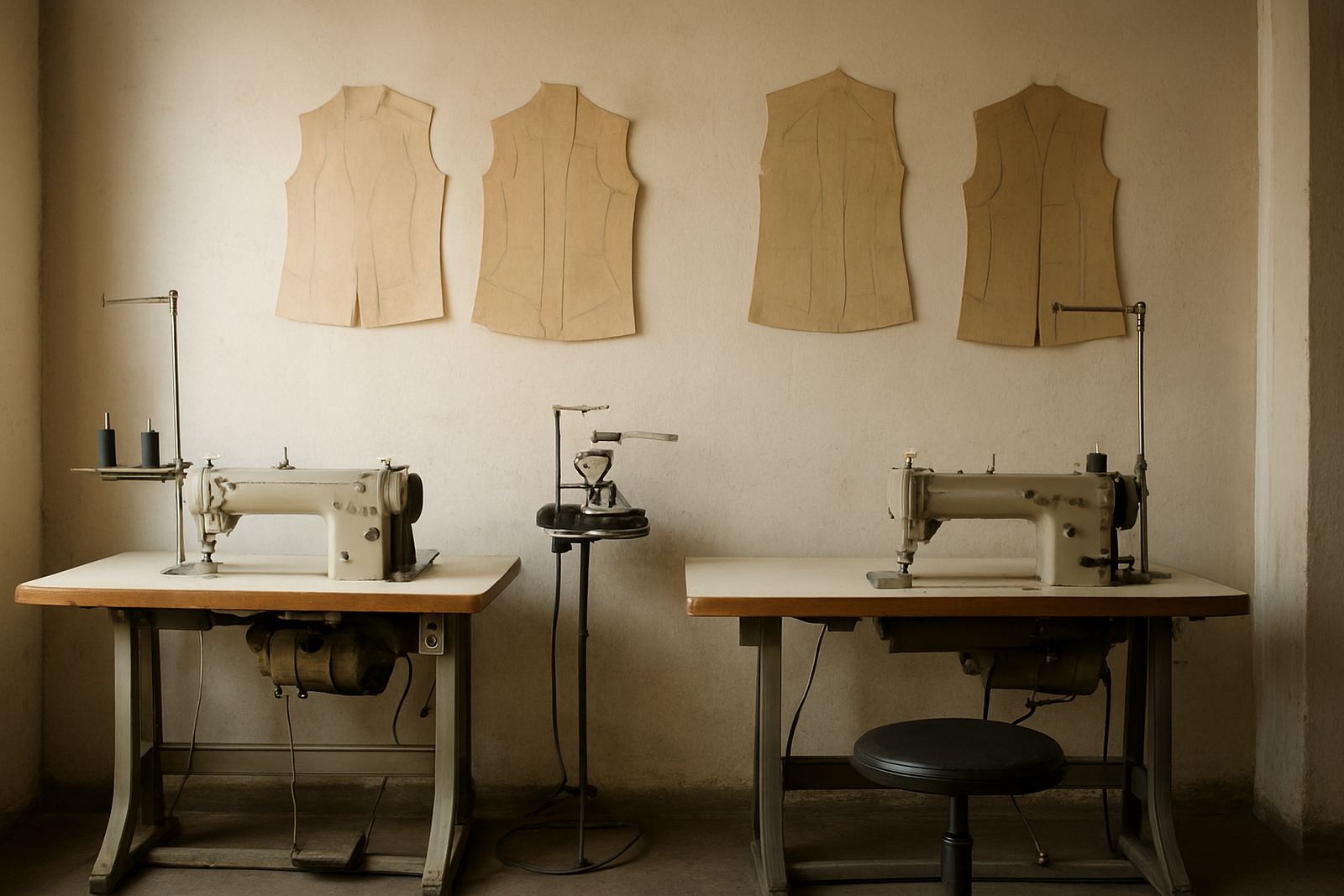
We supplied industrial sewing machines suited to straight seam work, a machine for edging tasks, and a pressing station for final crease control and finish quality. A bulk folding table was added to support orderly stacking, with storage points placed close to the fold area so finished linen could be counted and moved quickly. We also supplied spares, attachments, threads and basic haberdashery to keep the room supplied for routine production.
Our workshop team carried out installation, timing adjustments and stitch checks before handover. The machines were set for the fabrics used on site, including lighter linen blends and heavier hospitality type items. Where needed we completed motor conversions and adjusted the controls so the operators could run the machines safely through longer shifts. A couple of small alignment corrections were done on site, and the presses were checked for even heat and clean pressure across the platen.
- Industrial sewing machines for seam and edging work
- Pressing station for crease setting and finish control
- Bulk folding table and stock organisation points
- Threads, needles, spares and attachments supplied
- Timing, tension and stitch setting completed on site
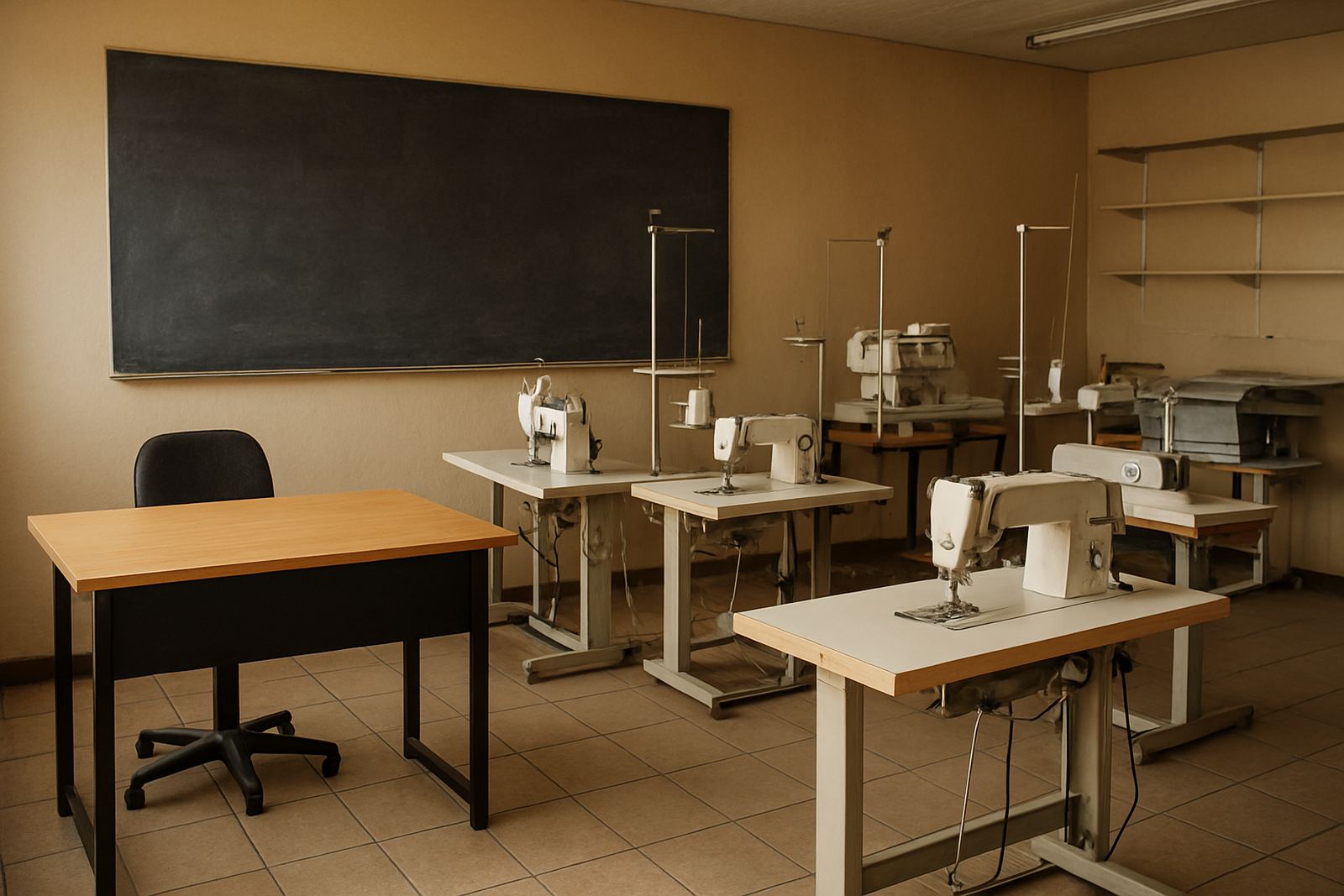
Training for the linen room team
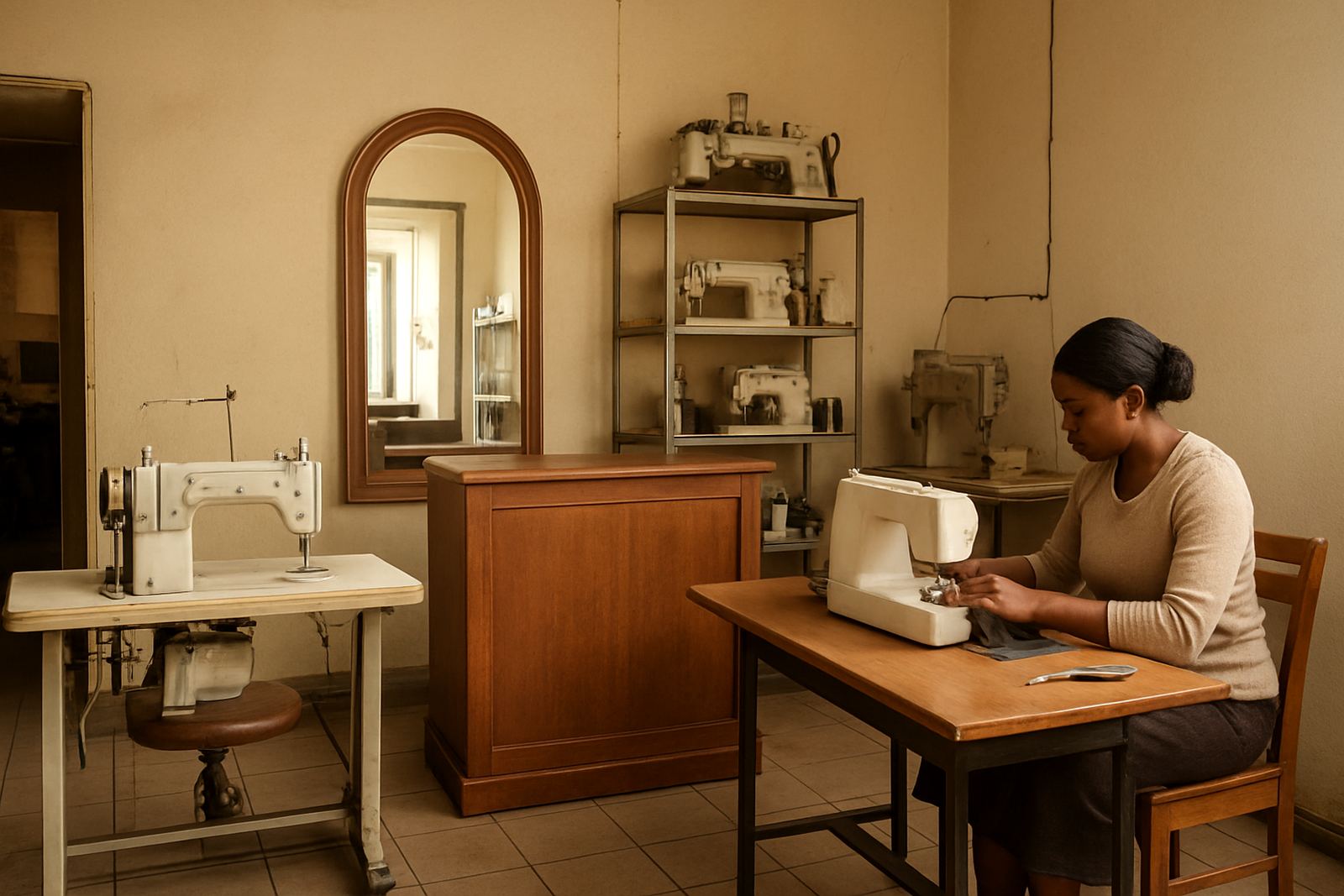
Once the room was running, we spent time with the operators and supervisor on day to day use. The goal was not just to show them how each machine worked, but to make sure they could keep output steady when the room was busy and the pressure was on. We covered thread changes, basic cleaning, safe shut down after power cuts and the correct steps for clearing simple snags before they became stoppages.
We also showed the team how to recognise early signs of timing drift, worn needles and tension problems. That kind of early notice saves time, because a small fault can turn into a full stop if it is ignored. The supervisor was given a practical checklist for the opening of the shift and end of day routine, so the room could stay tidy and the machines would last longer.
- Daily cleaning and oiling routine
- Needle, thread and tension checks
- Safe restart after load-shedding
- Quick fault spotting for operators and supervisors
Timeline from first visit to handover
The full project ran over three weeks. In week one we assessed the room, measured the available space and confirmed the best machine mix for the workload. In week two we completed supply, installation and the main setup work, including stitch calibration and press checks. In week three we returned for training, final adjustments and a follow up service check once the room had started producing its first batches.
That staging mattered because it let us correct any practical issues while the operators were actually using the room. We prefer that approach on workroom projects, since it shows whether the flow really works instead of only looking neat on paper. In this case the final tweaks were minor, mainly table height and stock positioning, so the handover was quick and clean.
- Week 1: site assessment and measurements
- Week 2: supply, installation and machine setup
- Week 3: training, testing and final adjustments
Results and what we would repeat
The finished linen room gave the client a clearer production line, better consistency on seams and edges, and faster folding at the end of the process. Operators were able to settle into their stations with less confusion, and the supervisor had a more manageable room to oversee. After the first production runs, the client reported fewer interruptions and better control over the finish quality across batches.
If we were doing the same job again, we would keep the same basic approach: measure the room first, place the machines around the actual workflow, and do hands on training after the setup is complete. We would also continue to factor in local power conditions, because a linen room that works well in normal conditions but struggles during load-shedding is not a good investment. For this kind of site, practical layout beats fancy extras every time.
- Cleaner workflow from sewing through to folding
- Better consistency in hems and edges
- Less downtime from simple operator errors
- Room easier to manage during busy periods
Support available after the project
For linen rooms, the real value comes after handover. Machines need routine servicing, timing checks and the occasional repair when a batch schedule gets tight. From our Johannesburg CBD base we support customers across Gauteng, including Krugersdorp, Fordsburg, Mayfair, Soweto, Germiston, Pretoria, Alberton and Randburg. We handle workshop repairs, on site repairs, parts sourcing and routine servicing for industrial and household sewing machines, embroidery machines and fusing presses.
Clients reach us through the enquiry form on our contact page when they need assistance or want to plan a new workroom. That makes it easy to arrange help for a linen room, school workroom, tailoring floor or factory space without losing time on back and forth. If the room needs a spare part, a pressed station service or another machine added later, we can support that as well.
- Routine servicing and on site repairs
- Parts sourcing and attachments
- Workroom planning for new or expanding rooms
- Operator training for mixed skill teams
Key facts
| Project type | Linen work area fitout |
|---|---|
| Town | Krugersdorp |
| Work area | Straight seaming, edging and bulk folding |
| Timeline | 3 weeks |
| Main supply | Industrial sewing machines, pressing station, threads, spares and attachments |
| Support | Setup, training, adjustments and follow up service |