What the Soweto uniform workshop needed
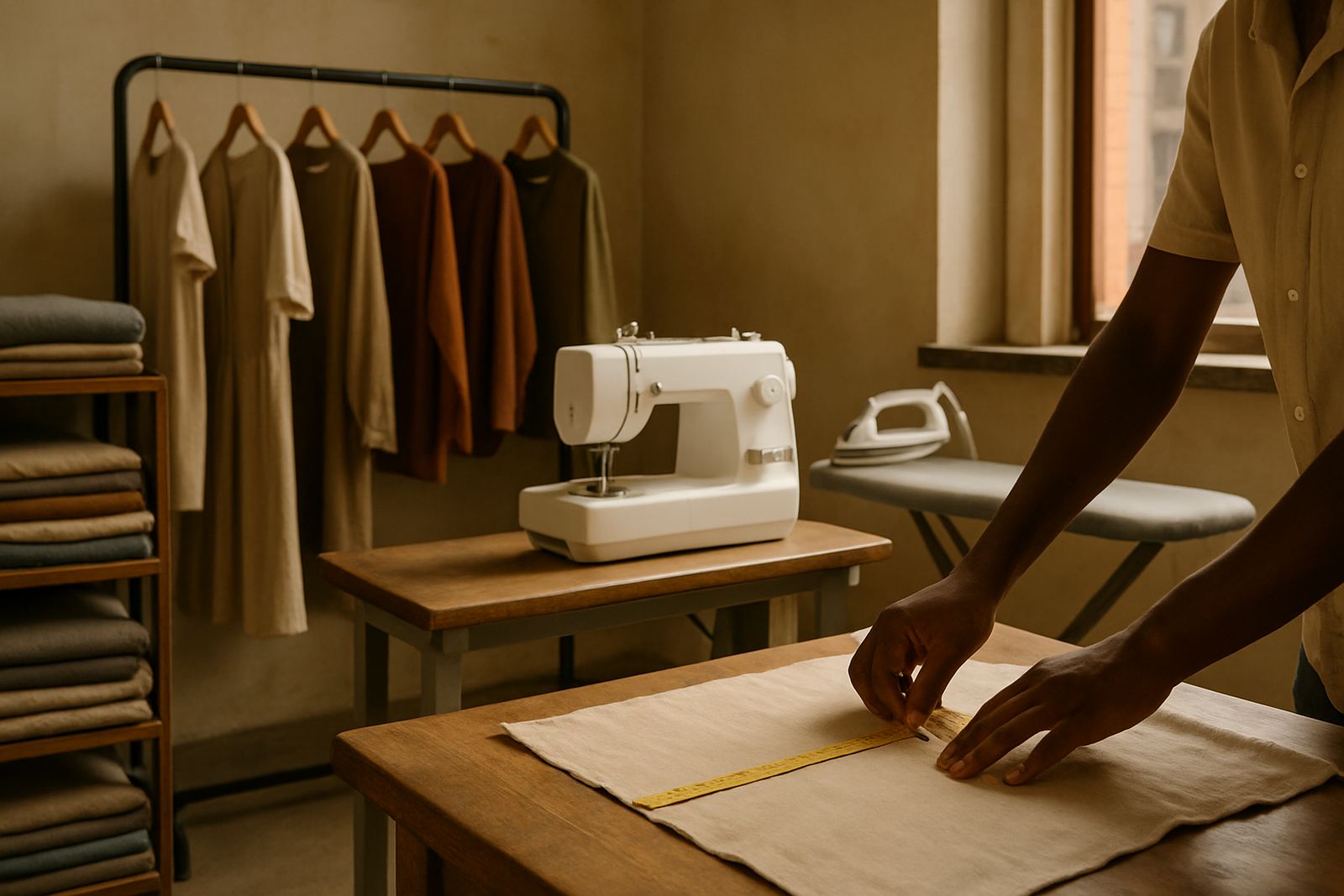
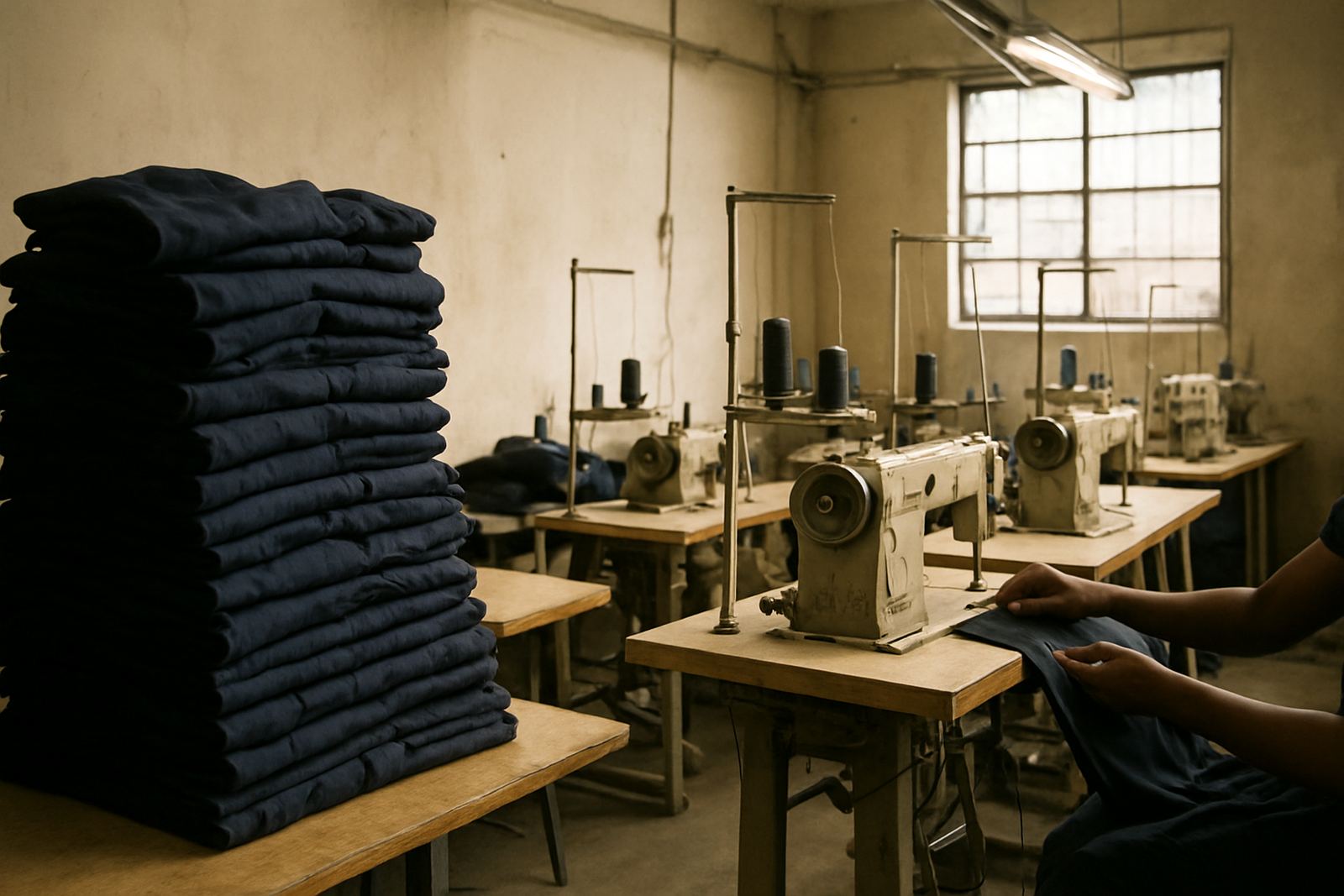
This job came from a growing uniform workshop in Soweto that was taking on schoolwear, workwear and basic alterations for repeat customers. The owner wanted better control over stitching consistency, faster pressing and less back-and-forth between tables and machines. The main brief was simple: help the workroom handle a higher volume of small and medium repeat orders without creating bottlenecks.
The workshop had good people and a solid customer base, but the equipment mix was uneven. Some machines were slower than the work required, one pressing point was overheating the room, and the finishing area was too cramped for smooth movement. There was also a need for practical operator training because different staff members were handling different parts of the line through the day.
- Client type: uniform workshop serving schools, small businesses and community groups
- Town: Soweto, Gauteng
- Work type: repeat stitching, hemming, finishing and pressing
- Goal: better flow from cut work to final press
The constraints we worked around
The workshop was inside a busy trading area where deliveries and collections had to fit around foot traffic and limited parking. Power interruptions were also a concern, so the machine selection had to suit a workroom that could lose time during load-shedding and then need to restart quickly. We also had to keep the setup practical for a team that works long days and cannot afford equipment that is fussy to adjust.
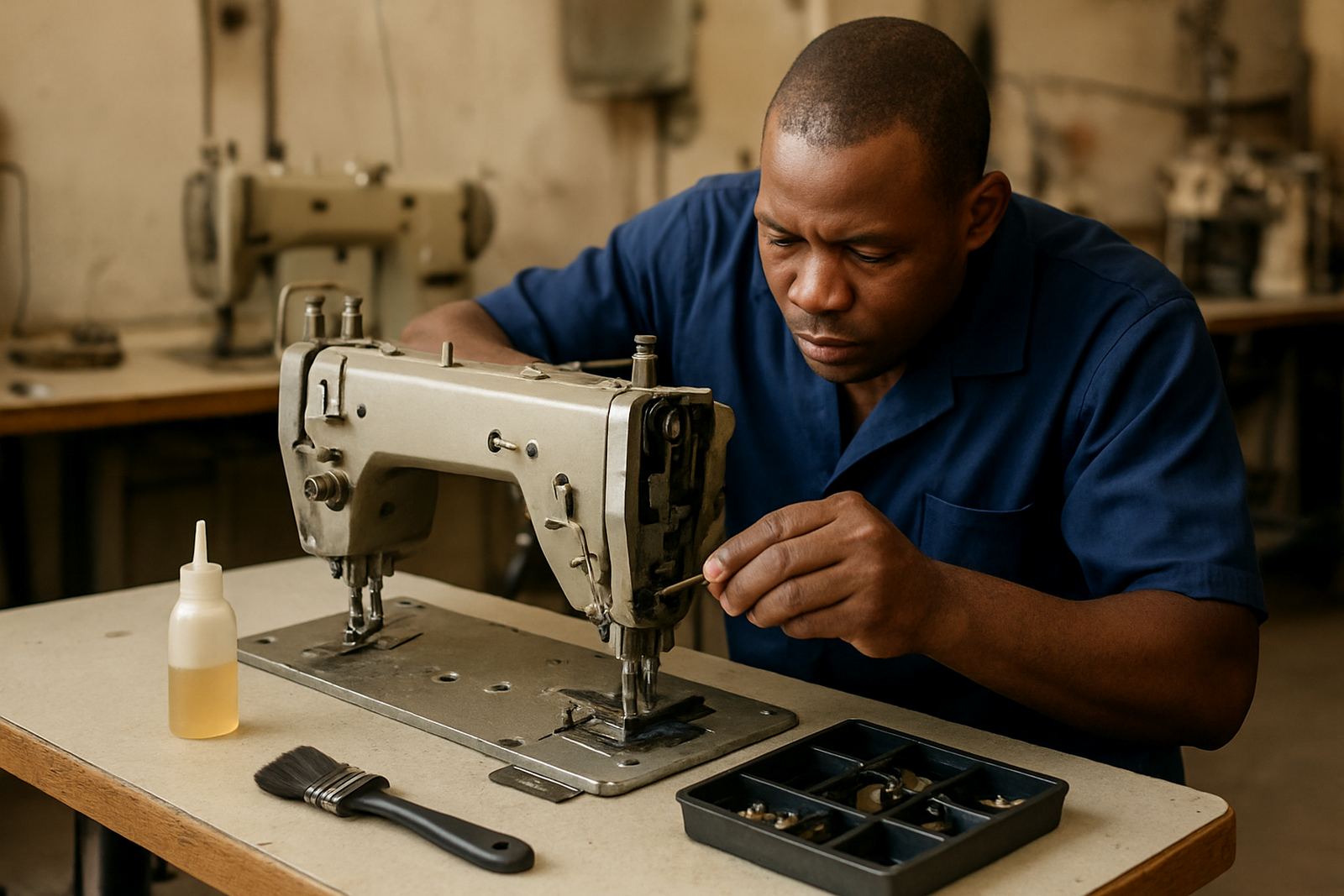
Humidity and dust were part of the picture too. The press area needed airflow, and the machines needed regular cleaning points that staff could reach without stopping the line for too long. We planned the installation around the existing floor space and kept the layout tight but workable. No fancy changes, just a cleaner path for materials and hands.
- Limited floor space and narrow walking lanes
- Intermittent electricity supply during working hours
- Need for simple controls and easy servicing
- Heat build-up near pressing and finishing stations
Machine mix and workshop setup supplied
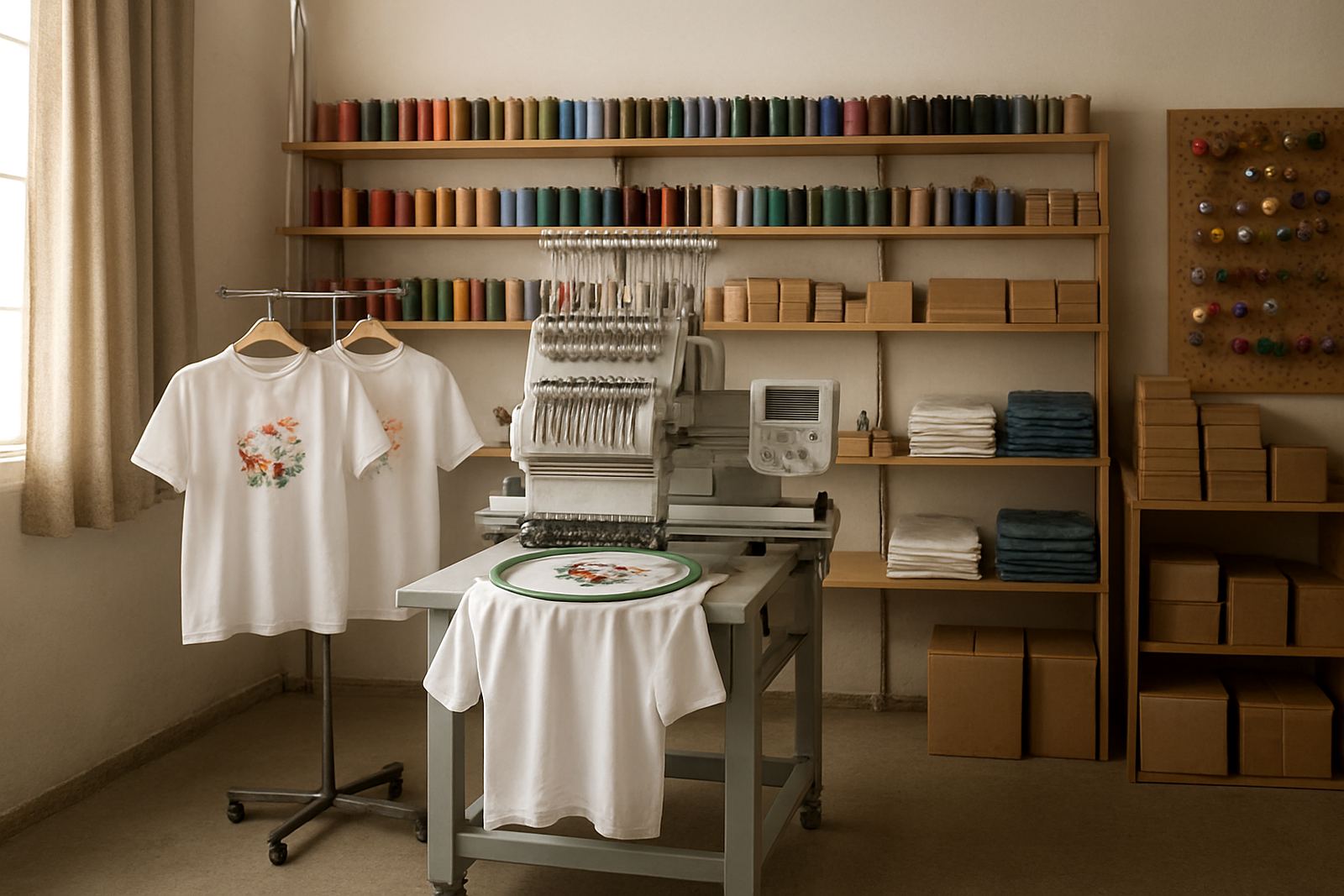
We supplied and installed a practical combination of industrial sewing machines, a computerised embroidery unit for name marking and badge work, and a fusing press for garment prep and interfacing. The setup also included attachments, threads, spares and haberdashery items that the team uses every week. For the heavier finishing work we added a dependable pressing station arrangement with enough space for one operator to press while another prepares the next bundle.
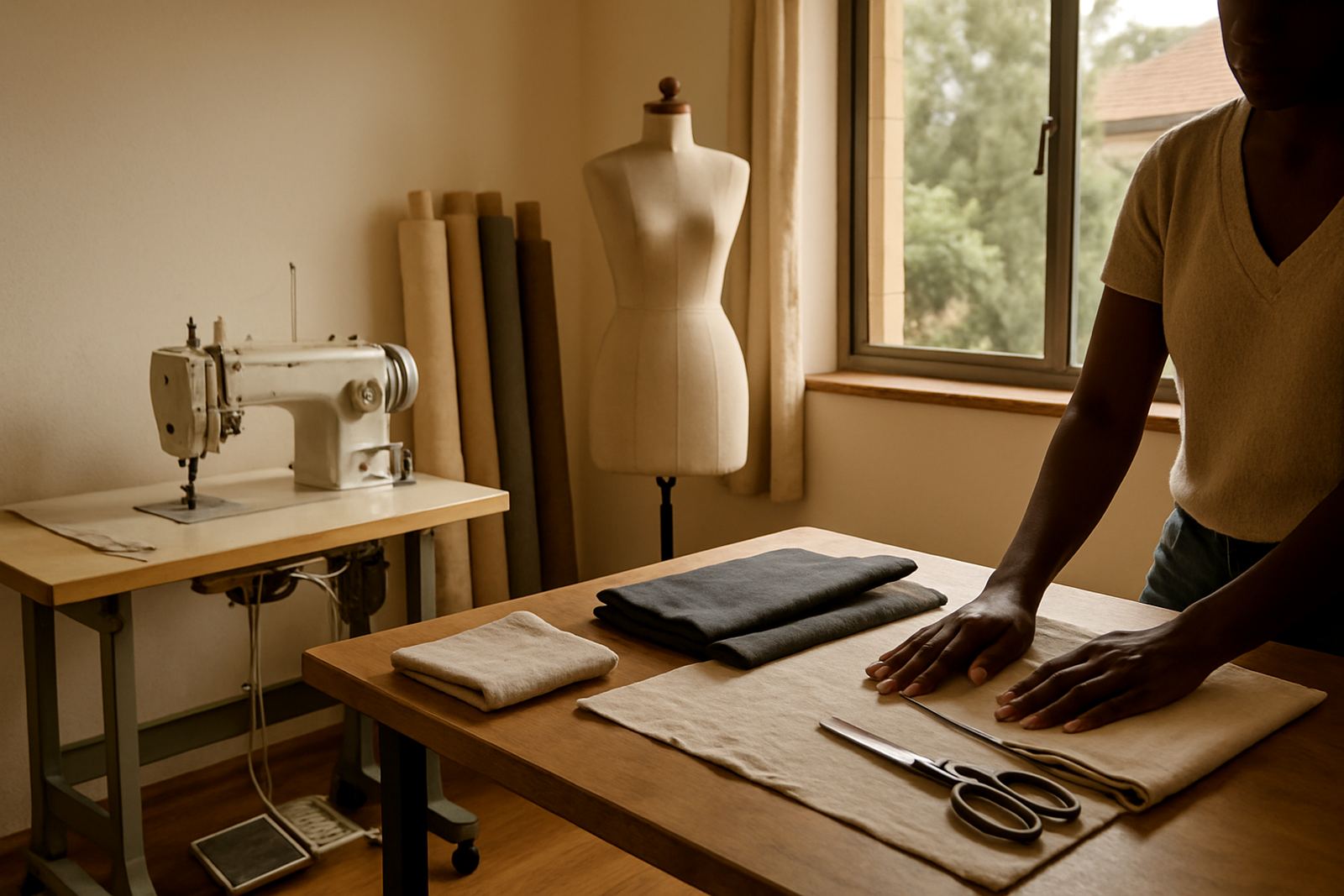
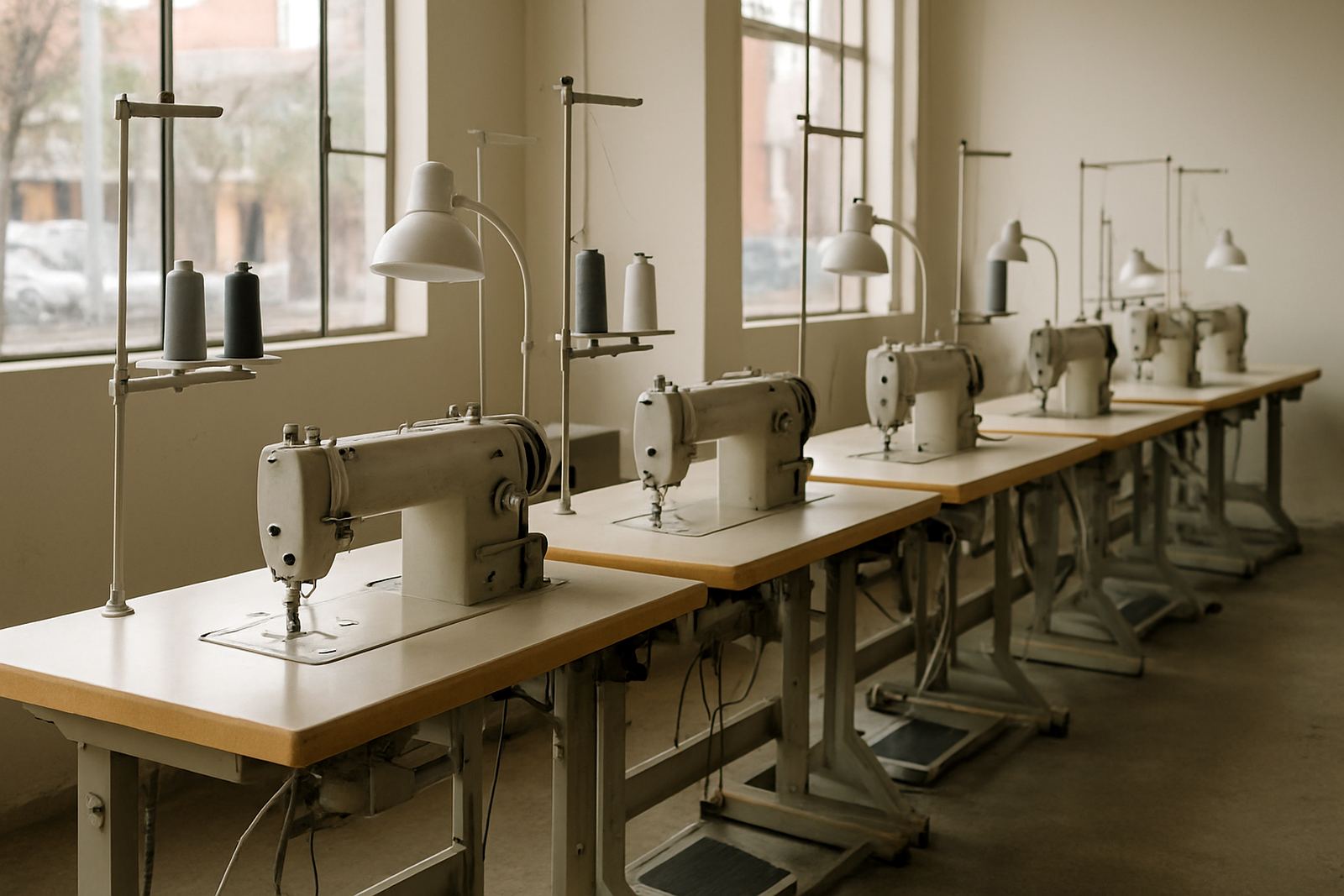
The industrial machines were set up for straight stitch work, joins, hems and repetitive seams. We also did timing adjustments and motor conversions where needed so the machines matched the workshop pace. The embroidery machine was positioned away from the main stitch line to reduce movement across the room, and we set it up for clean thread handling and repeat logo runs. The fusing press was installed where heat could be managed properly and where garments could move in and out without crowding the operators.
- Industrial sewing machines for repeat garment stitching
- Computerised embroidery machine for names, badges and marks
- Fusing press for collars, facings and prep work
- Pressing station set-up for final finishing
- Spare needles, feet, bobbins, threads and small parts
Installation, servicing and training over four weeks
The project ran over four weeks from first site visit to handover. Week one covered assessment, measurements and a check of the existing power points and workspace flow. Week two was the delivery and machine placement, followed by installation and alignment. In week three we completed testing, set stitch quality on the main machines and trained the team on routine care. Week four was used for fine tuning, operator support and final checks after the workshop had been running under real workload.
Yusuf Patel handled workshop coordination, while Lerato Mokoena worked with the owner on the equipment list and order phasing. Naledi Khumalo set up the embroidery side and checked thread tension and sample output. Willem van Wyk attended on site for installation and timing work, and Anele Dlamini sourced the parts and accessories needed to keep the line stocked. Farah Ismail stayed in touch with the client on follow-up questions and service planning. It was a busy job but it stayed orderly because everyone knew their part.
- Timeline: 4 weeks from survey to handover
- Site work: installation, testing and operator training
- Support: parts sourcing and workshop follow-up
- Service plan: routine servicing and adjustment checks
What changed after the handover
The most noticeable change was flow. Cut bundles now move through stitching, fusing and pressing with less waiting time between stages. That matters in a uniform workshop because the same garment often passes through the same hands more than once and every extra step costs time. The owner reported that the team could finish batches more steadily, with fewer return jobs for loose seams or poor pressing.
Stitch quality improved because the machines were matched to the work instead of being pushed beyond their comfort range. The embroidery machine gave the workshop an extra service line for local schools and organisations that need names, logos and numbering in small runs. The fusing press also reduced the number of garments needing rework due to poor adhesion. It is a simple thing, but a good press makes the whole garment look neater.
- Better line flow from stitching to pressing
- Fewer delays between operations
- Cleaner repeat stitching on daily output
- Added income from embroidery and marking work
What we would do again on a similar Soweto job
We would take the same approach again: measure the workroom first, keep the machine mix practical and make sure the operators are trained before volume goes up. In a place like Soweto, where a workshop can grow quickly through referrals and school contracts, it helps to plan for repeat work rather than one-off jobs. That means enough spare parts on hand, easy access for servicing and a layout that does not trap staff in one corner.
We would also keep the service plan local. Workshops in Soweto, Fordsburg, Mayfair and Germiston often need quick attention when a machine starts skipping stitches or a press loses heat. A small issue can stop a whole line. That is why we always build in routine servicing, basic operator checks and parts support from the start. It saves time, and it saves money too.
If a uniform workshop is thinking about adding machines or reworking the floor layout, this is the kind of job where practical choices pay off. No overcomplication, just equipment that suits the volume, the room and the team.
Key facts
| Project town | Soweto, Gauteng |
|---|---|
| Client type | Uniform workshop |
| Project duration | 4 weeks |
| Main equipment | Industrial sewing machines, embroidery machine, fusing press |
| Core services | Installation, servicing, training, parts sourcing |
| Output focus | Repeat stitching, finishing and pressing flow |