The Pretoria brief and the workroom plan
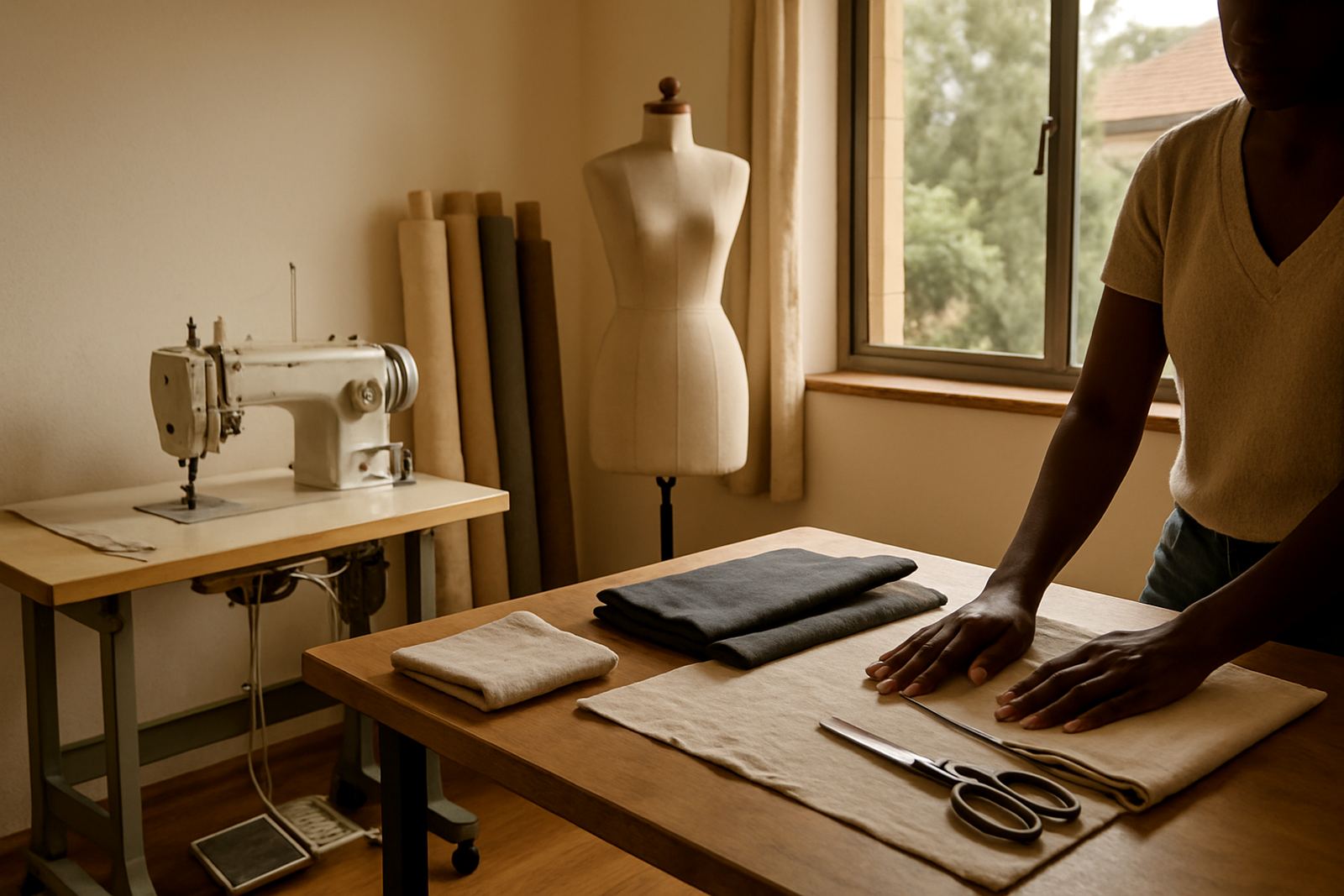
The client was a home-based dressmaker in Pretoria working from a spare room and a covered patio area. The aim was to turn both spaces into one organised studio for household sewing, pattern work and pressing, without crowding the rest of the house or creating a mess when family members moved through the room.
The brief was clear: one main sewing point, one cutting area, proper pressing, and storage that would keep tools out of sight but close at hand. The client also wanted a setup that could cope with load-shedding and the heat that builds up in Pretoria summers. We took measurements for the room, door openings, plug points and the patio floor level before recommending the layout.
- Space used: 1 spare room plus covered patio
- Primary work: dressmaking, alterations and sample pieces
- Machines: household sewing machine, overlocker, pressing unit
- Power needs: backup plan for short outages
Constraints we worked around in a city home
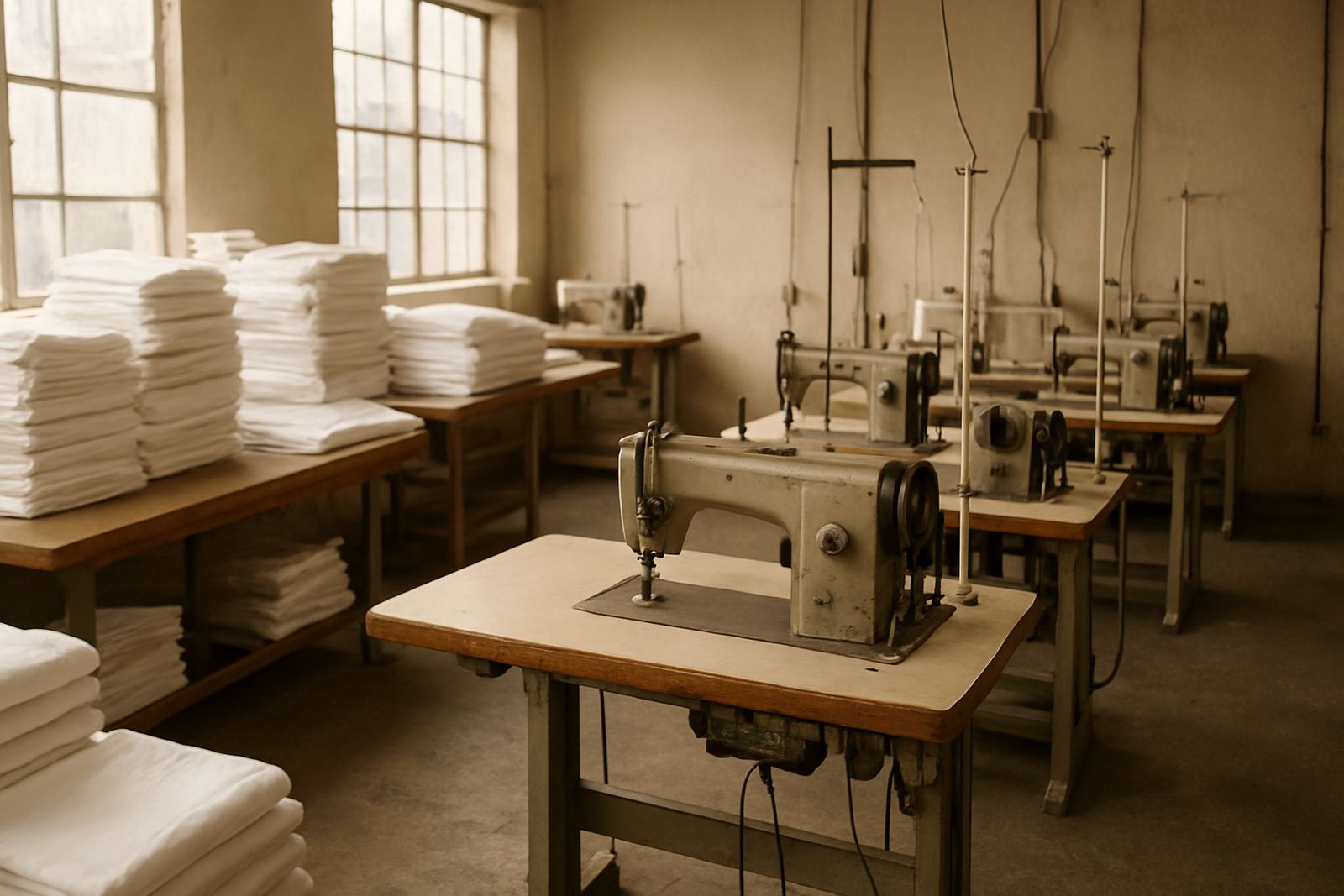
This was not a factory floor and it was never meant to be. The room had one wall with a low window sill, limited plug points and a narrow passage through to the laundry area. The patio had good light but needed to stay dry and dust free. We also had to allow for the client to pack away stock at night because the home is used by the family after hours.
We kept the layout simple. The sewing machine sits close to the wall so the operator can work without cable clutter. Cutting happens on a stable table at standing height, and the pressing area is placed away from the sewing machine so steam and heat do not affect fabric handling. The storage units are shallow enough to avoid blocking movement. No heavy lifting is needed to move everyday items which makes the room easier to manage alone.
- Clear walk-through space preserved for home use
- Pressing area separated from fabric storage
- Shallow shelving used to suit the narrow wall section
- Dust control planned for the patio side of the room
What we supplied and installed
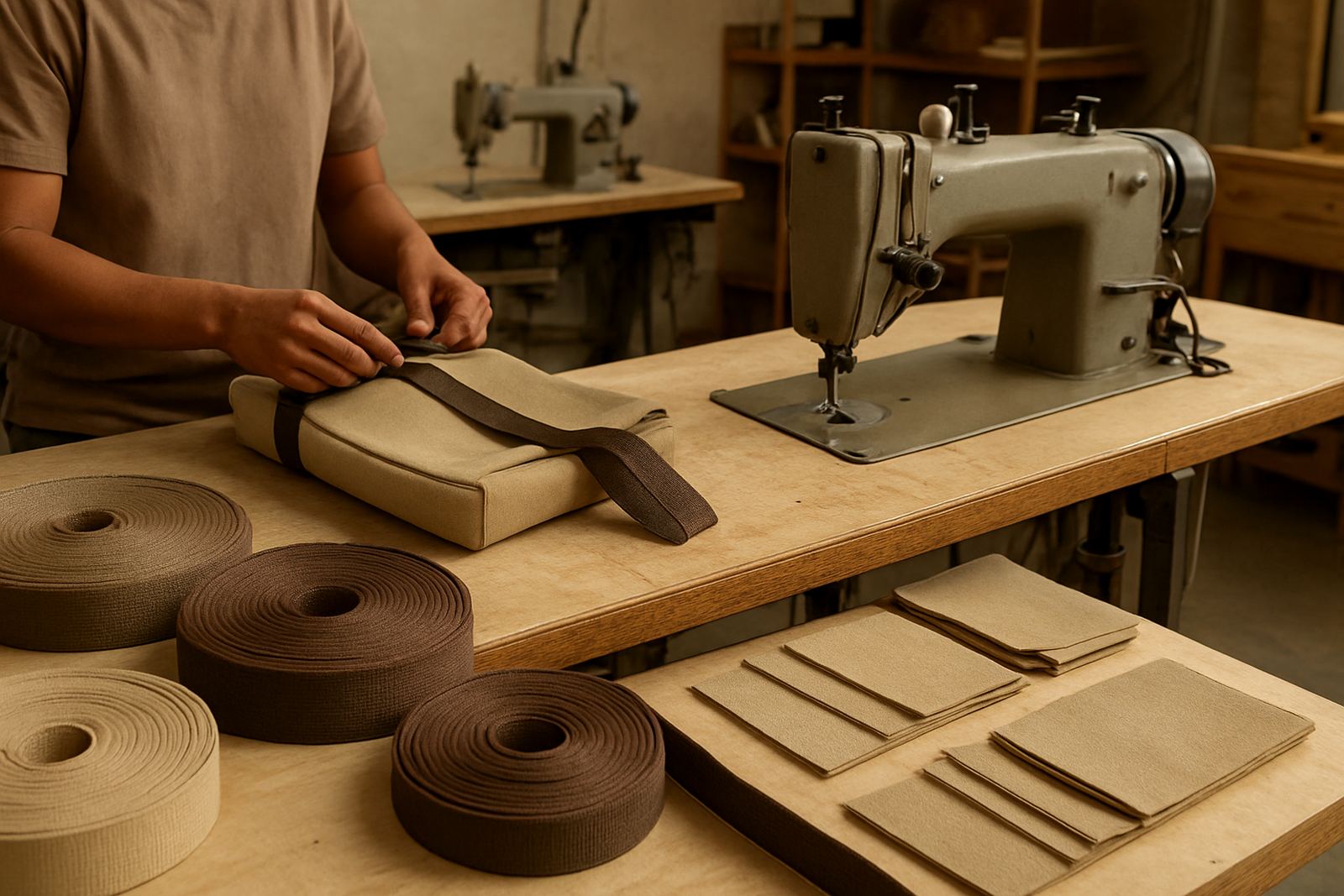
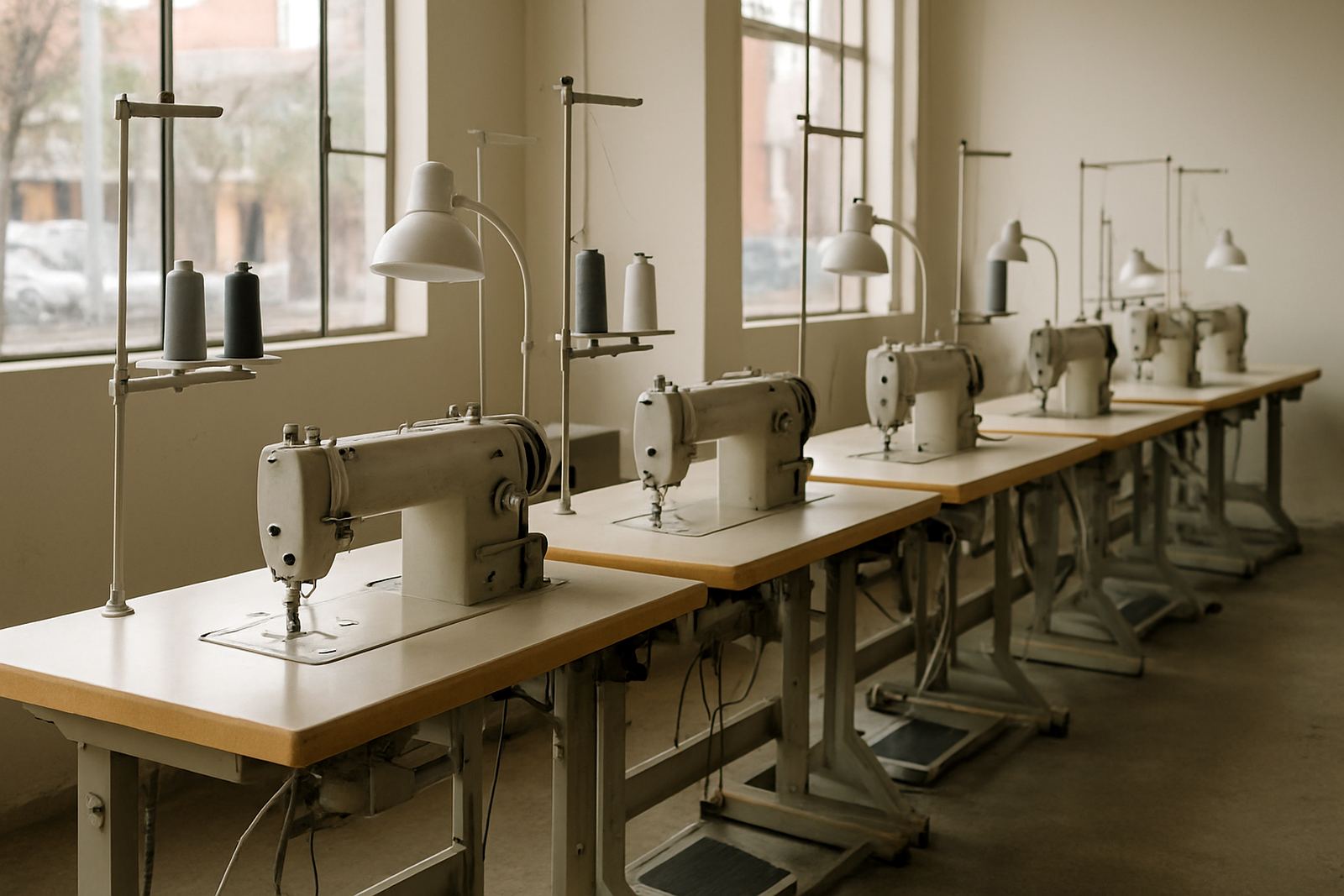
We supplied and set up a practical mix of machines and accessories suited to household dressmaking with regular use. The sewing machine was installed with correct threading, tension settings and stitch checks. The overlocker was positioned for edge finishing and quicker seam work. We also fitted a compact pressing station with a stable board and a steam iron suited to continuous home use.
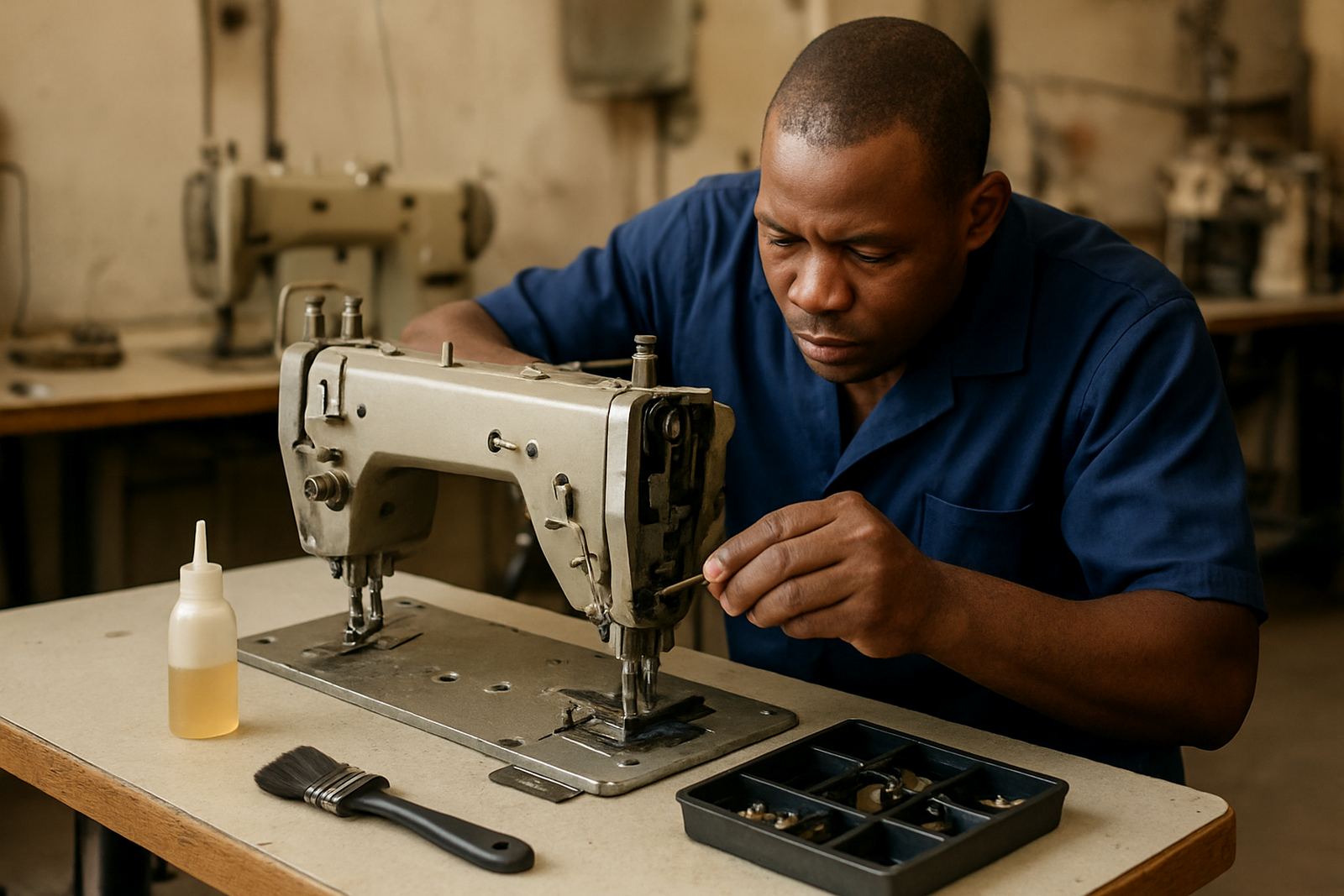
To support the workroom, we added spares and haberdashery that are usually needed in a dressmaking setup: needles, bobbins, machine oil, machine feet, scissors, measuring tools, threads and pressing aids. We also supplied replacement belts and small consumables so the client would not lose a day over a minor fault. The workshop team checked timing, feed and stitch quality before handover and the client received a short operator run-through on care and daily cleaning.
- Household sewing machine installed and tested
- Overlocker positioned for seam finishing
- Pressing station arranged for safe daily use
- Common spares and consumables supplied
Power, maintenance and load-shedding planning
For a home studio, the most common interruptions are power cuts and small service issues that can stop work at the worst time. We planned around that from the start. The machine positions were chosen so cables could be moved quickly, and the client was shown how to shut down safely during load-shedding without leaving fabric under tension or steam pressure in the system.
Because Pretoria homes can experience warm conditions and occasional dust movement from open doors we also set a routine for cleaning lint, checking needles, clearing the bobbin area and storing thread away from direct sunlight. The client was advised on a basic monthly service check and what to watch for, including skipped stitches, uneven feed and noise from the motor. Where needed, we can return for workshop repairs or on site repairs if a machine starts giving trouble.
- Basic load-shedding shut-down steps explained
- Monthly cleaning and oiling routine provided
- Needle, tension and feed check points covered
- Service support available from Johannesburg CBD
Timeline from first visit to handover
The project ran over three weeks from first assessment to final handover. Week one covered the site visit, measurements and layout plan. Week two was used for machine preparation, parts checking and supply of the pressing and storage items. Week three covered installation, testing, training and final adjustments to table height and machine position.
The timing worked well because the client could keep using the room between visits. By splitting the work into stages we avoided disrupting family routines and still completed the setup in good time. The final checks included stitch quality, pressure on the presser foot, table stability and safe cable routing. There was no need for later rework, only one minor adjustment to the cutting table after the client started using larger pattern pieces.
- Week 1: measure and plan
- Week 2: supply and prepare equipment
- Week 3: install, test and train
- Final result: ready for day to day use
Results and what we would do again
The studio now works as a proper home dressmaking room instead of a spare room with machines in it. The client can sew, cut and press without crossing tools over each other, and the room stays tidy enough to shut the door at the end of the day. The layout also made sewing less tiring because the table heights and machine positions were set for regular use rather than temporary use.
What we would do again is keep the plan simple and leave room for growth. If the client adds a second machine later, the storage and power points can still handle it. We would also keep the pressing unit close enough for quick use but not so close that steam becomes a problem. For a home studio in Pretoria, this kind of planning matters more than trying to fit in too much equipment at once.
- Room now supports daily sewing and pressing
- Clutter reduced and storage improved
- Future machine expansion still possible
- Easy to maintain with local service support
Key facts
| Project type | Home based dressmaking studio for household sewing, cutting and pressing |
|---|---|
| Town | Pretoria |
| Duration | 3 weeks from site visit to handover |
| Equipment | Household sewing machine, overlocker, pressing station |
| Support | Installation, setup, testing and operator training |
| Service area | Pretoria with support from Johannesburg CBD and Gauteng |