What our operator training covers
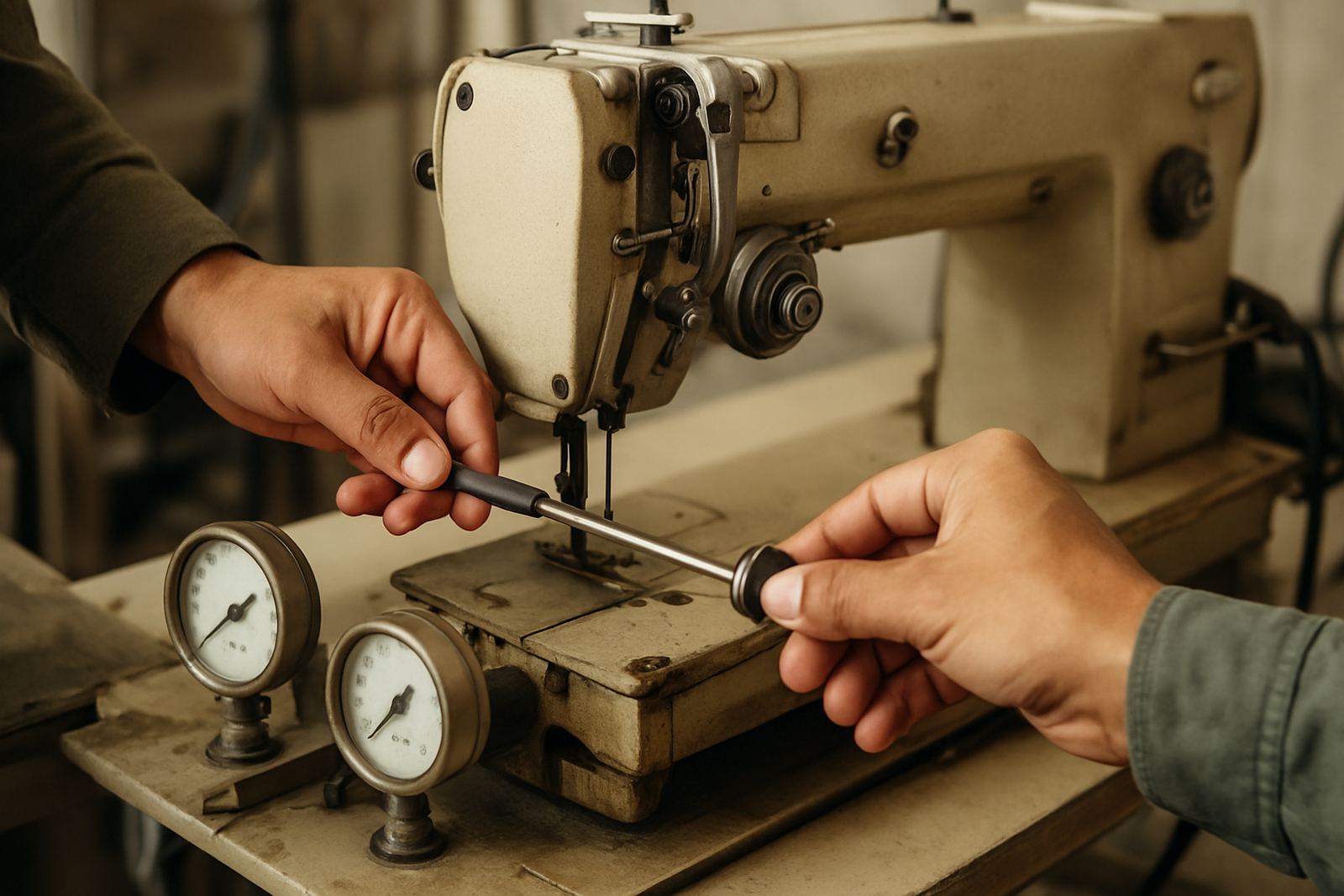
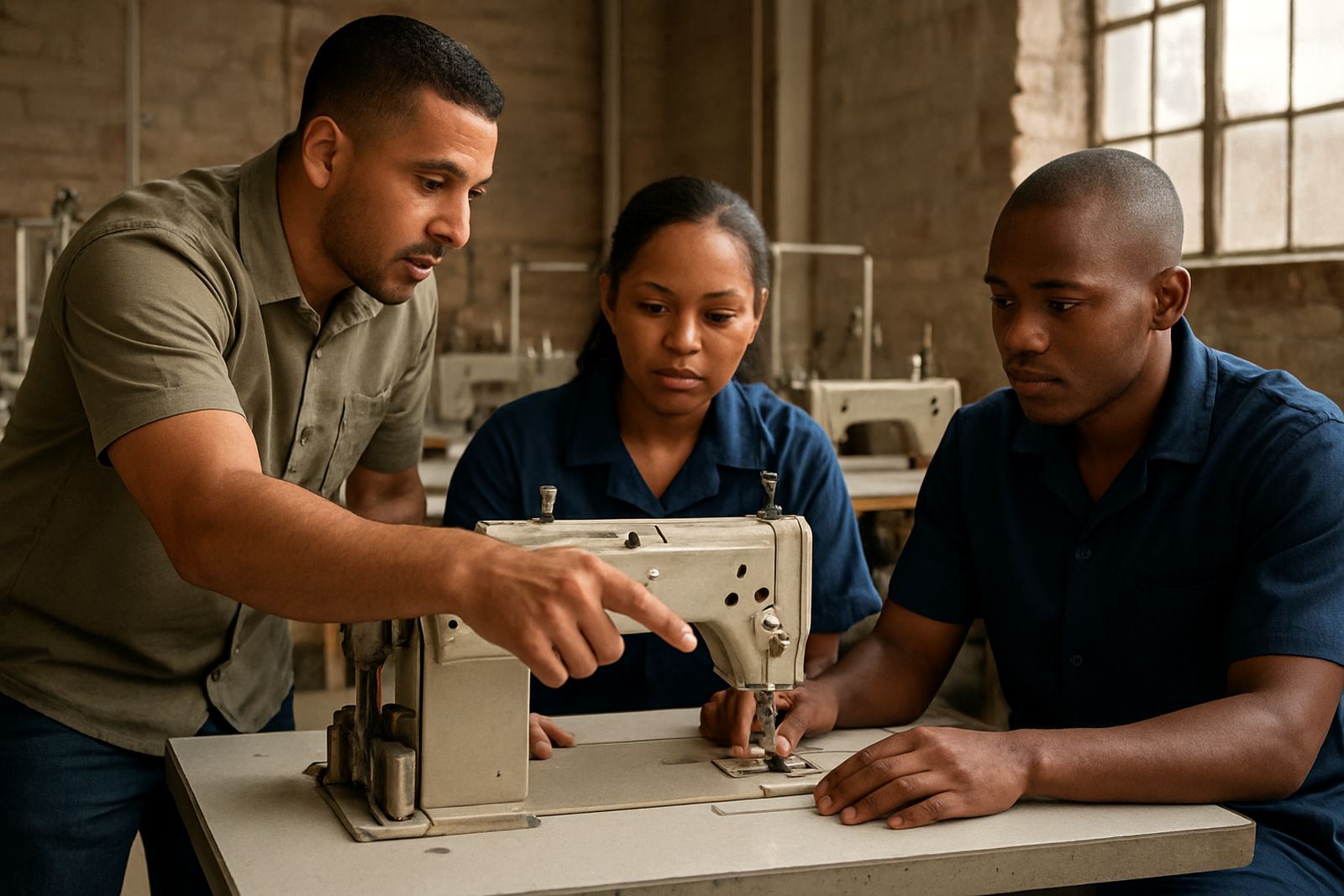
Operator training is practical, hands-on guidance for staff who work with sewing machines, embroidery machines and fusing presses. We keep it focused on the tasks that affect production most: correct threading, needle and bobbin handling, stitch selection, tension checks, safe starting and stopping, and basic cleaning.
The session is suited to factories, school workrooms, tailoring rooms and home-based operators who need clear instruction without jargon. We also show how to spot early signs of trouble such as skipped stitches, uneven feed, thread breaks and overheating motors. That saves time and reduces avoidable call-outs.
- Threading for industrial and household machines
- Needle, bobbin and thread size matching
- Basic control use and speed control
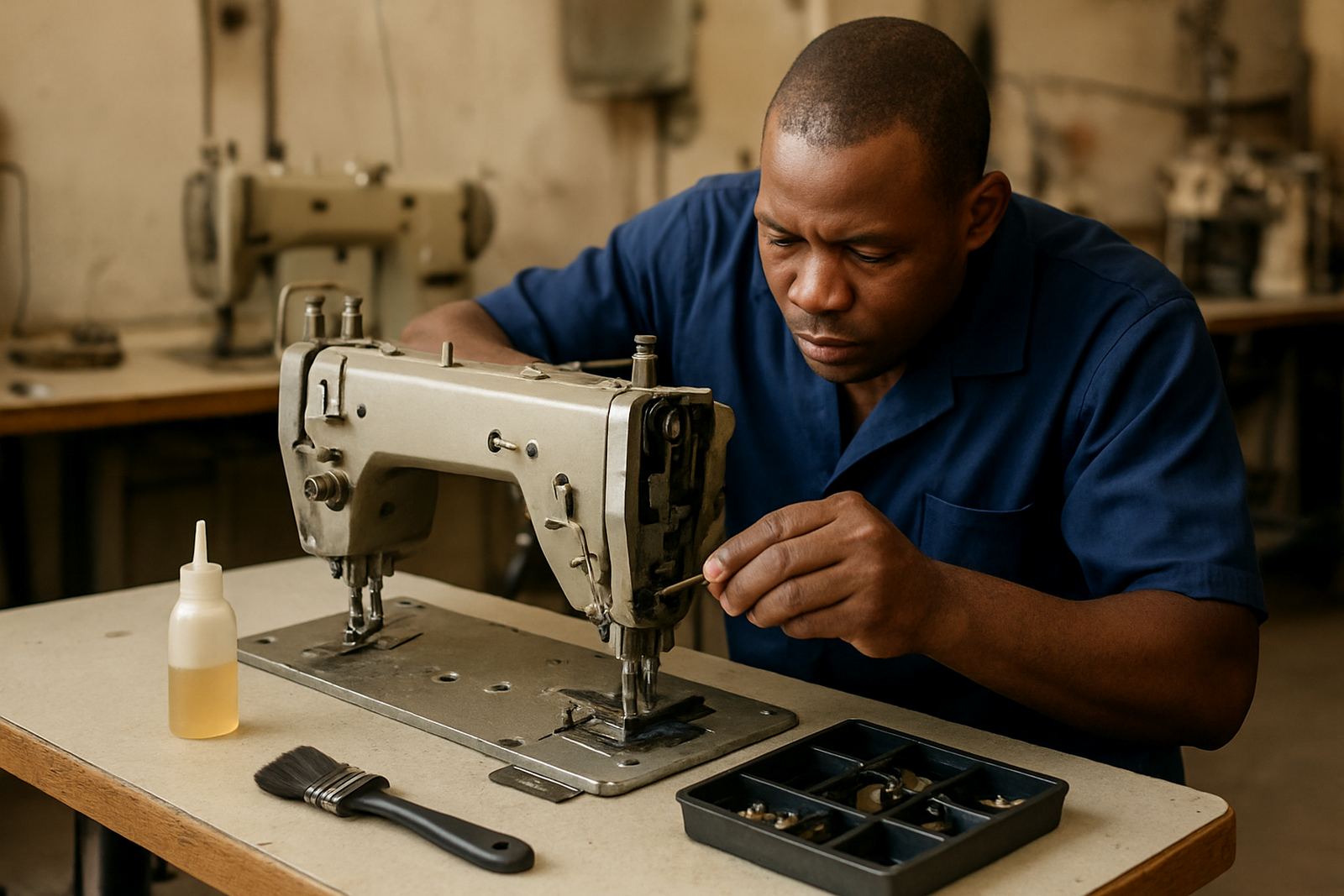
- Daily cleaning and lubrication points
- Safe use around moving parts and hot surfaces
Who this is for in Gauteng workrooms
We train new operators, supervisors and staff who need a refresher after machine changes or staff turnover. It suits sewing floors in Johannesburg CBD, Fordsburg, Mayfair, Soweto, Germiston, Pretoria, Alberton and Randburg, as well as schools that run textile or needlework programmes.
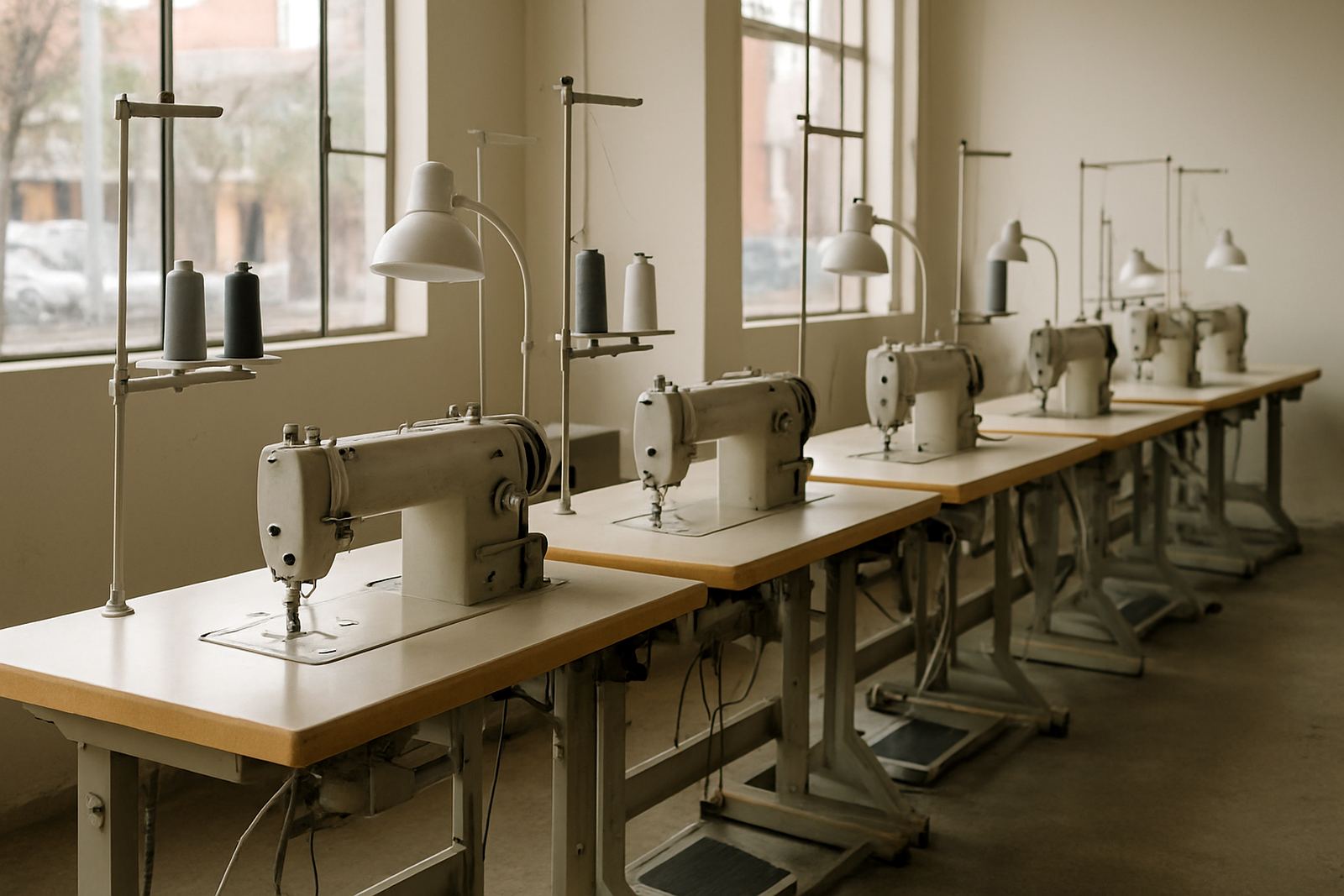
For busy sites, we can group training by machine type so each operator learns on the equipment they actually use. If your floor has a mix of straight stitch, overlock, coverstitch or embroidery units, we split the guidance by station so no one is left guessing. Good training matters most where load-shedding, dust and long shifts put extra strain on machines.
- Factories with multiple operators and shift changes
- Tailors and alterations shops
- Schools and training rooms
- Home sewers moving to industrial equipment
How a training session runs
We start with a short check of the machines on site, then confirm the skill level of the operators and the work being done. After that we work through the key steps on each machine type, with time for questions and supervised practice. If a machine is not set up correctly, we explain the reason and correct it during the session where possible.
Training can be done during installation, after a service, or as a standalone visit. Most sessions run for 1 to 3 hours depending on the number of operators and machines involved. For larger rooms, we recommend a supervisor or team lead attends so they can keep the standards consistent after we leave.
- Initial machine check and setup review
- Demonstration on the correct machine
- Operator practice with supervision
- Questions, corrections and final notes
Typical topics we cover on the floor
We keep the training practical and focused on daily use. The aim is to help operators work faster without forcing the machine or making avoidable mistakes. That includes basic checks before start-up, how to handle thread and fabric properly, and what to do if the stitch starts looking off.
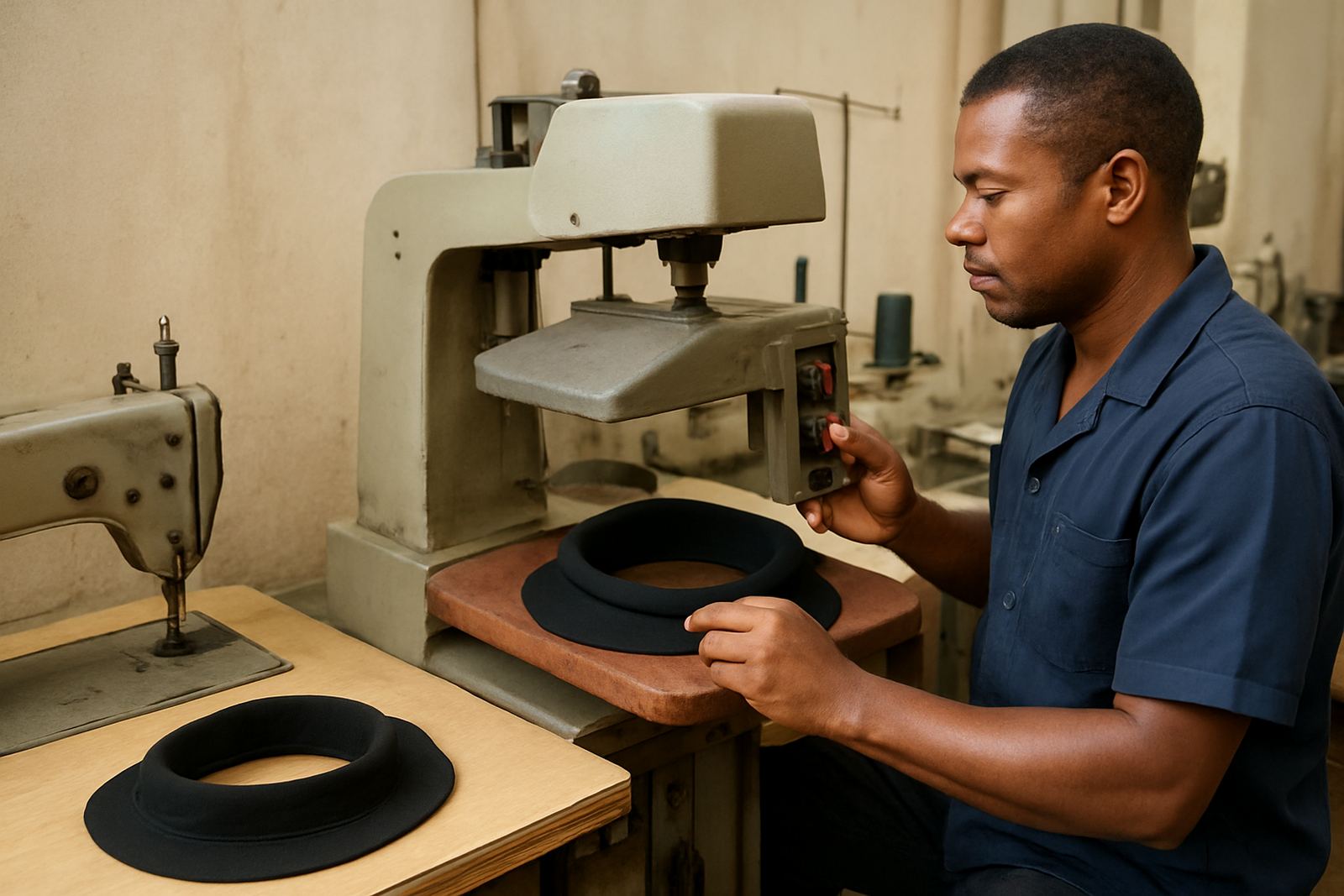
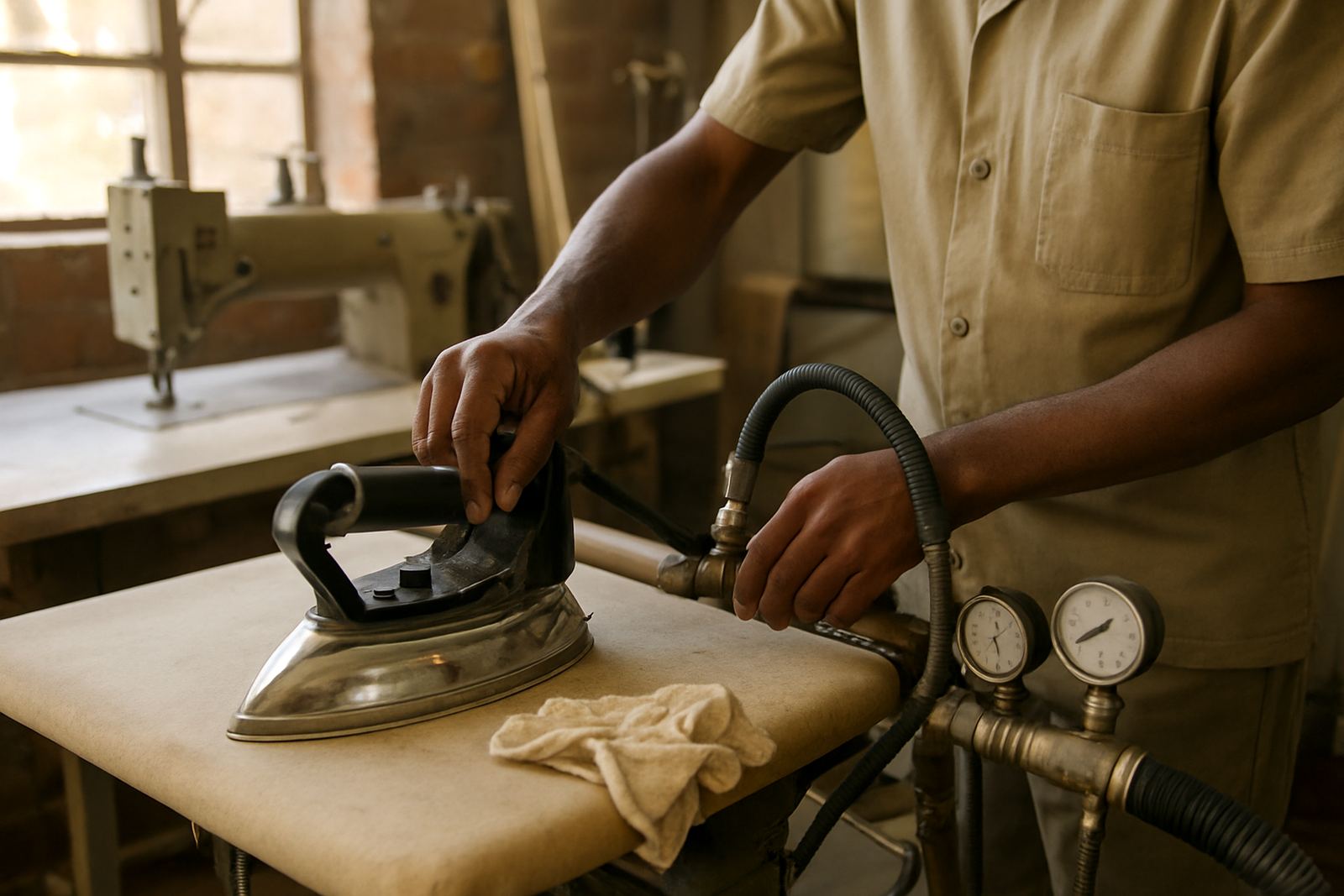
For embroidery machines, we cover hoop placement, thread path checks, stabiliser use and simple file handling as part of the setup process. For fusing presses, we explain temperature setting, dwell time, pressure adjustment and cool-down handling. For industrial sewing machines, we explain how to set speed, manage seam starts and maintain stitch quality across long runs.
- Thread path and tension basics
- Needle selection for fabric type
- Stitch length and speed control
- Embroidery hooping and stabilising
- Fusing press temperature, pressure and timing
Turnaround, pricing and booking
Turnaround depends on the size of the team and whether training is bundled with installation or repair work. Small sessions can often be arranged quickly, while larger workrooms may need a planned visit so we can prepare the correct machines, attachments and notes. We work from the Johannesburg CBD and serve clients across Gauteng, so scheduling is usually based on route and workload.
Our pricing is given according to the number of machines, the number of operators, travel requirements and whether the session includes setup checks or extra troubleshooting. We aim to keep it fair and transparent. If there are several machine types on site, we quote by the actual scope rather than charging a one-size-fits-all rate.
- Quoted by site, machine type and team size
- Can be combined with installation or servicing
- Travel included based on location and access
- Best arranged after hours for busy production lines where needed
Keeping standards steady after the session
Training is most useful when it is repeated at the right intervals. For active production rooms, we suggest a refresher every 3 to 6 months, or sooner when new staff join, machine models change or stitch issues keep showing up. In dusty rooms or sites running long hours, daily cleaning and weekly checks become even more important.
We also advise maintenance checks at set intervals so the operators do not carry on using a machine that needs attention. A trained operator can spot the early signs, but a proper service still matters. If your team keeps a simple routine, machines last longer and run better, even when the pace picks up and the power supply is unstable.
- Daily lint removal and thread path checks
- Weekly needle, tension and feed checks
- 3 to 6 monthly refresher training
- Service follow-up if issues keep returning
Key facts
| Training type | Hands-on operator guidance for sewing, embroidery and fusing equipment |
|---|---|
| Session length | Usually 1 to 3 hours, depending on team size and machine count |
| Coverage area | Johannesburg CBD, Fordsburg, Mayfair, Soweto, Germiston, Pretoria, Alberton and Randburg |
| Machine range | Industrial and household sewing machines, embroidery machines and fusing presses |
| Best time to book | After installation, after repairs, or when new staff are added |
| Pricing approach | Quoted by site, number of operators, travel and scope of training |