What Our Workshop Repairs Cover
Workshop repairs are the right choice when a machine is missing stitches, jamming thread, slipping on feed, overheating, or showing electrical faults that cannot be solved on site. At our Johannesburg CBD workshop we work on straight stitch, overlock, cover, zig-zag, embroidery and pressing equipment, from home units to high-use factory machines.
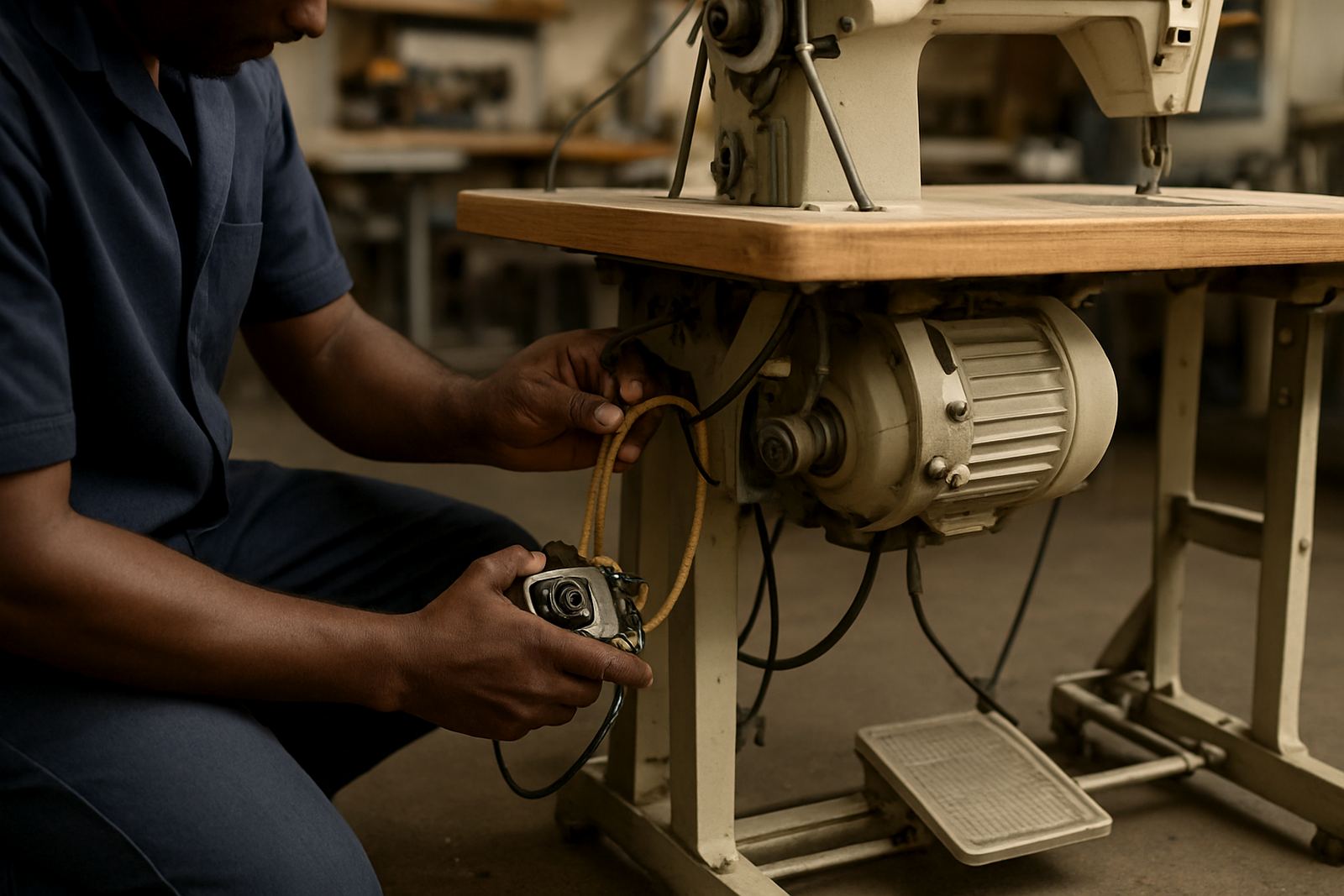
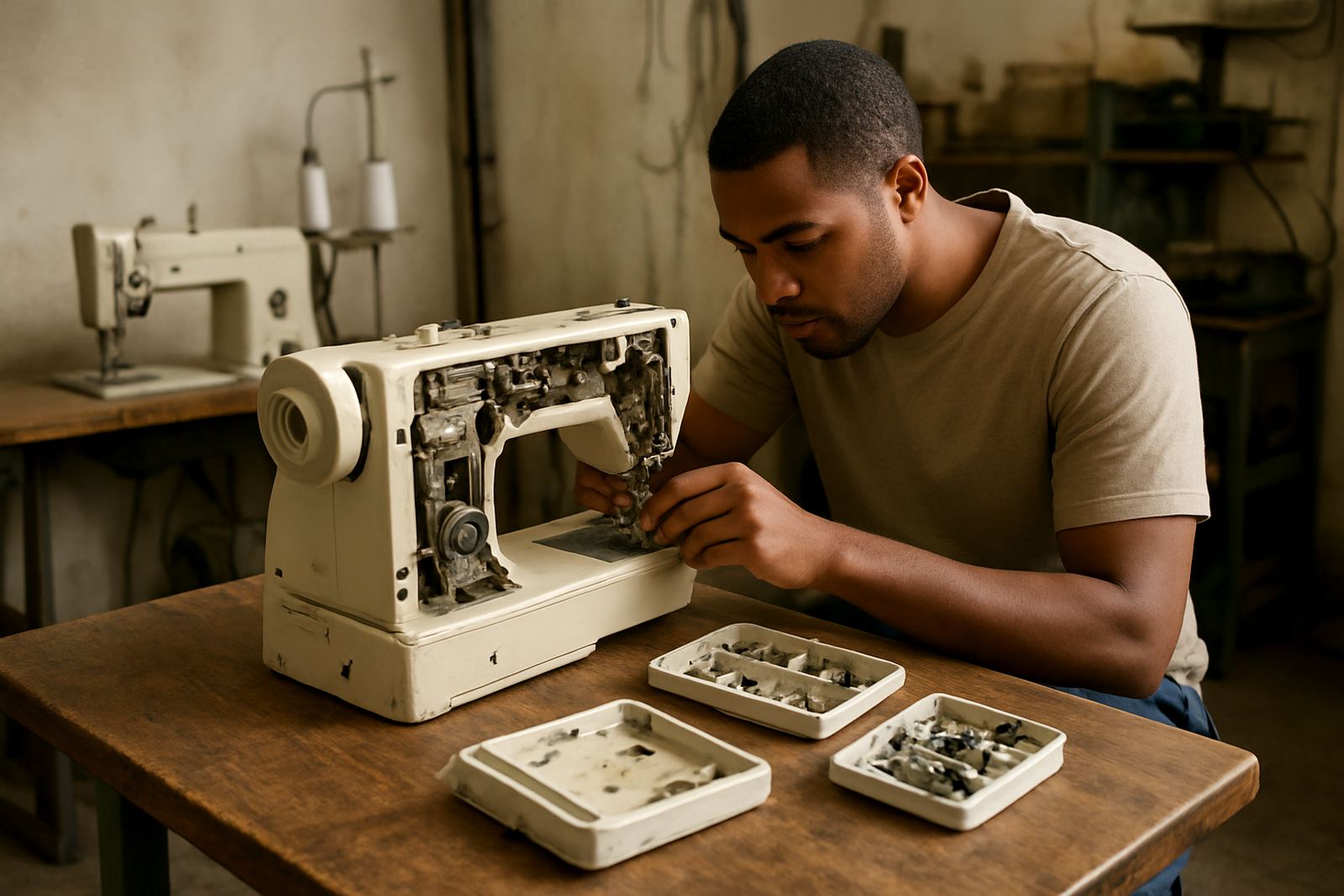
We carry out deeper fault finding than a normal call-out allows. That includes full inspection of the hook or looper area, needle bar alignment, feed dog wear, tension path issues, motor and belt checks, bobbin case condition, and timing problems that can affect stitch quality. If a part is worn or cracked, we replace it rather than trying to stretch it another month.
- Mechanical strip down and rebuilds
- Electrical fault checking and wiring repairs
- Timing, tension and feed system correction
- Motor, belt and pulley replacement
- Embroidery head checks, hooping issues and thread path faults
- Fusing press element, thermostat and pressure checks
How We Receive, Test And Quote Your Machine
Most workshop jobs begin with a quick intake at the counter or through the enquiry form on our contact page. We record the machine type, model, fault reported and any symptoms like burning smell, needle breakage, loose stitches or power loss. If the machine came from a workroom, we also note the fabric type and production pace, because a heavy denim line needs different settings from school uniform work.
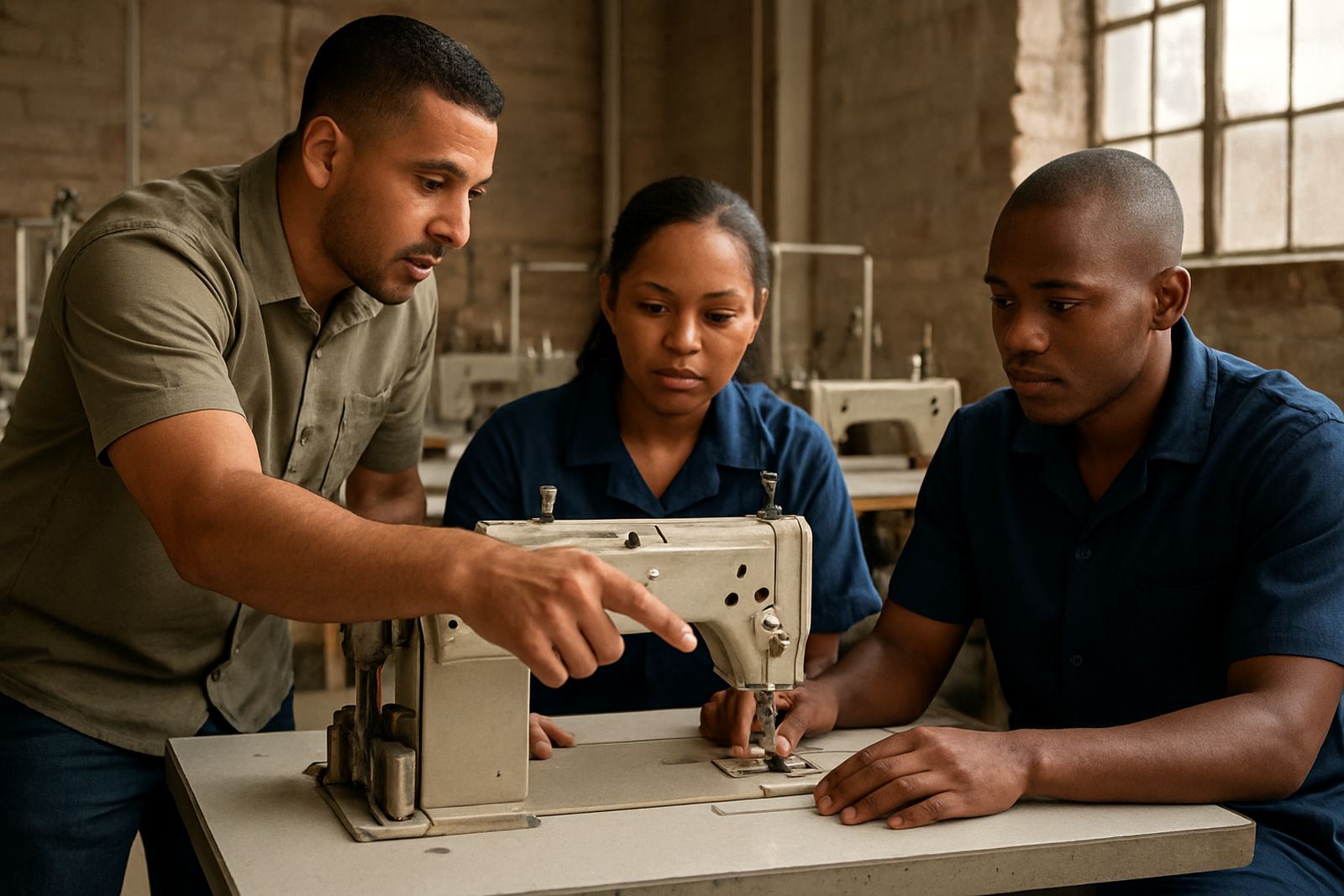
Once the unit is on the bench, we test it before opening anything. That first run helps us see whether the fault is in the motor, foot pedal, board, hook assembly or operator setup. If we need to open the machine, we inspect the wear pattern and advise whether the repair is a straightforward service, a parts job, or a rebuild. You get a clear repair recommendation before we go ahead.
- Intake and fault recording
- Bench testing before strip down
- Inspection of wear, broken parts and timing
- Repair recommendation before work starts
- Parts sourced only where needed
The Repair Process In Our CBD Workshop
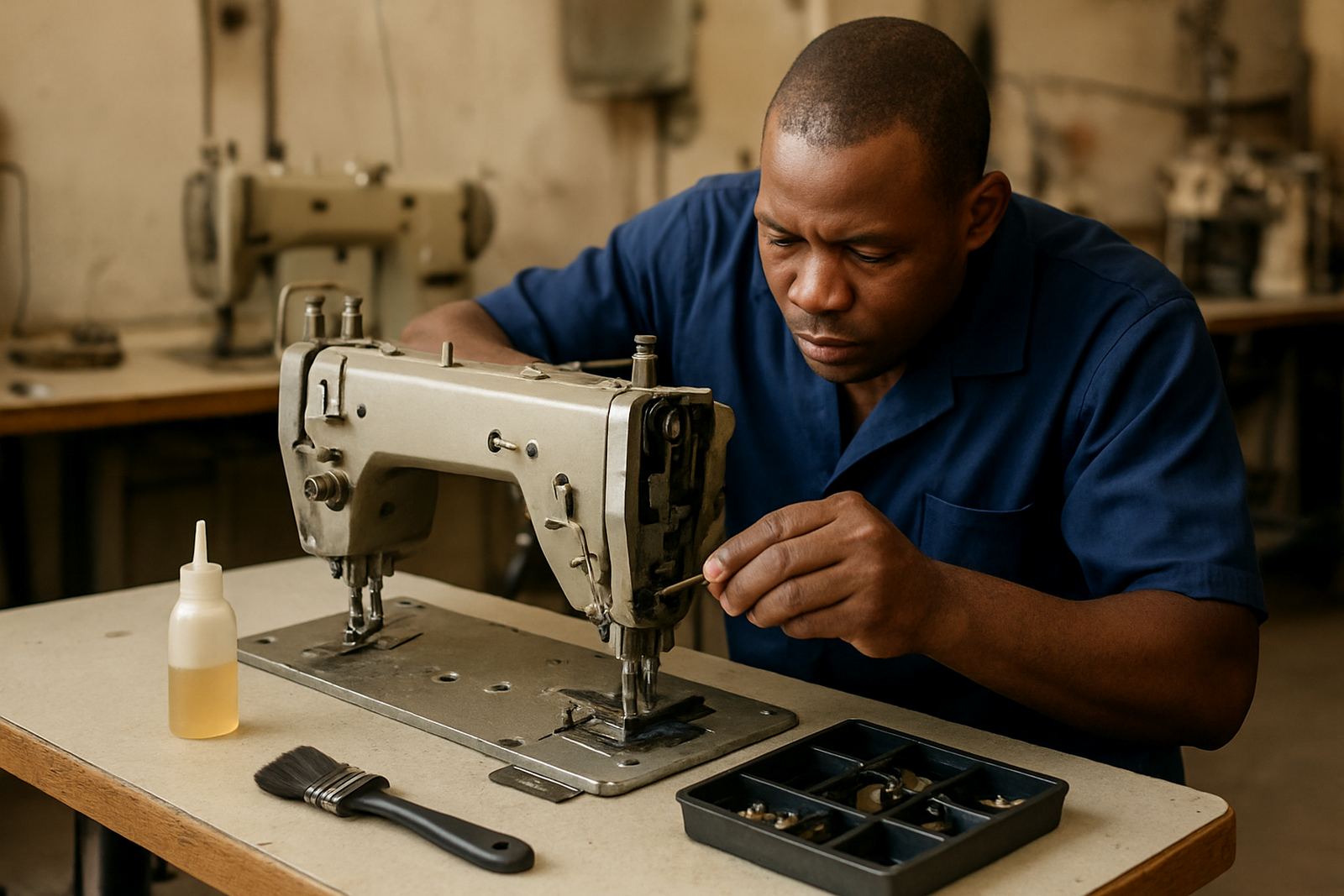
Our process is practical and methodical. We strip the affected sections, clean lint and oil build-up, measure worn parts and reset the machine to factory-style working tolerances where possible. On embroidery machines we also check thread sensors, tension assemblies and hoop movement. On presses we check heat, pressure and cycle consistency so the job returns to steady use not a temporary fix.
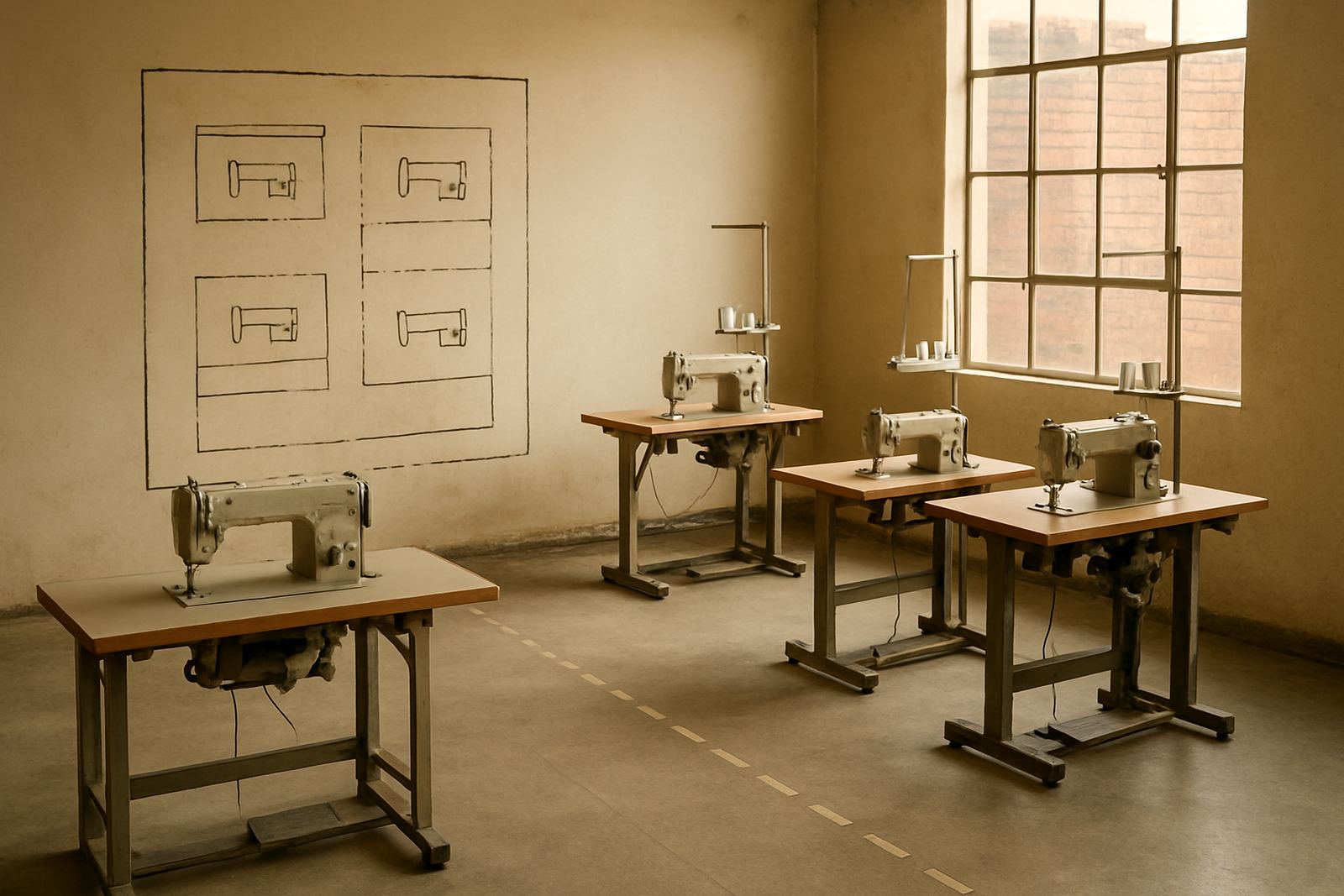
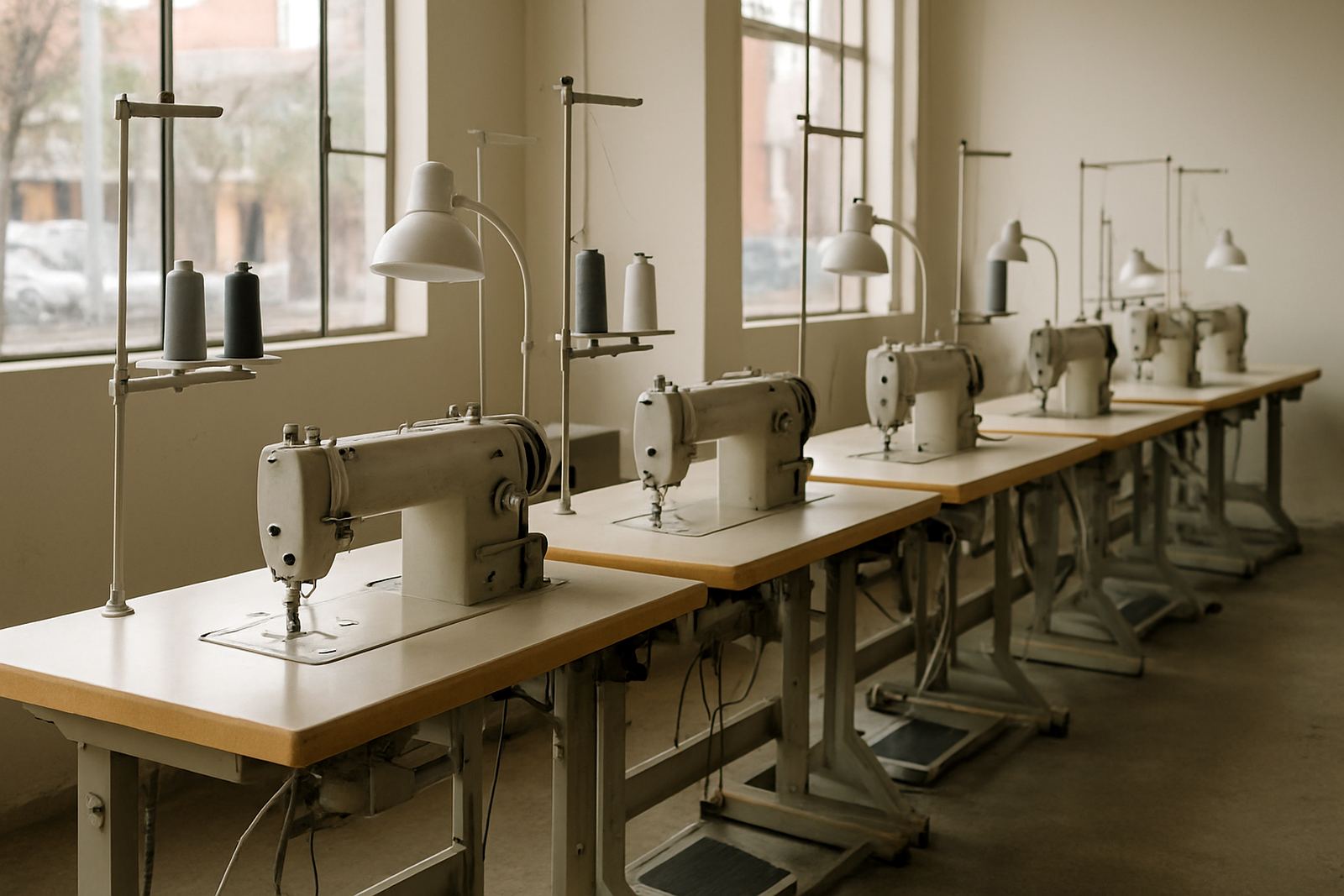
We keep the workshop set up for common industrial sizes and household frames, so machines from Fordsburg, Mayfair, Soweto, Germiston, Pretoria, Alberton and Randburg can be handled without fuss. If the machine needs a special attachment, needle system or belt size, we source it and fit it correctly. In many cases we also make small adjustments to suit Gauteng power conditions and load-shedding recovery, especially where a machine has had repeated restarts or voltage dips.
- Strip, clean and inspect
- Replace worn bearings, belts, needles, bobbins or boards where needed
- Reset timing, tension and feed
- Lubricate moving parts and reassemble
- Test on fabric or production material before release
Turnaround Time And What Affects It
Simple workshop repairs can often be turned around quickly, while deeper rebuilds may take longer if major parts need to be sourced. A basic timing correction or tension fault may be resolved sooner than a motor conversion or embroidery board issue. We will always tell you if a job is likely to be same week, or if it needs extra time because the machine has multiple faults.
Turnaround also depends on how the machine arrives. A machine that has been regularly serviced and cleaned is quicker to assess than one packed with lint, rust or broken needles. On older household machines, missing accessories can slow things down because we need to identify the correct feet, bobbins or spool parts before final testing. For factory lines, we also consider production urgency so you can plan around school terms, bulk orders or seasonal work.
Pricing For Bench Repairs And Parts
Workshop repair pricing is based on the actual fault, labour time, and parts used. We do not price every machine the same because a tension fault, board replacement and hook rebuild are different jobs. You are quoted according to the diagnosis and then the final cost depends on the approved repair path. That keeps things fair and avoids paying for work your machine does not need.
Where possible, we separate labour from parts so you can see what was done. If a part can be repaired safely, we will say so. If replacement is the better option, we explain why. For customers managing multiple machines, we can also group repairs so the workshop plan makes sense for the full line, not only one unit.
- Quoted after inspection and diagnosis
- Labour and parts treated separately where practical
- Repairs matched to actual machine condition
- Options given for repair or replacement when relevant
Keeping Machines In Better Condition After Repair
Once a machine leaves the workshop, the best way to protect the repair is to keep to a proper service interval. For busy industrial machines we usually advise a routine service every 3 to 6 months, depending on hours worked, dust levels and fabric type. Household machines used lightly may only need attention once or twice a year. Embroidery machines and presses should be checked more often if they run daily or in a warm, dusty room.
Good maintenance prevents repeat breakdowns. Keep the machine covered when not in use, clean lint from the feed and bobbin area, use the correct needle size, and avoid forcing thick material through a machine that is not set for it. In Gauteng, where power interruptions are common, it also helps to switch machines off properly and let motors rest after a surge or restart. If you notice changed sound, skipped stitches or burning thread, bring the machine in before a small issue becomes a major repair.
We support factories, schools, tailors and home sewers across Johannesburg CBD and surrounding areas with proper workshop repairs that hold up in daily use, not just on the first test run.
Key facts
| Workshop location | Johannesburg CBD |
|---|---|
| Machines handled | Industrial and household sewing machines, embroidery machines and fusing presses |
| Bench repair focus | Deeper fault finding, rebuilds and part replacement |
| Common faults | Timing issues, skipped stitches, motor faults, feed problems, board faults, pressure faults |
| Typical turnaround | Depends on diagnosis and parts availability, from quick fixes to multi-day rebuilds |
| Service interval | Every 3 to 6 months for busy industrial machines, 6 to 12 months for lighter household use |