

What a bartack machine does in a busy workroom
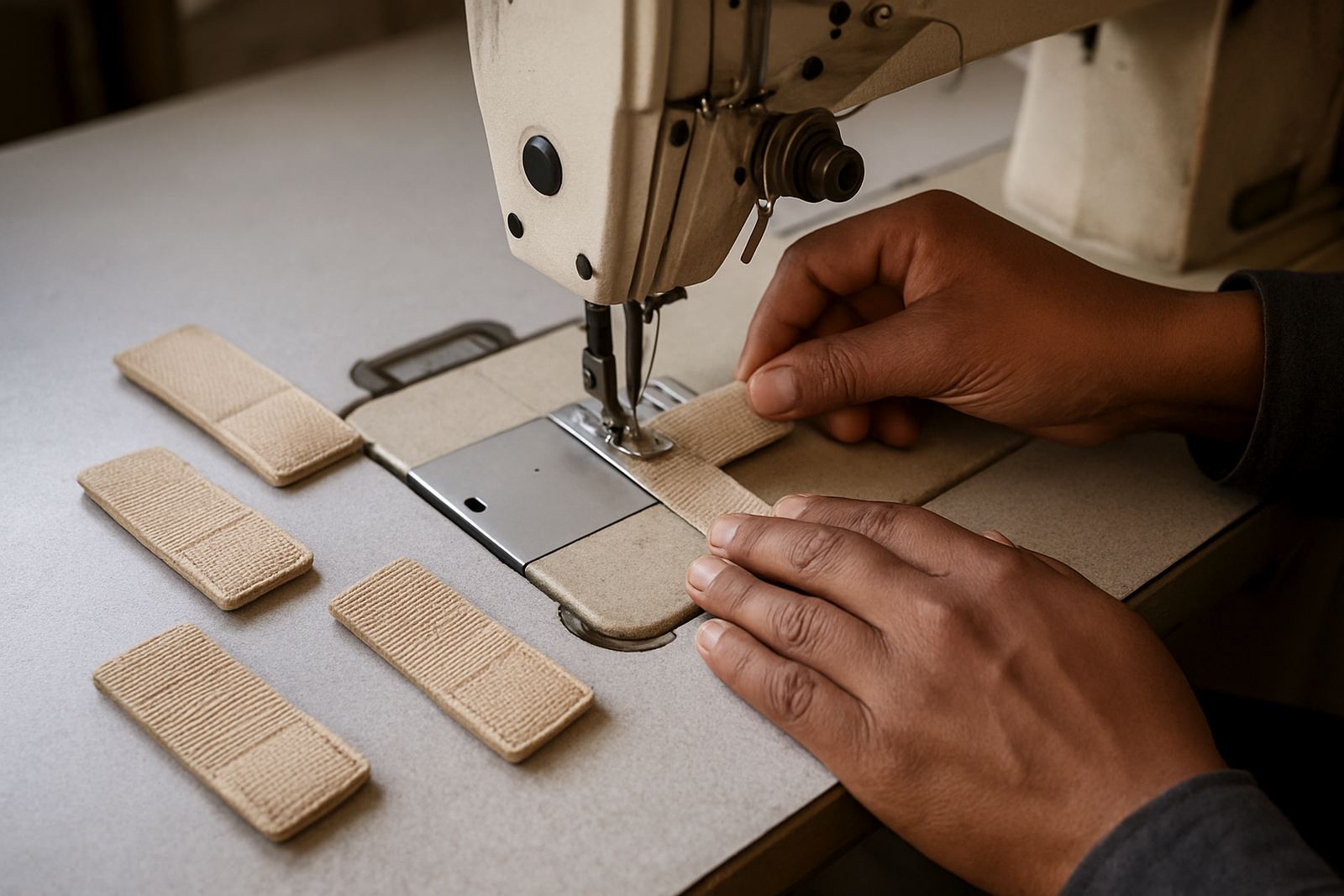
A bartack machine stitches a short, dense bar of zigzag stitches over a weak point in a garment. It is most often used on pocket corners, belt loops, zip ends, fly openings, side vents and reinforcement points on overalls and school wear. The stitch pattern stops fabric from tearing where the load is repeated, which is why these machines are standard in factories and alteration shops that handle durable clothing.
In a Johannesburg workroom, a bartack unit must keep up with mixed fabrics, long shifts and load-shedding interruptions. The right machine should restart cleanly, keep stitch formation steady on thicker layers and not struggle when moving from cotton drill to denim or polycotton. If the feed, clamp or thread path is out of adjustment, the bar can look uneven or bite into the fabric, so setup matters as much as the machine itself.
Most units are built for straight bar reinforcement, but there are models with programmable patterns and electronic controls for repeat work. That helps when a factory needs the same reinforcement on hundreds of items, one after the other.
Sizes, stitch ranges and control options to order
Bartack machines come in several frame sizes and control styles. Some are compact tabletop units for small tailoring rooms, while others are heavier industrial machines suited to continuous use. The most useful choice depends on the garment type, production volume and how much operator adjustment you want between jobs.
- Standard bartack size: common bar lengths from about 10 mm to 40 mm for pockets, loops and reinforcements.
- Heavy duty option: stronger clamp and motor setup for denim, canvas and workwear layers.
- Programmable model: allows different bar patterns, stitch counts and speed control for repeat production.
- Needle and thread setup: selected to suit the fabric weight, from fine shirting to heavier drill.
- Motor type: direct drive on many newer units, or external motor on some heavier machines.
For schools, uniform makers and smaller sewing rooms, a simpler unit is often enough. If you are finishing overalls, safety wear or upholstery type items, ask for a machine that can handle thicker seams and longer duty cycles without overheating.
Where bartack machines suit best in Gauteng
These machines suit factories, tailors, alteration shops, schoolwear makers and small manufacturing lines across Johannesburg CBD, Fordsburg, Mayfair, Soweto, Germiston, Pretoria, Alberton and Randburg. They are also useful in clothing stores that do in-house repairs or small batches, because a bartack is quicker and cleaner than repeated manual stitching for stress points.
In practical terms, bartack machines are a good fit for garment rooms that make:
- Denim wear and casual trousers
- School uniforms and work shirts
- Overalls, safety wear and heavy-duty garments
- Bags, straps and soft goods with reinforcement points
- Repairs on pockets, loops and seam ends
If your work includes frequent thread changes, mixed fabric thicknesses or quick turnarounds, the machine needs to be easy to thread and simple to service. A machine that saves time on each bar can make a real difference over a full production week, especially when orders pile up and power cuts interrupt the schedule.
Installation, power and workshop setup requirements
Bartack machines are usually installed on a stable industrial table with proper lighting, a suitable stand and a motor that matches the workload. Most models run on standard mains power, but the exact electrical needs depend on the control unit and motor type. If your workshop is in an area that sees load-shedding, it is worth checking whether the machine will restart safely after an outage and whether your backup supply can handle the start-up load.
For busy rooms, we look at table height, operator reach, thread stand position and foot control placement so the machine sits correctly in the line. Some units need compressed air for clamp operation or specific attachments, while others are fully electric. If there is no air supply in the room, that must be checked before ordering because it affects both installation and daily use. Good setup reduces vibration, keeps the stitch line even and helps the operator work without strain.
We also recommend checking floor space before delivery. A bartack machine may not take much room on its own, but it still needs clear access for fabric handling, maintenance and safe operator movement.
Care, servicing and common fault signs
A bartack machine lasts longer when it is cleaned regularly and serviced before faults become costly. Dust, lint and thread build-up can affect the hook, tension path and clamp action. On busy machines, weekly cleaning is a practical minimum, especially where darker thread leaves fluff and oil marks that are easy to miss.
Common signs that service is due include skipped stitches, noisy operation, thread fraying, uneven bar length, poor clamp hold and slow return after a cycle. If the machine starts punching too hard into the fabric, or the bar is not locking down evenly, the timing or feed setting may need adjustment. Ignoring those signs can lead to needle damage, thread breakage and avoidable downtime.
We handle workshop repairs, on site repairs, routine servicing and timing adjustments for industrial sewing equipment across Gauteng. For machines that run all day, planned servicing is better than waiting for a breakdown. It costs less to keep a bartack unit steady than to stop a line because one machine is out of action.
What to confirm before you place an order
Before ordering, check the fabric type, the thickness of the seam and the size of the bartack you need. The machine must match the garment and the production rate, otherwise it will either be too slow or too aggressive for the material. It also helps to confirm whether your team needs a simple fixed pattern or a programmable unit with stored settings.
- Garment type and fabric weight
- Required bar length and stitch density
- Power supply and any air requirement
- Needle system and thread size used in your workroom
- Space available for table, operator and material flow
- Whether you need installation, training or after-sales servicing
If you are replacing an old machine, bring the existing sample work or the faulty unit details with you. That makes it easier to match the new machine to the job and avoid unnecessary changes to your current process. We can also advise on parts, attachments and operator training where needed.
Key facts
| Machine type | Industrial bartack sewing machine |
|---|---|
| Use | Reinforcing stress points on pockets, belt loops and workwear |
| Typical bar length | About 10 mm to 40 mm, depending on model |
| Power | Standard mains power, model dependent |
| Air requirement | Some models use compressed air for clamp operation |
| Service support | Installation, servicing, repairs, parts and training in Gauteng |