What a fabric end cutter does at the cutting table
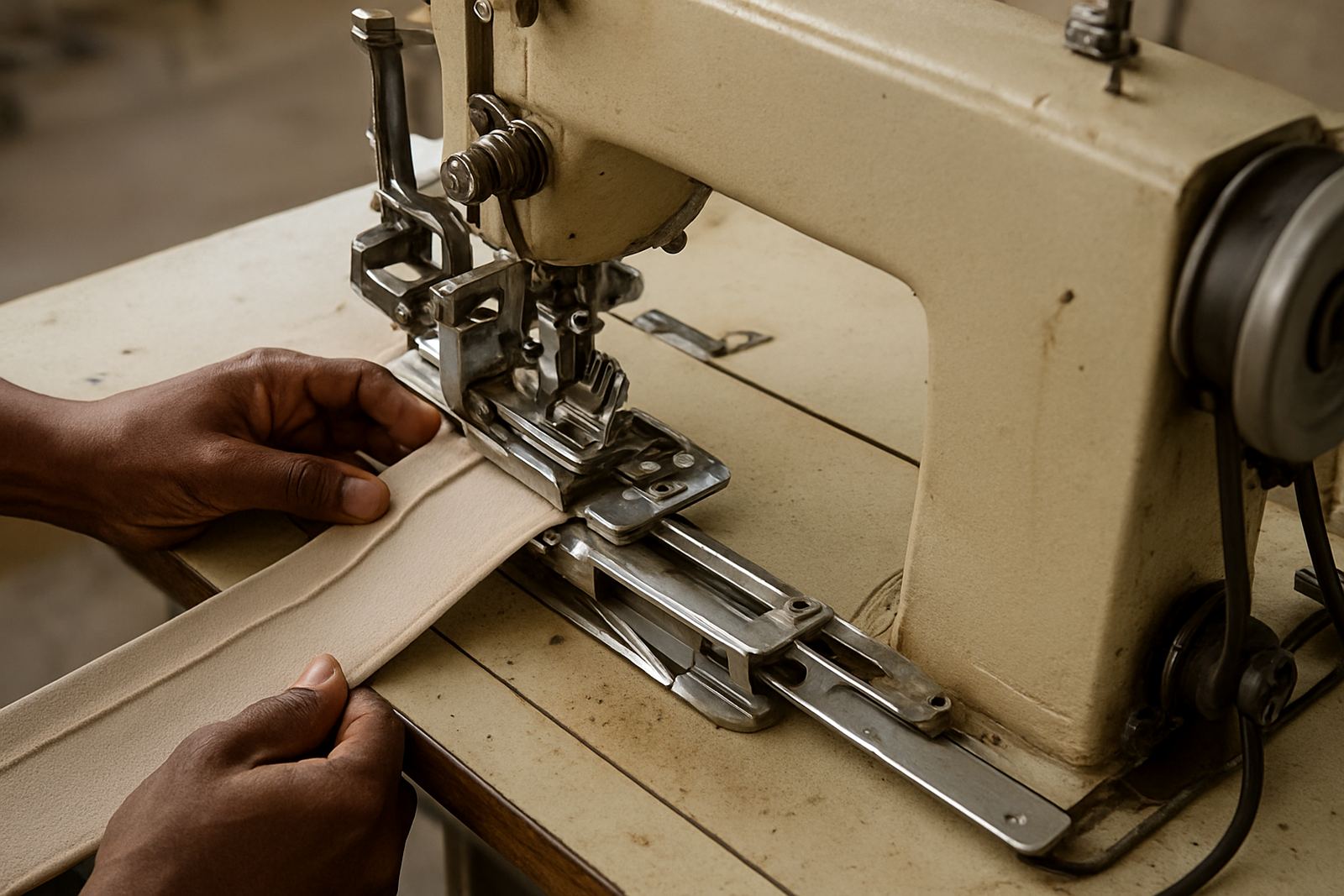
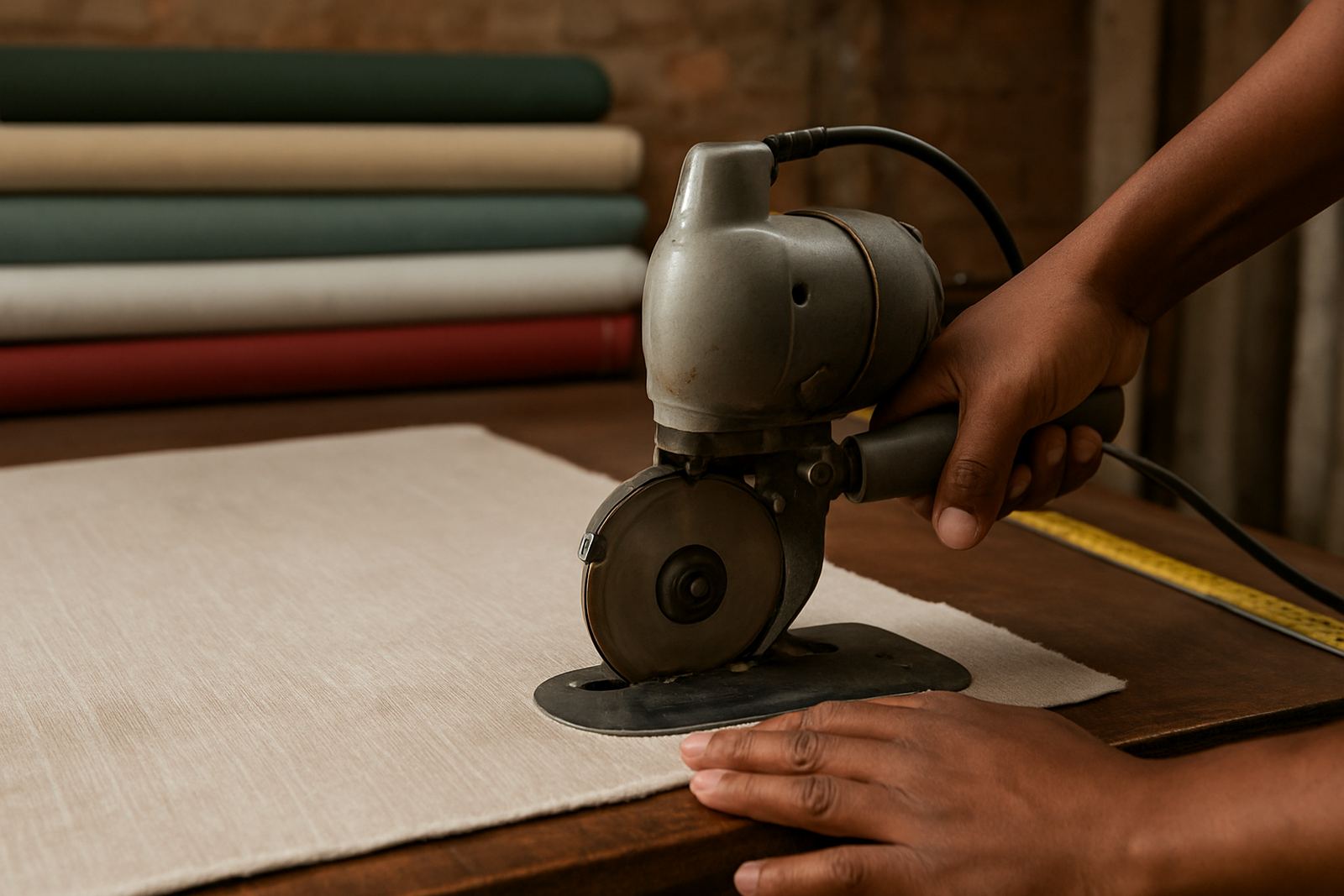
A fabric end cutter is used to square off the leading or trailing end of a fabric roll before spreading or cutting. Instead of pulling at loose threads or trying to tear an uneven edge by hand, the operator makes a controlled cut across the width of the roll. That gives a straight start line, which helps with marking, measuring and table preparation.
In busy workrooms this small step saves time every day. It also improves consistency, especially when several operators are handling different rolls of the same job. When the fabric edge is neat, the first lay sits better on the table and the cutter has a clearer line to follow. It is a practical machine for shops that handle woven fabric, knitwear, lining, canvas or similar goods, and it is just as useful where garments are cut in smaller batches.
For clients in Johannesburg CBD, Fordsburg, Mayfair, Soweto, Germiston and Pretoria, a fabric end cutter is often added to support efficient floor flow. It is one of those machines that does not look complicated, but it makes the whole cutting room run better.
Sizes and options for different workrooms
Fabric end cutters are usually supplied in different cutting widths and mounting styles, depending on the roll sizes and the amount of fabric you process. A compact unit is suitable for smaller tailoring rooms and training spaces. A wider unit suits factories that handle broad fabric rolls or heavier stock on a regular basis.
Common options include manual operation, motor assisted cutting and fixed table mounting. Some units are built for regular bench or table use, while others are fitted into a more permanent cutting station. If your workroom handles many short rolls, a lighter model may be enough. If you work with bulk rolls and long production runs, a stronger frame and higher duty cycle make more sense.
- Cutting width options to match the fabric roll size
- Manual or motor assisted cutting action
- Fixed or table mounted installation
- Blade guards and safety covers for operator control
- Left or right side positioning depending on the cutting layout
When we match the unit to your space, we also look at how fabric is moved, who will use the machine, and whether the cutter must work alongside spreaders, pressing equipment or other table tools.
Where it suits best in Gauteng workrooms
This machine suits factories, uniform makers, alteration shops, schools with sewing classes and home sewers who work with larger lengths of fabric. It is especially useful where the same table is used for both receiving fabric and preparing cutting jobs. If your team is handling sales orders, school uniforms or repeat production runs, a neat roll end helps keep the process organised.
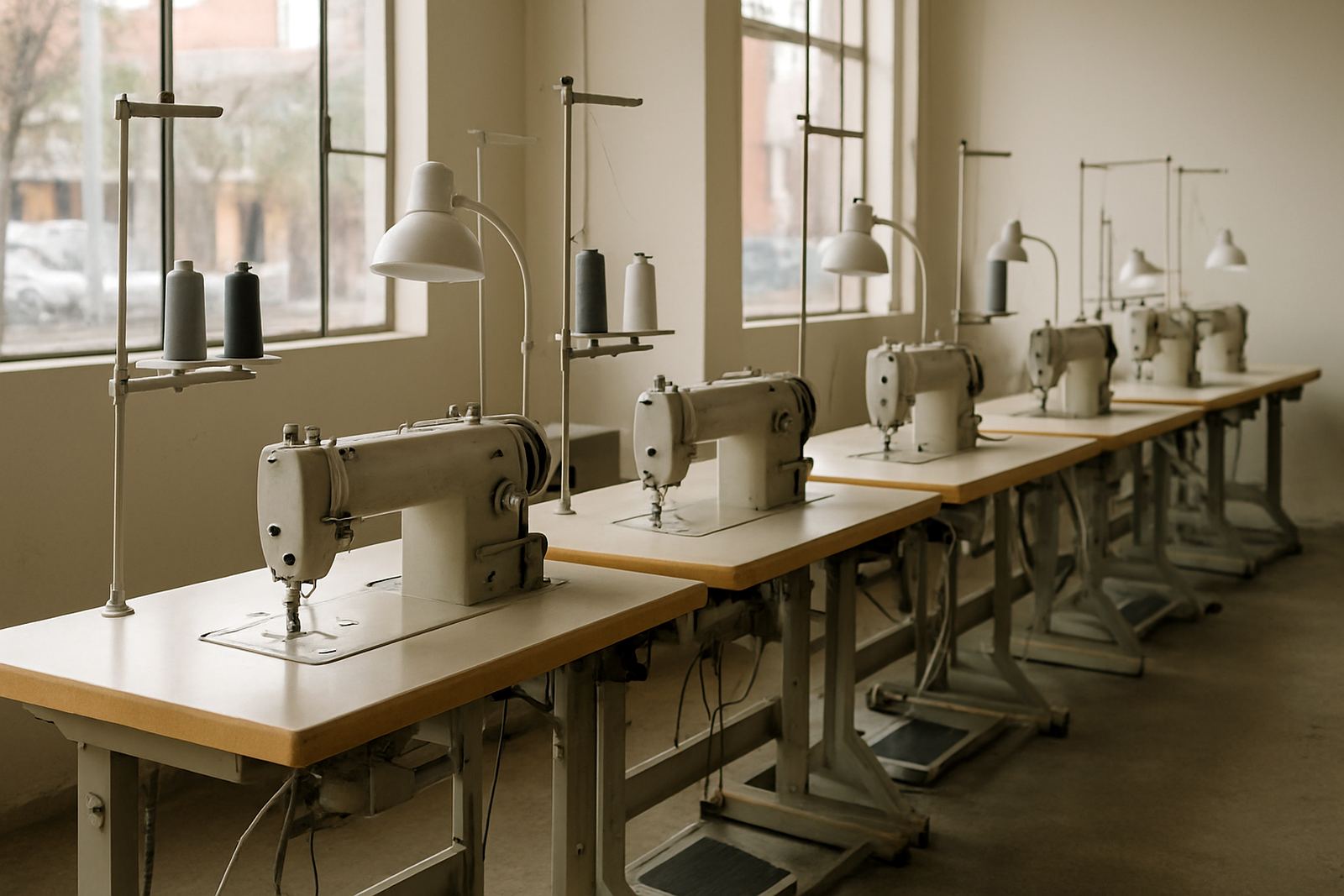
In places such as Germiston and Alberton, where light industrial work often shares space with storage and loading areas, a fabric end cutter helps prevent rough handling of rolls before they go to the table. In Soweto, Randburg and Pretoria, it can also support smaller workrooms that need a tidy setup without taking too much floor space. The machine is also handy for schools and training centres that want learners to work with proper cutting discipline.
If your room gets hot in summer or runs with limited aircon, the operator still needs a clear and safe cutting area. Good lighting, stable tables and enough space around the roll make a real difference. On sites with load-shedding, it is worth planning the machine placement so preparation work can continue even if other equipment is down.
Installation, power and site requirements
Most fabric end cutters need a level installation point, a stable table or frame and enough clearance for the operator to feed the cloth safely. If the unit is motor driven, we check the electrical supply, switch position and cable routing before commissioning. For workshop use, a proper isolator and safe access to the controls are important. If the machine is fitted into a cutting line, the height should match the rest of the tables so fabric can move without snagging.
Power needs depend on the model. Some compact cutters work from a standard single phase supply, while others use a more substantial motor and need a dedicated point. If your site has voltage dips or frequent load-shedding, we can advise on practical backup arrangements and safe restart procedures. Where the cutter is part of a larger workroom, the placement should allow space for fabric trolleys, rolls and operator movement.
- Level floor or rigid table base
- Suitable electrical point for the selected motor type
- Clear access to the cut line and blade area
- Space for roll handling and finished bundle movement
- Safe cable routing away from foot traffic
For new setups we can assist with installation and workroom planning so the cutter fits with your cutting flow, not against it.
Care, servicing and blade upkeep
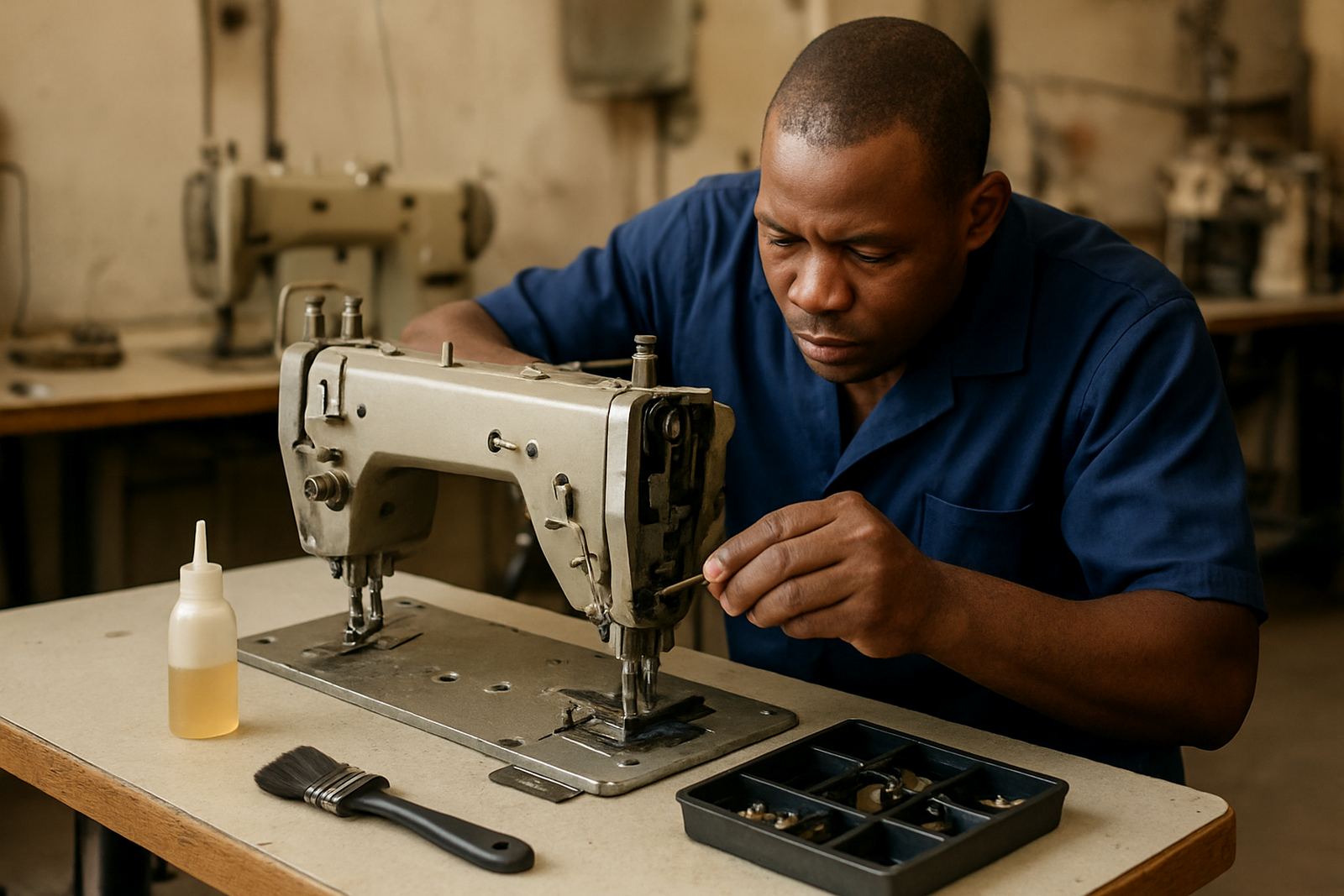
Like any cutting machine, a fabric end cutter works best when the blade is kept clean and sharp. Frayed or dragging cuts usually point to a worn blade, a loose guide or incorrect tension on the cutting mechanism. Regular cleaning removes lint and loose fibres that build up around the cut zone, especially on fleece, knit and brushed fabrics. In humid coastal conditions this matters even more, because moisture and lint together can lead to faster surface wear.
Routine servicing should include checking fasteners, guard position, motor condition where fitted, and the general alignment of the cutting path. If the machine starts to chatter, bind or leave a ragged edge, it is best to stop and inspect it rather than pushing through a production run. A quick service now is cheaper than fixing damaged cloth later, and it keeps the operator safer too.
We handle routine servicing, workshop repairs and on site repairs for customers who need the cutter back in use quickly. If your machine is used daily, set up a service interval instead of waiting for a fault. That small bit of planning can save a lot of downtime.
What to check before you place an order
Before ordering, measure your fabric widths, roll diameters and available table space. Check whether the cutter must handle light fashion cloth, heavier upholstery fabric or mixed stock. It also helps to know how many rolls are cut in a day, because that affects the duty level you need. A small tailor may only need a compact unit, while a factory with several cutters may need a more durable setup.
You should also confirm the power supply, preferred installation layout and who will operate the machine. If staff rotate between tasks, simple controls and clear guards become more important. Ask whether you need parts support, operator training, or help with integrating the cutter into an existing workroom. We also recommend checking spare blade availability and whether the unit can be serviced locally without long delays.
- Fabric type and average roll width
- Daily cutting volume and production speed
- Available floor space and table height
- Single phase or other electrical supply
- Need for training, servicing and spare parts
For buyers across Gauteng, the right match is not only about price. It is about fitting the machine to your workflow so it keeps paying for itself in neat, efficient table preparation.
Local support from Johannesburg CBD to Pretoria
Asia Sewing Machines supplies and supports industrial and household sewing equipment, embroidery machines and related workroom tools from our Johannesburg CBD base. For a fabric end cutter, we can help with sourcing, setup, servicing and practical advice for your site. We work with factories, tailors, schools and home sewers in Johannesburg CBD, Fordsburg, Mayfair, Soweto, Germiston, Pretoria, Alberton and Randburg.
If you are comparing options, we can talk through your fabric volumes, table layout and power needs before you order. Our team includes sales, workshop and field support staff, so the advice comes from people who work with these machines day in and day out. That means less guesswork and fewer surprises once the cutter arrives.
Send your enquiry through the form on our contact page and tell us what fabric you handle, how wide the rolls are and where the machine will be installed. We can then guide you on the most suitable option for your workroom.
Key facts
| Product type | Fabric roll end cutting machine |
|---|---|
| Typical use | Neatening roll ends before spreading and cutting |
| Cutting capacity | Model dependent, suitable for light to medium fabric rolls |
| Power | Manual or motor driven options depending on model |
| Installation | Table mounted or fixed workroom setup |
| Support | Installation, servicing, parts sourcing and operator training |