

What the needles and parts range includes
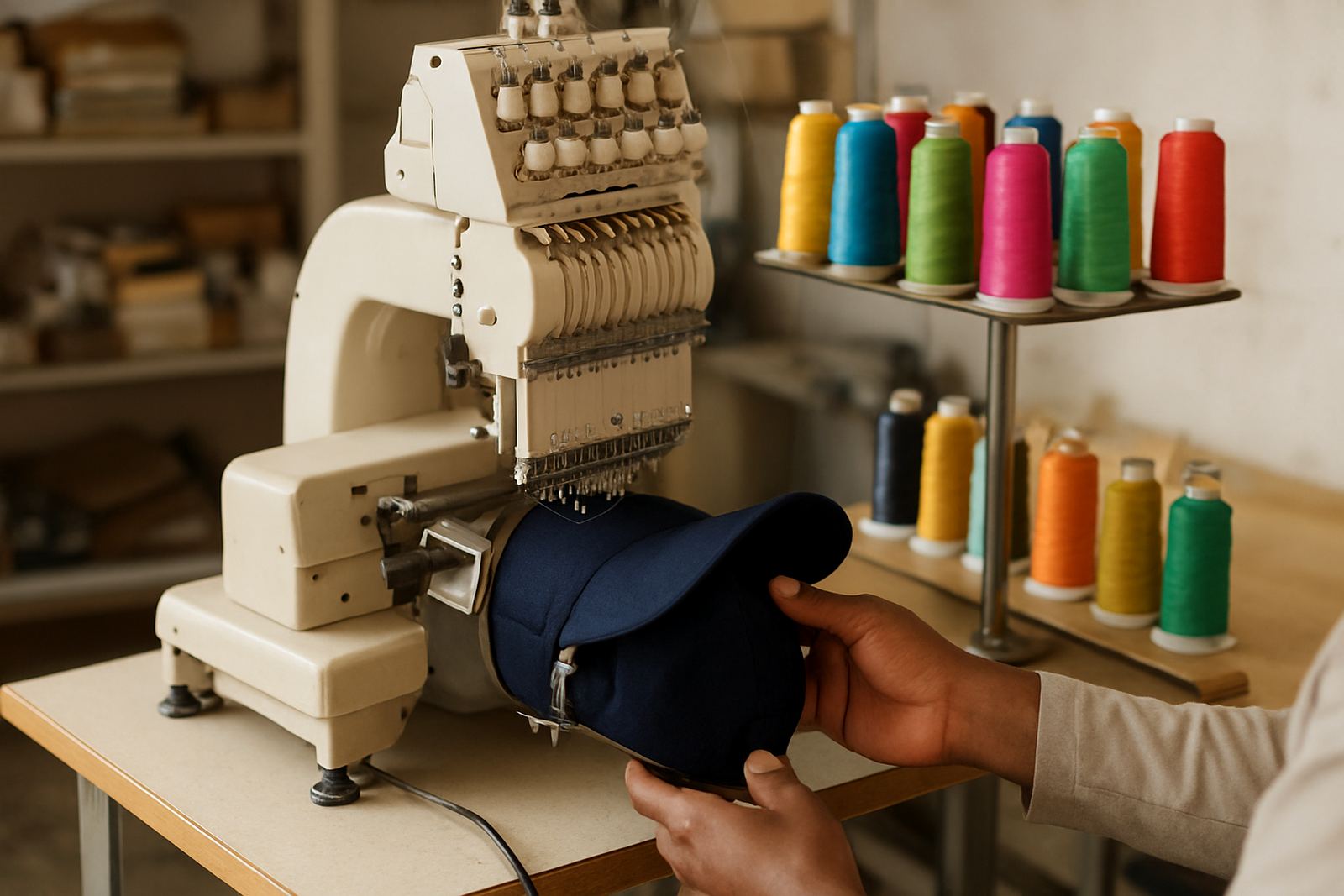
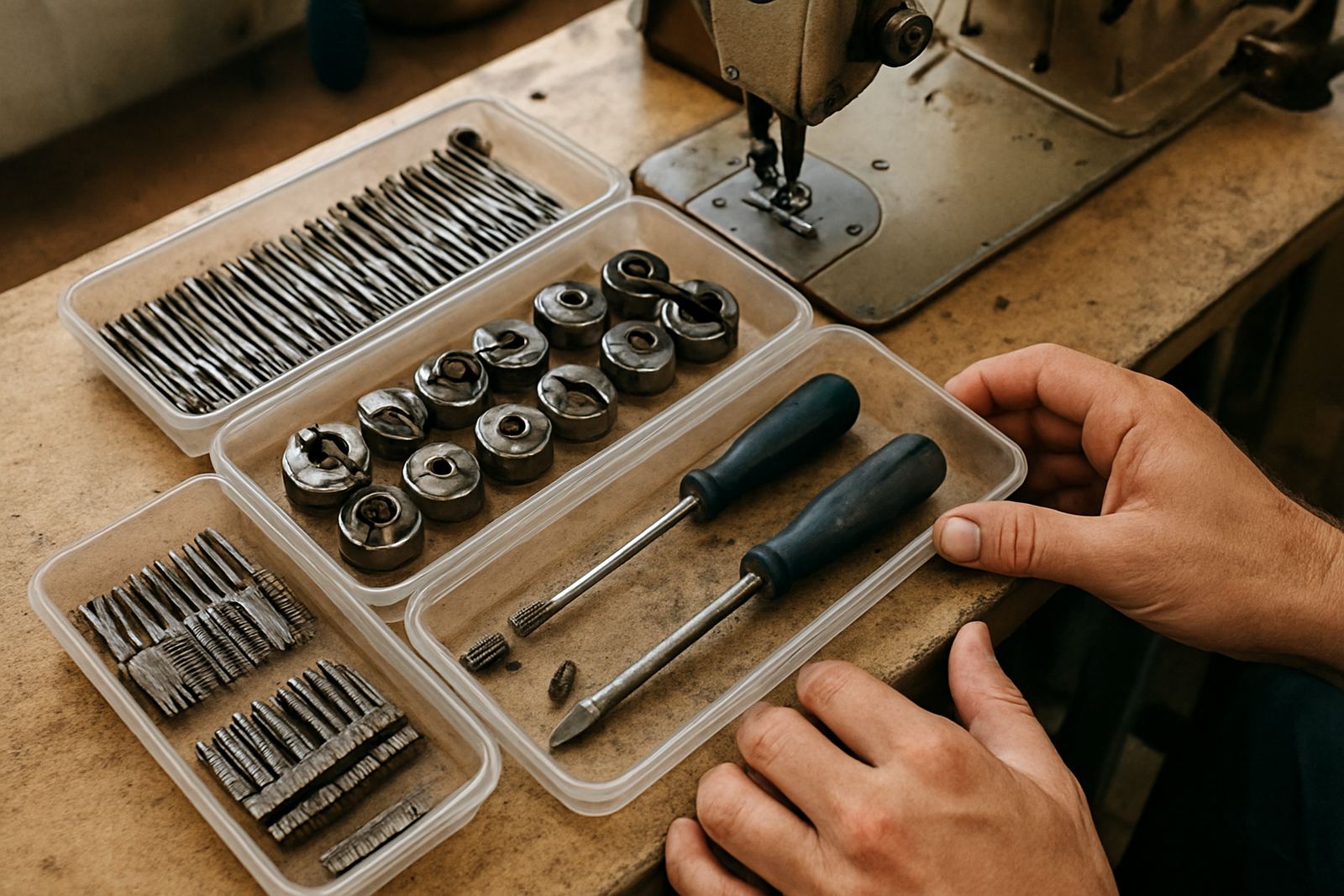
Our needles and parts range covers the everyday items that wear out first and need replacing before they affect stitch quality. That includes machine needles for industrial and household machines, bobbins, bobbin cases, presser feet, throat plates, shuttle parts, tension parts, thread guides, belts, needles for embroidery work and consumables for fusing and pressing stations.
For factories, uniform rooms, alteration shops and home sewers, the main aim is simple: keep the machine feeding correctly, forming a tidy stitch and handling the fabric you work with day after day. A good supply of the correct part also helps when machines are shared across operators, because one worn needle or damaged guide can affect the whole line.
- Needles for straight stitch, zigzag, overlock, cover stitch and embroidery machines
- Bobbins, bobbin cases and shuttle parts
- Presser feet, feed dogs, needle plates and loopers
- Belts, lamps, threads and small fittings for routine upkeep
Needle sizes, systems and thread matching
Needles are not all the same, and using the wrong size is one of the quickest ways to get poor results. We supply common needle systems for industrial and household machines, with sizes chosen for the cloth and thread in use. Fine fabric needs a smaller, sharper point, while denim, canvas and coated material need a stronger needle with a point that can handle resistance.
Common sizes include 60/8, 70/10, 80/12, 90/14, 100/16 and 110/18. For embroidery, a smooth eye and correct point help protect the thread at speed. For stretch work, a ball point or stretch point can reduce skipped stitches. If the thread is too thick for the needle eye, it will rub, heat up and snap. If the needle is too fine, it can bend or break and cause poor stitch formation.
- Fine garments and linings: 60/8 to 70/10
- Shirts, uniforms and light woven fabric: 70/10 to 80/12
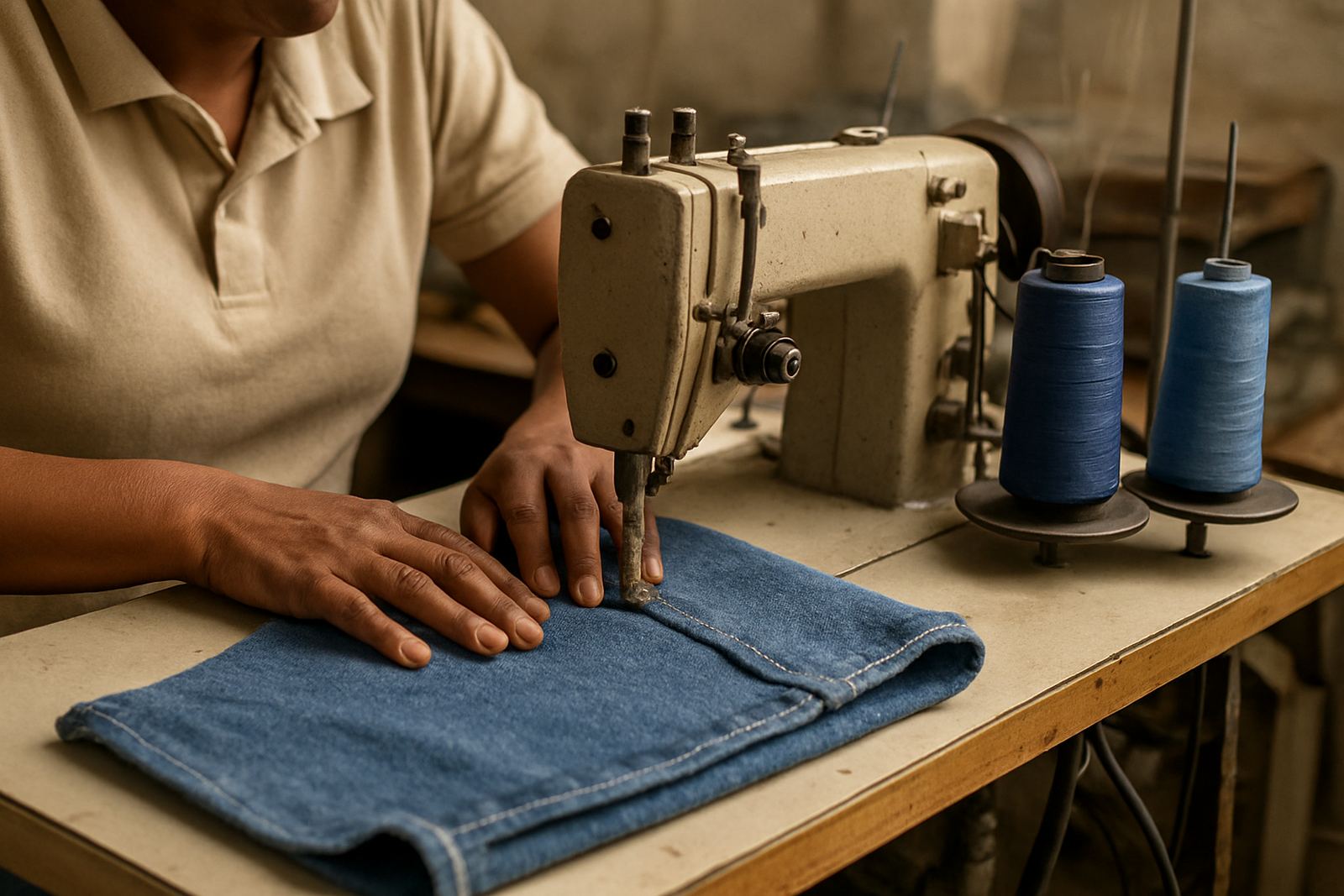
- Denim, twill and workwear: 90/14 to 110/18
- Embroidery and decorative work: matched needle and thread selection for clean penetration
Parts that keep stitch quality steady
When stitch quality changes, the cause is often a worn part rather than the whole machine. A blunt needle, damaged bobbin case, worn presser foot or misaligned plate can all create loops, uneven feeding or missed stitches. In busy rooms, small parts need to be replaced before they start damaging fabric and wasting time.
We help customers identify the correct replacement part for the machine and the task. That matters because industrial machines often look similar from the outside, but use different needle systems, feet, bobbins and timing components. A proper match keeps the machine running within spec and helps operators avoid constant re-threading and re-adjustment.
- Check for burrs on plates, hooks and bobbin cases
- Replace worn feet that leave marks or lose fabric control
- Change bent needles immediately, even if the machine still runs
- Keep spare bobbins, tension springs and guides on hand for shared workrooms
Where this stock suits best in Gauteng
This range suits small home sewing setups, tailoring rooms, alteration shops, schools, uniform makers and industrial workrooms across Johannesburg CBD, Fordsburg, Mayfair, Soweto, Germiston, Pretoria, Alberton and Randburg. In the CBD, where machines often run long hours, regular needle changes and proper part matching save time and reduce breakdowns. In schools and training rooms, it also helps keep machines ready for learners who may not yet know when a needle is past its best.
Coastal humidity is not the main issue in Gauteng, but dust, lint and long operating hours are. In dry weather and during load-shedding, machines are often restarted after interruptions, which is when weak needles and worn consumables show up first. Keeping a small parts kit on site makes recovery quicker when a machine is put back into service after a power cut.
Fitting, setup and power needs
Most needles and small parts can be fitted during routine servicing or a workshop visit. Some items, such as bobbins, feet and plates, are straightforward. Others, like hooks, timing components, embroidery parts and press fittings, need a proper setup to avoid damage. If a machine has been running with a bent shaft, skipped timing or incorrect pressure, fitting new parts without checking alignment can solve one fault and create another.
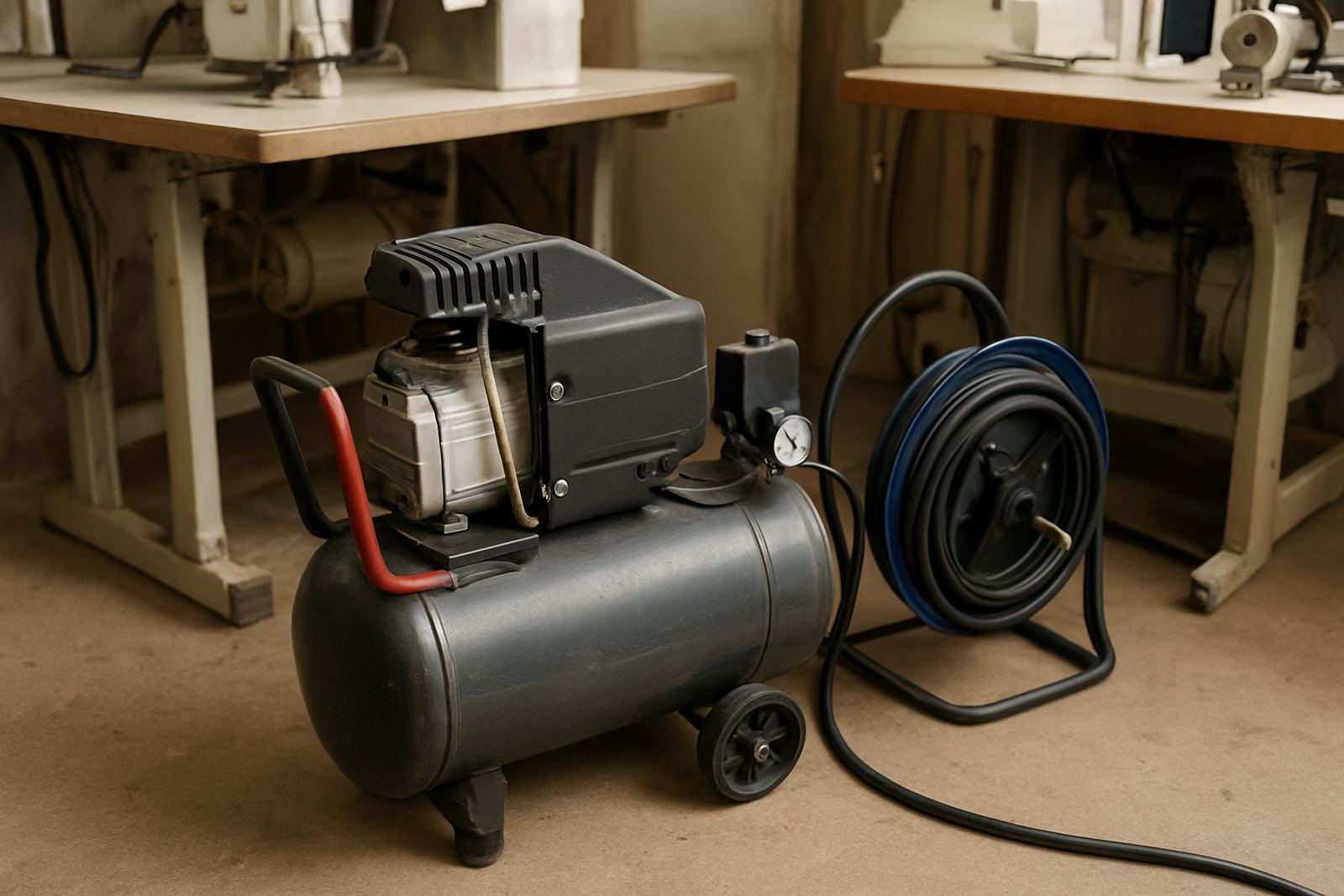
Needles and parts do not usually need special power or gas supply on their own, but they must suit the machine that uses them. For fusing presses and pressing stations, the machine may need the correct electrical load, temperature control and in some cases compressed air, depending on the setup. If there is a motor conversion or power issue, it is best checked at the same time as the parts change, so the machine is not fitted with parts that then run under the wrong speed or tension.
- Confirm machine model, needle system and drive type before ordering
- Check whether the part is for household, industrial or embroidery use
- For presses, confirm voltage, heating type and any air requirements
- Ask if the item is for direct fit or if adjustments will be needed
Care, servicing and keeping spares on hand
Good care starts with a clean machine. Lint, dust and thread offcuts collect around the needle bar, feed area and bobbin section, especially in workshops that run all day. A light clean after use, plus routine servicing, keeps wear down and helps parts last longer. Needles should be changed often, not only when they break. In many workrooms, that means daily for heavy production and whenever stitch quality starts changing.
We recommend keeping a basic spare kit for each machine type. That reduces downtime when a needle bends, a bobbin case gets scored or a presser foot wears out mid-order. For factories and schools, a labelled parts box also helps with stock control, so items do not go missing between operators or training sessions.
- Store needles in their packs so sizes stay clear
- Keep parts dry and free of oil contamination
- Do not force a part that does not match the machine
- Inspect for worn edges, rust and bent shafts before fitting
What to check before you place an order
To get the correct needles and parts first time, check the machine make, model and type of work you are doing. The same style of machine can use different needle systems or feet depending on the stitch and fabric. If you are unsure, send a photo of the machine head, the old part and the machine plate details through the enquiry form on our contact page. That helps us match the item before you travel from Fordsburg, Soweto or Pretoria for collection.
It also helps to know whether you need a single replacement or a small stock order for regular use. If you run a workroom, ask for the sizes that suit your most common jobs. For example, one size for light garments, one for denim and one for embroidery. That keeps the machine room organised and avoids the stop-start routine that comes from using whatever happens to be available.
- Machine type and model number
- Needle system and size already in use, if known
- Fabric type, thread thickness and daily workload
- Whether you need one-off parts or recurring stock supply
Key facts
| Product type | Replacement needles and machine parts for sewing, embroidery and pressing equipment |
|---|---|
| Needle sizes | 60/8, 70/10, 80/12, 90/14, 100/16, 110/18 |
| Machine compatibility | Industrial, household and selected embroidery systems |
| Common fittings | Bobbins, feet, plates, guides, belts, tension parts and shuttle components |
| Use settings | Light garments, uniforms, denim, workwear, embroidery and fusing |
| Supply area | Johannesburg CBD, Gauteng and nearby trade areas including Fordsburg, Mayfair, Soweto, Germiston, Pretoria, Alberton and Randburg |