

What Binding Attachments Do On The Sewing Line
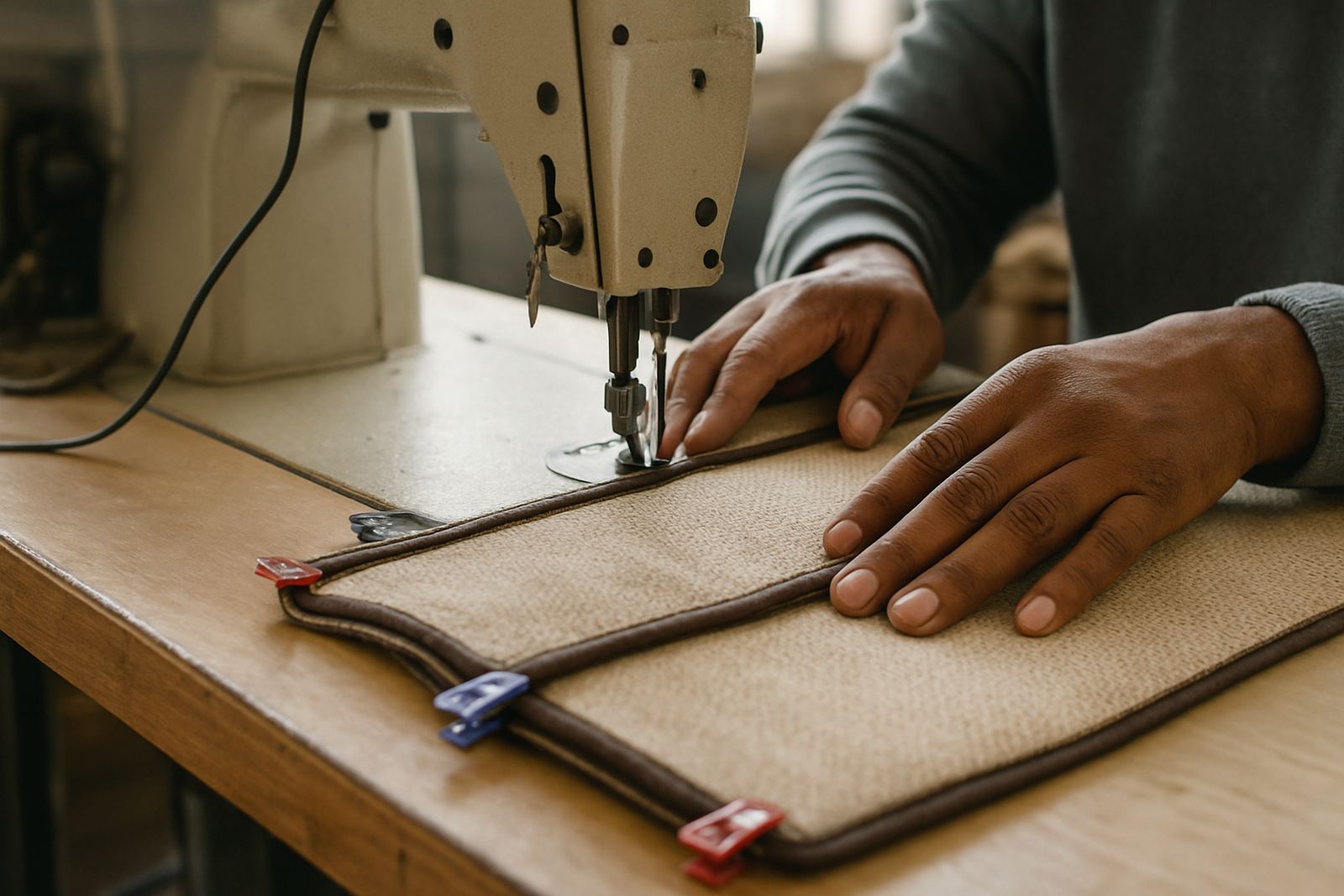
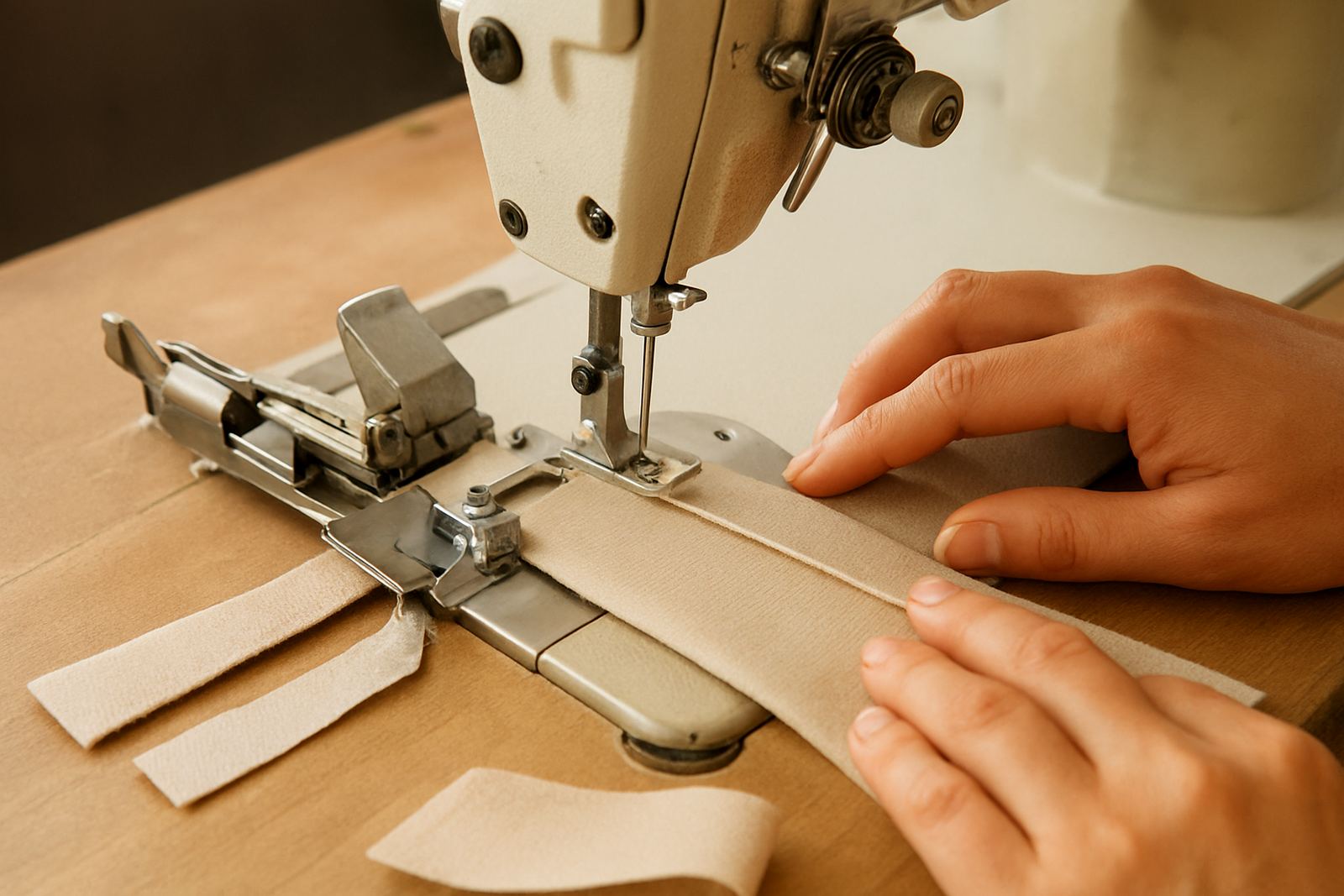
A binding attachment forms and feeds binding tape so it wraps an edge at a steady width while the machinist stitches. It is used where a clean finish matters on collars, armholes, hems, aprons, sportswear, workwear, bags and soft furnishings. The attachment helps keep the fold even, which saves time and reduces rework on busy production runs.
These attachments can be fitted to many industrial sewing machines and in some cases to household machines with the correct bracket or foot set. The right choice depends on the tape width, the fabric thickness and whether you are working with woven binding, bias binding or cut strips. For heavier work, a stronger feed and a steadier mounting point are important or the binding can drift on corners.
- Suitable for straight edges and gentle curves
- Can be used on light, medium and heavier textiles
- Helps improve consistency across multiple operators
- Useful for small workshops and high output workrooms
Sizes, Guides And Set Options We Supply
Binding attachments are selected by finished binding width and by the tape width they accept before folding. Common workshop sizes include 10 mm, 12 mm, 16 mm, 18 mm, 20 mm, 25 mm and 32 mm finished widths. Some jobs need a narrow edge finish, while others need a wider wrap for thicker goods. A school uniform or T shirt edge will often need a different setup from a bag seam or upholstery item.
We also supply guide plates, folding tubes, mounting brackets and presser foot combinations where needed. On some machines, a left or right hand setup works better depending on the seam path. If your operator is binding curved pieces, the entry angle matters a lot and a small change can make the feed much smoother.
- Binding width options from 10 mm to 32 mm
- Compatible with woven and bias binding
- Single fold and double fold styles available
- Mounting parts supplied for selected machine types
Where Binding Attachments Suit Best
These attachments are well suited to garment factories in Fordsburg, Mayfair and Germiston, as well as tailoring rooms in Soweto, Randburg and Pretoria. They are also practical for schools producing uniform items, sports kit, table covers and bags. In busy production spaces, an attachment can cut down on marking and hand folding, which helps operators keep to target quantities.
For home sewers, a binding attachment can be useful when making aprons, blankets, craft products and children's clothing. In coastal or humid conditions the tape can behave differently, so keeping the binding dry and stored flat helps. In larger Gauteng workrooms, a well set attachment can make the edge finish look more even from the first unit to the last.
- Factories and cut make trim shops
- Tailors working on repeat garment orders
- Schools and training rooms
- Home workshops making small batches
Fitting Requirements, Power And Machine Setup
Most binding attachments do not need electrical power of their own because they work as a mechanical guide fitted to the sewing machine. They normally rely on the machine motor, the correct needle setup and a stable work surface. If the job involves a powered feed aid or special workstation fitting, the motor should match the load and the machine must be properly timed before use.
For best results the needle size, thread weight and presser foot pressure should match the fabric. A light cotton binding on a household machine is very different from a heavy polycotton edge on an industrial flatbed, so setup must be checked before the first run. If the binding puckers or pulls, the issue is often tension, tape width or guide alignment rather than the attachment itself.
- Usually no separate power supply needed
- Uses the machine's own motor and drive system
- May need a fitting bracket or special foot
- Some heavier work needs a stronger motor and stable table
Care, Cleaning And Routine Servicing
Binding attachments need regular cleaning because fluff, thread ends and adhesive dust can collect around the guide and the entrance point. Wipe the attachment after use, check for burrs on the edge and keep the fold path clear. If a press or fused binding process is part of the work, heat can leave residue that should be removed before it hardens.
During routine servicing we check alignment, wear on the guide, screw tightness and whether the tape is feeding evenly. If the machine is being used daily in a factory, it is worth inspecting the attachment at the same time as the needle bar, feed dog and thread path. Small faults caught early are easier to sort and cost less in downtime.
- Clean lint and adhesive build up regularly
- Check for worn edges or bent guides
- Keep mounting screws tight but not overtight
- Service with the machine to avoid feed problems
What To Check Before You Place An Order
Before ordering, measure the tape width you use, the finished binding size you want and the thickness of the garment or item. Confirm the make and model of your machine, whether it is a flatbed, overlocker, coverstitch or special purpose unit, and whether you need a left or right feed arrangement. If you are not sure, bring in a sample piece or send clear photos through the enquiry form so the attachment can be matched properly.
It also helps to check whether you need separate guides for straight edges and curves, and whether your team will use one attachment for several products or just one line. A small batch of samples can save time later on, especially when different operators are sharing the same workroom. We can assist with parts sourcing, fitting and operator training where needed.
- Finished binding width required
- Tape width before folding
- Machine type and model
- Fabric weight and product shape
Key facts
| Product type | Binding attachment for folded edge application |
|---|---|
| Common sizes | 10 mm, 12 mm, 16 mm, 18 mm, 20 mm, 25 mm, 32 mm |
| Compatible use | Industrial and selected household sewing machines |
| Material use | Woven binding, bias binding and cut strips |
| Power needs | No separate power needed on standard attachments |
| Best suited for | Garments, uniforms, bags, aprons and textile products |