What a post bed machine does on shaped work
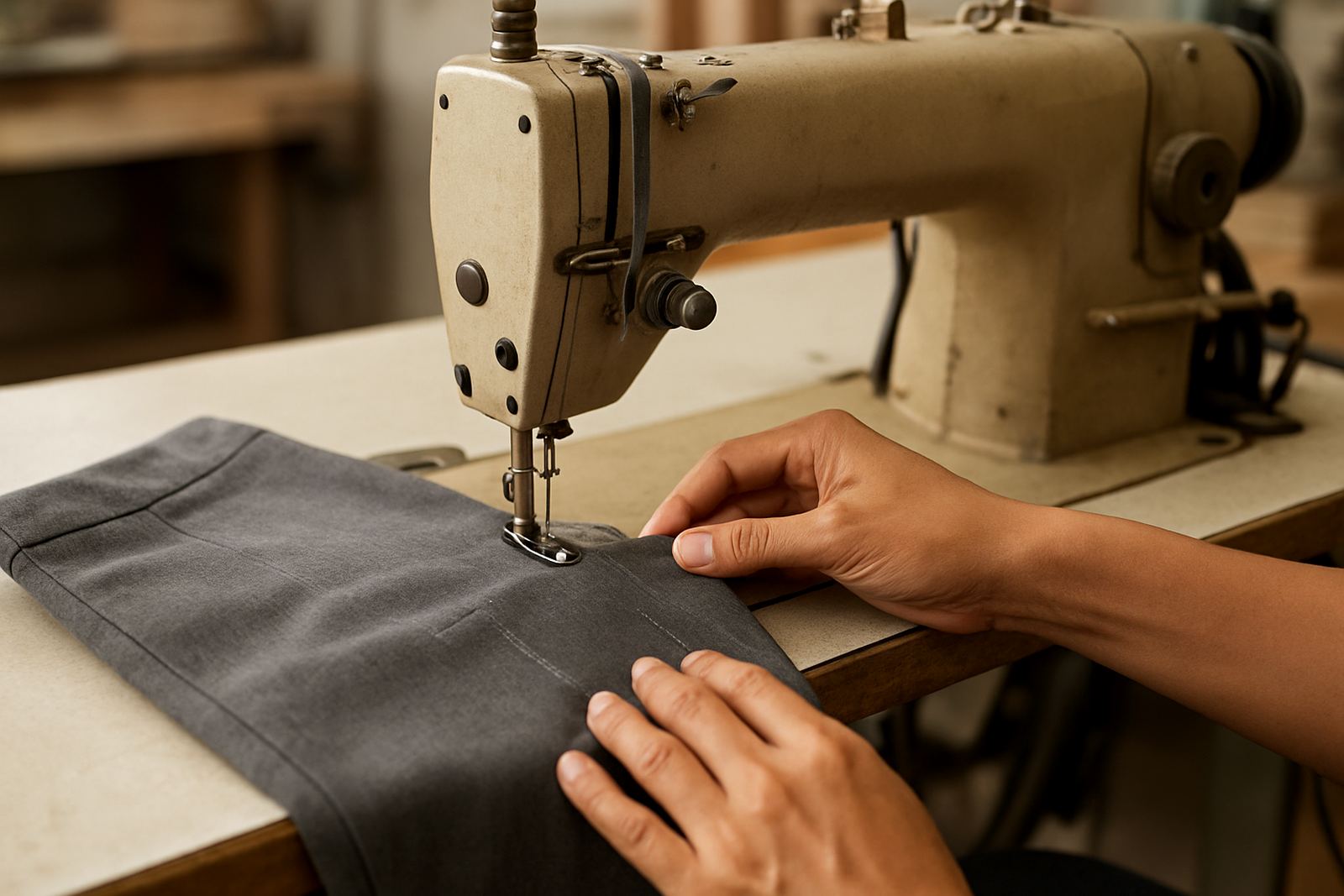
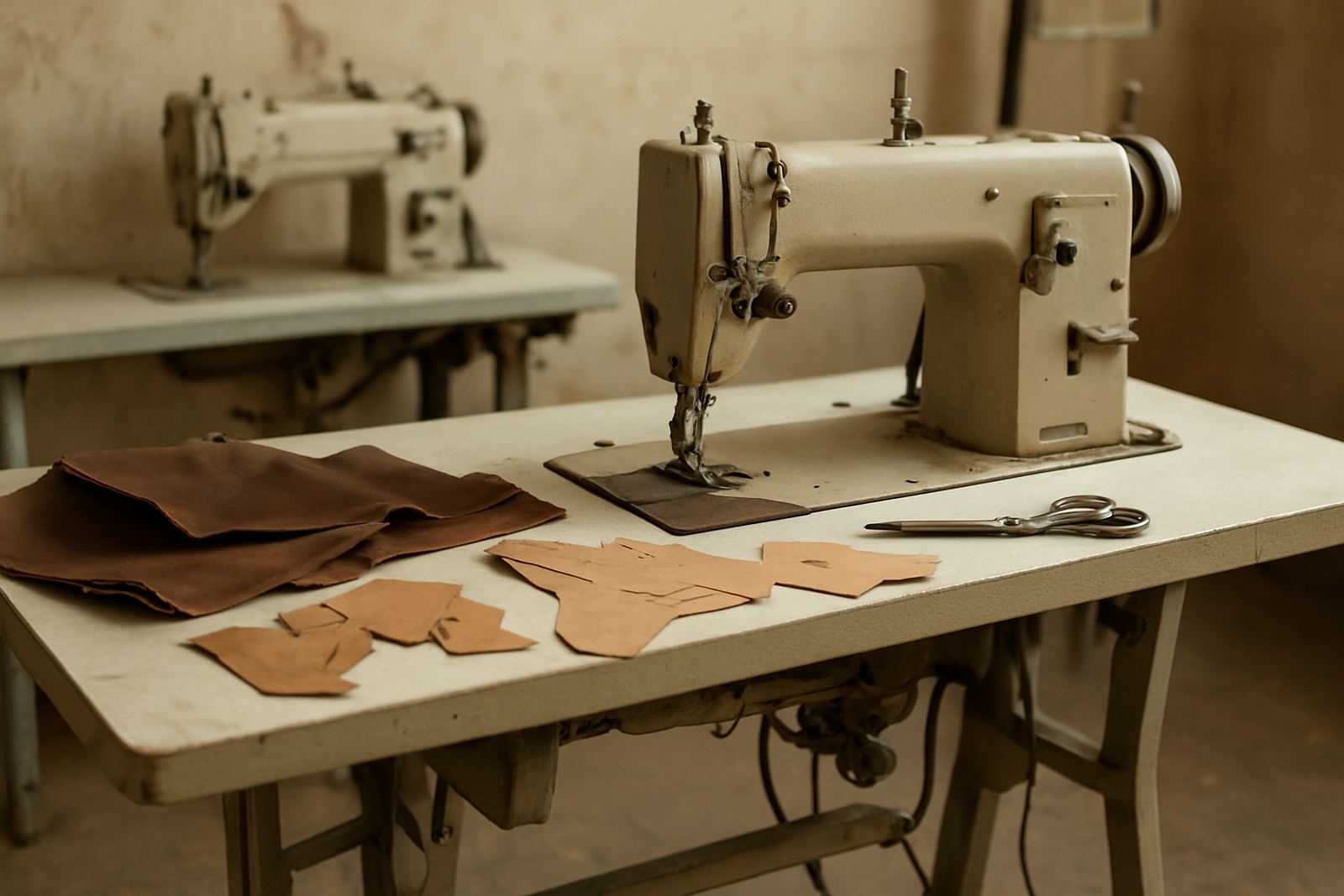
A post bed machine is built with a narrow raised column instead of a flat bed, so the operator can feed bulky or curved items around the needle area with better control. That makes it ideal for products that need stitching right around corners, over seams and along shaped panels without forcing the workpiece flat. In a shoe room or bag workshop, that extra access makes a real difference to speed and finish.
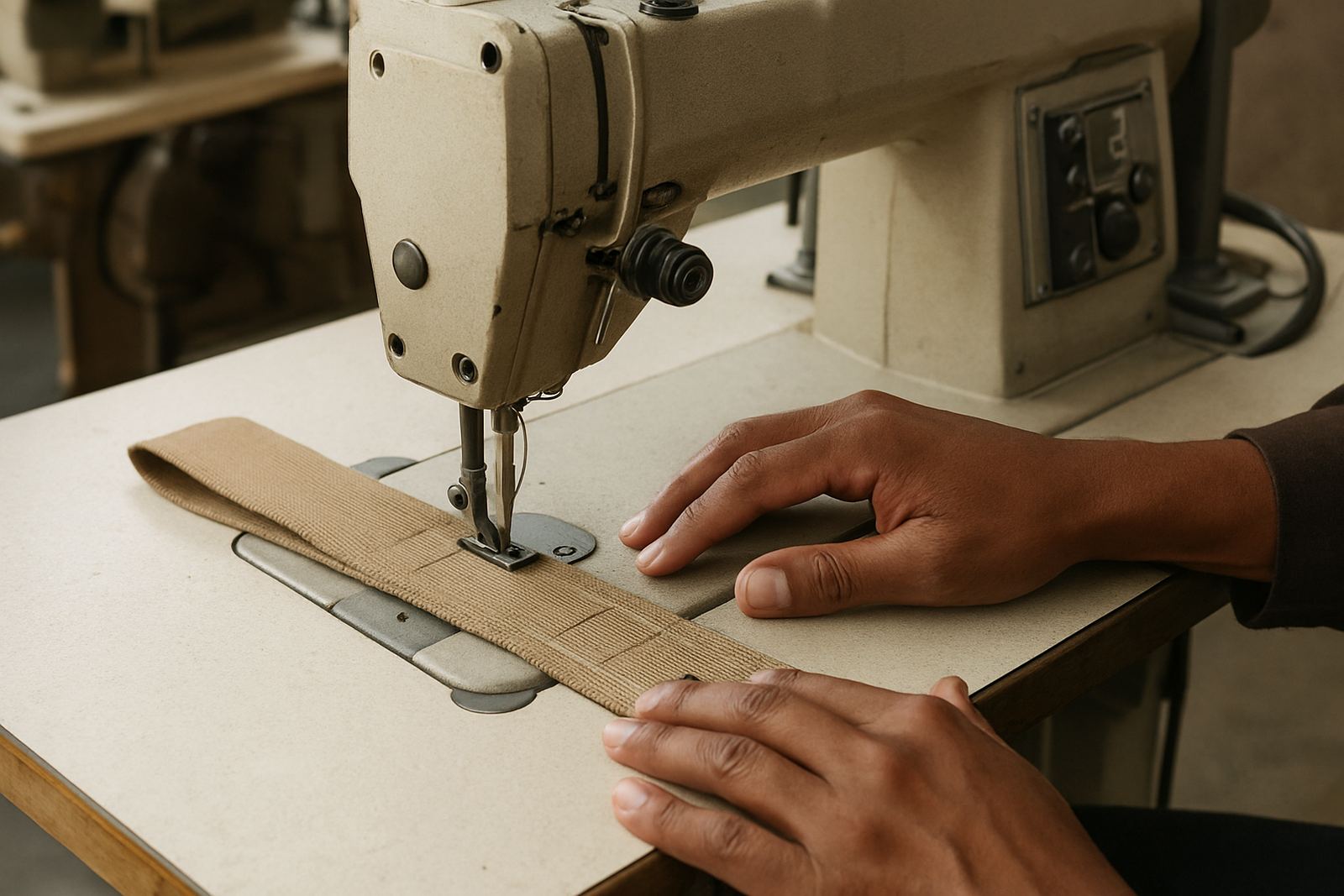
These machines are used for topstitching, closing panels, attaching straps and finishing edges where reach matters. On leather, vinyl, canvas and similar materials, the post lets the operator guide the work naturally rather than fighting against the shape. For small factories in Johannesburg CBD or home-based bag makers in Soweto and Germiston, it is one of those machines that pays for itself in less rework and neater output.
Because the work area is elevated, the machine is also useful where the product is awkward or partly assembled. That includes shoe uppers with padded sections, box bags, cases, belts, upholstery trim and shaped school items. If the job calls for access around the edge, this style is often the right fit.
Sizes, needle systems and feed options
Post bed machines come in different post widths, bed heights and stitch configurations. The right size depends on the product you make, the thickness of the layers and how close you need to stitch to a folded edge. Some units are compact for fine work, while others are built heavier for thicker leather and bag production.
- Post width: commonly around 100 mm to 160 mm, depending on the model and application
- Needle system: selected to suit the thread count and material thickness
- Maximum stitch length: usually adjustable for neat topstitching or stronger closing seams
- Presser foot lift: important for bulky items and stacked seams
- Feed type: drop feed, needle feed or compound feed depending on grip required
- Motor type: clutch or servo motor, with servo preferred for quieter use and lower power draw
For many Gauteng workshops, a servo motor is the better choice because it uses less electricity and gives better low-speed control, which helps during load-shedding recovery and careful stitching on short runs. If you are working long hours in a factory or teaching learners in a school workshop, that control can reduce broken thread and damaged samples.
Best uses in shoes, bags and leather goods
This machine is well suited to shoe uppers, bags and shaped items needing access around edges. It works especially well where the operator must stitch close to piping, gussets, reinforcements or binding. In footwear, it is commonly used for upper construction, reinforcements and decorative topstitching. In bag making, it is handy for handles, pocket edges, curved flaps and side panels.
It is also useful for small production runs and repair work. Tailors in Mayfair and Fordsburg use it for specialised leather and vinyl jobs, while factories in Alberton and Pretoria may use it for repeat production on handbags, promotional items and protective covers. Because the post keeps the material supported around the needle zone, the finish is usually cleaner on difficult shapes than on a standard flat machine.
- Shoe uppers and assembly parts
- Handbags, wallets and luggage components
- Belts, straps and small leather goods
- Protective covers, trim work and shaped panels
- Training rooms and vocational colleges needing practical leatherwork equipment
Installation, electrical supply and workshop setup
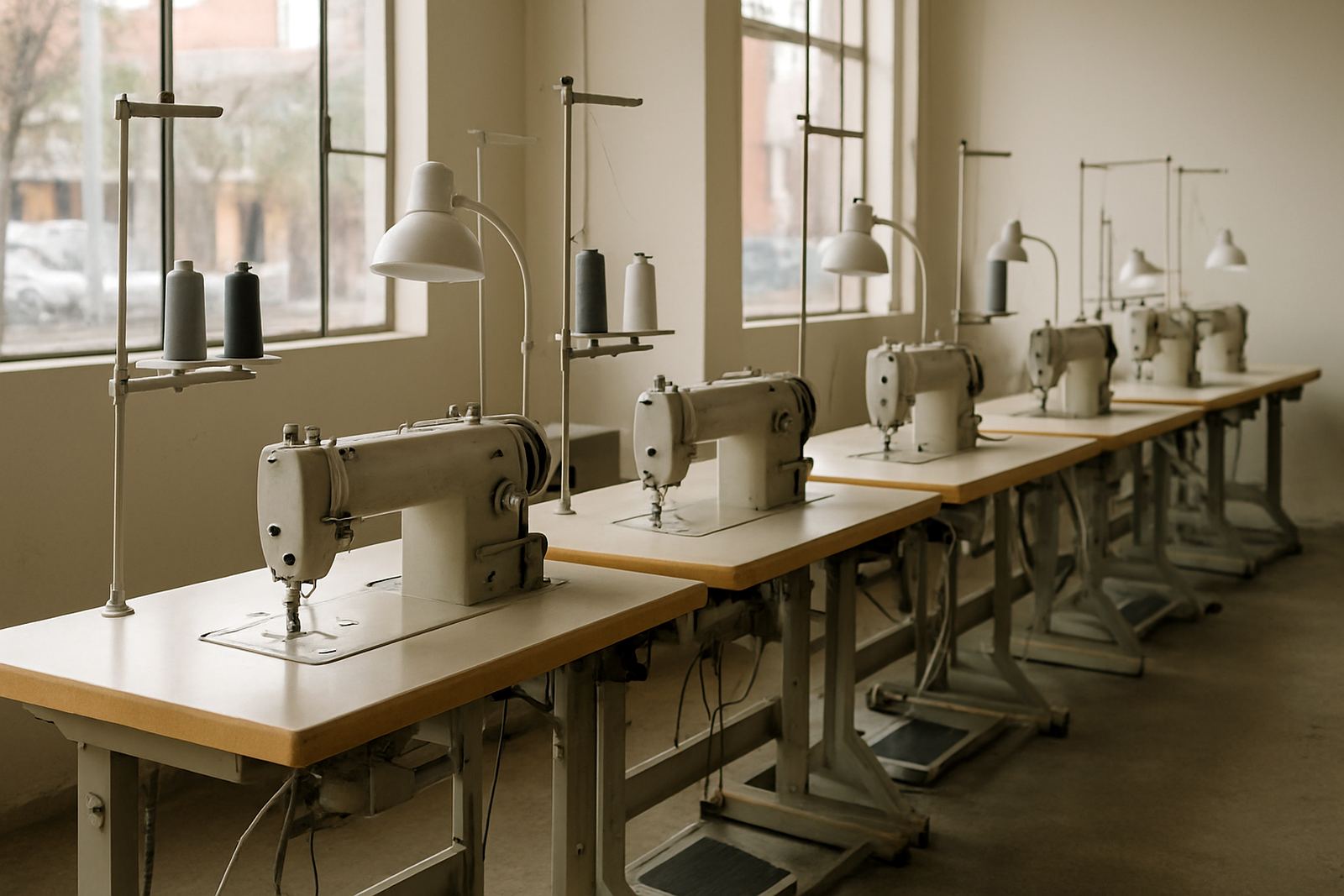
We install post bed machines for factories, workrooms and home sewing spaces across Johannesburg CBD, Soweto, Germiston, Randburg and Pretoria. Proper setup matters, because the machine must be level, the stand stable and the motor matched to the work being done. A poor installation can cause vibration, skipped stitches and unnecessary wear.
Most post bed sewing machines run on standard single-phase electricity, though some heavier workshop units may require a different supply arrangement. It is important to confirm the voltage and amperage before ordering, especially where the premises rely on generators or inverter backup during load-shedding. If the machine is going into a room with limited space, we also look at table size, operator movement and material flow so the setup makes sense from day one.
- Check power supply on site before delivery
- Allow space for the stand, operator chair and material handling
- Confirm whether you need single-phase or a different electrical setup
- Ask for a servo motor if you want quieter running and lower power use
- Plan for good lighting and dust control around the machine head
For businesses that work with adhesives or coating materials, we can also advise on where to position the machine so fumes, heat and dust do not affect the operator or the servcing schedule. Good layout reduces interruptions and helps keep the workflow steady.
Care, servicing and spare parts support
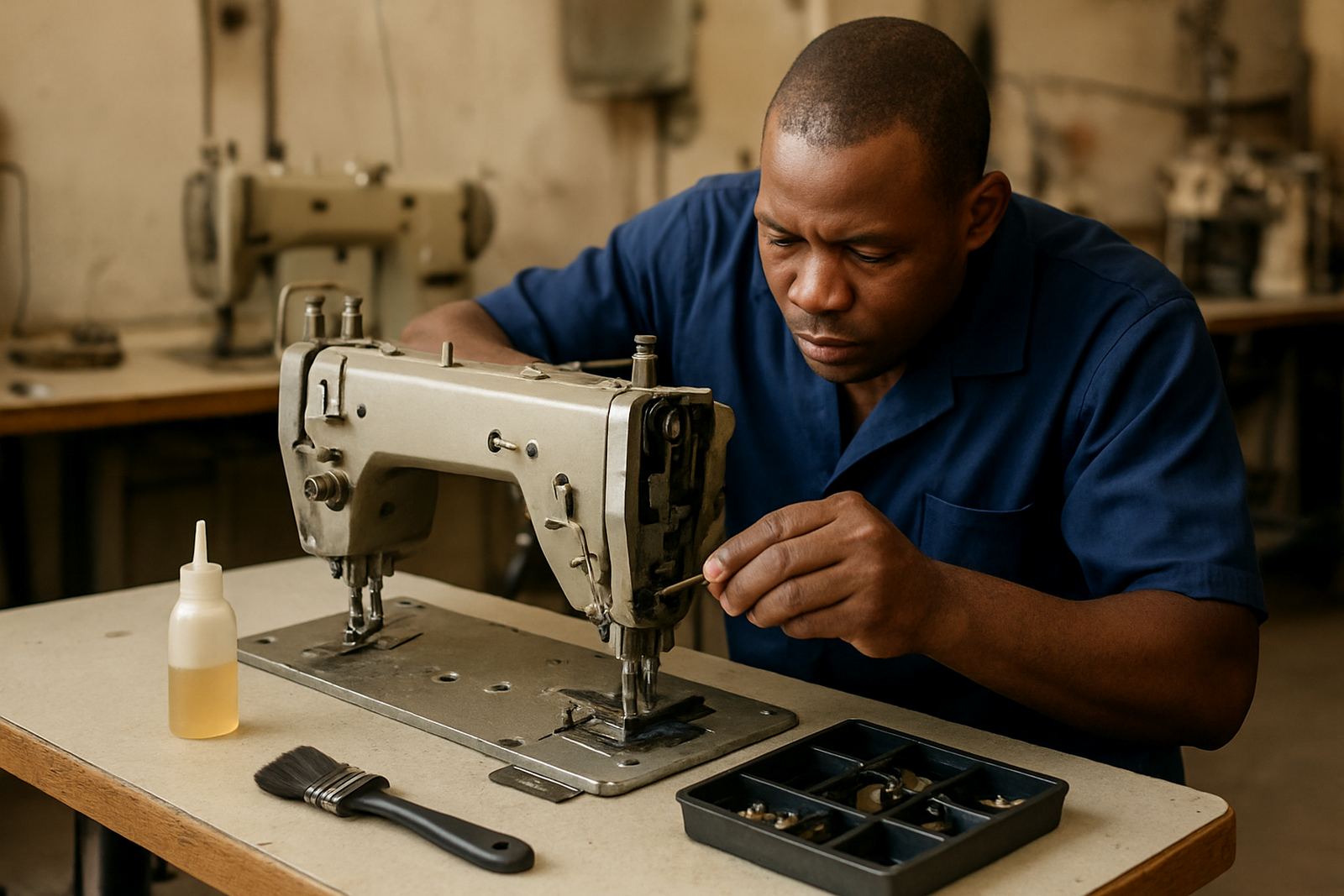
Post bed machines need routine servicing to stay accurate. Because they are often used on thick or sticky materials, regular cleaning is important to prevent lint, thread build-up and residue around the hook, tension path and feed mechanism. A machine that runs smoothly will give cleaner stitches and fewer stoppages.
Our workshop and field service team handles routine servicing, timing adjustments, on site repairs and workshop repairs when needed. We also supply spares, attachments and consumables such as needles, bobbins, thread and presser feet suitable for different applications. For busy operations in Gauteng, that support helps avoid long downtime when a small part fails.
- Clean the machine after shifts, especially after leather or adhesive work
- Check needle condition often, dull needles damage material quickly
- Keep the hook area and tension unit free of lint
- Use the correct thread and needle size for the material
- Book routine servicing before a peak production period, not after breakdowns
We also assist with motor conversions, embroidery setup where relevant and workroom planning for growing businesses. If a machine is pulling unevenly or making noise, it is better to stop and check it early rather than waiting until a bigger fault develops.
What to check before ordering your machine
Before placing an order, it helps to know exactly what you will sew and how often you will use the machine. The right post bed machine for a school workshop may be different from the one needed in a shoe factory or a bag production room. Share clear details so we can match the machine to the job and avoid unnecessary upgrades.
When ordering, check the material type, thickness, thread size, stitch length requirements and whether you need a narrow or wider post. If you are sewing bulky items, make sure the presser foot lift is enough. If the work includes curved seams and repeated production, ask about feed type and motor choice. For clients setting up in the Johannesburg CBD or surrounding areas, it is also useful to consider delivery access, workshop space and power availability.
- Material type: leather, synthetic leather, canvas, foam-backed items or mixed layers
- Item shape: flat, curved, tubular or boxed construction
- Needle and thread size required
- Desired stitch length and seam appearance
- Electrical supply on site
- Need for accessories such as edge guides, folders or special feet
If you are not sure which option fits your production, send the enquiry through our contact page with a brief description of the items you make. We will help you choose a machine that suits the work, the space and the budget, whether you are starting small or adding another line to an established floor.
Key facts
| Machine type | Post bed industrial sewing machine for shaped and edge-access work |
|---|---|
| Typical post width | About 100 mm to 160 mm, depending on model |
| Power | Usually single-phase electric with servo motor option |
| Materials | Shoe uppers, bags, leather goods, vinyl, canvas and mixed layers |
| Stitch capability | Adjustable stitch length for detail work and stronger seams |
| Support | Installation, servicing, parts sourcing and operator training in Gauteng |