

What a straight stitch machine does in daily sewing work
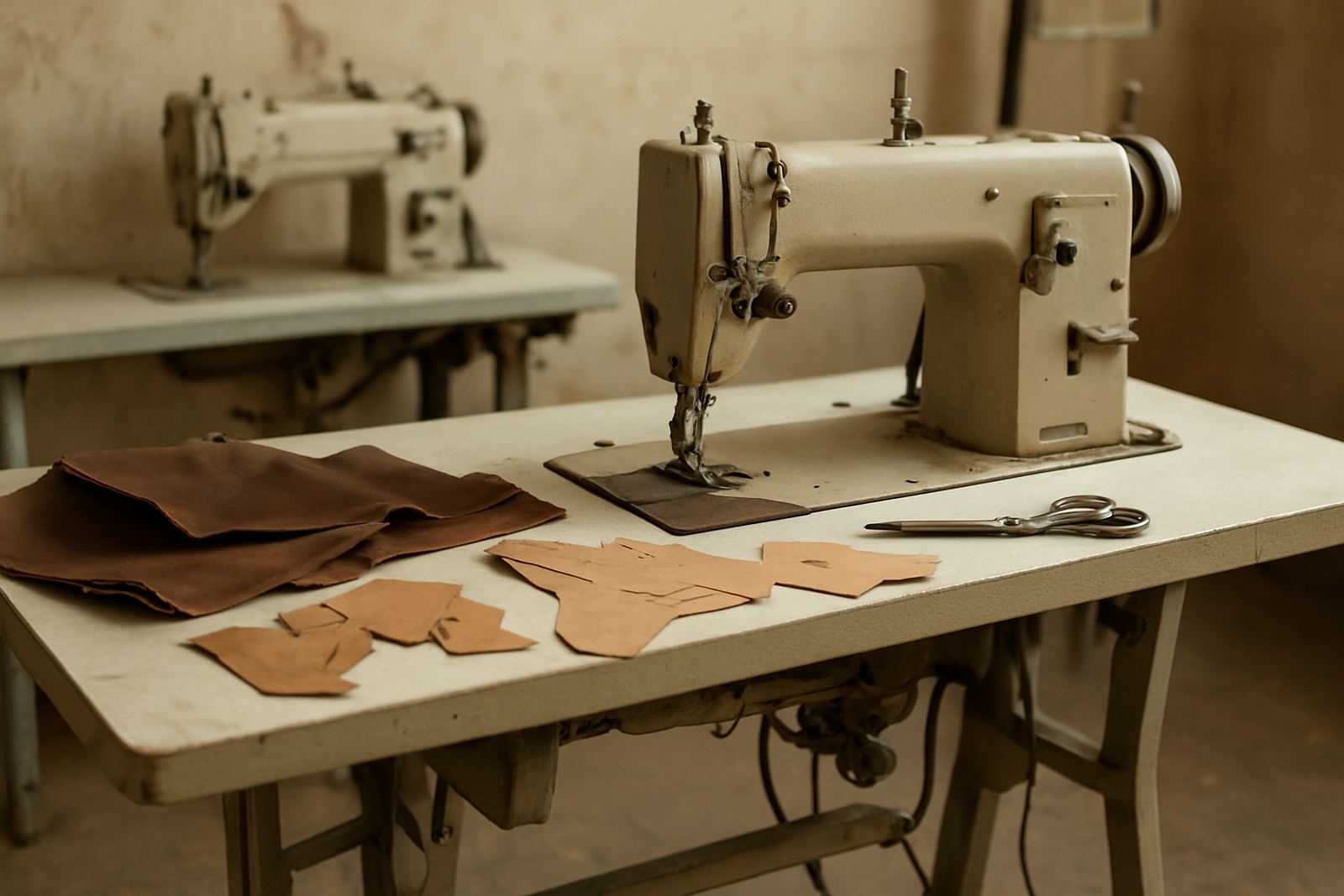
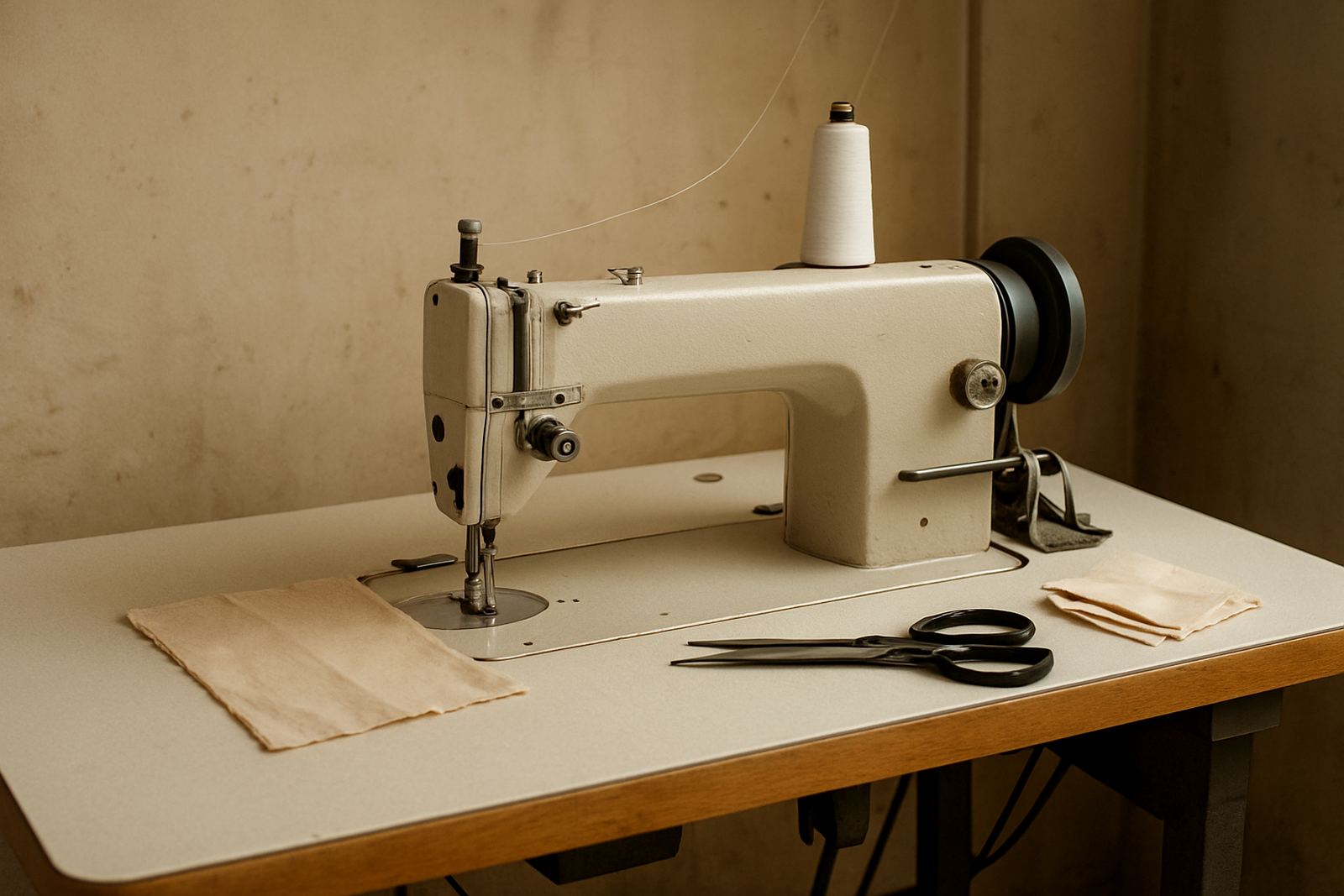
A straight stitch machine, also called a lockstitch machine, makes a single straight line of stitching for most garment assembly jobs. It is used for seams, topstitching, hems, repairs and general production work where a clean, even stitch matters. For many workrooms it is the first machine that goes on every morning and the last one that should be left idle without a proper cover.
These machines are suited to light to medium sewing in fabric shops, alteration counters, school uniform rooms, small clothing manufacturers and home workrooms. They handle common fabrics such as cotton, polycotton, denim, drill, lining, twill and some upholstery materials depending on needle size and motor setup. If the machine is set up correctly, it can handle long shifts with steady tension and neat seam control.
We supply straight stitch units for new setups and for replacement in busy workrooms where older machines are no longer holding timing or stitch quality. A straight stitch machine is simple in principle, but the right table, motor speed and needle choice make a big difference to how it performs.
Sizes, motor options and common configurations
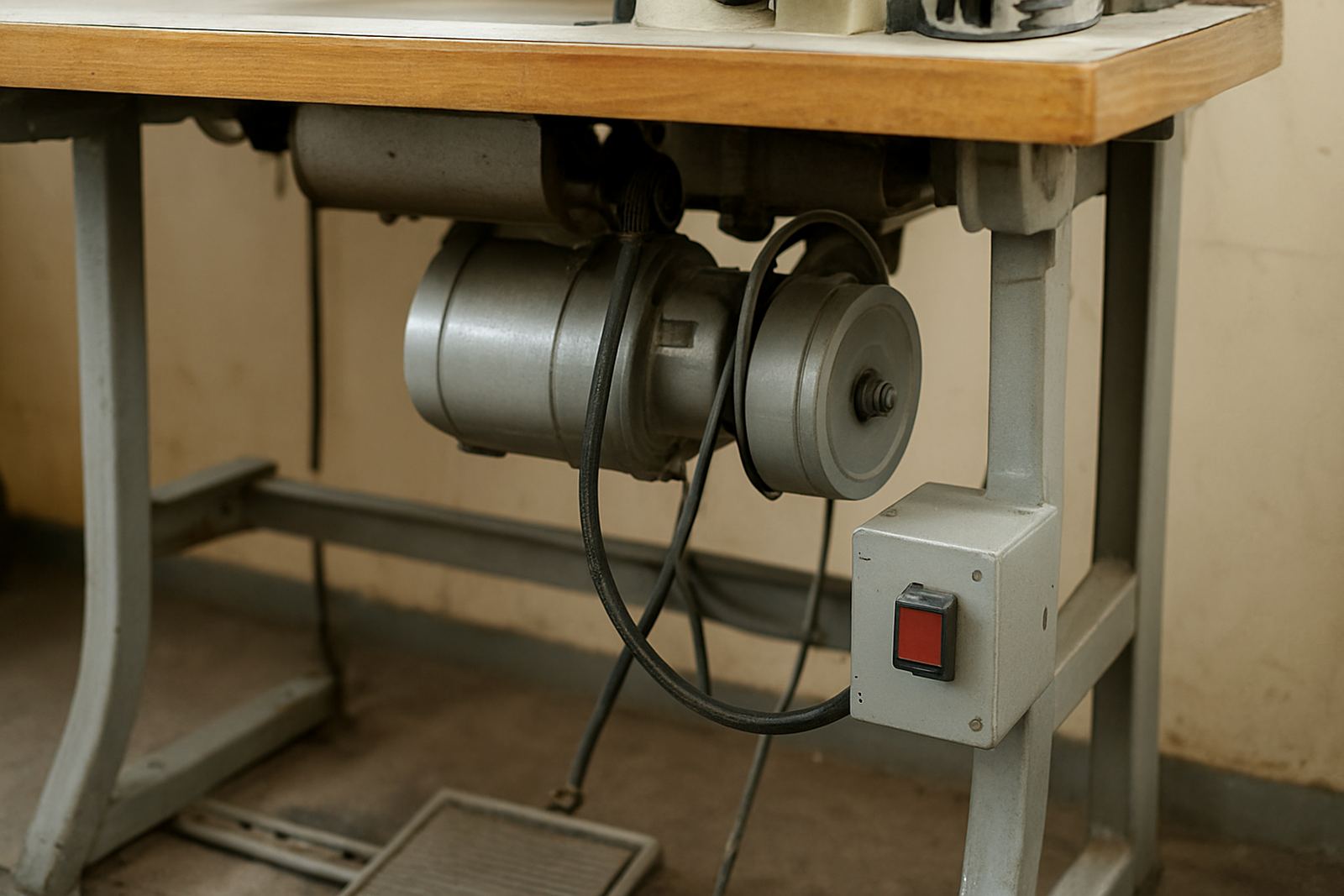
We can supply straight stitch machines in different bed and table configurations, from compact home and alteration setups to full industrial units for daily production. Most industrial units use a flatbed format with a fitted table, stand and clutch or servo motor. Servo motors are preferred in many Johannesburg and Pretoria workrooms because they use less power and give better control at low speed, especially during load shedding when a generator or inverter is in use.
Typical options include manual foot control, direct drive motor, needle positioner, adjustable presser foot pressure and built-in bobbin winder. Some models are supplied with automatic lubrication, while others use manual oiling. For light fabrics and frequent starts and stops, a quieter motor and slower speed control can make the day easier for operators.
- Needle system: usually DBx1 or equivalent for industrial lockstitch models
- Stitch length: commonly adjustable up to about 5 mm
- Maximum speed: often 4 500 to 5 500 stitches per minute, depending on setup
- Presser foot lift: manual and knee lift options are common
- Table size: standard industrial table with metal stand and work surface
For workrooms in older buildings, we also check whether the floor can take the table footprint and whether the power outlet is safe and properly earthed. A straight stitch machine is not gas-operated, so the main requirement is a stable electrical supply and a clean, level place to sew.
Where this machine suits best in Gauteng workrooms
This machine suits businesses that need reliable straight seam sewing every day. In Johannesburg CBD, Fordsburg and Mayfair it is often used for alterations, garment finishing and small batch production. In Soweto, Germiston, Alberton and Randburg it is common in tailoring rooms, school uniform work, curtain making and repair counters. Pretoria clients often use it for office uniforms, workwear and community sewing projects.
It is a good choice for workrooms that need one machine to handle many jobs rather than a specialised unit for a single task. If the operator is sewing plain seams, joining panels, attaching facings or closing side seams, a straight stitch machine is usually the most efficient machine on the floor. For very thick layers, decorative stitching or stretch fabrics, we can advise on the right needle, thread and adjustment so the stitch holds properly.
- Factories needing repeatable seam quality on daily output
- Tailors and alteration shops working on trousers, skirts and shirts
- Schools and training centres teaching basic machine operation
- Home sewers wanting a strong machine for regular use
Installation, power checks and operator setup
We handle installation in the Johannesburg CBD and across Gauteng, including table assembly, motor fitting, threading, tension setting and test sewing. A proper setup reduces broken needles, skipped stitches and uneven feeding. We also check belt tension, pedal response, thread path and bobbin winding before the machine is handed over.
For electrical supply, the machine normally runs from standard mains power and does not need a special outlet unless the workroom has unusual wiring or backup power equipment. If your site uses an inverter, generator or shared supply line, we check that the motor starts cleanly and does not overload the system. This matters in areas where power interruptions are common, because a machine that restarts badly can lose timing or strain the motor.
We also assist with operator training so staff know how to thread correctly, adjust stitch length, change needles and recognise early signs of trouble. A few minutes of proper training can prevent hours of stoppages later on, especially in busy rooms where different operators use the same machine.
Care, servicing and signs the machine needs attention
Regular care keeps a straight stitch machine sewing smoothly and extends the life of the motor, hook and tension parts. The machine should be brushed clean daily around the feed dog, bobbin area and needle plate. Lint build-up is one of the most common causes of poor stitching, and it gets worse when the machine is used on brushed fabrics or linty cottons.
We recommend routine servicing where the machine is cleaned, oiled, timed and checked for worn parts before serious damage develops. If the machine begins to make noise, skip stitches, pull thread too tight or leave loops underneath, it is usually a sign that timing, tension or the needle system needs attention. In some cases the issue is simple, in others the hook, shuttle area or motor setting may need a proper repair.
- Clean lint from the bobbin case and feed area every day
- Use the correct needle size for the fabric and thread
- Replace blunt or bent needles straight away
- Keep the motor area free of thread bits and oil build-up
- Book workshop service before the machine starts damaging seams
For coastal humidity is less of a concern in Johannesburg than on the coast, but dust and heat still affect machine performance. If the unit stands unused for long periods, cover it and run a short test sew before production starts again.
What to check before placing an order
Before ordering, it helps to know what you want the machine to sew, who will use it and how many hours a day it will run. A straight stitch machine for a home sewer may not need the same motor speed or table size as a production machine in a factory. If you are replacing an older machine, we can also compare the old setup against the fabric types and stitch quality you need now.
Please check the following points so we can match the right unit to your workroom:
- Fabric type: light, medium or heavy sewing
- Daily volume: occasional use or full-day production
- Power supply: standard mains, inverter or generator backup
- Space available: single table, shared line or row setup
- Operator skill: beginner, experienced or mixed team
- Preferred extras: needle positioner, speed control, automatic lubrication or knee lift
We can also advise on matching thread, needles, spare bobbins and attachments so the machine goes into service with the right consumables from day one. If you need installation in Fordsburg, Soweto, Germiston, Pretoria or another Gauteng area, we can arrange the supply and setup from our Johannesburg CBD base.
Key facts
| Machine type | Industrial straight stitch lockstitch machine |
|---|---|
| Stitch formation | Single needle, single straight seam |
| Stitch length | Adjustable, commonly up to 5 mm |
| Speed | About 4 500 to 5 500 stitches per minute depending on model |
| Power | Electric motor, usually servo or clutch motor |
| Use range | Light to medium garments, alterations, uniforms and general production sewing |