

Why a walking foot machine suits heavier sewing
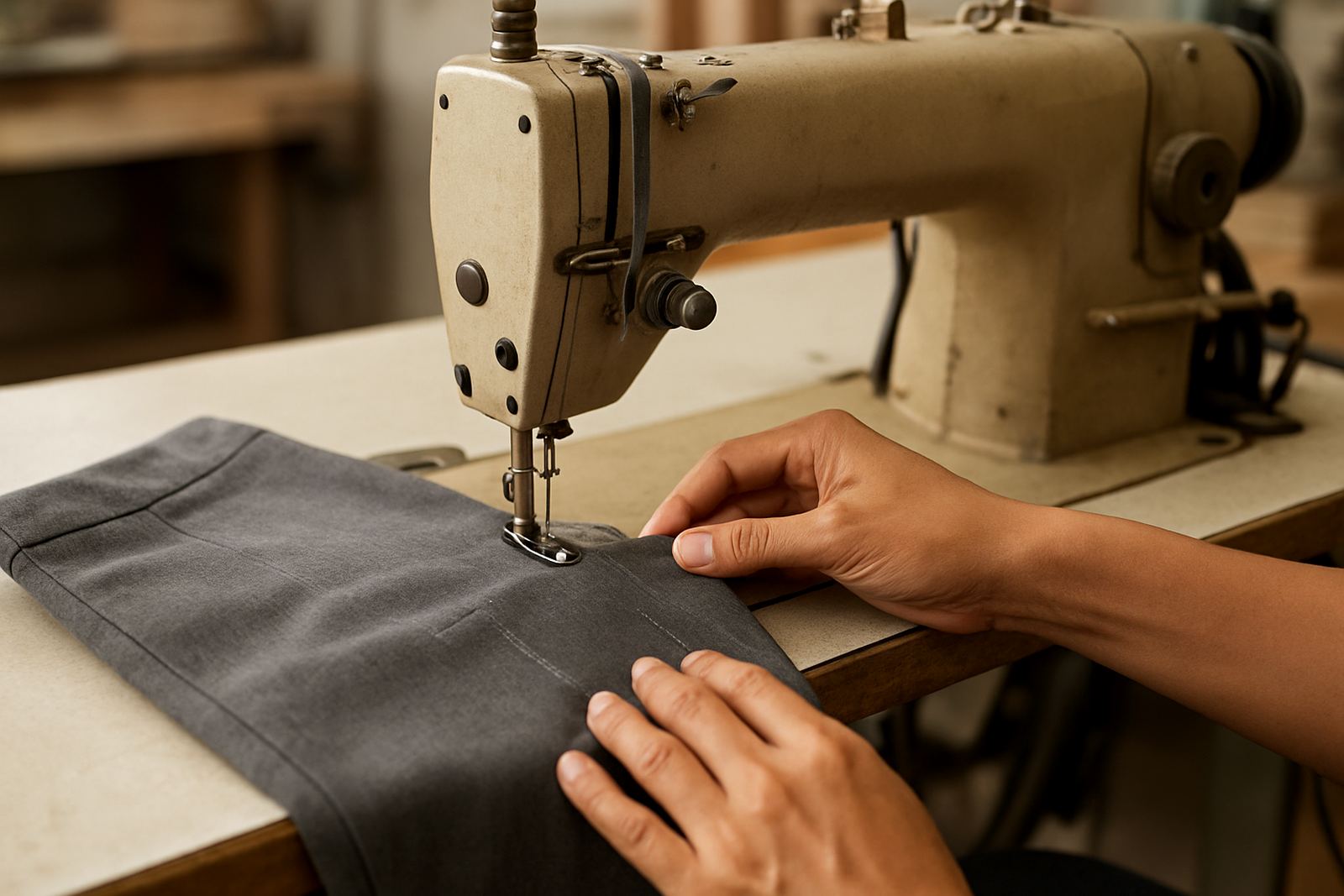
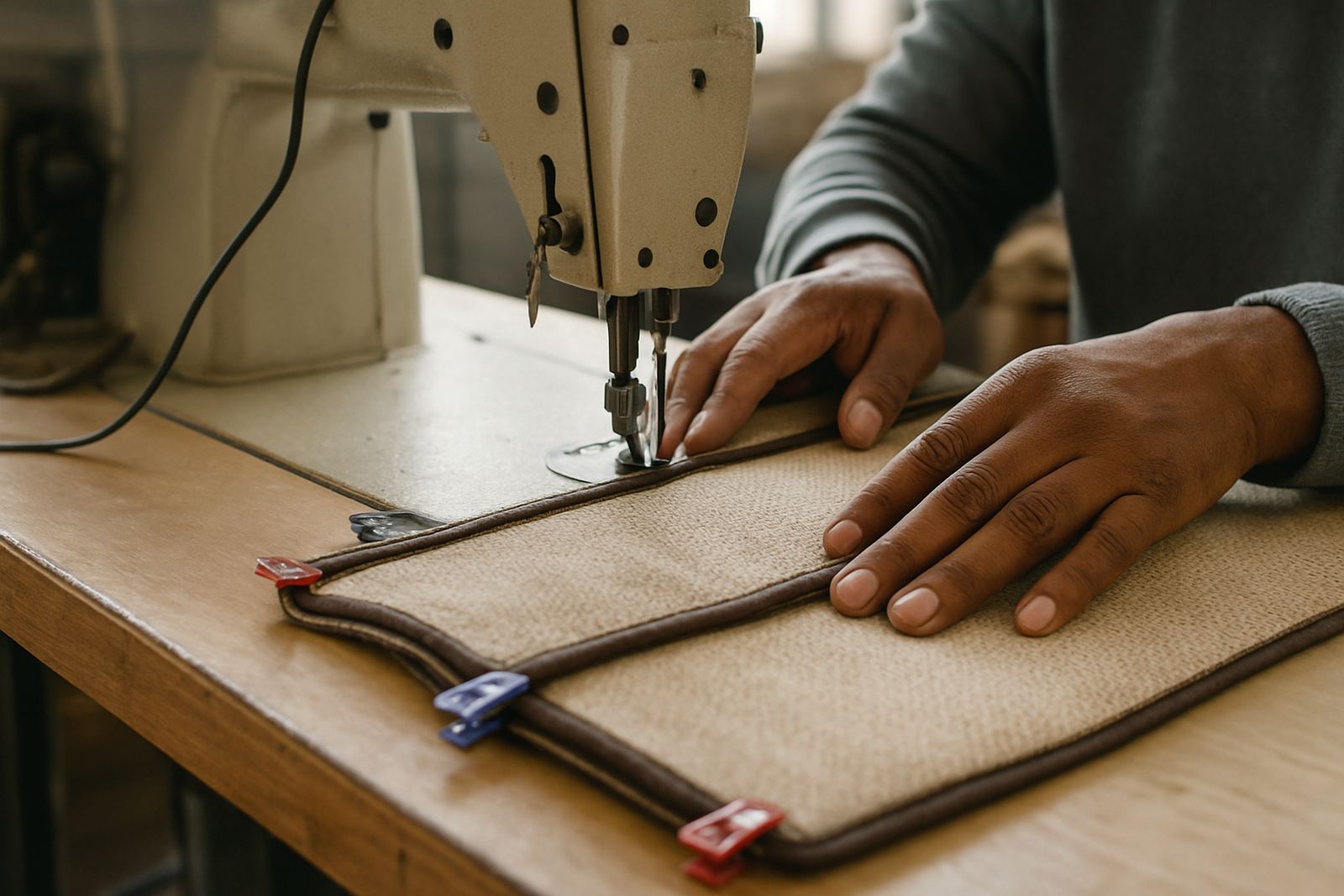
The walking foot system helps move the top layer and bottom layer together, which gives better feeding on bulky or slippery materials. That makes a real difference on upholstery, seat covers, vinyl, canvas, PVC, sailcloth and multi layer seams where shifting causes skipped stitches or puckering.
In busy workrooms across Johannesburg, Soweto and Germiston, these machines are often chosen for jobs that must stay straight over long runs. They are useful where a strong needle penetration, steady stitch length and reliable feed are needed. If you work with heavy thread and frequent seam joins, this type of machine usually gives cleaner results with less strain on the operator.
Common sizes and options to consider
Walking foot machines come in several bed styles and needle systems, depending on the type of work. The right choice depends on whether you sew flat panels, tubular items or very thick assemblies. For many local factories and tailors the decision comes down to the size of the items, the thread thickness and the space available in the workroom.
- Flatbed models for general upholstery work and cover making
- Cylinder arm models for bags, round seams, sleeves and awkward shapes
- Needle feed versions for better control on layered fabrics
- Single needle and twin needle options, depending on stitch format
- Servo motor setups for quieter running and lower power draw
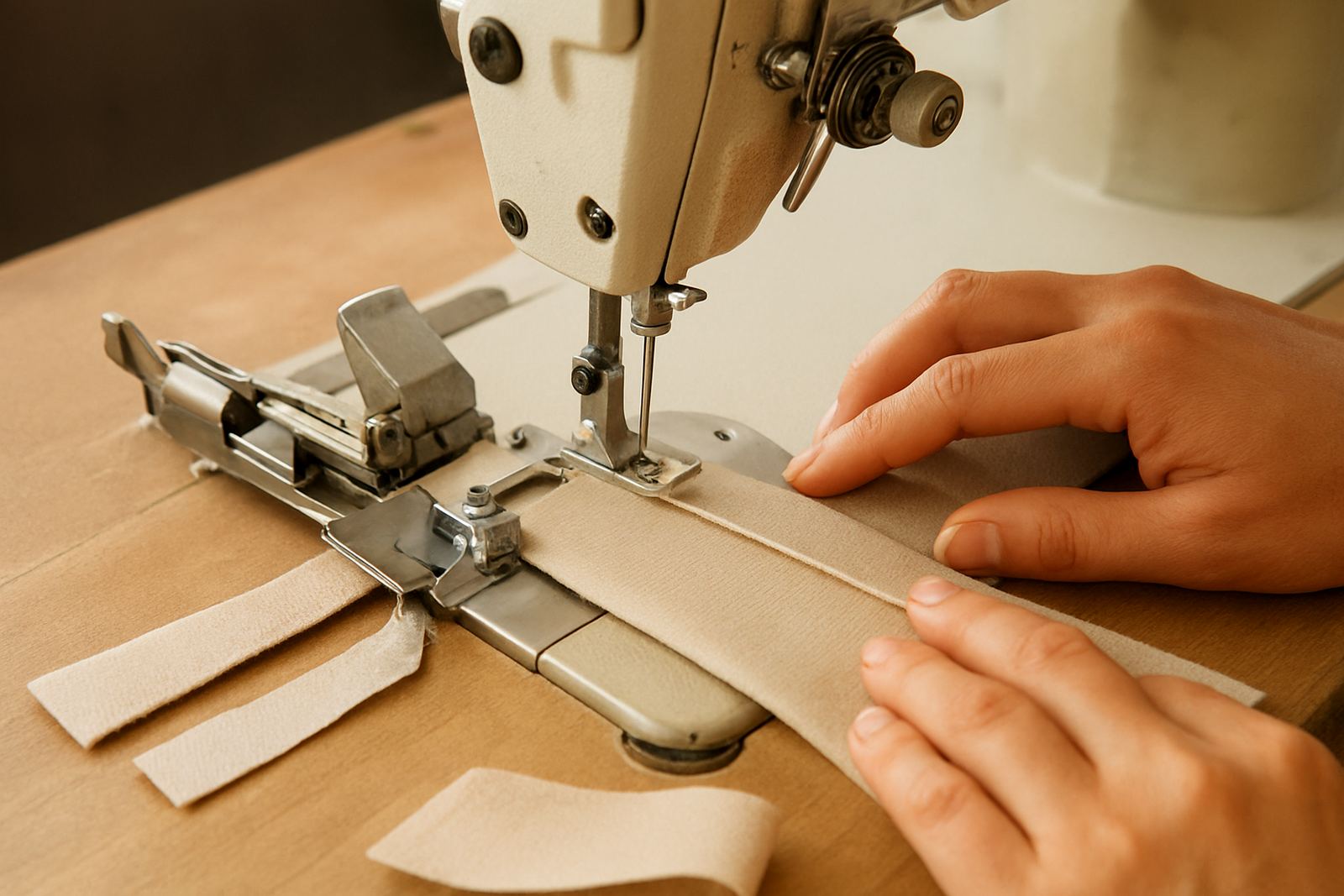
- High lift presser foot options for thicker material stacks
We also help match the machine to your existing tables, motors and work flow. In some cases a smaller, well set unit is better than a bigger machine that is difficult to manage in a cramped room.
Typical specifications for workshop use
Exact specifications vary by model, but most walking foot machines supplied for commercial use are set up to handle heavier daily production. A typical unit will run a stitch length up to around 8 mm, with foot lift commonly in the 7 mm to 13 mm range, depending on the design. Needle systems differ by machine type and intended material range.
Most installations use a table with a servo motor, belt drive and control box suited to local power conditions. That helps with load-shedding recovery and reduces wasted electricity when the machine is standing idle. For businesses in Pretoria, Alberton and Randburg, we can also advise on the right motor size for the workload and the supply available on site.
- Material range: light upholstery through to heavier canvas and vinyl
- Stitch length: typically adjustable for long seam work
- Presser foot lift: enough for multi layer and bulky jobs
- Motor type: usually servo for better control and lower noise
- Table size: matched to the machine head and operator space
- Power: standard workshop electricity, with setup guidance for stability
Where this machine works best in Gauteng workrooms
This machine suits upholstery shops, cover makers, curtain and soft furnishing work, leather repair businesses, school uniform units that handle bags or trims, and small factories that do mixed heavy sewing. In Fordsburg and Mayfair it is often used where every machine must earn its keep on a mix of repairs and production. In Soweto and Germiston it is also a practical choice for small manufacturers who need a dependable machine with simple day to day handling.
It is not only for factories. Home sewers taking on motorbike covers, braai covers, awnings or tough repair work may also benefit from the controlled feed and stronger stitch formation. If the job involves layers that would drag or bunch on a standard machine, a walking foot model is usually worth considering.
Installation, power and workshop setup
We install walking foot machines in our Johannesburg CBD workshop and on site where needed. A proper installation includes aligning the head, setting thread tension, checking the needle timing, testing feed movement and making sure the table height suits the operator. For new setup work we also advise on needle choice, thread size and the right presser foot pressure for the material.
Power needs are usually straightforward, but the machine should still be connected to a stable supply and protected against rough switching during outages. A servo motor is often the better choice for businesses affected by load shedding because it starts smoothly and uses less power. If you are in an older building or a shared workroom, we can check the socket arrangement and help position the machine safely.
- Level table and stable stand to reduce vibration
- Correct motor pulley and belt tension
- Needle and thread matched to the material
- Foot pressure adjusted for the thickness being sewn
- Clear operator space for bulky workpieces
Care, servicing and parts support
Heavier sewing puts more strain on the hook, feed mechanism, needle bar and drive system, so routine servicing matters. Regular cleaning removes lint and offcuts that build up under the throat plate and around the feed area. Oiling points should be checked often, especially in dusty rooms or where the machine runs all day.
We handle workshop repairs, routine servicing and parts sourcing for machines used across Johannesburg and Pretoria. If stitches start skipping, the material pulls to one side, or the motor sounds uneven, it is best to stop and have it checked before the fault gets worse. Our parts team can source common consumables, attachments and replacement components, and our field technician can attend on site where practical.
- Clean after each shift when working with linty or sticky materials
- Check needle wear before long production runs
- Keep thread paths clear and tension disks free from dust
- Service timing and feed movement before heavy jobs start
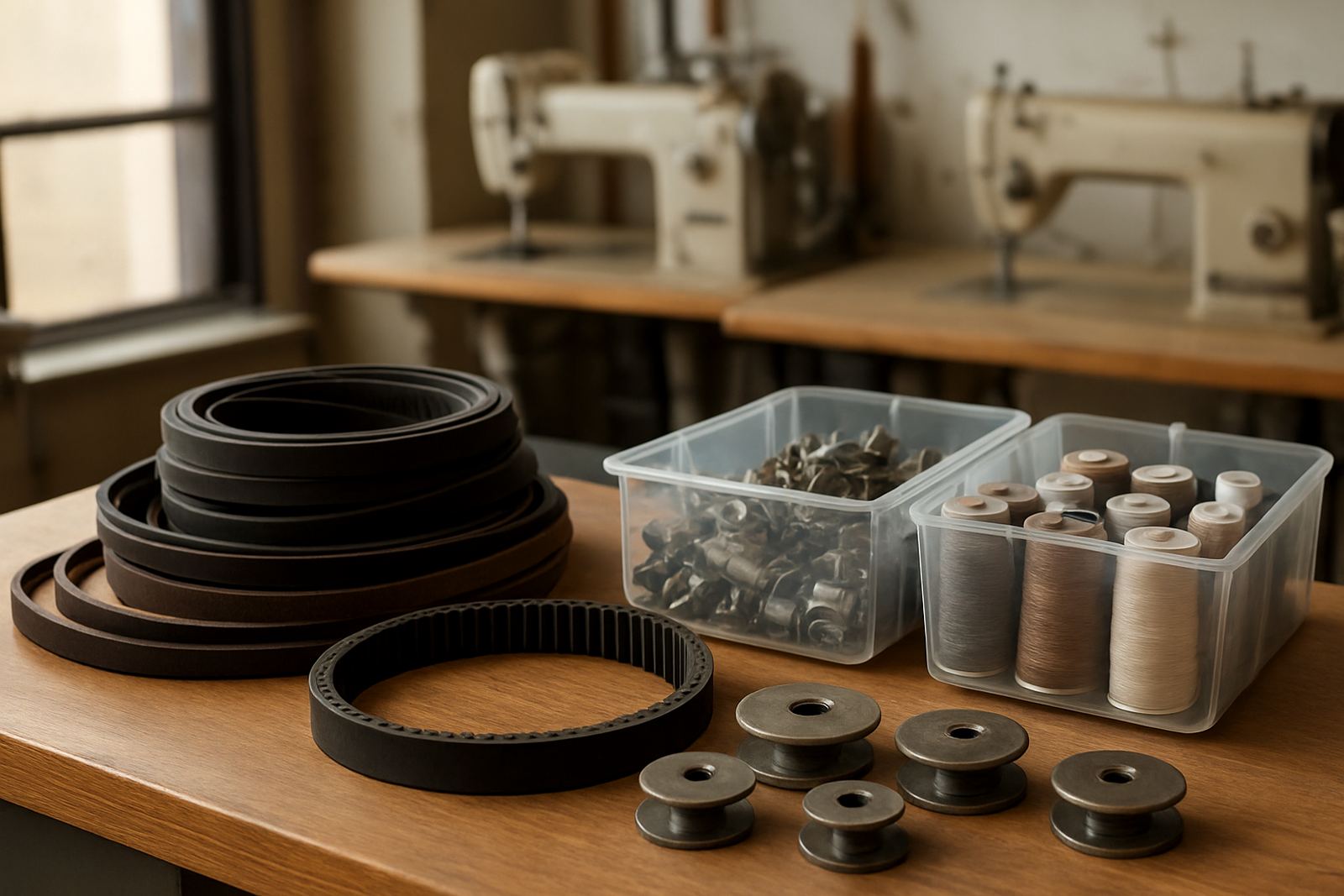
- Replace worn feet, belts and bobbin parts as needed
What to check before you place an order
Before ordering, think about the material thickness, the type of seams you make most often and whether you need a flatbed or cylinder arm. It also helps to know the thread size, needle system, machine speed and the space available on your table or cutting bench. If your work includes awkward corners or closed items, mention that up front so we can recommend the right head.
Also tell us if the machine is for a school, factory floor, home workshop or a repair counter. That affects the level of training, setup and support needed. We can help clients across Alberton, Randburg and the wider Gauteng area choose a machine that fits the actual job instead of buying something that is too light or too big.
Clients can reach us through the enquiry form on our contact page and our team will assist with sales, setup, service and parts.
Key facts
| Machine type | Walking foot industrial sewing machine for heavy and layered materials |
|---|---|
| Best use | Upholstery, covers, vinyl, canvas, leather work and general heavy sewing |
| Feed system | Walking foot action with improved grip on top and bottom layers |
| Bed options | Flatbed or cylinder arm, depending on the workpiece |
| Motor setup | Usually supplied with a servo motor and table for workshop use |
| Service support | Installation, on site repairs, workshop servicing and parts sourcing from Johannesburg CBD |