

What a blind hem machine does
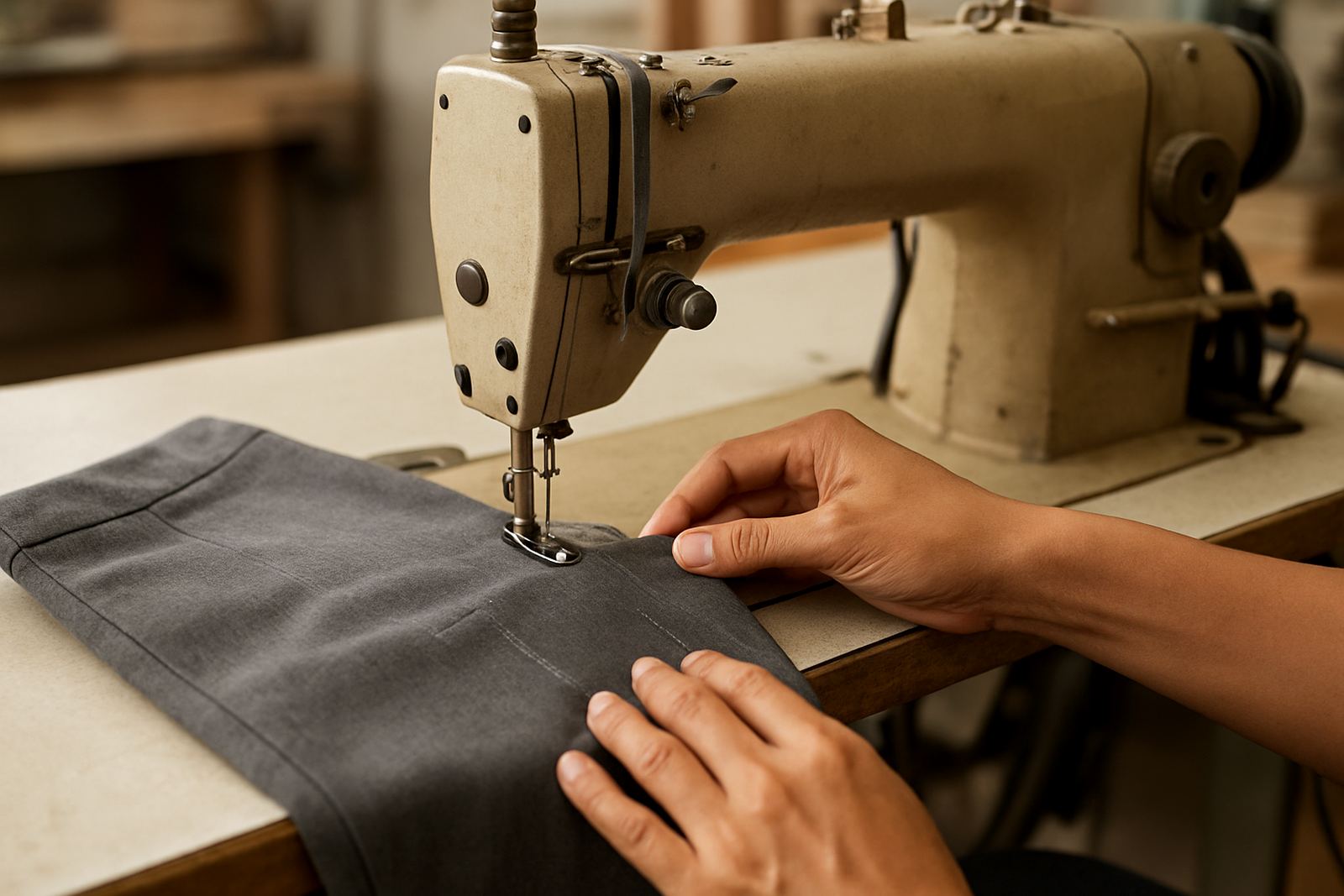
A blind hem machine is built to sew a hem so the stitches show very little on the front of the garment. That makes it the right choice for school skirts, suit trousers, church wear, formal dresses and alterations where a tidy finish matters. The machine folds and catches only a small bite of the fabric, so the hem sits flat and does not look bulky.
For Johannesburg workshops, this is a practical machine when you are doing regular alteration work or small production runs. It works well on woven fabrics and many medium weight garments, and it helps keep turnaround times up when customers want a clean finish before a function or job interview.
Sizes, styles and stitch options
Blind hem machines come in several setups depending on the fabric and the volume of work. Some are plain mechanical units for basic garment repairs, while others have adjustable stitch width, stitch length and presser foot pressure for more control on different cloth types. If you are working on schoolwear, suiting or lighter ladieswear, that flexibility matters.
- Single phase industrial models for workshop use
- Table top units for tailoring rooms and small factories
- Manual or motor driven versions
- Needle and looper settings for lighter or heavier fabric
- Adjustable hemming depth for different garment widths
We can also advise on matching the machine to your sewing room layout, whether you are in Fordsburg, Soweto, Germiston or Pretoria. A good match saves time and reduces rework on every hem.
Where blind hemming fits best
This machine suits garment makers and alteration businesses that handle formal wear, school uniforms and everyday clothing. It is also useful for schools with clothing departments, theatre costume rooms and small factories doing finishing work. If your clients expect hems that look sharp from the outside, a blind hem machine is the right tool.
It is especially handy in Gauteng where many workrooms run with mixed orders and tight deadlines. A trousers hem can be turned around quickly, and skirts or dresses get a neat finish without hand sewing the full length. For shops in the Johannesburg CBD, Mayfair or Alberton, that consistency helps build repeat business.
- Alteration shops and tailoring studios
- School uniform makers
- Formalwear and suit producers
- Small clothing factories
- Training rooms and sewing schools
Installation, power and workspace needs
Most blind hem machines run on standard single phase electricity and are set up on a sewing table with a motor and pedal. If you are replacing an older machine, we can handle installation, timing adjustments and operator guidance so the team can start work without guesswork. For premises affected by load-shedding, it is worth checking your backup power plan before moving the machine onto the floor.
These machines do not need gas. They do need a stable table, enough light over the needle area and a clear bench space for garments to move freely. If your workroom is in a tight upstairs unit in the CBD or a school room with limited sockets, we can help plan the layout so cords, pedal position and garment flow all make sense.
- Single phase power in most cases
- No gas connection required
- Stable table and motor mount needed
- Good lighting at the needle area
- Space for garment handling before and after hemming
Care, servicing and common wear parts
Blind hem machines last longer when they are cleaned often and checked before faults become bigger. Lint builds up fast around the looper, needle path and moving joints, especially in busy shops that sew daily. A little oiling and routine servicing keeps the stitch consistent and reduces broken needles and skipped stitches.
We offer workshop repairs, on site repairs and routine servicing from Johannesburg CBD, with field support across Gauteng. Our parts and stores team can help with spares, attachments, needles, belts and related items. If the machine starts pulling fabric, missing stitches or making a rough sound, it is better to stop and inspect it early rather than forcing more work through it.
- Clean lint from the needle and looper area
- Check needle size and condition often
- Keep the table level and the motor properly tensioned
- Oil the machine according to the model requirements
- Book servicing before peak alteration seasons
What to check before you order
Before you place an order, check the garment types you sew most often, the fabric thickness and the number of hems you do in a day. A machine for light school skirts will not always suit heavier suiting or thick hem folds. You should also confirm whether you need a standard unit or a more controlled setup for varied work.
It helps to look at stitch appearance, motor type, available floor space and whether your staff need training on threading and hem depth settings. If you are setting up in Randburg, Pretoria or Soweto, tell us what power supply you have on site and whether the machine will be used full time or only for repairs and alterations. That lets us guide you to the right option the first time, not after the machine is already on the floor.
Key facts
| Machine type | Blind hem machine for discreet garment hemming |
|---|---|
| Power | Single phase electric motor, model dependent |
| Use | Trousers, skirts, formal wear and alteration work |
| Stitch control | Adjustable stitch length and hem depth on suitable models |
| Installation | Table setup, motor fitting and operator guidance available |
| Service support | Workshop repairs, on site repairs and routine servicing |