What a portable overlocker does in a small workroom
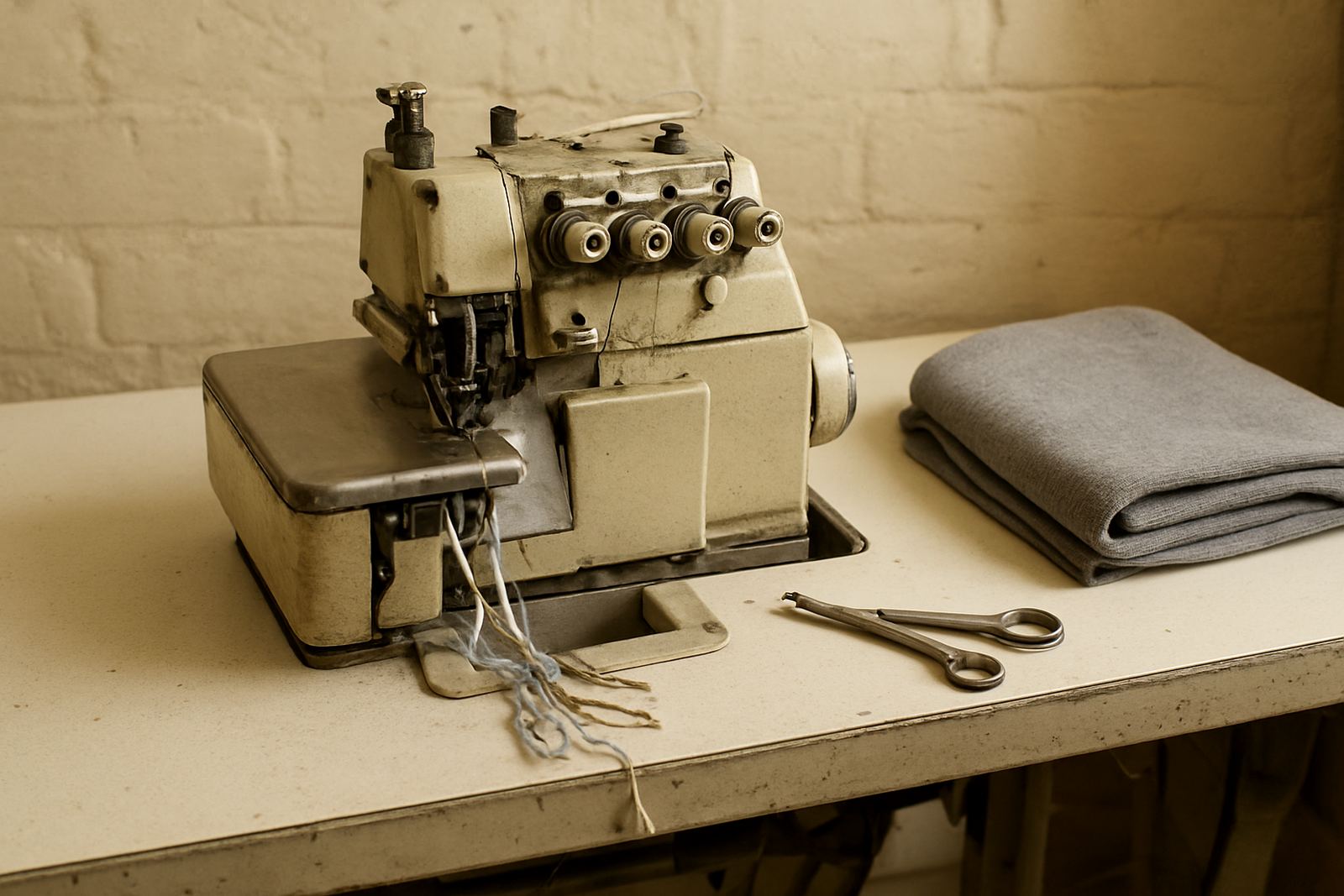
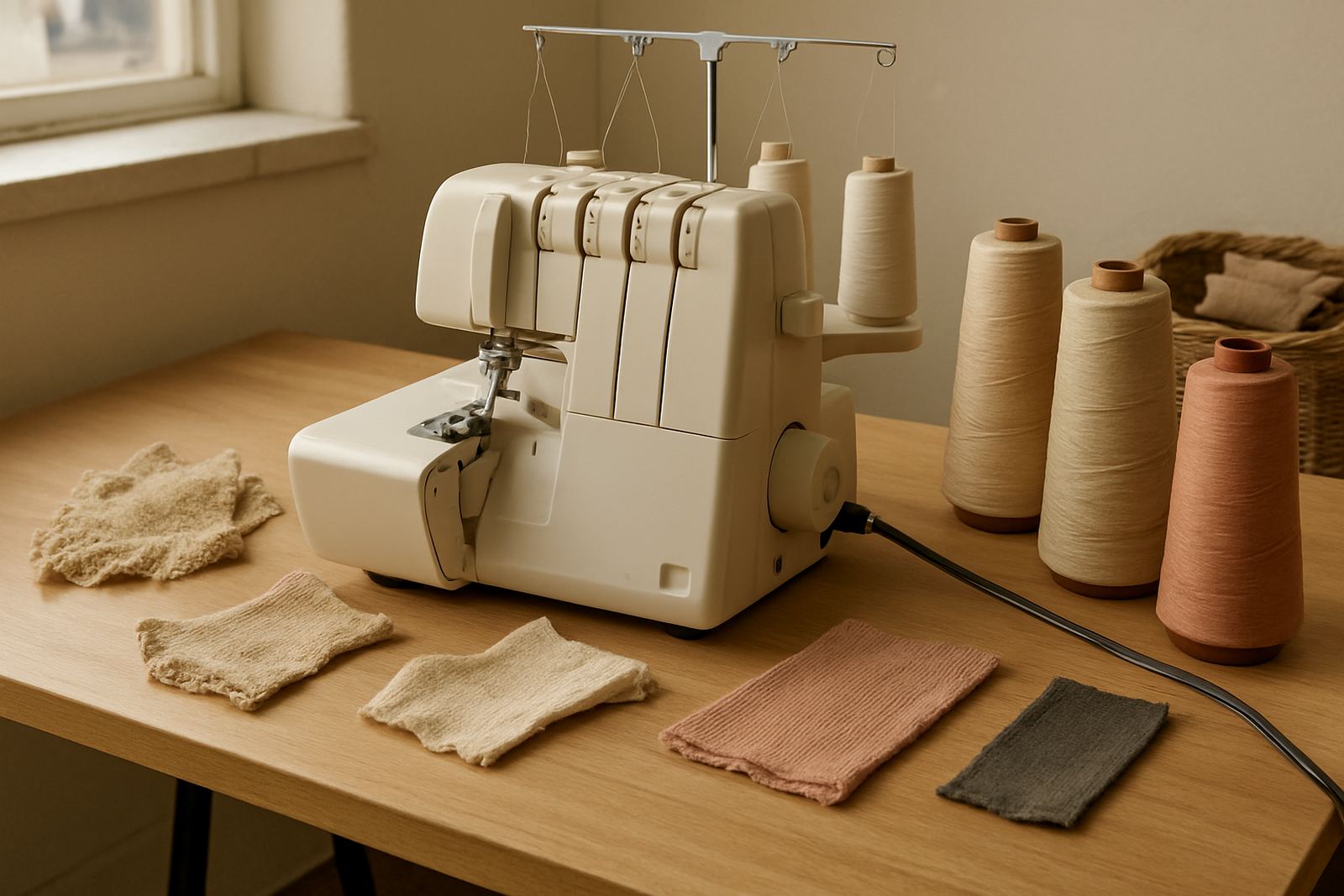
A portable overlocker trims the edge of fabric, wraps the cut edge with thread and helps stop fraying on woven and knitted materials. It is the machine most people use after cutting and stitching, especially when they want garments to look tidy on the inside as well as the outside. For home sewing, school uniforms, stretchwear and light production work, a compact overlocker saves time and gives a cleaner finish than a plain zigzag on a regular machine.
Portable models are built to sit on a table or work surface and can be moved when needed. That makes them a good fit for sewing rooms where space is limited, or where the machine must be packed away after use. If you sew from home in Soweto, Alberton or Randburg and need a machine that does not take over the whole room, a portable overlocker is often the right starting point.
These machines are especially useful for side seams, armholes, hems on T-shirts, baby wear, pyjamas, leggings and basic home décor projects. For many clients, the real value is speed. A good overlocker handles edge finishing in one pass so the work moves faster, with less loose thread and fewer returns for rework.
Sizes, stitch options and the features to compare
Portable overlockers come in a few practical variants. Most household and light commercial units use 3-thread or 4-thread stitching. A 3-thread finish is fine for neat edge overlocking on many fabrics, while a 4-thread stitch adds a safety seam for stronger garment construction. Some machines also include differential feed, which helps with stretch fabrics and prevents wavy edges on light knits.
When comparing sizes and options, look at the work you do most often and the space you have available. A compact unit may be all you need for occasional home use, but if you sew daily or handle school orders and alterations, it helps to choose a model that is easier to thread and has a smoother feed. For our customers in Fordsburg, Mayfair and Pretoria, the best choice often depends on whether the machine will sit beside a household sewing machine or be used as a daily production tool.
- 3-thread or 4-thread overlock stitching
- Differential feed for knits and lightweight fabric
- Adjustable stitch length and cutting width
- Standard presser foot pressure adjustment on many models
- Built-in knife for trimming fabric edges
- Compact body for home tables and smaller workstations
Some machines use colour-coded threading paths, which makes setup much easier for new users. A clear looper path is helpful if the machine will be shared by more than one person. If the overlocker is going into a school or training room, simple threading and clear stitch controls are worth prioritising.
Where a portable overlocker suits best
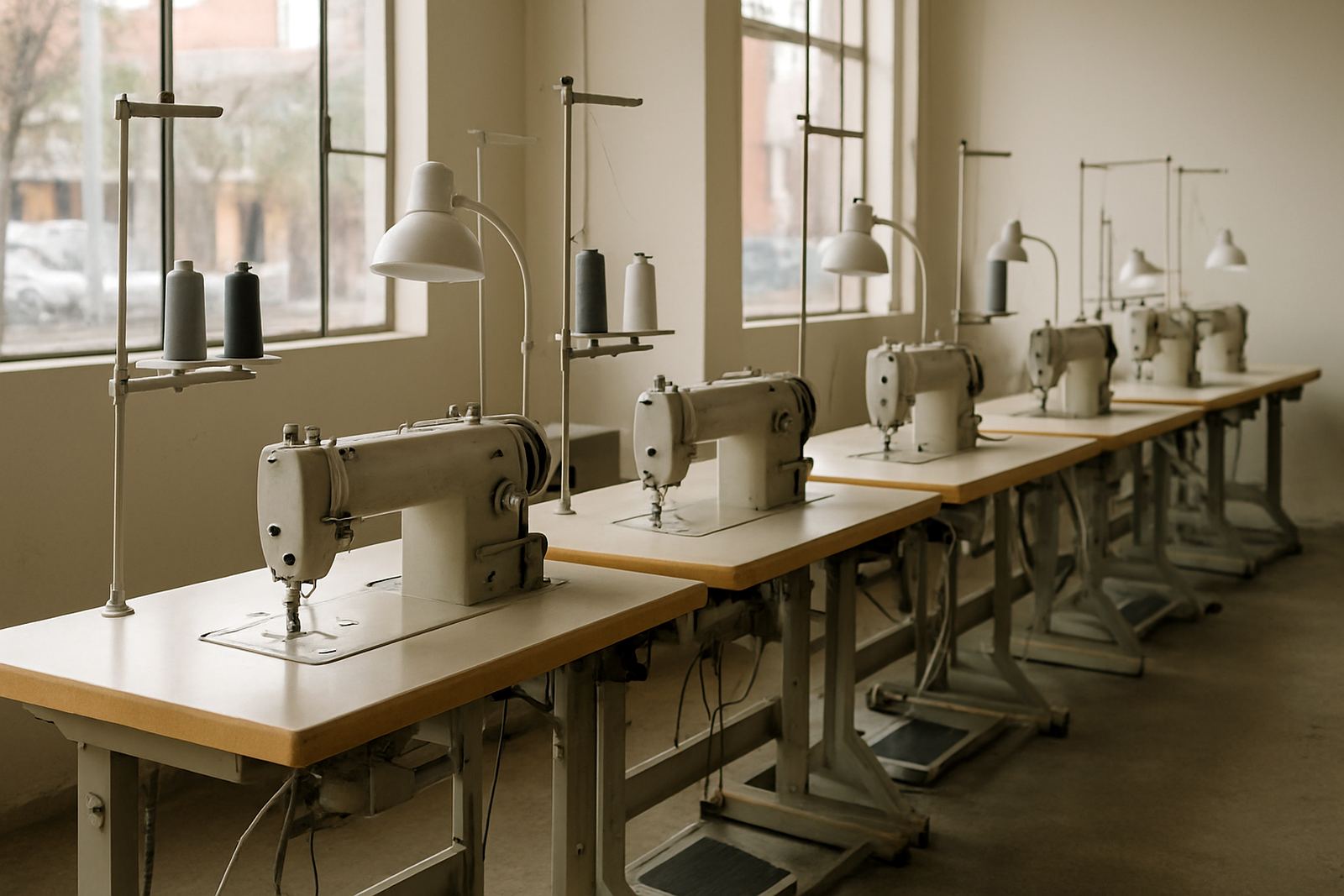
This product suits home sewers, small clothing makers, tailoring rooms, schools and start-up workshops that need neat edge finishing without buying a large floor-standing unit. It also works well in mixed sewing rooms where one person does cutting, another does assembly and another handles finishing. In a busy setting, a portable overlocker can be placed next to the main sewing machine and moved only when the room layout changes.
For lightweight garment work it performs well on cotton, polycotton, lining and many stretch fabrics. It is also useful for soft furnishings like cushion covers, children’s items and light curtains. If you are making samples or doing short runs, the machine gives enough speed to keep work flowing without the overheads of heavier industrial equipment.
- Home sewing rooms with limited floor space
- Tailors handling hems, seams and repairs
- Schools teaching basic garment construction
- Small factories finishing light production orders
- Alteration shops and clothing repair services
For coastal humidity in places like parts of Gauteng that see damp storage conditions, it helps to keep the machine covered when not in use. Dust and thread fluff build up quickly in overlockers so regular cleaning matters as much as the machine itself. A compact machine can still do good work for years if it is kept clean and used on the right fabrics.
Installation, power and working space requirements
Portable overlockers are straightforward to set up, but they still need the right table, power point and working height. Most household models run on standard mains electricity and plug into a normal socket. If the machine includes a motor and light, it should be placed where the cable does not get pinched and where there is enough room for fabric flow at the front and side. During load-shedding, some users pair the machine with backup power for the sewing light and motor, but the machine itself does not need special gas or compressed air connections.
Because the knife trims fabric as it sews, the operator needs a stable surface and enough clearance to guide cloth safely. A table that is too small makes threading, cleaning and fabric control harder. If you are fitting out a workroom in Johannesburg CBD, Germiston or Pretoria, we can help with placement so the machine sits comfortably beside your main sewing equipment and your operator can work without bending awkwardly.
- Standard mains power, usually 220V to 240V
- No gas connection required
- Stable table or sewing stand recommended
- Good lighting important for threading and seam control
- Enough space for fabric feed, trimming and waste collection
We also assist with machine installation, motor conversions where suitable and operator training so the first few sessions are not a struggle. A portable overlocker should feel easy to use after setup, not awkward or cramped.
Care, cleaning and servicing for longer life
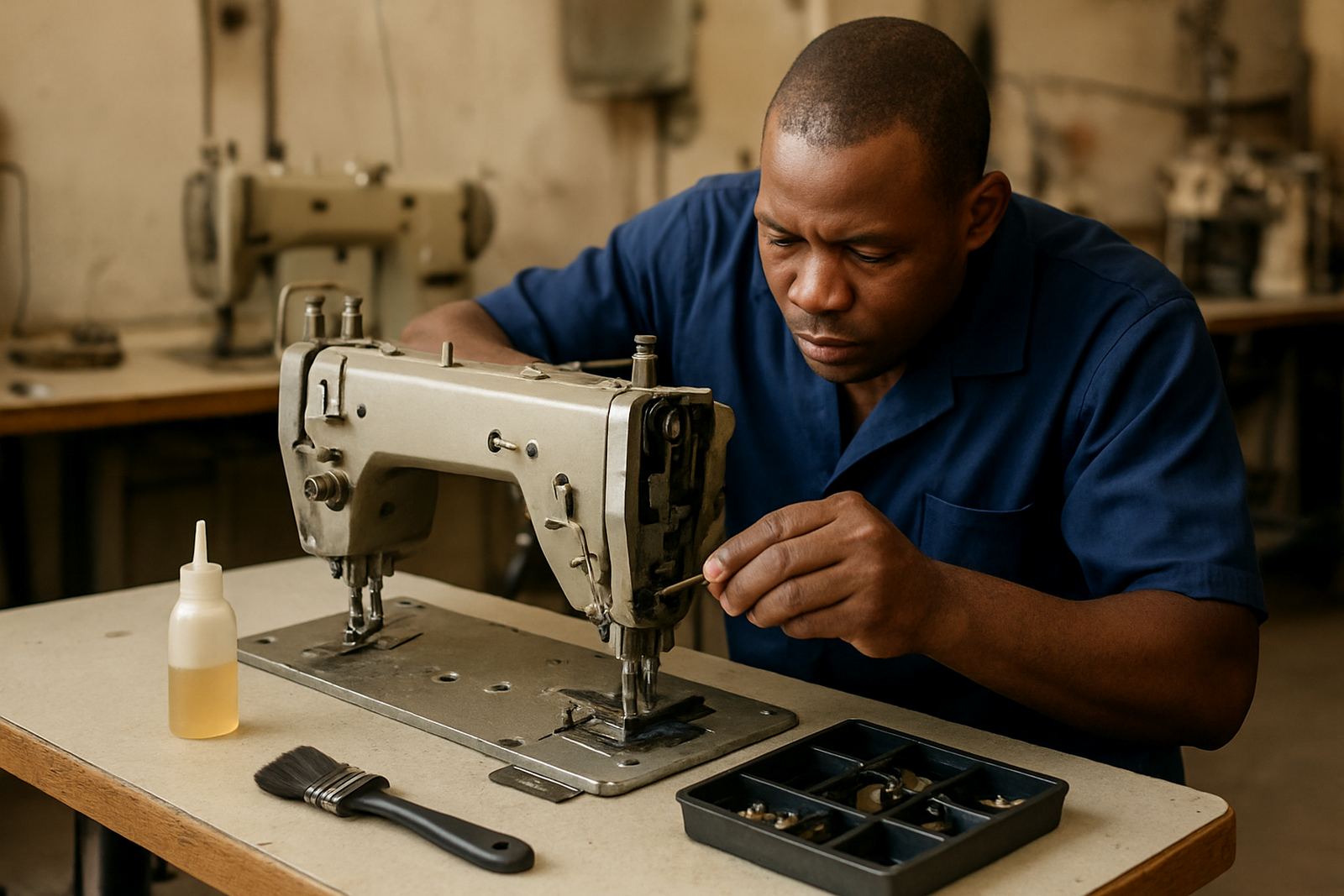
Overlockers need regular care because they work with multiple threads, moving loopers and a cutting knife. Thread fluff collects around the knife area and under the cover, especially when the machine is used every day. A quick clean after use, plus scheduled servicing, keeps the stitches consistent and reduces strain on the motor. Oil points vary by model, so the machine should only be lubricated where recommended by the technician or the manual.
If the stitch starts skipping, the thread breaks often, or the fabric edge curls more than usual, the machine may need timing adjustment, tension checking or a blade replacement. These issues are common in busy workrooms and usually simple to sort out when handled early. For customers across Fordsburg, Soweto and Randburg, we offer workshop repairs and on-site repairs depending on the fault and the machine condition.
- Brush out lint after each session
- Check needles for wear and replace them regularly
- Keep looper paths clear and correctly threaded
- Use the correct thread weight for the fabric
- Book servicing before peak sewing periods
When a machine is used in a school or shared room, labels for threading order and basic cleaning help a lot. Small habits prevent bigger breakdowns, especially on machines used by different operators through the week.
What to check before you place an order
Before you order a portable overlocker, check the fabric types you sew most, the level of daily use and how much space you have on the table. It also helps to know whether you need a 3-thread or 4-thread finish, whether differential feed matters for your garments, and whether the machine will be used by one person or several. If you are buying for a workroom, ask about the learning curve and whether spare parts are easy to source locally.
You should also confirm the accessories that come with the machine. Some units include extra feet, needles, a dust cover, screwdrivers and a waste tray, while others are supplied with only the basic set. A proper check at the start avoids delays later when you need to sew urgently. For anyone in Gauteng making school wear, uniforms or small fashion runs, a machine that is ready to use from day one is worth more than a cheaper option that needs extra fittings.
At Asia Sewing Machines, our team led by Mandla Ndlovu can help you compare options and match the machine to your work. Lerato Mokoena handles sales guidance, Yusuf Patel oversees workshop checks, Naledi Khumalo assists with machine setup for finishing work, and Willem van Wyk supports field service when a unit needs attention on site.
Key facts
| Product type | Portable overlocker for household and light commercial sewing |
|---|---|
| Stitch formats | 3-thread and 4-thread overlock, model dependent |
| Fabric use | Cotton, polycotton, knits, lining and light stretch fabrics |
| Power requirement | 220V to 240V mains electricity |
| Space requirement | Stable sewing table or work surface with fabric clearance |
| Maintenance | Routine cleaning, needle replacement, tension checks and periodic servicing |