What a straight knife cutter does in the workroom
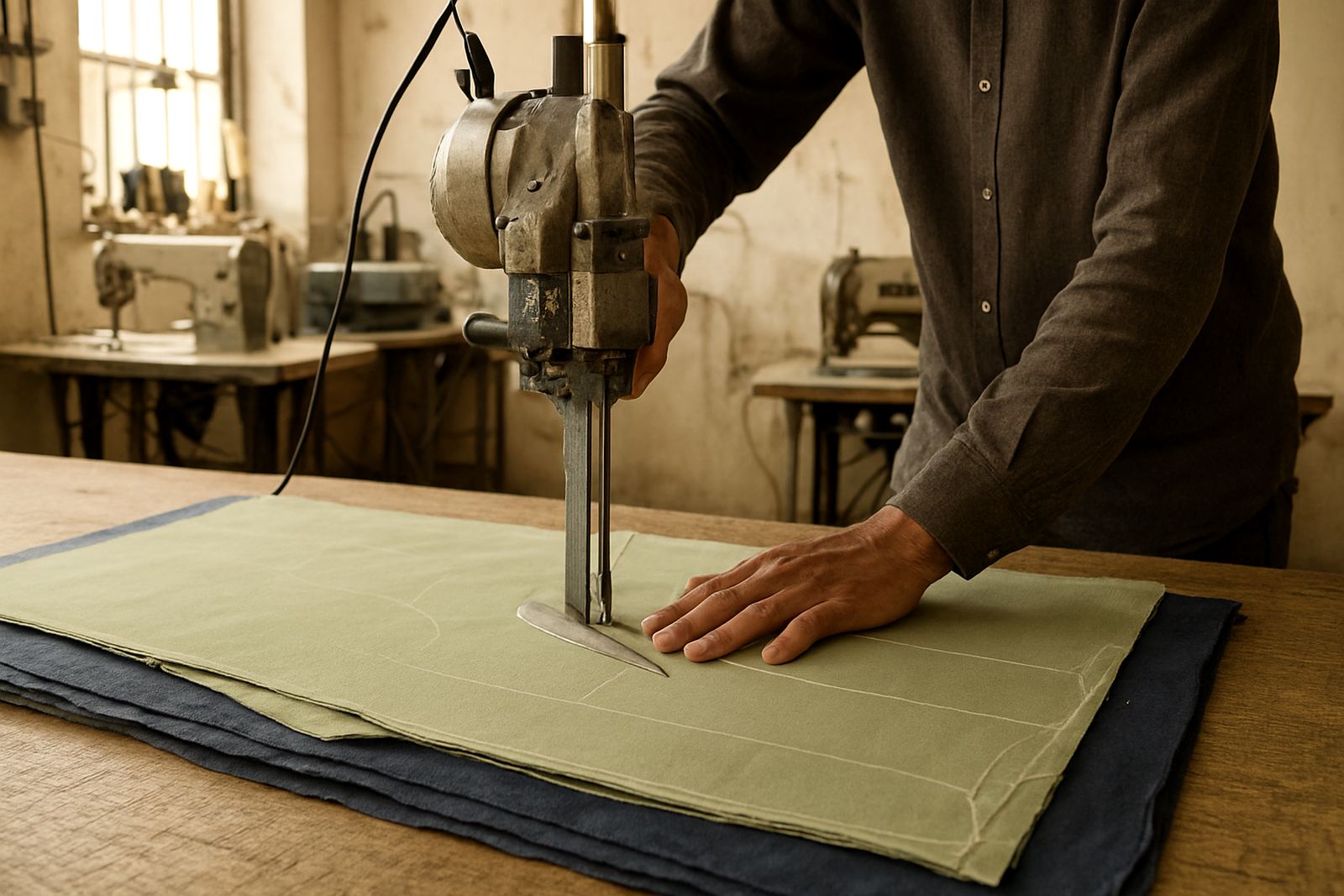
A straight knife cutter is a vertical blade cutting machine used on cutting tables for bulk work. The base runs on the table top while the knife moves up and down at speed, letting the operator cut patterns, markers and long runs through multiple layers in one pass. It is the right choice when hand cutting is too slow or when consistency matters across many pieces.
These machines are commonly used in clothing factories, sample rooms, schools and alteration shops that need clean edge control and a proper cutting depth. They are also useful where the fabric stack is high or where the work includes heavier materials such as denim, canvas, PVC-backed cloth and upholstery cover fabrics. The blade does the work, but the operator still needs steady handling and a clean table surface, otherwise the cut can drift a bit.
Sizes, blade options and cutting depth
Straight knife cutters are supplied in different blade heights and motor sizes, so the right model depends on the type of work and the thickness of the lay. Shorter blade models are better for lighter stacks and smaller workrooms, while taller blade models handle deeper lays and heavier cloth. Some units are set up for fine general garment work, while others are made for thicker, tougher cutting jobs.
Typical options include different blade lengths, different foot sizes for smoother table movement, and different sharpening arrangements. A machine with a stronger motor is usually better for dense materials, but it must still be matched to the cutting table and the operator skill level. The wrong size can cause drag or rough edges, and that wastes cloth. As a general guide, check the stack height you cut most often, the fabric weight, and whether you need a machine for light fashion work or heavier production runs.
- Blade height options for light, medium and deep fabric lays
- Motor choices for standard or heavier cutting loads
- Optional sharpening system for keeping the blade ready during the day
- Different base foot sizes for easier movement across the table
Where it suits best across Gauteng workrooms
This cutter suits garment factories, school uniform producers, tailoring houses, textile cutters and workrooms that prepare fabric in batches. In Johannesburg CBD and Fordsburg it is often used where floor space is tight but cutting volumes are steady. In Mayfair and Soweto it suits tailoring shops and small factories that need one machine to do a wide range of cutting jobs. In Germiston, Pretoria, Alberton and Randburg it is useful in busier production spaces where speed and repeat accuracy matter.
It is also practical for schools running sewing departments, especially where learners are taught proper marker cutting and safe blade handling. For home sewers, a straight knife cutter is only worth considering if the workload is frequent and large enough to justify the machine. It is not a casual tool for one or two garments now and then, it belongs in a proper cutting set-up with enough table length and safe storage around it.
- Factories cutting multiple sizes from one marker
- Tailors doing repeat jobs on the same fabric type
- Schools with training tables and supervised use
- Small production rooms needing faster output than scissors or hand knives
Installation, table set-up and power needs
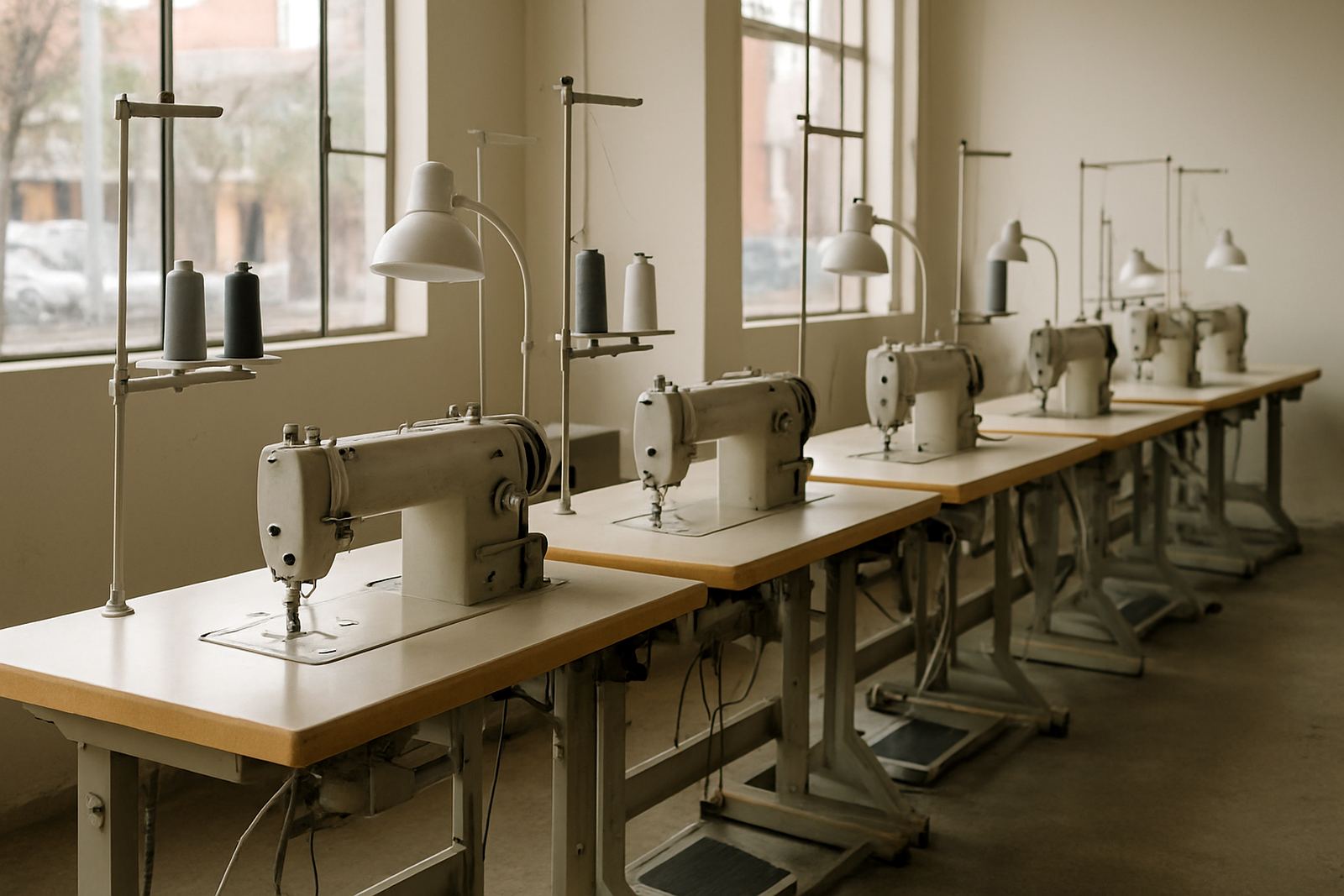
For proper use, the machine must sit on a stable cutting table with enough clearance around the operator. The table surface should be smooth and level, with no loose joins or raised edges that can catch the base. A straight knife cutter also needs correct electrical supply, usually standard single phase power for smaller units or a heavier supply for larger workshop machines. It is worth checking the incoming supply before delivery so the machine can be installed without delays.
Because load-shedding and poor site wiring can affect motor performance, it is wise to have the point checked before installation. A dedicated socket and clean cabling help reduce trips and prevent heat build-up. If the room already runs presses, motors or other sewing equipment, the total load should be considered together. In some workshops the problem is not the machine itself but the line overloading when too many items start at once, and that causes nuisance faults.
Our Johannesburg CBD base handles machine installation, workshop set-up and field service across Gauteng. We also assist with operator training so the cutter is used correctly from the start. That includes checking the blade path, guard position, sharpening routine and safe movement on the table.
Care, sharpening and servicing for longer blade life
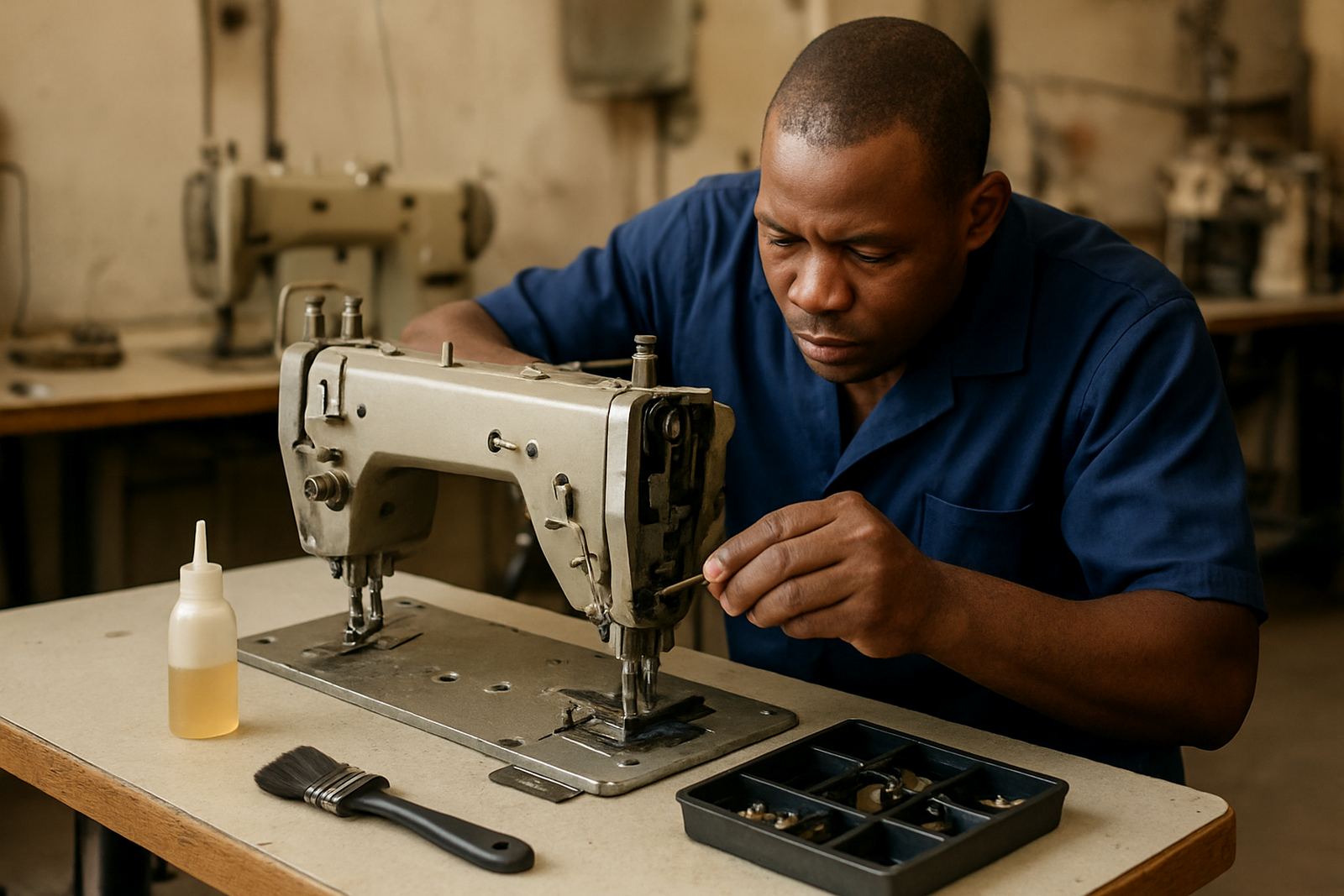
This machine works best when the blade is sharp, clean and properly aligned. After daily use, the cutting area should be brushed clean, fabric lint removed, and the blade checked for nicks or dull points. A blunt blade increases drag and gives a rough edge, especially on slippery fabric or thick stacked layers. If the machine is used in a humid room or near open doors, wipe the exposed metal parts to reduce rust marks.
Routine servicing should cover the motor, drive components, sharpening mechanism, foot movement and all safety fittings. If the machine starts to pull, burn the cloth edge or vibrate more than normal, it needs attention before the fault grows. Some workrooms wait too long and then the blade carrier, bearings or motor parts wear harder than they should. That makes the repair more expensive and slows production at the wrong time. We handle workshop repairs, on site repairs, routine servicing and parts sourcing for cutters and the supporting equipment around them.
What to check before you place an order
When ordering a straight knife cutter, it helps to confirm the fabrics you cut most often, the maximum stack height, and whether you work on light garments or heavier materials. You should also confirm the table size, electrical supply, and whether the machine will be used in a factory room, school space or a small tailoring shop. The more detail you give at the start, the better the match and the fewer surprises when the machine arrives.
It is also useful to know whether you need just the machine or the full cutting set-up with table, sharpening support and operator training. If your business also uses sewing machines, embroidery machines or fusing presses, we can help plan the workroom flow so the cutting area, stitching area and pressing area all work together. That saves walking time and keeps jobs moving without clutter.
- Fabric type and thickness you cut most often
- Maximum number of layers in one lay
- Power supply at the site and backup arrangements
- Table size and available floor space
- Need for training, servicing or spare parts support
Key facts
| Machine type | Vertical straight knife fabric cutter for bulk cutting |
|---|---|
| Typical power supply | Single phase or heavier workshop supply depending on model |
| Cutting use | Light to heavy fabric lays, depending on blade height and motor size |
| Common materials | Cotton, denim, lining, suiting, canvas and selected coated fabrics |
| Installation requirement | Stable cutting table, level surface and safe electrical point |
| Support available | Installation, servicing, repairs, parts sourcing and operator training |