

What a buttonhole machine does in daily production
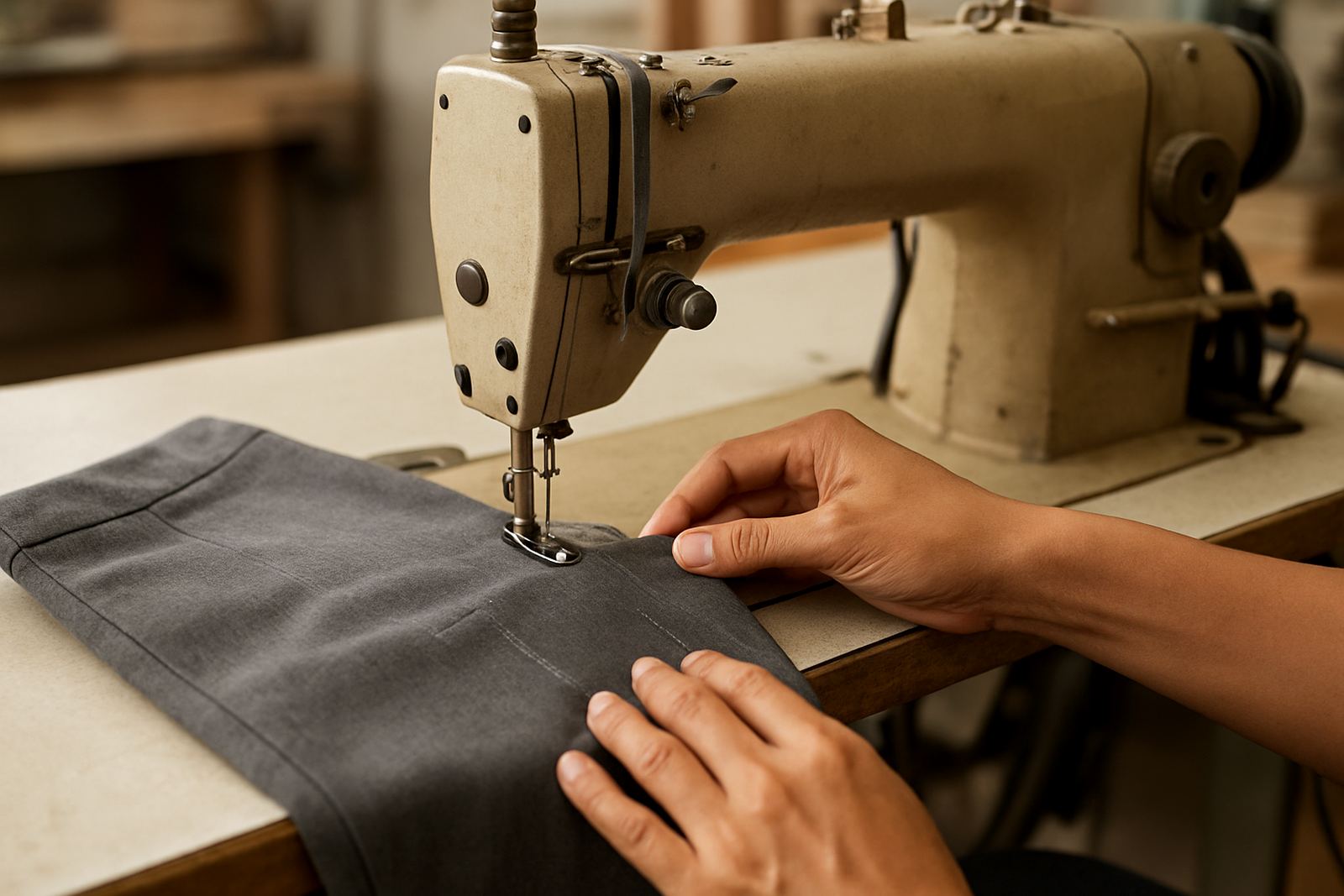
A buttonhole machine cuts and stitches a buttonhole in one controlled cycle, so each opening comes out the same length, shape and density. That matters when you are making school shirts, security uniforms, chef jackets, dress shirts or suits where the button stand has to sit straight and look tidy after many washes.
Compared with doing buttonholes by hand, the machine saves time and keeps operators from getting uneven results on thick seams, stretch fabric or slippery shirting. In a busy Johannesburg workroom, that consistency also helps with rework. If the garment line is under pressure, one poor buttonhole can hold up pressing, packing and dispatch.
These machines are used on woven fabrics, uniform cloth, light canvas and some heavier garments depending on the needle, foot and cutter setup. A good unit should give a neat slit, firm locking stitches and clean bartacks at both ends, without chewing the cloth or pulling the thread.
Sizes, styles and machine options to compare
Buttonhole machines are not all the same. Some are compact single-head units for smaller tailoring rooms, while others are higher output industrial models for continuous production. The right choice depends on garment type, daily volume and how much space you have beside your cutting table and finishing area.
Typical options include straight buttonholes for shirts and uniforms, keyhole styles for jackets and coats, and programmable models that allow more control over length, stitch count and opening width. Some units are mechanical and simple to run, while others are computerised for repeat settings and quicker changeovers.
- Buttonhole length: commonly 9 mm to 40 mm, with longer settings for coats and certain utility garments.
- Stitch density: adjustable for fine shirting or tighter lock-off on heavier fabric.
- Cutting method: built-in knife action for clean opening after stitching.
- Work surface: flat bed or specialised clamp depending on garment type.
- Production volume: from small tailoring runs to full factory use.
If you sew a lot of school wear, hotel uniforms or branded workwear, it is worth choosing a machine that can hold its setting from one batch to the next. For schools and training rooms, a simpler machine may be easier to teach, service and keep running on a steady schedule.
Where this machine suits best in Gauteng workrooms
We regularly place buttonhole machines in Johannesburg CBD, Fordsburg, Mayfair, Soweto, Germiston, Pretoria, Alberton and Randburg. They suit factories that run shirts and uniforms, tailors who do alterations and made-to-measure work, and schools that teach sewing and garment construction.
In busy inner-city workrooms, floor space is often tight and power supply can be irregular during load-shedding, so a machine with a reliable motor and sensible footprint is important. In the east and south of Gauteng, dust and fluctuating voltage can also affect timing and thread path, so the machine should be installed with proper protection and checked after the first few days of use.
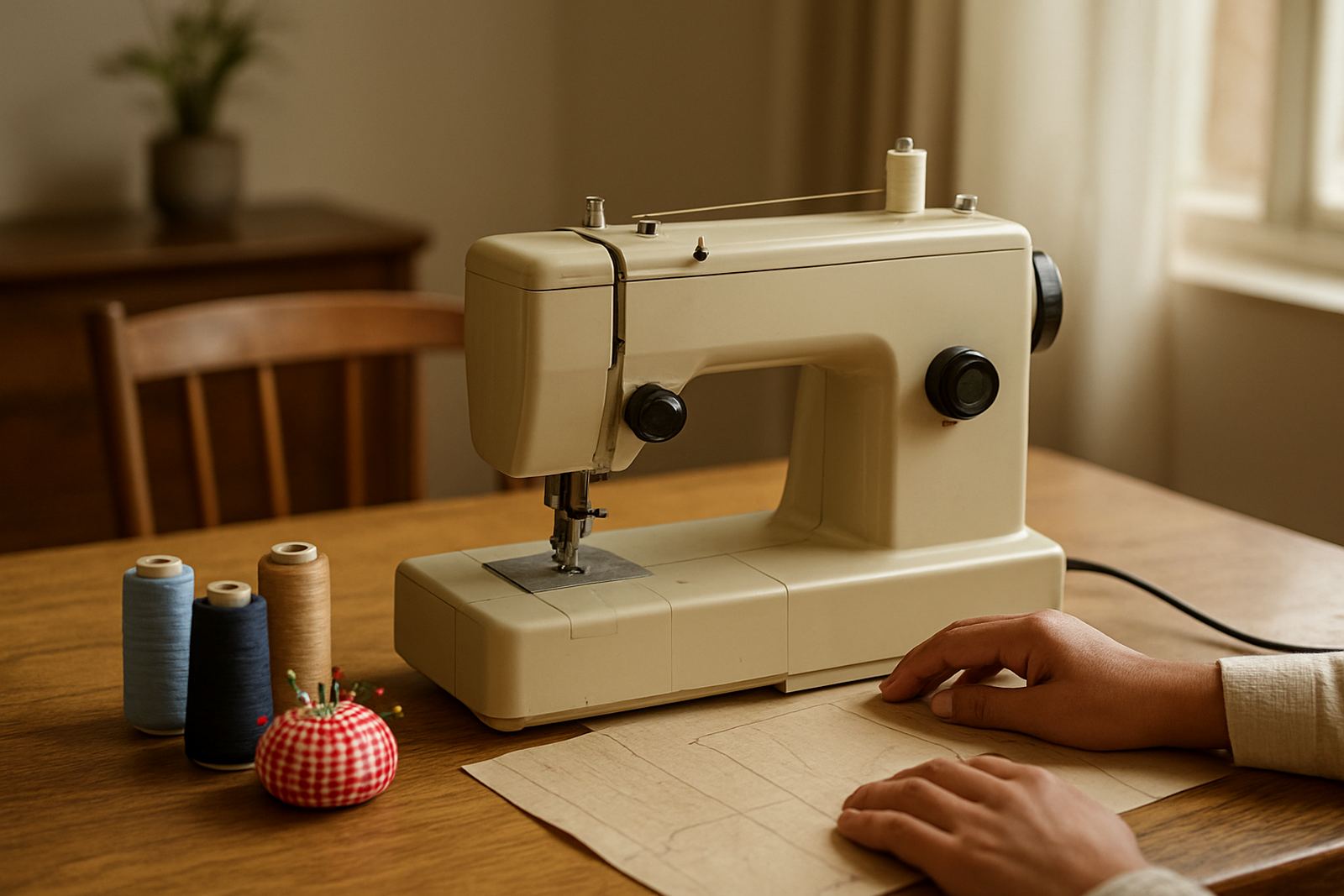
For coastal or humid storage areas brought inland for use, keep the machine covered when not in use and avoid leaving cones of thread in damp rooms. Moisture can affect thread tension and corrosion on exposed parts. If the machine is for a shared training room, choose one with easy controls and parts that are simple to explain to new operators.
Installation, power and workshop setup needs
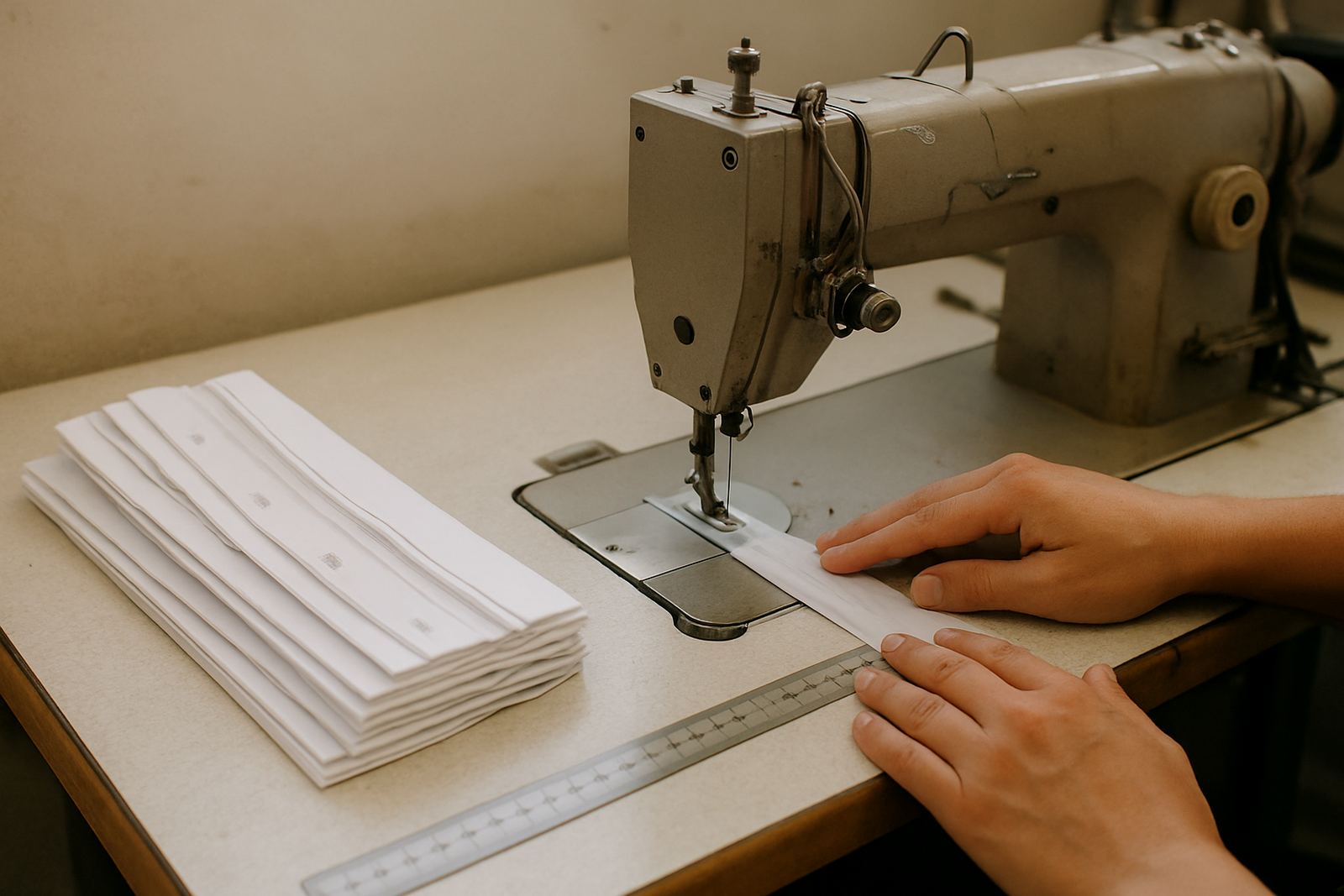
Most industrial buttonhole machines need a stable stand, a matching motor, and enough space for the garment to sit flat during the cycle. When we install a unit, we check the table height, operator position, pedal response and the cutter action so the machine is ready for real work, not just a test stitch.
Power needs vary by model. Many units run on standard single-phase supply, while some higher duty machines may need a different motor arrangement or a proper conversion if the workshop is upgrading from older equipment. If your site has frequent power cuts, it helps to plan for safe shutdown, restart procedure and any surge protection that suits the machine and nearby equipment.
- Set the machine on a level table with enough clearance for cuffs, fronts and jacket panels.
- Check that the motor direction, speed and pedal control suit the operator.
- Confirm the needle size, thread type and fabric weight before the first production run.
- Leave space for thread cones, trimmed waste and regular cleaning around the cutter area.
- For schools and shared rooms, mark safe use steps near the machine so learners do not force the clamp.
If you are fitting out a new workroom in Pretoria, Germiston or the CBD, proper layout saves time later. A buttonhole machine placed too close to a pressing station or cutting table can slow movement and increase handling mistakes.
Servicing and care that keep buttonholes tidy
Buttonhole machines need routine cleaning because lint builds up around the cutter, hook area and tension path. If a machine starts leaving loose threads, missed stitches or ragged cuts, it is usually due to a worn needle, poor timing, dry moving parts or incorrect settings for the fabric.
Basic care should include daily brushing down, oiling where required, checking the needle condition and testing a sample buttonhole before starting the day. On thicker uniforms and jackets, the machine may need timing adjustments, cutter sharpening or a change in thread tension to keep the opening neat.
Our workshop team handles routine servicing, on site repairs and workshop repairs for machines used in factories and tailoring rooms across Gauteng. We also assist with operator training so staff can recognise early signs of trouble before a small issue becomes a full stop.
- Replace bent or blunt needles quickly.
- Keep lint out of the knife and clamp area.
- Check stitch balance after any thread or fabric change.
- Do not force thick seams through a setup meant for light shirting.
- Book service before peak seasons, such as school uniform rushes.
With regular care, a buttonhole machine can stay dependable for years and keep output consistent, even when the workshop is under pressure.
What to check before you place an order
Before ordering, confirm the garment types you make most often, the buttonhole length you need, and whether you want straight or keyhole style buttonholes. If you are working on shirts, ask about fine fabric settings. If you are making blazers or heavy uniforms, check the opening size, thread count and cutter ability for thicker material.
You should also confirm whether the machine is for one operator or a team, how much daily output is expected, and whether you need a manual, semi-automatic or programmable model. Think about the room as well: narrow passages, shared cutting tables, and where finished garments are pressed before packing all affect the best setup.
When you enquire, have the following details ready so we can match the machine properly:
- Fabric type and garment range
- Daily quantity of buttonholes needed
- Preferred buttonhole length and style
- Power supply available on site
- Whether you need installation, training or spare parts support
That information helps us recommend the right machine, set it up correctly and keep your production moving from the first batch onwards.
Key facts
| Machine type | Industrial or heavy-duty buttonhole machine |
|---|---|
| Buttonhole length range | Approx. 9 mm to 40 mm, model dependent |
| Stitch options | Straight or keyhole styles, with adjustable density |
| Fabric use | Shirting, uniforms, tailoring fabrics and selected heavier cloth |
| Power | Usually single-phase supply, model dependent |
| Support | Installation, training, servicing, parts sourcing and repairs |