

A practical machine for everyday sewing at home
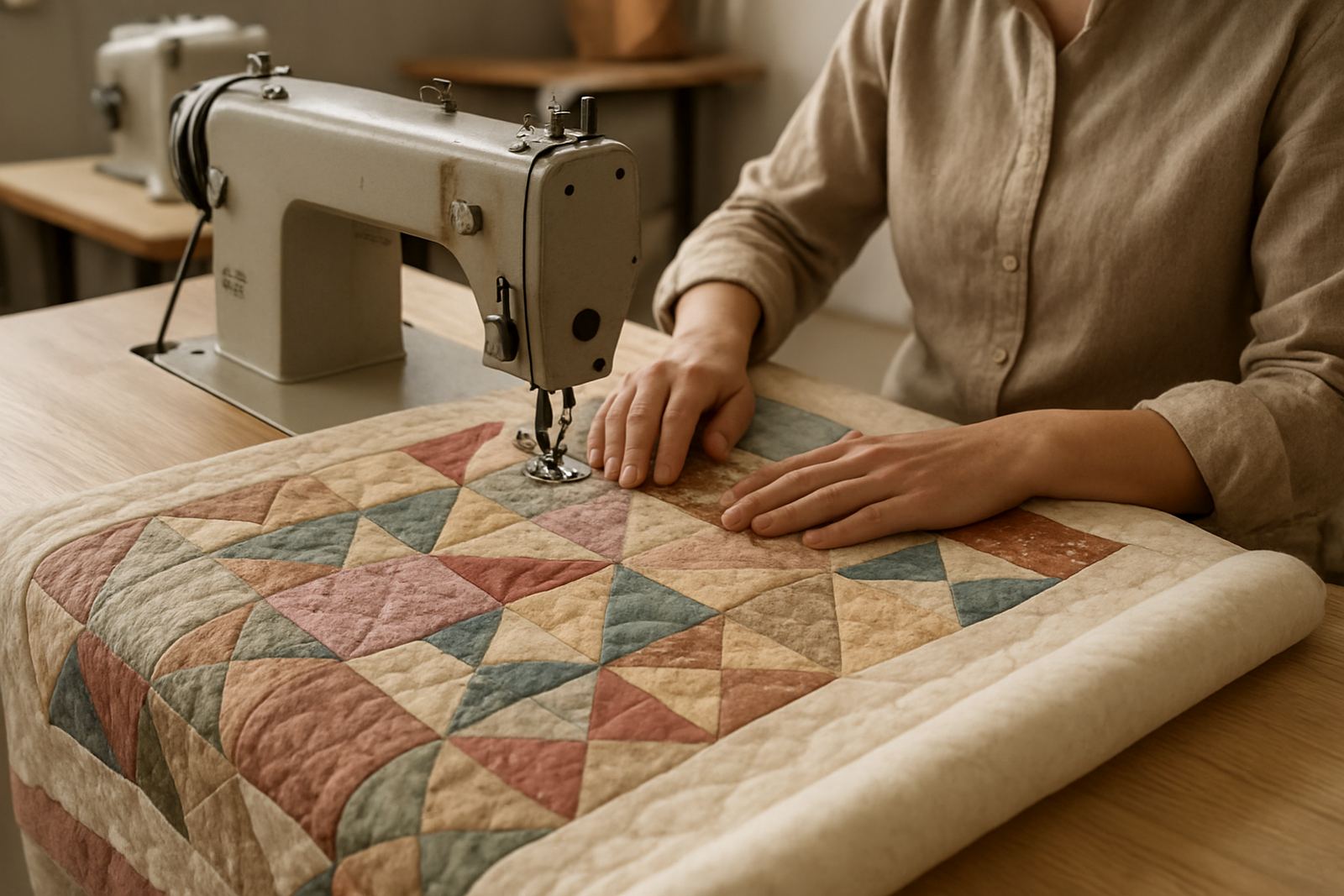
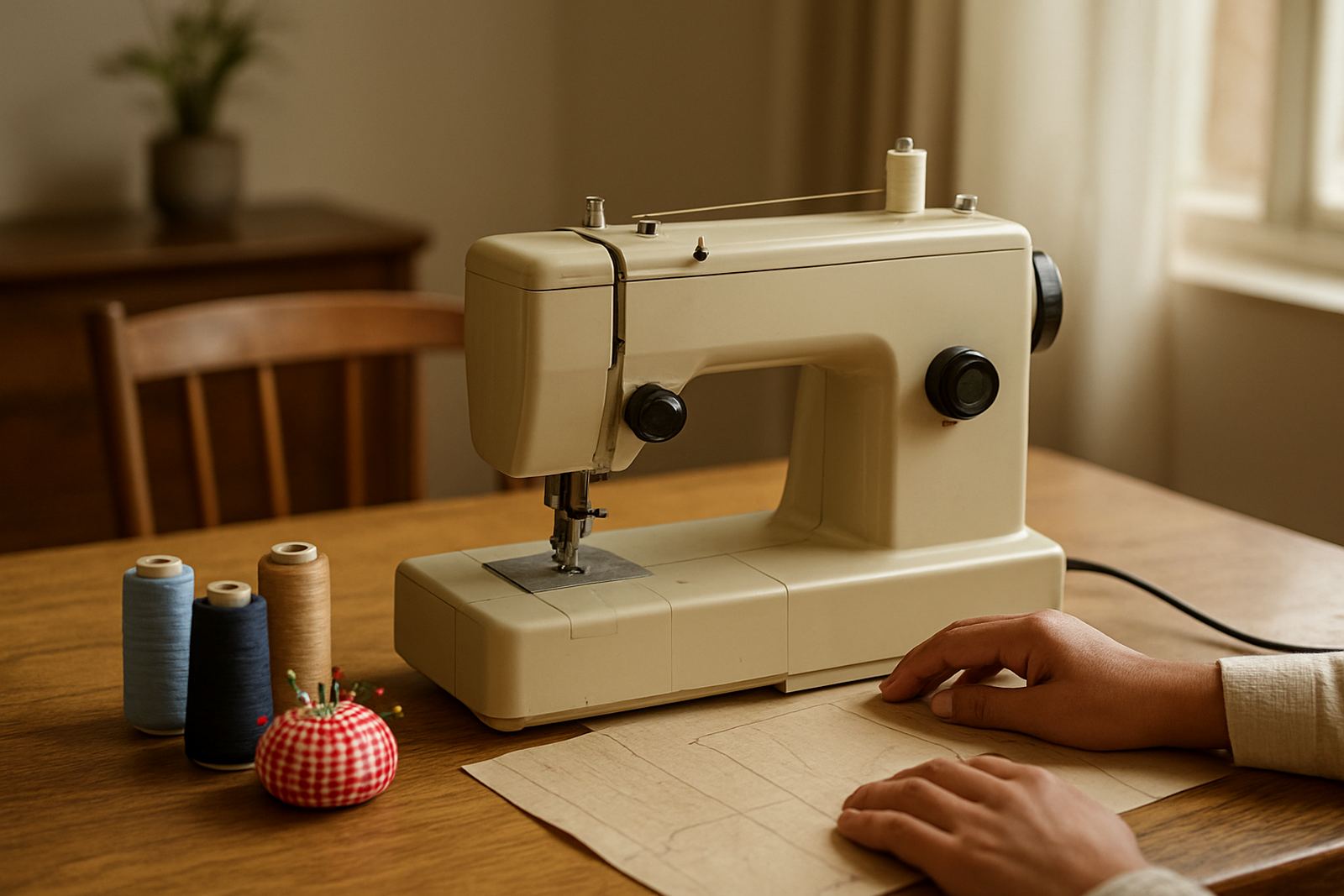
A household sewing machine is made for lighter to medium sewing jobs such as hemming trousers, repairing school uniforms, making curtains, quilting small pieces and learning the basics of machine sewing. The right unit should stitch neatly on cotton, polycotton, denim hems and light upholstery fabrics without constant adjustment. For many homes in Gauteng, that means a machine that is simple to use, easy to service and not too fussy about voltage dips during load shedding.
We supply household machines for first time users, sewing schools, dressmakers working from home and families that need a dependable machine for regular repairs. If the machine will be used by different people, choose one with clear stitch selection, good lighting and a stable foot control. If it will sit in a small room or shared space, a lighter body and compact shape make daily use easier.
- Suitable for mending, craft sewing, dressmaking and learner training
- Works well on a firm table or sewing cabinet
- Best for home use rather than full factory production
Sizes and options that suit different homes
Household machines come in several styles, from basic mechanical units to computerised models with more stitch choices. A basic machine is usually the easiest to maintain and suits customers who mainly sew seams, hems and simple finishes. Computerised models suit users who want buttonholes, decorative stitches and more control over stitch width and length. Many homes in Johannesburg, Soweto, Germiston and Pretoria prefer a straightforward machine that can handle common work without a steep learning curve.
We also help clients choose between portable machines and larger free arm models. A free arm makes sleeve hems, trouser cuffs and small circular sewing easier. A wider sewing bed can help with bigger home projects such as quilts, tablecloths and curtain work. If the machine will be shared in a school or community setting, a model with fewer complicated functions is often the better choice.
- Mechanical models for simple, reliable home sewing
- Computerised models for more stitch variety and buttonholes
- Free arm designs for cuffs, sleeves and narrow pieces
- Portable sizes for home storage and easy moving
Where it works best in the home and workroom
These machines suit home sewers, beginners, learners and small part time clothing work. They are a good fit for mending schoolwear, making gifts, altering garments and sewing light home décor. In flats and townhouses, a quieter model is useful where space is limited and neighbours are close by. In family homes, the machine can be set on a stable table with enough room for fabric to feed out the back and side.
For customers in Fordsburg, Mayfair, Alberton and Randburg, we often recommend a unit that balances weight, power use and serviceability. If the machine will be used near a window or in a humid area, keep it covered when not in use and store it away from damp walls. That helps protect the motor and the moving parts from dust and moisture.
- Home mending and clothing repairs
- Dressmaking, quilting and school projects
- Training rooms and beginner sewing classes
- Small home studios that need a compact machine
Installation, power needs and first setup
We can assist with installation, testing and basic setup so the machine is ready for use from day one. Most household sewing machines run on normal domestic power and do not need special wiring or gas. What matters more is a stable plug point, a good surge protector and a clean working surface. In areas where power fluctuates, it helps to switch the machine off before load shedding ends and to keep it unplugged during storms.
During setup we check threading, bobbin winding, tension, needle type and stitch formation. We also show the user how to oil the machine where required, how to fit the presser foot correctly and how to avoid pulling fabric through the needle. If the machine is being used by a beginner, a short handover on threading and basic maintenance can prevent many of the usual faults.
- Standard household electricity only, no gas connection needed
- Use a steady table and a proper surge protector
- Allow space for fabric feed and foot pedal movement
- Keep the machine level to avoid vibration and skipped stitches
Care, servicing and common wear points
Like any sewing machine, a household model needs cleaning and servicing to keep it sewing well. Dust from fabric, thread fluff and lint collect around the bobbin area, feed dogs and tension path. If the machine is used often, a routine service helps prevent needle breaks, uneven stitching and noisy running. In Johannesburg CBD and surrounding suburbs, we service machines for home users who want them kept in good working order rather than replacing them too soon.
Regular care is simple. Wipe the body after use, clean the bobbin case area, use the correct needle for the fabric and do not force thick layers through a light machine. If the machine starts making a clacking sound, skipping stitches or jamming the thread, it is best to bring it in or book a repair before more parts wear down.
- Clean lint from the bobbin area and feed dogs often
- Use the right needle size for the fabric
- Service the machine before the start of a busy sewing season
- Check belts, tension parts and foot control response if stitching becomes uneven
What to check before you order
Before ordering, think about the type of sewing you do most often, who will use the machine and how much space you have at home. A beginner may need a simple machine with clear controls and a strong manual feel. An experienced home sewer may prefer more stitch choices, a free arm and better speed control. If the machine is for a school or shared room, ask for one that is easy to teach and easy to maintain.
It also helps to check the following details before you place your order:
- Whether you need mechanical or computerised operation
- The fabric types you will sew most often, from light cotton to denim hems
- Whether you need carrying weight, built in light or free arm access
- Availability of needles, bobbins, feet and other spares
- Service support for setup, repairs and routine maintenance
- Whether the machine will be used daily, weekly or only for occasional mending
If you are unsure, our sales team can help match the machine to your space, sewing level and budget. We work with home sewers, tailors and training centres across Gauteng, and we can also assist with parts sourcing if you need accessories later on.
Key facts
| Machine type | Household sewing machine for home use and light sewing work |
|---|---|
| Operation | Mechanical or computerised, depending on the model selected |
| Stitch use | Straight stitch, zigzag, buttonhole and selected decorative stitches |
| Power | Standard domestic electricity, with surge protection recommended |
| Best fabric range | Light cotton, polycotton, jersey, hems and light denim |
| Support options | Installation, servicing, repairs, accessories and spares sourcing |