

What a quilters sewing machine is for
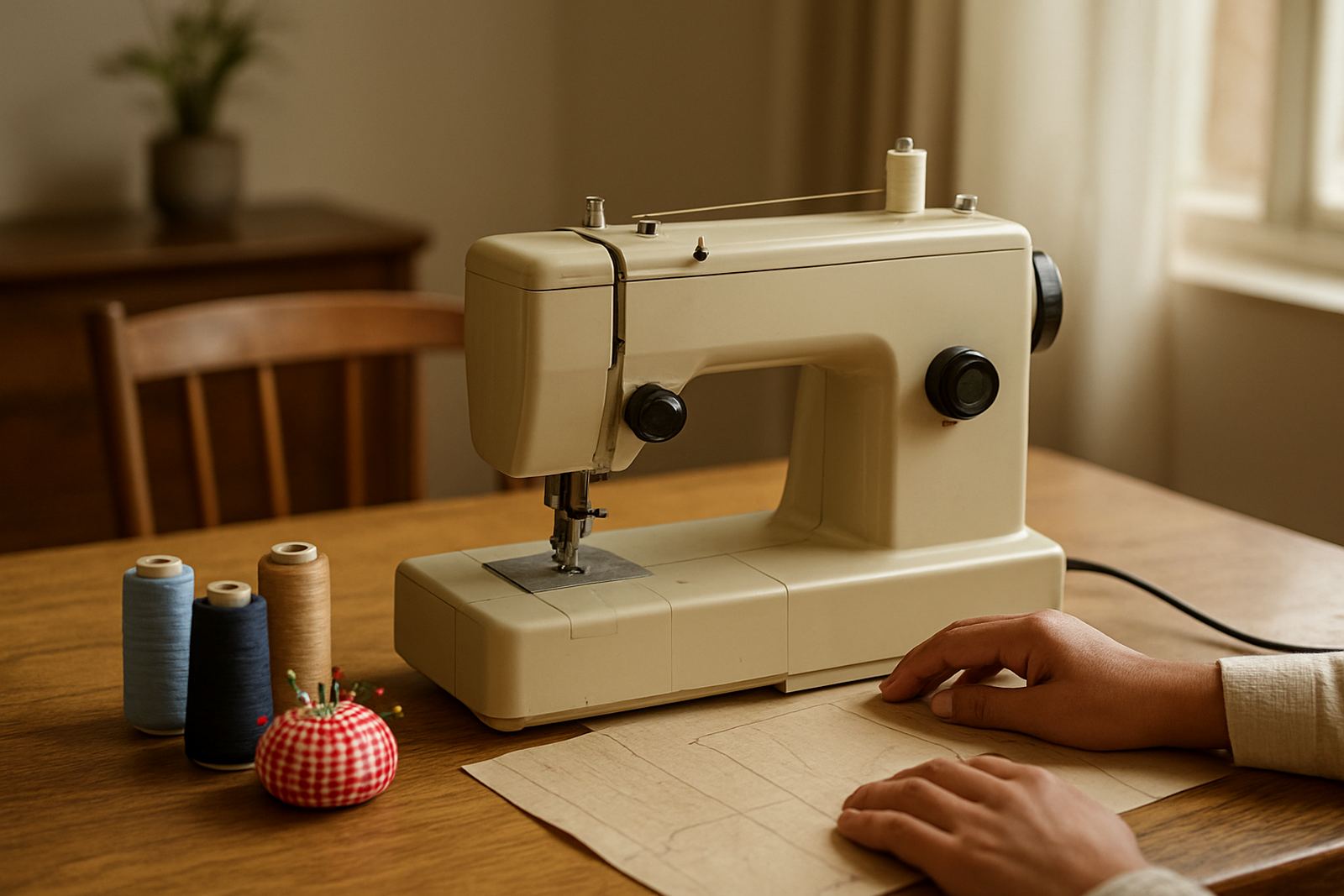
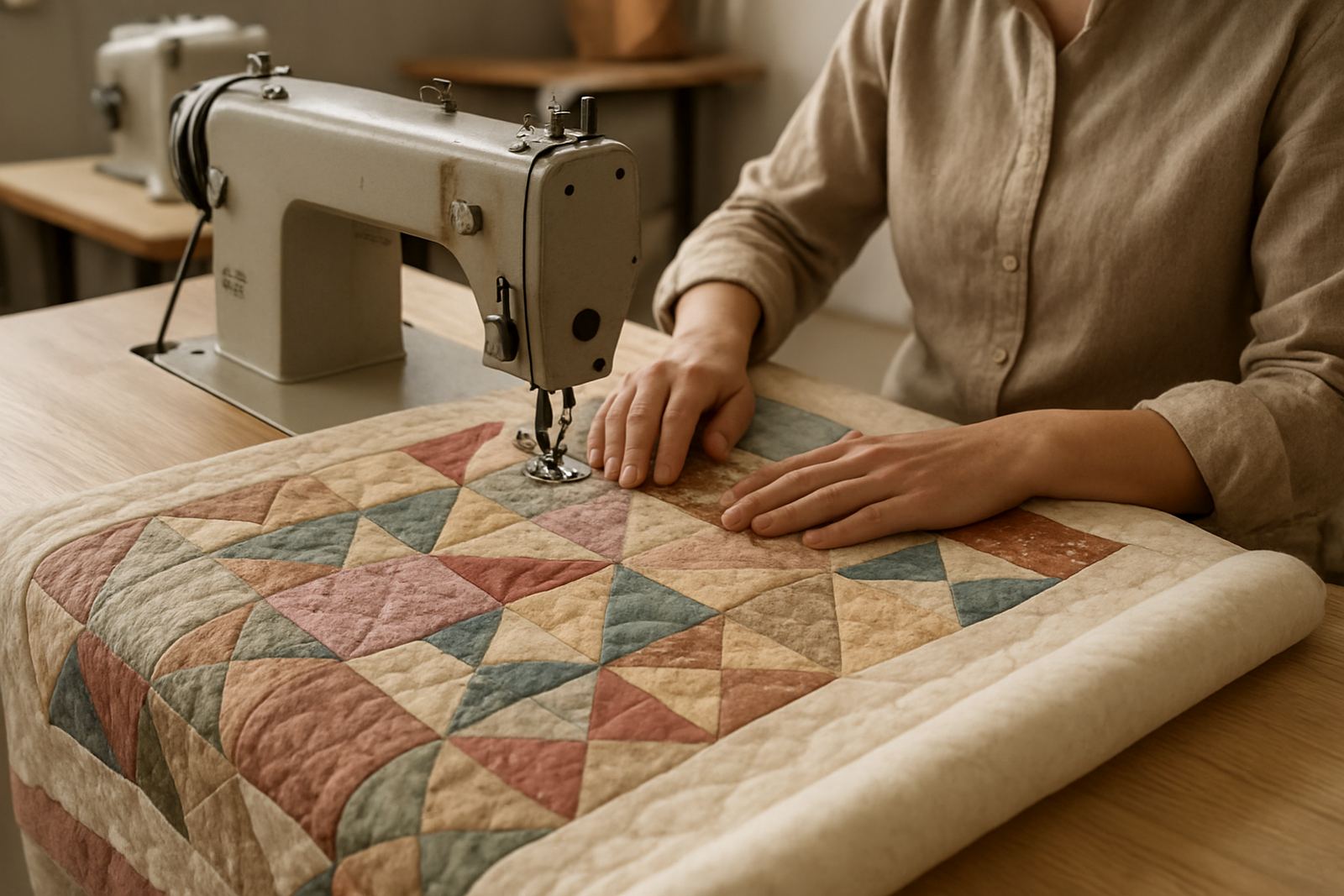
A quilters sewing machine is built for larger fabric pieces and more controlled stitching, which matters when you are piecing blocks, joining wadding and backing, or sewing long straight seams on bulky layers. It is usually a domestic or light industrial machine with a wider work area, stronger feed control and a stitch range that covers everyday sewing as well as decorative and quilting work.
For patchwork and quilting at home, the main benefit is space. You have more room to guide the quilt without forcing the fabric through a narrow arm, and that makes lining up seams, borders and binding easier. A good machine also gives consistent tension, a steady motor and enough needle positions for topstitching and edge work.
Many buyers want a machine that can do more than one task. That is common in Johannesburg homes where one machine must handle quilts, curtains, school items and clothing repairs. If that is your setup, we can help you choose a model that is practical for daily use and not over complicated.
Sizes, stitch options and useful features
Quilters machines are not all the same size. Some are compact domestic units with an extension table fitted for extra support, while others are larger format machines with a longer arm and more built in workspace. For sewing rooms with limited space in flats, backyard studios or small workrooms in Fordsburg and Mayfair, a compact machine with a clip-on table can be the better choice. For heavier quilting or teaching rooms, a machine with a wider throat space may be easier to live with.
When comparing options, look at the stitch menu, throat space, presser feet and speed control. Many quilters prefer a straight stitch, a zigzag, several utility stitches and a needle-up or needle-down function. A drop feed or free-motion setup is useful for stippling and creative stitching, while an automatic thread cutter and knee lift can save time on bigger pieces.
Some machines are computerised and others are mechanical. Computerised models offer more stitch control and memory functions, while mechanical versions are often simpler to service and easier to use when you want plain, dependable sewing. We can explain the difference in plain terms so you know what you are paying for and what you will actually use.
Where this machine suits best
This type of machine suits home sewers who make quilts, table runners, cushion covers and patchwork gifts, as well as schools and training rooms that need a dependable sewing unit for learners. It also works for tailors and small clothing rooms that do occasional quilting, applique or decorative stitching alongside normal garment work.
In Gauteng, we often see buyers from Soweto, Germiston, Alberton and Pretoria looking for a machine that can do family sewing during the week and quilting on weekends. If you work in a room with limited power points, shared tables or tight storage space, the right machine choice matters as much as the stitch count. You want something that fits the room and the way you sew.
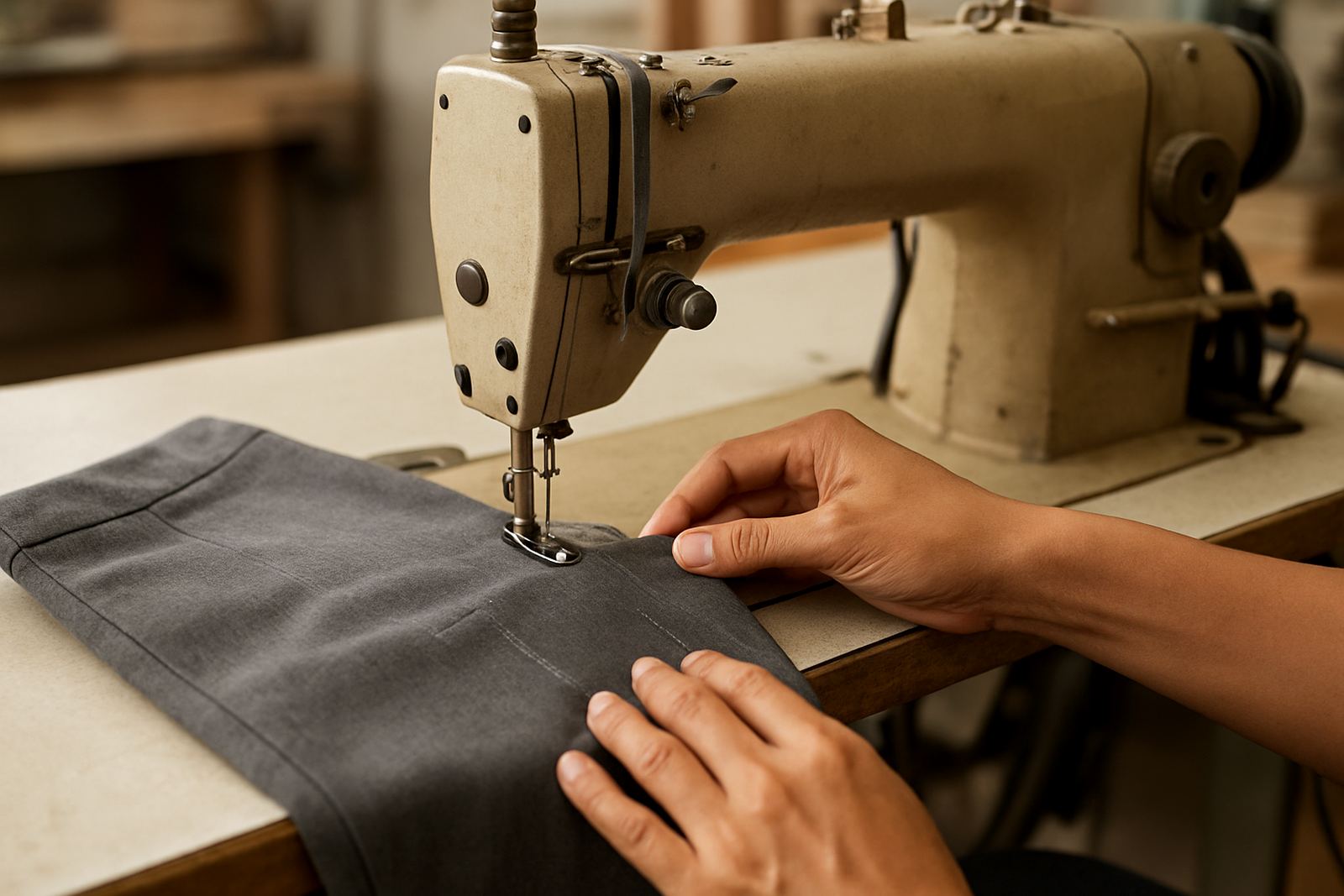
For commercial or semi-commercial use, it is also important to think about noise, motor strength and how long the machine will run each day. A machine that is comfortable for 2 or 3 hours at home may not be the best option for a workshop where several people use it in shifts. We help customers match the machine to the real workload, not just the brochure.
Installation, power and room setup
Most quilting machines are set up on a standard table with enough depth for the fabric to rest flat. If you use an extension table or a wider sewing surface, the setup needs to leave enough knee room and elbow space so the operator is not fighting the machine. That is especially useful for larger quilts, where drag on the fabric can affect stitch quality.
Power needs depend on the machine type. Many domestic and computerised machines run from standard 220 to 240 volt mains power and do not need special wiring. If you are using a motor conversion, a workshop table, or a machine with extra accessories such as an integrated light unit or thread trimmer, we check that the plug point, cable route and foot control placement are safe and practical.
For clients in Johannesburg CBD, Fordsburg, Randburg and Pretoria, we can assist with machine installation, basic operator guidance and workroom layout. If the room is cramped, we also look at table positioning, lighting and foot traffic. A sewing machine should not sit where thread cones, fabric rolls or extension leads become a trip hazard. It sounds simple but it saves a lot of trouble.
Care, servicing and load-shedding proofing
Quilting puts a lot of work through a machine because of the layered fabric and long seams. Regular cleaning is important, especially around the bobbin area, needle plate and feed dogs where lint builds up fast. A small brush, correct needles and proper thread tension help the machine keep its stitch quality for longer.
We recommend routine servicing if the machine is used every week, and sooner if the stitch starts skipping, the thread is fraying or the handwheel feels stiff. Our workshop handles timing adjustments, tension issues, motor checks and general repairs for domestic and industrial machines. If the machine is part of a sewing school or used in a shared home setting, a scheduled service plan usually saves money later.
Load-shedding can also affect sewing work. If you sew during outages, it helps to keep the machine and accessories ready for safe restart when power returns. For computerised units, switch off properly before using a backup power source. For all models, keep cables clear and avoid running the machine on weak extension leads. Coastal humidity is not a concern in Johannesburg, but dust and lint still are, so cover the machine when it is not in use.
What to check before you order
Before you order a quilters sewing machine, check what you plan to sew most often. If you mainly do patchwork, a steady straight stitch and good fabric control may matter more than a large stitch library. If you also want decorative borders, applique or teaching use, then extra stitch options may be worth paying for.
Also check the accessories that come with the machine. A walking foot, quilting foot, extension table, spare bobbins, extra needles and a hard cover or dust cover can make a real difference. If you are unsure whether the supplied feet are suitable for your style of quilting, ask before you buy. It is better to know up front than to hunt for parts later.
We also advise checking the size of the machine body, the weight, and whether it fits your existing table. Some buyers need a lighter machine for home use, while others want a heavier frame for better stability. If you are in Germiston, Soweto or Alberton and plan to collect, it helps to know the box size and whether you will need help carrying it. We can guide you through the key points so there are no surprises.
Our support for quilters and home sewers
Asia Sewing Machines supplies and services sewing equipment from our Johannesburg CBD base, with support across Gauteng including Fordsburg, Mayfair, Soweto, Germiston, Pretoria, Alberton and Randburg. Our team can help with sales, machine setup, workshop repairs, routine servicing, parts sourcing, operator training and workroom planning.
Whether you are buying your first quilting machine or replacing an older unit, we aim to match the machine to your fabric, budget and sewing space. We deal with industrial and household machines, plus embroidery and fusing equipment, so we understand the difference between a machine that sounds fine and one that actually keeps up in daily use.
If you need a quilters sewing machine for home projects, school use or a small workroom, send us an enquiry through our contact page and we will take it from there. One proper set up can save a lot of frustration later, especially when the quilting grows bigger than the table.
Key facts
| Type | Quilters sewing machine for patchwork, quilting and general home sewing |
|---|---|
| Stitch options | Straight stitch, zigzag, utility stitches and quilting stitches |
| Workspace | Extension table or wider bed area for larger fabric pieces |
| Power | Standard 220 to 240 volt mains power on most domestic models |
| Best use | Home quilting, sewing schools, small studios and alteration rooms |
| Service support | Installation, repairs, servicing, timing adjustments and parts sourcing |