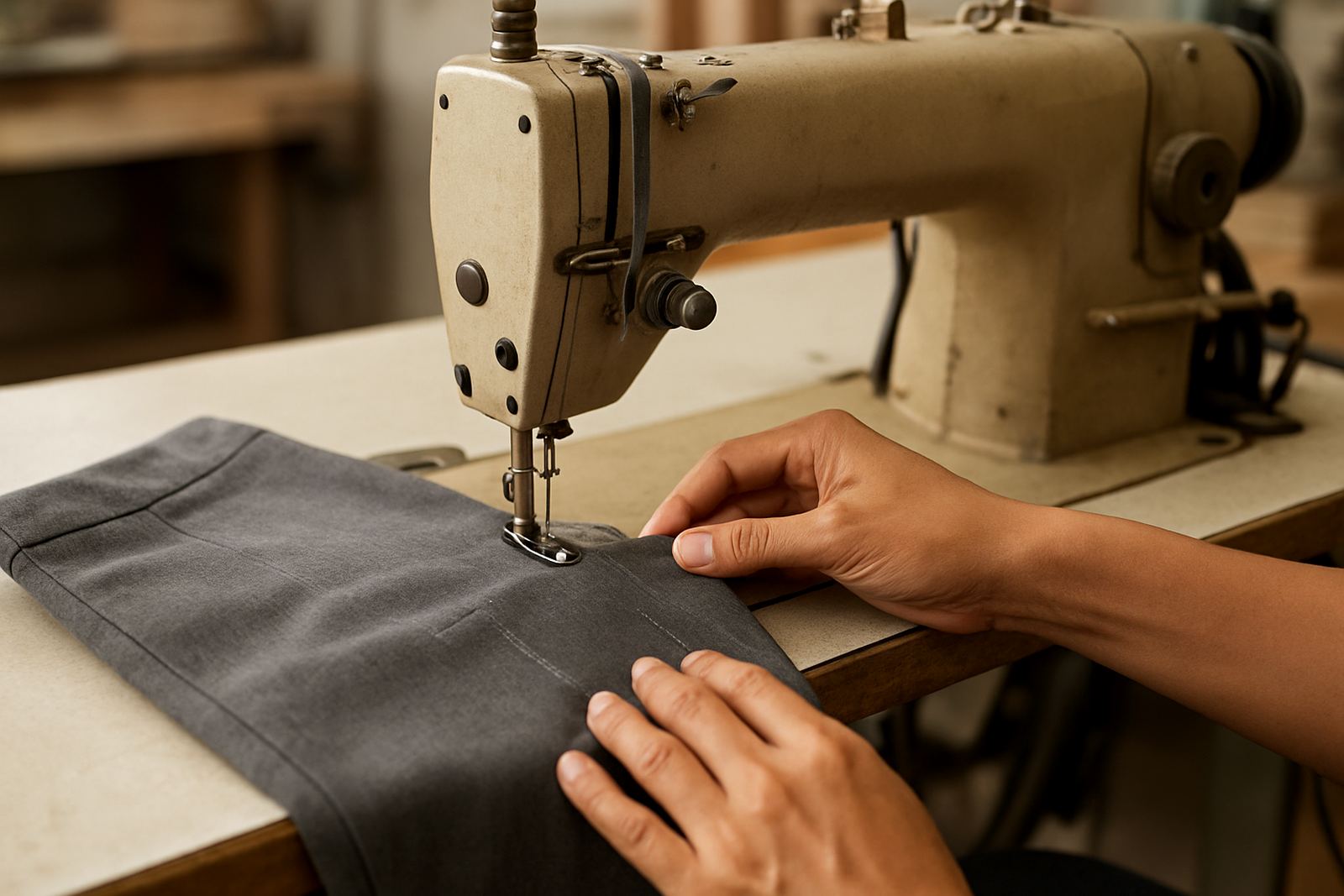


What a clutch motor does on the sewing floor
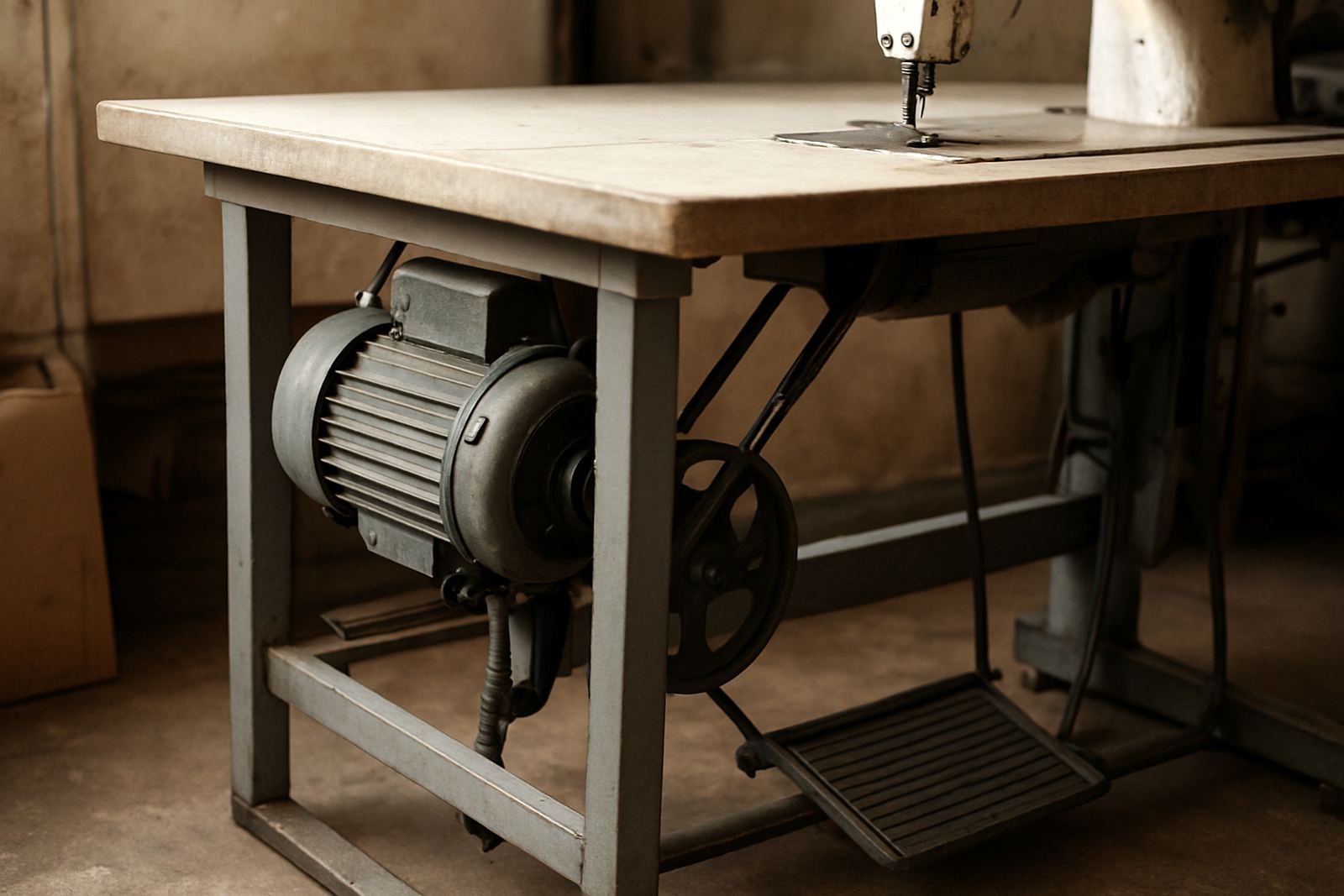
A clutch motor is a continuously running motor fitted to an industrial sewing machine. The motor turns all the time and the operator engages the machine with the foot control, which gives quick response and plenty of torque for long sewing runs. It is a common choice where one machine is used for repeated production work and the operator is comfortable managing speed with the treadle.
These motors are still used across Gauteng in cut, make and trim rooms, alteration shops, school uniform workrooms and small factory lines. They are valued for their straightforward design, familiar feel and their ability to keep going in busy environments where machines may run for many hours a day.
Sizes, pulley options and drive setup
Clutch motors are available in a few common power ratings and pulley sizes so the motor can be matched to the machine and the work being done. A heavier fabric machine may need a stronger motor or a smaller pulley for better pulling power, while lighter work can use a standard setup for faster stitching.
- Power ratings: commonly 200W, 250W, 400W and 550W options depending on the machine load
- Voltage: usually 220V single phase for most workrooms and home workshop use
- Speed: typically high speed industrial operation, often around 2,800 to 3,500 rpm at the motor
- Mounting: under table bracket or direct table mount depending on the machine stand
- Drive: belt driven with pulley sizes selected for speed control and stitch response
- Control: foot pedal and linkage set for smooth start and stop action
If the setup is not matched properly the machine may run too fast or pull unevenly. That is why the pulley, belt tension and pedal travel need to be checked during installation.
Where a clutch motor works best
This motor is a good fit for factories and repair shops that sew regularly and need a simple, proven setup. It is especially useful on straight-stitch production machines, heavier general sewing machines and workroom stations where high speed matters more than very quiet running. In places like Fordsburg, Mayfair and the Johannesburg CBD, many operators still prefer the direct feel of a clutch motor for repeat work.
It can suit uniforms, school wear, canvas repairs, upholstery trimming, seam runs and general assembly sewing. For home sewers it is usually only suitable if there is a proper industrial table and enough space, since the motor is heavier and louder than a domestic motor. In shared premises or smaller rooms the continuous running sound can be noticeable.
Where power supply is uncertain, the motor should be connected through a proper breaker and wiring that can handle startup load. It is not a small appliance and should not be run from light duty extension leads.
Installation, wiring and power needs
Correct installation makes a big difference to how a clutch motor feels on the machine. The motor must sit level under the table, the belt must line up with the handwheel and the pedal linkage must move freely without sticking. A loose belt can slip under load, while a belt that is too tight can strain the motor and bearings.
- Power supply: standard 220V single phase supply in most shops and homes
- Wiring: should be installed by a qualified person with proper earthing
- Breaker protection: use suitable circuit protection for the motor size
- Table fit: check cut-outs, bracket holes and treadle clearance before mounting
- Load-shedding: plan for a stable supply when restarting after outages to avoid surge issues
In some workrooms the motor is paired with a machine that has been in use for years, so the table, stand and pedal may also need adjustment. We check the full setup, not only the motor, because a poor table fit can make even a good motor feel rough.
Care, servicing and common wear points
A clutch motor needs regular attention if it is going to keep running reliably in a busy room. Dust from fabric, thread waste and lint build up around the belt, pulley and motor housing. In industrial settings the motor should be cleaned and checked as part of routine servicing, especially in summer when heat and humidity can affect bearings and belt condition.
Common wear points include the belt, pedal linkage, bearings and carbon-related electrical parts where fitted. If the motor starts late, runs hot, vibrates or makes a grinding sound, it should be inspected before it causes damage to the machine or slows production.
- Keep the belt aligned and not over tightened
- Vacuum lint from around the motor and table base
- Check the foot control for smooth movement
- Listen for changes in sound, speed or vibration
- Book workshop repairs if the motor trips, sparks or overheats
What to check before you place an order
When ordering a clutch motor, it helps to know exactly which machine it will run and how the workroom is set up. A motor that suits a heavy single needle machine may not be right for a lighter domestic-style machine converted for table use. The installation space, power supply and operator preference all matter.
Please check the machine brand and model if available, the table size, whether you need only the motor or a full installation, and whether the work is light, medium or heavy duty. If the machine is going into a factory line, you should also note whether you need setup for a new station, a replacement motor or a service on an existing unit. We can also advise on accessories such as belts, mounting brackets and treadle parts so the full setup works properly.
For customers in Johannesburg CBD, Germiston, Pretoria, Soweto, Alberton and Randburg, we handle sales, installation and after-sales support through the enquiry form on our contact page.
Key facts
| Product type | Industrial clutch motor for sewing machine drive |
|---|---|
| Typical power options | 200W, 250W, 400W, 550W |
| Electrical supply | 220V single phase |
| Drive method | Belt driven, continuous running motor |
| Typical speed | About 2,800 to 3,500 rpm at motor |
| Suitable use | Factory sewing, tailoring, alterations and general production |