

What a zigzag sewing machine does in the workroom
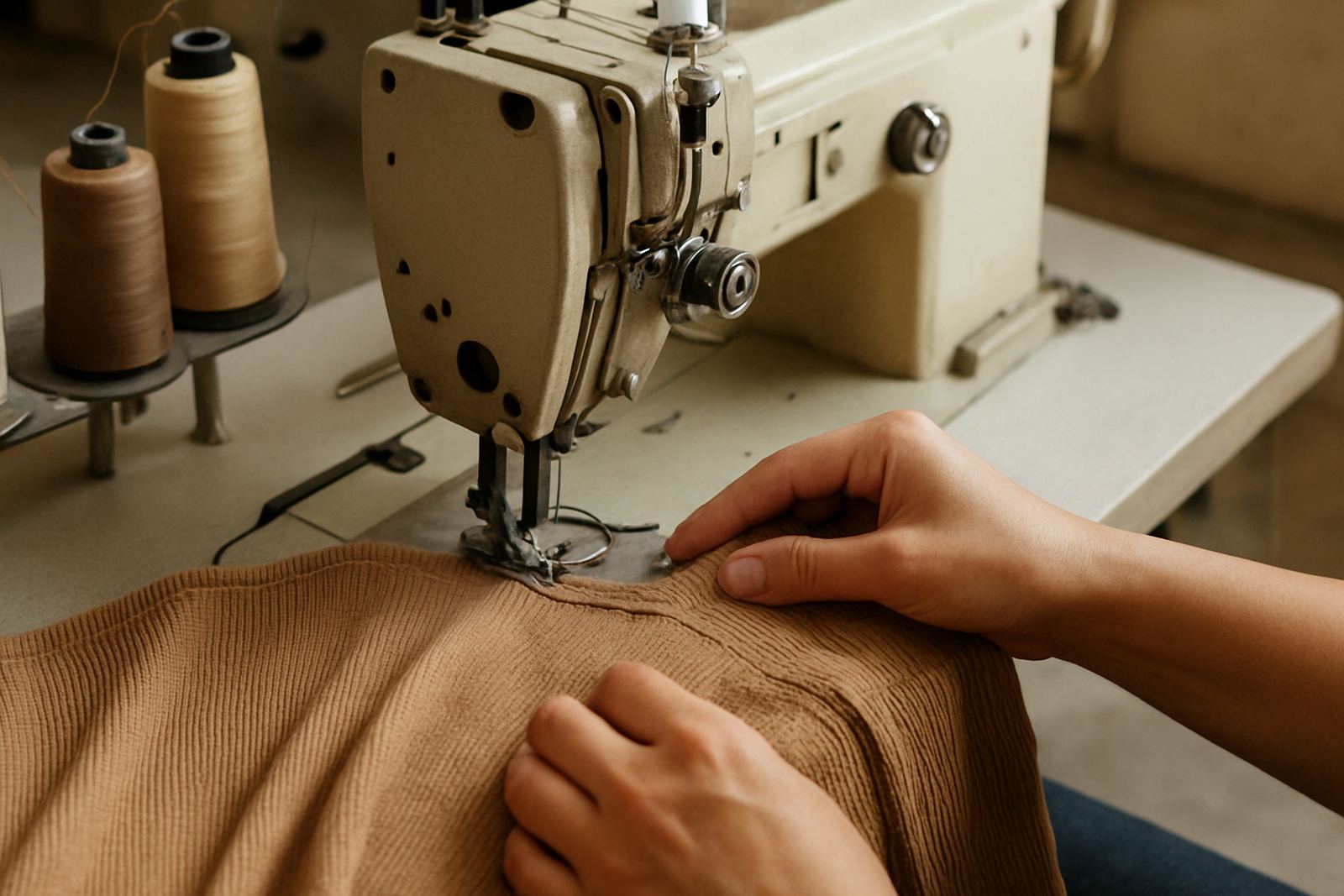
A zigzag sewing machine is used where a straight stitch is not enough. The needle moves side to side as well as up and down, which lets the operator create decorative stitching, secure elastic, stitch appliqué, reinforce seams and work around curved or flexible sections. It is common in tailoring rooms, sample rooms, uniform shops and home sewing spaces that need a machine with more than basic stitching functions.
For many customers, the appeal is practical. One machine can handle finishing on light to medium fabrics, assist with binding work and help with edge control on items that need a neat visible stitch. It is also useful where a more decorative finish is wanted on garments, curtains, bags or schoolwear. The exact result depends on the stitch width, stitch length, presser foot choice and the skill of the operator.
In Johannesburg and surrounding areas, zigzag machines are often chosen for work that needs flexibility during load shedding recovery, fast setup and manageable servicing. A properly matched machine keeps production moving without needing complicated controls for everyday tasks.
Sizes, control options and stitch settings to compare
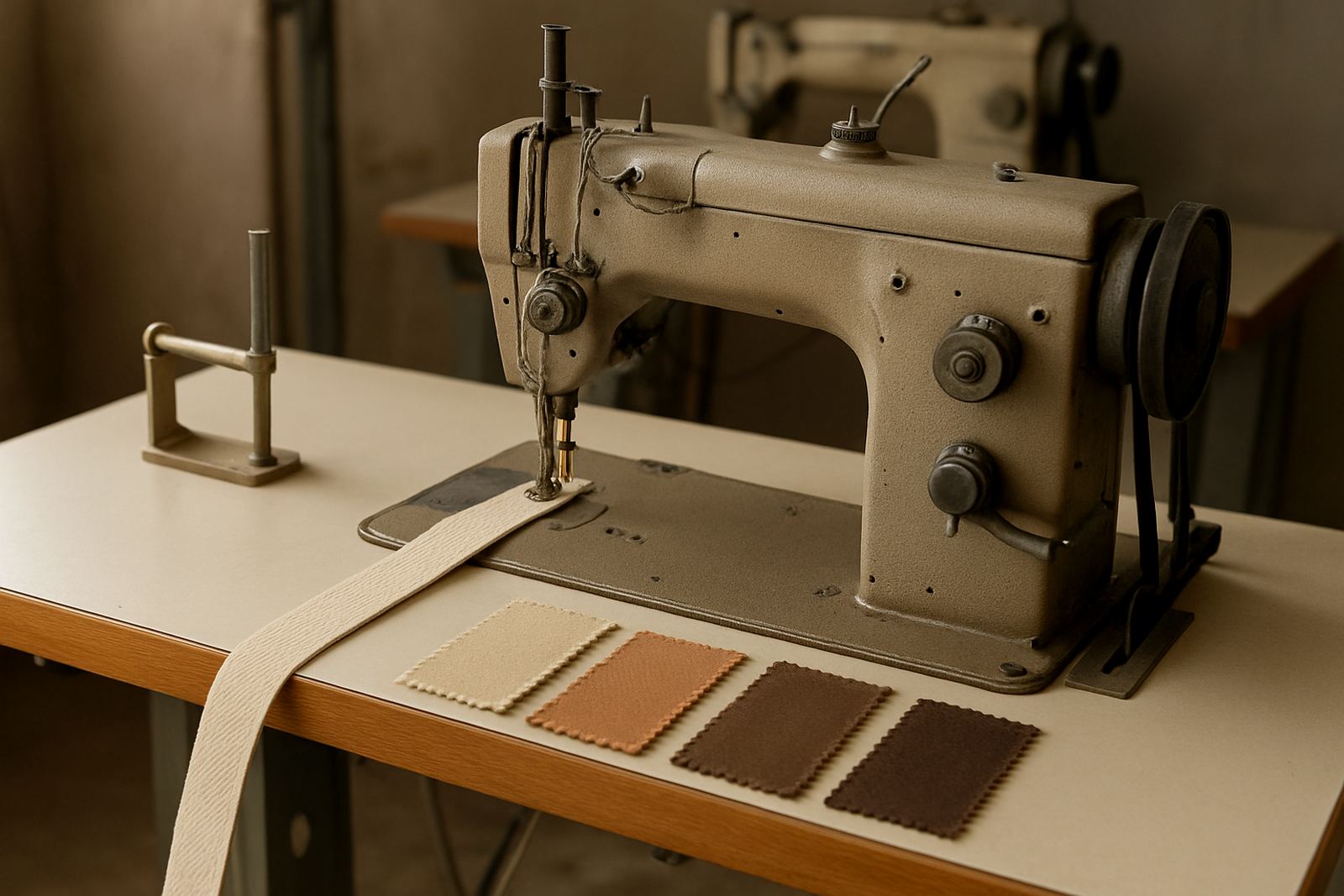
Zigzag machines are supplied in different formats, from compact household units to industrial flat-bed machines for daily production. The main differences are motor strength, speed control, stitch range and how the machine handles continuous use. Some models offer a narrower decorative zigzag, while others allow wider patterns for binding or reinforcement. If you are sewing school uniforms, fashion items or light industrial work, the right setup makes a noticeable difference to stitch quality.
When comparing options, look at how the machine is controlled and what it can handle on your current work. A simple handwheel and lever layout suits many small operators. In a higher-output room, a machine with a knee lift, speed control and a stronger motor is usually easier to use. You should also check the needle system, foot compatibility and whether the machine has a reliable reverse function.
- Stitch width and stitch length range
- Motor type and speed control
- Needle system and standard needle sizes
- Presser foot options for binding or edging
- Reverse stitching and bar-tack style reinforcement where available
- Table size and operator clearance for larger pieces
Where a zigzag machine fits best
This machine suits factories, tailors, schools, sample rooms and home sewers who need a dependable all-round stitch. It is especially useful for garment finishing, costume work, uniform repairs, elastic insertion, decorative seams and light reinforcement tasks. In a school or training setting, it is a good machine for teaching stitch control because it gives visible results without being too specialised.
For workrooms in Fordsburg, Mayfair, Soweto, Germiston, Pretoria, Alberton and Randburg, the zigzag machine is often one of the first machines added after a straight stitch unit. It gives the operator more flexibility without taking up too much floor space. If the room is handling mixed jobs, one machine can do several tasks that would otherwise need separate attachments or extra equipment.
- Fashion sample rooms needing decorative finishes
- Tailoring shops doing hems, facings and light reinforcement
- Uniform producers working with woven fabrics and trims
- Schools and training rooms teaching machine control
- Home sewers wanting one machine for general use and finishing
Installation, power and room layout considerations
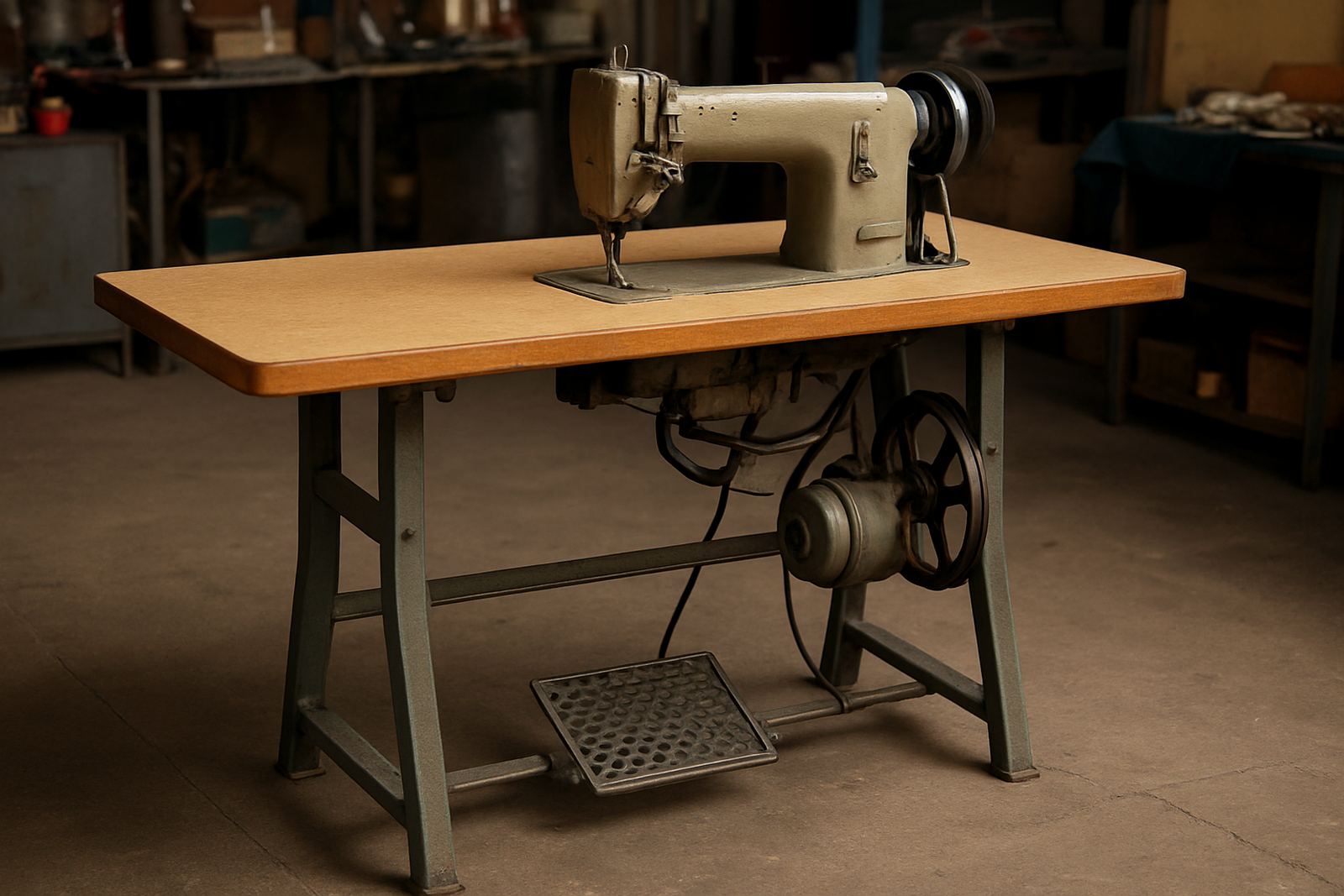
Most zigzag machines need careful installation to run well from the first day. Industrial units are normally mounted on a table with a motor, belt or direct drive system, while household models are set up on a stable surface with enough room for fabric movement. The machine must sit level, with correct needle alignment, proper thread path and the right foot pressure for the type of work being done.
Power needs depend on the model. Many units run from standard mains power, but the motor draw and speed control should be checked before purchase, especially where load shedding is common and backup power may be used. If you are running the machine on an inverter or generator, confirm the start-up load and make sure the supply is stable. For workrooms with narrow aisles or shared benches, table size and operator space are also worth checking before ordering.
- Confirm voltage and plug type before installation
- Check whether the motor is direct drive or belt driven
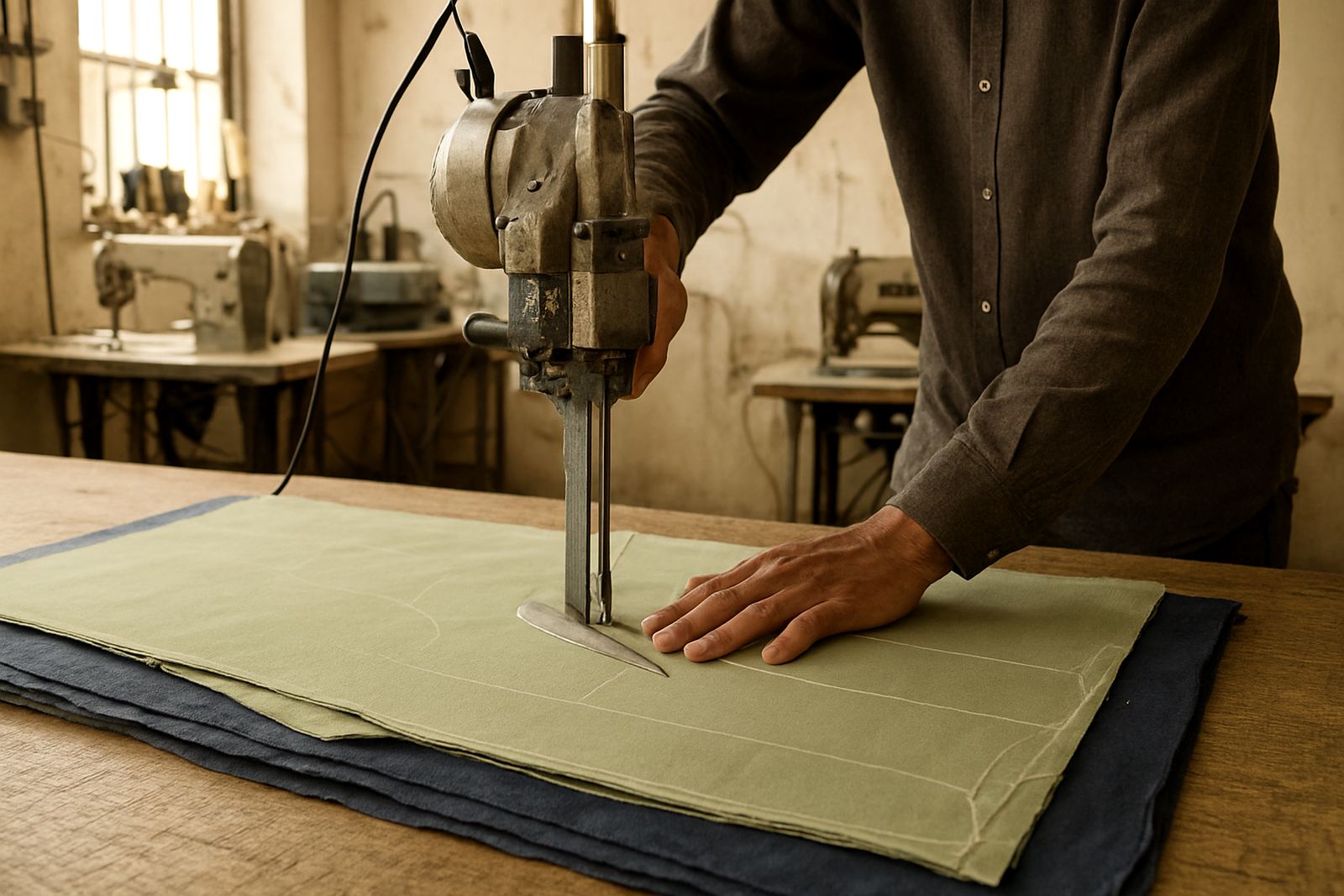
- Allow space for fabric feed, cutting and stacking
- Use a stable surface for household units
- Plan for backup power if production cannot stop during outages
Care, servicing and common wear points
Like any machine that works with moving parts and thread tension, a zigzag sewing machine needs routine care. Dust, lint and loose thread can affect stitch formation quickly, especially in busy rooms where cotton, polyester and trims are used all day. Regular cleaning around the hook area, needle plate and feed mechanism helps keep the stitch even and reduces strain on the motor.
Servicing should include timing checks, tension adjustment, needle replacement and inspection of the foot, belts, lamps and motor components where fitted. If the machine begins skipping stitches, pulling thread unevenly or making unusual noise, it should be checked before the problem affects more garments. In coastal humidity and dusty CBD conditions, a light maintenance routine is especially useful for keeping the machine ready for daily use.
- Clean lint after each work session
- Change needles before they bend or blunt
- Check top and bobbin tension regularly
- Keep oil points and moving parts serviced as recommended
- Store thread and fabric away from moisture and dust
What to check before you place an order
Before ordering a zigzag sewing machine, it helps to match the machine to the actual job. Consider the fabric weight, the stitch width you need, whether the machine will be used all day or only for selected jobs, and whether your team needs a simple mechanical control or a more advanced setup. It is also worth checking what accessories come with the unit, because the right foot, plate and needle combination saves time later.
We also recommend checking spare part support and who will install or service the machine after delivery. A machine that is easy to set up and maintain is usually more valuable over time than one with features you will not use. If you need operator training, workroom planning or on site support for a new machine, it is better to arrange that upfront rather than after the first production delay.
- Fabric type and stitch purpose
- Needle system and spare needle availability
- Included feet, plates and bobbin parts
- Motor type and power supply match
- Expected daily workload
- Access to installation, repairs and parts sourcing
Johannesburg sales, setup and support for zigzag machines
Asia Sewing Machines supplies, installs and services zigzag sewing machines from our Johannesburg CBD base, supporting clients across Gauteng including Fordsburg, Mayfair, Soweto, Germiston, Pretoria, Alberton and Randburg. Our team handles machine installation, workshop repairs, routine servicing, motor conversions, timing adjustments, parts sourcing and operator training, so the machine is ready for the way you actually work.
If you are setting up a new room or replacing an older unit, we can help you compare options and check what fits your power supply, floor space and production target. Customers can reach us through the enquiry form on our contact page for product advice, servicing or installation arrangements.