Compact embroidery for small run work
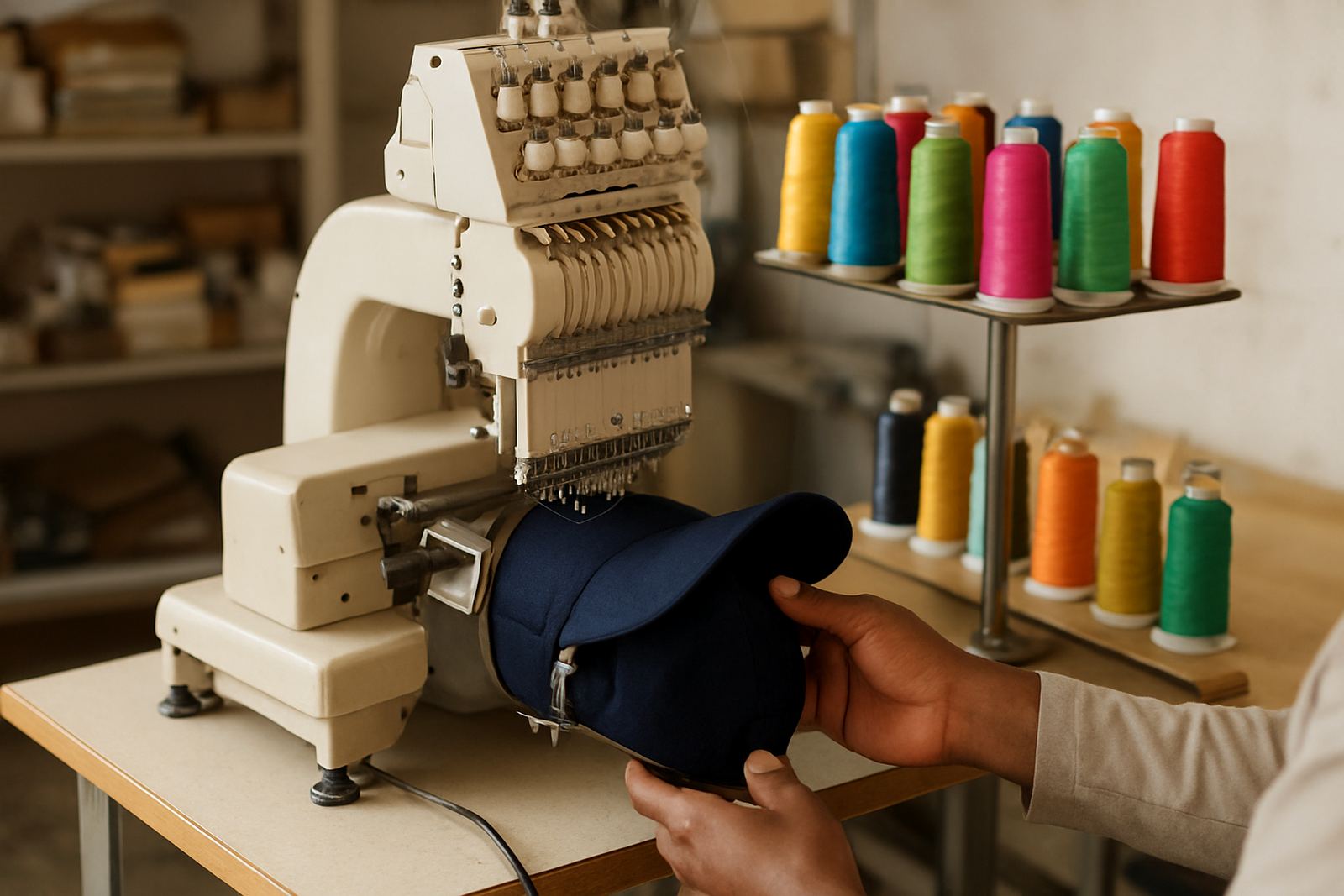
A single head embroidery machine gives you one stitching head and one hooping station, so it is ideal for orders that change often. You can move from caps to shirts, jackets, badges and schoolwear with the right frame set, and keep setup times manageable for short runs. It is a sensible option when you need clean branding but do not have enough volume to justify a larger production unit.
For businesses in Johannesburg CBD, Fordsburg, Mayfair, Soweto, Germiston and Pretoria, this format works well where floor space is limited and every square metre matters. It also suits start ups and established workrooms that handle sample approvals, repeat orders and personalised items for clubs, churches and local companies.
- Names, initials and monograms
- Logos on shirts, blouses, caps and jackets
- Badges, badges panels and small promotional runs
- Schoolwear, teamwear and workwear marking
Sizes, frames and control options
Single head units are available in different sewing field sizes, usually from compact garment work right up to larger fields for jacket backs and panels. The right choice depends on the biggest design you plan to run, the type of fabric and how often you change thread colours. A larger field gives more flexibility, but it also takes more space and needs more careful hooping.
Common options include flat frames for general garments, cap attachments for peak embroidery, and tubular frames for sleeves and smaller items. Many units are computer controlled, with a colour sequence that guides the operator through the design. A clear screen helps when you are loading stitch files, checking needle positions and repeating jobs after load-shedding or a power interruption.
- Embroidery field sizes to suit small and medium jobs
- Single or multi needle configurations depending on the model
- Flat, cap and tubular frame options
- Automatic thread trimming and colour change functions on suitable models
Where a single head machine fits best
This machine type suits small factories, tailoring shops, uniform suppliers, schools and home based businesses that need flexibility more than speed. If you are doing sample pieces, personalised gifts or regular but modest monthly volume, a single head keeps your overheads lower and your training easier. It is also a practical bridge between home sewing and full production embroidery.
Many customers in Gauteng use this setup for local orders where turnaround matters, but the quantity does not justify a bigger machine. It is also useful for businesses that already have industrial sewing machines and need embroidery in house instead of sending work out.
- Tailors handling personalisation on demand
- Schools marking sportswear, staff shirts and bags
- Factories needing low volume branding work
- Home sewers expanding into paid embroidery orders
Installation, power and workshop setup
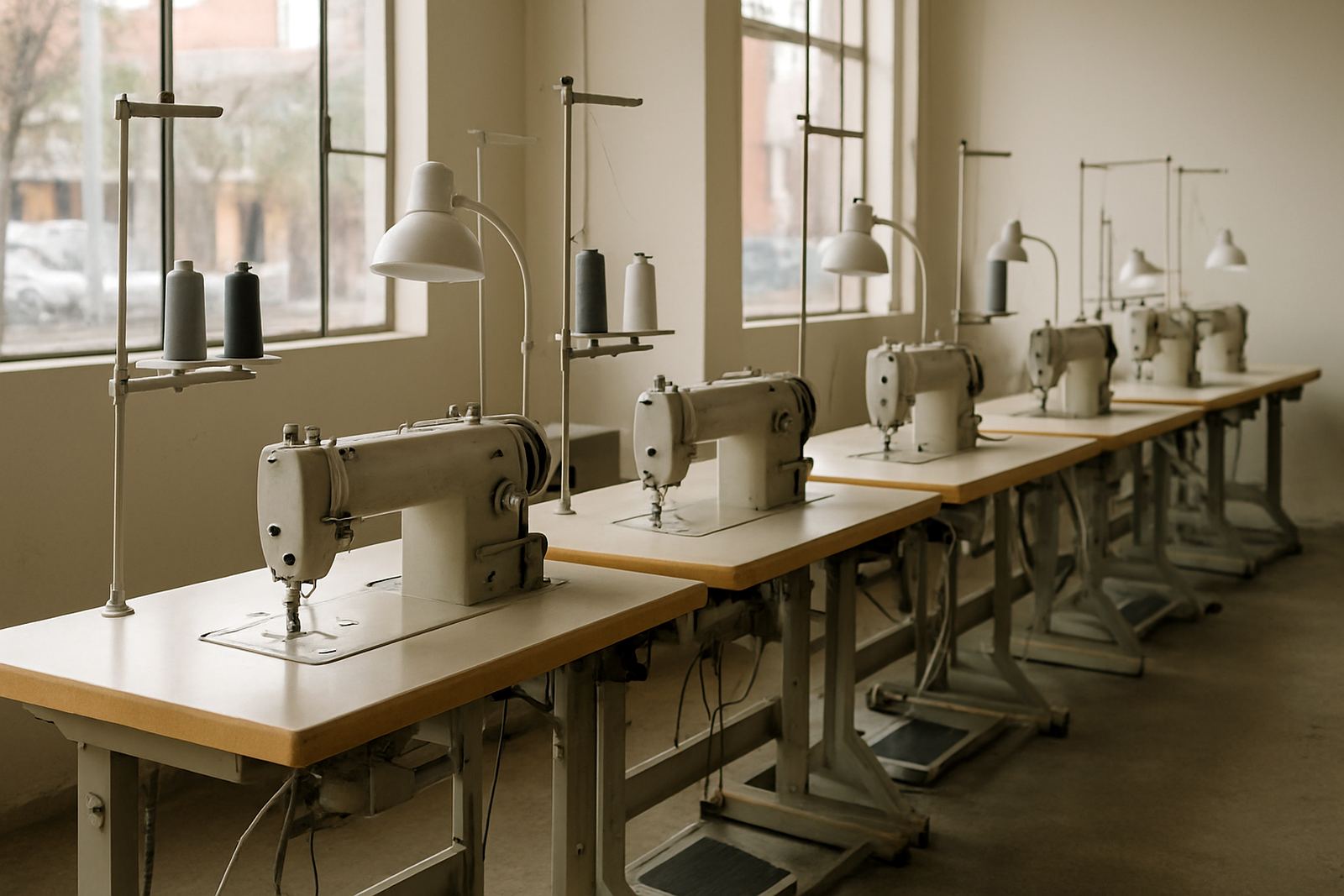
Before installation, check the floor space, access door width, table position and operator working height. A single head machine needs a stable base, enough clearance for hoops and a clean area for threads, bobbins and garments. If the machine will be used in a workshop with several sewing stations, plan for a straight workflow from cutting to hooping to finishing so operators do not cross paths too often.
Most machines run on standard single phase electricity, while some larger units may need a different supply depending on the motor and control system. It is wise to allow for a proper surge protector and a clean power point, especially in areas affected by load shedding and voltage dips. No gas is required for the embroidery unit itself, although you may want nearby ventilation if the room also holds pressing equipment or other heat based machines.
- Level surface and stable stand are important
- Allow space for hoops, thread cones and operator movement
- Check the electrical supply before delivery
- Use surge protection where power is unstable
Care, cleaning and servicing in daily use
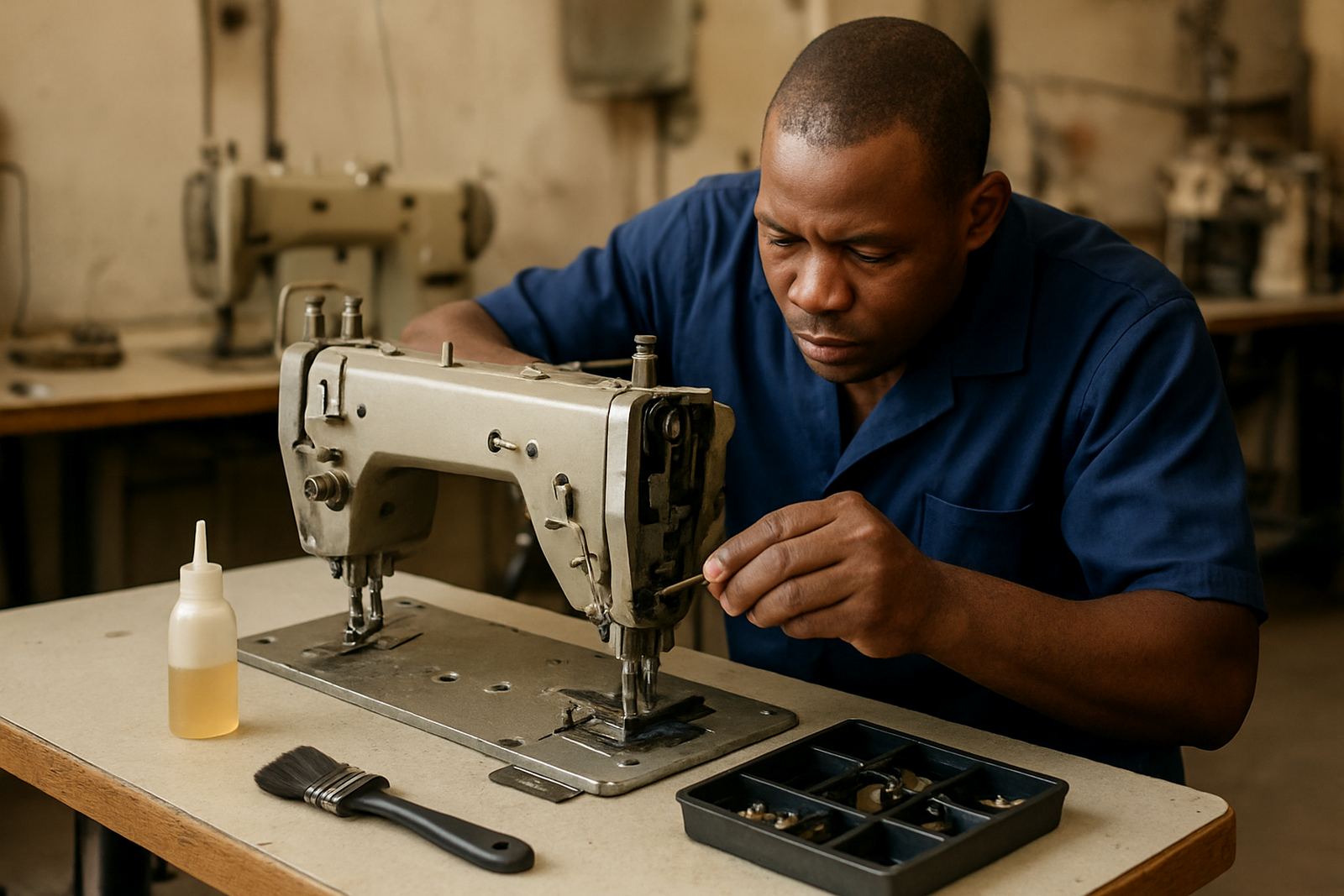
Good embroidery results depend on regular care. Clean lint from the hook area, trim loose thread ends and keep the thread path free of dust. Needles should be checked often, since a blunt or bent needle can cause skipped stitches, fraying and damaged fabric. On busy days, simple checks before the first order can save a lot of rework later.
We recommend routine servicing to keep timing, tension and drive components in order. In Johannesburg, coastal humidity is not the main issue, but dust, workshop heat and long operating hours will still affect performance. Machines that stand idle during power cuts should be covered and switched off properly so the control system and motors are protected.
- Daily cleaning of lint and thread waste
- Regular needle replacement
- Thread tension checks and hook cleaning
- Scheduled servicing for timing and drive alignment
What to confirm before you place an order
When ordering a single head embroidery machine, check the exact embroidery field, the number of needles, the type of control panel and the frame set included. Ask whether cap equipment, extra hoops and spare bobbin cases are part of the package or priced separately. It is also worth confirming the stitch file format the machine accepts, especially if you receive artwork from outside digitising sources.
Think about the fabrics you will sew most often. Light shirting, fleece, denim, caps and schoolwear all behave differently, so the needle system, hoop size and stabiliser choice must match the work. If you are using the machine for a business, also ask about operator training, parts availability and future servicing. That makes a real difference when you need to keep orders moving in Gauteng and beyond.
- Embroidery field size and hoop range
- Needle count and control panel functions
- Included attachments, frames and starter parts
- Spare parts and service support after installation
Key facts
| Machine type | Single head, computer controlled embroidery unit |
|---|---|
| Best use | Names, logos, badges and small volume personalised work |
| Typical power | Single phase supply, confirm model requirements before installation |
| Embroidery field | Model dependent, from compact garment sizes to larger panel sizes |
| Included options | Flat frames, cap frame support and tubular hoops depending on package |
| Service support | Installation, operator training, routine servicing and parts sourcing in Gauteng |