

What a heavy duty household machine does best
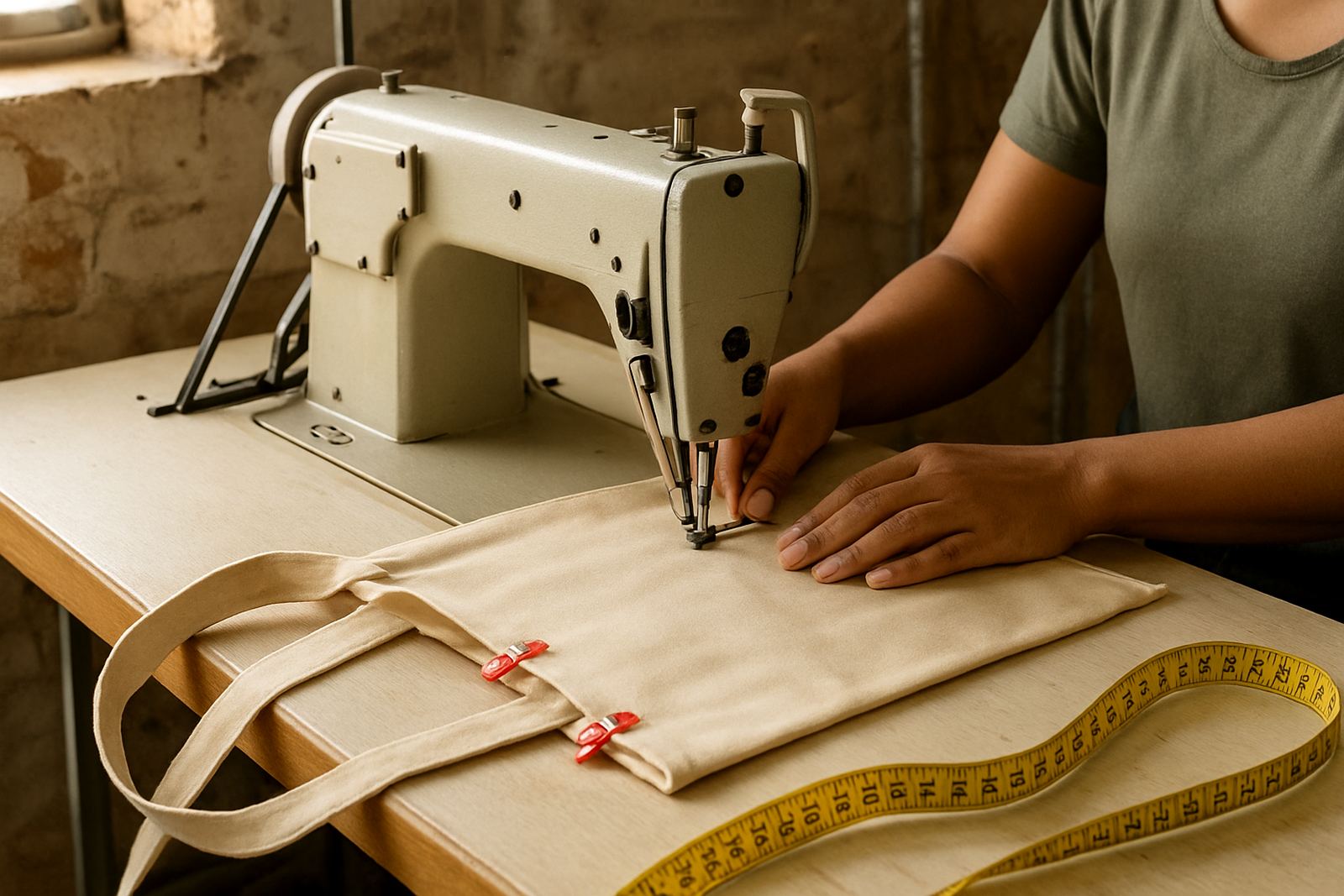
Heavy duty household machines are made for users who sew often and need a machine that can handle more than light cotton. They are a good middle ground for home sewers, tailoring classrooms and small jobs where you need steady stitching on denim, canvas, PVC-backed fabric, multiple layers and heavier hems. The frame is usually firmer than a basic domestic machine, with stronger feed movement and a motor that copes better when you slow down for thick seams.
These machines are not meant to replace a full industrial unit, but they do give you more confidence for regular work. If you are sewing school uniforms, curtains, aprons, couch covers or simple alterations, this type of machine is often the practical choice. It is easier to use at home, takes up less space and is generally simpler to move or store than a factory machine.
Common sizes, stitch types and features
Heavy duty household machines come in a few common configurations, depending on what you sew and how much control you want. Straight-stitch machines are popular for simple, strong seams. Zigzag and multi-stitch models are better when you need hemming, buttonholes, edge finishing or stretch work. Some units include extra presser feet, adjustable speed control and built-in needle threading to make daily use easier.
- Standard domestic size for table or home use, with a compact body and portable weight
- Heavy duty motor setup for thicker fabrics and repeated stitching sessions
- Metal inner frame on many models for firmer feeding and less vibration
- Free arm on selected units for cuffs, sleeves and narrow openings
- Variable stitch length and width depending on the model
- Compatible with common household needles, bobbins and presser feet
We also supply accessories that help the machine do more, such as walking feet, zipper feet and edge guides. If you sew often on thick or layered material, those attachments can make a noticeable difference to the finish.
Where this type of machine fits in Gauteng workrooms and homes
We often recommend heavy duty household machines for homes, school sewing rooms, small tailoring shops and part-time makers across Johannesburg CBD, Fordsburg, Mayfair, Soweto, Germiston, Pretoria, Alberton and Randburg. They are useful where the work is regular but the volume is still manageable. They also suit learners who want a stronger machine before moving to industrial equipment.
These machines are handy in places where load-shedding affects routine work, because a lighter domestic setup can be used on a backup supply more easily than larger equipment. In smaller spaces, such as home sewing corners or classroom tables, the compact footprint also helps. For coastal humidity is not the main concern in Gauteng, but dust, lint and poor storage still affect machine life, so a cover and regular cleaning are worth keeping to hand.
- Home sewing and alterations
- School sewing classes and training rooms
- Small uniform or curtain jobs
- Tailors handling thicker hems and repairs
- Community projects and church groups
Installation, power needs and setup checks
Most heavy duty household machines run on standard mains power and do not need special wiring. Before setup, check that the machine matches your supply and that the plug, cable and foot control are in good condition. If the unit has a motor or speed controller built into the base, make sure it sits level on a stable table. A small, solid work surface helps reduce vibration and improves stitch consistency.
If you are using the machine in a home or training room, allow enough space behind the machine for fabric feed and enough light over the needle area. For places that experience frequent power interruptions, it helps to keep the machine switched off at the wall when not in use and to protect it from sudden surges. We can assist with machine installation, motor conversions and workroom planning where needed, especially when several machines are set up together.
- Confirm voltage and plug type before use
- Check table height for comfortable sewing posture
- Keep the machine on a firm, flat surface
- Allow space for fabric movement and operator seating
- Use a safe extension only if it is correctly rated
Care, servicing and everyday maintenance
Regular cleaning keeps a heavy duty household machine running smoothly. Lint gathers quickly around the bobbin area, feed dogs and tension discs, especially if you sew cotton blends, fleece or thicker fabrics. A light oiling schedule may be needed on models that require it, but always follow the machine instructions rather than guessing. Needles should be changed as soon as they bend, blunt or start skipping stitches.
For longer life, store the machine covered when not in use and avoid forcing it through seams that are too thick for the needle size in use. If the stitching starts to pull, loop or jam, it is often a sign that the tension, needle or timing needs attention. Our workshop handles routine servicing, timing adjustments and workshop repairs, and we also provide on site repairs for workrooms that cannot afford much downtime.
- Clean lint after each long sewing session
- Use the correct needle size for the fabric
- Replace worn bobbins and damaged feet
- Keep thread paths clear and properly threaded
- Book servicing if the machine starts to skip or seize
What to check before you place an order
Choosing the right heavy duty household machine starts with the type of sewing you do most often. If you mainly sew hems and repairs, a simpler model may be enough. If you work with denim, upholstery offcuts or repeated seams, you may need a stronger feed system and a better motor response. It also helps to check whether you need straight stitch only or a machine with more stitch options.
Before ordering, think through the following points so you get the right fit for your work and your space.
- What fabrics you sew most often
- Whether you need straight stitch, zigzag or multiple stitch options
- Table space and storage space at home or in the workroom
- Power supply and any backup power arrangements
- Whether accessories such as extra feet or guides are needed
- How often the machine will be used each week
Clients in Johannesburg CBD and across Gauteng can use our enquiry form to ask about stock, set-up help, spares and servicing. We supply machines, attachments, threads and haberdashery, and we can guide you on the setup that suits your sewing work without overbuying gear you will not use.
Key facts
| Machine type | Heavy duty household sewing machine |
|---|---|
| Best for | Regular home sewing, thicker fabrics and longer sessions |
| Typical stitch options | Straight stitch, zigzag and selected utility stitches, depending on model |
| Power needs | Standard mains power, model dependent voltage and plug type |
| Setup | Table-top domestic installation with foot control on most units |
| Service support | Installation, routine servicing, repairs and parts sourcing |