

What a coverseam machine does on finished garments
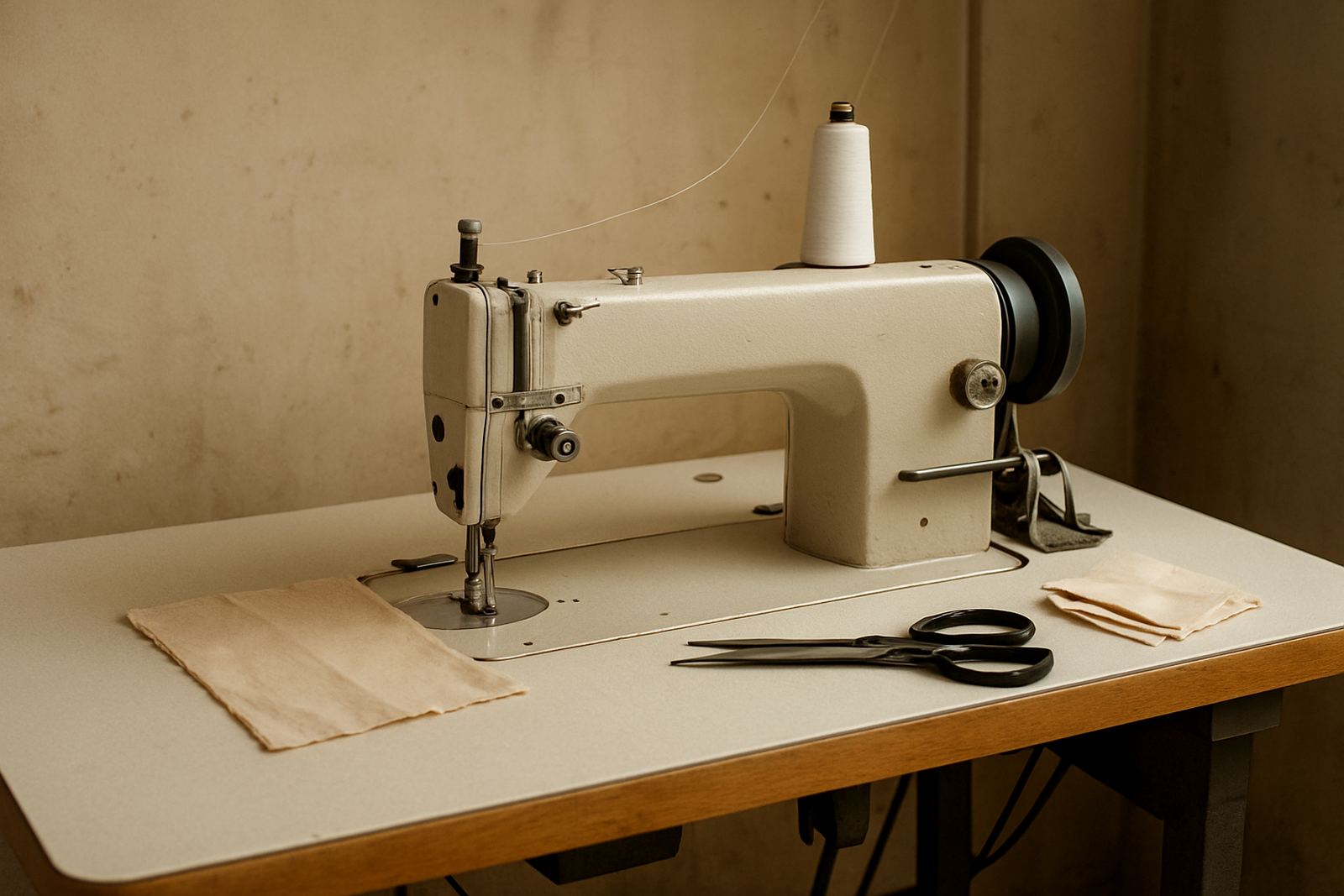
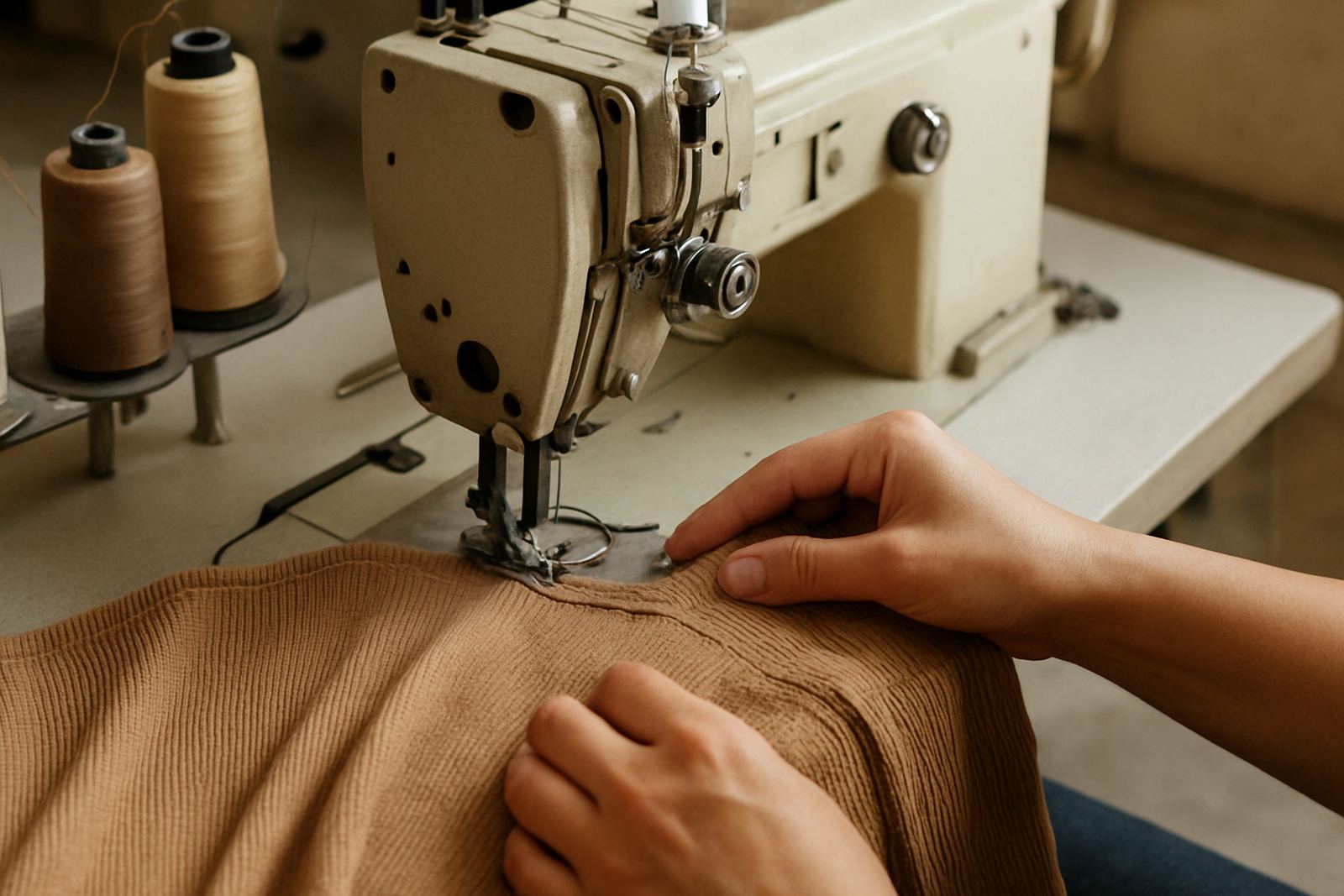
A coverseam machine is built for stretch fabrics and garments that must keep their shape after washing and wearing. It is commonly used on hems, necklines, cuffs, sportswear and underwear where a flat, even seam is needed without bulk. The machine forms stitch patterns that stretch with the fabric, so the garment does not pop stitches when the wearer moves.
In practical terms, a coverseam machine is the right choice when you need the top side of the stitch to look tidy and the underside to stay neat and secure. That matters on retail clothing, school wear, activewear and small production runs where the finish must be consistent from the first garment to the last.
- Suitable for hems on knit garments
- Good for necklines, cuffs and bindings
- Used on stretch fabrics and light to medium weight materials
- Helps reduce puckering on elastic fabrics
Common sizes, needle setups and stitch options
Coverseam machines are usually supplied in a few practical configurations. The main choice is between a 2 needle, 3 needle or combined coverseam setup, depending on the garment type and the finish you want. A 2 needle version is often enough for basic hemming, while a 3 needle machine is preferred where a wider decorative or stronger stitch is needed.
Needle gauge, stitch width and differential feed should be matched to the fabric. A narrow gauge works well on fine knits and babywear, while a wider gauge suits hems on T shirts, tracksuits and knitted tops. Differential feed is important because it helps control stretch and prevents wavy edges on slippery or soft fabric, which can happen if the machine is not set up properly.
- 2 needle, 3 needle and combination coverstitch options
- Adjustable stitch length for lighter or heavier fabric
- Differential feed for stretch control
- Flat bed and cylinder arm options for different workpieces
Where a coverseam machine suits best in Gauteng workrooms
We regularly recommend coverseam machines for workrooms in Johannesburg CBD, Fordsburg, Mayfair, Soweto, Germiston, Pretoria, Alberton and Randburg where knit garments are produced in batches. Tailors and small factories use them for hem finishing, while schools and training rooms often need them for practical sewing classes and sample production.
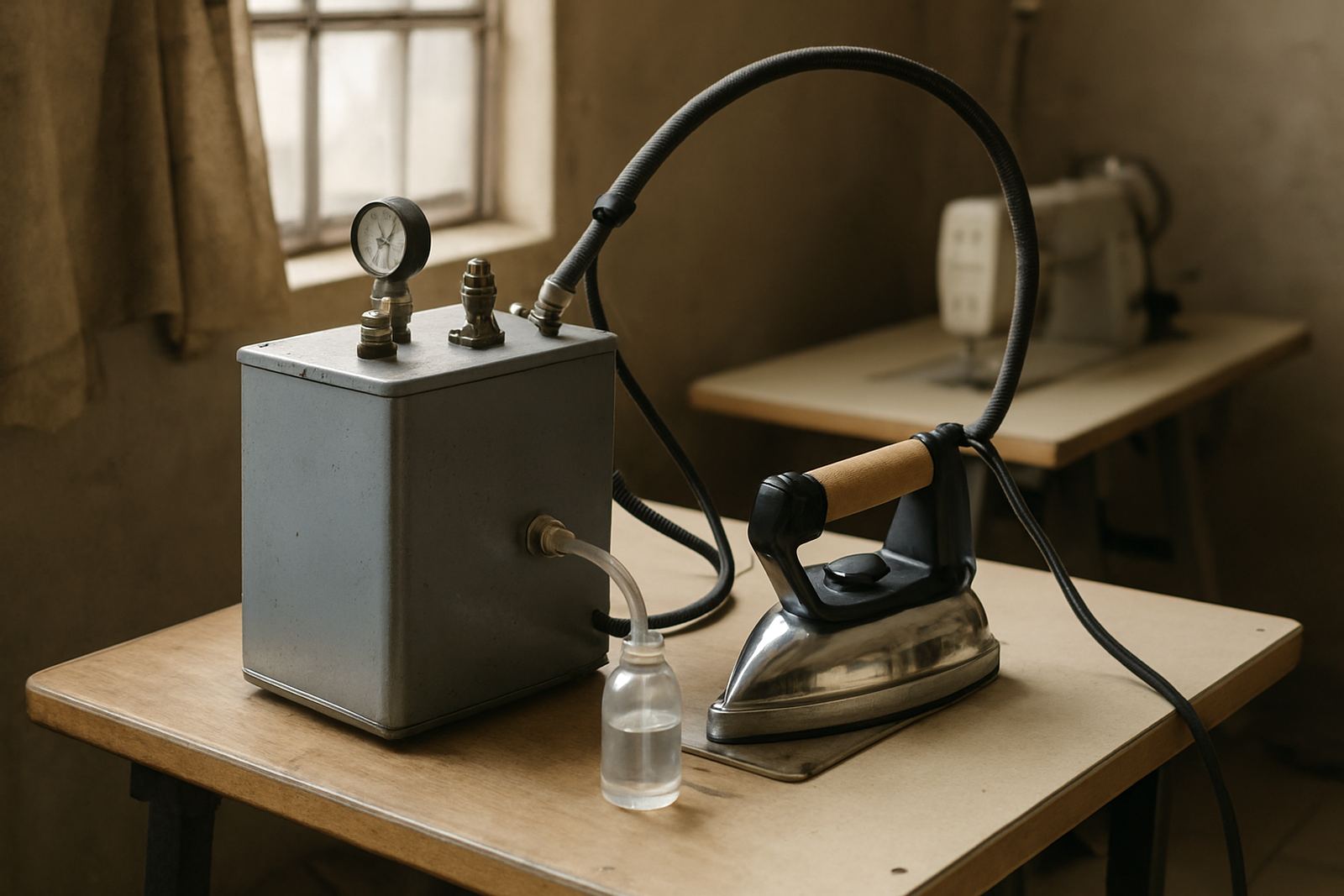
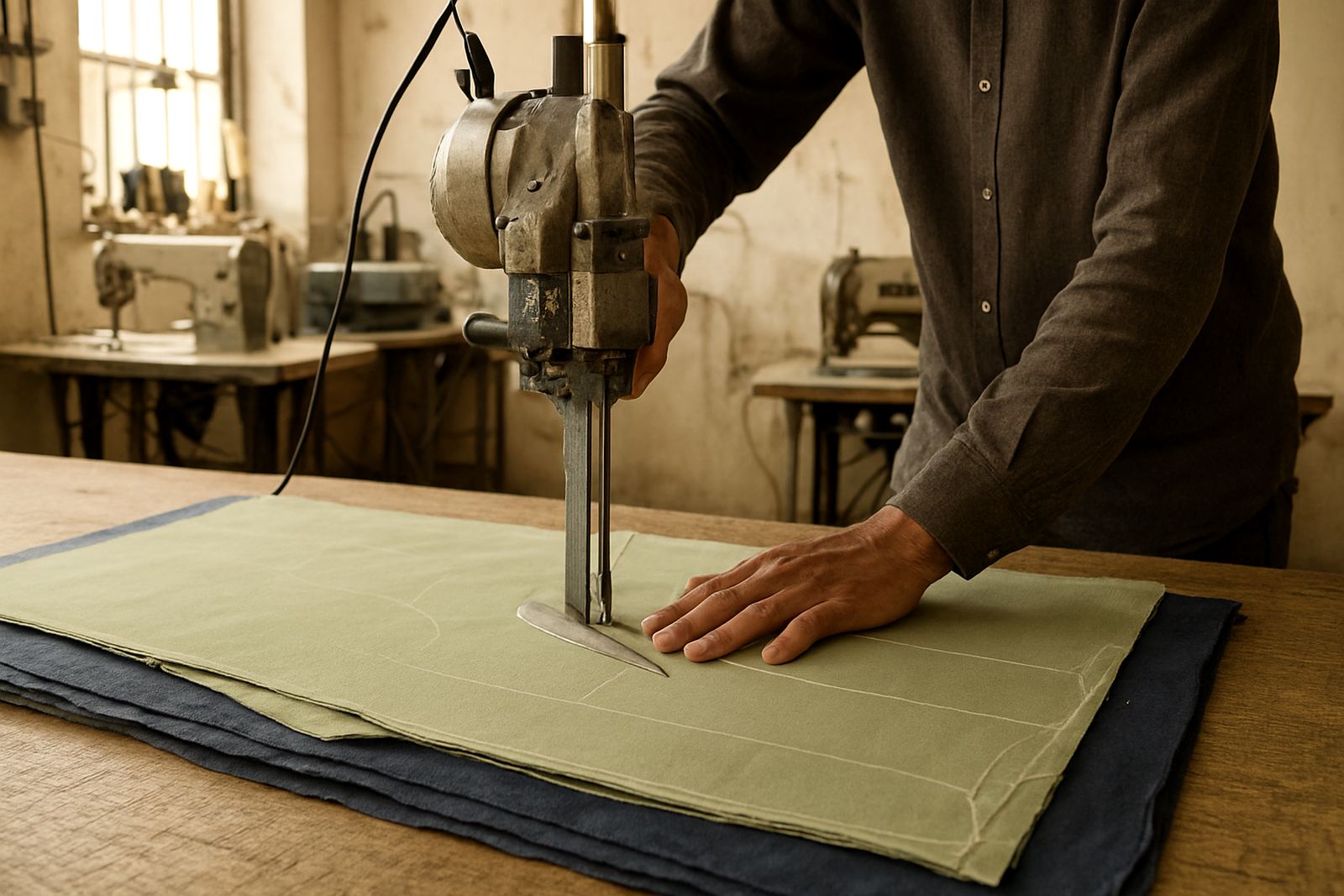
They are also useful for home sewers who make their own clothing or repair stretch garments. If you sew school shirts, gym wear, dance wear or casual knit tops, a coverseam machine saves time and gives a professional look. In a busy workroom, it is usually placed after cutting and overlocking, then used for the final visible finish. It can also be paired with a pressing station for a cleaner result, especially on thicker hems.
- Factories making knitwear and sportswear
- Tailors handling alterations on stretch garments
- Schools and training workshops
- Home sewing rooms with regular garment work
Installation, power requirements and workroom setup
Most coverseam machines run on standard single phase 220V supply, but the motor type and control box must be checked before installation. In some workrooms we fit servo motors for quieter running and lower electricity use, which is useful during load-shedding recovery and in places where the power supply is not always stable. If the machine is fitted with a table and motor set, we make sure the belt tension, stand height and pedal response are right for the operator.
For floor planning, the machine should be placed where there is enough light, thread access and room for the garment to move freely across the bed. If you are setting up a new sewing line, it helps to position the coverseam after overlocking and before final pressing. Good ventilation and a dust free area also help protect the machine, especially in factory spaces near open doors or in coastal humidity on the east side of the province, though Johannesburg conditions are usually more forgiving.
- Confirm the voltage before purchase or installation
- Check whether you need single phase or motor conversion
- Allow space for operator movement and garment handling
- Use stable tables and proper lighting for accurate stitching
Care, cleaning and servicing to keep the stitch even
Coverseam machines need regular cleaning because lint builds up quickly around the looper area, needle bar and feed mechanism. Daily brushing and oiling, where the model allows it, will reduce thread breakage and improve stitch consistency. A machine that is used heavily in a factory should be serviced more often than one used at home, especially if it runs long shifts or sees thick elastic seams. Even a small timing issue can show up as skipped stitches or uneven looper formation.
Our workshop team can handle routine servicing, timing adjustments, on site repairs and workshop repairs when the machine needs more than basic cleaning. If the machine starts making noise, pulling fabric or leaving loose loops underneath, it should be checked before the problem gets worse. It is usually cheaper to catch a worn needle plate, tension issue or feed problem early than to wait until the machine jams during production.
- Clean lint from the looper and needle area daily
- Replace dull needles often
- Check thread path and tension discs regularly
- Book servicing before peak production periods
What to check before you place an order
Before ordering a coverseam machine, first confirm the fabrics you sew most often and the finish you want on the garment. A school wear maker may need a different setup from an activewear producer, and a home sewer may not need the same gauge or table size as a small factory. It also helps to know whether you want a complete machine, head only, or a machine with specific attachments for bindings and hems.
Ask about accessories, spare parts and operator training at the same time, because the right extras can save time later. If your team is new to coverseam work, training on threading, tension setting and fabric handling is worth arranging from the start. Please also check the available floor space, electricity point and delivery access in your building, especially if the machine must go into a narrow stairwell, upper floor workroom or shared industrial unit.
- Fabric type: knit, stretch, light or medium weight
- Needle count and stitch width required
- Motor type and electrical supply on site
- Need for attachments, spare needles and thread supply
- Whether you want installation and operator training
Sales, parts and service from our Johannesburg CBD base
Asia Sewing Machines supplies coverseam machines, parts, attachments, threads and haberdashery from our Johannesburg CBD base, with support across Gauteng. Our team works with factories, tailors, schools and home sewers in Fordsburg, Mayfair, Soweto, Germiston, Pretoria, Alberton and Randburg. We can assist with machine installation, routine servicing, motor conversions, parts sourcing and workroom planning, so the machine fits the job and the space properly.
Whether you are fitting out a new sewing room or replacing an old unit that no longer gives a clean stitch, we can help you choose a practical machine and get it running correctly. If a coverseam machine is already on site and needs attention, our field service and workshop teams can inspect the fault and advise on the next step. In many cases the fix is straightforward once the timing, feed and thread path are checked properly.
Key facts
| Machine type | Coverseam / coverstitch machine for stretch garment finishing |
|---|---|
| Typical stitch setup | 2 needle or 3 needle options, depending on model |
| Fabric range | Light to medium weight knit and stretch fabrics |
| Power requirement | Usually 220V single phase, subject to motor specification |
| Key controls | Differential feed, stitch length adjustment and thread tension control |
| Common uses | Hems, necklines, cuffs, activewear, T shirts and school wear |