

What a cylinder bed machine is used for
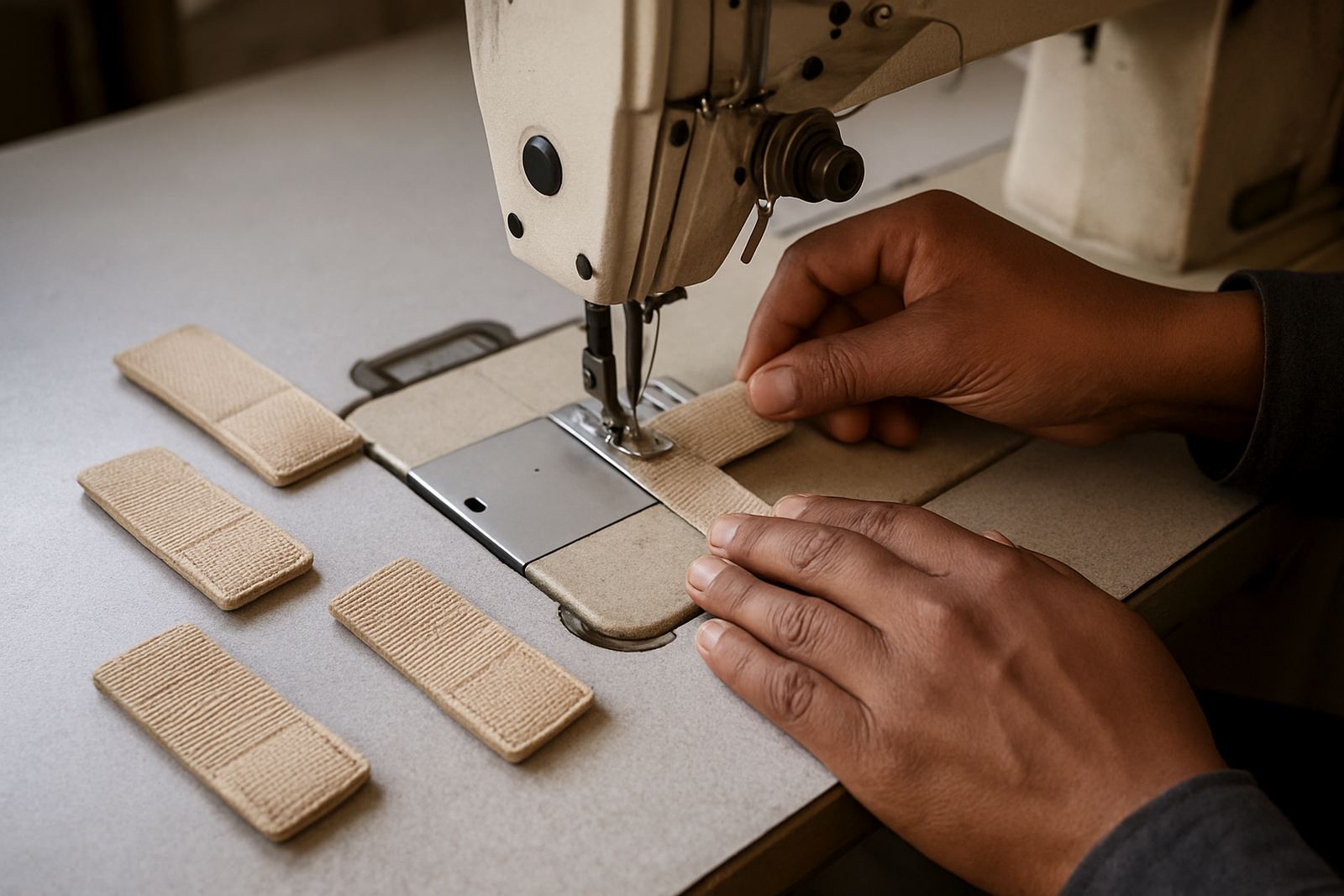
A cylinder bed machine has a raised, narrow bed instead of a flat table style bed, which makes it easier to sew around tubes, seams and shaped items. The narrow arm lets the operator feed bags, cuffs, sleeves, straps, upholstery sections and shoe or leather components with less twisting and less strain on the material. It is often chosen where a standard flat machine feels awkward or cannot get close enough to the edge.
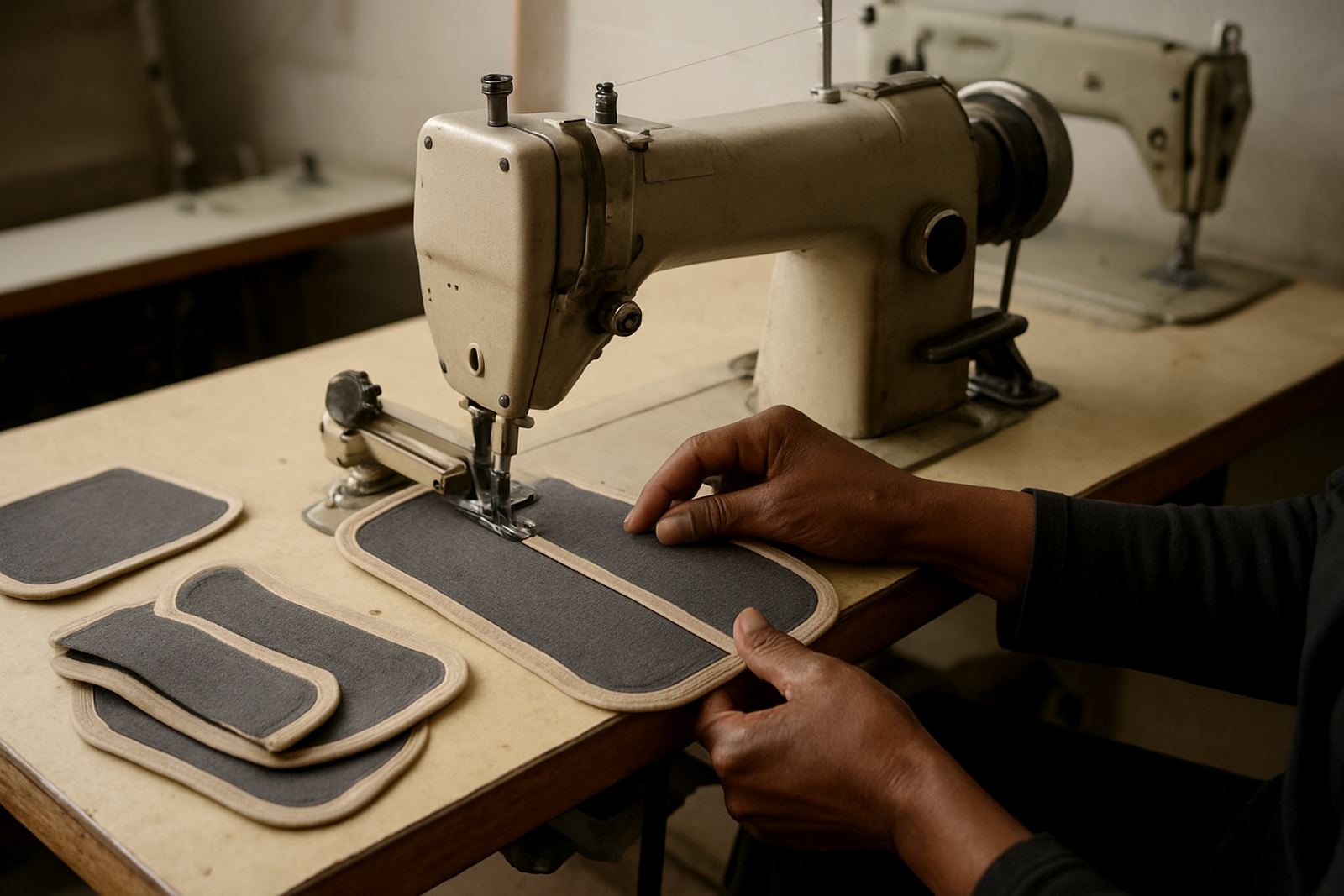
In a busy workroom, the right cylinder bed machine saves time on repeated handling. For factories in Johannesburg CBD, Fordsburg, Mayfair, Soweto, Germiston and Pretoria, this matters when the team is handling mixed production through the week, from garment repairs to bag finishing and school uniform alterations. It is also a good choice for smaller shops that need one machine to cover more than one type of job.
- Ideal for bags, cuffs, sleeves, piping and curved seams
- Useful for leather, canvas, denim, PVC and similar heavier materials
- Helps with work that needs access inside narrow openings
- Available in sewing-only and special function setups depending on the job
Sizes, table setups and stitch options
Cylinder bed machines are supplied in different arm diameters, bed lengths and head formats. A narrower cylinder gives more reach into small openings, while a wider cylinder can feel steadier for larger items and longer seams. For many local users, the choice comes down to how often the machine will handle small curved work versus general production. Some units are supplied as heads only for fitting into an existing worktable, while others are set up complete with stand, motor and controls.
Common stitch options include straight stitch for general assembly, zigzag on selected models, and heavy duty versions for thicker layers. If you are sewing bags or working on vinyl and leather, you may also want a walking or compound feed style machine for better grip. On some jobs, a flatbed attachment can be used alongside the cylinder bed to give more support when needed, though this depends on the make and model selected.
- Typical cylinder diameters range from about 40 mm to 100 mm
- Bed length and throat space affect how bulky the work can be
- Choose manual foot lift or knee lift depending on operator comfort
- Thread stand, bobbin system and presser foot type should suit the fabric weight
Where it fits in Gauteng workrooms
This type of machine suits tailoring shops, small factories, repair counters, school uniform makers and bag producers. It is especially handy where products are made in short runs and the same operator must switch between neat finishing and heavier construction work. In Soweto and Germiston, for example, it can be a strong fit for businesses doing alterations, protective clothing, tote bags or custom covers. In Pretoria and Randburg, it is often used in workshops that need reliable handling of shaped items and repeat seams.
The machine also works well in places where power stability matters. During load-shedding, many operators prefer a motor setup that starts cleanly after power returns and does not strain the machine at low voltage. In dusty workshop spaces or near a door that stays open, regular cleaning becomes just as important as the machine itself. A good cylinder bed unit should keep stitching consistent even when the day is busy and the staff are moving between jobs.
- Suitable for tailoring, bags, upholstery trim and repair work
- Helpful for schools and training rooms with varied projects
- Good for businesses needing one machine for many item types
- Works well in compact rooms where access around the table is limited
Installation, power and motor setup
When we install a cylinder bed machine, we check the worktable height, operator position, motor type and the fabric the machine will handle most often. Many users prefer a servo motor because it gives better control at slow speed and uses less power than older motor types. That is useful when the team needs careful stitching on corners, tabs or stitched turns. For heavier production, a suitable stand and stable table are important so the machine does not shake during faster sewing.
Most cylinder bed machines run on standard electrical supply, but the right plug, socket and cable routing still matter. If the machine will be used in a workshop with load-shedding backups, the motor and control box must be checked before installation. For imported or older units, we also verify the belt condition, needle system, bobbin case and presser foot alignment before handover. The result is smoother start-up and fewer call-backs later on, which saves time and rand spent on avoidable stoppages.
Care, servicing and spare parts
Like any industrial machine, a cylinder bed unit needs routine cleaning and servicing to stay accurate. Thread lint builds up around the hook area, bobbin case and feed mechanism, especially when you are sewing synthetics, webbing or coated material. Oil points must be checked regularly and the needle should be changed before it starts damaging thread or skipping stitches. If the machine is used daily, a planned service schedule helps to avoid unexpected downtime in the middle of an order.
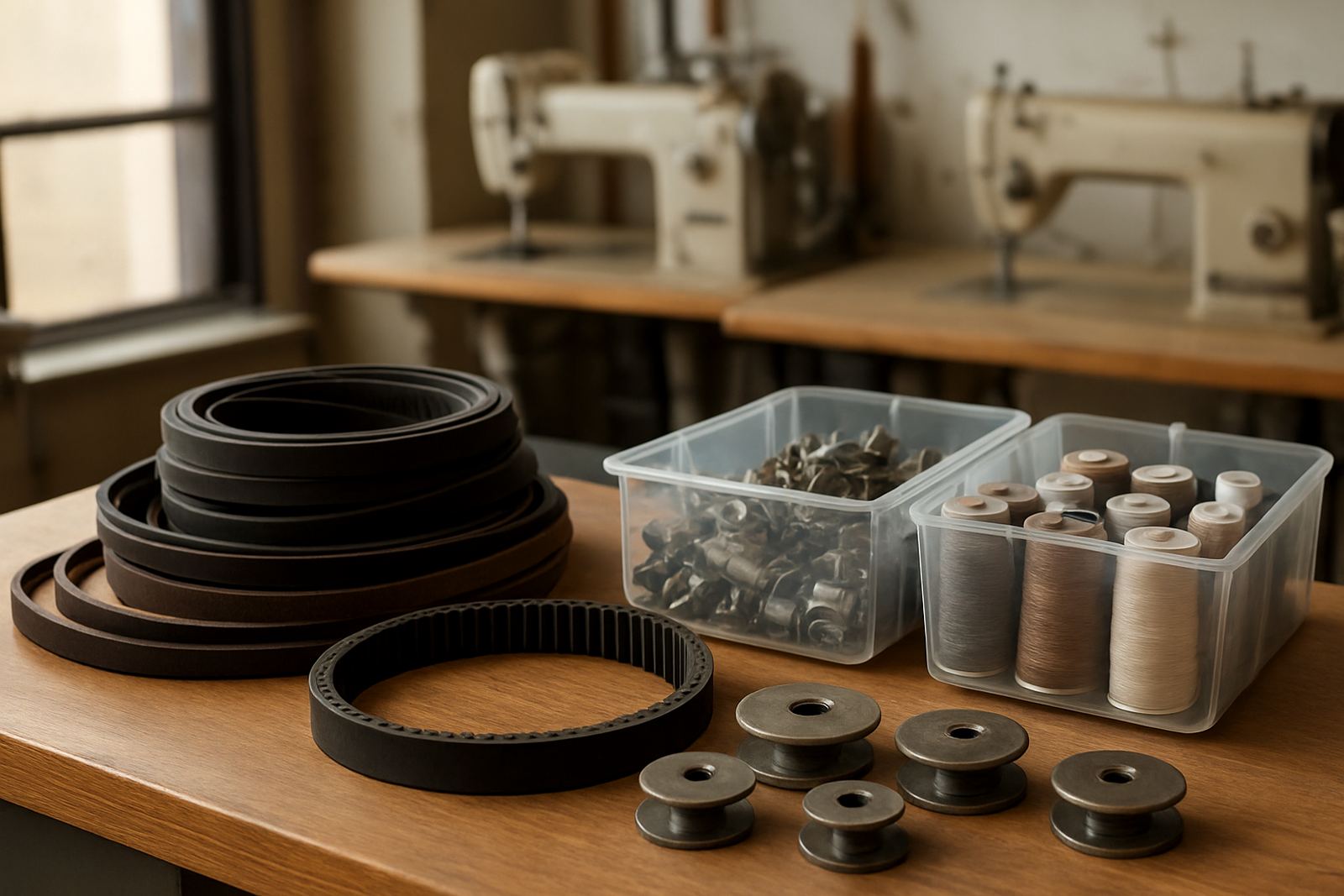
Our workshop and field team supports setup, timing adjustments, motor conversions and on site repairs across Johannesburg CBD, Alberton, Mayfair and nearby areas. We also help source parts, attachments and consumables such as needles, bobbins, belts, thread and related haberdashery. If a machine starts making noise, losing stitch quality or pulling the seam off line, it is better to stop and have it checked rather than keep forcing the job through. Small faults become bigger faults quickly.
- Clean lint and offcuts from the hook area and feed path daily
- Check needle size, thread tension and foot pressure for each job
- Book routine servicing before peak production periods
- Keep spare needles, bobbins and a backup belt on hand
What to check before placing an order
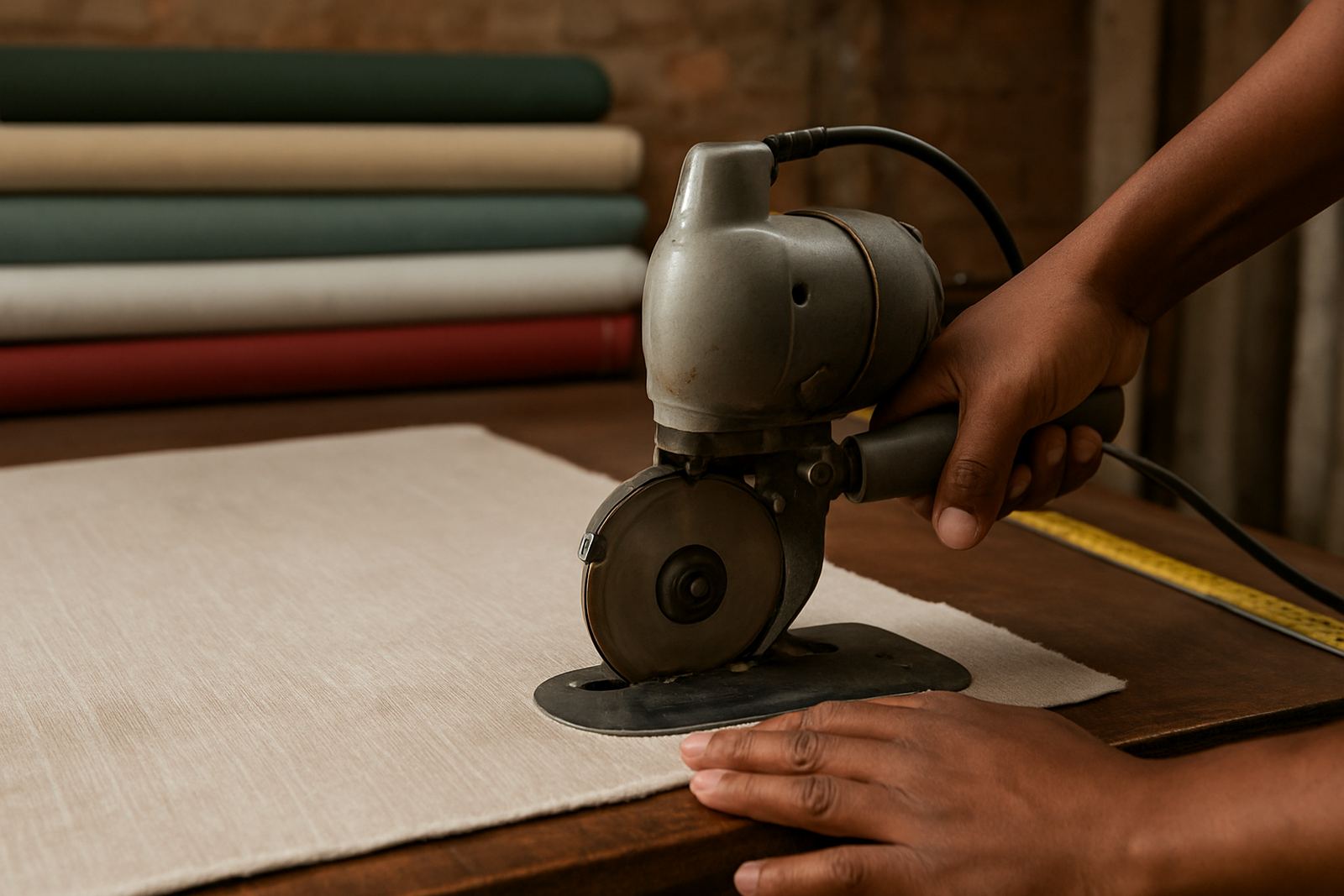
Before ordering, decide what you will sew most often and how much room you have around the machine. The wrong cylinder diameter or motor type can slow production instead of improving it. You should also think about the operator skill level, because a machine that is too specialised can take longer to master. If you are fitting out a new room or replacing older equipment, it helps to plan the machine flow so the cutting, sewing and finishing stations work together.
We normally ask clients to consider material weight, seam length, stitch type, available power and the size of the item opening. For example, a small bag opening may need a slimmer cylinder and finer control, while heavier leather or canvas may need stronger feeding and a more powerful setup. If you are unsure, our team in the Johannesburg CBD can help match the machine to the work, no fuss. That way you buy for the job you actually do, not just what looks right on paper.
- Material type: fabric, denim, canvas, leather, PVC or mixed layers
- Item size: cuffs, bags, sleeves, straps or curved panels
- Motor preference: standard, servo or converted setup
- Workshop needs: table space, power supply and operator training
Key facts
| Machine type | Cylinder bed industrial sewing machine |
|---|---|
| Main use | Bags, cuffs, curved seams and narrow openings |
| Typical stitch | Straight stitch, with selected special function options |
| Power | Standard electric supply with servo or direct drive options |
| Feed system | Varies by model, including strong feed for heavier work |
| Supply format | Head only or complete table and motor setup |