

What a hemming attachment does on the line
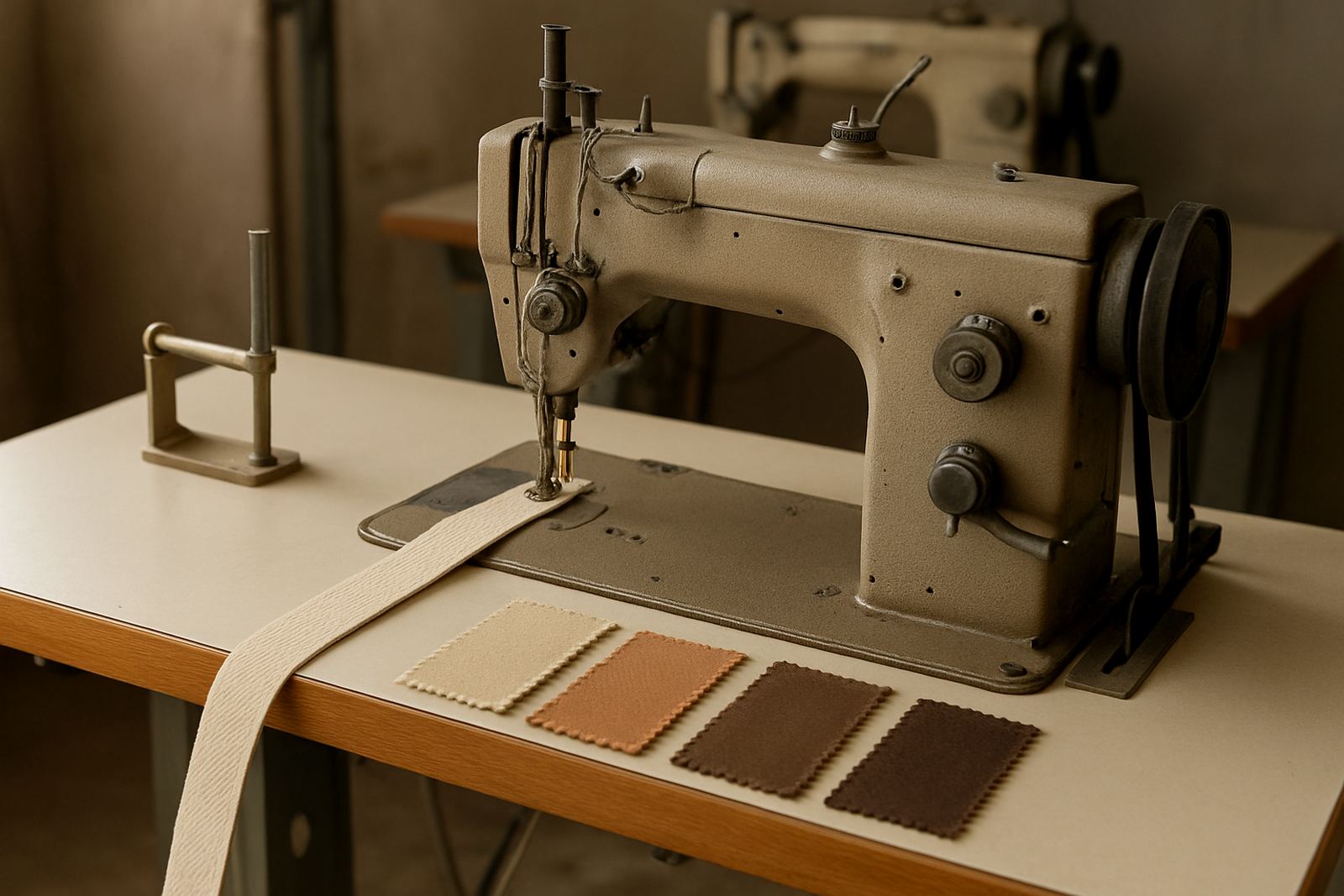
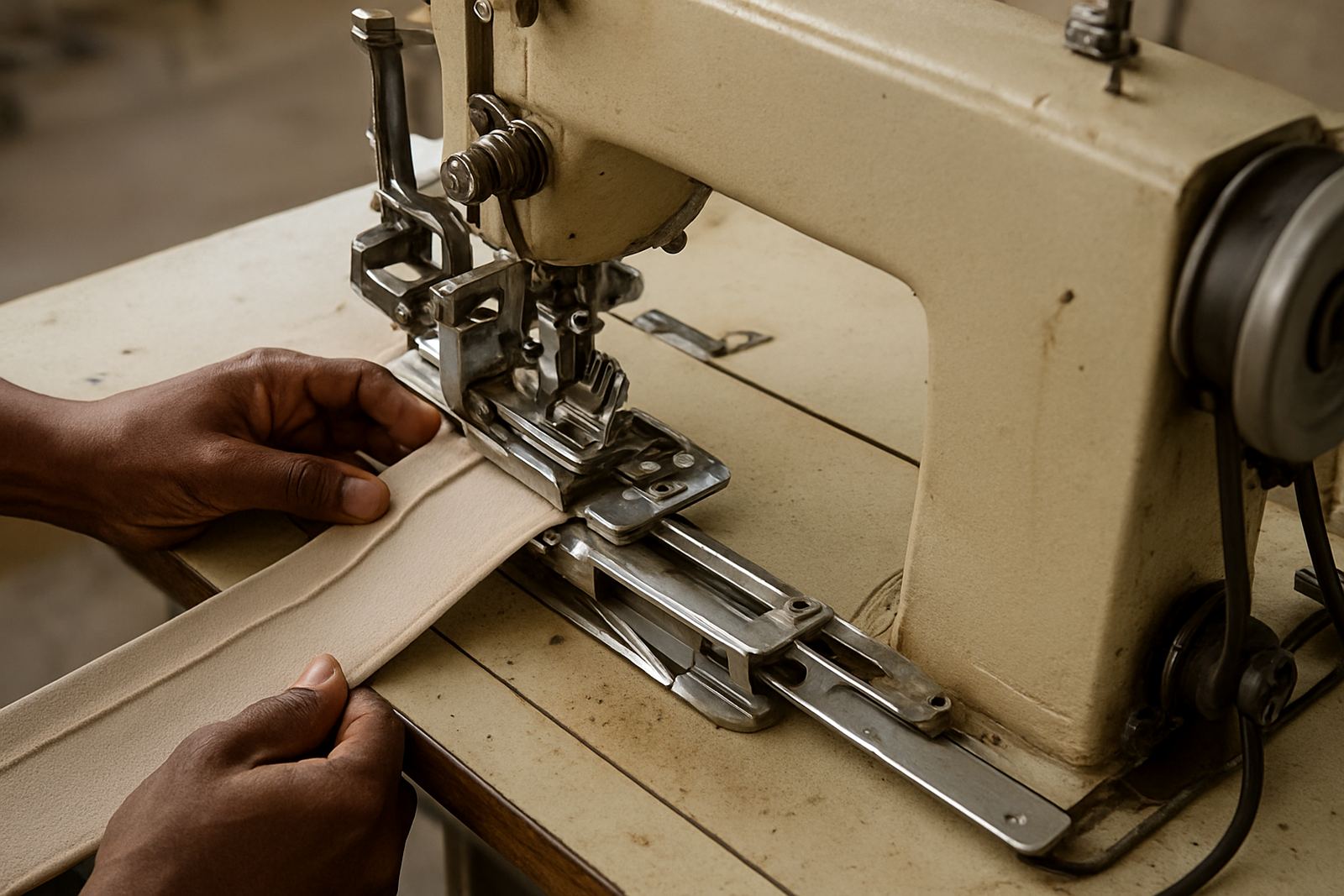
A hemming attachment is a guide and folder that sits with the sewing machine to form the fold before the needle stitches it down. It is used on straight hems, curved hems and repeat production where the operator needs a more consistent result than hand folding can give. For workrooms in Johannesburg CBD, Fordsburg, Mayfair and Germiston, that means faster output and less rework on plain hems, facings and top edges.
The attachment helps keep the fabric edge aligned so the fold stays even along the seam. It does not change the machine into a special model, but it does make the sewing process more controlled. On busy tables in factories, schools and tailoring rooms, that control can save time on every piece and reduce the number of hems that must be opened and redone.
- Supports neat, repeatable folds on hem lines
- Reduces handling time during finishing work
- Helps improve consistency between operators
- Useful where the same hem width is used across many garments
Sizes, folders and hem widths we supply
Hemming attachments are supplied in different folder widths and shapes to suit the garment and the stitch plan. The correct size depends on the hem allowance, the fabric weight and whether the hem is straight or slightly curved. A school skirt hem, for example, often needs a different folder from a shirt hem or a light work blouse. In some cases a narrow folder is better for small hems and delicate work, while wider folders suit workwear and thicker fabric.
We can assist with hem widths from about 6 mm up to 38 mm, depending on the garment and the machine setup. Some folders are made for flat hems, while others are better for turned edges on knitwear or woven cloth. There are also options for right side, left side or centre feeding depending on the operator position and the machine head being used.
- Hem widths typically from 6 mm to 38 mm
- Folder styles for straight hems and light curve work
- Options for different presser foot and needle positions
- Suitable for industrial and some household machines with the right fitting
Where hemming attachments work best
These attachments suit factories, tailoring rooms, school uniform makers and home sewers who produce regular hems. They are common on trousers, skirts, aprons, overalls, table linen, pillow cases and simple garment finishing work. In Gauteng workrooms, they are especially handy where orders must be turned around quickly and the same hem size must be repeated many times in a day.
They also help when staff are still learning. A guided folder gives the operator a clearer line to follow, so training is easier and output is more predictable. For municipal or school sewing rooms that must manage multiple users on one machine, the attachment can make setup simpler and more repeatable, though the fabric still needs the right tension and feeding control.
- Garments: trousers, skirts, schoolwear, aprons and overalls
- Home and hospitality items: curtains, linen, covers and napery
- Best for repeat work rather than one-off decorative hems
- Useful where operator turnover is high and consistency is needed
Fitting the attachment and power needs
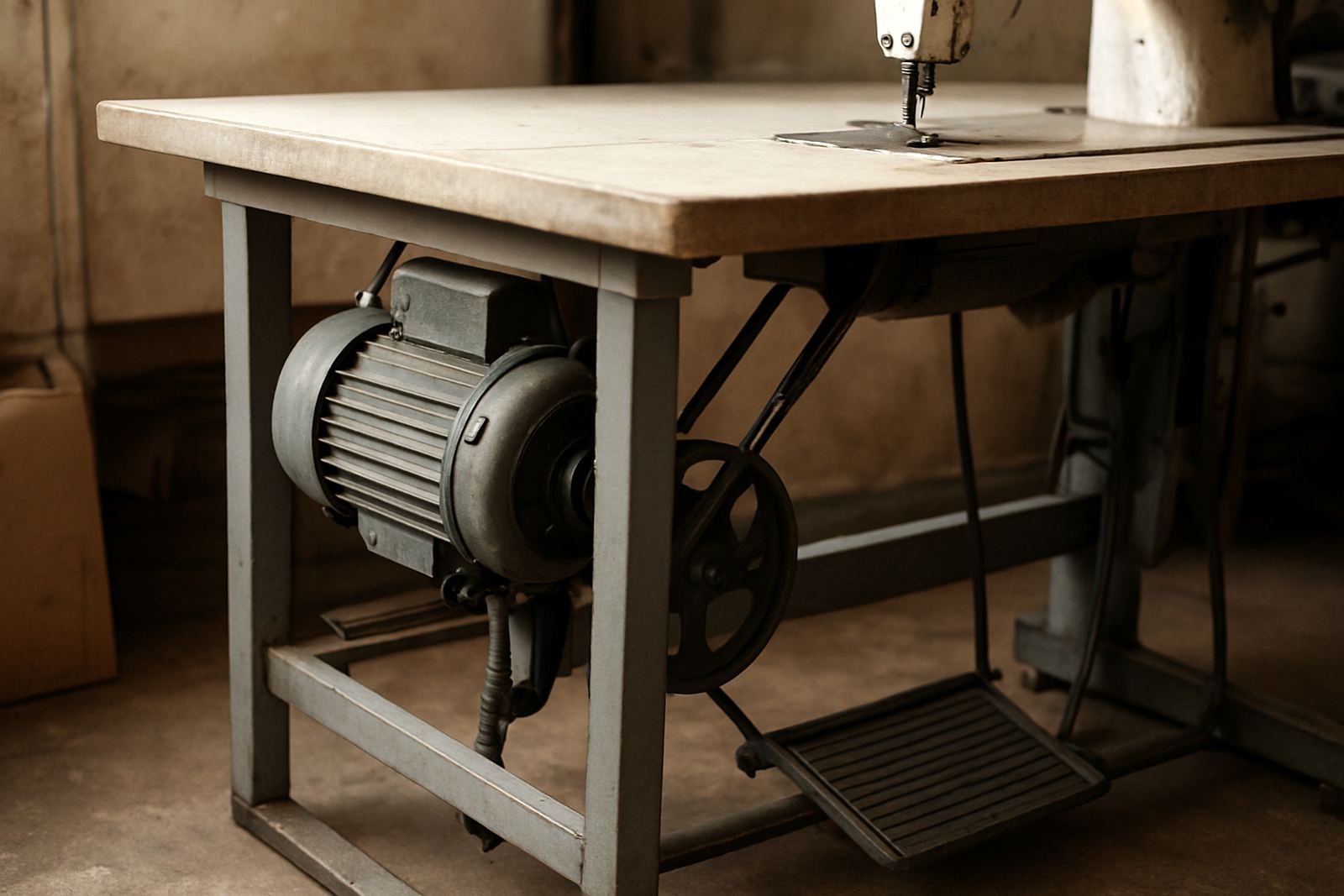
Most hemming attachments are mechanical fittings that mount to the machine bed or presser area and do not require separate power or gas. The sewing machine itself must still be correctly installed, level and set for the fabric being run. If the machine uses a motor, the speed control should be checked so the operator can feed the fabric smoothly into the folder without jerking or bunching.
For some industrial setups, especially in factories around Soweto, Alberton or Pretoria, the attachment may need matching guides, a suitable presser foot and correct needle selection. On household machines, fitting can be limited by the machine shape and available clearance. We check the head, table cut-out, stitch formation and foot lift before recommending a folder, because poor fit will cause missed folds and uneven stitch lines.
- No separate electricity or gas is needed for the attachment itself
- Machine speed control should suit the operator and fabric type
- Correct presser foot, needle and guide alignment are important
- Table and machine clearance must allow the folder to feed properly
Care, cleaning and servicing between jobs
Hemming attachments need regular cleaning because lint, thread bits and fabric fluff can collect in the folder path. If the fold channel gets dirty, the hem may start to twist or bunch. A light brush after each shift and a proper wipe-down at service time helps keep the fold path clean. On dusty sites or in rooms where synthetic thread is used heavily, a quicker clean may be needed more often.
Check screws, guides and mounting points for looseness. If the folder vibrates or shifts position, the hem width can change without warning. We also recommend checking the machine timing, needle condition and thread tension because the attachment only works well when the rest of the sewing machine is in order. During load-shedding, machines that stop and restart often can loosen fittings over time, so a quick inspection after power returns is worth doing.
- Brush out lint and thread waste daily or after each production run
- Keep folder lips smooth and free of nicks
- Check mounting screws and guide position regularly
- Book servicing if folds start drifting or fabric feeds unevenly
What to check before you order a hem folder
Before ordering, measure the hem allowance, confirm the fabric type and note the machine make and model you are using. The folder must suit the stitch formation and the presser-foot space available. If you are working with stretch fabric, heavier canvas or fine cotton, say so at the enquiry stage because the folder choice can change quite a bit. A short sample piece is useful if you want the attachment matched to an actual job rather than a general use setup.
Also check whether you need a straight hem, a narrow finish, or a folder for left or right hand feeding. If the workroom has more than one operator, ask whether the attachment will be used on more than one machine. In that case we can look at the most practical size and the easiest setup for your team. For Johannesburg CBD and nearby areas, collections and installation can be arranged through our contact page enquiry form, with field support available across Gauteng.
- Machine type and model
- Hem width and fabric weight
- Needle, foot and clearance requirements
- Whether the folder is for one operator or shared use
Key facts
| Product type | Hemming attachment / folder guide for sewing machines |
|---|---|
| Typical hem widths | 6 mm to 38 mm, depending on fabric and setup |
| Compatible machines | Selected industrial and household sewing machines |
| Common use | Straight hems, light curves and repeat finishing work |
| Power or gas needed | No separate power or gas for the attachment itself |
| Service support | Installation, setup, repairs and routine servicing in Gauteng |