

What a fusing press does in a workroom
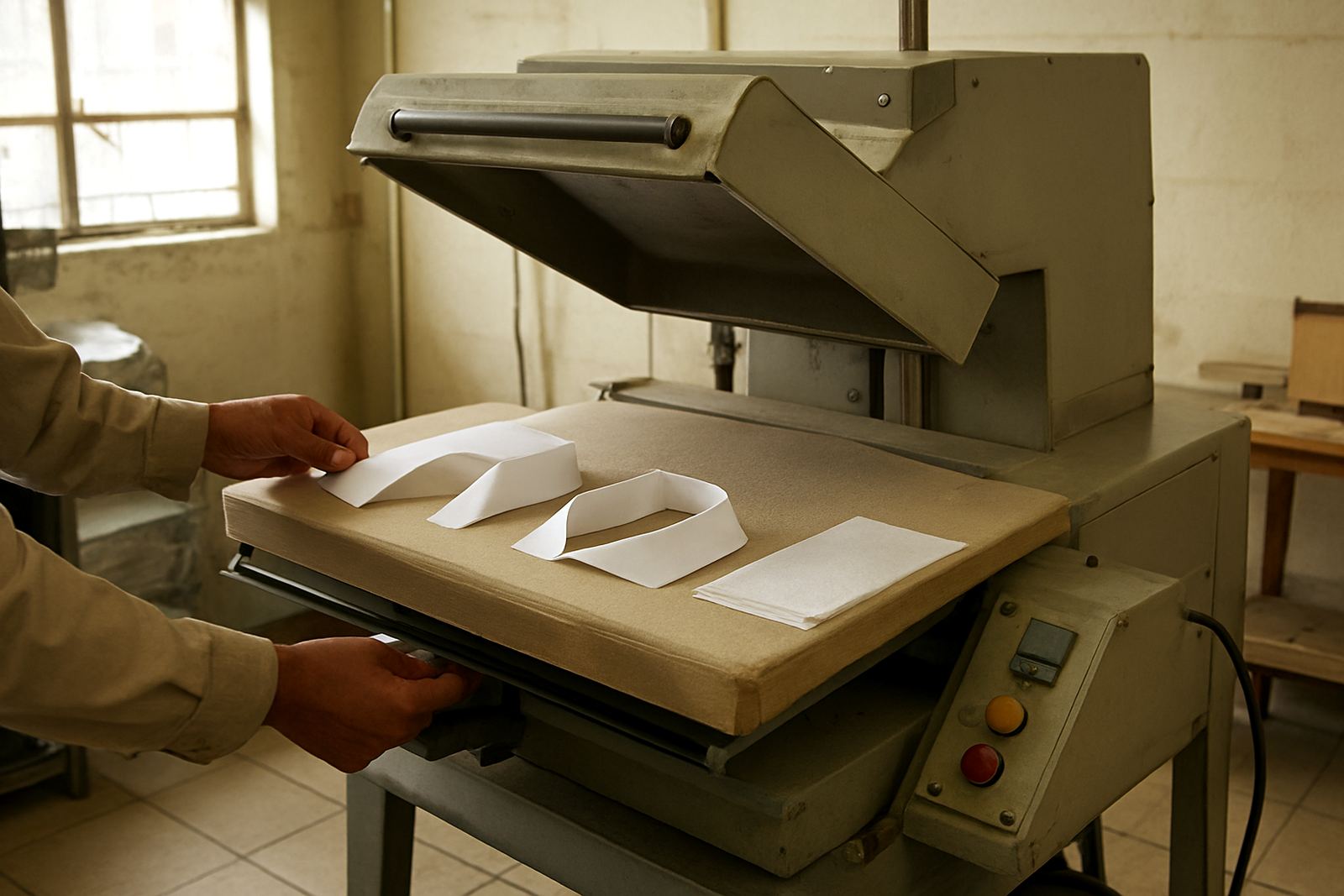
A fusing press is used to bond fusible interlining to fabric by applying controlled heat and pressure for a set time, then cooling the piece so the bond holds its shape. In a tailoring room, factory or school production line, that means cleaner collars, firmer jacket fronts, neater waistbands and less rework from bubbling or shifting. If you are pressing small runs, schoolwear, uniforms or made-to-measure garments, a proper press gives more consistent results than relying on hand irons alone.
We supply fusing presses for Johannesburg CBD businesses, as well as clients in Fordsburg, Mayfair, Soweto, Germiston, Pretoria, Alberton and Randburg. For many shops, the main goal is not speed only. It is repeatable bonding, fewer rejects and a press that can handle long days without constant adjustment. A good unit also helps when different opertaors share the same machine, because the settings stay more predictable once they are locked in.
- Even heat across the platen surface
- Controlled pressure for lighter or heavier fabrics
- Timed cycle for repeatable bonding
- Useful for collars, cuffs, fronts, facings and waistbands
Sizes and options for different production levels
Fusing presses are available in several platen sizes and operating styles, so the right choice depends on what you make and how much space you have. A small tailoring shop may only need a compact flat press for collars and facings, while a busy factory may need a wider platen and a stronger frame for daily production. Some users prefer a manual clamp style, while others need more control through pneumatic pressure.
We help you match the press to your workroom layout, power supply and output target. If your team handles mixed garments, ask about platen size, temperature range and how quickly the unit recovers between cycles. If the machine is too small, operators start double pressing and that slows production. If it is too large, you waste space and electricity on work that does not need it.
- Compact presses for small tailoring rooms and sample work
- Medium presses for schoolwear, uniforms and garment finishing
- Wider production presses for higher daily output
- Manual or pneumatic pressure options, depending on workflow
- Single platen or twin station arrangements for heavier use
Where a fusing press suits best
Fusing presses are used in clothing factories, alteration shops, curtain workrooms, school production units and by home sewers doing structured garments. They are especially useful where fabric has to hold shape after washing, repeated wear or pressing. In Johannesburg CBD and surrounding industrial areas, we often see them used for suit components, corporate wear, uniforms, overalls and fashion samples.
They suit work that must look sharp at the finish stage, but they also help with internal structure that customers never see. When the bond is right, the garment sits better on the body and the outer cloth is less likely to ripple. This matters in humid conditions, especially where garments move from a warm workroom into a cooler storeroom or delivery vehicle and the adhesive needs to cure properly.
- Factories making uniforms, schoolwear and corporate clothing
- Tailors and alteration shops handling shaped garment parts
- Fashion production rooms working with different interlinings
- Schools teaching garment construction and pressing skills
- Home sewers making jackets, coats and structured pieces
Power, installation and workshop setup
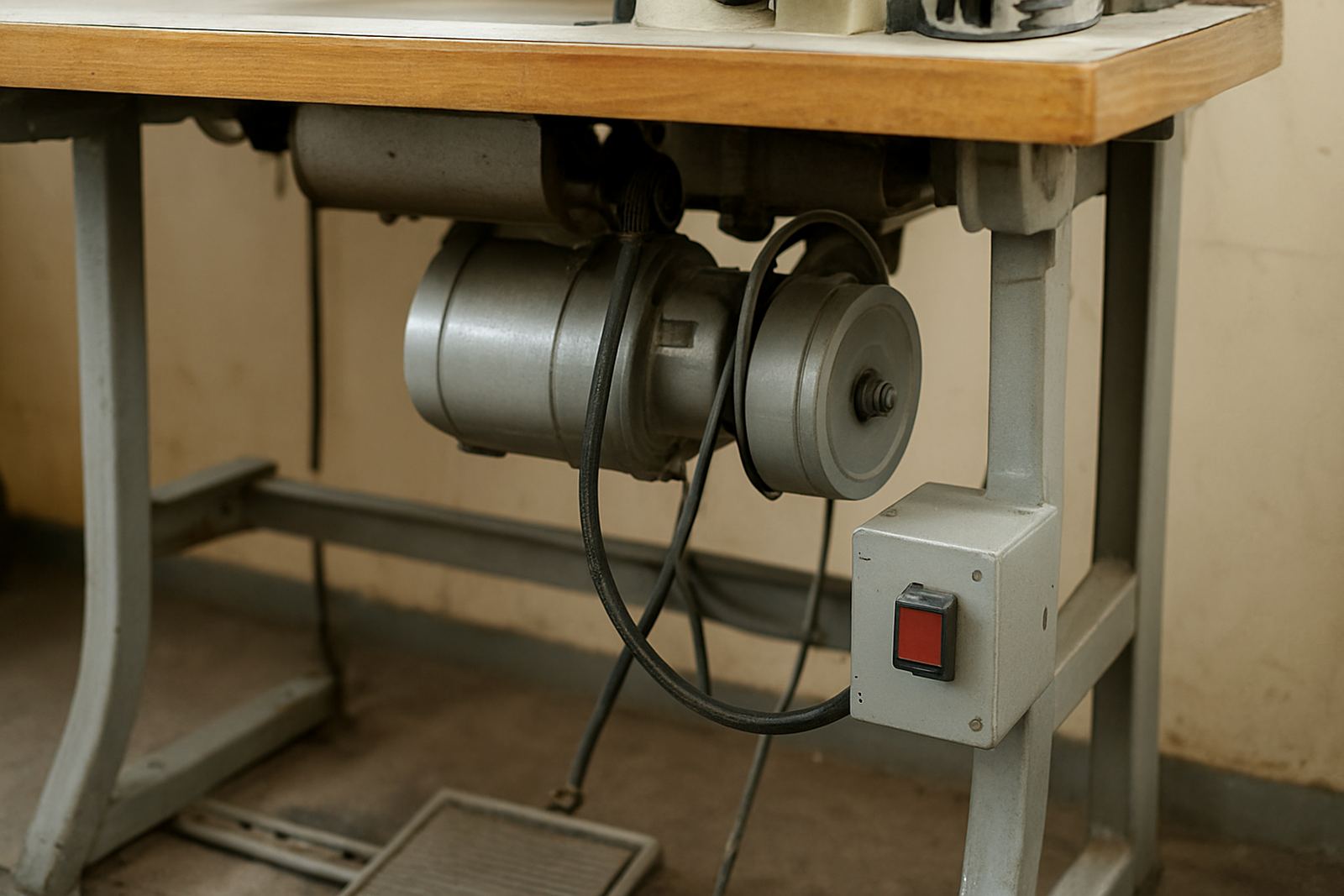
Before ordering, it is important to check the power supply in your workroom. Most fusing presses run on standard electricity, but the exact rating and current draw must suit the site wiring and breaker size. If you are operating in an older building in the CBD, Fordsburg or Mayfair, we can help assess whether the circuit is suitable or whether a dedicated line is needed. For pneumatic models, you also need a reliable compressed air supply at the correct pressure.
Installation is more than just placing the machine on a table. The press must be level, accessible and positioned so operators can load garments safely without strain. If you are planning a new work area, we can advise on workflow, space around the press and how to place the ironing, cutting and finishing stations so garments move in one direction. This avoids bottlenecks and keeps the room orderly during busy production periods.
Because of load-shedding and unstable power in some areas, it is worth thinking ahead about surge protection and safe shutdown routines. A sudden cut can interrupt a cycle and affect adhesion, so the team should know how to pause work and reset the machine once power returns.
- Check supply voltage and breaker capacity before delivery
- Allow clear working space around the press
- Provide level flooring and stable mounting
- For pneumatic units, confirm air pressure and compressor compatibility
- Plan for load-shedding and safe restart procedures
Keeping the press clean and dependable
A fusing press needs regular care if it is going to keep giving even bonds. The platens must be kept clean, the surfaces checked for adhesive build-up and the temperature controls verified from time to time. If residue collects on the platen or cover, it can mark fabric or cause uneven heat transfer. Operators should also watch for worn covers, loose cables, failing thermostats and pressure imbalance.
We offer routine servicing, workshop repairs and on-site repairs for clients across Gauteng. If a press starts heating unevenly, taking too long to cycle or leaving patches that do not bond, it is better to inspect it early instead of pushing it until it fails in the middle of production. Our team can assist with settings, timing adjustments and parts sourcing where needed. In many cases, a small adjustment saves a full stop on the line.
- Wipe down platens after use once the unit has cooled
- Check timer, temperature and pressure settings regularly
- Replace worn covers and pads before they affect output
- Arrange servicing if heat becomes uneven or bonding fails
- Keep spare fuses and basic consumables on site where practical
What to check before placing an order
When ordering a fusing press, start with the kind of garments you produce every week. A schoolwear room has different needs from a small tailor or a factory making jacket parts. Ask about the largest panel you need to fuse, the daily number of pieces, and whether the press must handle light fashion fabrics or heavier wool blends. If you work with mixed fabric types, it helps to know the temperature range and pressure control available on the unit.
You should also confirm whether you need training for your staff, an install visit, spare pads, or extra attachments. For first-time buyers, we often recommend checking the width of the platen, the cycle time, the available power point and whether your room has enough space for safe handling. If you are in a multi-use workroom, we can also discuss workroom planning so the press fits into the cutting and finishing flow properly.
- Largest garment part that must fit under the platen
- Daily output and number of operator shifts
- Fabric type, interlining type and required temperature range
- Single phase power, air supply or other site needs
- Whether training, servicing and spare parts are required
Local support from Johannesburg CBD
Asia Sewing Machines serves factories, tailors, schools and home sewers from our Johannesburg CBD base, with support across Gauteng including Germiston, Pretoria, Soweto, Fordsburg, Mayfair, Alberton and Randburg. We handle sales, installation, routine servicing, workshop repairs and on-site callouts for sewing and pressing equipment. If you need a fusing press for a new setup or a replacement machine for an existing room, our team can guide you from selection through to commissioning.
Our parts and service team can also help with attachments, spares, operator training and follow-up support after installation. For clients who need a full pressing area, we can advise on pressing stations and related equipment so the workroom runs properly from the first day. The aim is simple: a press that bonds well, holds up under daily use and fits the way your team actually works.
- Sales and setup from Johannesburg CBD
- Support for factories, schools, tailors and home sewers
- On-site repairs and workshop repairs available
- Training and parts support after installation
Key facts
| Type | Fusing press for garment bonding and finishing |
|---|---|
| Typical use | Collars, fronts, facings, waistbands and structured components |
| Operating styles | Manual or pneumatic, depending on model |
| Power | Electric supply matched to site requirements |
| Pressure control | Adjustable pressure for light to heavy fabrics |
| Service support | Installation, routine servicing, repairs and parts sourcing |