
What a servo motor does on a sewing machine
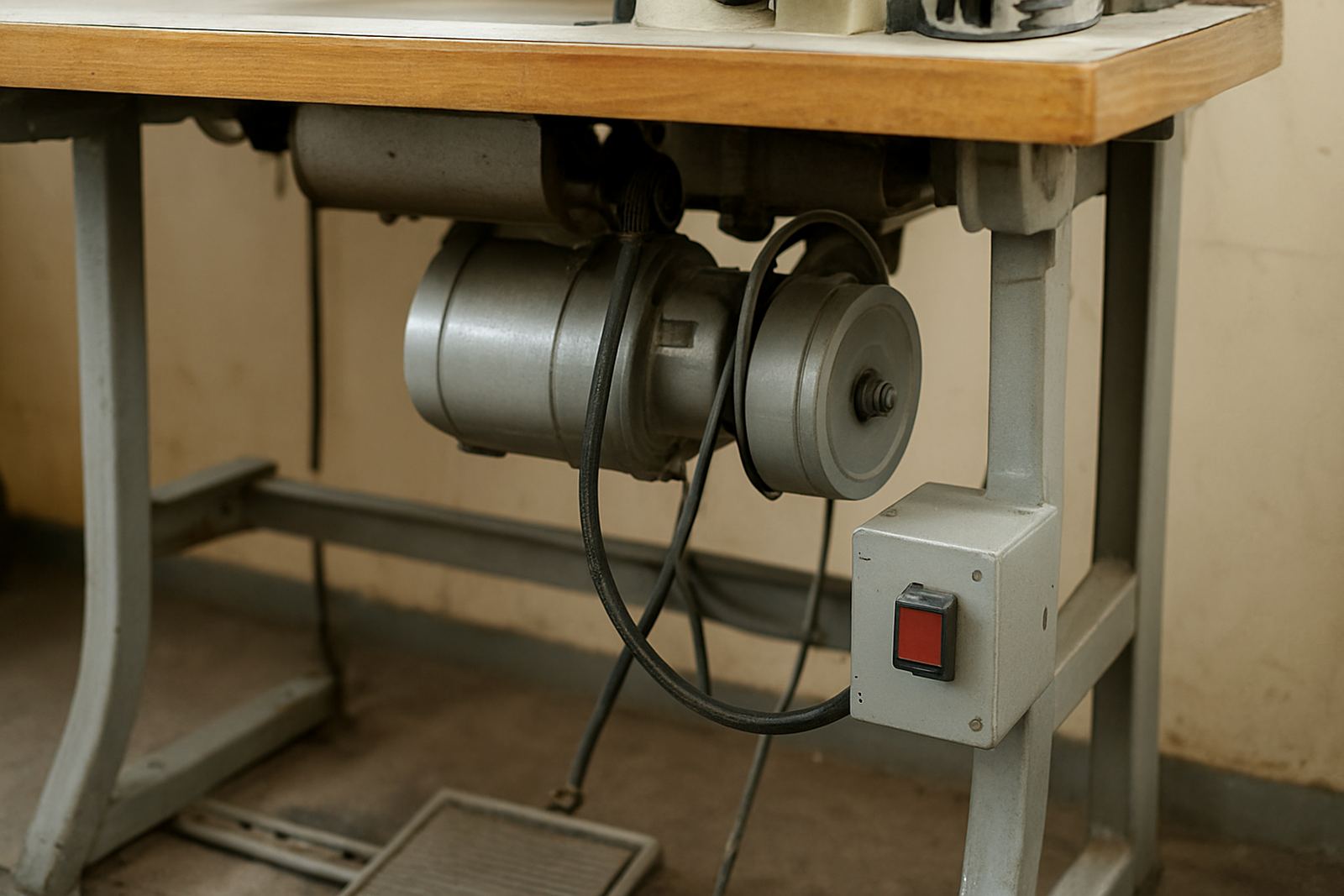
A servo motor is a modern drive unit that replaces an older style motor on many industrial and household sewing machines. It only draws power when you press the pedal, so the machine stays quieter and cooler during normal use. For operators working long shifts in Johannesburg CBD, Soweto or Germiston, that makes a real difference to comfort and control.
The main benefit is speed control. A servo motor starts softly, then responds as you press harder. That helps when doing collars, cuffs, topstitching, zip work and other jobs where you need slow, accurate stitching rather than full speed all the time. It is also a sensible choice where load-shedding and power cost are part of daily planning, because the motor is not running flat-out the whole day.
- Quiet operation for shared workrooms and home use
- Lower power draw than many older motors
- Better low-speed control for detail work
- Less vibration around the machine table
Sizes and options we supply
Servo motors are supplied in different power ratings, shaft styles and control layouts. The right size depends on the type of machine, the thickness of the material and how often the machine is used. A light tailoring machine does not need the same output as a heavy-duty walking-foot setup or a press line in a factory.
Common options include 400W, 550W, 750W and 1,000W units. Smaller motors suit household machines converted for quieter use, while larger motors are better for industrial machines handling denim, canvas, vinyl, school uniforms and general garment production. Some models include needle position control, speed setting buttons and a direct drive feel. Others are simple foot-controlled units for basic conversion work.
- Power ratings: 400W, 550W, 750W, 1,000W
- Low-noise units for studios and schools
- Higher torque units for heavy fabric work
- Optional needle position and speed limiter functions
Where a servo motor suits best
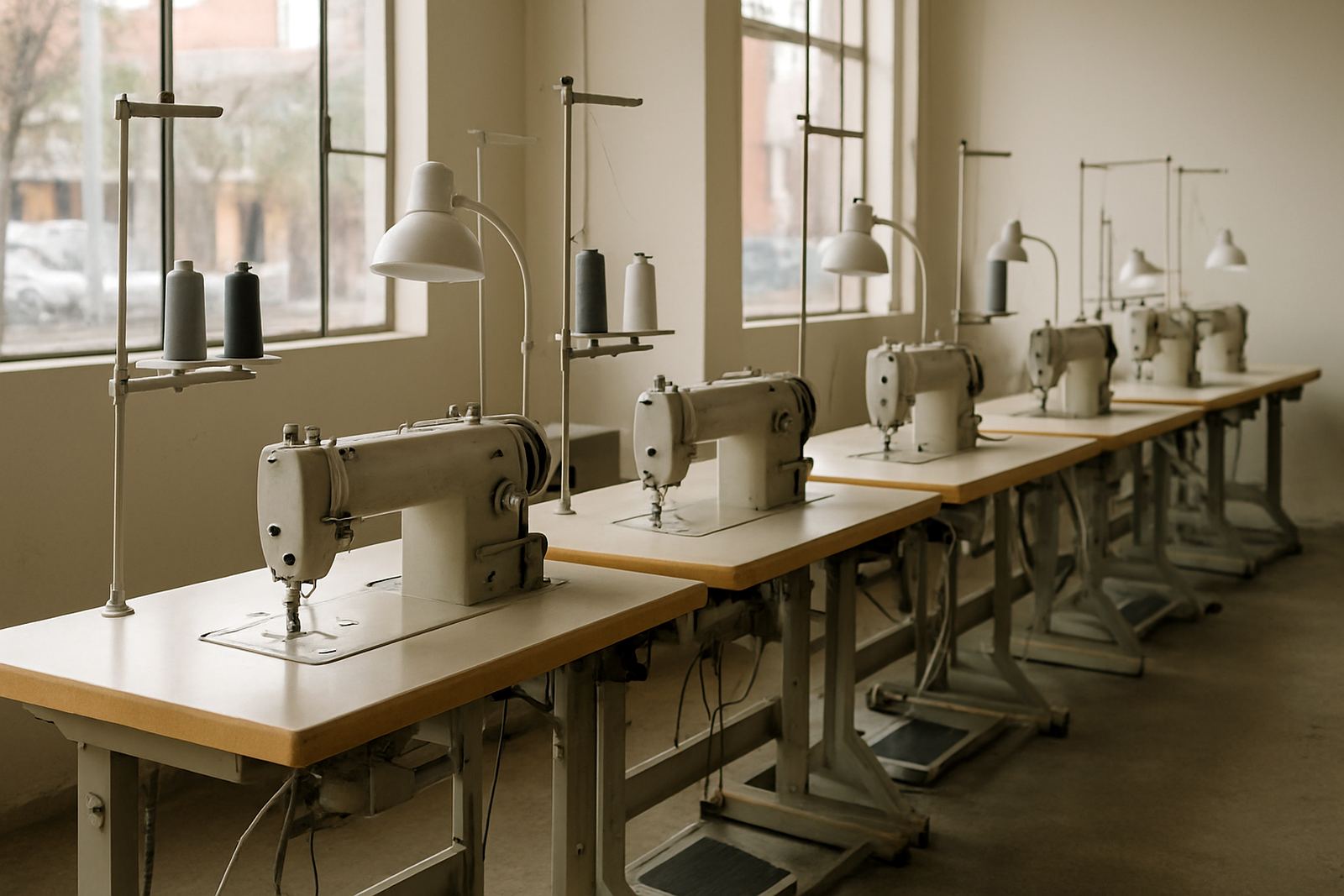
This upgrade suits factories, tailors, alteration shops, school sewing rooms and home sewers who want better control without changing the whole machine. It is especially useful where machines run close together and noise levels matter. In a small Mayfair or Fordsburg workshop, reducing noise can make the workroom easier to manage during long shifts.
We also recommend servo motors where operators are still learning. The softer start helps reduce broken needles and uneven stitching, and that can lower waste. For embroidery preparation, sample work and repair benches, the fine control is useful because the operator needs to creep through corners, backtack points and tight seams with accuracy.
- Tailoring shops and alteration counters
- Factory sewing lines and school workrooms
- Home sewing setups needing quieter running
- Repair benches, sample rooms and small embroidery prep stations
Installation and power checks before fitting
Installation is usually straightforward, but the motor must match the machine frame, belt path and pulley position. On site fitting includes removing the old drive where needed, mounting the new motor, setting belt tension and checking foot pedal response. If the table or stand is damaged, that must be sorted first or the motor will not run properly.
Before ordering, check the machine voltage, phase type if the machine is industrial, and whether the setup uses a standard plug or hardwired connection. Most small workshop and home setups in Gauteng use standard single-phase power, but there are cases where the circuit, socket or plug point needs attention. During load-shedding recovery, we also check that the motor starts cleanly and does not surge when power returns.
- Confirm machine model and mounting type
- Check voltage and plug arrangement before fitting
- Inspect belt, pulley and table condition
- Allow for a proper test after installation
Care, servicing and expected wear points
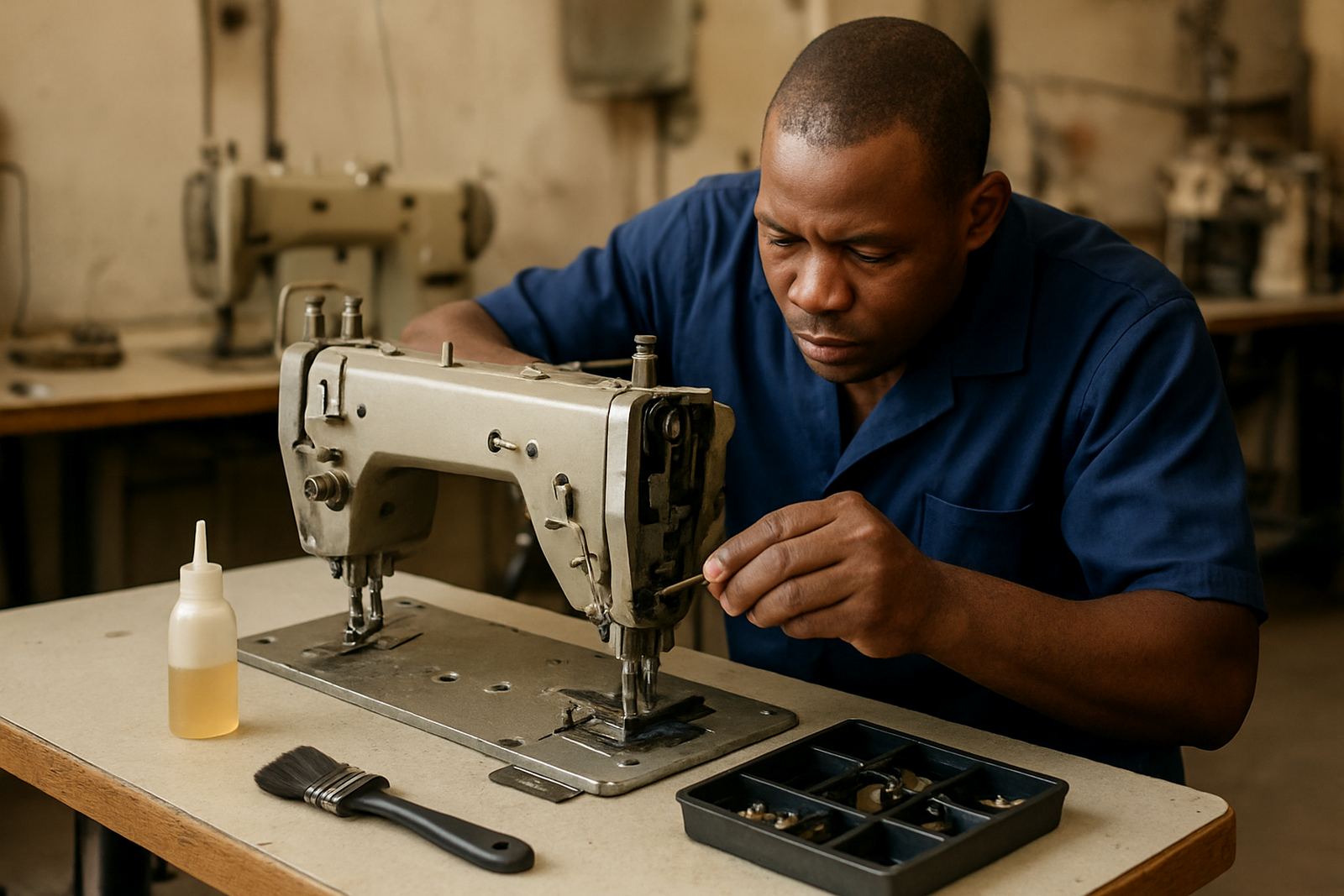
A servo motor needs very little day to day attention, but it should still be checked during routine machine servicing. Keep the area around the motor free of dust, thread fluff and offcuts. In dusty workshop conditions or near open doors in winter, buildup can affect cooling and pedal response. Coastal humidity is not the main issue in Johannesburg, but moisture from cleaning and storage can still cause problems if the unit is left in a damp corner.
We check mounting bolts, belt wear, switch function, pedal cable condition and any unusual noise. If the machine feels weak, jumps in speed or starts unevenly, the fault may be in the motor, the pedal, the wiring or the belt line. Small issues caught early are much cheaper to fix than a full breakdown on a busy production day.
- Keep fluff and dust away from the motor body
- Inspect belts and cables during routine servicing
- Watch for sudden speed jumps or weak start-up
- Store unused units dry and off the floor
What to check when ordering the right motor
When you are ordering a servo motor, the main thing is to match it to the machine and the way it is used. A motor that is too small will feel sluggish, while one that is oversized may be harder to control for fine work. It also helps to know whether the machine is for plain sewing, heavy seams, repair work or light embroidery prep.
Please have the machine make and model ready, along with photos of the existing motor, belt path and mounting area if possible. If the machine is in a school, factory or shared workroom, let us know how many hours a day it runs and what fabric it handles. That gives us a better match and avoids guesswork.
- Machine make, model and current motor type
- Power rating needed for light or heavy work
- Voltage and plug style
- Whether you need needle position or basic control only
- How often the machine runs in a day
Key facts
| Motor type | Servo motor for sewing machine conversion or replacement |
|---|---|
| Power ratings | 400W, 550W, 750W, 1,000W |
| Control | Foot pedal speed control with soft start |
| Use | Industrial, household and workshop sewing applications |
| Installation | Table mount, belt drive setup and test run |
| Service support | Installation, adjustments, repairs and routine servicing across Gauteng |