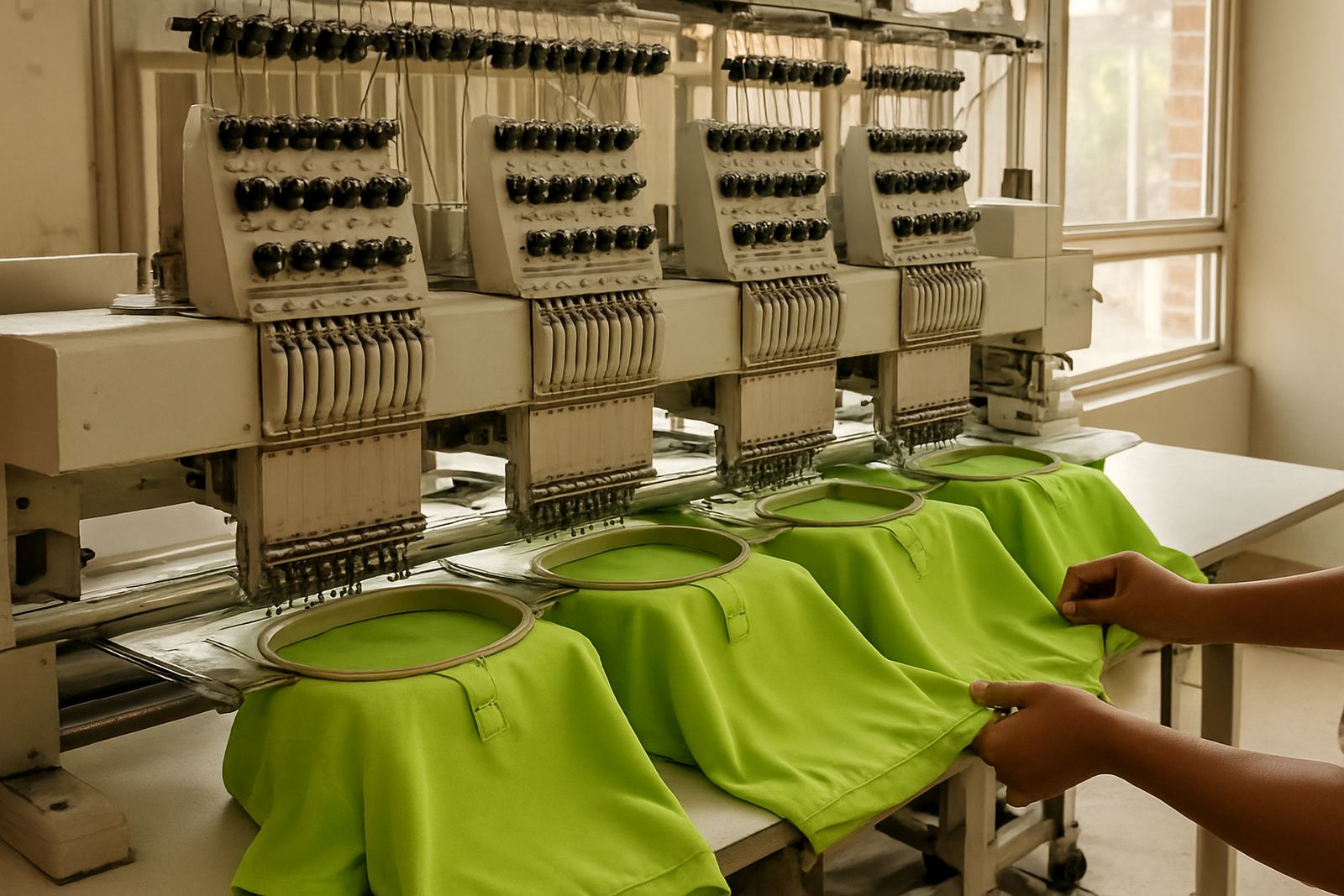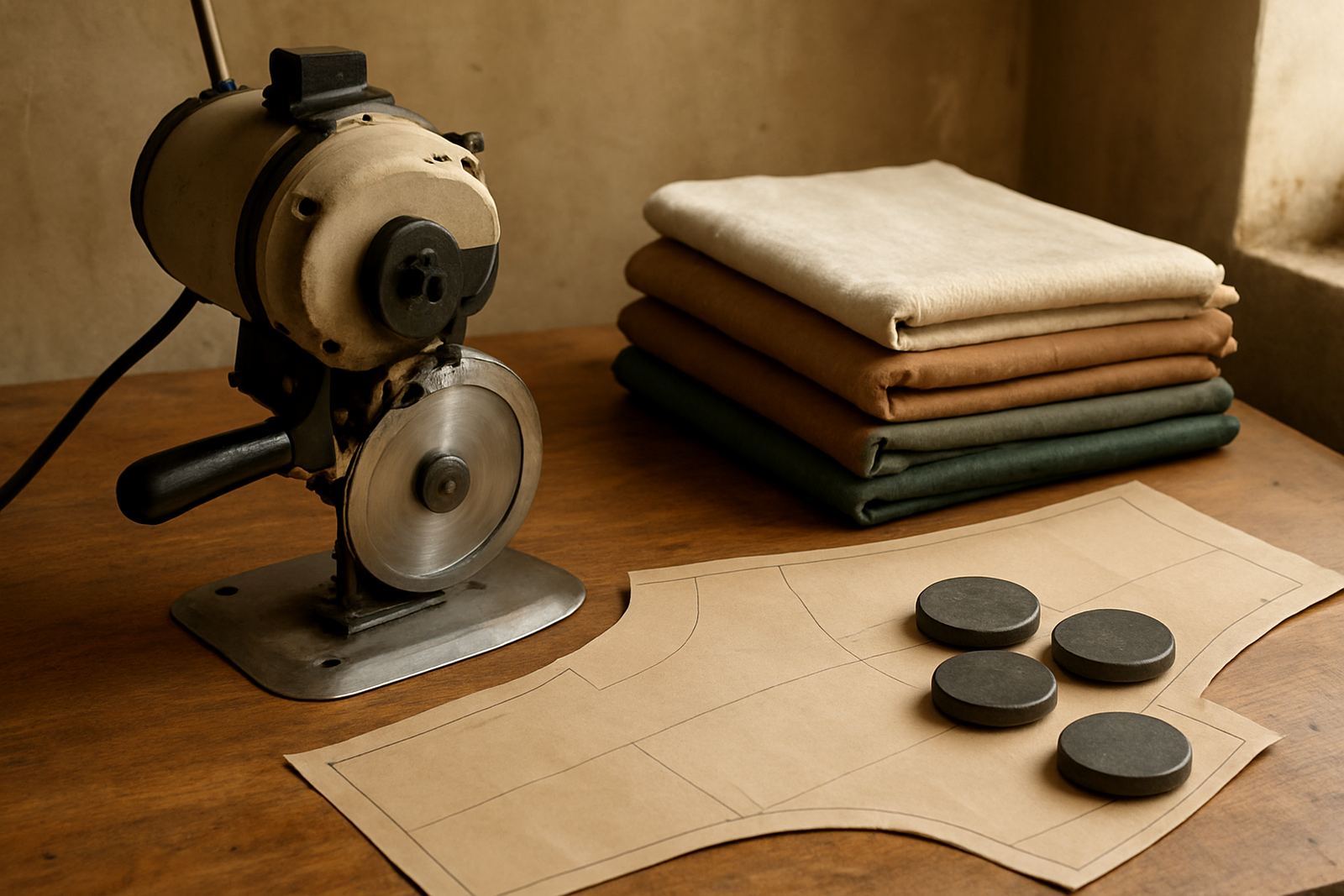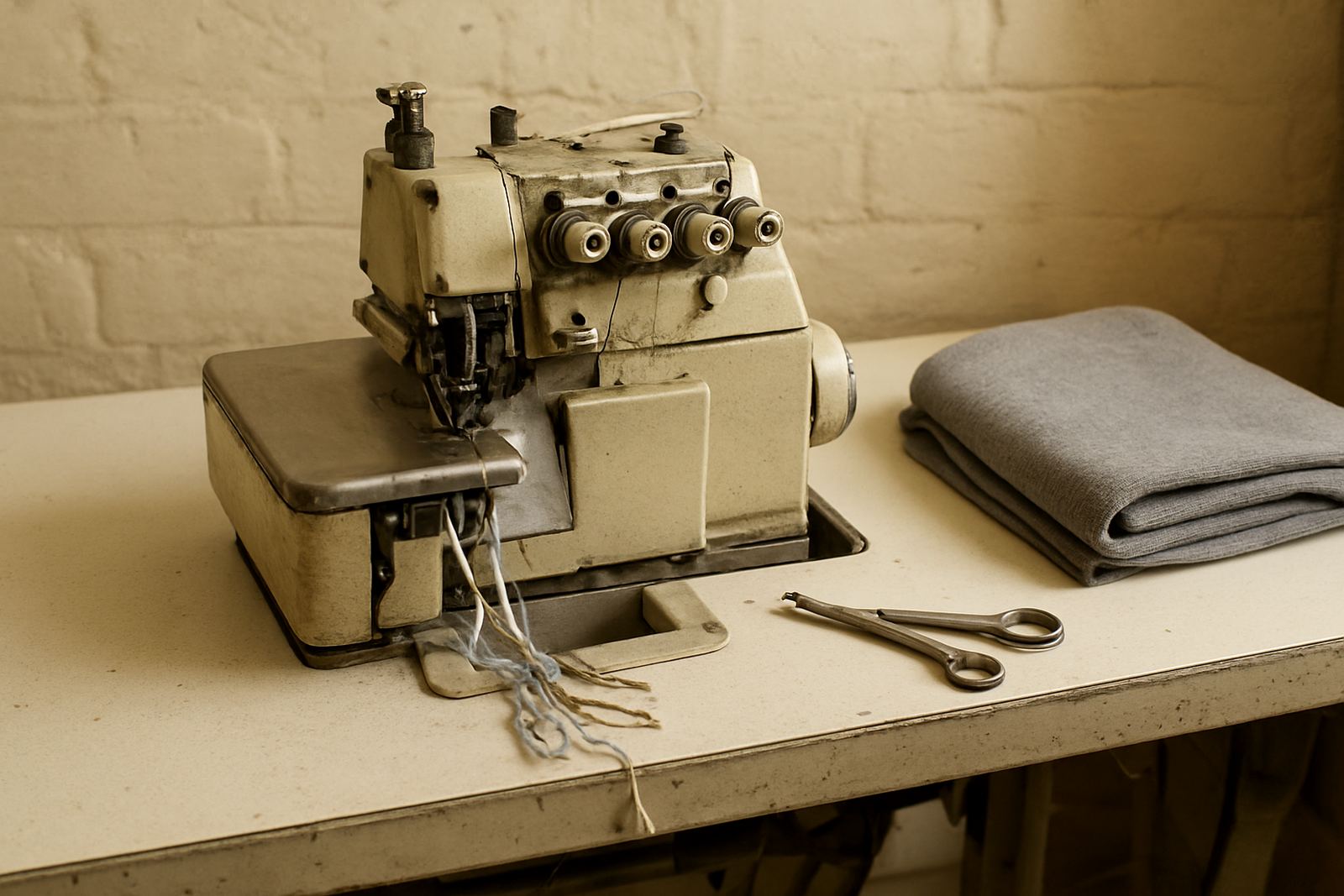


Why an overlocker belongs in a busy workroom
An overlocker trims the seam edge, encloses the raw edge and stitches in one pass, which saves time on production runs and gives a cleaner finish than a plain lockstitch alone. For T shirts, activewear, school wear, infant garments, light curtains and stretch knit items, it is the machine that keeps the edge neat and the seam from fraying. In a workroom where speed and consistency matter, that extra step makes a real difference.
Most customers in Johannesburg CBD, Fordsburg, Mayfair and Soweto use overlockers for daily sewing where fabric edges must stay tidy after washing and repeated wear. The machine is also useful for sample rooms and home sewing rooms where you want a professional look without long manual finishing. If your work includes stretch fabrics, the overlocker is usually one of the first machines worth setting up correctly.
Sizes, stitch types and options to match your work
Overlockers are supplied in a few common setups, depending on the fabric and finish you need. The main choice is usually 3 thread or 4 thread, with 4 thread giving a stronger safety stitch for many garment jobs. Some units are built for light fabrics and others for heavier cloth, so needle choice, feed system and differential feed all matter.
Typical options include narrow or wide stitch widths, adjustable differential feed for stretch control, and speed control for operators who are still learning. On many machines you can also set the cutting width, thread tension and presser foot pressure to suit the fabric. For knitwear and ribbed fabric, differential feed helps prevent waviness and stretching at the seam.
- 3 thread overlock for basic edge finishing
- 4 thread overlock for added seam strength
- Differential feed for stretch fabrics and fine knits
- Adjustable cutting width for neat edge control
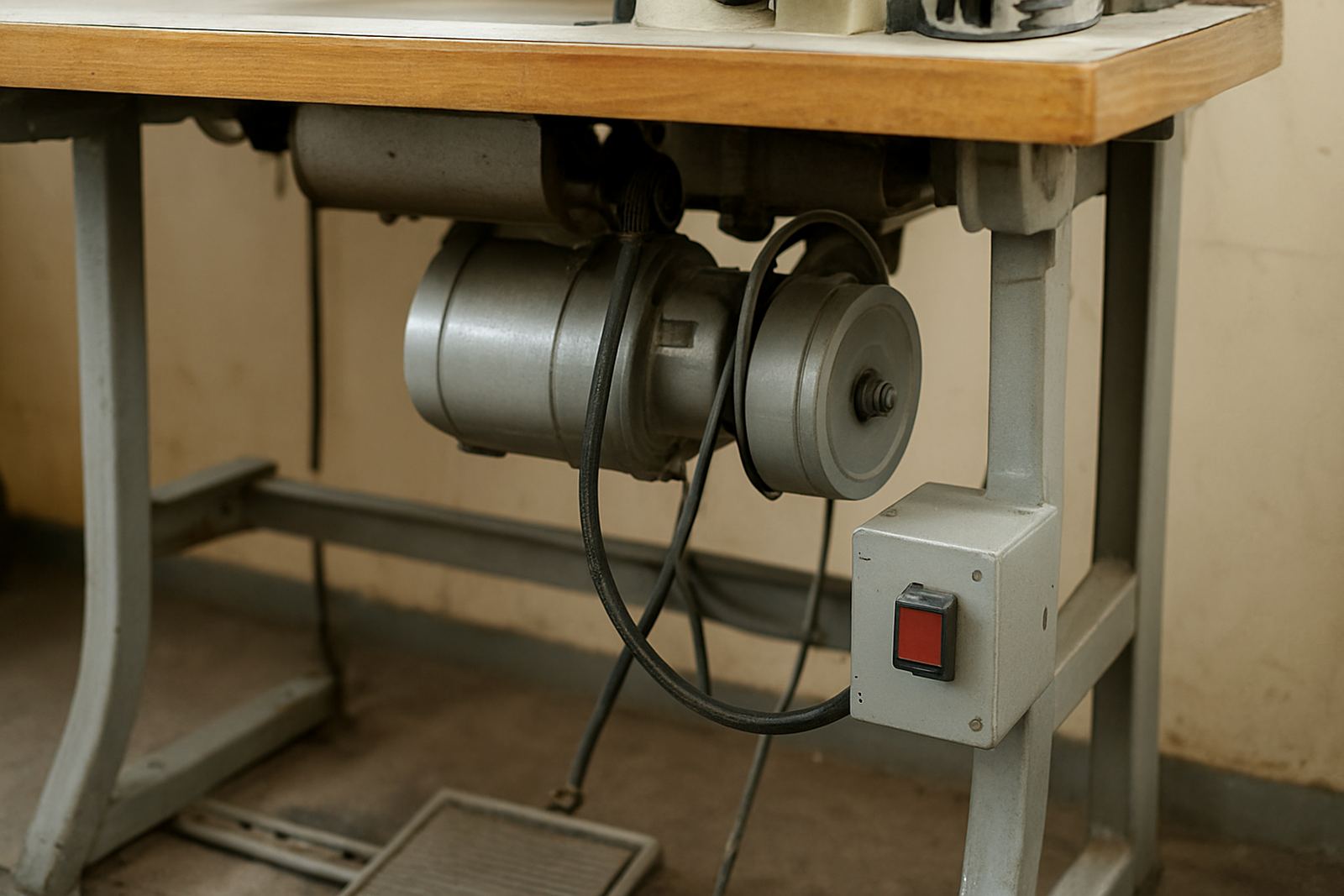
- Built-in or external motor options depending on the setup
We help customers compare the machine against the actual work being done, not just the brochure spec. A machine for school uniforms in Germiston will not always suit a small sewing room in Pretoria, so the fabric, daily volume and operator skill should guide the choice.
Where an overlocker works best in Gauteng workrooms
Overlockers suit clothing factories, tailoring shops, alteration counters, training rooms and home sewing spaces that need tidy seam edges. They are especially useful in places that handle knitwear, jersey, children’s clothing and sportswear. In humid coastal conditions the machine needs a little more attention to rust prevention, but even inland in Gauteng dust and lint build-up can cause tension problems if the machine is left uncleaned.
For schools and training centres, the machine is often used to teach proper seam finishing before learners move on to more advanced construction. In a commercial setting it can sit alongside a lockstitch machine and cover machine, giving a full garment finishing line. If you are running production in Alberton or Randburg, or working from a small unit in the CBD, the overlocker can be matched to your space and output.
- Factories making everyday wear and school garments
- Tailors handling stretch fabric and seam finishing
- Schools, colleges and training workshops
- Home sewers needing cleaner edges on small runs
Installation, power and workshop setup details
Most overlockers need a stable table, correct threading, proper lighting and a clean power supply. Standard workshop units are usually fitted for 220V single phase power, which suits most local premises and home sewing rooms. If your site has load-shedding, it helps to plan for a reliable backup supply so the machine can be used without interruption when production is time sensitive.
When setting up a new machine, we check the table height, pedal position, motor speed and thread path before handing it over. A good setup reduces operator strain and helps stop skipped stitches, broken thread and uneven cutting. If the unit is going into a busy workroom, we also look at foot traffic, bench spacing and where the offcuts will fall so the area stays safe and easy to work in.
In some workshops, an overlocker may be fitted with a speed-controlled motor or moved between stations as part of a larger production layout. We can assist with workroom planning where the machine needs to fit into a small area, or where several operators will share one line of equipment.
Care, servicing and common faults to watch for
Like any sewing machine, an overlocker works best when it is cleaned often and serviced before small faults turn into downtime. Lint from stretch fabric builds up quickly around the loopers and knife area, so regular cleaning is important. Oil points must be checked, needles changed before they bend and thread paths kept free of fluff.
The most common complaints are skipped stitches, poor trimming, uneven tension, thread breakage and a rough seam edge. These problems are often caused by blunt needles, wrong threading, worn knives or poor operator setup. Our workshop team handles routine servicing, timing adjustments, motor conversions, on site repairs and workshop repairs, depending on the condition of the machine.
- Clean the knife area and loopers often
- Replace needles before they cause stitch faults
- Keep a spare knife, needles and thread on hand
- Book service before peak production periods
For businesses in Germiston, Pretoria and the surrounding Gauteng areas, regular maintenance helps reduce stop-start production. A machine that is serviced early usually lasts longer and gives a cleaner finish, which saves time on rework and wasted material.
What to confirm before placing an order
Before ordering, check the fabric types, seam style and daily volume you need to handle. You should also know whether the machine is for light fashion items, heavier workwear or mixed use. That information helps us match the machine to the correct stitch setup and cutting system.
Useful details to confirm include the number of threads, the type of motor, whether the machine must handle stretch fabric, and whether you need accessories such as guides, folders or spare needles. It is also worth checking who will operate the machine and whether they need training after installation. If your team is new to overlockers, the first setup and handover can make a big difference to the results.
When you enquire through our contact page, we can help with the right machine choice, spares sourcing and setup advice for your premises. That applies whether you are buying for a factory floor, a small tailoring shop or a home room where space is tight and every metre counts.
Key facts
| Machine type | Industrial or household overlocker for edge finishing |
|---|---|
| Thread systems | 3 thread or 4 thread, depending on fabric and finish |
| Power supply | 220V single phase on most workshop and home setups |
| Speed | Up to 7,000 stitches per minute on many industrial units |
| Stitch width | Approx. 3 mm to 7 mm adjustable on selected models |
| Use cases | Knitwear, woven seams, school wear, alterations and sample work |