

Start With The Seam Finish You Need
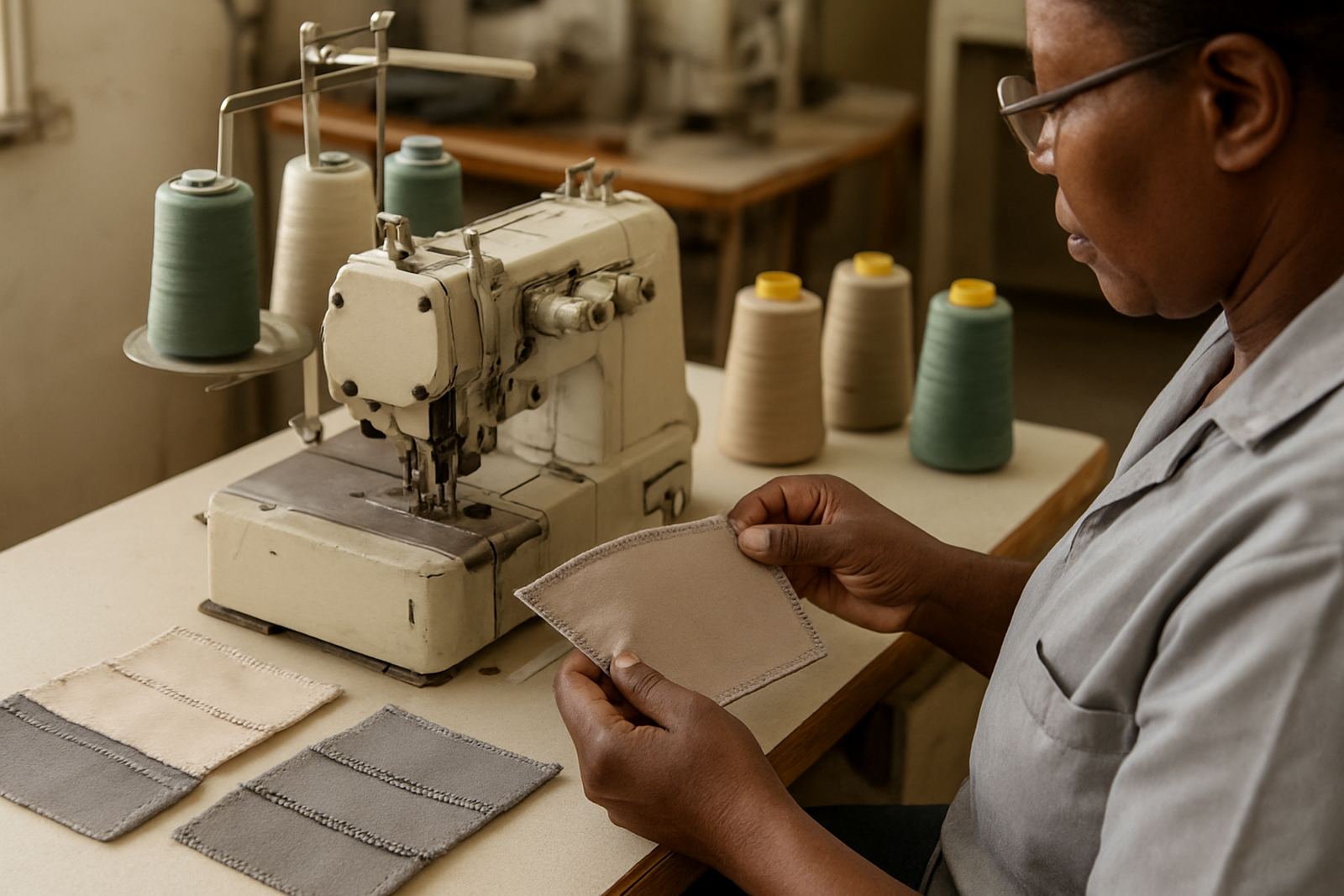
An overlocker is not just about cutting and overlocking at the same time. It must match the seam finish your work calls for, whether you are making school wear, stretch garments, curtains, workwear or home mending. A 3 thread stitch is often used for lightweight edge finishing, while a 4 thread stitch gives a stronger seam for everyday sewing. For stretch fabrics, the seam must move with the cloth without popping when worn.
If you are mainly finishing raw edges, ask what seam types the machine can produce and how easy it is to change between them. Some jobs need narrow seams for neat inside finishes, others need wider coverage for heavy use. The goal is simple: the stitch should suit the product, not force the product to suit the machine.
Match The Machine To The Fabric You Sew Most
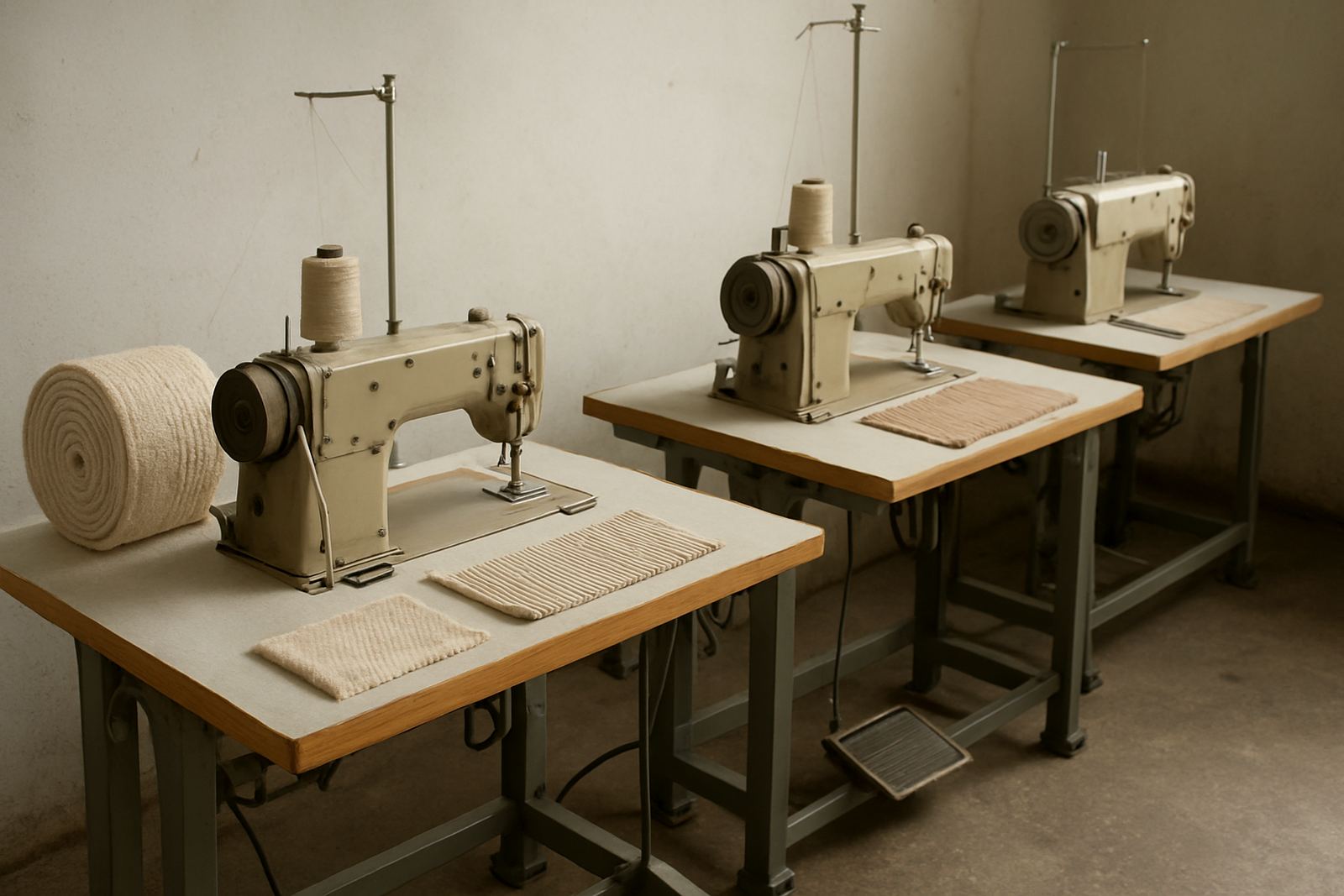
Different fabrics behave differently under the knife and loopers. Lightweight chiffon, polyester blends and knitwear need careful tension control so the seam does not pucker. Denim, canvas and heavy tracksuit fleece need a machine that feeds evenly and keeps its bite when the cloth gets thick. If you work with school uniforms or bulk clothing orders, the machine must cope with repeated use all week, not only on test samples.
In Gauteng, many workrooms also deal with dust, dry air and load-shedding stoppages, so a machine that stays easy to thread and set up is worth a lot. If you are near Fordsburg, Mayfair, Soweto, Germiston or Pretoria and plan to use the machine in a home room or small factory, think about the fabrics on your floor now and the jobs you may add later. That helps prevent buying a unit that is too light for the work, or too heavy for the space.
- Light fabric work: fine thread control, neat cutting, easier tension adjustment
- Stretch fabric work: differential feed and stable stitch formation
- Heavy fabric work: stronger presser action, sharper knife action, steadier motor pull
- Mixed production: a machine that can switch cleanly between settings without fuss
Choose Output Based On How Many Items You Finish
Output needs matter as much as stitch quality. A home sewer finishing a few garments a week does not need the same setup as a tailor handling daily alterations or a factory producing repeat orders. The more pieces you process, the more important it becomes to have stable speed, easy threading and a machine that keeps tension consistent across long runs. If you are sewing in a school, training room or production floor, ease of teaching also matters.
Look at how fast you work now and how often the machine will run for long periods. A machine that is simple to service and set up reduces stoppage time when a needle breaks or the seam goes out of balance. In busy rooms, that can mean the difference between finishing on time and carrying work over to the next day.
- Low volume: comfort, simplicity and easy maintenance
- Medium volume: reliable stitching and quick changeover between fabrics
- High volume: speed, durability and smoother thread handling
- Training use: clear controls and repeatable settings for new operators
Check The Controls Before You Decide
Good controls make a machine easier to live with. Check the stitch length, differential feed, tension dials and knife adjustment before deciding. If the controls are cramped or hard to read, the machine may be awkward for different operators in the same workroom. That becomes a problem when someone else has to run the same job after a shift change or during a busy rush.
Also think about how often you will change threads, needles and settings. A machine that is simple to thread saves time and lowers mistakes. If you do frequent pattern changes, hemming or different seam finishes, the set up should not fight you. A small thing like an awkward thread path can slow a whole line down.
Plan For Service, Spares And On Site Support
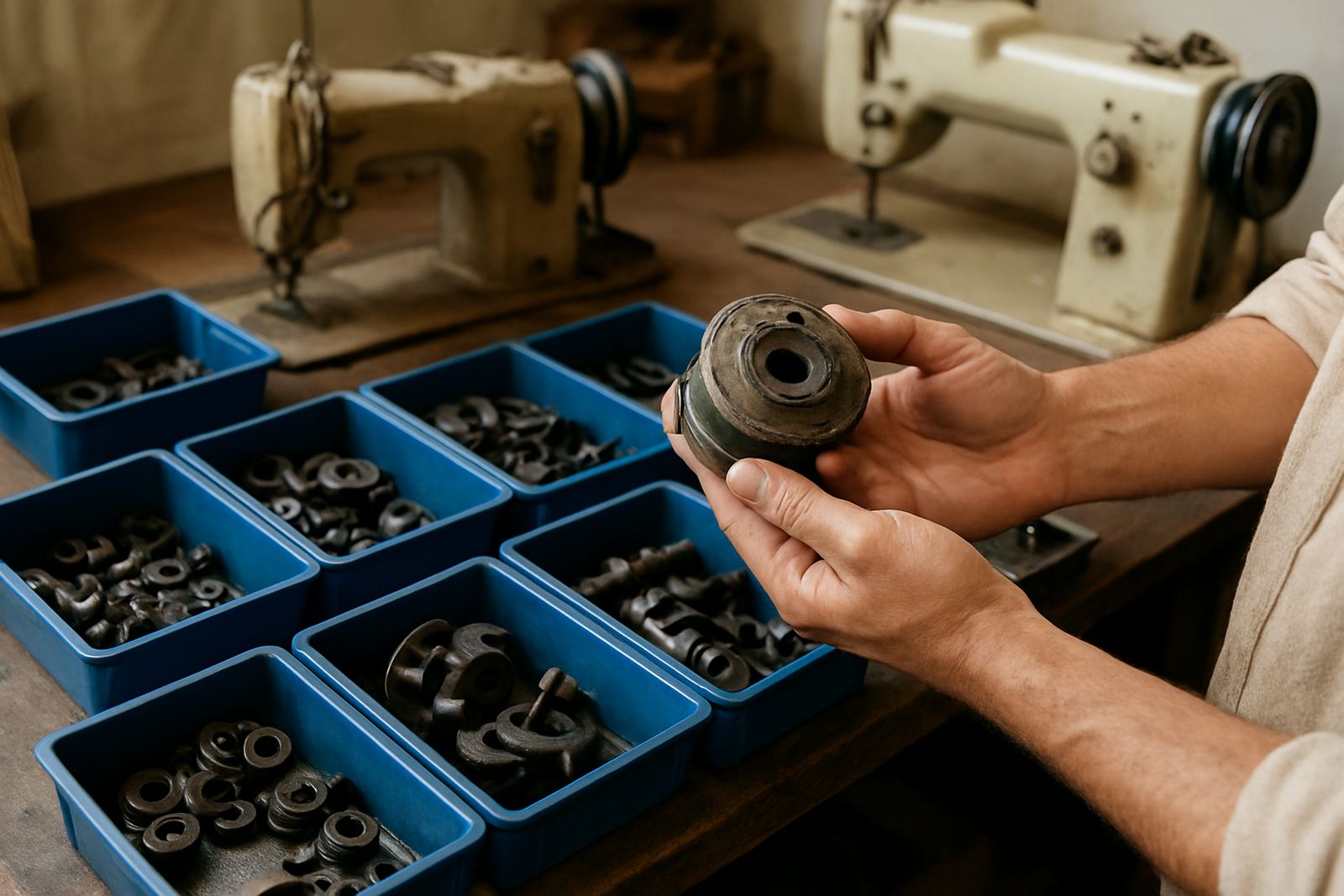
Every overlocker needs servicing, even a good one. Blunt knives, worn belts, loose timing and dirty feed parts all show up as skipped stitches or bad edge trim. Before you choose a machine, ask how easy it is to get spares, attachments and routine servicing in Johannesburg CBD and the surrounding areas. If your workshop is in Alberton, Randburg or Pretoria, it helps when parts sourcing and on site repairs are straightforward.
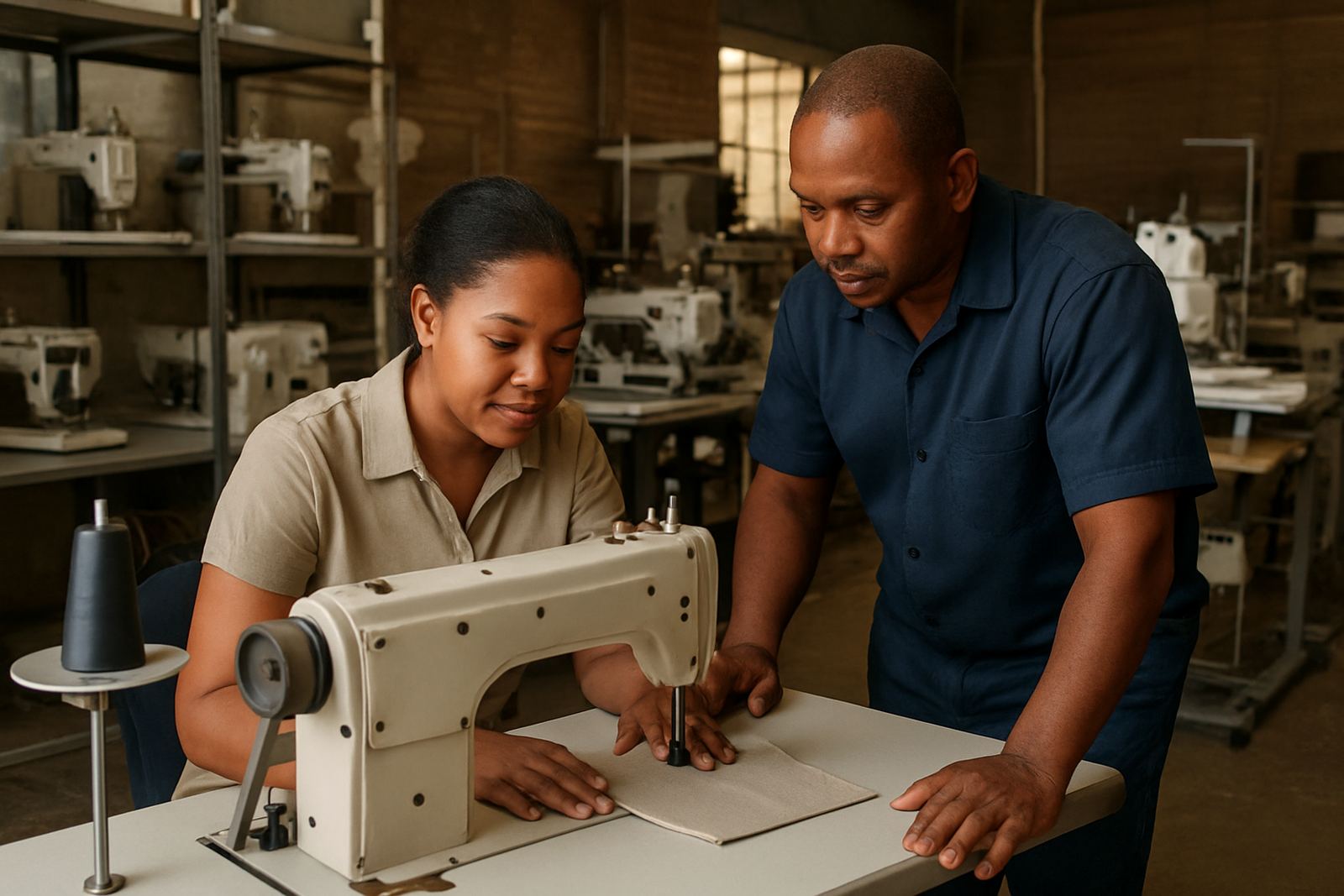
It is also wise to factor in operator training. A machine may be capable, but if your team does not know how to set it up properly, it will not perform as it should. A short training session can prevent thread waste, bad seams and extra call outs. In many cases the right choice is not the fanciest model, but the one your team can keep running properly day after day.
Simple Overlocker Buying Checklist
Before you make a decision, work through a short checklist with the actual sewing jobs in front of you. Bring sample fabric if you can. Test how the machine handles a straight seam, a stretch seam and a heavier join. Listen for strain, watch the cut edge and check whether the stitch lies flat. If the seam curls, gaps or pulls too tight, the setting or machine type may be wrong for the job.
A practical choice should suit your fabric, volume and room layout. In a small shop, the overlocker must be easy to position and keep clean. In a factory, it must stand up to longer hours and more operators. Once you know your needs, the choice becomes much clearer.
- What fabric do I sew most often?
- Do I need 3 thread, 4 thread, or both?
- How many items must I finish each day?
- Will different operators use the machine?
- Do I need setup, servicing or parts support nearby?