

Start With the Main Job, Not the Machine Type
Fabric weight matters more than many first buyers expect. Cotton poplin, lining, denim, canvas and upholstery cloth all behave differently under the needle. In Gauteng workshops, humidity and dust can also affect thread flow and machine feel, especially if the machine stands in a garage, back room or shared work area.
Think about the seam finish too. If your work frays, you may need an overlocking or edge finishing machine alongside the main industrial machine. If you work with slippery fabric or layers that move, the feed system and foot pressure must be set properly. A good first purchase should handle your standard cloth with enough room for the odd heavier project.
- Bring fabric samples when you test a machine
- Take at least one thick seam and one fine seam
- Ask how the machine handles thread tension on both samples
- Check whether standard needles and thread sizes are easy to source
Choose the Right Setup for Your Space and Power Supply
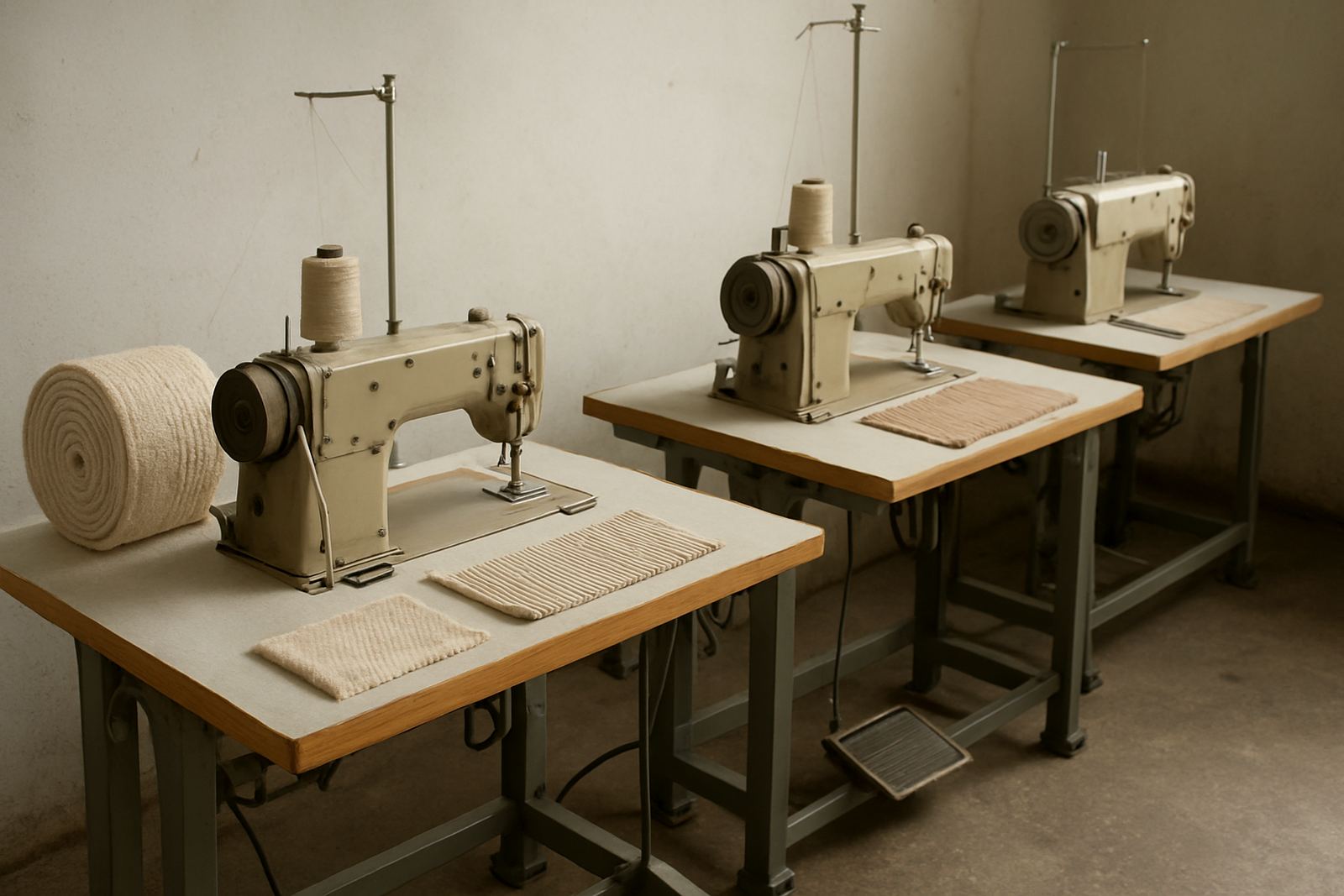
Your sewing room matters. A machine that performs well in a factory line may be too noisy or too large for a home set up. Measure the space where it will stand, including room for fabric flow, storage and operator movement. If you are in a shared room or a small tailoring space in Fordsburg or Mayfair, a compact table and tidy wiring make daily work easier.
Load-shedding also affects the choice. Some operators prefer a setup that starts again without fuss after power cuts. If you use a motor conversion or speed control, ask how it behaves after an outage and whether it needs a technician to reset anything. Good planning at the start can save hours later when orders are already late.
- Measure the full footprint, not just the machine head
- Check plug points and cable routing before delivery
- Ask about lighting, motor type and foot control placement
- Allow space for fabric stacks, tools and thread storage
Test Speed, Noise and Stitch Control Before You Decide
A first industrial machine must feel manageable. Many new users find a machine is technically suitable but too fast for careful work. If you sew school uniforms, alterations or fine garments, you need a machine that gives you control at lower speed as well as a steady top end. For workrooms in Soweto, Germiston or Pretoria where several people may use the same machine, this is even more important.
Listen for vibration, uneven running and skipped stitches. A machine that sounds rough now will usually need servicing sooner. Ask for a simple test on straight seams, corners and seam starts. If the machine is for a new operator, make sure the controls are easy to understand and the thread path is clear enough for routine use.
- Test slow stitching as well as normal speed
- Check corner turns and backtacking
- Ask how often routine servicing is recommended
- Find out what spares and attachments are commonly kept in stock
Think Beyond the Machine: Spares, Attachments and Training
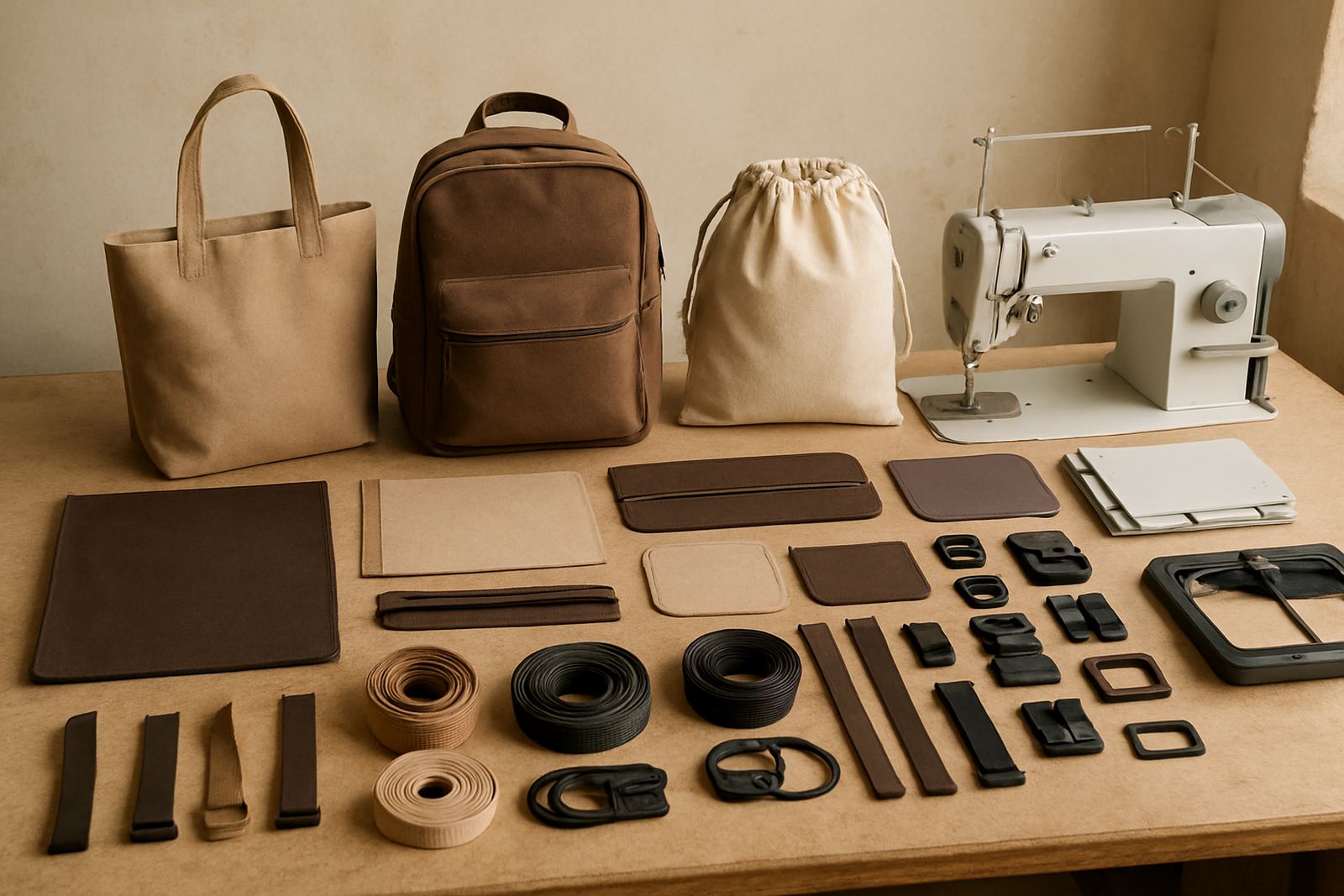
The purchase is only the first step. A machine performs better when the correct needle, bobbin, foot, guide and thread are available. If you plan to do embroidery, fusing or special seam work later, ask what extra attachments can be added without replacing the whole unit. That gives you more room to grow without overspending on day one.
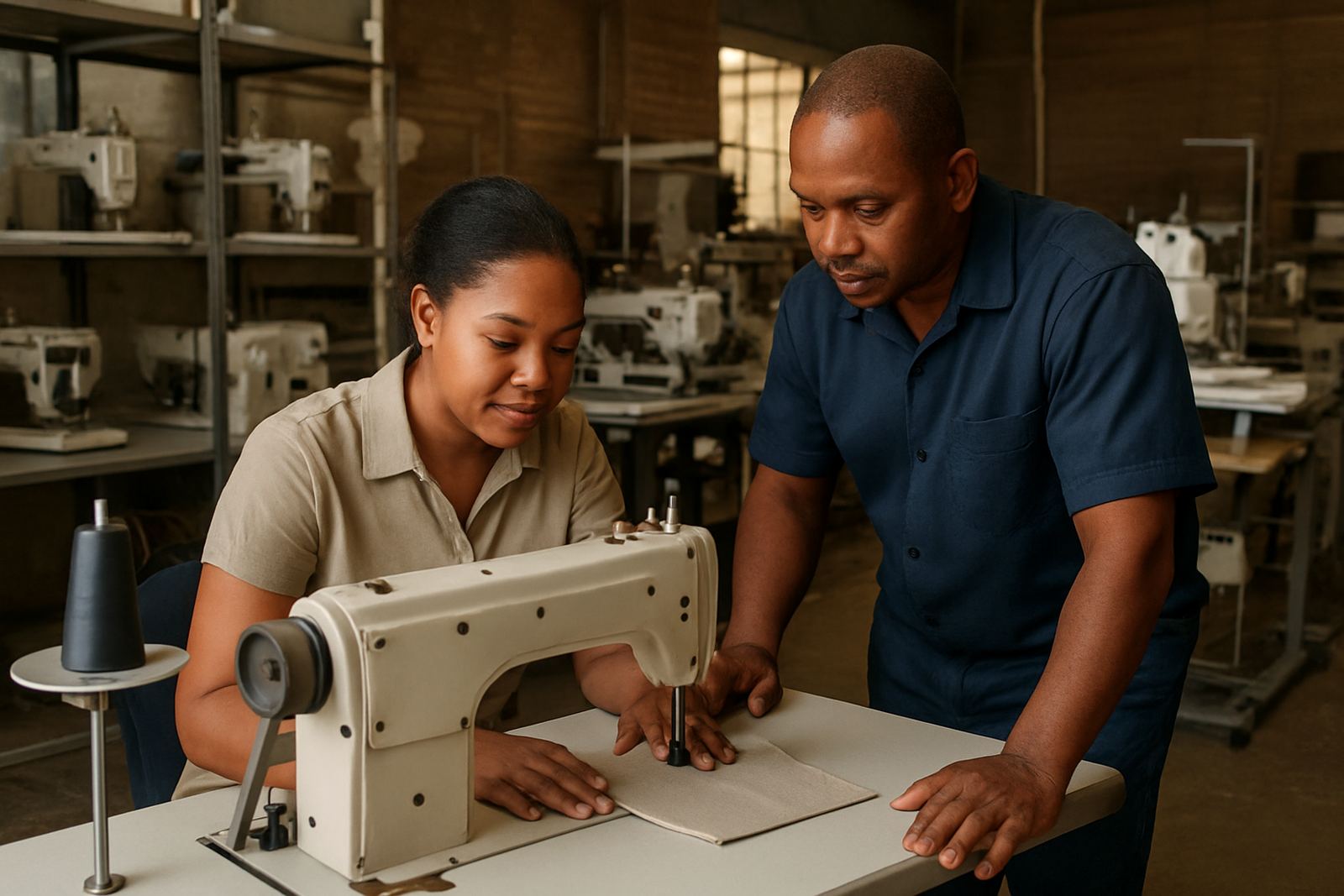
Training matters too. Even a simple industrial machine can be misused if the operator is new to tension, timing or oiling. A short start up session on threading, needle choice and daily cleaning makes a real difference. In many cases, the cost of training is less than one repair visit caused by incorrect use.
- Ask which spare parts are wear items
- Confirm whether attachments fit the model you are buying
- Get basic operator training for threading, cleaning and needle changes
- Keep a small starter stock of thread, needles and common parts
A Simple First-Buy Checklist for Better Value
Use this checklist before you make the final decision. It keeps the focus on the work you do, not on features you may never use. A careful first purchase often lasts longer and gives better value than a cheaper machine that needs repeated servicing from the start.
If you are buying for a factory, school, tailoring room or home business, make sure the machine is installed correctly and tested on your own fabric. For businesses across Johannesburg CBD, Alberton, Randburg and Pretoria, the best results usually come from a proper match between product, operator and workroom setup.
- Main product identified clearly
- Fabric samples tested on the machine
- Power and space checked
- Speed and noise tested
- Spares and attachments confirmed
- Operator training arranged
- Service plan or repair support discussed
When to Ask for Help Before You Buy
If you are unsure, ask for help before the purchase rather than after the first breakdown. The right guidance is useful when you are choosing between household and industrial use, comparing motor strength or planning a full workroom. It is also wise if you sew in a busy area where dust, moisture or power interruptions are common.
Asia Sewing Machines assists buyers from the Johannesburg CBD base and supports clients across Gauteng, including Fordsburg, Mayfair, Soweto, Germiston and Pretoria. Whether you need machine installation, workroom planning or a clear parts list, it is better to start with the right machine than to fix the wrong one later.