

Start With the Part, Not the Guess
The most common mistake we see is a customer asking for a part by description only, then discovering the shape, hole spacing or thread path is slightly different. In a busy workshop that can stop production for a day, especially when a factory in Johannesburg CBD, Fordsburg or Soweto is running across shifts and cannot wait for trial-and-error ordering.
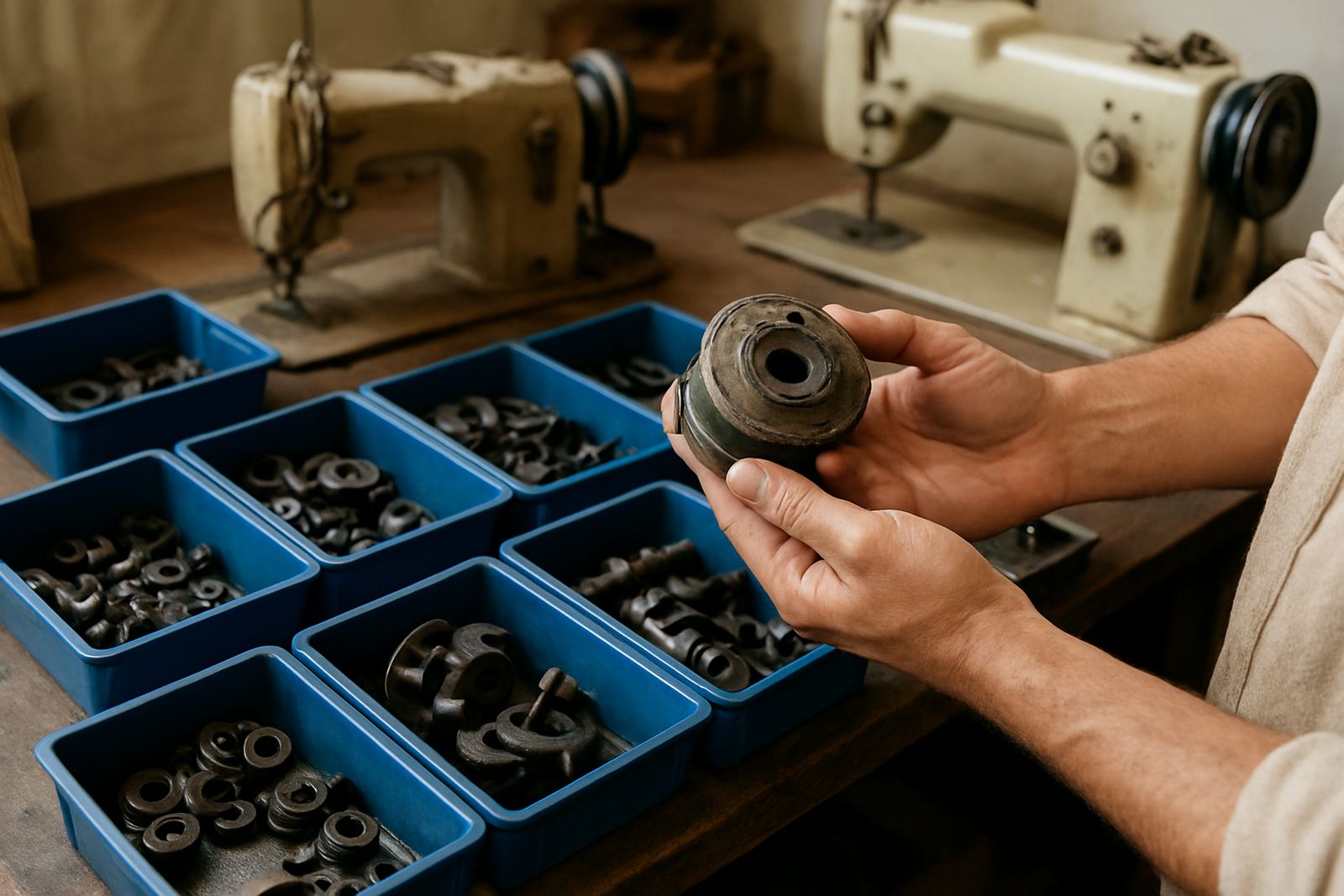
If you can, remove the worn or broken part and bring it in clean. Even a small guide, spring, tension disc, presser foot, needle plate or bobbin race can have several versions. A photo on its own can help, but the actual sample is best because it shows wear marks, measurements and mounting points. We also work with schools, tailors and home sewers in Germiston, Pretoria and Alberton who often need a part that looks similar but must fit a specific machine head exactly.
What Details To Bring Before You Order
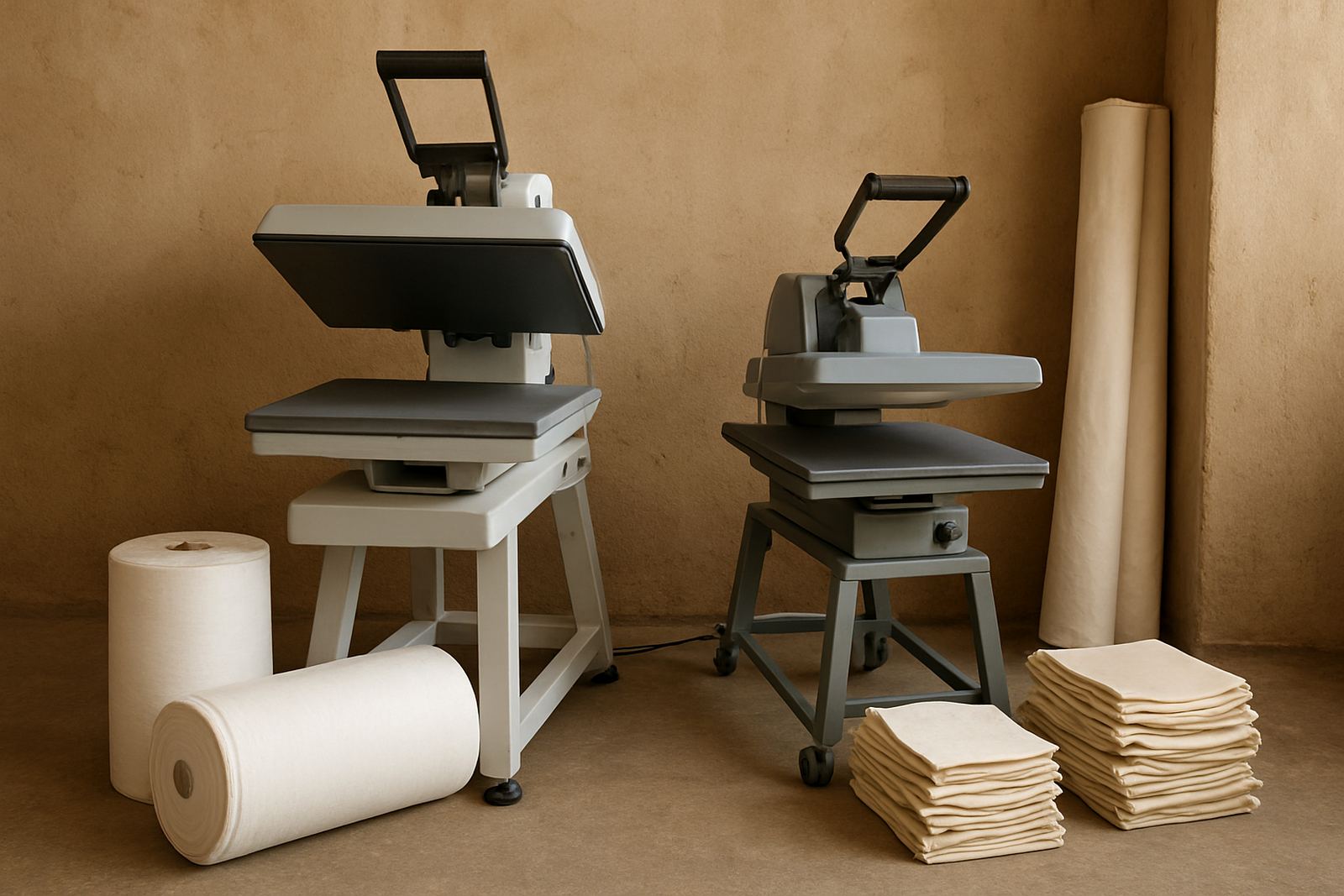
Good spares buying starts with machine identification. If the model number is missing from the body, check the back, the bed, under the arm cover or on the motor plate. For computerised embroidery machines, the control panel may show a series name, but the machine head and drive system still need to be matched correctly. With fusing presses and pressing stations, the heater size, platen size and voltage matter just as much as the frame.
Write down the details before you come through to our Johannesburg CBD base or send them with your enquiry. That saves time and helps our parts team check the right stock first, instead of searching through wrong options.
- Machine type: household, industrial, embroidery or fusing press
- Brand if visible, plus model number and serial number
- Part name if known, or a clear photo from front and side
- Measurements: length, width, bore size, screw spacing, hole spacing
- Voltage or motor details for electrical parts
- Whether the machine is used for light work, school use or daily factory production
Check Compatibility Before You Pay
Two parts can look almost identical and still fail once fitted. A needle bar may sit a few millimetres higher or lower, a motor pulley may have a different diameter, or an embroidery hoop bracket may not clear the frame. That is why compatibility checks matter more than a quick visual match. We often see customers from Mayfair, Randburg and Pretoria who were sold a near-match elsewhere, then had to strip the machine again to correct the fit.
Before you pay, confirm the part is right for your exact machine and use. If the machine has been converted from hand wheel drive to a motor, or if timing has already been adjusted, tell us. Those changes affect how spare parts sit and move. A part that works on one head may bind on another, especially after repairs or workshop modifications.
- Confirm the hole pattern and mounting direction
- Check whether the part is left-hand or right-hand specific
- Match the thickness, height and shaft size
- Ask if the part is for domestic use or industrial use
- Check if your machine has been converted, modified or re-wired
Wear Parts, Service Parts and Repair Parts Are Not the Same
Some items are meant to wear out and be replaced regularly, while others are only changed when there is damage. Needles, belts, bobbins, tension parts, cutters, brushes and some rubber feet are common wear items. Timing gears, shafts, control boards, shuttle assemblies and drive parts are repair items that need more careful checking. If a machine has skipped stitches, noisy running or thread breakage, the cause may be more than one part, so buying only the visible broken piece may not solve the fault.
For factories and training rooms across Gauteng, it helps to think in terms of service intervals. A machine that runs all day in warm conditions, or in a room with dust and lint, will need cleaner service checks than one used now and then at home. On the coast humidity is a bigger factor, but even in Johannesburg dust, fabric fluff and oil buildup can turn a small issue into a bigger repair. We keep spares for routine servicing and workshop repairs, and our workshop team can check if a part should be replaced alone or with a matching set.
How To Prepare a Sample for Accurate Matching
If you are bringing a sample, clean it first. Remove oil, thread and lint so the edges, grooves and mounting points can be seen clearly. If the part is cracked or worn, keep the broken pieces together. A snapped plastic cover, bent guide or damaged tension assembly often gives clues that the original part was stressed by poor threading, incorrect tension or a misaligned needle. If you have the old packaging or the manual, bring that too.
When possible, take one or two clear photos before you leave the machine. Photograph the front, side and the area where the part sits. That helps if you later need to order more stock for a school, workroom or tailoring team. Keep the removed part in a labelled bag so it does not get mixed up with similar fittings in the workshop. It sounds simple, but it saves a lot of confusion.
- Wipe the part clean and remove loose thread
- Keep all screws, clips and washers with the sample
- Mark which machine the part came from
- Take photos of the fitting area on the machine
- Note any fault before removal, such as noise, skipping or jamming
What We Can Source for Workshops and Home Sewers
We supply spares, attachments, thread and haberdashery for industrial and household sewing machines, embroidery machines and fusing presses. That includes common replacement parts, specialist fittings, accessories for machine setup and items needed for pressing stations and embroidery work. Our parts and stores team works with customers from Fordsburg, Germiston, Soweto and across Pretoria to help source the right item first time, whether it is for a single home machine or a larger factory floor.
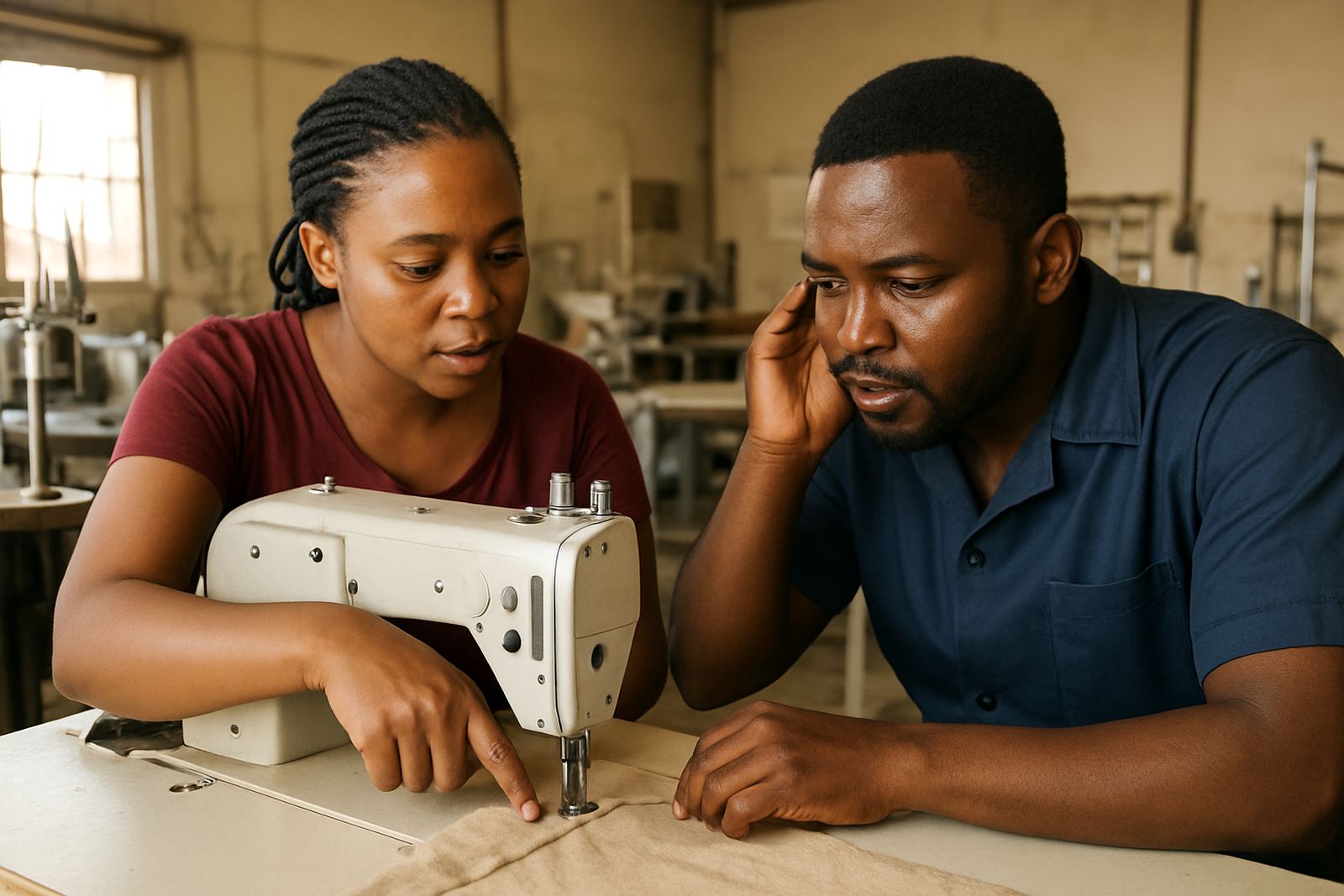
If a part is not in immediate stock, bring the details through our contact form and we will check sourcing options. We also support operator training, so if a part keeps failing because of incorrect use or setup, we can help identify the cause. In some cases the right answer is not only a new part but a better setup, cleaner threading route or a timing adjustment. That practical check often saves money in the long run and keeps the machine running propery.
Final Spares Checklist Before You Leave the Shop
A few minutes of checking can prevent a wrong order and a second trip across town. Before you buy, make sure the spare matches the machine, the fault and the working conditions. If you are buying for a factory, keep a record of the part number, machine model and the date fitted. That makes future ordering much easier, especially when several machines are running the same job.
- Part sample or clear photo packed and labelled
- Machine model, serial number and type noted
- Measurements checked and written down
- Voltage, motor and conversion details confirmed
- Installer or operator knows how the part fits
- Enquiry submitted if you still need a match or sourcing help
If you are unsure, bring the sample first. A proper match is always better than a quick guess.