

Start with the kind of embroidery jobs you will actually take on
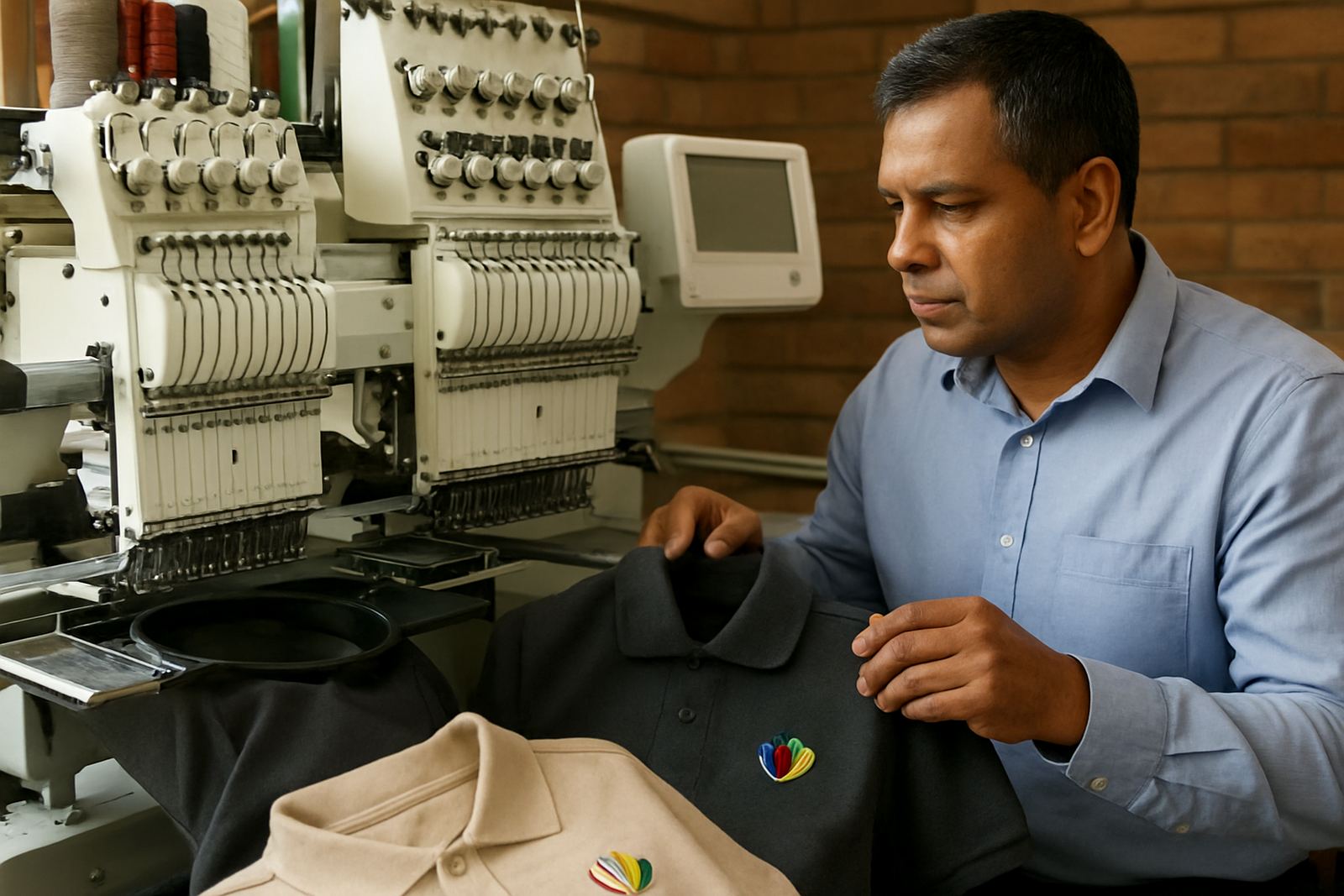
Before you compare heads, screens or extra features, list the jobs you expect to run. A home sewer doing name tags and small runs needs a very different machine from a factory doing school badges, corporate shirts or panel embroidery for repeat orders. If your work comes in short bursts, a single head machine may be enough. If you are turning over repeat stock, you need to think about speed, hoop changeovers and how often the machine will stand idle.
In Johannesburg CBD, Fordsburg and Mayfair we often see people buying too much machine for their first workload, then struggling with payments and space. It is usually better to match the machine to the next 12 months of orders, not a wish list. That way you can keep cash for thread, needles, hoops and backup parts.
- List your typical order size per week
- Write down the garments you sew most often
- Note whether you do names, logos, badges or all three
- Check how often rush jobs come in
Check frame types and work area before you buy
Frame size matters because it limits what you can stitch without shifting the fabric. Small hoops are fine for caps, pockets and names. Larger frames help with jacket backs, panel work and bigger branding pieces. If your room is tight, measure the walkway, door openings and table space before the machine arrives. In Soweto, Germiston and Pretoria we often have to plan around narrow rooms, shared work areas and power points that are not where you want them.
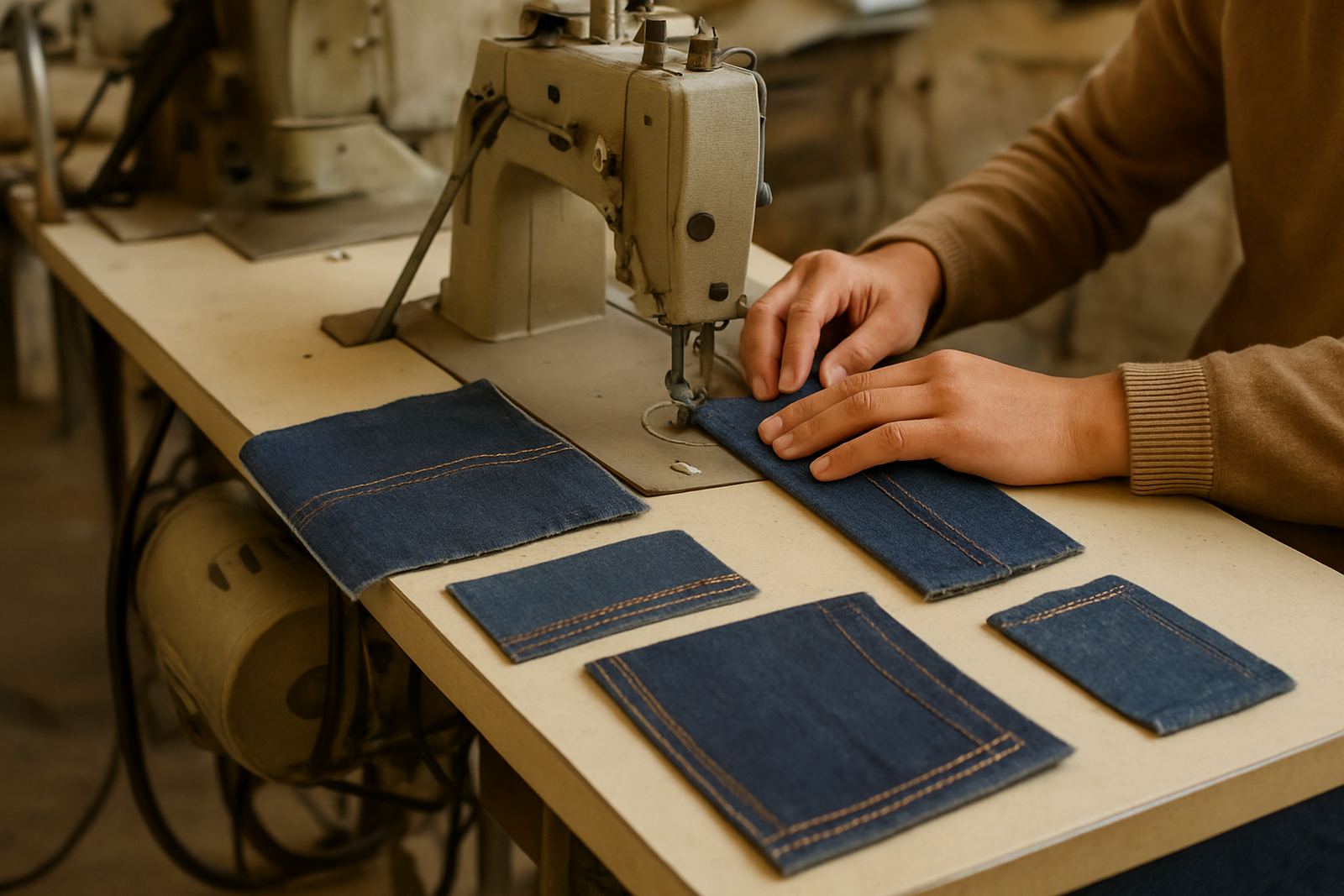
Also think about the fabric you use most. Light knitwear, school shirts and stretch items need steady tension and careful setup. Heavier items like denim or overalls need stronger handling and good needle control. A machine that handles a wide range is useful, but only if the operator knows how to set it properly. A bad frame choice can waste cloth very quickly.
- Measure the full machine footprint and clearance space
- Check if your largest design fits the hoop options
- Confirm access for loading fabric and changing frames
- Allow room for thread stands, tools and storage trays
Match the machine to your output and operator skill
Order volume should guide your buying decision. A small operation that does a few garments a day can work well with a simpler unit that is easy to learn and maintain. A busier workshop needs steadier running time, quicker setup and better support for repeat designs. If more than one person will use the machine, choose controls that are easy to follow and keep a printed setup sheet at the machine.
Do not ignore the skill level of the person running the embroidery. A machine can be capable, but if the operator is still learning tension, digitised files and thread path, you will lose time on every job. Lerato Mokoena often tells customers to buy for the person using it, not just the sales pitch. That advice saves a lot of repeat faults and wasted material.
- How many hours a day will the machine run
- Will one operator or several people use it
- Do you need memory for repeat designs
- Can the team handle basic tension and needle checks
Think beyond the machine price and include setup costs
The quoted price is only part of the full cost. You also need to budget for installation, operator training, initial spares, thread, needles, hoops and any electrical work needed to get the machine running safely. In areas with load-shedding, a clean power supply and proper protection are essential. If your supply is unstable, ask about a practical backup plan so the machine is not starting and stopping all day.
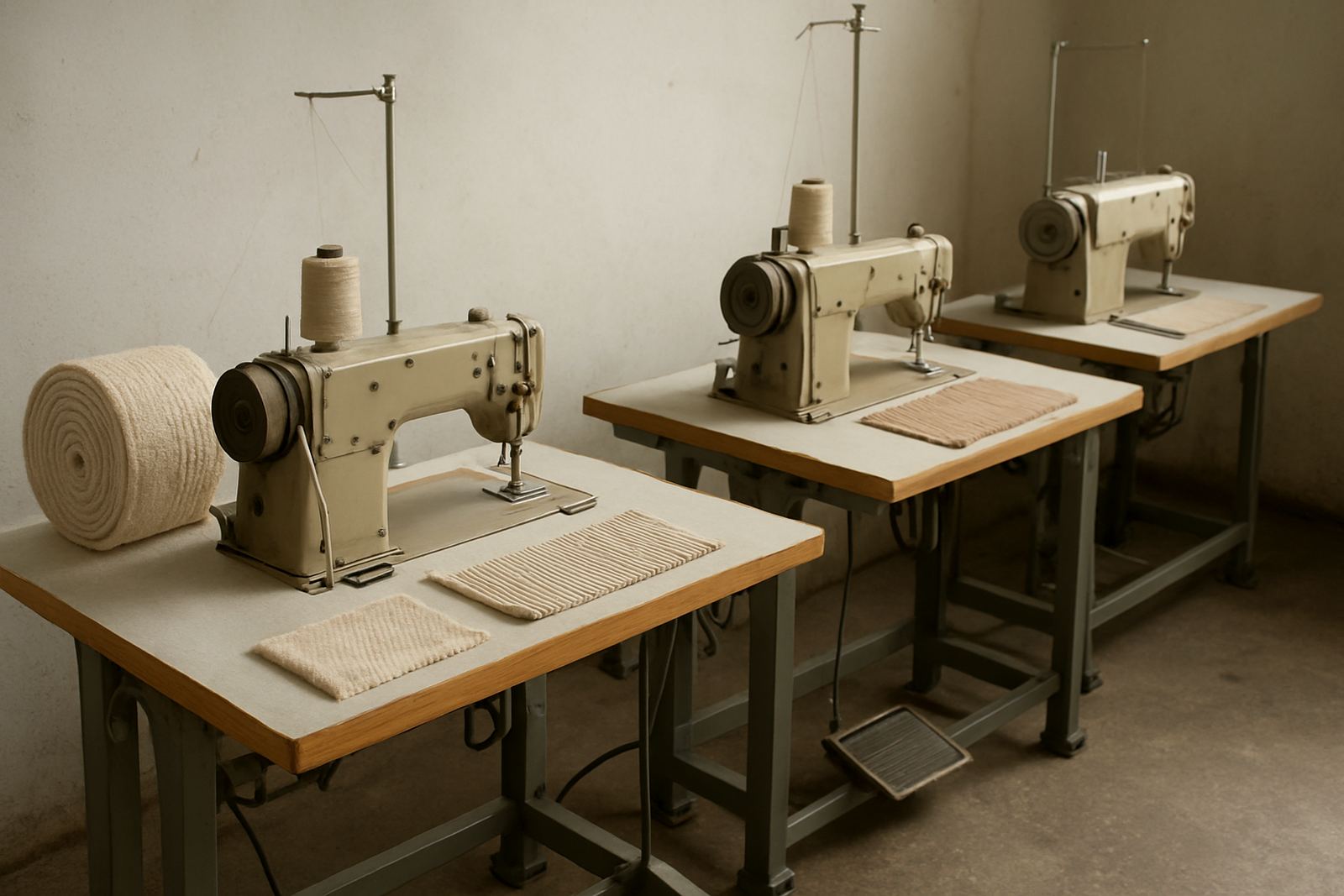
For factories and school uniform workrooms, it helps to plan the machine into the room rather than squeezing it in later. Yusuf Patel often checks workshop layout, table heights and foot traffic before a final recommendation. Small changes at the start can prevent service calls later, especially where machines are close together or the room is busy.
Do not skip service support, spares and training
Embroidery equipment is only useful when it is supported properly. Ask who will handle timing, thread path issues, motor faults and routine servicing after the sale. A machine with no local support can sit idle for weeks if a small part is missing. In Gauteng, fast access to spares and field service often makes the difference between a busy week and a lost week.
At Asia Sewing Machines we handle machine installation, on site repairs, workshop repairs, routine servicing, motor conversions, timing adjustments, embroidery setup, parts sourcing and operator training from our Johannesburg CBD base. Naledi Khumalo helps with setup questions on stitch quality and design placement, while Willem van Wyk handles field calls where a machine needs attention on site.
- Ask what spares should be kept on hand
- Confirm who services the machine after installation
- Check whether training is included or available separately
- Make sure support covers your area, including Alberton and Randburg
Use this final checklist before you place the order
If you are still deciding, use a simple checklist and compare each machine against the work you want to do. The right choice should fit your space, handle your usual fabrics, support your target output and be practical to maintain. For many buyers, the best machine is not the biggest one, but the one that can keep running steadily through the month.
Farah Ismail at customer support can help direct enquiries through the contact form and make sure the right team member follows up. Whether you are buying for a home setup, a tailoring shop or a production room, a careful check now can save time, cloth and callouts later.
- Does it suit your daily order volume
- Are the frame sizes right for your designs
- Is there enough room in the work area
- Is local support available when something goes wrong
- Can your team operate it confidently after training