

Start with the bag style before you choose a machine
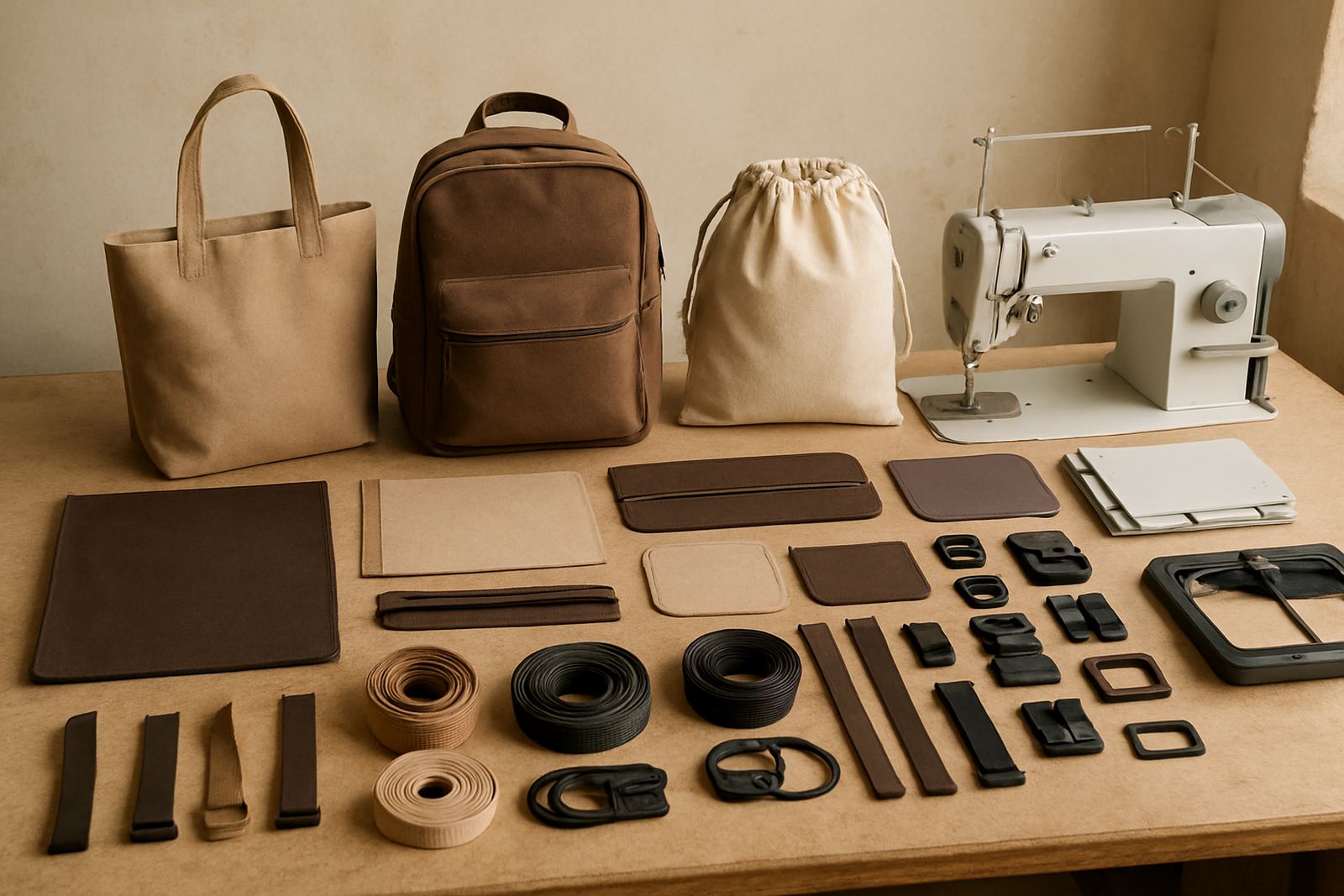
Not every bag is made the same way, so the first question is what you are sewing. A tote in canvas, a school bag with webbing, a laptop sleeve, a travel holdall, or a leather and vinyl handbag all place different demands on the machine. If you sew flat panels only, one type of machine may be enough. If you work on completed bag bodies, handles, gussets and tight corners, you will need more specific capability.
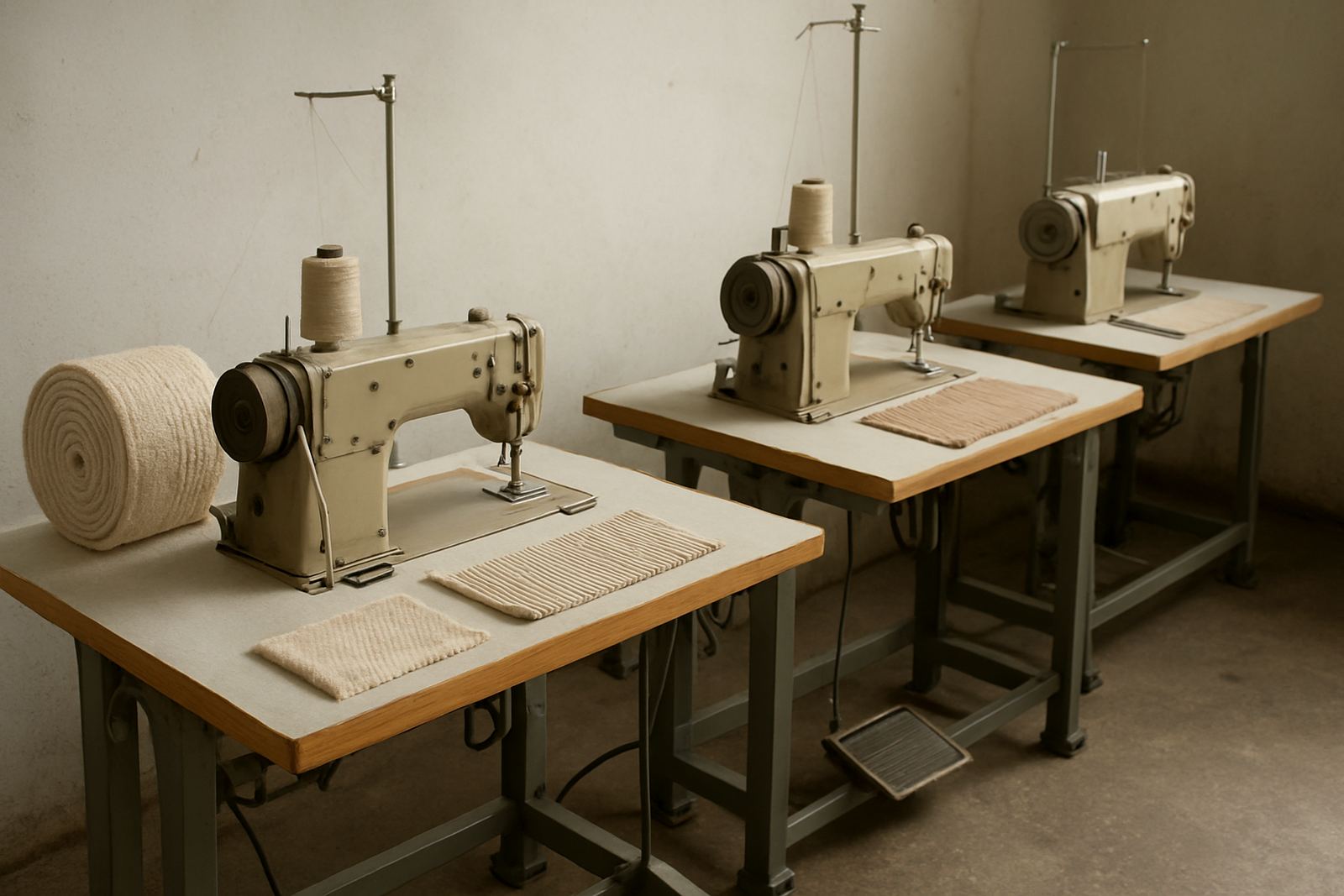
For light to medium bag work, an industrial straight stitch machine can handle plain seams and topstitching if the layers are manageable. For heavier work, a walking foot machine helps feed the top and bottom layers together, which is useful on webbing, foam and laminated materials. For closed circular seams, curved sections and bags with small openings, a cylinder bed machine is often the better choice.
- Light fabric bags: straight stitch with the correct needle and thread
- Foam lined or padded bags: walking foot feed helps reduce layer shift
- Closed bags and narrow openings: cylinder bed gives better access
- Structured bags with heavy straps: stronger motor and balanced feeding matter
When a cylinder bed machine makes bag work easier
A cylinder bed machine has a narrow arm that lets you sew around curved or tubular items. This is useful when the bag is already partly assembled and you need to reach inside, around a gusset, or near a binding edge. It is also handy for attaching zips, handles, pockets and reinforcing tabs in awkward places.
In Johannesburg CBD workshops and small sewing rooms in Soweto, Mayfair and Fordsburg, we often see bag makers struggle with flat machines that cannot reach into the work properly. The result is uneven stiching, missed corners, or a need to open the bag too much just to finish a seam. A cylinder bed reduces that problem and makes the operator more comfortable.
- Choose a cylinder bed if you sew finished bags, not just flat panels
- Look for a narrow bed if you do handbags or compact items
- Check presser foot lift and working space under the arm
- Make sure the feed handles multiple layers without marking the material
Why walking foot machines help with thick layers
Bag construction often combines several difficult materials in one seam. Think canvas, foam, lining, webbing, plastic reinforcement, leather trim and zip tape. A walking foot machine feeds the layers in step, which helps prevent one layer stretching more than the next. That matters when you want neat topstitching and accurate seam allowances.
If you sew utility bags, tool bags or school bags, a walking foot machine is often the workhorse choice. It is also useful where the material is slippery, coated or slightly sticky. In humid areas around Germiston, Alberton and Pretoria, some synthetic materials behave differently through the day, so consistent feeding becomes important. A good setup can save time on unpicking and reduce damage to expensive stock.
- Best for thick, layered or padded bag sections
- Useful when sewing webbing, straps and binding
- Helps keep topstitching neat on long seams
- Can reduce skipped stitches if the machine is correctly timed and serviced
Choose the right needle, thread and motor for bag production
The machine is only part of the answer. For bag work, the needle size, thread type and motor setup must match the job. A machine that is fine for cotton garments may struggle once you move into heavier threads or bonded materials. Motor speed also matters. Too fast and the operator loses control on corners. Too slow and production drops.
At Asia Sewing Machines, we advise bag makers to test the full setup before committing to production. That includes the machine head, table, stand, motor, needle system and thread path. In some cases a motor conversion is worthwhile, especially if you need smoother starting, better control at low speed, or less strain during load-shedding recovery when the line starts up again.
- Match needle size to the thread and material thickness
- Use thread that suits the final bag strength and appearance
- Check low speed control for topstitching and corners
- Test on offcuts before running a full batch
Setup checklist for bag makers in a home room or factory
Before a machine goes onto the floor, set up the work area so the operator can handle the bag without pulling it off line. Bag work needs space for panels, straps, foam and finished pieces. In smaller rooms, especially where several sewers share one area, the table height, lighting and material storage make a big difference. A neat layout also helps with quality control and fewer damaged seams.
For clients across Gauteng, we also look at electrical supply, dust, heat and the way the machines are stored after use. A machine left idle in a cold room or near open windows can collect dust and moisture. That affects stitch quality, tension and moving parts over time.
- Keep a clean cutting and sewing path around the machine
- Store webbing, foam and thread away from dust and direct sun
- Check the table height so the operator can guide large bags comfortably
- Use a stable power source and switch off properly during outages
- Keep spare needles, bobbins and small parts close to the station
Servicing, training and spare parts keep bag lines moving
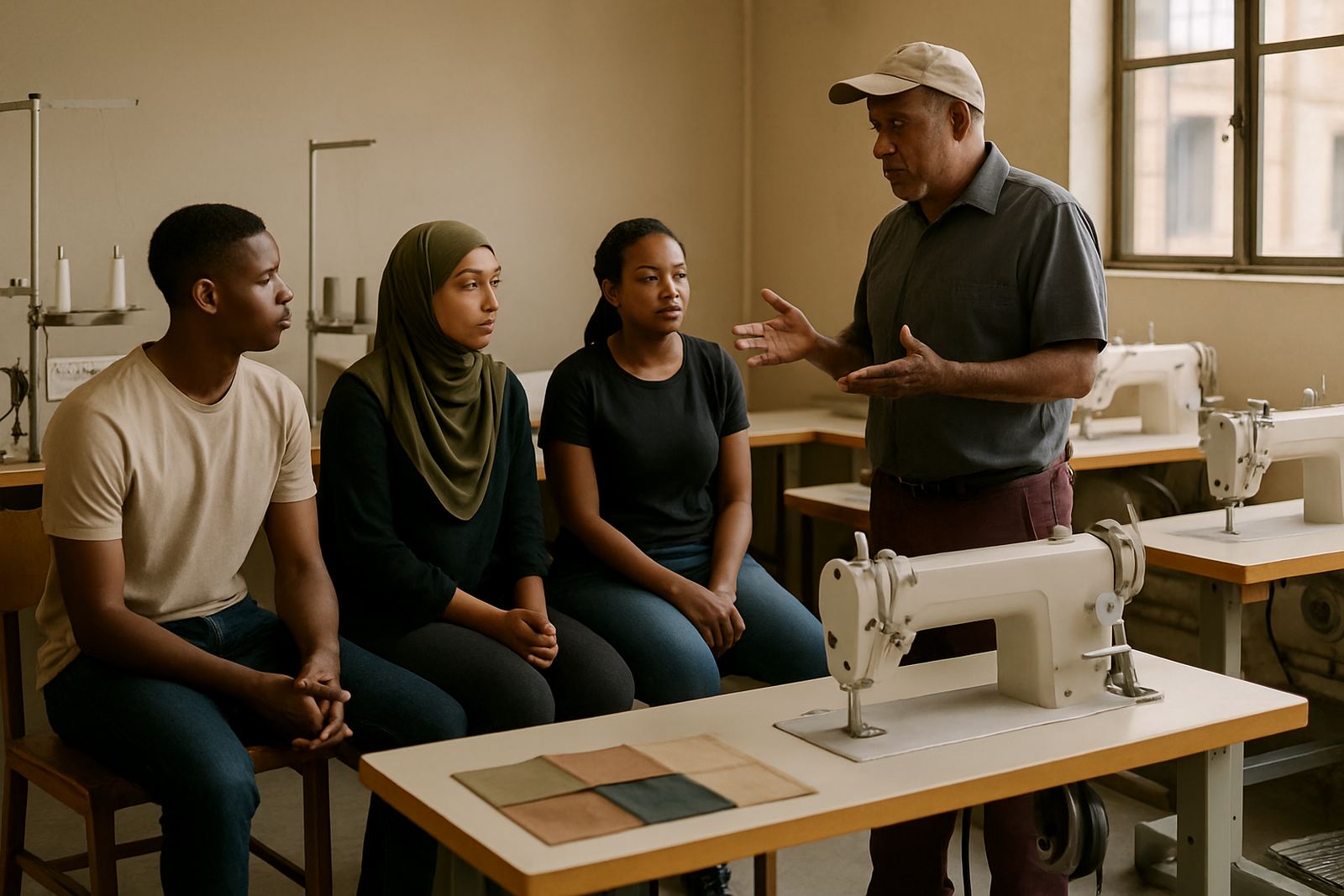
Bag production depends on reliable machines, not just good operators. Routine servicing keeps timing, tension and feed action correct. On older machines, worn parts can show up first when sewing heavy corners or multiple layers. That is why we support machine installation, workshop repairs, on site repairs, timing adjustments, parts sourcing and operator training for factories, tailors and schools.
If your bag work has become inconsistent, start with a basic check: needle condition, thread path, feed movement, bobbin area and machine oiling. If the issue persists, a service visit is often the faster answer than replacing the whole machine. In many cases a proper adjustment makes the machine usable again for another production run or school term.
- Book servicing before peak production periods
- Keep spare needles, feet and common wear parts on hand
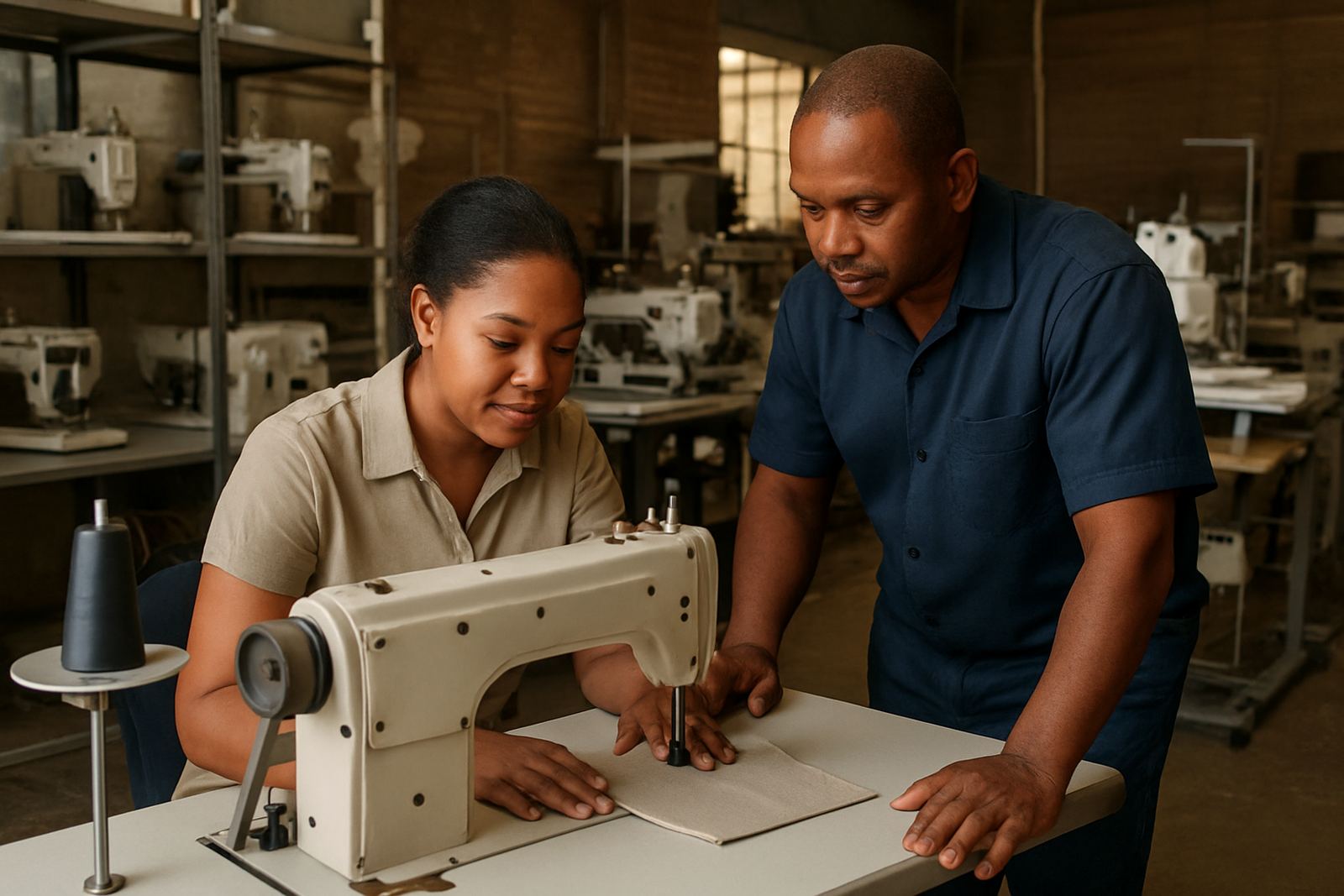
- Train operators on feeding speed, corner turning and thread tension
- Ask for help if the machine is marking, skipping or pulling seams