

What denim needs from a sewing machine
Denim is dense, layered and often uneven at seams, hems and pocket corners. A machine for denim must keep feeding steady through thick joins, make a clean stitch at slow and medium speeds, and handle stronger thread without skipping. For factories and tailors working across Johannesburg, Fordsburg, Soweto and Germiston, that means choosing a machine that can cope with daily use, not only sample work.
If the work includes jeans, jackets, bags or school wear made from heavy twill, look at how the machine feeds the fabric, how much presser foot lift it offers, and whether the motor gives smooth control at low speed. For heavier jobs, a walking foot or compound feed setup is often the better choice because it helps the top and bottom layers move together. That extra control reduces puckering and broken thread.
Choose the right feeding system first
Feeding is the heart of denim sewing. A standard lockstitch machine can work for lighter denim seams, but it may struggle on multiple layers unless it has the right presser foot pressure and needle plate. For regular jeans production, a walking foot machine or compound feed machine is usually easier to control. These machines help prevent the top layer from creeping ahead, which is common when stitching thick side seams or waistband joins.
- For straight seams on medium denim, use a machine with adjustable feed and strong presser foot lift.
- For thick seams, belt loops and yokes, choose a machine with walking foot or compound feed.
- For topstitching, select a machine that runs smoothly at slower speed and accepts heavier thread.
- For home sewers, test the machine on the exact fabric layers you use, not only on single pieces.
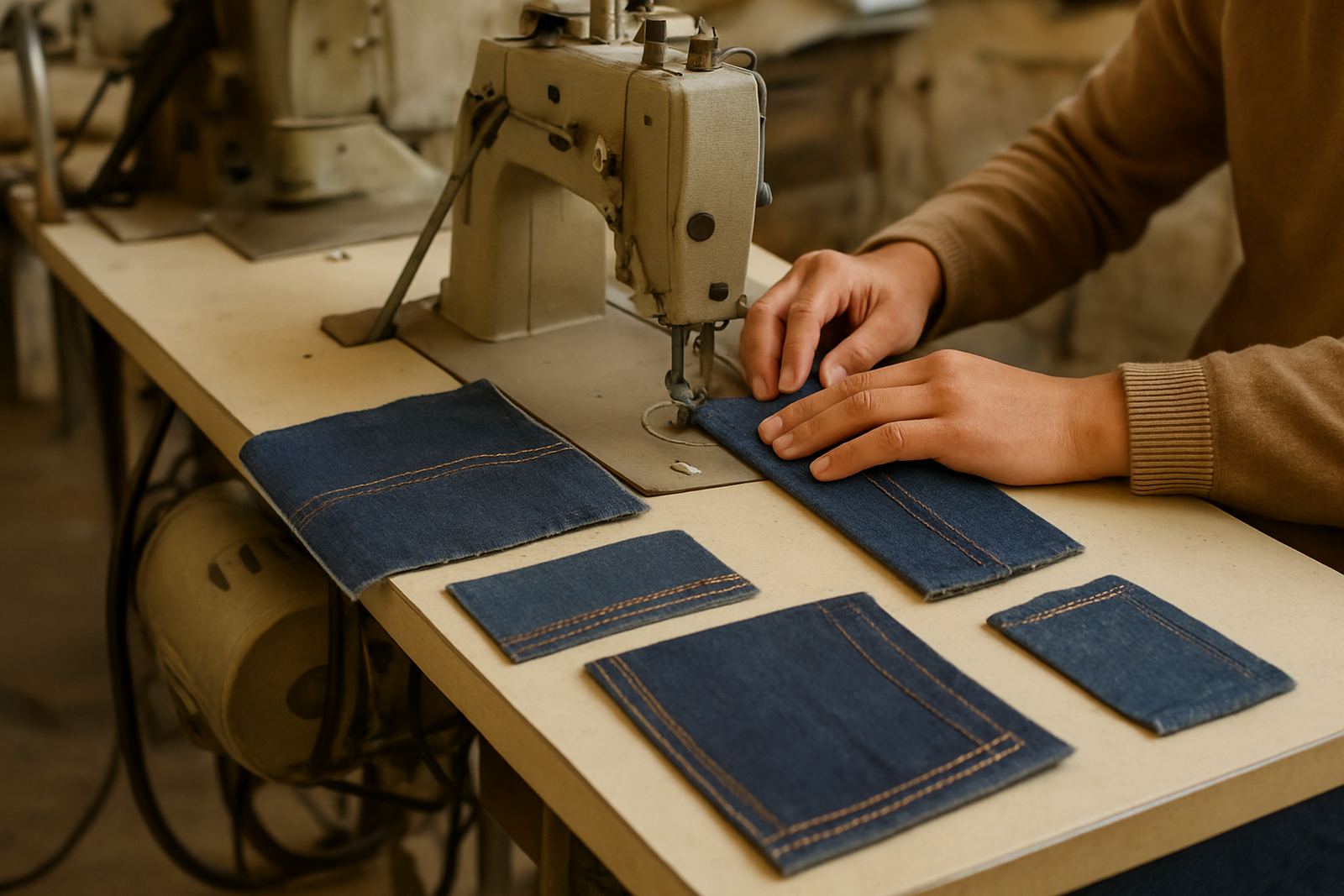
A useful habit is to sew a sample strip with the same seam order you will use in production. That shows where the machine starts to labour. It also helps you see if the feed is pulling the fabric off line or leaving marks on the surface. Small adjustments early save time later.
Needle, thread and stitch settings that hold up
Denim work depends on the correct needle size and point type. Too small a needle can bend, skip or heat up. Too large a needle can leave visible holes and weaken the seam. Match the needle to the thread and the number of layers. For many denim jobs, a stronger needle with a point suited to woven fabric gives the best result. If you are working near seams that need to stay neat on the outside, test first on offcuts.
Thread tension must be set so the stitch locks cleanly in the fabric without showing loops on top or bottom. When the topstitching thread is too tight, the seam can pucker. When it is too loose, the line looks uneven. On thicker denim, reduce speed and check bobbin winding as well. A poor bobbin wind can cause tension swings that are hard to trace, especialy when operators switch between light and heavy jobs in the same shift.
- Use a stronger needle for thick seams and a fresh needle more often than with light fabric.
- Test tension on scrap using the same number of layers and the same thread.
- Keep the bobbin area clean, because lint from denim builds up quickly.
- Check stitch length so the seam looks even and the fabric does not bunch.
Reinforcement points that stop early wear
Denim fails first at stress points, not usually along the open seam. Pockets, belt loops, crotch joins, fly sections, shoulder seams and hems all need attention. A machine for denim should be able to repeat short reinforcing stitches accurately without changing needle position or stalling under load. That matters for workrooms making garments that must survive daily washing and hard wear.
Where possible, use reinforcement stitching at seam ends, bar tacks on pocket openings, and backtacking on high strain areas. On thicker denim, avoid building too much bulk in one place. Trim seam allowances where construction allows and press them flat before topstitching. If the machine struggles at a bulky corner, the issue may be feed, foot pressure or operator technique rather than the motor alone.
For schools, factories and small cut-make-trim teams across Pretoria and Alberton, it helps to standardise the order of stitching. When everyone builds the garment the same way, the machine performs more consistently and repairs become easier to diagnose.
Workshop checklist before you run denim jobs
Before starting a denim order, check the machine, the operator setup and the work method. A short checklist can prevent broken needles, missed stitches and damaged fabric. This is especially useful where one machine handles both household repairs and production work in the same week.
- Confirm the correct needle size and new needle condition.
- Test the stitch on a layered offcut from the actual job.
- Check presser foot pressure and sewing speed control.
- Clean lint from the feed dogs, bobbin area and tension path.
- Verify that the motor starts smoothly at low speed.
- Make sure seam allowance guides and edge marks are clear.
- Inspect thread path, spool stand and bobbin winding before production starts.
If the machine hesitates on thick crossings, stop and adjust before pushing through. That protects the hook timing, needle bar and motor. It also reduces the chance of repeated needle breakage, which wastes time and fabric.
When servicing matters more than force
Many denim problems are caused by service issues rather than the fabric itself. A machine with timing drift, worn feed parts, weak motor response or poor lubrication will struggle on heavy seams. If the stitch suddenly changes after years of steady use, or the needle begins striking the hook on thick joins, the machine needs inspection rather than harder handling.
In our Johannesburg CBD base, we see denim machines brought in after operators have compensated for a fault for too long. A proper workshop check can restore feeding, set timing correctly and correct the motor setup if a conversion is needed. For busy workrooms in Fordsburg, Mayfair, Soweto, Germiston, Pretoria and Randburg, on site repairs often save a full day of stoppage when the machine is still in otherwise good condition.
If you are setting up denim work from scratch, ask for machine installation, operator training and workroom planning together. The right layout, table height and parts supply make denim sewing easier from day one.
Practical buying points for denim workrooms
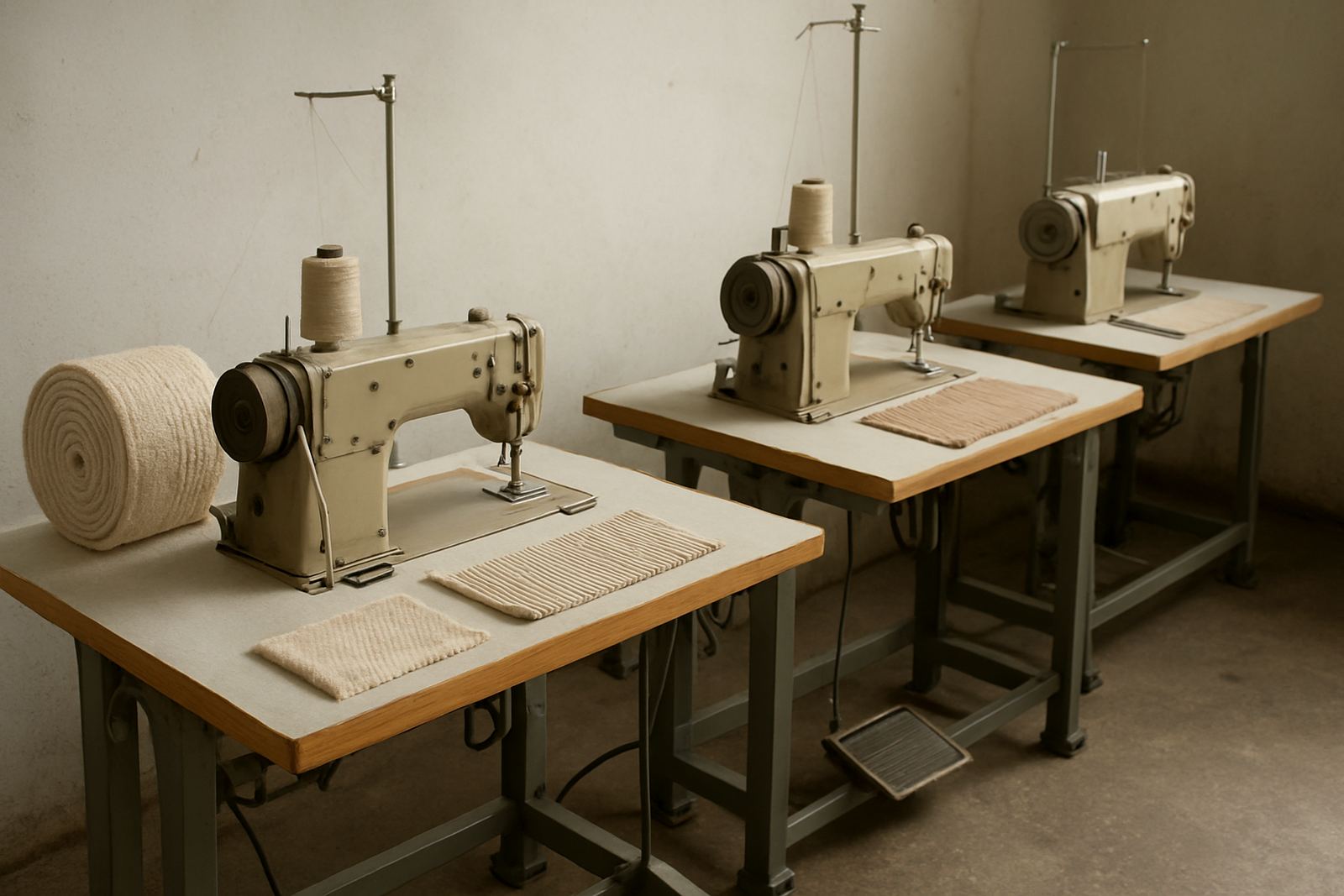
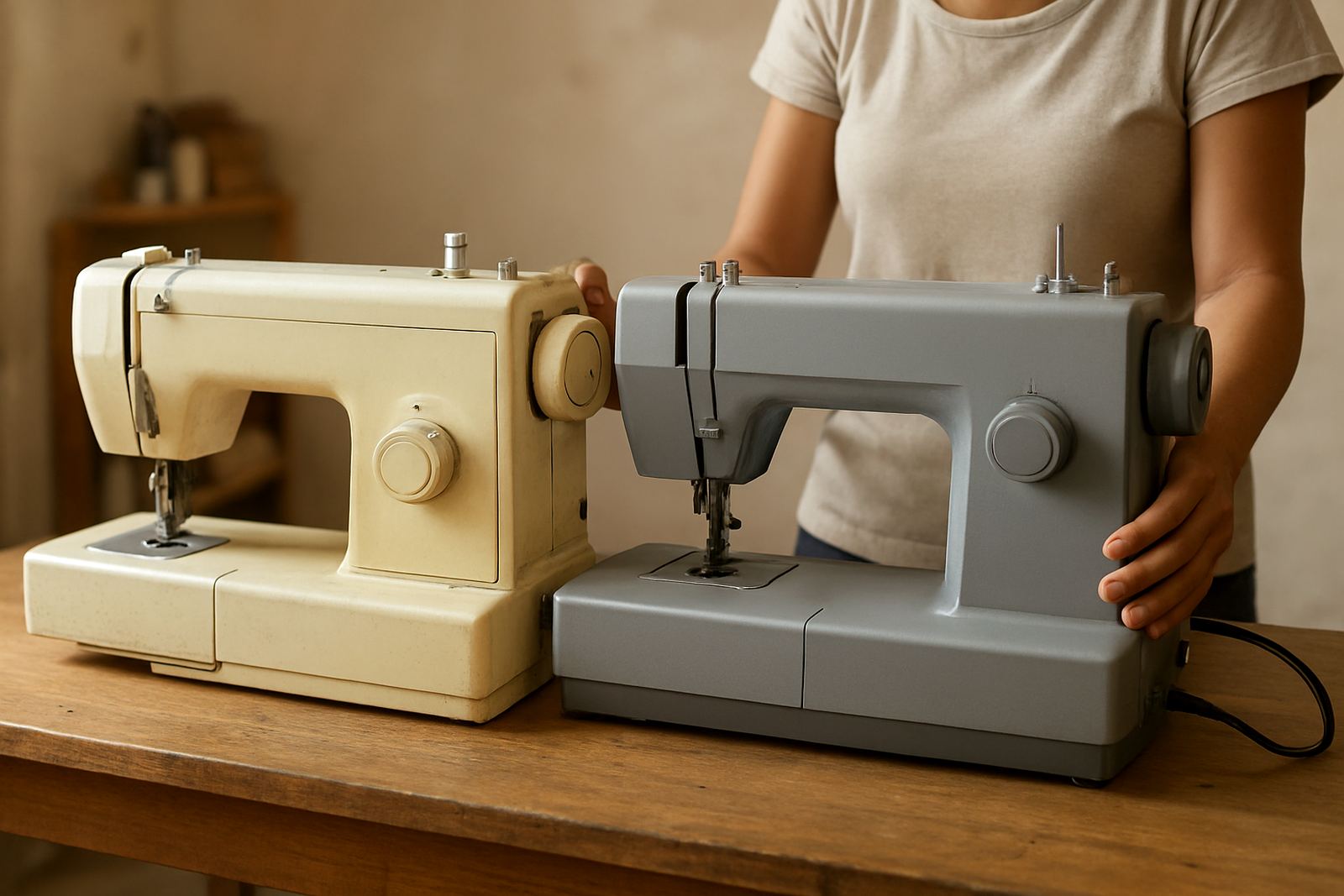
When choosing a machine for denim, think about the actual work volume and the seam types you handle most often. A small alteration shop may need one dependable straight stitch machine with a stronger feeding system, while a factory may need several machines set up for different stages of the garment. There is no single machine that suits every denim task, but there is a right setup for each workflow.
Look at replacement parts, feet, bobbins, belts and needles as part of the purchase, not as an afterthought. Spare parts and attachments should be easy to source locally so the machine does not sit idle for long. For teams sewing in humid coastal conditions or in dusty urban workshops, regular cleaning and correct storage matter too. Keep the machine covered when not in use and check it after load shedding before starting a long run.
If you need help matching a machine to denim work, our team can assist with sales, servicing, parts sourcing and setup advice through the enquiry form on our contact page.