

Start with your garment mix and daily output
Before you compare models, look at what you actually fuse in a normal week. Small badge work, shirt collars, school uniforms, jackets and heavy suiting all ask for different platen sizes, temperatures and dwell times. A press that suits a small tailoring room in Fordsburg may not keep up with a school uniform order in Germiston, while a production floor in Soweto will need steadier throughput and faster loading.
Count how many pieces pass through the press in an hour, not just in a day. If one operator is feeding panels while another is stacking and checking, you need enough table space and a rhythm that does not force rushed work. That is where many buyers slip up, they choose by heat only and forget the handling time around the machine.
- Note the widest panel you fuse, including coat fronts and jacket facings
- Estimate hourly output at normal pace, not peak rush pace
- Check whether you need one operator or two around the press
- Allow for workroom space, stacking space and safe movement around the unit
Match press size to the workroom and the item sizes
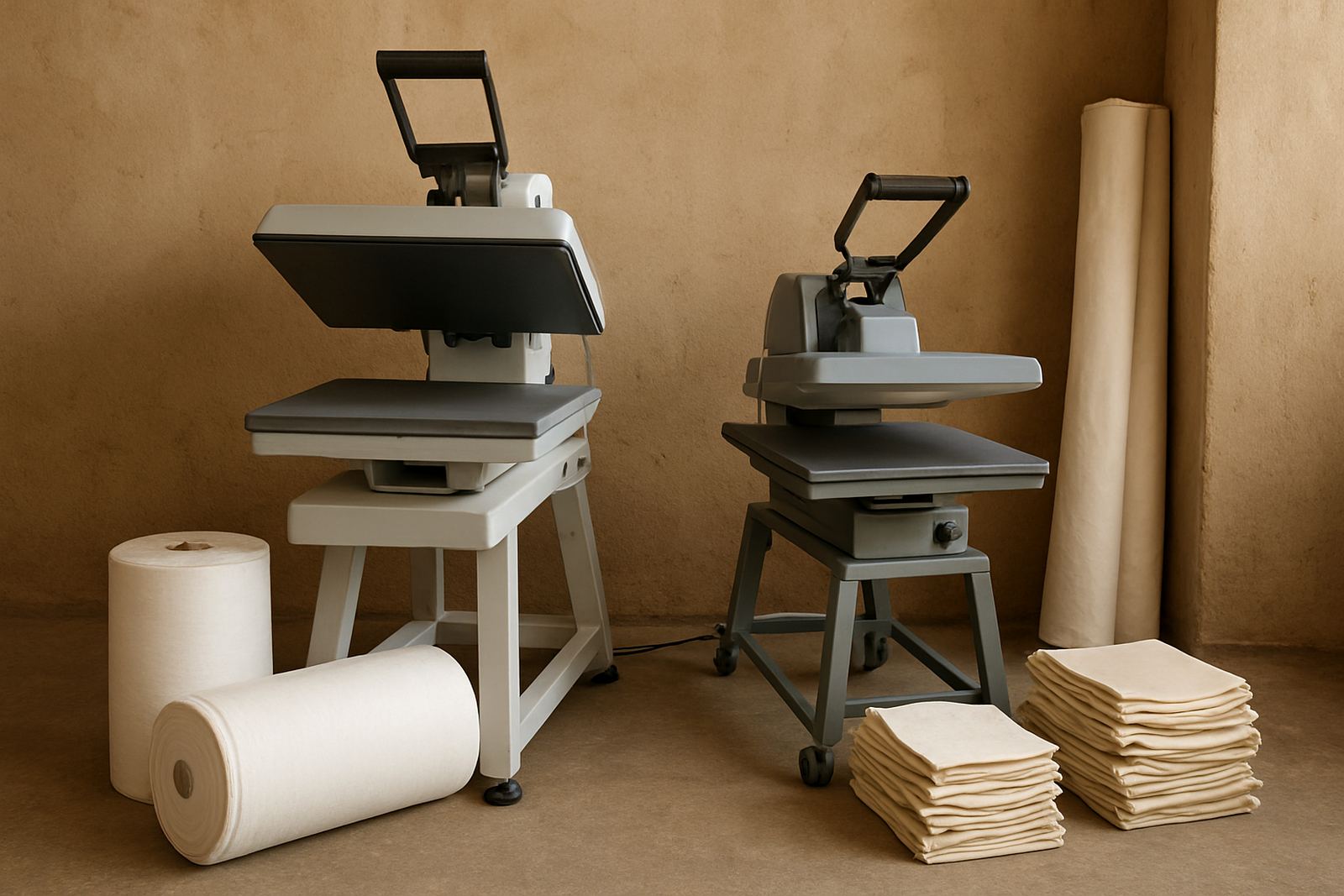
Press size matters because the platen must cover the full fusion area in one cycle wherever possible. If the platen is too small, operators end up doing two passes, which can mark the cloth and slow the line. A larger platen can improve finish quality, but only if the room can take it and the operators can move garments without snagging edges or burning hems.
In a busy Johannesburg CBD workroom, a compact unit may be right for sample work or small repairs. For factory work, a wider platen is often better for jackets, school blazers and bulk lining. Also check the height of the table and whether the frame suits your staff. A machine that is too high or too low will slow work and tire the operator by lunch time.
- Measure your largest panel and add margin for alignment
- Check table depth for laying out the garment flat
- Confirm the machine can fit through doors, lifts and narrow passages
- Leave service access at the back and sides for maintenance
Pressure control, heat consistency and finish quality
Good pressure control is what gives you consistent bonding. If pressure varies from one cycle to the next, you get peeling, shine marks or patchy grip. That becomes costly on uniforms, embroidered items and layered garments because rework takes time and materials. For many users, a press with clear adjustment settings is better than a simpler machine that only looks easy on paper.
Heat consistency matters just as much. Some fabrics need lower heat and longer dwell, while others need a firmer cycle. If you work with coatings, interlinings, printed fabric or polycotton blends, ask how stable the machine stays during a long run. In hot parts of the year, and with load-shedding recovery, a press should come back to set temperature without hunting all over the place.
- Check whether temperature is easy to read and adjust
- Ask how pressure is set and whether it is repeatable
- Confirm even heat across the platen, corner to corner
- Test on your actual fabric, not only sample cloth
Plan for power supply, uptime and workshop conditions
South African workrooms deal with power cuts, voltage swings and tight production deadlines, so the press must suit the site conditions. If your operation in Pretoria or Alberton already runs on backup power, confirm the press draw and how it behaves when supply returns. A machine that takes too long to recover after an outage can hold up the full sewing line.
Workshop conditions matter too. Dust, lint and heat build-up shorten component life, so ventilation and regular cleaning are part of the buying decision. In coastal humidity the metal parts, switches and table surfaces need proper care as well. If your area has a lot of fine fabric dust or adhesive residue, ask how the press should be cleaned and what service interval is sensible.
- Confirm electrical requirements before delivery and installation
- Ask about recovery after power interruptions
- Check ventilation around the press and operator area
- Plan for routine cleaning and scheduled servicing
Choose a model that supports your operators and training needs
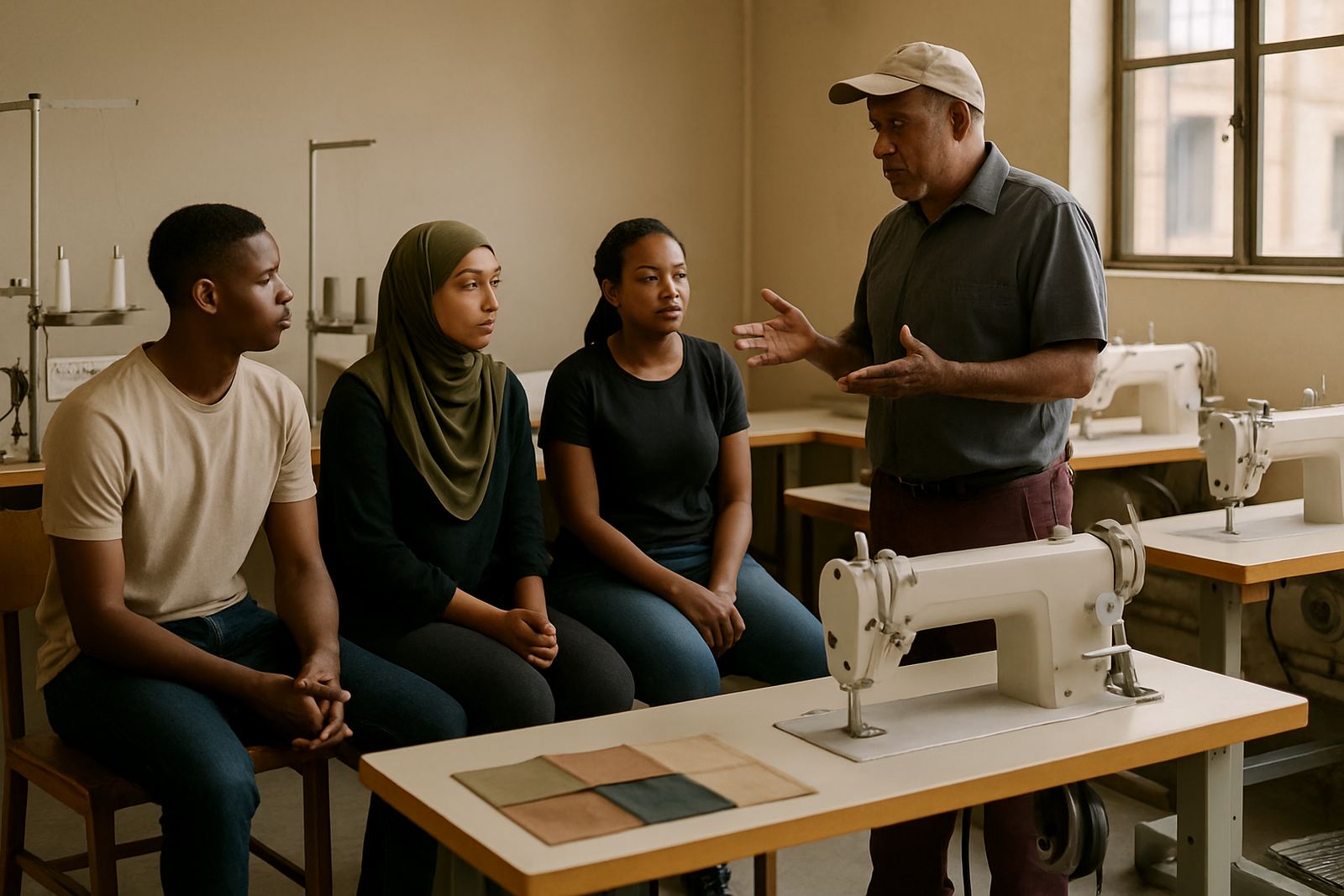
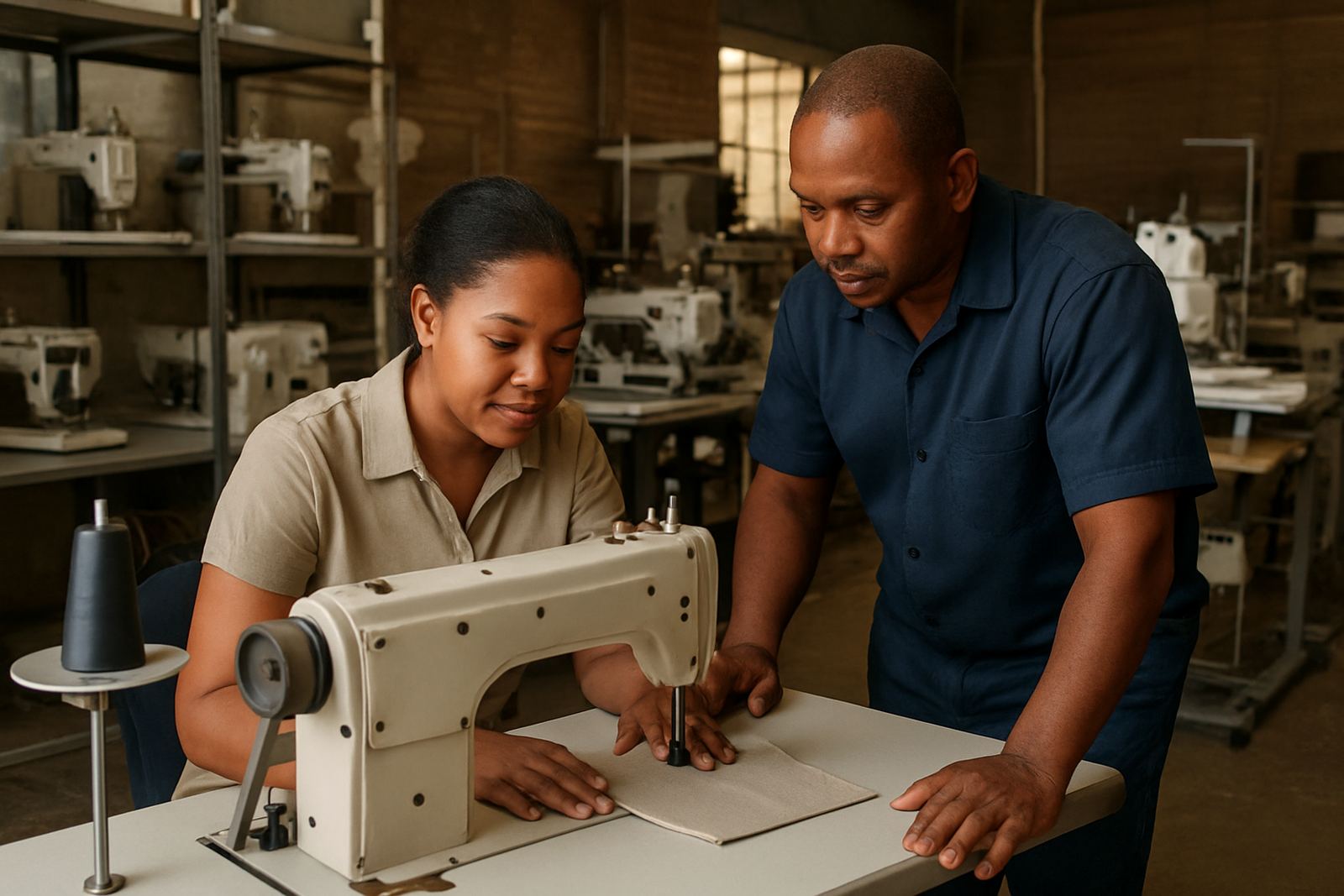
The best machine still needs correct setup and trained hands. If you have new staff, a press with simple controls and clear indicators reduces mistakes. For more advanced work, a machine with steadier control may suit skilled operators who handle mixed fabrics through the day. Training also helps with safe loading, release timing and keeping the work area free of scorch risk.
Think about who will use the press most often. A school sewing room may need a straightforward unit that learners can use safely under supervision, while a tailoring shop may want faster cycling and more precise settings. If several staff share one machine, label the common settings and keep a sample chart close by so the same job is done the same way each time.
- Match controls to the skill level of the operators
- Keep a small settings chart near the machine
- Train staff on safe loading and release times
- Review garment samples after the first few runs
Use a practical checklist before you buy
When the quotations start coming in, compare them on the same points. Do not let one low price hide weak pressure control, poor support or a machine that is too small for your actual work. Ask for the full spec, the space needed, the electrical requirement and the service plan. If the unit cannot be supported locally, it may cost more later in downtime than it saved on the day of purchase.
A practical choice is one that keeps your garments consistent, your team productive and your running costs under control. That means thinking about size, pressure, throughput and local service together. If you are setting up a new room or replacing tired equipment, we can assist with selection, installation, operator training and after-sales servicing across Johannesburg CBD, Fordsburg, Mayfair, Soweto, Germiston, Pretoria, Alberton and Randburg.
- Does the platen suit your largest garment?
- Can the machine keep up with your hourly output?
- Is pressure control accurate and easy to repeat?
- Will it run well on your site conditions and power setup?
- Is local service available when you need it?