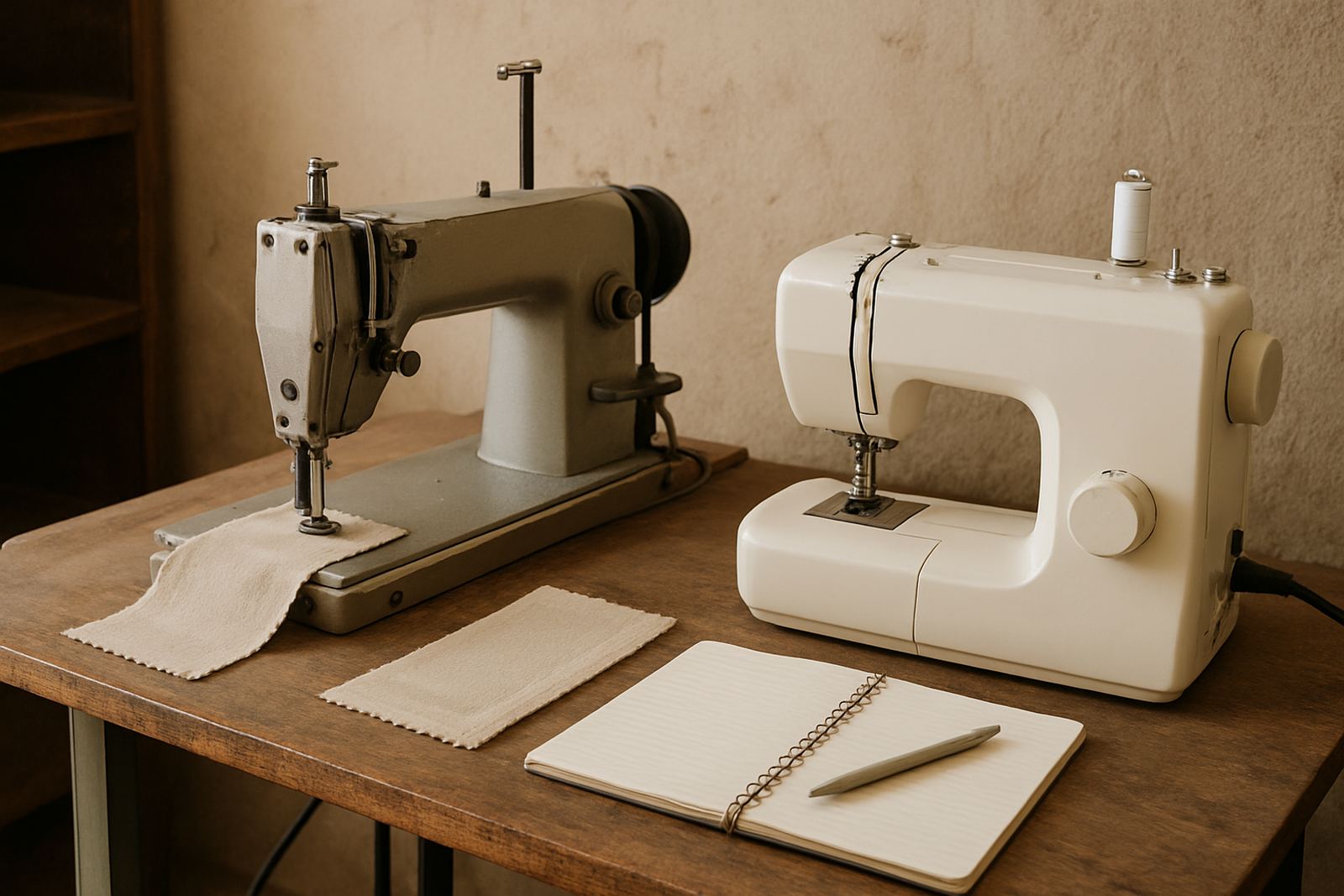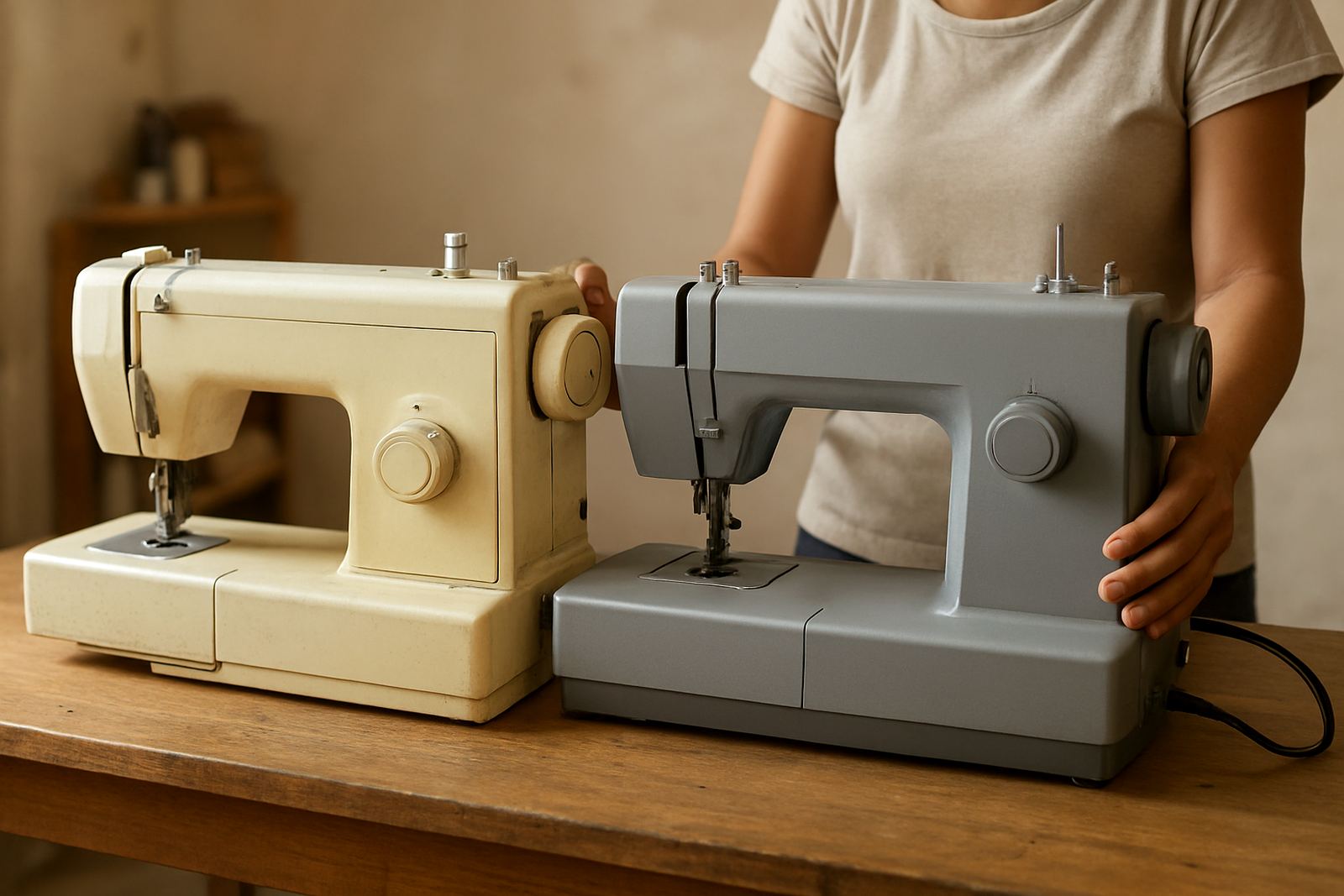


When a home machine stops matching the work
A good home machine can handle curtains, school uniforms, alterations and regular mending. But once the projects get bigger, the needle starts skipping, the motor slows on thick seams, or you spend more time unpicking than sewing, the machine is telling you something. In many Johannesburg homes, the trigger is not one big failure, it is steady pressure from more jobs, tougher fabric and longer sewing sessions.
Look for signs such as thread breakage on stretch fabric, uneven feeding on denim, noisy running after a power dip, or a machine that cannot keep up once you hit several layers. If you are sewing for family, side work or a small school project room, the right upgrade can save time and reduce wear on the machine you already have. It also helps to think ahead, not just at today’s projects but the next 12 months too.
Choose the right machine for the fabric and volume
Start with what you sew most often. For light home use, a stronger mechanical or electronic household machine may be enough. If you work with canvas, denim, upholstery offcuts, uniforms or frequent alterations, you may need a machine with more torque, a better feeding system and stronger stitch control. A simple question helps: will the machine spend most of its time on light mending, or on regular heavy sewing? That answer narrows the choice quickly.
- For mixed home sewing: pick a machine with straight stitch, zigzag, buttonholes and a good range of presser feet.
- For thicker fabrics: look for stronger motor output, adjustable pressure and smooth feeding over seams.
- For speed and repeat work: consider a machine that can run steadily for longer sessions without overheating.
- For embroidery: check hoop sizes, design handling and the support needed for setup and thread pathing.
If you are based in Soweto, Fordsburg, Mayfair, Germiston or Pretoria, it is worth checking that the machine can be serviced locally and that spares are available without long delays. A machine is only as useful as the support behind it, especially when production is urgent.
Check your table, power and room layout before buying
Many sewing problems are not caused by the machine alone. The table height, seat position, lighting and power supply matter just as much. If you sew at home in a small room, make sure there is enough space for fabric flow in front and behind the machine. You do not want a large project pulling off the edge every time you turn a seam.
Johannesburg load-shedding can also affect sewing rhythm. If you work with a machine that has electronic controls or a motor conversion, ask how it behaves after power interruptions. A stable surge protector and proper plug point placement are worth the effort. In older buildings or shared work areas, have the wiring checked before adding another machine, especially if an iron and press are used on the same circuit.
- Measure your table height and seat height together.
- Allow space for fabric feed on both sides of the machine.
- Check lighting over the needle area and cutting space.
- Confirm your plug points and backup power plan.
What to upgrade first if money is tight
You do not always need a full replacement. Sometimes the best move is a service, a timing adjustment, a motor conversion or a better set of feet and attachments. If the machine is still sound, these changes can make it handle daily work more confidently. Many customers are surprised by how much improvement comes from correct needle choice, fresh thread path settings and a proper service. Sometimes the issue is not the machine, it is the setup.
A practical upgrade order is often this: service first, then the most useful attachment, then the motor or control improvements, and only then a new machine if the old one still limits your work. If you are sewing school uniforms, altering garments or doing work for clients from Randburg or Alberton, a workshop check can show whether repair costs are still worthwhile. If the frame is solid and the stitch quality is recoverable, you may not need to start over.
Set up for better results on day one
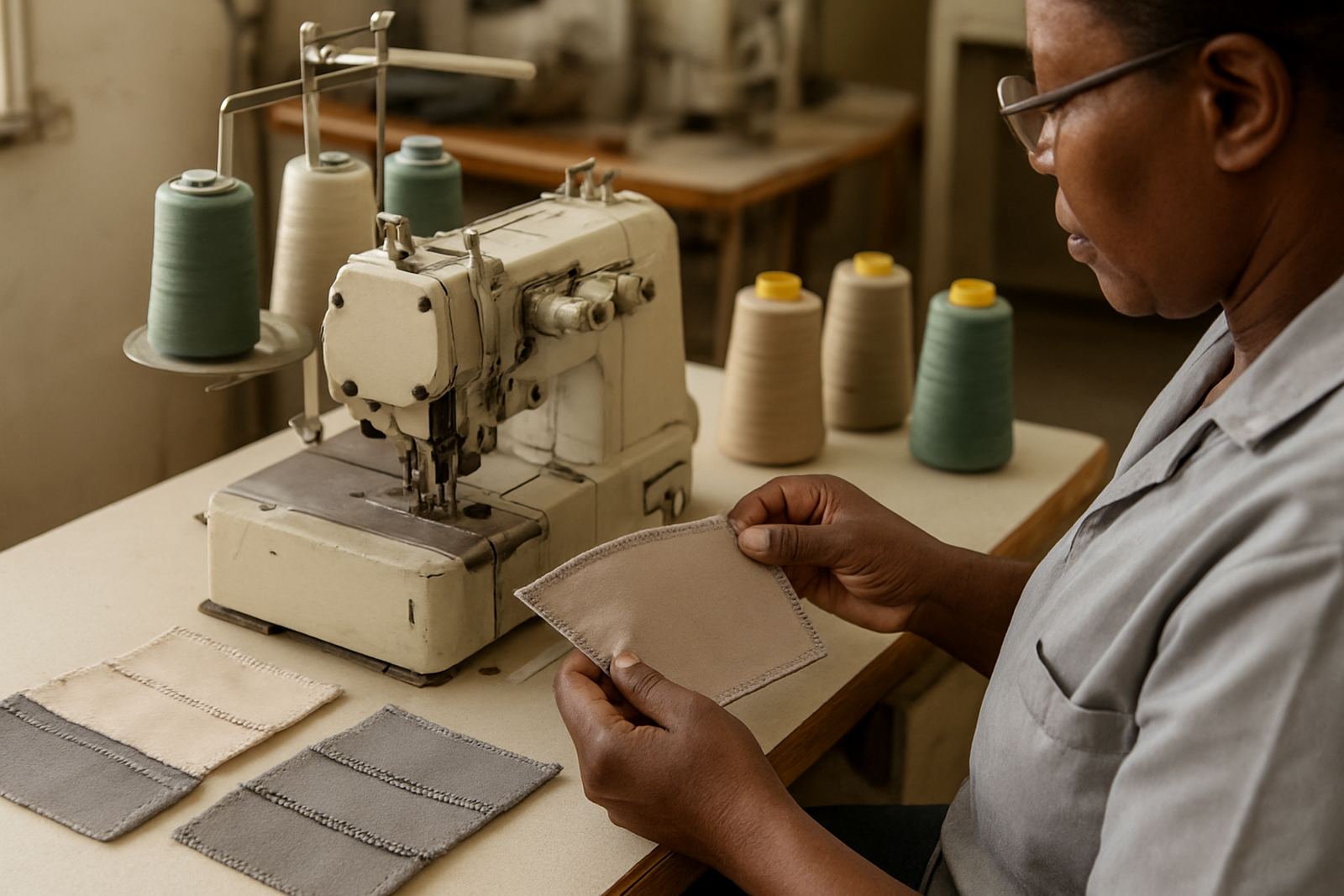
Once you have the right machine, proper setup matters. Use the correct needle for the fabric, match thread weight to the job and test on the same material before you start the full piece. This is especially important with stretch knits, synthetic blends and layered seams. A little time spent on testing can save a lot of frustration later.
Keep a short home checklist near the machine:
- Needle type matched to fabric
- Thread path clean and correctly threaded
- Bobbin wound evenly
- Stitch length tested on offcuts
- Presser foot fitted for the job
- Machine oiled or serviced as recommended
If you are planning to add embroidery, fusing or pressing work at home, do not rush the layout. Better to position the machine and press once, than to keep moving heavy equipment around the room. That saves time and lowers wear on the floor and power points too.
Get local support for installation, training and servicing
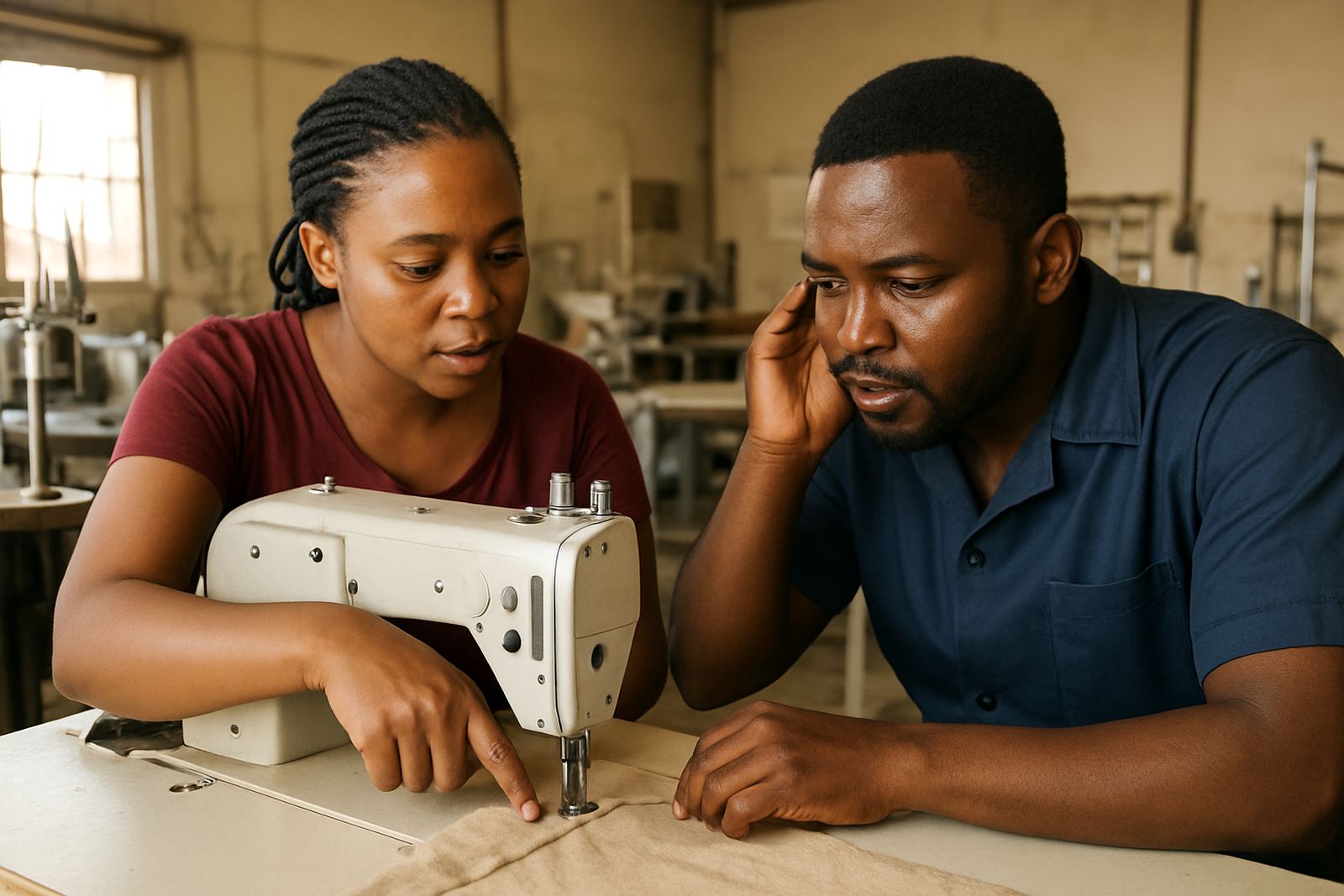
For home sewers who want a cleaner upgrade, proper installation and guidance make a real difference. Asia Sewing Machines works from the Johannesburg CBD with sales, setup and servicing for household and industrial sewing machines, embroidery machines and fusing presses across Gauteng. We also assist with parts sourcing, on site repairs, workshop repairs and operator training, which helps when the machine is being used by more than one person in the home or workroom.
If you are not sure what to buy, send an enquiry through the contact form and ask for help based on the fabrics you use, the amount of sewing you do and the space you have available. A careful recommendation can save money, and it avoids buying a machine that is too light for the work or too complicated for daily use. The best upgrade is the one that fits the way you actually sew, not the way a brochure says you should.