

Listen for the first warning signs
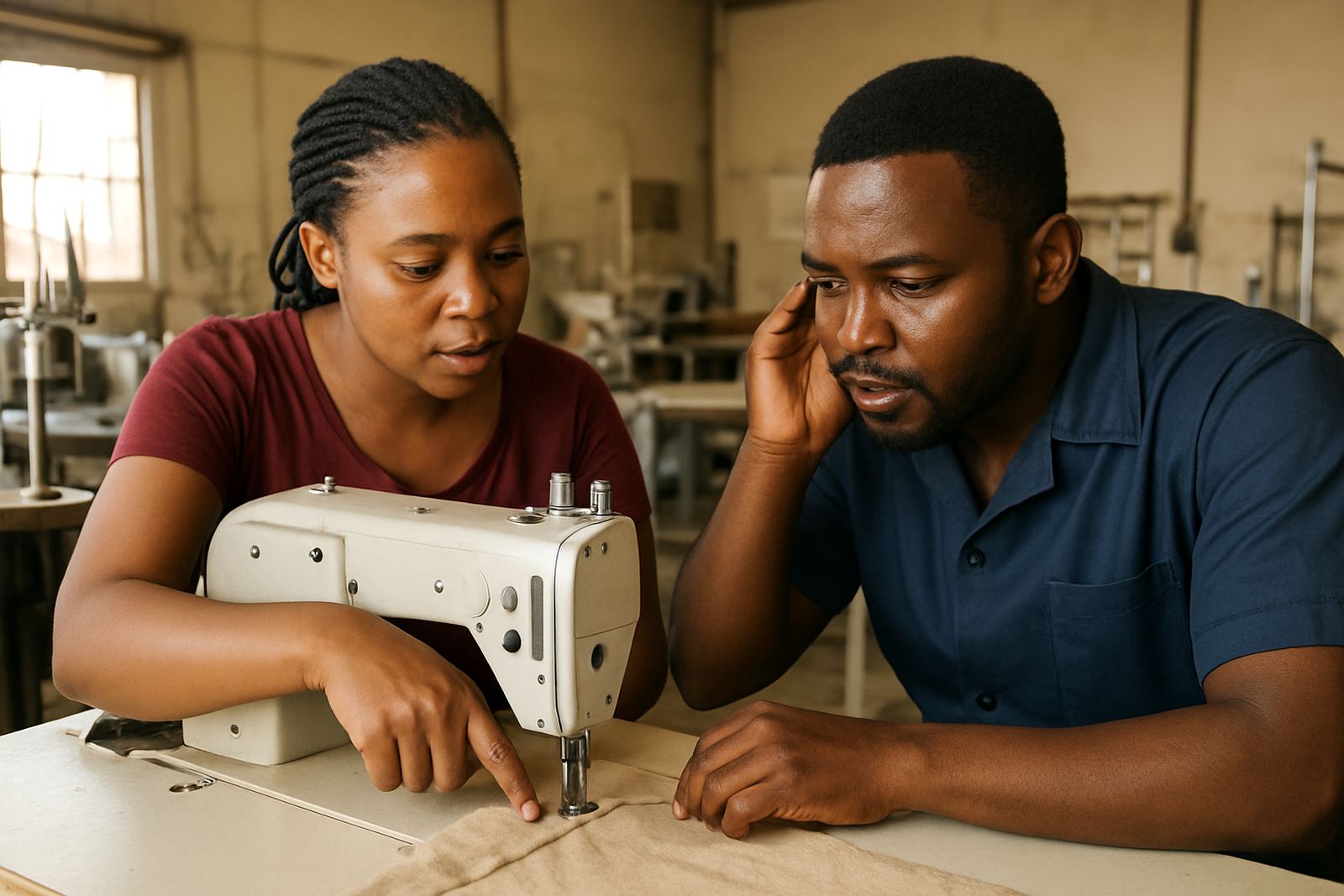
Most machines do not fail without notice. The first clues are usually sound and feel. A machine that was running quietly may start knocking, grinding, buzzing or rattling. The handwheel may feel stiff, the motor may strain, or the needle bar may seem to move with a little extra drag. Those changes often mean lint build-up, worn parts, dry bearings or timing that has drifted.
In a busy workroom in Johannesburg CBD, Soweto or Germiston, people often keep working past the first sign because the job is urgent. That can turn a small service into a bigger repair. If you notice a new sound for more than one shift, do not ignore it.
- Grinding or clicking from the top or underside
- Vibration that was not there before
- Motor noise without normal needle movement
- Handwheel becoming harder to turn
Heat, smell and power problems need attention
Heat is another clear service sign. If the motor housing, foot control area or machine bed becomes unusually warm after normal use, something may be under strain. Electrical issues can also show up as a burning smell, flickering lights on the machine or stop-start movement when the pedal is pressed. In Gauteng workshops, load-shedding and power returns can also upset settings and expose weak motors or loose connections.
Check whether the machine runs normally at low speed, then starts to labour as soon as you increase pace. That can point to a motor conversion issue, worn belt, poor lubrication or a clutch fault. If the machine trips power, overheats or slows under light fabric, it should be checked before the next production run.
- Motor runs hot after short use
- Burning smell or electrical odour
- Power cuts in and out while sewing
- Machine slows down under normal load
Skipped stitches, thread breaks and poor stitch formation
When stitch quality changes, the machine is telling you something. Skipped stitches, uneven tension, loose loops or repeated thread breaks often come from timing issues, worn needles, thread path obstruction or a damaged hook. If the problem appears across different operators and fabrics, the machine itself is more likely to need service.
For embroidery machines, watch for thread nests, misalignment, puckering and designs that start to drift out of shape. On household machines, bobbin problems and poor top thread flow are common. A quick needle change can solve some issues, but if the same fault comes back, the machine likely needs a proper inspection and adjustment.
- Skipped stitches on straight or zigzag seams
- Thread snapping every few minutes
- Loops under the fabric
- Embroidery design shifting or missing sections
Feeding trouble, dragging fabric and uneven seams
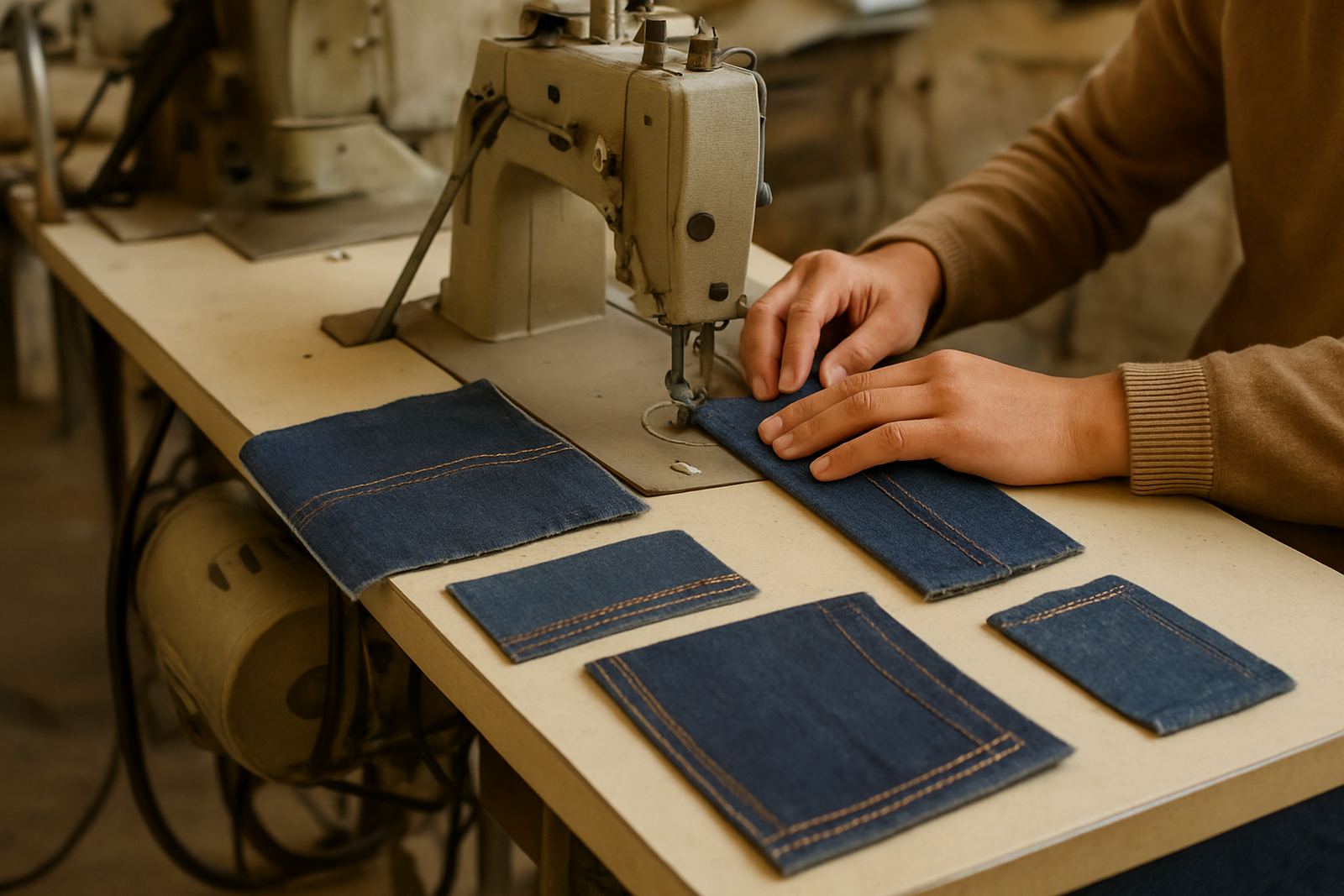
If the machine is sewing but the fabric does not move evenly, service may be overdue. Feed dogs can clog with lint, pressure settings can drift, and worn parts can stop the material from advancing properly. You may also see seam waviness, pulled edges or a stitch length that changes without warning.
This matters on school uniforms, heavy canvas, knitwear and multiple-layer work where accurate feed is essential. Tailors in Mayfair and Fordsburg often notice the first sign when hems start looking uneven. If the fabric slips, jams or has to be guided by hand the whole time, the machine should be checked.
- Fabric slipping instead of feeding smoothly
- Uneven stitch length along the seam
- Needle hitting fabric off line
- Pressure foot not holding material correctly
A simple service checklist before the machine stops
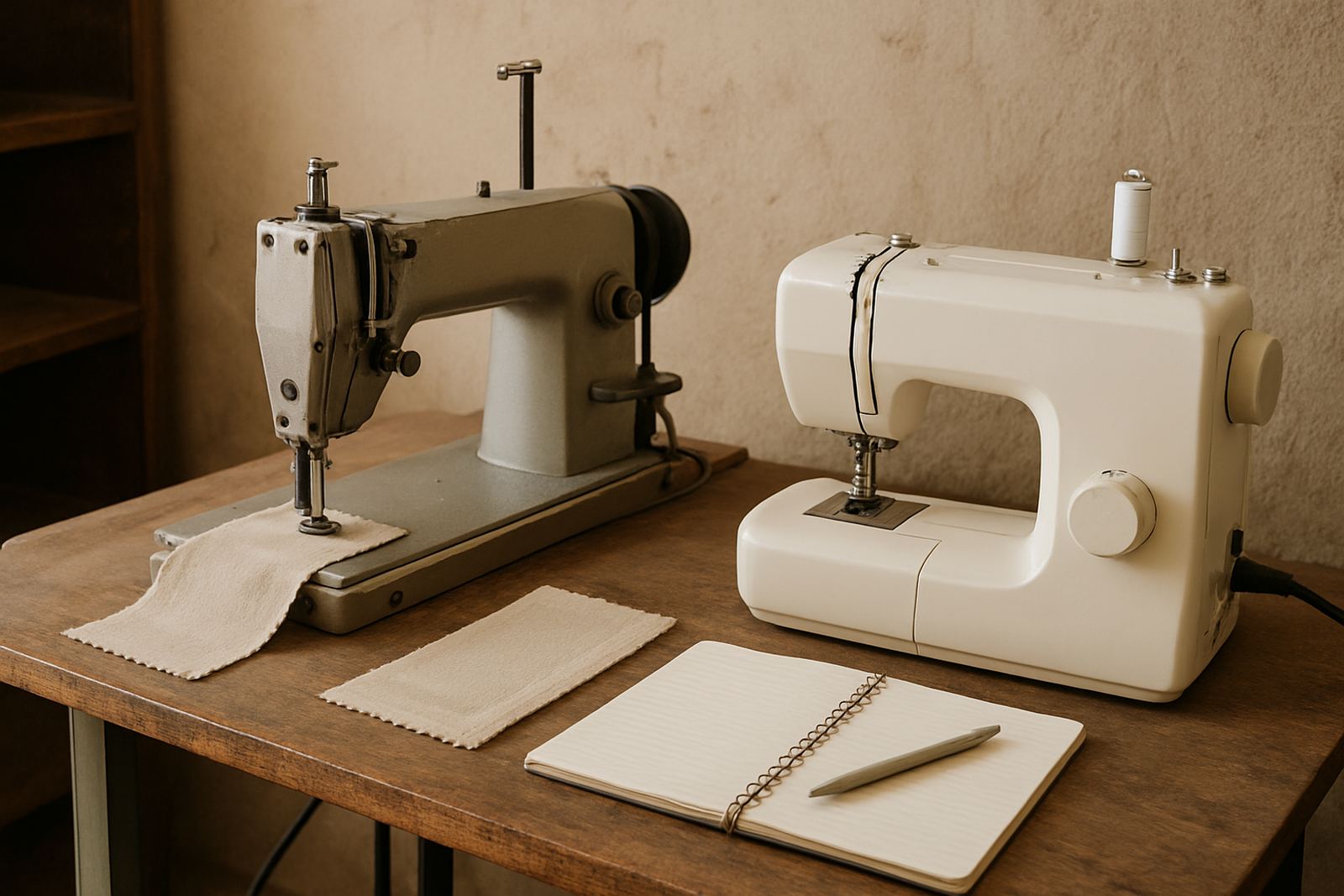
You can catch many problems early with a short routine check. Before the machine reaches the point of failure, clean lint from the bobbin area, check the needle for bends, confirm the thread is threaded correctly and make sure the presser foot is set for the fabric being used. Keep a note of any sounds, heat or stitch faults so the technician can find the cause faster.
For factories and schools, a weekly check is worth the time. It reduces downtime, protects motors and helps prevent avoidable damage to hooks, feed systems and tension parts. If you run more than one machine, compare them. The one that feels different often needs attention first.
- Clean lint from bobbin case and feed area
- Replace damaged or blunt needles
- Check thread tension and threading path
- Test stitch quality on the actual fabric used in production
- Look for loose screws, covers or foot parts
When to call for workshop or on site service
Some problems can wait for routine servicing, but others need a technician sooner. If the machine is making a loud mechanical noise, overheating, refusing to sew correctly or leaving repeated damage in the fabric, arrange service before more parts wear out. For industrial machines and embroidery units, timing adjustments, motor conversions and embroidery setup should be handled by someone who works with these systems daily.
Asia Sewing Machines serves Johannesburg CBD, Fordsburg, Mayfair, Soweto, Germiston, Pretoria, Alberton and Randburg, with installation, workshop repairs and on site repairs for factories, tailors, schools and home sewers. The team also assists with parts sourcing, routine servicing, pressing station service and operator training. If a machine is due, getting it checked early is usually cheaper than waiting for a breakdown.