

Start with the kind of sewing you do every day
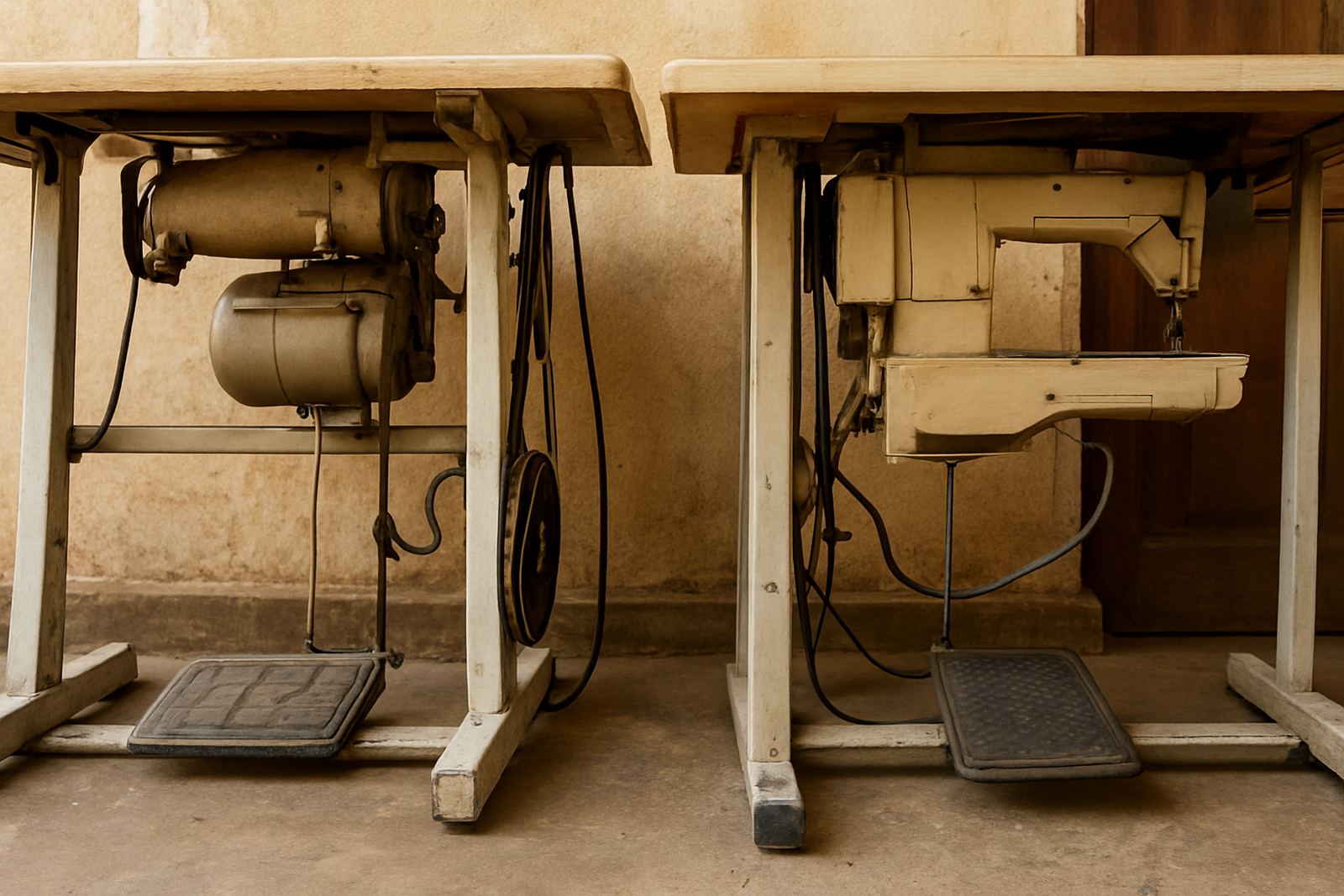
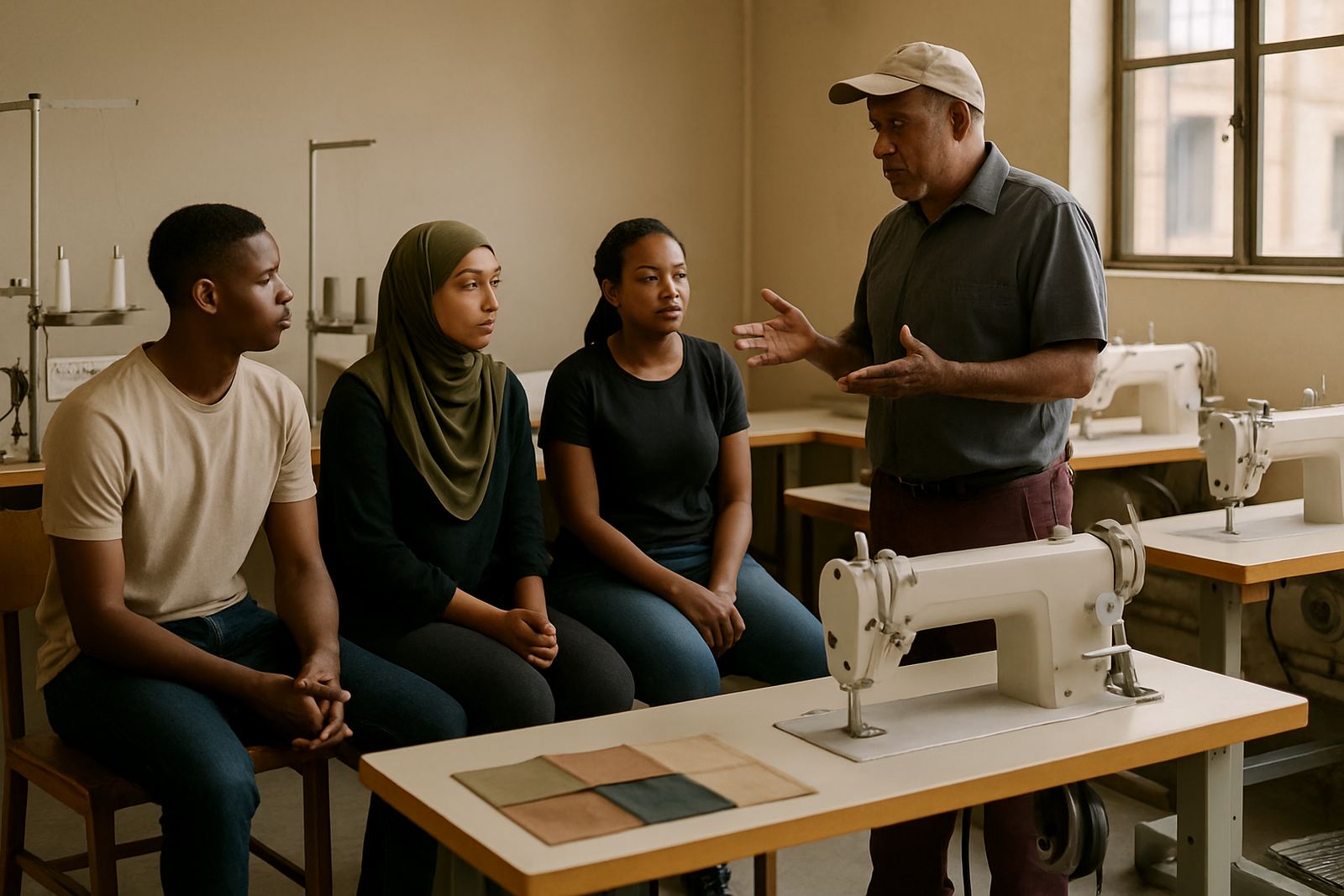
The first question is not which machine looks better, but what the work demands. A school doing alterations and craft projects has very different needs from a Soweto garment room stitching uniforms from morning to late afternoon. If the machine will sew for long shifts, handle thick seams, or work on the same job all day, an industrial model is usually the better fit. If the work is lighter, more varied and only happens now and again, a household machine can be enough.
Think about the fabrics too. Cotton, polycotton, denim, canvas, upholstery material and lining all behave differently. A machine for light repairs may struggle when asked to punch through multiple layers. In our Johannesburg CBD workshop and on site across Fordsburg, Mayfair, Germiston and Pretoria, we often see machines chosen for the wrong fabric mix and then pushed past their limit.
- Daily repairs and occasional home projects: household machine may suit
- Repeat production, uniforms, school wear or tailoring: industrial machine is often better
- Heavy seams, thicker thread and long running hours: industrial is the safer choice
- Mixed use with soft fabrics and simple repairs: compare both before deciding
Check the workload before you choose a machine type
Workload is about time, not just quantity. A machine that runs for 20 minutes a week has a very different life from one that runs 8 hours a day in a factory or alteration shop. If you are sewing for profit, check how many items must be finished per day and how many operators will use the machine. A machine that heats up, slows down or skips stitches under pressure costs time and thread.
Household machines are handy for flexible work, but they are built for lighter duty. Industrial machines are built for repeated use, higher speed and cleaner control on production jobs. For workrooms in Randburg, Alberton and the CBD, we often recommend planning for the busiest day, not the quiet one. That way the machine does not become the bottleneck when orders come in.
- How many hours will the machine run each week?
- How many garments, repairs or samples must be finished per day?
- Will one person use the machine, or several operators?
- Do you need steady production during load-shedding with backup power planning?
Match the machine to the material and stitch job
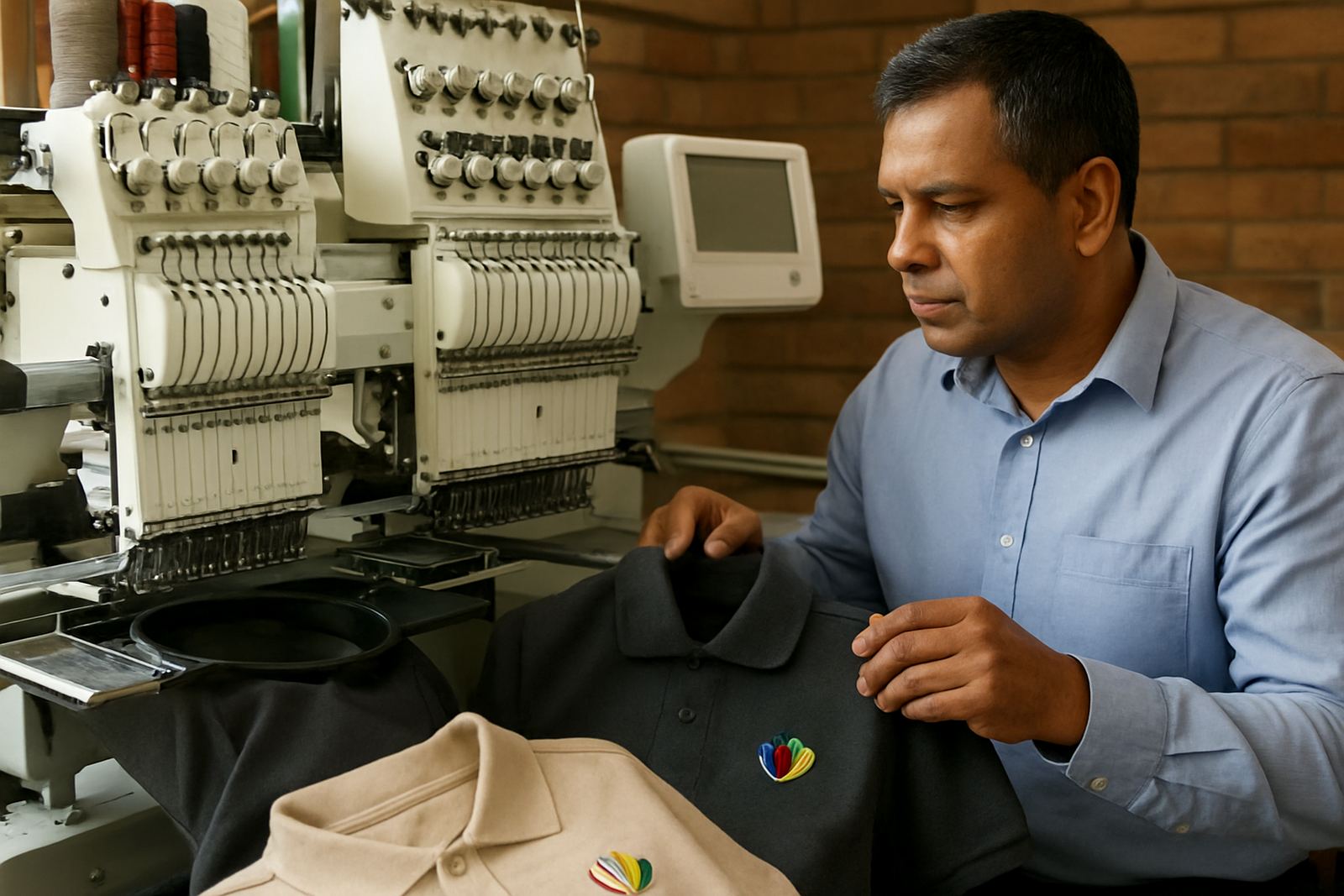
Once the workload is clear, match the machine to the material. Straight stitching on medium weight fabric is one thing. Buttonholes, bar tacks, zigzag work, embroidery, hemming and binding are another. Some jobs need a plain industrial lockstitch machine, while others call for a household model with more stitch options. Embroidery setup and fusing work also need the right support equipment around the machine, not just the machine itself.
For thicker materials or longer seams, industrial machines usually give better needle penetration and more consistent stitch length. Household machines can still do good work but they are less forgiving when the material gets bulky. If you are sewing school uniforms in Pretoria, repairs in Mayfair, or sample pieces for a small label in Germiston, the best choice depends on whether you need speed, flexibility, or a bit of both. Small details matter, like the presser foot type, motor strength and whether the table setup suits your space.
- Light repairs and mixed home use: choose flexibility
- Thicker fabrics and repeated seams: choose power and speed
- Decorative or specialist work: check attachment options and stitch functions
- Embroidery work: make sure the machine and setup suit the design size and hooping needs
Look at speed, power and how often the machine will run
Speed can help, but only when the operator can control it. Industrial machines are made for higher speeds and smoother running over longer periods. That matters in production rooms, alteration shops and training spaces where consistency counts. Household machines are usually slower and more manageable for beginners, students and home users who need more control than speed.
Power supply is another practical point. In some workrooms the issue is not only the machine, but whether the motor, plug point and backup plan can cope with the load. We often see machines set up in spaces where the power is shared with irons, cutters and compressors. A good setup keeps the machine running without tripping circuits or causing needless downtime. If you are in a building with municipal power interruptions or older wiring, ask about motor conversions and installation checks before you buy.
- Frequent daily use: industrial is normally the better long term option
- Short sessions and lighter work: household can be more convenient
- Need for stable speed on production: industrial motor and table setup help
- Shared workspace or older electrical supply: plan the installation properly
Use a simple pre-purchase checklist before you pay
A clear checklist saves money. Before buying, confirm the machine suits your work now and the work you expect in 6 months. Many buyers focus on price only, then discover they need extra attachments, a different foot, stronger thread, or an operator lesson to use the machine properly. That is where setup and training make a real difference.
At Asia Sewing Machines, our team helps customers across Johannesburg CBD, Fordsburg, Soweto, Germiston, Pretoria, Alberton and Randburg choose the right fit, then install and service it properly. Lerato Mokoena handles sales guidance, Yusuf Patel oversees workshop repairs, Naledi Khumalo assists with embroidery setups, Willem van Wyk does field service, Anele Dlamini manages parts and stores, and Farah Ismail coordinates customer support. That means we can look at the machine, the job and the spare parts all in one place.
- What fabric will you sew most often?
- How many hours a day will the machine run?
- Do you need a simple repair machine or a production unit?
- Will you need training, spare parts, thread, or attachments soon?
- Is there enough space for the table, motor and operator movement?
When to choose industrial, when to choose household
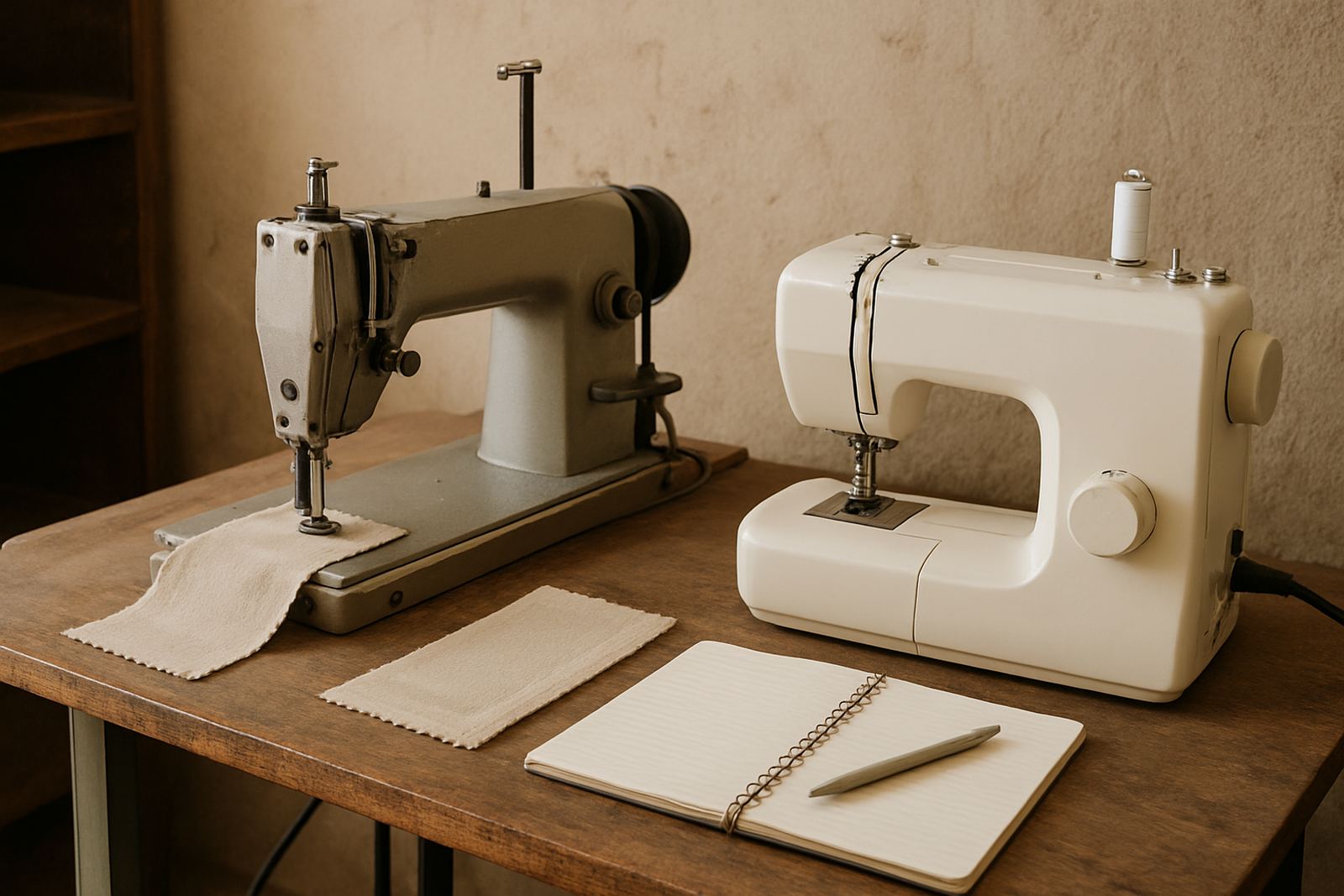
Choose industrial if the machine will earn money, work hard, or handle the same job over and over. It suits tailoring shops, clothing factories, uniform makers and busy workrooms where uptime matters. Choose household if the work is lighter, the space is smaller, or you need a machine for occasional sewing at home or school. A good household machine can still give neat results, but it is not built for constant high pressure use.
If you are unsure, bring the question back to three things: workload, speed and material. That simple test usually gives the answer. If the machine must keep up with orders, an industrial model is usually worth it. If it is for repairs and general sewing, a household machine may be enough. And if the work is in between, we can inspect the job and advise on installation, servicing and the right accessories so the machine works properly from the start.
- Industrial: high volume, longer runs, thicker material, production use
- Household: lighter use, varied tasks, home sewing, smaller space
- Unsure: ask for a practical check before buying